

P0137 on 2016-2024 Chevrolet Camaro 2.0L: Causes and Fixes for O2 Sensor Low Voltage
P0137 on a 2.0L Camaro most often means the downstream oxygen sensor (Bank 1, Sensor 2) has failed. It's a common wear item and a straightforward DIY replacement. Before replacing, check for exhaust leaks and damaged wiring near the sensor. If other codes like P0171 are present, check for loose intake manifold bolts per a GM TSB, a known issue on this engine.
- P0137 means the downstream O2 sensor (after the catalytic converter) is sending a continuous low voltage signal.
- The most probable cause is a failed O2 sensor, which is a common DIY replacement.
- Before buying a new sensor, always inspect for exhaust leaks between the engine and the sensor, as well as any damage to the sensor's wiring.
- If other codes are present, especially P0171, check for a vacuum leak at the intake manifold, a known issue on the 2.0L LTG engine.
What's Unique About the 2016-2024 Chevrolet Camaro
While P0137 is a generic code, its appearance on the 2.0L LTG engine in the Camaro can sometimes be a symptom of a larger issue. General Motors has issued a Technical Service Bulletin (TSB #PIP5529B) indicating that an air leak from loose intake manifold bolts can trigger P0137 along with other air/fuel mixture codes. This TSB explicitly covers the 2016-2017 Camaro with the LTG engine. Therefore, if other codes like P0171 (System Too Lean) are present, the root cause may be a vacuum leak rather than a simple sensor failure.
Symptoms You May Notice
- Check Engine Light (MIL) is illuminated.
- Failed vehicle emissions test.
- Slightly increased fuel consumption (may not be noticeable).
- Rough idle or engine hesitation in some rare cases.
- In rare instances, a burning oil odor or smoke from the tailpipe if the root cause is a severe vacuum leak or other engine issue.
- Replacing the catalytic converter. A P0137 code indicates a problem with the sensor circuit, not necessarily the converter itself. A failing converter typically triggers a P0420 code.
- Replacing the O2 sensor without first checking for exhaust or intake leaks. If a leak is the true cause, the P0137 code will return even with a new sensor.
Most Likely Causes
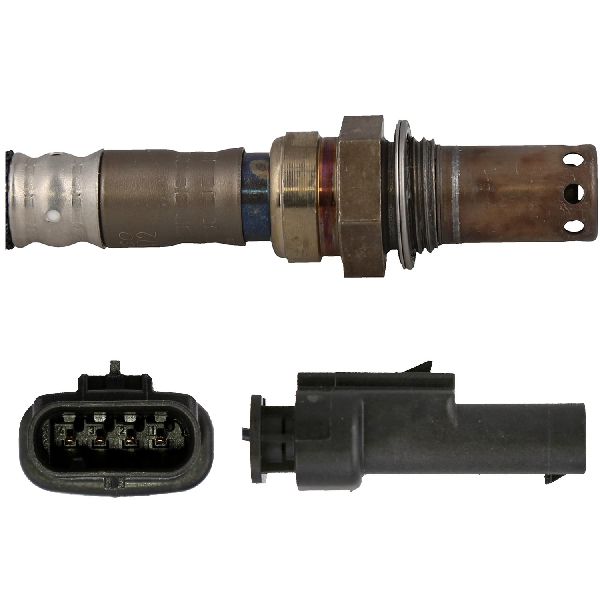
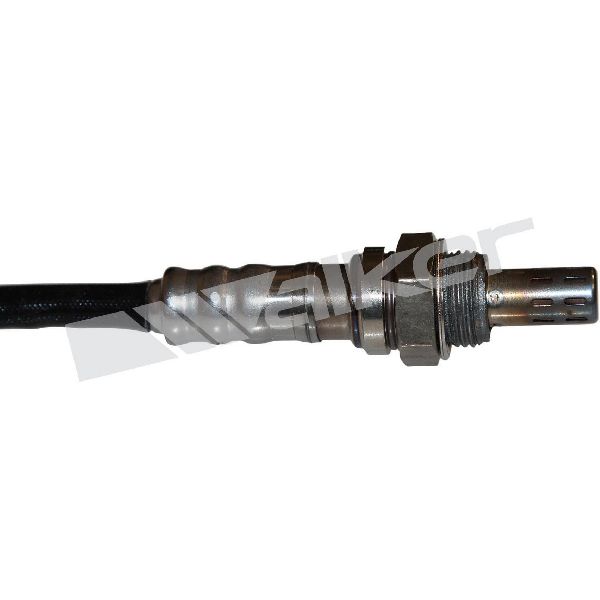
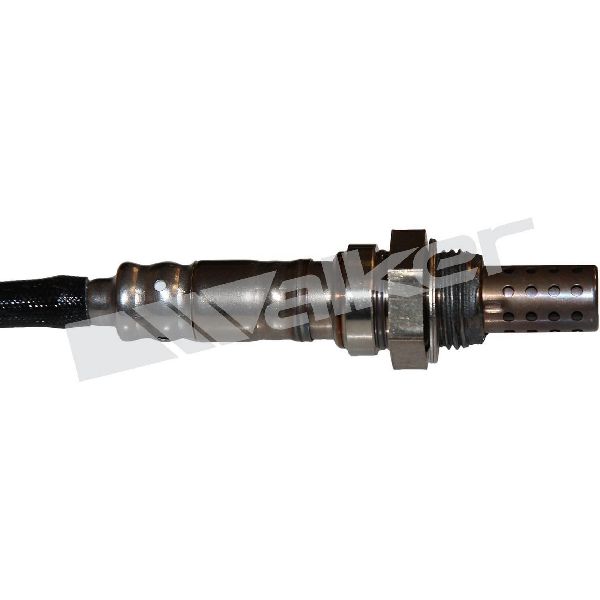
- Faulty Downstream Oxygen Sensor (Bank 1, Sensor 2) 🔴 High Probability → Shop Oxygen Sensor Oxygen sensors are wear-and-tear items that degrade over time due to constant exposure to high-temperature exhaust gases. Contamination from oil or coolant can also cause premature failure. They are a common replacement part.
How to confirm: Use a scan tool to monitor the live voltage data for Bank 1 Sensor 2. If the voltage is stuck below 0.2V and does not fluctuate on a warm engine, the sensor is likely bad. You can also test the sensor's internal heater circuit with a multimeter; the sensor has four wires, two of which are for the heater. The resistance should be between 5 and 25 ohms.
Typical fix: Replace the downstream oxygen sensor. 🎬 Watch: Step-by-step diagnostic and fix for Bank 1 Sensor 2. This requires a special O2 sensor socket (22mm or 7/8"). The sensor is located after the catalytic converter.
Est. part cost: $40-$120 - Exhaust Leak 🟡 Medium Probability Leaks can develop at gaskets (manifold, flanges) or flex pipes due to vibration and heat cycles. An exhaust leak allows unmetered oxygen into the exhaust stream before the sensor, causing it to read a false low voltage (lean) condition.
How to confirm: Visually inspect the exhaust system from the engine to the downstream sensor for soot marks or physical cracks. Listen for hissing sounds. A smoke test is the most effective way to pinpoint small leaks. 🎬 See this easy trick to find hidden exhaust leaks.
Typical fix: Repair the leak by replacing the faulty gasket, tightening loose flange bolts, or welding the cracked component. Exhaust putty can be used for small cracks as a temporary fix.
Est. part cost: $10-$150 - Damaged Wiring or Connector ⚪ Low Probability The sensor wiring is routed under the vehicle and can be damaged by road debris, contact with hot exhaust components, or corrosion in the connector pins.
How to confirm: Visually inspect the entire wiring harness leading to the O2 sensor for any signs of melting, chafing, or breaks. Check the connector for corrosion or loose pins. Use a multimeter to test for continuity and shorts in the circuit.
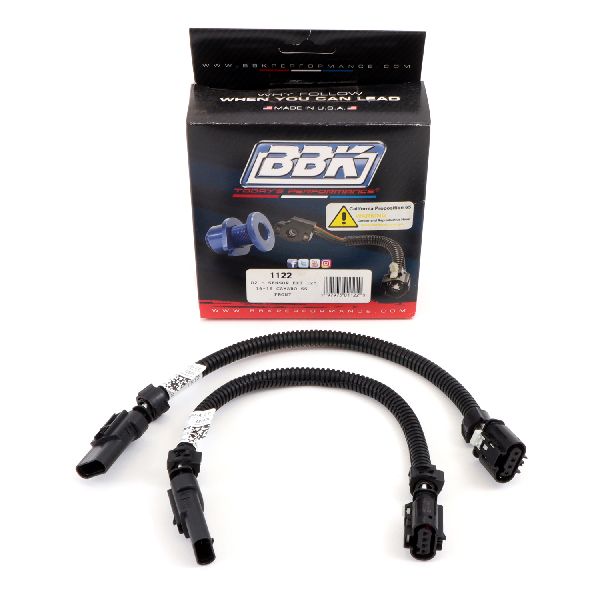
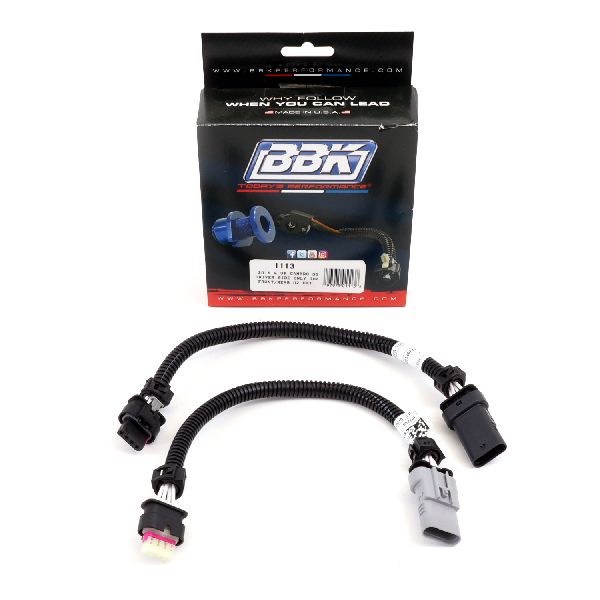
Typical fix: Repair the damaged section of wiring or replace the connector pigtail. Secure the harness away from heat sources.
Est. part cost: $15-$50
Rare But Worth Checking
- Loose Intake Manifold Bolts: → Shop Engine Intake Manifold As per GM TSB #PIP5529B, this is a known issue on 2016-2017 2.0L LTG engines. A vacuum leak here can cause a lean condition that triggers P0137, almost always accompanied by other codes like P0171 (System Too Lean). The fix is to remove each bolt one at a time, apply medium strength threadlocker, and torque to specification.
- Cracked PCV Hoses/System Fault: The PCV system on the LTG engine is a known weak point. Cracked hoses can create a vacuum leak, leading to lean codes like P0171 and potentially P0137 as a secondary code. A video for the Cadillac ATS 2.0T shows how cracked PCV hoses can cause a P0171 code. This is a plausible cause on the Camaro as well.
- Faulty Engine Control Module (ECM): → Shop Engine Control Module (ECM) This is extremely rare. The ECM should only be considered after all other possibilities (sensor, wiring, leaks) have been exhaustively ruled out. There are no widespread reports of ECM failure causing an isolated P0137 on this platform.
Diagnosis Steps
- Connect an OBD-II scanner and confirm P0137 is the active code. Note any other codes present, as they are critical for diagnosis on this platform.
- Visually inspect the downstream O2 sensor, its electrical connector, and wiring harness for any obvious damage, such as melting, chafing, or corrosion.
- Inspect the exhaust system for leaks between the engine and the downstream O2 sensor. Look for black soot marks or listen for hissing sounds. A smoke test is recommended for accuracy.
- Use the scanner's live data feature to observe the voltage of Bank 1, Sensor 2 with the engine warm and running. A healthy sensor will show a relatively stable voltage, while a faulty one may be stuck below 0.2V.
- If other codes like P0171, P0101, or P0106 are present, inspect the intake manifold bolts for proper torque per TSB PIP5529B, as a vacuum leak could be the root cause.
- Inspect PCV hoses for cracks or damage, as this is another common source of vacuum leaks 🎬 Watch: How to test the PCV valve on GM engines. on the LTG engine.
- If no leaks are found and the wiring appears intact, test the sensor's heater circuit and signal wires with a multimeter for correct resistance, voltage, and ground.
- If the wiring and all other systems check out, the oxygen sensor itself is the most likely failed component.
Parts You'll Likely Need
- Downstream Oxygen Sensor (Bank 1, Sensor 2)
(OEM #12683553)— This is the most common failure point for a P0137 code. It is a standard maintenance item that wears out over time.
Trusted brands: ACDelco, Denso, NTK, Bosch
OEM price range: $50-$120
Aftermarket price range: $40-$80
Related Codes That Often Appear With This One
- P0171 — System Too Lean (Bank 1). This code often appears with P0137 if there is a significant vacuum or exhaust leak, as noted in TSB PIP5529B for the 2.0L LTG engine.
- P2096 — Post Catalyst Fuel Trim System Too Lean (Bank 1). This code is closely related to P0137 and points to a lean condition being detected by the downstream O2 sensor, often caused by an exhaust leak.
- P0131 — O2 Sensor Circuit Low Voltage (Bank 1, Sensor 1). This code is also listed in TSB PIP5529B as potentially being caused by loose intake manifold bolts, pointing to a systemic air/fuel mixture problem rather than an isolated sensor failure.
- P0101, P0106, P0068 — MAF/MAP/Throttle Correlation Codes. These codes are also grouped with P0137 in TSB PIP5529B, indicating a significant unmetered air leak is affecting multiple sensors.
Technical Service Bulletins (TSBs) & Recalls
- PIP5529B: Mentions that P0137 can be caused by an air leak from loose intake manifold bolts on the 2.0L LTG engine, often appearing with other codes like P0171, P0101, and P0106. The fix is to apply threadlocker and re-torque the bolts. This TSB applies to 2016-2017 Camaros.
- 20-NA-149: A general bulletin about diagnosing intake and exhaust leaks that can cause a wide range of O2 sensor and fuel trim codes, including P0137.
Platform-Specific Known Issues
- Water intrusion into the rear compartment can cause various electrical issues due to corrosion at the rear fuse block, as detailed in TSB 18-NA-375. While not directly linked to P0137, widespread electrical problems could potentially affect sensor circuits.
- Real Owner Experience with Loose Intake Manifold: → Shop Engine Intake Manifold The issue of loose intake manifold bolts described in TSB PIP5529B is a real-world problem. Owners of platform-mates like the Cadillac ATS and Buick Regal with the same 2.0L LTG engine have confirmed that re-torquing the bolts resolved a P0137 code when it appeared with other lean codes.
Mechanic-Grade Diagnostic Values
- Downstream O2 Sensor (B1S2) Voltage — expected: Relatively stable voltage between 0.4V and 0.8V on a fully warm engine at idle or steady cruise.. Failure: Voltage is consistently stuck low, below 0.2V - 0.4V. The ECM may set the code if the voltage remains below ~0.21V for more than 20 seconds.
- O2 Sensor Heater Circuit Resistance — expected: Between 5 and 25 Ohms when measured across the two heater circuit wires with the sensor disconnected.. Failure: An infinite resistance reading (open circuit) or a reading near zero (short circuit).
- O2 Sensor Signal Circuit Bias Voltage — expected: Approximately 450 mV (0.45V) with Key On, Engine Off, measured at the harness connector with the sensor unplugged.. Failure: A reading of 0V suggests a short to ground; a reading of battery voltage suggests a short to power in the signal wire.
- O2 Sensor Heater Circuit Voltage Supply — expected: Approximately 12V (Battery Voltage) at the harness-side connector with the key in the 'on' position.. Failure: No voltage indicates a likely blown fuse or a break in the power supply wire from the fuse block.
Scan Tool Commands That Help
- GDS2 (GM Global Diagnostic System 2): O2 Sensor Display / Graphing — This is the primary function to visually monitor the live voltage of the downstream O2 sensor in real-time. It helps confirm if the sensor is stuck in a low voltage state (<0.2V) or behaving erratically, which is essential for initial diagnosis.
Wiring & Ground Locations
- Engine/ECM Grounds (G101, G130/G104) — On related GM platforms, G101 is on the lower front of the engine block, and G130/G104 is on a cylinder head. A main engine-to-chassis ground point is also critical. A poor ground can introduce electrical noise and voltage offsets, causing the ECM to misinterpret sensor data.. The O2 sensor's signal is a low-voltage signal that relies on a clean and stable ground reference. A compromised engine ground can cause the sensor's perceived voltage to be artificially low, triggering a P0137 code even if the sensor itself is good.
- Main Wiring Harness Bracket — There is a metal bracket holding the main wiring harness that comes from the passenger side to the front of the engine block.. This bracket has been identified as a potential chafe point on Camaros, which could damage wires within the harness over time, including those for engine sensors. A visual inspection of the harness in this area is warranted if electrical issues are suspected.
Real Owner Repair Stories
- CorvetteForum user (Chevrolet Corvette C5 (different vehicle, but same GM code logic)) — Recurring P0137 code after exhaust modifications.
❌ Tried (didn't work) Initial diagnostics did not pinpoint the issue.
✅ What actually fixed it An exhaust leak was found at a slip-joint clamp that was not sealing properly. Welding the joint to create a permanent seal resolved the P0137 code, proving a small, unmetered air leak was tricking the sensor into reading low voltage.
"I Checked Everything" — The Actual Cause
- The most common scenario fitting this pattern for the 2.0L LTG engine is the loose intake manifold bolt issue described in TSB #PIP5529B. An exhaust system smoke test will come back clean, leading a technician to suspect the sensor or wiring. However, the root cause is an intake-side vacuum leak introducing unmetered air, which causes a lean condition that the downstream O2 sensor correctly reports as low voltage. This is especially true if code P0171 is also present.
OEM Part Supersession History
12627140→12683553— Standard part revision or change in manufacturer. No specific reason for the supersession is publicly documented.
Heads up: The new part number (12683553) is the correct and current replacement for the original. Using the older part number is not recommended.
Diagnostic Flowchart
Other Known Issues on This Vehicle
Issues unrelated to this code that are worth knowing about as an owner of this generation:
- Cracked Pistons / Low-Speed Pre-Ignition (LSPI) 🔴 High — More common on early models (pre-2016) and tuned engines, but can occur on stock vehicles. Piston failure can happen at low mileage. Using Dexos1 Gen 2 spec oil is critical to mitigate LSPI risk. (Ref: TSB 17-NA-039 (recommends specific low-calcium oil to prevent piston failure))
- Timing Chain Stretch and Guide Failure 🟠 Medium — Can occur between 70,000-100,000 miles. Caused by a combination of design and oil maintenance. Symptoms include a rattling noise on startup. An updated timing chain kit is available.
- Intake Valve Carbon Buildup 🟠 Medium — A common issue for all direct-injection engines, including the LTG. Typically requires cleaning (e.g., walnut blasting) every 80,000-100,000 miles to restore performance and prevent misfires.
- Timing Cover Oil Leak 🟡 Low — A relatively common oil leak that appears as a slow seep from the front timing cover gasket. Often noticeable as burnt oil smell or black gunk on the engine block.
- PCV System Issues / High Oil Consumption 🟠 Medium — The factory PCV system design can lead to higher-than-normal oil consumption and oil fouling spark plugs. Many owners install an aftermarket oil catch can to mitigate this. (Ref: TSB 16-NA-019 (related to cold weather PCV freezing, but highlights system sensitivity))
- Bent Pushrods / Collapsed Lifters ('Chevy Tick') 🟠 Medium — While more famous on V8s, this can affect other GM engines. A ticking noise from the engine, especially on a cold start, can indicate a lifter is not pumping up with oil correctly. (Ref: TSB 19-NA-218 (describes diagnosis for engine ticking noise related to lifters))
Used vs. New Parts: Buying Guide for This Vehicle
When a used part is the smart pick: For this repair, buying a used part is not recommended. Oxygen sensors are wear-and-tear items with a finite lifespan, similar to spark plugs. A used sensor from a salvage yard has an unknown history and may fail shortly after installation, leading to repeated labor.
What to inspect on the donor part:
- Not applicable as used parts are not advised for this component.
OEM-only on this vehicle (don't cheap out):
- While not strictly 'OEM-only', using a direct-fit sensor from a reputable manufacturer is critical. Avoid 'universal' sensors that require splicing wires, as improper connections can cause resistance issues and trigger the same code.
Aftermarket brands forum-validated for this vehicle:
- ACDelco (GM Genuine Part)
- Denso
- NTK
- Bosch
Brands owners have reported issues with on this vehicle:
- Generic, no-name brands or universal-fit sensors are frequently reported by mechanics to have high failure rates or incorrect voltage outputs, leading to persistent codes.
Real Owner Stories
Aggregated from forums and TSBs cited above. Mileages and costs reflect what owners reported in those sources.
2016 Chevrolet Camaro 2.0L LTG
Symptoms: The owner experienced a P0137 code appearing in conjunction with other lean codes like P0171.
What fixed it: Re-torquing the intake manifold bolts with threadlocker as specified in TSB PIP5529B.
Source hint: Vehicle_specific_issues: Real Owner Experience with Loose Intake Manifold
2014 Buick Regal 2.0L LTG
Symptoms: Owner reported a P0137 code and confirmed the vehicle suffered from the same platform-specific intake manifold issue.
What fixed it: Addressing loose intake manifold bolts as described in TSB PIP5529B.
Source hint: Platform_mates: 2014-2017 Buick Regal 2.0L LTG
Related OBD-II Codes
Frequently Asked Questions
Does TSB PIP5529B apply to my 2016-2017 Chevrolet Camaro with the 2.0L LTG engine?
I have a P0137 code along with P0171 and P0101; could this be more than just a bad sensor?
What specific oil should I use in my 2016-2024 Camaro 2.0L to prevent engine issues related to these codes?
Where is the Bank 1, Sensor 2 oxygen sensor located on the Camaro 2.0L LTG?
Could a ticking noise and a P0137 code be related on my LTG engine?
Is there a common electrical issue that might affect my sensor readings besides the sensor itself?
Helpful Videos

We Have This Part in Stock

The information in this article is provided for general reference and educational purposes only. Vehicle specifications, procedures, and part compatibility can vary by production date, trim level, and region. Always consult your vehicle's factory service manual and verify part numbers before purchasing or performing repairs. Safety-critical components such as airbags, seat belts, and braking systems should be installed by a qualified professional.
- Chevrolet Camaro:
- 🧭 Diagnostic Flowchart
- 🎬 Helpful Videos
- 🛍️ Shop This Part
- What's Unique About the 2016-2024 Chevrolet Camaro
- Symptoms You May Notice
- Most Likely Causes
- Rare But Worth Checking
- Diagnosis Steps
- Parts You'll Likely Need
- Related Codes That Often Appear With This One
- Technical Service Bulletins (TSBs) & Recalls
- Platform-Specific Known Issues
- Mechanic-Grade Diagnostic Values
- Scan Tool Commands That Help
- Wiring & Ground Locations
- Real Owner Repair Stories
- "I Checked Everything" — The Actual Cause
- OEM Part Supersession History
- Other Known Issues on This Vehicle
- Used vs. New Parts: Buying Guide for This Vehicle
- Real Owner Stories
- 2016 Chevrolet Camaro 2.0L LTG
- 2014 Buick Regal 2.0L LTG
- Related OBD-II Codes
- Frequently Asked Questions
- 🎟️ Get 5% Off