

P0137 on 2013-2015 Chevrolet Spark: Causes and Fixes for O2 Sensor Low Voltage
This code almost always points to a faulty downstream oxygen sensor (Sensor 2) on your Spark's 1.2L engine. Replacing this sensor is the most common fix. Expect to pay between $40-$80 for an aftermarket sensor and $90-$150 for an OEM part. It's a straightforward DIY job for many home mechanics.
- P0137 on a 2013-2015 Spark points to the downstream O2 sensor (Sensor 2).
- The most likely cause is a failed sensor, followed by wiring damage or an exhaust leak.
- It is a DIY-friendly repair for most home mechanics.
- Driving with the code is possible but can lead to failed emissions and potential catalytic converter damage long-term.
What's Unique About the 2013-2015 Chevrolet Spark
For the 2013-2015 Spark with the 1.2L engine, the P0137 code is a very common and straightforward issue. There are no widespread, unique design flaws that cause this code. The problem is almost always what it appears to be: a standard failure of the downstream O2 sensor due to age and exposure to exhaust gases. Unlike some other vehicles where this code might be a symptom of complex software or catalytic converter issues, on the Spark, the diagnostic path typically leads directly to the sensor itself or its immediate wiring.
Symptoms You May Notice
- Check Engine Light is on
- Decreased fuel efficiency
- Rough or unstable idle
- Vehicle may fail an emissions test
- Engine stalling when the vehicle is completely stopped, as noted in some related manufacturer reports (NHTSA ODI #11259011)
- Replacing the upstream (Sensor 1) oxygen sensor instead of the downstream (Sensor 2) sensor. On the Spark, Sensor 1 is easily visible in the engine bay on the exhaust manifold, while Sensor 2 is located further down, after the catalytic converter.
- Replacing the catalytic converter when the P0137 code appears alone. A failing converter typically sets a P0420 code, sometimes accompanied by O2 sensor codes, but P0137 by itself rarely indicates a bad converter.
Most Likely Causes
- Faulty Downstream Oxygen Sensor (Bank 1, Sensor 2) 🔴 High Probability → Shop Oxygen Sensor Oxygen sensors are wear items that degrade over time due to constant exposure to high-temperature exhaust gases, moisture, and contaminants. The internal heater element, which helps the sensor reach operating temperature quickly (around 600°F), is a frequent point of failure. Their typical lifespan is 60,000 to 90,000 miles.
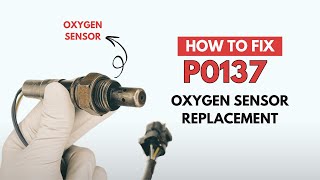
How to confirm: Use a scan tool to monitor the live data for the B1S2 O2 sensor. A healthy sensor will show a relatively stable voltage when the car is at a steady RPM. A faulty sensor will often be stuck at a very low voltage (e.g., <0.1V) and not respond to changes in engine conditions. 🎬 Watch: A helpful guide to diagnosing the P0137 trouble code.
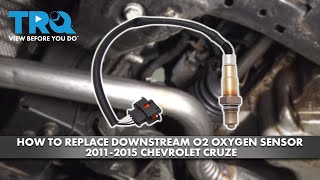
Typical fix: Replace the downstream oxygen sensor. A specialized 22mm or 7/8" oxygen sensor socket is recommended. Apply anti-seize compound to the threads of the new sensor before installation. 🎬 See this walkthrough for replacing the downstream sensor on this engine.
Est. part cost: $40-$150 - Damaged Wiring or Connectors 🟡 Medium Probability The sensor wiring is routed under the vehicle and is exposed to road debris, water, and heat from the exhaust. This can lead to frayed wires, melted insulation, or corrosion in the connector pins. The connector for the downstream sensor is located behind a protective plate that must be removed for access.
How to confirm: Visually inspect the entire wiring harness from the O2 sensor to the main vehicle harness. Look for any signs of melting, chafing, breaks, or corrosion. Check for a secure connection at the sensor's plug. Check for power and ground at the connector with a multimeter if a wiring diagram is available.
Typical fix: Repair the damaged section of wire or clean/replace the connector. Ensure the harness is properly secured away from the hot exhaust pipe.
Est. part cost: $5-$50 - Exhaust Leak ⚪ Low Probability Rust or failed gaskets can cause leaks in the exhaust system. A leak located before the downstream O2 sensor can allow outside air (oxygen) to enter the exhaust stream, causing a false low-voltage reading. In regions with heavy road salt use, corrosion of the exhaust pipes and flanges is more common.
How to confirm: Listen for a ticking or hissing sound from the exhaust, especially when the engine is cold. A visual inspection may reveal black soot around cracks or gasket flanges. A smoke test is the most effective way to pinpoint small leaks.
Typical fix: Replace the leaking gasket or repair the cracked section of the exhaust pipe. This can range from a simple gasket swap to applying exhaust putty for small leaks or welding for larger cracks.
Est. part cost: $10-$200
Rare But Worth Checking
- Faulty Powertrain Control Module (PCM): → Shop Engine Control Module (ECM) This is extremely rare. The PCM should only be considered after all other possibilities, including the sensor, wiring, and exhaust system, have been thoroughly ruled out.
- Software Anomalies: In some Chevrolet models, a software anomaly can cause P0137 to set alongside other O2 sensor codes (P0132, P0152, P0157) within the first 5 minutes of operation, as described in Bulletin #PIP5644.
Diagnosis Steps
- Connect an OBD-II scanner to verify the P0137 code is present and check for any other codes. Note if any lean condition codes (e.g., P2096) or cooling system codes like P0128 (as seen in NHTSA ODI #11113483) are also present.
- Using the scanner's live data function, monitor the voltage of the Bank 1 Sensor 2 (B1S2) O2 sensor. It should be relatively stable, unlike the rapidly fluctuating upstream sensor (B1S1). If the voltage is stuck below 0.2V, it points towards a problem.
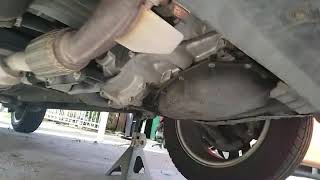
- Perform a thorough visual inspection of the downstream O2 sensor and its wiring harness. On the Spark, this requires looking underneath the car. 🎬 Watch: See exactly where the sensor is located under the Spark. The sensor is located after the catalytic converter, and its connector is behind a small protective plate. Look for physical damage, melting on the exhaust pipe, or corrosion in the connector.
- Inspect the exhaust system for leaks between the catalytic converter and the downstream O2 sensor. Listen for audible leaks and look for soot trails.
- If no wiring or leak issues are found, and the sensor voltage is consistently low on the scan tool, the sensor itself is the most likely culprit.
- After replacing the sensor or repairing the wiring, clear the code with the scanner and perform a test drive to ensure the code does not return.
Parts You'll Likely Need
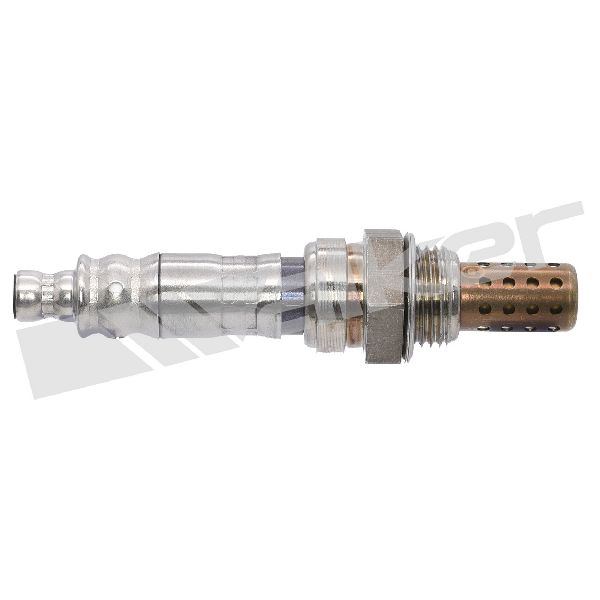
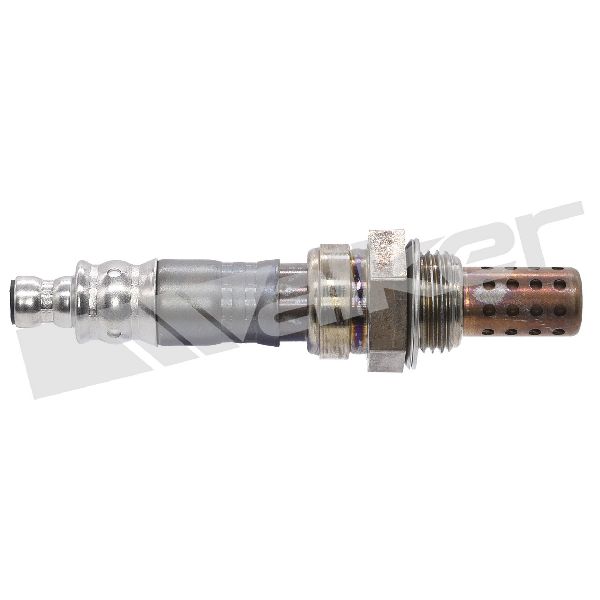
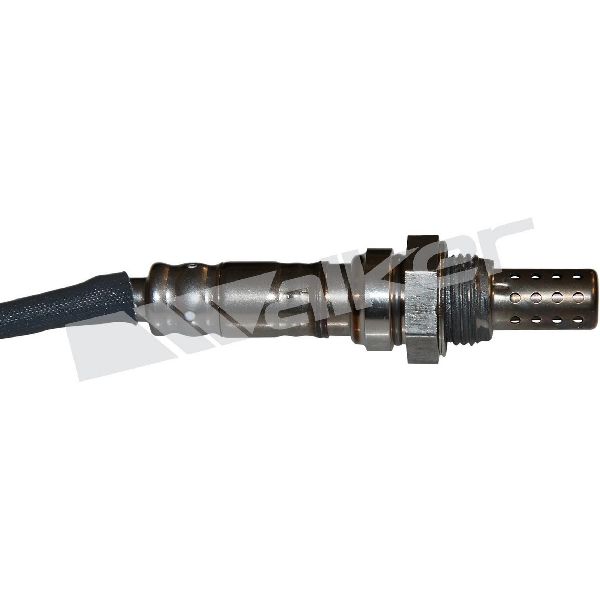
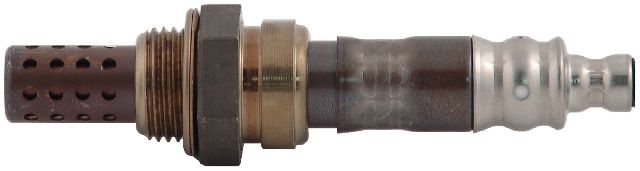
- Downstream Oxygen Sensor (Bank 1, Sensor 2)
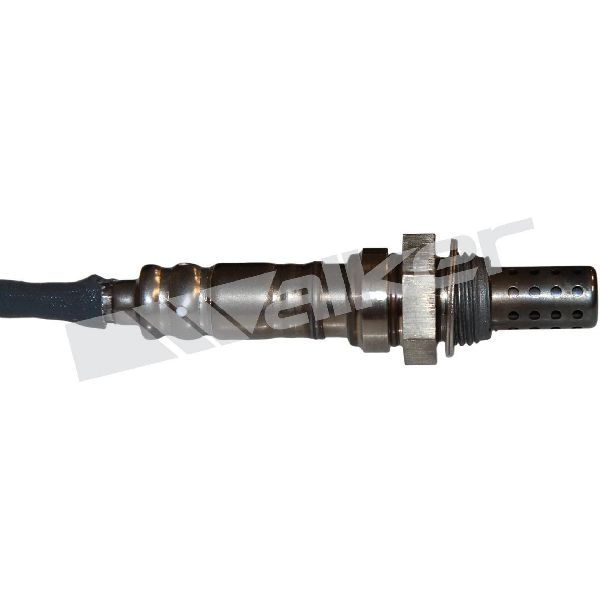
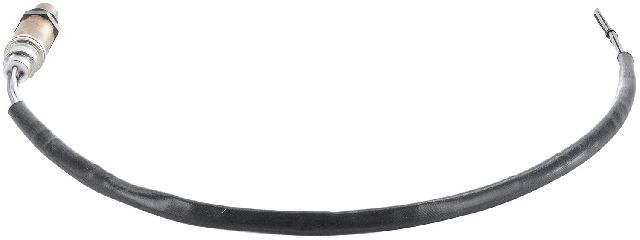
(OEM #ACDelco 213-4764 (GM 55572993))— This is the most common failure point for a P0137 code. The sensor wears out over time and is responsible for sending the voltage signal that the ECM is flagging as too low.
Trusted brands: ACDelco (OEM), Denso, NGK/NTK, Bosch, Walker Products
OEM price range: $90-$150
Aftermarket price range: $40-$80
Technical Service Bulletins (TSBs) & Recalls
- TSB N192271110: This is a special coverage adjustment, not a recall, that extends the warranty on the CVT transmission's drive pulleys and steel belt to 10 years or 120,000 miles for 2014-2015 models due to high failure rates. While unrelated to P0137, it is a critical TSB for owners of these vehicles to be aware of.
- Bulletin #PIP5529B: This manufacturer bulletin notes that P0137 may appear in combination with several other codes (such as P0068, P0101, P0171, and P0324) to assist in resolving Malfunction Indicator Lamp illumination.
Mechanic-Grade Diagnostic Values
- Downstream O2 Sensor (B1S2) Voltage — expected: Relatively steady voltage around 0.45V (450 mV) once the engine is warm and at a steady RPM.. Failure: Voltage is detected below 0.21V (210 mV) for more than 20 seconds.
- O2 Sensor Heater Circuit Resistance — expected: Approximately 3 to 5 ohms, though this can vary by manufacturer. A high resistance reading indicates a failing heater element.. Failure: Resistance significantly above 5 ohms or an open circuit (infinite resistance).
- Wiring Harness Resistance — expected: Less than 1 ohm from the sensor connector to the ECM connector.. Failure: Resistance greater than 1 ohm suggests corrosion or a break in the wire.
Scan Tool Commands That Help
- GDS2 (GM Tech Tool): O2 Sensor Heater Test / Resistance Check — This bidirectional command actively tests the integrity of the heater circuit within the oxygen sensor, which is a common failure point. It can confirm if the heater is drawing the correct current and has the proper resistance, isolating the fault to the sensor itself without needing to manually test with a multimeter.
Wiring & Ground Locations
- G302 — Located at the center of the dash, under the console area.. This is a central interior ground point. While not a direct engine ground, poor interior grounds can cause erratic behavior in various modules, including the instrument panel and potentially the BCM, which communicates with the ECM. A faulty ground here could, in rare cases, contribute to communication or reference voltage issues that might manifest as sensor codes.
- Engine Control Module (ECM) — Located near the battery in the engine compartment.. The ECM receives the signal from the HO2S2. All wiring tests for the sensor circuit, including signal, heater power, and ground, will terminate at the ECM connector. Knowing its location is critical for advanced electrical diagnosis.
- HO2S2 Connector — Underneath the vehicle, after the catalytic converter. The connector itself is often mounted behind a small metal heat shield that must be unbolted for access.. This is the primary point of inspection for corrosion, melted plastic, or damaged pins. The heat shield can trap moisture, accelerating corrosion.
OEM Part Supersession History
GM 55572993→ACDelco 213-4764— ACDelco is the official parts brand for General Motors. GM often lists parts under a GM number and an equivalent ACDelco service part number. 55572993 is the GM production number, while 213-4764 is the service part number.
Model Year Variations Within This Range
- 2013-2015: The downstream oxygen sensor part number can differ based on the transmission type. Denso lists part 234-4773 for automatic transmissions and 234-4774 for manual transmissions. While the core sensor may be similar, differences in wire harness length or connector keying may exist. It is critical to order the part specific to the vehicle's transmission.
Diagnostic Flowchart
Other Known Issues on This Vehicle
Issues unrelated to this code that are worth knowing about as an owner of this generation:
- Premature CVT Transmission Failure 🔴 High — Common issue on 2014-2015 models, often appearing around 80,000 miles. Symptoms include slipping, shuttering, and loss of power. (Ref: TSB N192271110 (Special Coverage Adjustment - warranty extension to 10 years/120,000 miles for specific components).)
- Cracked Coolant Reservoir Tank 🟠 Medium — A very common failure where the plastic tank develops small cracks, especially at the hose connections, leading to coolant leaks and potential overheating.
- Excessive Oil Consumption 🟠 Medium — Primarily reported on the 2013 model year, where the engine may burn oil at an abnormally high rate, leading to low oil levels between changes.
- Corroding Secondary Hood Latch 🟡 Low — The secondary hood latch pivot can corrode, preventing it from properly engaging. (Ref: Recall 14V593000 / GM Recall #14456)
- Manual Transmission Shifting Difficulty 🟡 Low — Some owners report difficulty engaging gears, particularly reverse, which may be due to worn linkage or synchronizers.
Used vs. New Parts: Buying Guide for This Vehicle
When a used part is the smart pick: For this repair, using a used part is almost never a smart choice. The primary failure component is the oxygen sensor itself, which is a wear-and-tear item with a finite lifespan. Installing a used sensor is likely to result in another failure in a short amount of time.
Donor-vehicle mileage cap: roughly under 20000 miles for the part to have meaningful remaining life.
What to inspect on the donor part:
- If forced to use a donor part, source it from the lowest-mileage vehicle possible.
- Inspect the wiring and connector for any signs of melting, corrosion, or brittleness.
- Avoid sensors from vehicles that show signs of burning oil (heavy carbon deposits) or coolant leaks (white, chalky residue).
Aftermarket brands forum-validated for this vehicle:
- Denso
- NGK/NTK
- ACDelco (OEM)
Brands owners have reported issues with on this vehicle:
- Generic, unbranded "universal" sensors that require splicing wires are often cited as unreliable. While Bosch is a reputable brand, some forum users prefer Denso or NGK/NTK for Asian vehicles, believing they are often the original equipment manufacturer and offer better compatibility.
Real Owner Stories
Aggregated from forums and TSBs cited above. Mileages and costs reflect what owners reported in those sources.
2015 Chevrolet Spark — 54000 miles
Symptoms: The owner discovered a coolant leak originating from a small crack in the reservoir where a hose connects.
What fixed it: While not a direct fix for P0137, this highlights a platform-specific failure; the context suggests replacing the cracked plastic tank to prevent overheating and potential sensor contamination.
Source hint: Reddit r/chevyspark thread titled 'Coolant reservoir leak'
Chevrolet Owner Report — 81,368 miles
Symptoms: An owner reported that the check engine light came on while driving. A diagnostic scan revealed codes P0137 and P0128 (NHTSA ODI #11113483).
Chevrolet Owner Report — Stalling Incident
Symptoms: One owner experienced a situation where the car stalled out after coming to a complete stop. A diagnostic report indicated a P0137 code, stating the emissions system was not performing as expected (NHTSA ODI #11259011).
Related OBD-II Codes
Frequently Asked Questions
Does TSB N192271110 for the 2014-2015 Chevrolet Spark relate to my P0137 oxygen sensor code?
Where is the downstream oxygen sensor connector located on the Chevrolet Spark?
Which aftermarket oxygen sensor brands are recommended for the 2013-2015 Spark?
Could a coolant leak from a cracked reservoir cause issues related to my exhaust sensors?
Is there a recall for the exhaust system or oxygen sensors on the 2013-2015 Spark?
What specific tool do I need to replace the B1S2 sensor on my Spark?
Helpful Videos
We Have This Part in Stock

The information in this article is provided for general reference and educational purposes only. Vehicle specifications, procedures, and part compatibility can vary by production date, trim level, and region. Always consult your vehicle's factory service manual and verify part numbers before purchasing or performing repairs. Safety-critical components such as airbags, seat belts, and braking systems should be installed by a qualified professional.
- Chevrolet Spark:
- 🧭 Diagnostic Flowchart
- 🎬 Helpful Videos
- 🛍️ Shop This Part
- What's Unique About the 2013-2015 Chevrolet Spark
- Symptoms You May Notice
- Most Likely Causes
- Rare But Worth Checking
- Diagnosis Steps
- Parts You'll Likely Need
- Technical Service Bulletins (TSBs) & Recalls
- Mechanic-Grade Diagnostic Values
- Scan Tool Commands That Help
- Wiring & Ground Locations
- OEM Part Supersession History
- Model Year Variations Within This Range
- Other Known Issues on This Vehicle
- Used vs. New Parts: Buying Guide for This Vehicle
- Real Owner Stories
- 2015 Chevrolet Spark — 54000 miles
- Chevrolet Owner Report — 81,368 miles
- Chevrolet Owner Report — Stalling Incident
- Related OBD-II Codes
- Frequently Asked Questions
- 🎟️ Get 5% Off