

P0137 on 2011-2024 Dodge Durango 3.6L: O2 Sensor Low Voltage Causes and Fixes
On a 3.6L Durango, P0137 almost always points to a failed downstream oxygen sensor on the passenger side (Bank 1, Sensor 2). Before replacing, check for oil leaking from the valve cover above it, as this is a common cause of sensor failure on this engine. Also, inspect the wiring harness for melting or damage, as it is routed near hot exhaust components. Expect to pay $40-$80 for an aftermarket sensor or $100-$190 for an OEM part; it's a DIY-friendly fix.
- P0137 on your Durango refers to the downstream O2 sensor on the passenger side.
- Before replacing the sensor, you MUST check for an oil leak from the valve cover gasket directly above it, as this is a very common cause of failure on this engine.
- The most likely fix is replacing the sensor itself. This is a manageable DIY job if the sensor isn't seized by rust.
- Always use a quality replacement sensor from brands like Mopar, NTK, or Denso, as these vehicles can be sensitive to off-brand electronics.
- Driving with this code won't cause immediate damage, but it will prevent you from passing an emissions test and should be addressed to avoid potential long-term issues.
What's Unique About the 2011-2024 Dodge Durango
For the Dodge Durango with the 3.6L Pentastar V6, a key issue to be aware of is the engine's tendency to develop oil leaks from the passenger-side valve cover gasket. The dripping oil can saturate the Bank 1, Sensor 2 oxygen sensor and its electrical connector, which are located directly below. This oil contamination is a frequent cause of sensor failure, leading directly to the P0137 code. 🎬 Watch this quick guide on fixing P0137 on the Pentastar 3.6L. Always inspect the area above the sensor for signs of fresh oil before assuming the sensor simply failed on its own.
Generation note: The 2011-2024 model years all belong to the third generation (WD) of the Dodge Durango. While the 3.6L Pentastar engine received updates around 2016 (including Variable Valve Lift), the causes, diagnosis, and repair for code P0137 remain consistent across this entire year range as the O2 sensor locations and common leak points are fundamentally the same.
Symptoms You May Notice
- Check Engine Light is on
- Vehicle will fail an emissions inspection
- Slight decrease in fuel economy (may not be noticeable)
- Burning oil smell if the cause is a valve cover leak dripping on the exhaust
- Rough idle in some rare cases
- Replacing the oxygen sensor without checking for and repairing an oil leak from the valve cover above it. The new sensor will likely fail again quickly.
- Replacing the wrong oxygen sensor. The 3.6L V6 has four sensors. P0137 specifically refers to Bank 1 (passenger side), Sensor 2 (downstream/after the catalytic converter).
- Replacing the catalytic converter. This code points to a sensor circuit fault, not a converter efficiency fault (like P0420).
- Assuming the sensor is bad without checking for exhaust leaks upstream of the sensor, which can introduce unmetered oxygen and cause a legitimate low voltage reading.
Most Likely Causes
- Failed Bank 1, Sensor 2 Oxygen Sensor 🔴 High Probability → Shop Oxygen Sensor Oxygen sensors are wear-and-tear items that degrade over time from heat and contaminants. A very common cause on this specific engine is contamination from a leaking passenger-side valve cover gasket dripping oil directly onto the sensor and its connector. Age and heat cycles also cause internal failure.
How to confirm: Visually inspect the sensor and its wiring for oil saturation. With a scan tool, monitor the live data for 'O2S B1S2'. If the voltage is stuck below 0.2V and does not fluctuate even when the engine is revved, the sensor is likely bad.
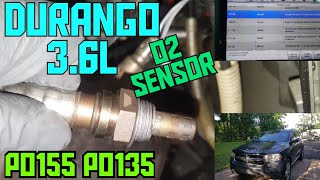
Typical fix: Replace the Bank 1, Sensor 2 oxygen sensor. 🎬 Watch this walkthrough for replacing the Durango's oxygen sensors. If a valve cover leak is present, that must be repaired first to prevent repeat failure of the new sensor.
Est. part cost: $40-$190 - Damaged Wiring or Connector 🟡 Medium Probability The sensor's wiring is routed under the vehicle, where it is exposed to road debris, water, and high exhaust temperatures, which can cause wires to become brittle, melt, or break. The harness can be damaged by contact with the hot exhaust pipe if not properly secured. Manufacturer service bulletins for similar platforms, such as TSB Bulletin #25-002-14, explicitly link P0137 to the 1/2 O2 sensor being shorted to ground.
How to confirm: Perform a thorough visual inspection of the wiring harness from the sensor to its connection point. Look for chafed, melted, or broken wires and corroded or oil-filled connector pins. A multimeter can be used to check for continuity and shorts in the circuit.
Typical fix: Repair the damaged section of the wiring harness or clean/replace the connector. Ensure the harness is properly routed away from heat sources.
Est. part cost: $10-$50 - Exhaust Leak ⚪ Low Probability Exhaust components can develop leaks at gaskets and welds due to rust and thermal stress. A leak before the B1S2 sensor will draw in fresh air, causing the sensor to read a false low voltage.
How to confirm: With the engine running (preferably when cold), feel and listen for air escaping from the exhaust system anywhere before the Bank 1, Sensor 2 location. A shop can use a smoke machine to pinpoint small leaks. Common leak points are flange gaskets and manifold cracks.
Typical fix: Repair the leak by replacing the faulty gasket or exhaust component.
Est. part cost: $20-$200
Rare But Worth Checking
- Faulty Powertrain Control Module (PCM): → Shop Engine Control Module (ECM) This is very rare. Before condemning the PCM, all other possibilities (sensor, wiring, exhaust leaks) must be exhaustively ruled out. A faulty PCM driver circuit can mimic a failed sensor. This is more likely if multiple sensor codes are present simultaneously.
- Lean Running Condition: An engine running lean (too much air, not enough fuel) will naturally have more oxygen in the exhaust, causing a low voltage reading. However, this condition will almost always trigger other codes, such as P0171 (System Too Lean Bank 1) or P0174 (System Too Lean Bank 2), along with P0137.
Diagnosis Steps
- Read the code with an OBD-II scanner to confirm P0137 is present.
- Perform a thorough visual inspection of the passenger side of the engine and exhaust. Look for signs of oil leaking from the valve cover onto the exhaust and the downstream O2 sensor.
- Inspect the O2 sensor's wiring harness and connector for any signs of melting, chafing, corrosion, or physical damage. Ensure the connector is free of oil and debris.
- Check for exhaust leaks between the engine and the Bank 1 Sensor 2. Listen for hissing sounds when the engine is cold or use a smoke machine for a more accurate diagnosis.
- Use a scan tool to observe the live data for the 'B1S2' O2 sensor voltage. With the engine warm and running, the voltage should be relatively stable, typically between 0.5V and 0.8V. If it is stuck very low (e.g., below 0.2 volts), it points towards a faulty sensor, a significant exhaust leak, or a wiring issue.
- Test the sensor's heater circuit. A blown fuse for the O2 heater circuit can sometimes cause signal issues, though it usually sets a separate heater circuit code.
- If the sensor, wiring, and exhaust are all confirmed to be good, the final and least likely step is to test the PCM's internal driver circuit, which typically requires a professional technician.
Parts You'll Likely Need
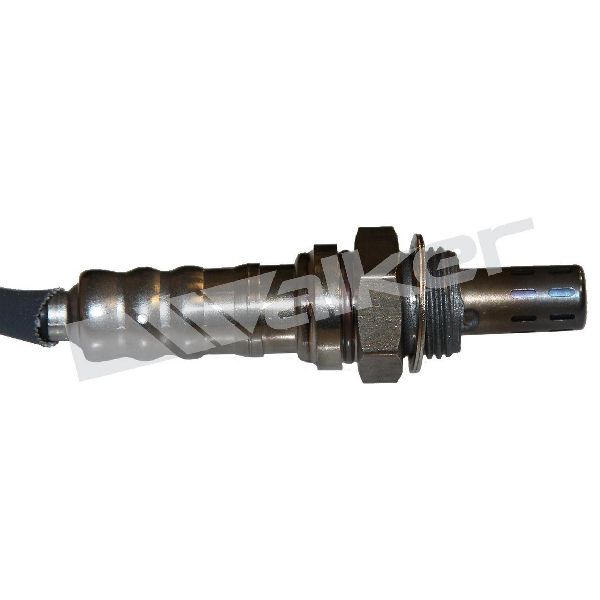
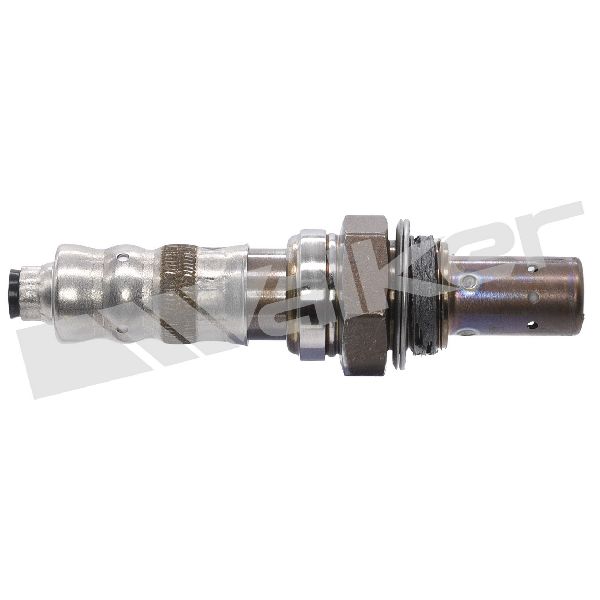
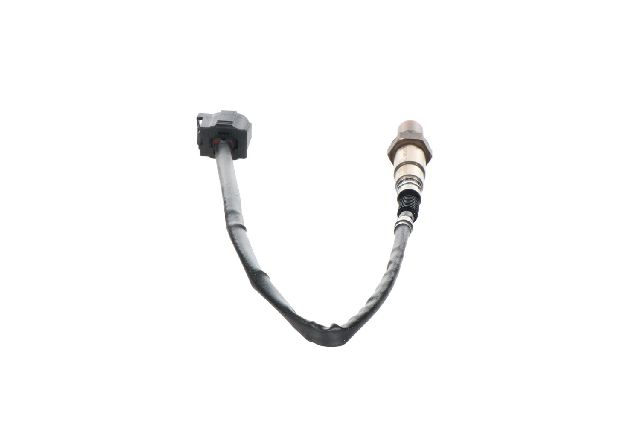
- Oxygen Sensor (Bank 1, Sensor 2)
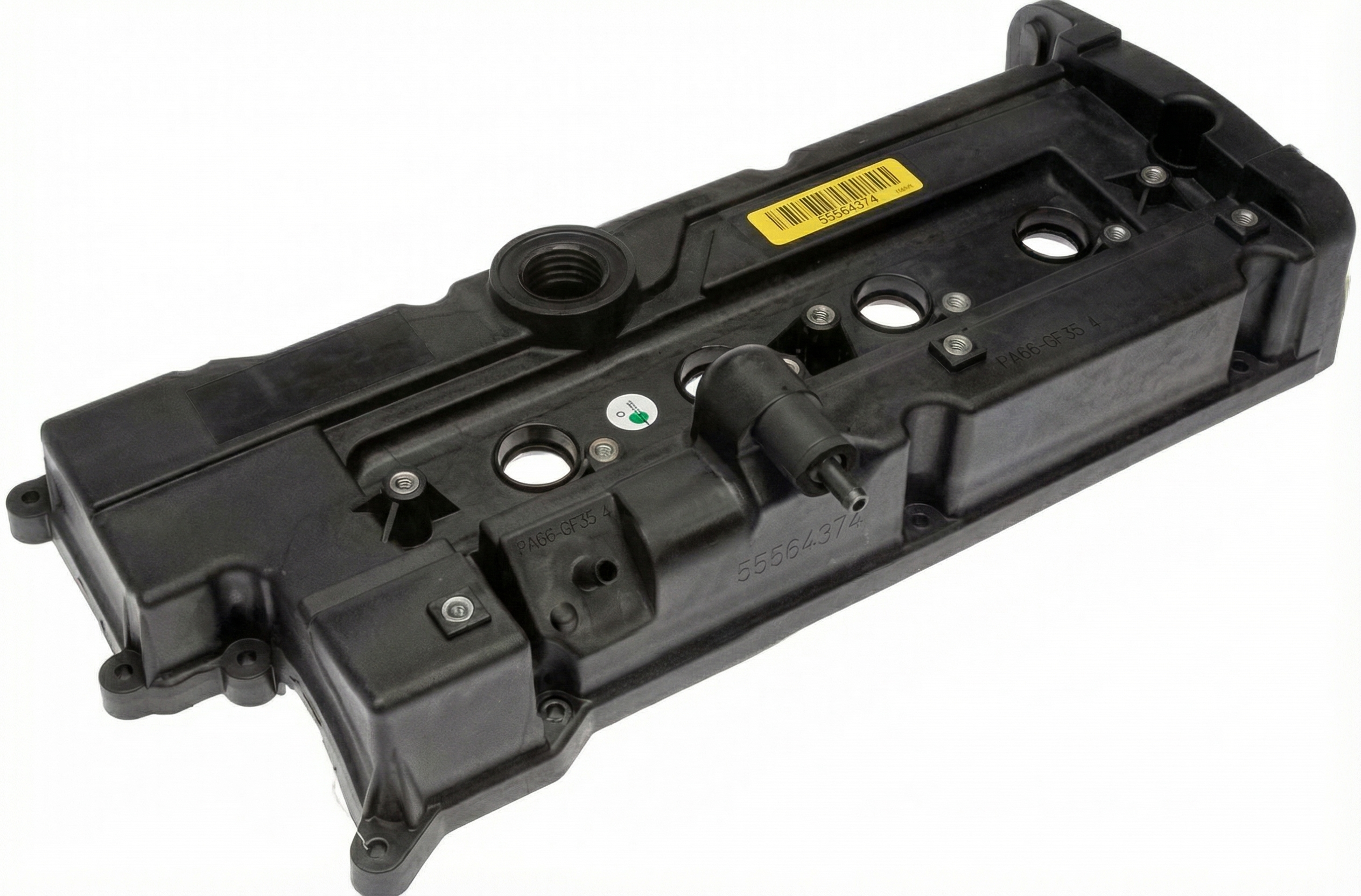
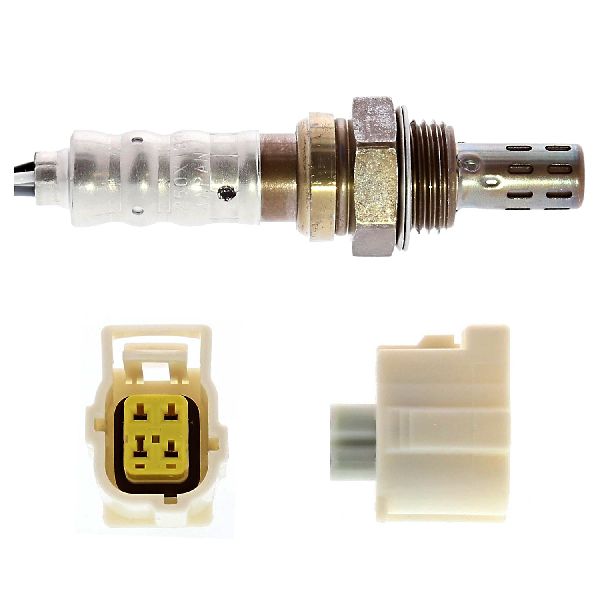
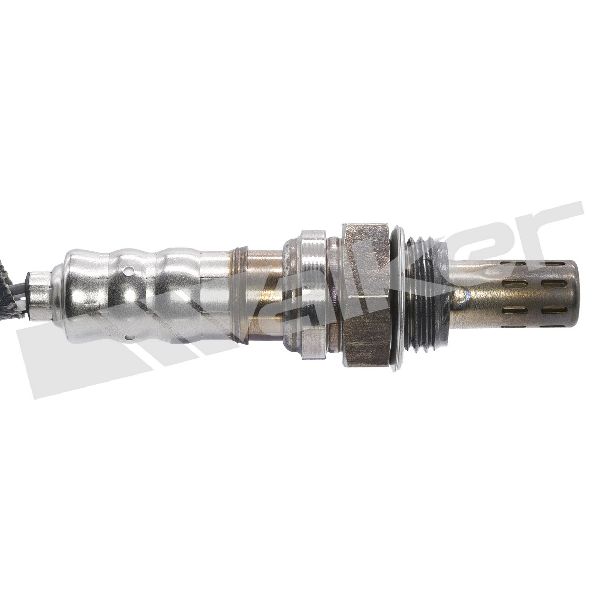
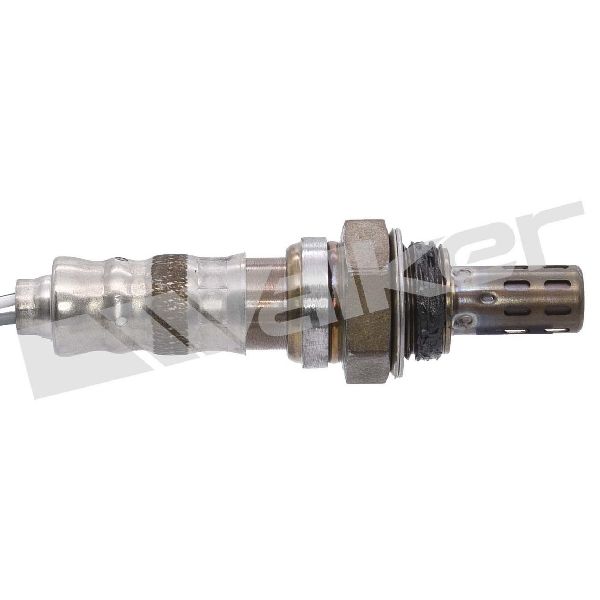
(OEM #5149171AB)— This is the most frequent failure point for code P0137, either due to age or oil contamination from a common engine leak. 🎬 See how to replace the passenger side valve cover gasket. The original part number 5149171AA was superseded by 5149171AB.
Trusted brands: Mopar, NTK, Denso
OEM price range: $120-$190
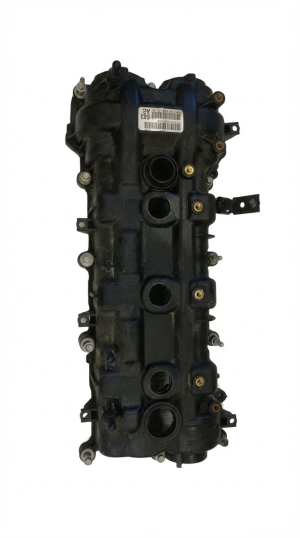
Aftermarket price range: $40-$80 - Valve Cover Gasket (Passenger Side) — Frequently required if the root cause of the O2 sensor failure is an oil leak from the valve cover. Replacing the sensor without fixing the leak will lead to repeat failures.
Trusted brands: Mopar, Fel-Pro, Mahle
OEM price range: $30-$60
Aftermarket price range: $15-$40
Related Codes That Often Appear With This One
- P0138 — This code for 'O2 Sensor Circuit High Voltage' can appear if the wiring is shorted, causing erratic voltage readings that swing between high and low extremes.
- P0037 — This code for 'HO2S Heater Control Circuit Low' relates to the internal heater of the same oxygen sensor. Heater circuit faults often accompany sensor signal faults, as they are part of the same component.
- P0171 — If the engine is actually running lean, you will likely see a P0171 (System Too Lean Bank 1) code alongside P0137, indicating a fuel delivery or vacuum leak issue rather than just a sensor fault.
Technical Service Bulletins (TSBs) & Recalls
- While no TSB is directly for P0137, TSB 09-008-15 addresses oil loss and pooling in the engine valley, which is related to the oil leaks (like the oil filter housing) that can affect other components.
- TSB 18-034-14 REV. A was issued for a different sensor code (P0520, oil pressure sensor) on many 2013-2014 Chrysler vehicles including the Durango, but it demonstrates a history of sensor-related electrical issues on this platform.
- Manufacturer TSB Bulletin #25-003-13 and Bulletin #25-004-12 identify P0137 as a specific diagnostic condition where the 1/2 O2 sensor is shorted to ground, requiring targeted circuit inspection.
Platform-Specific Known Issues
- A common oil leak from the passenger-side valve cover on the 3.6L Pentastar engine can drip onto the Bank 1 Sensor 2, causing it to fail and trigger code P0137.
- The wiring for the downstream O2 sensor can sometimes come into contact with the exhaust pipe, causing it to melt and short out the circuit, which will also trigger P0137.
Mechanic-Grade Diagnostic Values
- Downstream O2 Sensor (B1S2) Live Data Voltage — expected: Relatively stable, fluctuating slowly between 0.5V and 0.8V on a warm, running engine.. Failure: Voltage is stuck below 0.2V for a sustained period.
- O2 Sensor Heater Element Resistance — expected: Between 2.0 and 30.0 Ohms when tested at the sensor's connector pins at room temperature.. Failure: A reading of OL (infinite resistance/open circuit) or near 0 Ohms (short circuit) indicates a failed internal heater.
- O2 Sensor Heater Power Supply — expected: Battery voltage (approx. 12V) at the power supply pin on the harness-side of the connector with Key On, Engine Off.. Failure: No voltage points to a blown fuse (in the TIPM), a bad relay, or a break in the power supply wire.
Wiring & Ground Locations
- B1S2 Connector — Underneath the vehicle on the passenger side. The connector is typically black, has a longer pigtail than other O2 sensors, and is clipped to the vehicle underbody or transmission.. This is the primary point of failure from oil contamination from the valve cover leak above it. It's also exposed to heat and road debris, making it a common spot for corrosion or damage.
- O2 Sensor Heater Fuse — Located in the under-hood fuse box, also known as the Totally Integrated Power Module (TIPM), on the passenger side of the engine bay.. A short in the old sensor's heater circuit can blow this fuse. If the fuse is not checked and replaced, a new sensor will not function correctly and may set a heater circuit code or continue to show signal problems.
- Engine Ground Points (G903a/G906a) — General location is the right (passenger) side of the engine compartment. A key ground for O2 sensors is G104, located under the heat shield near the passenger-side catalytic converter on similar platforms.. A corroded or loose ground connection can introduce electrical noise or a voltage offset, causing the PCM to see an incorrect low voltage reading from an otherwise healthy sensor.
Real Owner Repair Stories
- JeepGladiatorForum.com user (similar 3.6L Pentastar platform) (2021 Jeep Gladiator) — Burning oil smell, followed by a Check Engine Light for P0137.
❌ Tried (didn't work) The dealer initially only replaced the passenger side valve cover gasket to fix a visible oil leak.
✅ What actually fixed it The P0137 code returned after the gasket replacement. The dealer then found the B1S2 O2 sensor was saturated with oil residue from the prior leak and also required replacement. The final fix was replacing both the leaking gasket and the contaminated sensor.
OEM Part Supersession History
5149171AA→5149171AB— Standard part revision and update by the manufacturer.
Diagnostic Flowchart
Other Known Issues on This Vehicle
Issues unrelated to this code that are worth knowing about as an owner of this generation:
- Cracked Oil Filter Housing / Cooler Assembly 🔴 High — Very common, especially on 2011-2015 models. Can occur anytime after 60,000 miles. The plastic housing sits in the hot engine valley and becomes brittle, leading to significant oil or coolant leaks. (Ref: TSB 09-008-15 provides diagnostic aid for oil pooling in the valley, which is a symptom of this failure.)
- Rocker Arm and Lifter Failure ('Pentastar Tick') 🔴 High — Common on 2011-2016 engines, typically manifesting as a distinct ticking noise from the top of the engine. Failure of the rocker arm needle bearings can cause misfires and, if ignored, catastrophic engine damage.
- Left Cylinder Head Failure (Early Models) 🔴 High — Affected a small percentage of 2011-2013 engines, causing a misfire on cylinder #2 and a check engine light. It was due to excessive valve guide wear. (Ref: Chrysler extended the warranty on the left cylinder head for affected vehicles to 10 years or 150,000 miles.)
- TIPM (Totally Integrated Power Module) Failure 🔴 High — Common on 2011-2013 models. A faulty fuel pump relay inside the TIPM can fail, causing the engine to stall without warning or fail to start. (Ref: Recall P54 / NHTSA 14V-530 was issued to install an external fuel pump relay to bypass the faulty internal one.)
- Alternator Failure 🟠 Medium — Affects 2011-2014 models equipped with the 160-amp alternator. The alternator can fail suddenly, leading to a stall. (Ref: Recall P60 / NHTSA 14V-634 was issued for this issue.)
Used vs. New Parts: Buying Guide for This Vehicle
When a used part is the smart pick: A used part is only recommended for the wiring harness pigtail connector. If the original connector is melted, corroded, or oil-saturated, a clean pigtail cut from a donor vehicle at a junkyard is an excellent and cost-effective repair.
Donor-vehicle mileage cap: roughly under 150000 miles for the part to have meaningful remaining life.
What to inspect on the donor part:
- For a wiring pigtail, ensure the plastic is not brittle or cracked.
- Check that the connector's locking tab is intact.
- Look inside the connector for clean, corrosion-free pins.
- Ensure there are at least 6-8 inches of wire attached for easy splicing.
OEM-only on this vehicle (don't cheap out):
- Oxygen Sensor
Aftermarket brands forum-validated for this vehicle:
- NTK (often the OEM supplier)
- Denso
Brands owners have reported issues with on this vehicle:
- Bosch (Some owners of Chrysler-family vehicles report compatibility issues and premature failures with Bosch O2 sensors, even if they work well in other vehicle makes).
Real Owner Stories
Aggregated from forums and TSBs cited above. Mileages and costs reflect what owners reported in those sources.
2011 Dodge Durango AWD 3.6L — 181000 miles
Symptoms: Check engine light is on with codes P2096 (Post Catalyst Fuel Trim Sys Too Lean Bank 1) and P0137 (Oxygen Sensor Low Voltage). The owner noted the vehicle was 'constantly nickel and dimming' him.
What fixed it: Replace the Bank 1, Sensor 2 oxygen sensor (after checking for oil saturation from the valve cover).
Source hint: DodgeForum.com user CarKiller
Related OBD-II Codes
Frequently Asked Questions
Does TSB 09-008-15 apply to my 3.6L Durango if I have a P0137 code?
Is there a recall for the electrical issues causing sensor codes on my 2011-2013 Durango?
Can a valve cover leak really cause a P0137 oxygen sensor code on the Pentastar 3.6L?
Why is my 2011-2013 Durango's check engine light on for an O2 sensor when I also have a ticking noise?
Is the P0137 code related to the extended warranty on the 2011-2013 Pentastar cylinder heads?
Documented NHTSA Reports
Manufacturer service bulletins have documented specific electrical failure modes for this code. TSB Bulletin #25-002-14 and Bulletin #25-003-13 note that P0137 can be triggered when the 1/2 O2 sensor is shorted to ground. Additionally, Bulletin #25-004-12 highlights that this short-to-ground condition on the downstream sensor circuit is a recognized performance issue within the manufacturer's diagnostic protocols.
Used vs. New Parts: Buying Guide for This Vehicle
When a used part is the smart pick: A used part is only recommended for the wiring harness pigtail connector. If the original connector is melted, corroded, or oil-saturated, a clean pigtail cut from a donor vehicle at a junkyard is an excellent and cost-effective repair.
Donor-vehicle mileage cap: roughly under 150000 miles for the part to have meaningful remaining life.
What to inspect on the donor part:
- For a wiring pigtail, ensure the plastic is not brittle or cracked.
- Check that the connector's locking tab is intact.
- Look inside the connector for clean, corrosion-free pins.
- Ensure there are at least 6-8 inches of wire attached for easy splicing.
OEM-only on this vehicle (don't cheap out):
- Oxygen Sensor
Aftermarket brands forum-validated for this vehicle:
- NTK (often the OEM supplier)
- Denso
Brands owners have reported issues with on this vehicle:
- Bosch (Some owners of Chrysler-family vehicles report compatibility issues and premature failures with Bosch O2 sensors, even if they work well in other vehicle makes).
Real Owner Stories
Aggregated from forums and TSBs cited above. Mileages and costs reflect what owners reported in those sources.
2011 Dodge Durango AWD 3.6L — 181000 miles
Symptoms: Check engine light is on with codes P2096 (Post Catalyst Fuel Trim Sys Too Lean Bank 1) and P0137 (Oxygen Sensor Low Voltage). The owner noted the vehicle was 'constantly nickel and dimming' him.
What fixed it: Replace the Bank 1, Sensor 2 oxygen sensor (after checking for oil saturation from the valve cover).
Source hint: DodgeForum.com user CarKiller
Related OBD-II Codes
Frequently Asked Questions
Does TSB 09-008-15 apply to my 3.6L Durango if I have a P0137 code?
Is there a recall for the electrical issues causing sensor codes on my 2011-2013 Durango?
Can a valve cover leak really cause a P0137 oxygen sensor code on the Pentastar 3.6L?
Why is my 2011-2013 Durango's check engine light on for an O2 sensor when I also have a ticking noise?
Is the P0137 code related to the extended warranty on the 2011-2013 Pentastar cylinder heads?
Helpful Videos
Used OEM Parts in Stock
New Aftermarket Parts Available

The information in this article is provided for general reference and educational purposes only. Vehicle specifications, procedures, and part compatibility can vary by production date, trim level, and region. Always consult your vehicle's factory service manual and verify part numbers before purchasing or performing repairs. Safety-critical components such as airbags, seat belts, and braking systems should be installed by a qualified professional.
- Dodge Durango:
- 🧭 Diagnostic Flowchart
- 🎬 Helpful Videos
- 🛍️ Shop This Part
- What's Unique About the 2011-2024 Dodge Durango
- Symptoms You May Notice
- Most Likely Causes
- Rare But Worth Checking
- Diagnosis Steps
- Parts You'll Likely Need
- Related Codes That Often Appear With This One
- Technical Service Bulletins (TSBs) & Recalls
- Platform-Specific Known Issues
- Mechanic-Grade Diagnostic Values
- Wiring & Ground Locations
- Real Owner Repair Stories
- OEM Part Supersession History
- Other Known Issues on This Vehicle
- Used vs. New Parts: Buying Guide for This Vehicle
- Real Owner Stories
- 2011 Dodge Durango AWD 3.6L — 181000 miles
- Related OBD-II Codes
- Frequently Asked Questions
- Documented NHTSA Reports
- Used vs. New Parts: Buying Guide for This Vehicle
- Real Owner Stories
- 2011 Dodge Durango AWD 3.6L — 181000 miles
- Related OBD-II Codes
- Frequently Asked Questions
- 🎟️ Get 5% Off