

P0137 on 2011-2019 Ford Fiesta: O2 Sensor Low Voltage Causes and Fixes
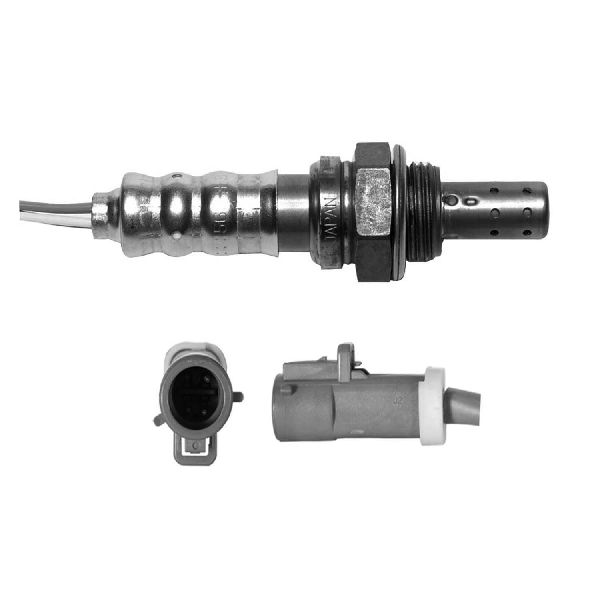
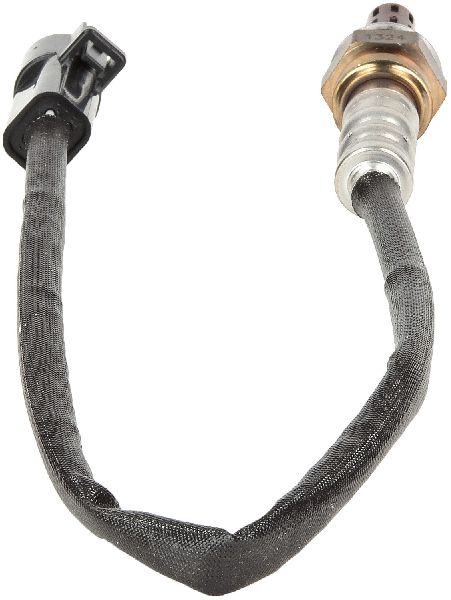
Code P0137 on a 2011-2019 Ford Fiesta indicates low voltage from the downstream oxygen sensor (Bank 1, Sensor 2). This is most often caused by a failed sensor. Replacing the sensor, typically a Motorcraft DY-1152 for the 1.6L engine, is the most common fix. The repair is considered DIY-friendly, with the part costing around $40-$90.
- P0137 on your Fiesta points to the downstream O2 sensor (Sensor 2) reading low voltage.
- The most probable cause is a failed oxygen sensor, which is a standard wear item. The OEM part for the 1.6L engine is typically Motorcraft DY-1152.
- Before buying parts, perform a quick visual inspection of the sensor's wiring for damage and check for obvious exhaust leaks.
- Replacing the sensor is a manageable DIY job for most home mechanics with an O2 sensor socket and basic hand tools.
- Do not confuse the downstream (Sensor 2, often with a blue connector) with the upstream (Sensor 1, often with a black connector), which is located before the catalytic converter.
What's Unique About the 2011-2019 Ford Fiesta
The P0137 code is a common generic fault, and its manifestation on the Fiesta is not unique. However, owners have noted that the wiring for the downstream sensor, located under the car, can be susceptible to road debris, water, and corrosion. On many Fiesta models, the downstream sensor uses a blue electrical connector, while the upstream sensor uses a black one, which can aid in identification during diagnosis.
Generation note: This guide covers the sixth generation (Mk6) Ford Fiesta sold in North America, which includes the 2011-2013 pre-facelift and 2014-2019 facelift models. The causes, diagnostic steps, and repair procedures for code P0137 are consistent across this entire generation for models equipped with the 1.6L engine.
Symptoms You May Notice
- Check Engine Light is illuminated.
- Failure to pass a state emissions inspection.
- Potentially a small decrease in fuel economy. Some owners have reported a noticeable MPG improvement after replacing the faulty sensor.
- In rare cases, a rough or unstable idle.
- A louder than usual exhaust note may be present if the cause is an exhaust leak.
- Replacing the upstream (Sensor 1) oxygen sensor instead of the downstream (Sensor 2) sensor.
- Replacing the catalytic converter when the actual fault is the downstream sensor that monitors it. If the converter were failing, code P0420 would typically be present as well.
Most Likely Causes
- Failed Downstream Oxygen Sensor (Bank 1, Sensor 2) 🔴 High Probability → Shop Oxygen Sensor Oxygen sensors are wear-and-tear items that degrade over time from heat and contaminants. The internal heating element can fail, or the sensor can lose its ability to generate an accurate voltage signal. It is the most frequent reason for this code.
How to confirm: Using a scan tool, monitor the live voltage data for 'O2S12' or 'Bank 1 Sensor 2'. A healthy downstream sensor on a warm, running engine should show a relatively stable voltage, typically between 0.6V and 0.8V. If the voltage is stuck very low (e.g., below 0.2V), the sensor has likely failed.
Typical fix: Replace the downstream oxygen sensor. The OEM Motorcraft part for the common 1.6L naturally aspirated engine is DY-1152. For the 1.6L Turbo ST model, the part is DY-1270.
Est. part cost: $40 - $90 - Damaged Wiring or Connector 🟡 Medium Probability The sensor and its wiring are located underneath the vehicle, exposed to road salt, water, and physical damage from debris. The harness can get brittle from heat cycles or be damaged by road hazards.
How to confirm: Visually inspect the entire wiring harness from the O2 sensor to its connection point. Look for frayed wires, melted plastic insulation near the exhaust, black soot from burning, or green/white corrosion inside the connector plug.
Typical fix: Repair the damaged section of the wire or replace the connector pigtail. Ensure the wiring is properly secured away from hot exhaust components.
Est. part cost: $10 - $30 - Exhaust Leak ⚪ Low Probability Rust can cause leaks at flange gaskets or welded seams in the exhaust system, particularly in regions that use road salt. A leak before the sensor allows unmetered oxygen into the exhaust stream.
How to confirm: With the engine running (ideally when cold for safety), listen and carefully feel for air escaping from the exhaust manifold, flex pipe, or any gasket between the engine and the downstream O2 sensor. A leak allows outside oxygen in, which will cause the sensor to read artificially low (lean).
Typical fix: Repair the leak. This may involve replacing a gasket, tightening bolts, or using exhaust putty/wrap for a small pinhole. For larger cracks, a section of the pipe may need to be welded or replaced.
Est. part cost: $5 - $150
Rare But Worth Checking
- Blown Fuse for O2 Sensor Heater Circuit: → Shop Oxygen Sensor The oxygen sensor has an internal heater to bring it to operating temperature quickly. A blown fuse for this circuit can cause erratic readings. On a 2011 Fiesta, this is fuse F17 (15A) in the under-hood fuse box. Owners should verify the specific fuse number and location for their model year in the owner's manual.
- Faulty Powertrain Control Module (PCM): → Shop Engine Control Module (ECM) This is extremely rare and should be considered a last resort. Before condemning the PCM, all other possibilities (sensor, wiring, exhaust leaks) must be exhaustively ruled out by a professional.
Diagnosis Steps
- Read the code with an OBD-II scanner to confirm P0137 is present and note any other codes.
- Visually inspect the downstream O2 sensor's wiring harness and connector. Look for any signs of melting, chafing, corrosion, or physical damage. The downstream sensor connector is often blue.
- Check for exhaust leaks. Start the car when it's cold and carefully feel and listen for any puffs of air from the exhaust manifold, flex pipe, and gaskets located before the downstream sensor.
- Use a scan tool to observe live data for the Bank 1 Sensor 2 voltage. At idle on a fully warmed-up engine, the voltage should be relatively steady between 0.6V and 0.8V. If it is stuck below 0.2V, this points towards a faulty sensor or a significant exhaust leak.
- Check the fuse for the O2 sensor heater circuit (Fuse F17 in the engine bay fuse box for a 2011 model, check your manual for other years).
- If the wiring, fuse, and exhaust system are confirmed to be in good condition, the most likely cause is a failed oxygen sensor.
- When replacing the sensor, use a 22mm or 7/8" oxygen sensor socket. If the old sensor is seized, a light tap on the socket with a hammer can help break it free. Torque the new sensor to approximately 22 ft-lbs (30 Nm).
Parts You'll Likely Need
- Downstream Oxygen Sensor (Bank 1, Sensor 2)
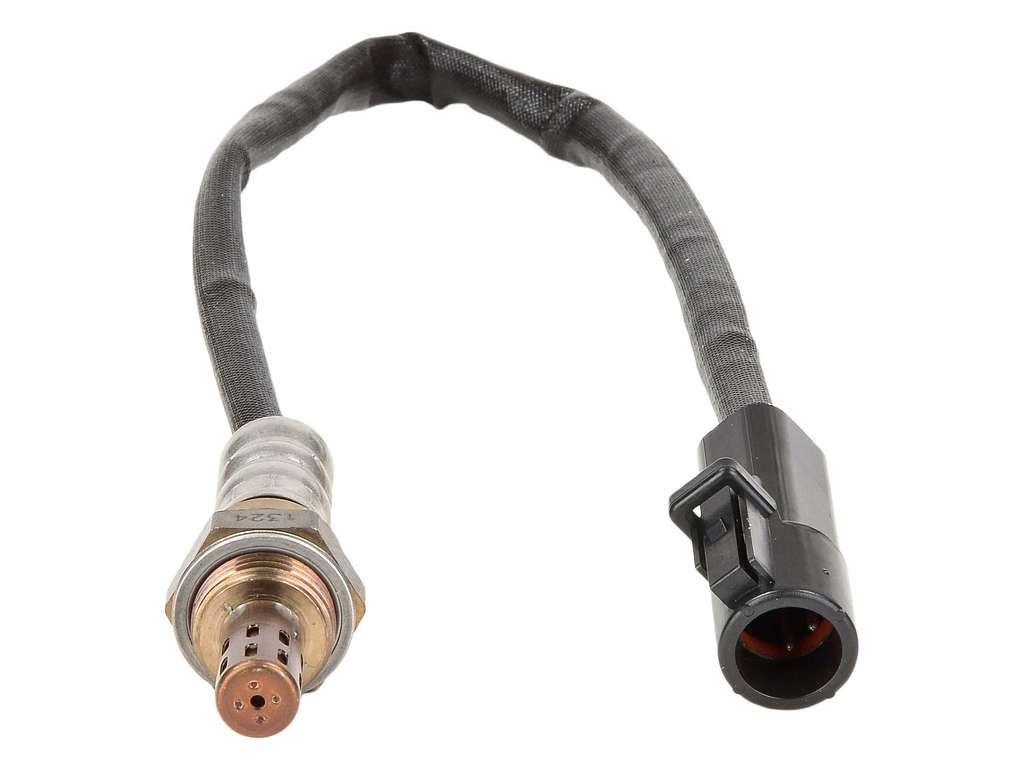
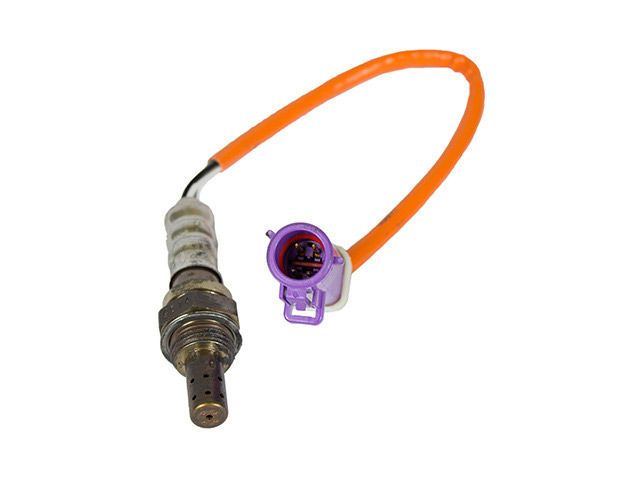
(OEM #Motorcraft DY-1152 (for 1.6L NA engine))— This is the most common failure point for code P0137. The sensor's ability to generate voltage degrades over time. The 1.6L Turbo (ST) model uses part number DY-1270.
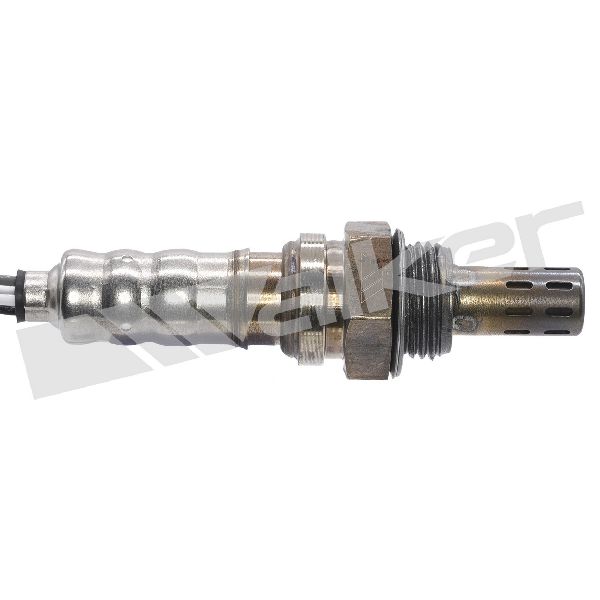
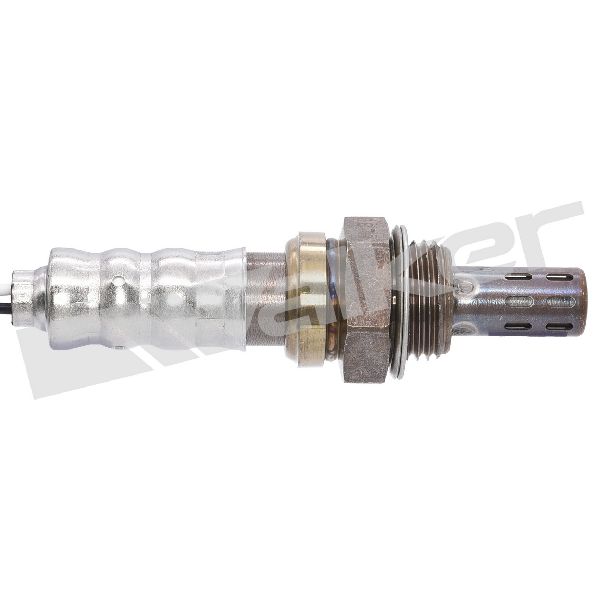
Trusted brands: Motorcraft, Bosch, Denso, NTK, Walker
OEM price range: $80-$120
Aftermarket price range: $40-$90
Related Codes That Often Appear With This One
- P0171 — If an exhaust leak before the O2 sensor is significant, it can sometimes be large enough to affect the upstream sensor as well, potentially triggering a System Too Lean (Bank 1) code.
- P0054 — This code indicates a problem with the heater resistance in the same Bank 1, Sensor 2 oxygen sensor. If you see both codes, it's almost certain the sensor assembly itself has failed.
- P0420 — While P0137 often points to a bad sensor, if seen with P0420 (Catalyst System Efficiency Below Threshold), it could indicate the sensor is correctly reporting a failing catalytic converter. Diagnosing which is the root cause is critical. Often, fixing a P0137 by replacing the sensor can resolve the issue, but if P0420 returns, the converter may be at fault.
Technical Service Bulletins (TSBs) & Recalls
- No specific Technical Service Bulletins (TSBs) for code P0137 on the Ford Fiesta were found during research. This suggests the issue is typically addressed as a standard component failure rather than a widespread, systemic defect requiring a specific bulletin.
Platform-Specific Known Issues
- Connector Color Coding: On many Ford Fiestas of this generation, the downstream (Sensor 2) oxygen sensor uses a blue electrical connector, while the upstream (Sensor 1) uses a black connector. This can be a helpful visual aid to ensure you are diagnosing and replacing the correct sensor.
Mechanic-Grade Diagnostic Values
- Downstream O2 Sensor (B1S2) Voltage at Idle (Warm Engine) — expected: Relatively steady 0.6V - 0.8V. Failure: Stuck below 0.2V - 0.3V for an extended period (e.g., >20 seconds).
- O2 Sensor Heater Circuit Resistance — expected: Approximately 5.2Ω ±0.5Ω at room temperature.. Failure: An open circuit (infinite resistance) or a reading far outside the expected range.
- PCM Trigger Condition — expected: N/A. Failure: PCM detects sensor voltage below 400mV (0.4V) for more than 20 seconds.
Hidden / Shadow Codes Worth Checking
- Mode $06 Data (e.g., TID $05): Mode $06 provides access to the results of non-continuous monitor tests before they are bad enough to set a Check Engine Light. For O2 sensors, this allows a technician to see if a sensor's performance is degrading and approaching the PCM's failure threshold. For Ford, Test ID (TID) $05 often corresponds to Bank 1 Sensor 2 tests. (see via A professional scan tool or advanced DIY software like FORScan can access Mode $06 data. The raw data may require conversion, but many modern tools provide translated descriptions.)
Scan Tool Commands That Help
- FORScan: Live Data Graphing (PIDs: O2S12, O2S11) — Use this to visually compare the activity of the upstream sensor (O2S11, should switch rapidly) and the downstream sensor (O2S12, should be steady). If B1S2 is stuck low while B1S1 is switching normally and no exhaust leaks are present, the sensor is likely faulty.
- Ford IDS (Integrated Diagnostic System): KOEO/KOER Self-Tests — The Key-On-Engine-Off and Key-On-Engine-Running self-tests are comprehensive diagnostic routines that check all sensors and circuits. Running these can pinpoint circuit faults (e.g., for the heater) that might not be obvious from live data alone.
- Professional Scan Tool: Induce Rich/Lean Condition — An advanced diagnostic step where a technician introduces a fuel source (like propane) into the intake to force a rich condition. This should cause the O2 sensor voltage to go high. If the B1S2 voltage remains low, it strongly suggests a faulty sensor or wiring, as it's not responding to the change in exhaust gas composition.
Wiring & Ground Locations
- Downstream O2 Sensor Connector (C142 on some diagrams) — Underneath the vehicle, on the exhaust pipe after the catalytic converter. The connector is typically mounted to the vehicle body nearby.. This is the primary point for electrical testing. A wiring diagram for a 2014 Fiesta shows the following pinout: Pin 2 (Yellow/Violet) is 12V+ power for the heater from a fuse, Pin 3 (White/Orange) is the heater control ground from the PCM, and Pin 4 (Green) is the sensor signal return to the PCM. A fault on any of these wires can cause P0137.
- Ground Point G106 / G109 — Located in the left rear of the engine compartment on some 2014+ models.. While not the direct ground for the O2 sensor signal (which is a reference ground via the PCM), poor engine or chassis grounds can introduce electrical noise and voltage offsets, potentially causing incorrect sensor readings. Verifying main grounds are clean and tight is a good practice when diagnosing sensor codes.
- PCM Connector C175b — At the Powertrain Control Module, located at the right rear of the engine bay.. This is the final destination for the O2 sensor signals. If the sensor and wiring test good, a technician may need to check for voltage and continuity directly at the PCM pins corresponding to the O2 sensor to rule out a rare PCM failure.
Real Owner Repair Stories
- YouTube video by 'DR Auto Elétrica' (Ford New Fiesta (Brazilian model, similar to NA generation)) — Check Engine Light with code P0137.
❌ Tried (didn't work) The customer had already replaced the downstream O2 sensor, but the code returned.
✅ What actually fixed it The technician tested the connector and found a missing ground signal for the heater circuit. The fault was traced to a broken wire within the main harness, which was repaired by soldering. - Reddit user Jazzlike_Army3695 (2018 Ford Fiesta 1.1L, 3-cylinder) — Check Engine Light with P0137.
❌ Tried (didn't work) Replaced the downstream O2 sensor (Bank 1, Sensor 2)., Cleared the code, but it returned after five engine starts.
✅ What actually fixed it The user's issue was not fully resolved in the thread, but another user suggested the next logical step was to inspect the catalytic converter, as a failing cat can also cause this code, especially after a new sensor fails to fix it.
"I Checked Everything" — The Actual Cause
- In cases where an exhaust smoke test reveals no leaks, the root cause is often electrical. A documented repair on a Ford Fiesta with P0137 involved a customer who had already replaced the sensor. A technician found that the ground wire for the sensor's heater circuit was broken inside the wiring harness. A smoke test would never have found this issue, highlighting the need to test the sensor's electrical connector for power, ground, and signal integrity before assuming the sensor itself is the only possible point of failure.
When the Usual Fixes Don't Work
- While replacing the downstream oxygen sensor is the most common fix, it is not a guaranteed solution. Multiple owner and technician reports show that the code can return if the actual problem is a break in the wiring harness, a missing ground signal at the connector, or a failing catalytic converter. One technician documented a case where a new sensor did not fix the P0137 code, and the ultimate cause was found to be a broken ground wire within the harness, which required a wiring repair to resolve.
Model Year Variations Within This Range
- 2011-2019: While the 1.6L NA and 1.6L Turbo (ST) are the most common engines, this generation also included a 1.0L EcoBoost 3-cylinder and, in some markets, a 1.1L 3-cylinder. While the P0137 code's meaning is identical, the specific oxygen sensor part numbers and their exact locations on the exhaust may vary between these different engine types.
- 2014-2019: The wiring diagrams and ground locations cited (e.g., C142, G106) are specifically from a 2014 model year, which is part of the mid-generation facelift. While largely consistent, there may be minor differences in connector or ground point locations compared to the 2011-2013 pre-facelift models.
Diagnostic Flowchart
Other Known Issues on This Vehicle
Issues unrelated to this code that are worth knowing about as an owner of this generation:
- DPS6 PowerShift Dual-Clutch Transmission Failure 🔴 High — Extremely common on 2011-2016 models with automatic transmission. Symptoms like shuddering, hesitation, and loss of engagement can appear early in the vehicle's life. (Ref: Multiple lawsuits and warranty extensions (e.g., to 7 years/100,000 miles) were issued, but no all-encompassing recall fixed the fundamental design issue.)
- Faulty Door Latch Mechanism 🔴 High — Common on 2011-2014 models. A broken component inside the latch can prevent the door from closing securely or cause it to open while driving. (Ref: Subject to multiple safety recalls, including Ford's 15S16, 16S30, and 20S30 campaigns, which involved replacing all four door latches.)
- Clicking HVAC Blend Door Actuator 🟡 Low — Very common across all model years. Caused by stripped plastic gears in the actuator, resulting in a repetitive clicking/ticking noise from the dashboard upon startup or when changing climate settings. (Ref: No recall, but it is a widely documented failure. The part is inexpensive, but dealer replacement can be costly due to labor, though many owners perform the repair DIY.)
- Electronic Throttle Body (ETB) Malfunction 🟠 Medium — Reported on 2014-2019 models, leading to sudden stalling, lack of acceleration, or high idle. Often caused by carbon buildup or electronic failure. (Ref: No specific recall, but a known issue addressed by cleaning or replacing the throttle body.)
Used vs. New Parts: Buying Guide for This Vehicle
When a used part is the smart pick: For this code, a used part only makes sense if the cause is a damaged exhaust pipe section (due to a leak) and you can source one from a rust-free, low-mileage donor vehicle. For the sensor itself or any wiring components, new is strongly recommended.
Donor-vehicle mileage cap: roughly under 80000 miles for the part to have meaningful remaining life.
What to inspect on the donor part:
- For an exhaust pipe: Check for the absence of rust, especially at welds and flanges.
- Ensure there are no dents or physical damage that could impede exhaust flow.
- Verify the donor vehicle is from a region with no road salt use if possible.
OEM-only on this vehicle (don't cheap out):
- While not strictly required, using an OEM Motorcraft oxygen sensor is often recommended for best compatibility and to avoid potential issues with aftermarket sensor tolerances.
Aftermarket brands forum-validated for this vehicle:
- NTK
- Denso
- Bosch
- Walker
Brands owners have reported issues with on this vehicle:
- Unbranded, no-name sensors from online marketplaces should be avoided as their quality control, internal heaters, and voltage accuracy can be inconsistent, leading to the code returning.
Real Owner Stories
Aggregated from forums and TSBs cited above. Mileages and costs reflect what owners reported in those sources.
2014-2019 Ford Fiesta ST 1.6L Turbo
Symptoms: The owner was able to identify the correct sensor location in the engine bay using the color-coded connectors.
What fixed it: Replacement of the downstream oxygen sensor using the blue connector as a visual reference.
Source hint: HOW TO REPLACE DOWNSTREAM OXYGEN SENSOR ON FORD FIESTA MK7 ST on YouTube
Ford Fiesta (Generation 6)
Symptoms: Check Engine Light illuminated with code P0137.
What fixed it: Replaced the downstream sensor (Bank 1, Sensor 2) and cleared the code.
Source hint: Reddit r/FordFiesta - 'Error p0137 obd2'
Related OBD-II Codes
Frequently Asked Questions
Which oxygen sensor do I need to replace for a P0137 code on my 2011-2019 Ford Fiesta?
How can I tell the difference between the upstream and downstream sensors on my Fiesta?
Is there a specific fuse I should check for this O2 sensor issue?
Are there any TSBs for P0137 on the Ford Fiesta?
What tools do I need to replace the sensor myself?
Could an exhaust leak cause this code on my Fiesta?
Helpful Videos

![How to Fix FORD P0137 Engine Code in 4 Minutes [3 DIY Methods / Only $9.42]](https://img.youtube.com/vi/9jYppPzoiPs/mqdefault.jpg)
We Have This Part in Stock

The information in this article is provided for general reference and educational purposes only. Vehicle specifications, procedures, and part compatibility can vary by production date, trim level, and region. Always consult your vehicle's factory service manual and verify part numbers before purchasing or performing repairs. Safety-critical components such as airbags, seat belts, and braking systems should be installed by a qualified professional.
- Ford Fiesta:
- 🧭 Diagnostic Flowchart
- 🎬 Helpful Videos
- 🛍️ Shop This Part
- What's Unique About the 2011-2019 Ford Fiesta
- Symptoms You May Notice
- Most Likely Causes
- Rare But Worth Checking
- Diagnosis Steps
- Parts You'll Likely Need
- Related Codes That Often Appear With This One
- Technical Service Bulletins (TSBs) & Recalls
- Platform-Specific Known Issues
- Mechanic-Grade Diagnostic Values
- Hidden / Shadow Codes Worth Checking
- Scan Tool Commands That Help
- Wiring & Ground Locations
- Real Owner Repair Stories
- "I Checked Everything" — The Actual Cause
- When the Usual Fixes Don't Work
- Model Year Variations Within This Range
- Other Known Issues on This Vehicle
- Used vs. New Parts: Buying Guide for This Vehicle
- Real Owner Stories
- 2014-2019 Ford Fiesta ST 1.6L Turbo
- Ford Fiesta (Generation 6)
- Related OBD-II Codes
- Frequently Asked Questions
- 🎟️ Get 5% Off