

P0137 on 2015-2018 Ford Focus 1.0L: O2 Sensor Low Voltage Causes and Fixes
For a 2015-2018 Ford Focus 1.0L, code P0137 most often means the downstream oxygen sensor (Bank 1, Sensor 2) has failed. Expect to pay $60-$90 for an aftermarket sensor or $90-$120 for an OEM Motorcraft part. It's a straightforward DIY replacement with the right tool. However, always check for exhaust leaks near the turbocharger before replacing the sensor, as this is a known issue on this specific engine.
- P0137 on your Focus 1.0L points to the rear oxygen sensor (Bank 1, Sensor 2) reading low voltage.
- The most likely cause is a failed sensor, which is a common issue on this engine.
- Before replacing the sensor, inspect the wiring for damage and check for exhaust leaks, especially around the turbocharger, as a hidden leak there is a documented cause for this code on this car.
- Replacing the sensor is a DIY-friendly job with a special 22mm (7/8") O2 sensor socket.
- If a new sensor doesn't fix the code, perform a smoke test to find a potential hidden exhaust leak before investigating rarer causes.
What's Unique About the 2015-2018 Ford Focus
While P0137 is a generic code, the 1.0L EcoBoost engine in the Focus has specific weak points. The rear oxygen sensors themselves are known to be a common failure item on this platform. More critically, due to the turbocharged setup, a small, hard-to-detect exhaust leak near the turbocharger wastegate has been documented as a specific cause for P0137 on this exact engine and year range. This means that even after replacing the O2 sensor, the code may return if a thorough check for exhaust leaks in the turbo area is not performed.
Symptoms You May Notice
- Check Engine Light is on (the most common and often only symptom).
- Failure to pass a vehicle emissions test.
- Slightly increased fuel consumption (uncommon).
- Rough or unsteady idle (rare).
- Noticeable odor of exhaust fumes if an exhaust leak is the cause.
- Immediately replacing the oxygen sensor without checking for exhaust leaks. A leak before the sensor will draw in fresh air, causing the new sensor to report the same low voltage and leading to the code returning.
Most Likely Causes
- Failed Downstream Oxygen Sensor (Bank 1, Sensor 2) 🔴 High Probability → Shop Oxygen Sensor The rear oxygen sensors on the 1.0L EcoBoost engine are a commonly replaced part, suggesting a higher-than-average failure rate. A related code, P013E (delayed response), is also common and fixed by replacing the same sensor. 🎬 Watch: Diagnosing the P013E code on a 1.0L EcoBoost engine.
How to confirm: After confirming wiring is intact, use a scan tool to monitor live data for the B1S2 O2 sensor. If the voltage is stuck below ~0.2 volts and does not respond to changes in engine RPM or forced rich/lean conditions, the sensor is likely bad.
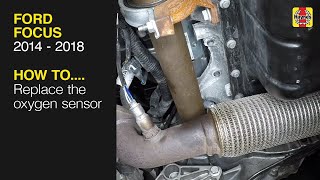
Typical fix: Replace the downstream oxygen sensor. A 22mm or 7/8" oxygen sensor socket is required. The connector is typically reached from the top of the engine bay, while the sensor itself is accessed from underneath. 🎬 See this step-by-step guide for replacing the oxygen sensor.
Est. part cost: $60-$120 - Exhaust Leak Before the Sensor 🟡 Medium Probability A documented case on a 2015 1.0L EcoBoost found a small leak at the turbo wastegate mechanism caused a P0137 code. This can be difficult to see without removing heat shields. Leaks can also occur at the exhaust manifold gasket or other flanges.
How to confirm: Perform a visual inspection of the exhaust system from the manifold/turbo back. A smoke test is the most effective way to find small leaks that aren't visually obvious or audible. Pay close attention to the turbo area after removing the heat shields.
Typical fix: Repair the exhaust leak. This may involve replacing a gasket, tightening flanges, or applying exhaust putty for a pinhole leak. In the specific case of a turbo wastegate leak, this may require replacement of the turbocharger/manifold assembly.
Est. part cost: $10-$1500+ - Damaged Wiring or Corroded Connector 🟡 Medium Probability The sensor wiring is routed under the vehicle and is exposed to heat, moisture, and potential road debris, making it susceptible to damage. The connector is located in the engine bay and can also suffer from corrosion or loose pins.
How to confirm: Visually inspect the entire length of the O2 sensor harness for any signs of melting, chafing, or breaks. Unplug the connector and check for corrosion or bent pins. A multimeter can be used to check for continuity and voltage from the sensor connector back to the PCM.
Typical fix: Repair the damaged section of wiring or clean/replace the connector.
Est. part cost: $5-$50
Rare But Worth Checking
- Engine Running Lean: If the engine is running lean for other reasons (e.g., vacuum leak, low fuel pressure), it can cause the exhaust to have excess oxygen, resulting in a true low voltage reading from the O2 sensor. This will typically be accompanied by other codes like P0171 or fuel trim codes.
- Faulty Powertrain Control Module (PCM): → Shop Engine Control Module (ECM) This is extremely rare. The PCM should only be considered after all other possibilities (sensor, wiring, exhaust leaks) have been definitively ruled out.
Diagnosis Steps
- Read the code with an OBD-II scanner to confirm P0137 is present and check for any other related codes (e.g., P0171, P013E).
- Perform a thorough visual inspection of the downstream O2 sensor's wiring harness and connector. Look for any signs of melting, corrosion, or physical damage.
- Inspect the exhaust system for leaks. Listen for hissing sounds and look for black soot trails. A smoke test is the most reliable method. Pay close attention to the area around the exhaust manifold and turbocharger after removing heat shields, as this is a known issue area for this engine.
- Use a scan tool with live data capability to observe the voltage from Bank 1, Sensor 2 (B1S2) with the engine fully warmed up. A healthy downstream sensor should have a relatively stable voltage, typically between 0.5V and 0.9V. If the voltage is stuck low (e.g., <0.2V), it confirms the fault condition described by the code.
- If the wiring is good and there are no exhaust leaks, the oxygen sensor itself is the most likely culprit and should be replaced.
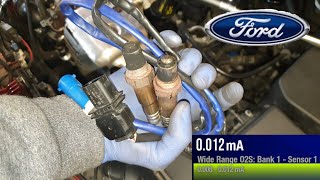
- After replacement, clear the codes and perform a drive cycle to ensure the code does not return. 🎬 Watch: Quick test and removal tips for Focus oxygen sensors.
- If a new sensor does not resolve the issue, perform advanced circuit testing with a multimeter to check for correct voltage, ground, and signal integrity at the PCM connector to rule out a wiring break.
- As a final, rare step, consider a faulty PCM if all other components and wiring have been proven to be good.
Parts You'll Likely Need
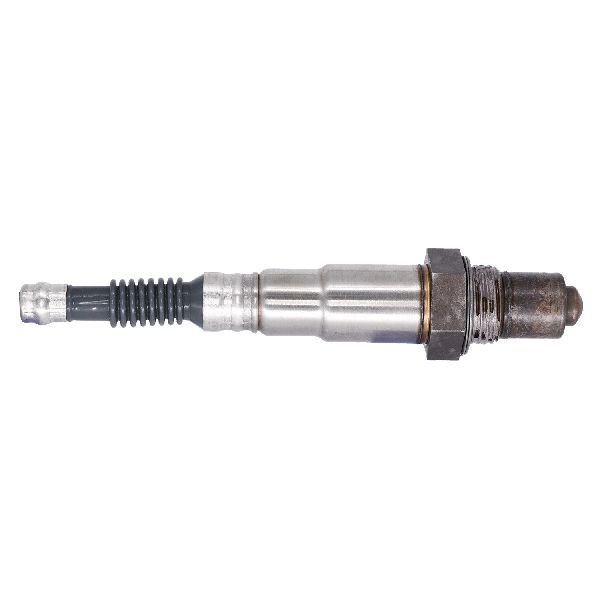
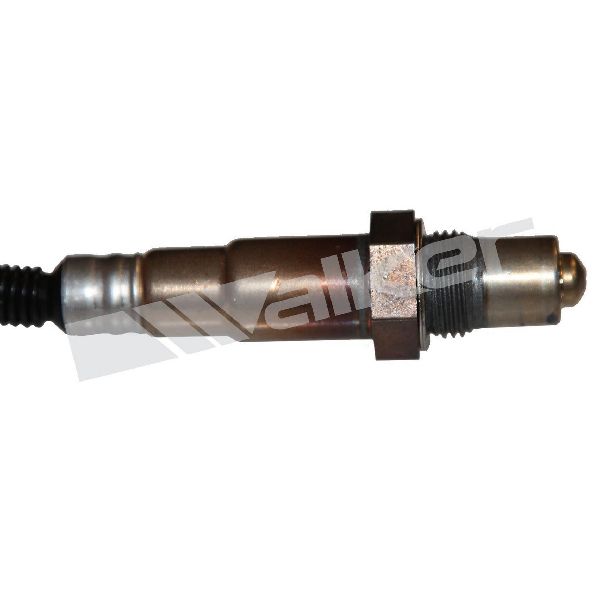
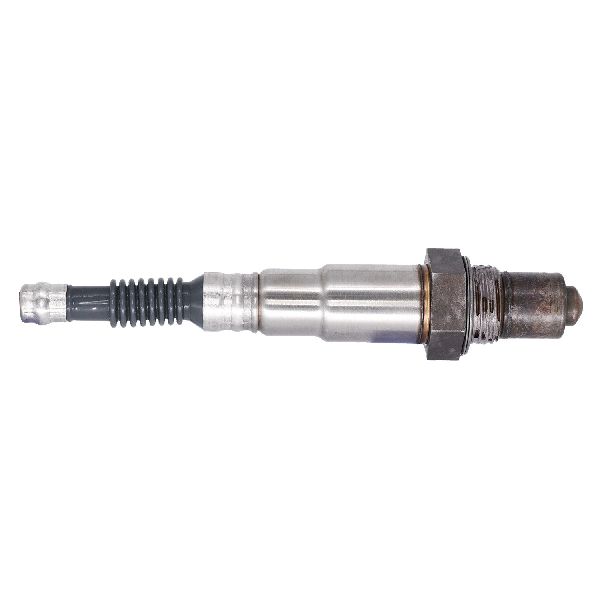
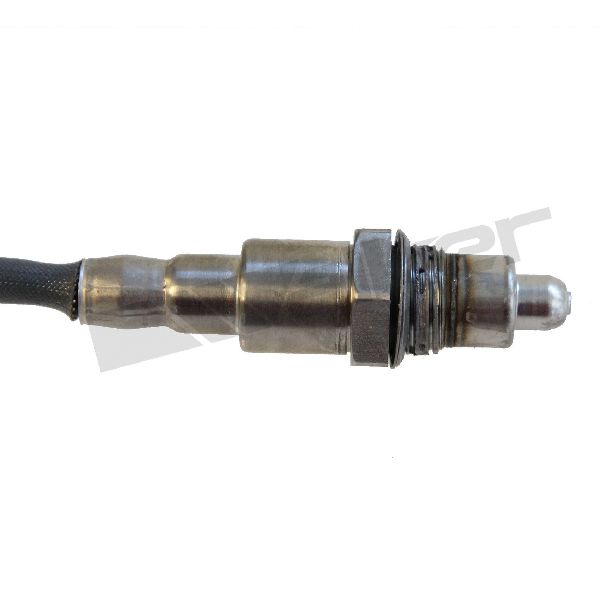
- Downstream Oxygen Sensor (Bank 1, Sensor 2)
(OEM #F1FZ-9G444-A)— This is the most common component to fail, causing a P0137 code.
Trusted brands: Motorcraft (OEM), Bosch, Denso, NTK, Walker
OEM price range: $90-$120
Aftermarket price range: $60-$90
Technical Service Bulletins (TSBs) & Recalls
- SSM 47587: While not a direct cause, this TSB addresses potential coolant consumption on 2015-2018 Focus 1.0L models. A coolant leak can alter exhaust gas composition and potentially affect O2 sensor readings over time, though it's more likely to cause other codes first.
Platform-Specific Known Issues
- Turbo Wastegate Exhaust Leak: A case study on a 2015 Focus 1.0L EcoBoost with P0137 at only 27,361 miles identified a small exhaust leak at the turbo wastegate as the root cause. A new O2 sensor did not fix the problem. The leak was only found after removing the exhaust manifold heat shields and performing a smoke test. This required a new turbo and catalytic converter/manifold assembly to fix correctly.
Mechanic-Grade Diagnostic Values
- Downstream O2 Sensor (B1S2) Voltage — expected: Relatively stable voltage between 0.5V and 0.9V when the catalytic converter is hot and working efficiently.. Failure: Sustained voltage below 0.21V for more than 10-20 seconds.
- O2 Sensor Heater Element Resistance — expected: Typically between 3 and 30 Ohms when measured across the two same-colored wires on the sensor's connector.. Failure: An open circuit (OL on multimeter) or resistance far outside the expected range indicates a failed heater element.
- B1S2 Signal Circuit Integrity Test (at sensor connector) — expected: With the sensor disconnected and ignition on, the signal wire PID on a scan tool should read a bias voltage (approx. 1.6V in one documented case). Grounding this pin should make the voltage drop to 0V.. Failure: If the scan tool voltage does not change when grounding the signal wire, it indicates a break in the wiring between the connector and the PCM.
Scan Tool Commands That Help
- Ford IDS (or equivalent high-level scanner): Datalogger > Powertrain > O2S12 PID — This is the primary function for viewing the live voltage data from the Bank 1 Sensor 2 to confirm if the voltage is stuck low, which is the main condition for P0137.
Wiring & Ground Locations
- B1S2 Connector — The sensor is in the exhaust pipe after the catalytic converter, accessed from under the vehicle. The electrical connector is often located in the engine bay, requiring you to trace the wire up from the sensor.. This connector is a common point for corrosion or damage. Verifying its integrity is a key step before replacing the sensor.
- PCM Connector — The Powertrain Control Module (PCM) location can vary, but it is typically in the engine bay near the firewall or battery. A wiring diagram is needed for pin-point testing.. Advanced diagnosis requires checking for signal continuity and voltage directly at the PCM pins to definitively rule out a wiring harness break between the sensor and the computer.
Real Owner Repair Stories
- autotechnician.co.uk case study by Des Davies (2015 Ford Focus 1.0L EcoBoost (M1DD), 27,361 miles) — Check Engine Light on with code P0137. No drivability issues.
❌ Tried (didn't work) A Ford dealer replaced the downstream O2 sensor, but the light returned., Initial smoke test of the exhaust system showed no leaks., Forcing a rich condition with carb cleaner did not make the new sensor switch properly.
✅ What actually fixed it After removing the exhaust manifold heat shields, a second smoke test revealed a small exhaust leak at the turbo wastegate mechanism. The final repair required replacing the entire turbo and catalytic converter/manifold assembly.
"I Checked Everything" — The Actual Cause
- In a documented case for a 2015 Focus 1.0L, an initial smoke test of the exhaust system showed no leaks. The P0137 code persisted after a sensor replacement. The root cause was only found after removing the turbocharger heat shields and performing another smoke test, which revealed a small, hidden leak at the turbo wastegate mechanism.
OEM Part Supersession History
F1FZ-9G444-A→F1FZ-9G444-A (current as of late 2024)— No supersession found. The part number remains active.
Heads up: A parts catalog notes this part is for vehicles built up to 08/28/2017, suggesting a potential change for the very last 2018 models. Always verify with VIN.
Model Year Variations Within This Range
- 2015-2017 vs 2018: The 1.0L EcoBoost engine was revised for the 2018 model year in some markets, changing from a wet timing belt to a timing chain and moving the turbo to the rear. While the P0137 diagnosis is similar, access to components like the turbo and exhaust manifold may differ on 2018 models with the revised engine.
- Post 11/16/2015: Ford stopped installing the intercooler fan as standard on the 1.0L EcoBoost Focus built after November 16, 2015 (unless a towbar was factory-fitted). While not a direct cause of P0137, this can lead to higher under-hood and intake temperatures, potentially accelerating the degradation of wiring and sensors over time.
Diagnostic Flowchart
Other Known Issues on This Vehicle
Issues unrelated to this code that are worth knowing about as an owner of this generation:
- Wet Timing Belt Degradation 🔴 High — Can show signs of failure from 60,000 miles. The belt runs in oil and degrades over time, shedding material that can block the oil pump pickup, leading to oil starvation and catastrophic engine failure. (Ref: Ford issued a recall in Dec 2023 for some older models, but many vehicles fall outside the recall and rely on a preventative replacement schedule (often recommended every 60k-70k miles, far less than Ford's original 150k mile interval).)
- Coolant Hose/Degas Pipe Failure 🔴 High — Common on earlier models (pre-2015) but can still occur on updated parts. The original plastic degas pipe from the coolant reservoir becomes brittle from heat over the turbo and cracks, causing rapid coolant loss and engine overheating. (Ref: A recall (FSA 4S615) was issued to replace the original pipe with a more heat-resistant rubber version. However, even the replacement parts have been known to fail.)
- Intake Valve Carbon Buildup 🟠 Medium — Becomes noticeable around 60,000 to 100,000 miles. As a direct-injection engine, fuel doesn't wash over the intake valves, leading to carbon deposits that restrict airflow, causing rough idle, hesitation, and reduced power.
- Turbocharger Failure 🟠 Medium → Shop Turbocharger — Can occur at various mileages, often secondary to other issues. Failures are frequently caused by oil starvation from a clogged oil pickup (due to wet belt debris) or coolant leaks causing overheating. (Ref: TSB SSM 49210 addresses oil leaks from turbocharger oil supply tubes on a wide range of Ford vehicles.)
- Coolant Consumption/Intrusion 🔴 High — Reported in 2015-2018 models. Can be caused by cylinder head cracks from overheating, leading to coolant leaking into cylinders. Symptoms include white smoke, rough running, and milky oil. (Ref: TSB SSM 47587 notes that 2014-2017 Fiesta and 2015-2018 Focus models with the 1.0L EcoBoost may exhibit coolant consumption, white smoke, and/or a rough running condition.)
Used vs. New Parts: Buying Guide for This Vehicle
When a used part is the smart pick: For this repair, a used part is generally not recommended for the sensor itself. However, if the cause is a cracked exhaust manifold or a faulty turbocharger assembly (due to the wastegate leak), a low-mileage used assembly from a reputable salvage yard can be a cost-effective alternative to a very expensive new part.
Donor-vehicle mileage cap: roughly under 60000 miles for the part to have meaningful remaining life.
What to inspect on the donor part:
- For a turbo/manifold assembly, check for any visible cracks, especially around the wastegate actuator arm.
- Ensure there is no excessive shaft play in the turbocharger.
- Look for a donor vehicle with a documented history of regular oil changes, as oil starvation is a primary killer of these turbochargers.
- Avoid parts from vehicles that show signs of a major front-end collision.
OEM-only on this vehicle (don't cheap out):
- While not strictly required, using an OEM Motorcraft oxygen sensor is highly recommended. Aftermarket sensors can sometimes have slightly different response characteristics that may cause issues with the sensitive Ford PCM software.
Aftermarket brands forum-validated for this vehicle:
- Bosch
- NTK
- Denso
Brands owners have reported issues with on this vehicle:
- Avoid unbranded, 'white-box' sensors from online marketplaces, as their quality and calibration are often inconsistent.
Real Owner Stories
Aggregated from forums and TSBs cited above. Mileages and costs reflect what owners reported in those sources.
2015 Ford Focus 1.0L EcoBoost — 27361 miles
Symptoms: P0137 code present. A new O2 sensor did not fix the problem.
What fixed it: Replacement of the turbocharger and catalytic converter/manifold assembly after a smoke test revealed a small exhaust leak at the turbo wastegate hidden by heat shields.
Source hint: autotechnician.co.uk case study
2018 Ford Focus 1.0L EcoBoost
Symptoms: Check engine light with a delayed response code (P013E) related to the downstream sensor.
What fixed it: Replacement of the Bank 1 Sensor 2 (downstream) oxygen sensor.
Source hint: YouTube / DIY Daily
Related OBD-II Codes
Frequently Asked Questions
Does SSM 47587 mean my P0137 code is caused by a coolant leak?
I have a P013E code along with P0137 on my 2018 Focus 1.0L; are these related?
Could a leak near the turbocharger cause this code on my 2015 Focus?
Is there a recall for the coolant pipes that might be affecting my engine's sensors?
What specific tool do I need to replace the downstream O2 sensor on my Focus 1.0L?
Can the 'wet timing belt' issue on my 1.0L EcoBoost cause oxygen sensor codes?
Helpful Videos
We Have This Part in Stock



The information in this article is provided for general reference and educational purposes only. Vehicle specifications, procedures, and part compatibility can vary by production date, trim level, and region. Always consult your vehicle's factory service manual and verify part numbers before purchasing or performing repairs. Safety-critical components such as airbags, seat belts, and braking systems should be installed by a qualified professional.
- Ford Focus:
- 🧭 Diagnostic Flowchart
- 🎬 Helpful Videos
- 🛍️ Shop This Part
- What's Unique About the 2015-2018 Ford Focus
- Symptoms You May Notice
- Most Likely Causes
- Rare But Worth Checking
- Diagnosis Steps
- Parts You'll Likely Need
- Technical Service Bulletins (TSBs) & Recalls
- Platform-Specific Known Issues
- Mechanic-Grade Diagnostic Values
- Scan Tool Commands That Help
- Wiring & Ground Locations
- Real Owner Repair Stories
- "I Checked Everything" — The Actual Cause
- OEM Part Supersession History
- Model Year Variations Within This Range
- Other Known Issues on This Vehicle
- Used vs. New Parts: Buying Guide for This Vehicle
- Real Owner Stories
- 2015 Ford Focus 1.0L EcoBoost — 27361 miles
- 2018 Ford Focus 1.0L EcoBoost
- Related OBD-II Codes
- Frequently Asked Questions
- 🎟️ Get 5% Off