

P0137 on 2012-2017 Hyundai Azera: O2 Sensor Low Voltage Causes and Fixes
For the 2012-2017 Hyundai Azera, code P0137 almost always indicates a failed downstream oxygen sensor on Bank 1 (the rear cylinder bank, near the firewall). The fix is typically replacing this sensor. Expect to pay $40-$90 for an aftermarket sensor or $100-$180 for an OEM one, with DIY difficulty rated at 3/5 due to tight access from underneath the vehicle.
- P0137 points to the downstream oxygen sensor on the rear cylinder bank (Bank 1).
- The most likely cause is a failed oxygen sensor, which is a common wear item.
- Before buying parts, always inspect the wiring for damage and check the O2 sensor fuse, as these are common secondary causes.
- Do not replace the catalytic converter for this code; it is almost certainly not the problem.
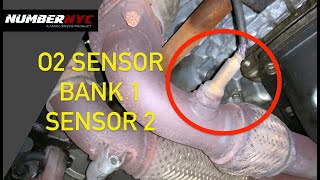
- Ensure you are replacing the correct sensor; Bank 1 Sensor 2 is difficult to access from underneath the car compared to the others.
What's Unique About the 2012-2017 Hyundai Azera
The 2012-2017 Azera uses a 3.3L V6 engine, which means it has two cylinder banks and four oxygen sensors. A common point of confusion is identifying the correct sensor. For this code, 'Bank 1' is the rear bank, near the firewall, which is much harder to access than Bank 2 at the front. 'Sensor 2' is the post-catalytic converter sensor. Many DIY repairs fail simply because the wrong sensor is replaced (e.g., the easier-to-access Bank 2 sensor). The key to fixing this code on the Azera is correctly identifying and accessing the Bank 1, Sensor 2 location, which typically requires safely raising the vehicle and working from underneath.
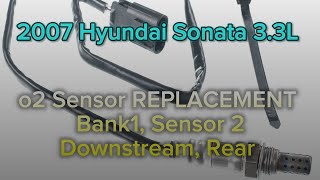
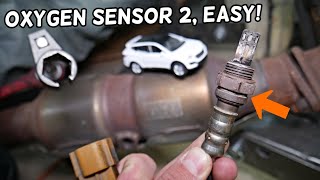
🎬 Watch: How to locate and replace this sensor the easy way.Symptoms You May Notice
- Check Engine Light is on.
- Guaranteed failure of an emissions test.
- Potential for slightly reduced fuel economy.
- Possible rough or unstable idle in some cases, though less common for a downstream sensor fault.
- In rare instances, a sulfur or "rotten egg" smell from the exhaust if the issue is prolonged and affects the catalytic converter's operation.
- Replacing the wrong oxygen sensor. Technicians and DIYers often mistakenly replace the Bank 2 sensor (front/radiator side) or the Bank 1 Sensor 1 (upstream/pre-catalyst) because they are easier to access.
- Replacing the catalytic converter. A P0137 code is almost never caused by a bad catalytic converter. A failing converter typically sets a P0420 (Catalyst System Efficiency Below Threshold Bank 1) code, not a sensor circuit code.
Most Likely Causes
- Failed Bank 1, Sensor 2 Oxygen Sensor 🔴 High Probability → Shop Oxygen Sensor Oxygen sensors are wear-and-tear items that operate in a harsh exhaust environment. They typically have a lifespan of 60,000 to 100,000 miles before failing from age, contamination, or failure of the internal heater element.
How to confirm: After confirming the wiring is intact, the most definitive test is to use a scan tool to graph the sensor's voltage. A healthy downstream O2 sensor (Sensor 2) should show a relatively stable voltage. If the voltage is stuck low (below 0.1V) and doesn't respond when the engine is revved, the sensor is bad. You can also test the internal heater circuit with a multimeter; a reading of 'OL' (open loop) or outside the specified range of 8.1 to 11.1 Ohms indicates a burned-out heater.
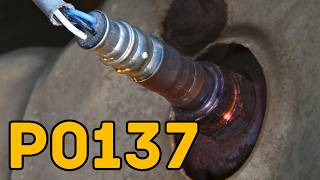
Typical fix: Replace the Bank 1, Sensor 2 oxygen sensor. This requires a special O2 sensor socket to accommodate the wire. 🎬 Watch a mechanic replace the Bank 1 Sensor 2 on this engine. Access is from underneath the car, and the old sensor may be seized, requiring penetrating oil and patience.
Est. part cost: $40-$180 - Damaged Wiring or Connector 🟡 Medium Probability The sensor wiring is routed near hot exhaust components and the underside of the vehicle, making it susceptible to melting, chafing, or corrosion from road debris and moisture. A visual inspection is critical.
How to confirm: Visually inspect the entire wiring harness for the Bank 1 downstream O2 sensor, from the sensor itself to where it enters the main loom. Look for any signs of melted plastic, frayed wires, or corrosion on the connector pins. Use a multimeter to check for continuity and ensure there isn't a short to ground in the signal wire.
Typical fix: Repair the damaged section of the wiring harness or clean/replace the connector. Often, the damage is right at the connector due to stress or moisture.
Est. part cost: $5-$50 - Exhaust Leak ⚪ Low Probability Flex pipes and gasket flanges in the exhaust system can develop cracks or leaks over time, especially in regions with harsh weather or road salt. A leak before the sensor can introduce outside oxygen, tricking the sensor into reading low voltage.
How to confirm: Listen for a ticking or hissing sound from the exhaust, especially when the engine is cold. Visually inspect the exhaust pipes and flanges between the engine and the O2 sensor for black soot marks, which indicate a leak. A smoke test is the most definitive way to locate a small leak.
Typical fix: Replace the leaking gasket or repair/replace the damaged section of the exhaust pipe.
Est. part cost: $20-$200
Rare But Worth Checking
- Powertrain Control Module (PCM) Fault: → Shop Engine Control Module (ECM) This is extremely rare. Before condemning the PCM, all other possibilities (sensor, wiring, leaks) must be exhaustively ruled out. A faulty PCM might misinterpret a good sensor's signal.
- Blown O2 Sensor Heater Fuse: → Shop Oxygen Sensor The oxygen sensor circuit is often protected by a fuse. If this fuse blows, the sensor's internal heater will not function, which can lead to incorrect voltage readings and trigger a P0137 code. Check the fuse box in the engine bay for a fuse labeled 'SNSR' or 'O2'.
Diagnosis Steps
- Confirm the Code: Use an OBD-II scanner to verify that P0137 is the active code and check for any other related codes.
- Visual Inspection: Safely raise the vehicle and secure it on jack stands. Locate the Bank 1 (rear bank) downstream (post-catalyst) oxygen sensor. Carefully inspect the sensor's wiring harness and connector for any signs of melting, chafing, corrosion, or physical damage.
- Check for Exhaust Leaks: With the engine running, carefully inspect the exhaust system from the rear manifold to the sensor for any audible leaks or visible soot trails. A common leak point can be the flexible pipe section.
- Analyze Live Data: Use a scan tool capable of graphing live data. Observe the voltage for 'O2S B1S2' (Bank 1, Sensor 2). A healthy sensor should show a relatively steady voltage, typically between 0.5V and 0.8V. If the reading is stuck flat below 0.2V, it strongly points towards a bad sensor or a circuit issue. On a sudden deceleration from ~4000 RPM, the voltage should briefly dip below 0.2V; on sudden acceleration, it should rise to 0.6V-1.0V.
- Test the Circuit: Unplug the sensor. Use a multimeter to check for proper reference voltage (around 0.45V on the signal wire from the PCM) and a good ground at the connector (vehicle side). This confirms the PCM and wiring up to the sensor are likely okay. Check the O2 sensor heater fuse in the engine bay fuse box.
- Test the Sensor: With the sensor unplugged, measure the resistance of its internal heater circuit (usually between the two same-colored wires). A reading outside of the manufacturer's spec (8.1 to 11.1 Ohms at 70°F for a similar Hyundai V6) or an open circuit ('OL') confirms the sensor is faulty.
- Replace the Sensor: If the wiring, fuse, and reference voltages are good but the sensor's live data is flat/low or it fails the resistance test, the sensor itself has failed and should be replaced.
Parts You'll Likely Need
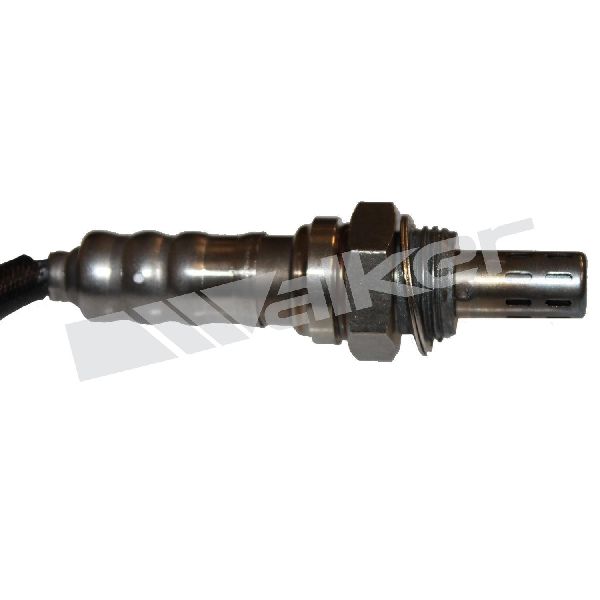
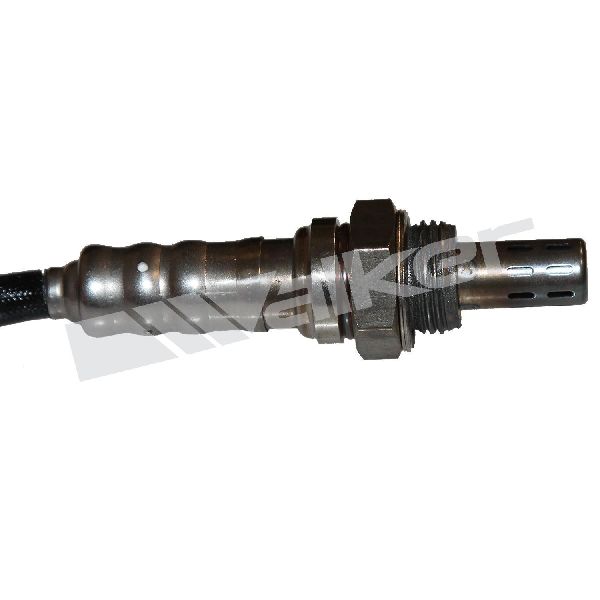
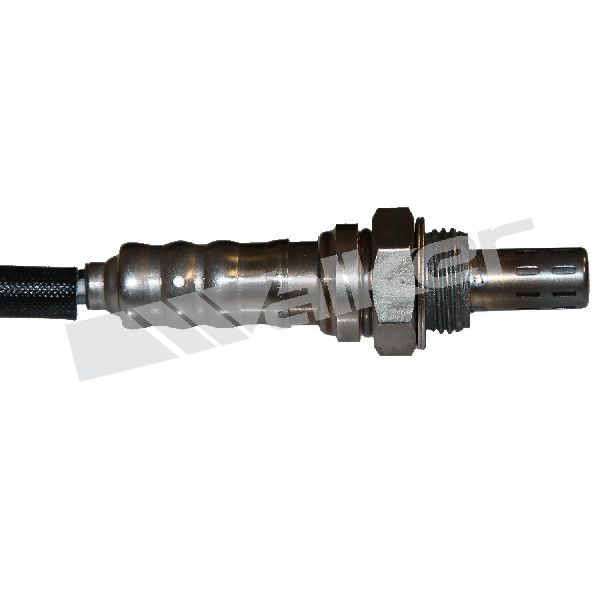
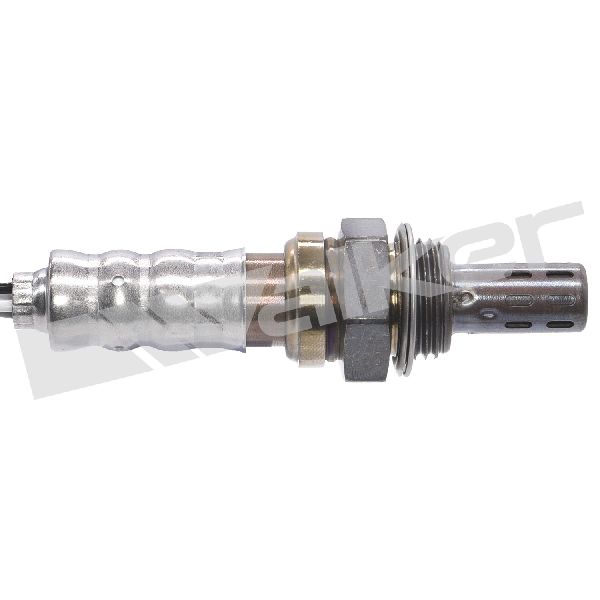
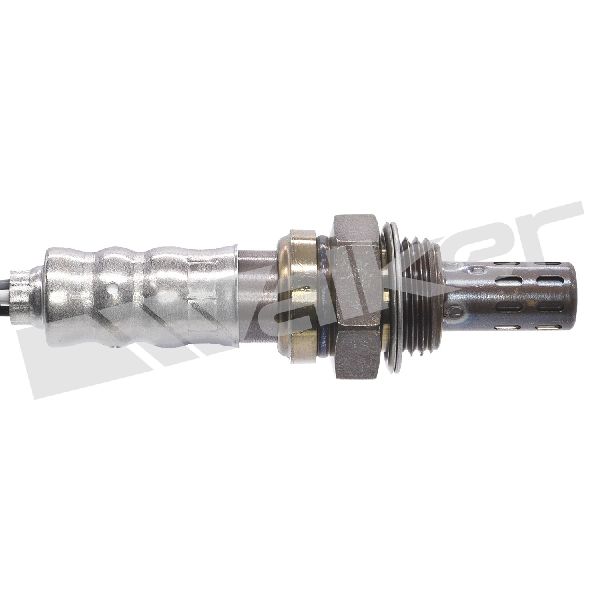
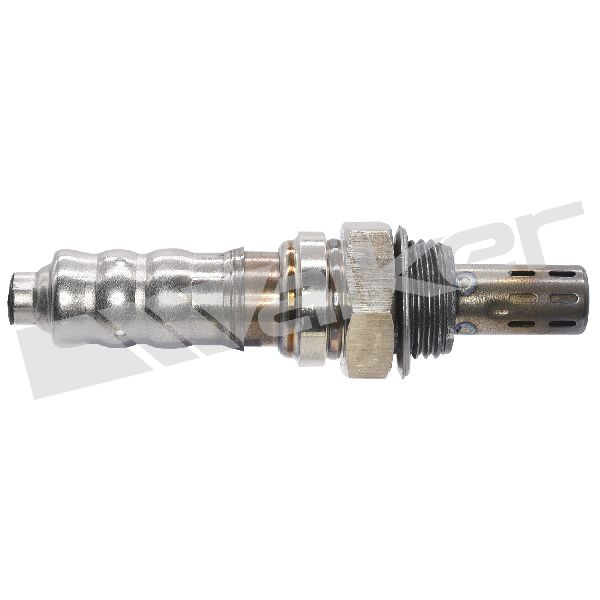
- Oxygen Sensor (Bank 1, Sensor 2)
(OEM #39210-3C400)— This is the downstream oxygen sensor for the rear cylinder bank, which is the component directly identified by the P0137 code. It is the most common failure point.
Trusted brands: Denso (e.g., 234-4854), NGK/NTK, Bosch, Hyundai (OEM)
OEM price range: $100-$180
Aftermarket price range: $40-$90 - Oxygen Sensor Socket — A special slotted socket (typically 22mm or 7/8") is required to remove and install the oxygen sensor without damaging its wire.
Trusted brands: ARES, OEMTOOLS, Lisle
Aftermarket price range: $10-$25
Related Codes That Often Appear With This One
- P0136: O2 Sensor Circuit Malfunction (Bank 1, Sensor 2) - A more general circuit fault code for the same sensor.
- P0171: System Too Lean (Bank 1) - If an exhaust leak is the root cause, the upstream sensor may also detect the excess oxygen, leading to a lean code.
Platform-Specific Known Issues
- Owner Experience: Intermittent CEL: An owner on Reddit with a 2012 Azera at 123k miles reported an intermittent check engine light that would come and go. This can be characteristic of a sensor that is failing but has not completely failed, or a loose connection in the wiring harness.
- DIY Repair Story: Access is Key: A DIY video for a similar Hyundai 3.3L V6 engine highlights the difficulty of this repair. The Bank 1 Sensor 2 is located after the rear catalytic converter and is only accessible from under the car. The repair involves removing the passenger side front wheel for better access, unplugging the harness clip high up on the firewall, and using a specialized O2 sensor socket with extensions to reach and remove the sensor. Warming up the exhaust first is recommended to make sensor removal easier.
Mechanic-Grade Diagnostic Values
- O2 Sensor (B1S2) Voltage Fault Threshold — expected: Signal should normally be stable between 0.5V and 0.8V.. Failure: Code P0137 is set if the PCM detects a sensor voltage below 0.06V for a predetermined duration.
- O2 Sensor (B1S2) Heater Element Resistance — expected: 8.1 to 11.1 Ω at 21°C (70°F).. Failure: A reading of 'OL' (infinite resistance) or near-zero ohms indicates the internal heater has failed.
- O2 Sensor (B1S2) Voltage on Snap Acceleration/Deceleration — expected: On sudden acceleration, voltage should rise to ~0.6V - 1.0V. On sudden deceleration from ~4000 RPM (fuel cut-off), voltage should drop below 0.2V.. Failure: Failure to respond dynamically to sharp changes in engine load/fueling can indicate a lazy or failing sensor.
Hidden / Shadow Codes Worth Checking
- Mode $06, TID $05, CID $20: This OBD-II monitor ID often corresponds to the Bank 1 Sensor 2 (B1S2) switching time or voltage threshold test. A 'FAIL' status for this component ID can confirm a P0137 fault, sometimes even before the check engine light becomes constant. (see via An advanced OBD-II scan tool capable of displaying Mode $06 test results.)
Scan Tool Commands That Help
- Hyundai GDS (Global Diagnostic System): Live Data Graphing / DTC Analysis — While there is no specific bidirectional command to force the O2 sensor signal, using the GDS to graph the sensor's voltage waveform in high resolution is the professional method for distinguishing between a completely dead sensor (flat line), a lazy sensor (slow response), or an intermittent wiring fault (erratic drops).
Wiring & Ground Locations
- PCM (Powertrain Control Module) — Located in the engine compartment, at the left rear (driver's side, near firewall).. This is the computer that receives and interprets the O2 sensor's voltage signal. In rare cases of a PCM fault, or for testing the circuit, knowing its location is essential.
- Ground Point GE05 — Located at the left rear of the engine compartment.. A poor ground connection for the engine sensor harness can cause erratic or low voltage readings. This is a primary ground point to check for corrosion or looseness if a circuit issue is suspected.
Model Year Variations Within This Range
- 2012-2017: No significant variations in the powertrain, emissions system, or common causes for P0137 have been documented across this generation. The 3.3L GDI V6 engine and associated sensors remained consistent.
Diagnostic Flowchart
Other Known Issues on This Vehicle
Issues unrelated to this code that are worth knowing about as an owner of this generation:
- GDI Engine Carbon Buildup 🟠 Medium — Common on GDI engines, especially with high mileage or frequent short trips. Can cause rough idle, hesitation, and reduced power over 100,000 miles.
- Panoramic Sunroof Rattle/Noise 🟡 Low — A widely reported annoyance where the sunroof assembly develops rattles and creaks. Can occur at any mileage. (Ref: TSB 19-BD-007H (Warranty Extension))
- Steering and Suspension Complaints 🟠 Medium — NHTSA complaints point to issues with steering feel, noise, and premature wear of suspension components like struts, often becoming noticeable around 100,000 miles.
- ABS Module Electrical Short Risk 🔴 High — Affects a wide range of Hyundai models, including the 2012-2015 Azera. An internal fluid leak in the ABS module can cause an electrical short, posing a fire risk even when parked. (Ref: NHTSA Recall 23V-651 (Hyundai Recall 251))
Used vs. New Parts: Buying Guide for This Vehicle
When a used part is the smart pick: A used part is a reasonable choice only for a damaged wiring harness connector/pigtail. The O2 sensor itself is a wear-and-tear item and buying a used one is not recommended.
Donor-vehicle mileage cap: roughly under 75000 miles for the part to have meaningful remaining life.
What to inspect on the donor part:
- For a wiring connector: Ensure the plastic is not brittle or cracked.
- Check that the locking tab clicks securely.
- Inspect the pins for any green or white corrosion.
- Verify the wiring insulation is not melted or frayed.
OEM-only on this vehicle (don't cheap out):
- Powertrain Control Module (PCM) - Due to complex integration with vehicle security and immobilizer systems, only a new or professionally remanufactured OEM unit should be used if the PCM is condemned.
Aftermarket brands forum-validated for this vehicle:
- Denso
- NGK/NTK
- Bosch
Brands owners have reported issues with on this vehicle:
- Unnamed, 'white-box' or exceptionally low-priced online sensors, as they often have poor quality control and can fail prematurely or provide inaccurate readings.
Real Owner Stories
Aggregated from forums and TSBs cited above. Mileages and costs reflect what owners reported in those sources.
2012 Hyundai Azera 3.3L V6 — 123000 miles
Symptoms: Intermittent check engine light that would come and go.
What fixed it: The issue was characteristic of a failing sensor or a loose connection in the wiring harness.
Source hint: Reddit r/Hyundai thread titled 'should_i_buy/'
Hyundai 3.3L V6 (Azera platform mate)
Symptoms: Check Engine Light on for downstream O2 sensor; sensor located after the rear catalytic converter.
What fixed it: Replacement of the Bank 1 Sensor 2 oxygen sensor using a specialized O2 sensor socket and extensions after removing the passenger side front wheel for access.
Source hint: YouTube video 's-t5bHh_yWc' regarding Hyundai 3.3L V6 O2 sensor replacement
Related OBD-II Codes
Frequently Asked Questions
Is there a recall for my 2012-2015 Hyundai Azera that could be related to electrical issues?
Does the 2012-2017 Azera have a known issue with sunroof noise?
What is the expected lifespan of the Bank 1 Sensor 2 oxygen sensor on this vehicle?
I have a 2012 Azera with 123k miles and an intermittent Check Engine Light; is this common?
What should the resistance be for the O2 sensor heater on my Hyundai V6?
Are there other Hyundai models that share this same 3.3L V6 engine and O2 sensor issues?
Helpful Videos


We Have This Part in Stock

The information in this article is provided for general reference and educational purposes only. Vehicle specifications, procedures, and part compatibility can vary by production date, trim level, and region. Always consult your vehicle's factory service manual and verify part numbers before purchasing or performing repairs. Safety-critical components such as airbags, seat belts, and braking systems should be installed by a qualified professional.
- Hyundai Azera:
- 🧭 Diagnostic Flowchart
- 🎬 Helpful Videos
- 🛍️ Shop This Part
- What's Unique About the 2012-2017 Hyundai Azera
- Symptoms You May Notice
- Most Likely Causes
- Rare But Worth Checking
- Diagnosis Steps
- Parts You'll Likely Need
- Related Codes That Often Appear With This One
- Platform-Specific Known Issues
- Mechanic-Grade Diagnostic Values
- Hidden / Shadow Codes Worth Checking
- Scan Tool Commands That Help
- Wiring & Ground Locations
- Model Year Variations Within This Range
- Other Known Issues on This Vehicle
- Used vs. New Parts: Buying Guide for This Vehicle
- Real Owner Stories
- 2012 Hyundai Azera 3.3L V6 — 123000 miles
- Hyundai 3.3L V6 (Azera platform mate)
- Related OBD-II Codes
- Frequently Asked Questions
- 🎟️ Get 5% Off