

P0137 on 2012-2015 Mazda 5: Causes and Fixes for O2 Sensor Low Voltage
This code almost always points to a failed downstream oxygen sensor (Bank 1, Sensor 2). An exhaust leak just before the sensor is the second most likely cause. Expect to pay $75-$120 for a quality aftermarket sensor (like Denso or NGK) and about 30-60 minutes for a DIY replacement.
- P0137 on your Mazda 5 points to a problem with the downstream O2 sensor (Bank 1, Sensor 2).
- The most likely fix is replacing the sensor itself, which is a common wear-and-tear item.
- Before buying a new sensor, always check for exhaust leaks between the engine and the sensor, as a leak can trigger this code. Pay special attention to the gasketed flange right before the sensor.
- Also, perform a quick visual check of the sensor's wiring and connector for any obvious damage.
- A quality aftermarket sensor from a brand like Denso (part # 234-4505) or NTK (part # 24485) is a reliable and cost-effective repair option.
What's Unique About the 2012-2015 Mazda 5
For the 2012-2015 Mazda 5 with the 2.5L engine, the P0137 code does not indicate any highly unusual, platform-specific weakness. The causes are typical for most modern vehicles. However, owners should be particularly mindful of exhaust leaks at gasketed flange connections, as these can introduce outside air and trick the sensor into sending a false low-voltage signal. One owner of a similar Mazda CX-5 with the same engine family found a significant exhaust leak from a deteriorated gasket at the bolted connection just before the downstream sensor was the root cause of their P0137 code. This reinforces that checking for leaks is a critical diagnostic step before replacing the sensor.
Symptoms You May Notice
- Check Engine Light illuminated
- Failure to pass an emissions inspection
- Slightly reduced fuel economy (often not noticeable)
- Rough idle (uncommon for this code alone)
- Hesitation during acceleration (rare)
- Exhaust fumes odor (if a large leak is present)
- Replacing the upstream oxygen sensor (Sensor 1) instead of the downstream one (Sensor 2).
- Replacing the oxygen sensor without first checking for exhaust leaks, which can cause the new sensor to report the same false code.
- Using a cheap, universal-fit oxygen sensor which requires splicing wires. These are prone to failure and incorrect readings; a direct-fit sensor is strongly recommended.
Most Likely Causes
- Failed Downstream Oxygen Sensor (Bank 1, Sensor 2) 🔴 High Probability → Shop Oxygen Sensor Oxygen sensors are wear items and typically have a finite lifespan of 60,000 to 100,000 miles. Contamination from engine fluids, road salt, and constant heat cycles eventually cause the internal sensing element to fail or become slow to respond.
How to confirm: Using a scan tool with live data, monitor the voltage for B1S2 ('O2S12'). On a healthy, fully warmed engine at a steady RPM, the voltage should be relatively stable, typically between 0.5V and 0.8V. If the voltage is stuck low (e.g., <0.2V) and does not respond when the engine is revved, the sensor is likely bad. A healthy sensor's voltage should change when RPMs change.
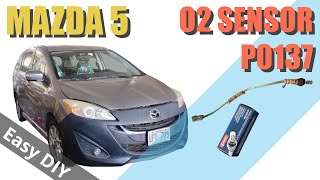
Typical fix: Replace the downstream oxygen sensor. 🎬 Watch: Step-by-step walkthrough of a 2015 Mazda 5 sensor replacement. It is located on the exhaust pipe after the catalytic converter. Using penetrating oil on the threads beforehand is highly recommended, as they are often seized. An O2 sensor socket is required.
Est. part cost: $75-$180 - Exhaust Leak 🟡 Medium Probability Gaskets and bolted flanges in the exhaust system can degrade over time from corrosion and heat, leading to leaks. A leak upstream of the sensor allows unmetered oxygen to enter the exhaust, causing a false lean (low voltage) reading. A common failure point on similar Mazda models is the gasket at the flange connection just before the downstream sensor.
How to confirm: Perform a visual inspection of the exhaust system from the engine to the rear sensor, looking for black soot marks or obvious cracks/holes. Listen for a ticking or hissing sound, especially on a cold start when the metal has contracted. A professional smoke test is the most definitive way to locate a small leak. You can also carefully feel for escaping air with your hand when the exhaust is cool.
Typical fix: Repair the leak. This may involve replacing a flange gasket, tightening bolts, or in severe cases, welding a crack or replacing a section of pipe.
Est. part cost: $5-$50 for a gasket, or higher for pipe repair. - Damaged Wiring or Connector ⚪ Low Probability The sensor's wiring harness runs underneath the vehicle and is exposed to road debris, moisture, and heat, which can cause corrosion, breaks, or short circuits. On some vehicles, fluid leaks from above (like power steering fluid) can contaminate the O2 sensor connector and harness, causing skewed readings.
How to confirm: Visually inspect the entire wiring harness from the O2 sensor to where it connects to the main vehicle harness. Check for melted plastic, frayed wires, or corrosion on the connector pins. Use a multimeter to check for continuity and proper voltage at the connector according to the vehicle's service manual.
Typical fix: Repair the damaged section of wire or clean/replace the connector. Ensure the repaired section is protected from heat and moisture.
Est. part cost: $10-$30
Rare But Worth Checking
- PCM (Powertrain Control Module) Fault: This is extremely rare. The PCM should only be considered after all other possibilities, including the sensor, wiring, and exhaust leaks, have been definitively ruled out.
- Engine Running Excessively Lean: If the engine is truly running lean (too much air, not enough fuel), the downstream O2 sensor will correctly report low voltage. However, this condition will almost always be accompanied by other codes, such as P0171 (System Too Lean) or fuel trim codes.
Diagnosis Steps
- Read the code with an OBD-II scanner and confirm P0137 is present. Note any other codes and review freeze-frame data.
- Visually inspect the downstream O2 sensor's wiring harness and connector for obvious damage, melting, corrosion, or fluid contamination.
- With the engine running (ideally from a cold start), carefully listen and feel for exhaust leaks between the engine and the downstream sensor. Pay close attention to the flange gaskets, which are a known weak point.
- Use a scan tool to observe live data for 'O2S12' (Oxygen Sensor, Bank 1, Sensor 2). On a fully warmed-up engine at steady RPM, the voltage should be relatively stable and above 0.5V. If it is stuck below 0.2V, the fault condition is confirmed.
- If no exhaust leaks or wiring damage are found, the oxygen sensor itself is the most probable cause of failure.
- Before installing a new sensor, apply anti-seize compound to the threads of the new sensor (if not pre-applied) and clean the threads in the exhaust bung to ensure a good ground connection and easy future removal.
- After replacement, clear the codes with the scanner and perform a complete drive cycle to allow the PCM's emissions monitors to run and confirm the code does not return.
Parts You'll Likely Need
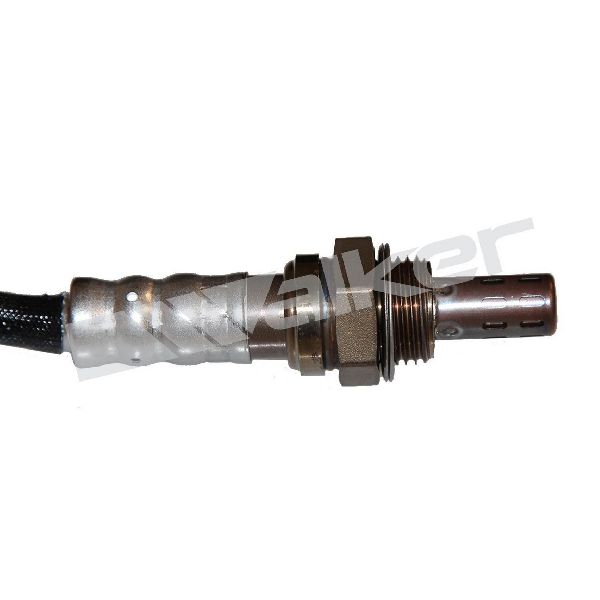
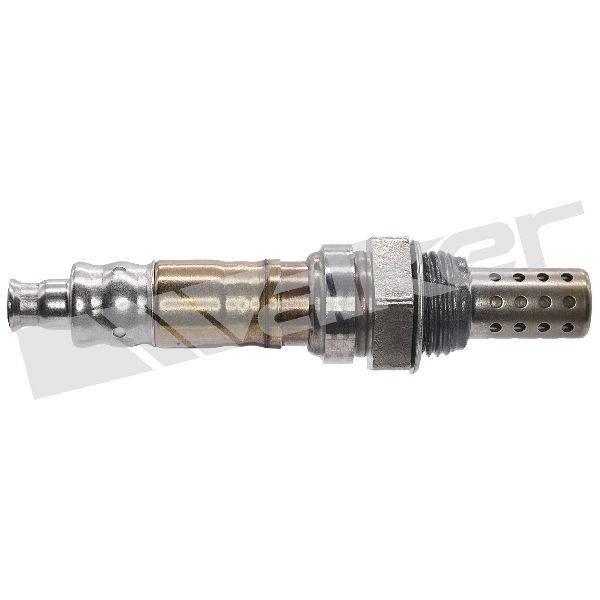
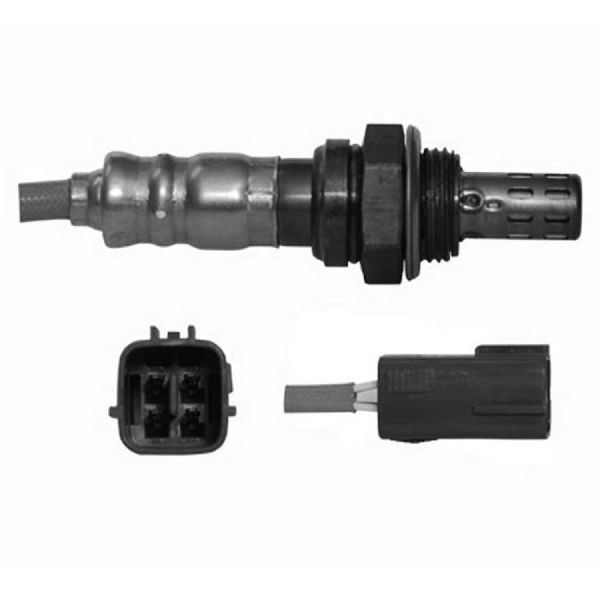
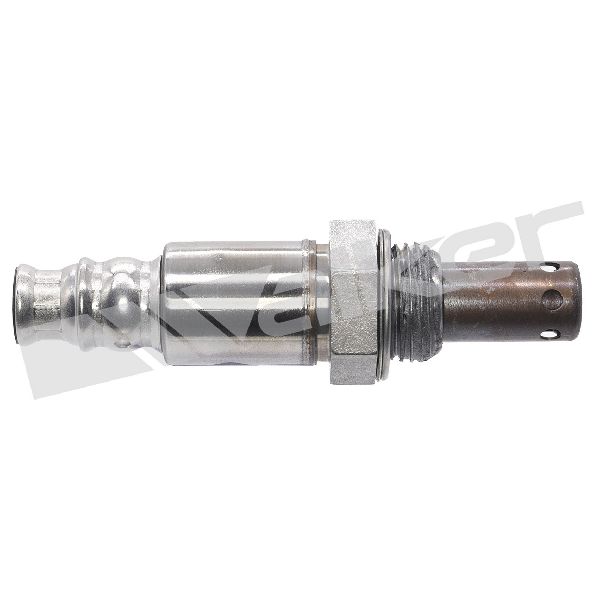
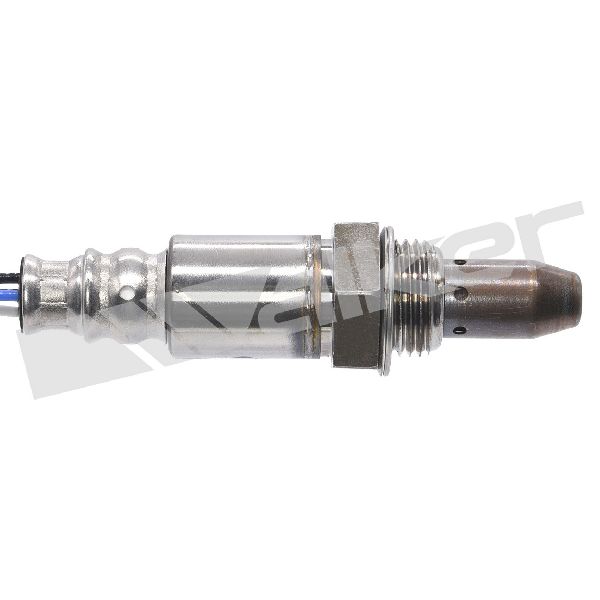
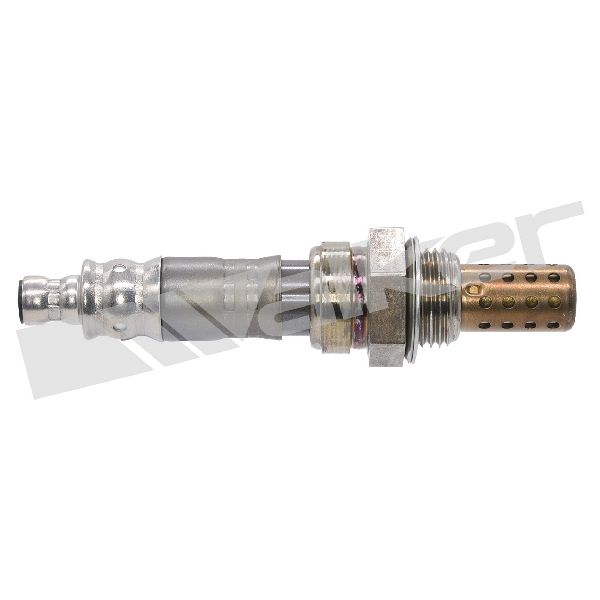
- Downstream Oxygen Sensor
(OEM #L5D9-18-86ZC)— This is the most common failure point for code P0137. The sensor is a wear item that degrades over time. The OEM part number L5D9-18-86ZC supersedes L5D9-18-86ZA.
Trusted brands: Denso (e.g., 234-4505), NGK/NTK (e.g., 24485), Bosch
OEM price range: $125-$200
Aftermarket price range: $75-$120 - Exhaust Flange Gasket — If an exhaust leak is found at a flange connection, the gasket will need to be replaced. This is a common cause of P0137 on Mazda vehicles.
Trusted brands: Fel-Pro, Walker, Bosal
OEM price range: $10-$25
Aftermarket price range: $5-$15
Related Codes That Often Appear With This One
- P0420 — If the O2 sensor is failing and not reporting correctly, it can sometimes trigger a P0420 (Catalyst System Efficiency Below Threshold) code, or vice-versa if the catalyst is truly failing.
- P0138 — P0138 is for 'O2 Sensor Circuit High Voltage'. Seeing it intermittently with P0137 could point to a wiring short or an erratic sensor.
- P2096 — This code, 'Post Catalyst Fuel Trim System Too Lean Bank 1', can be caused by the same issues as P0137, such as an exhaust leak or a failing sensor, and may appear alongside it.
Platform-Specific Known Issues
- Exhaust Gasket Leak: A recurring theme in owner forums for Mazda vehicles with the 2.5L engine is the failure of the exhaust gasket at the flange located just upstream of the B1S2 sensor. This introduces ambient air and causes a false low voltage reading, triggering P0137. A visual and auditory check for leaks in this specific area is highly recommended before replacing the sensor.
Technical Service Bulletins (TSBs) & Recalls
While specific to the same manufacturer and engine family, manufacturer service bulletins provide insight into potential wiring issues. Bulletin #1011M notes that customers may complain about a check engine light with DTC P0137 stored in the PCM memory, which may be caused by rear harness damage from an aftermarket alarm system installation. Similarly, Bulletin #SA288 advises technicians to check the rear harness for damage if an aftermarket alarm system is installed when encountering DTC P0137.
Diagnostic Flowchart
Real Owner Stories
Aggregated from forums and TSBs cited above. Mileages and costs reflect what owners reported in those sources.
2015 Mazda 5
Symptoms: Check Engine Light illuminated with code P0137.
What fixed it: Replaced the rear (downstream) O2 sensor with a genuine Denso sensor.
Source hint: YouTube Title: 2015 Mazda 5 P0137 Rear O2 Sensor Replace With Genuine Denso Sensor (Merryfrankster)
2013 Mazda 5
Symptoms: Needed to replace the downstream oxygen sensor located after the catalytic converter.
What fixed it: Replaced the downstream oxygen sensor using an O2 sensor socket and penetrating oil (WD-40) to remove the seized sensor.
Source hint: YouTube comment by Sung Jae Chung
2014 Mazda CX-5 (2.5L)
Symptoms: Check Engine Light with code P0137, presenting as a very low voltage reading at idle.
What fixed it: Found a significant leak at the bolted flange connection right before the downstream O2 sensor. Sealing the leak resolved the code without needing to replace the sensor.
Source hint: mazda-forums.com thread: 2014-cx5-downstream-o2-sensor-issue-48433
2010 Mazda 3 2.5L
Symptoms: Experienced Check Engine Light with codes P0137 and P2097.
What fixed it: Advised to check for exhaust leaks and wiring damage before replacing the downstream O2 sensor, confirming this diagnostic path is common for the platform.
Source hint: reddit.com/r/mazda3 thread: replacing_bank_1_sensor_2_for_a_2010_w_25l
Related OBD-II Codes
Frequently Asked Questions
Is there a specific place I should check for exhaust leaks on my Mazda 5 2.5L before replacing the O2 sensor?
What brand of oxygen sensor is recommended for a 2015 Mazda 5?
Are there any known difficulties when replacing O2 sensors on the 2012-2015 Mazda 5?
What should the live data voltage be for a healthy downstream O2 sensor on my Mazda 5?
Can a fluid leak cause a P0137 code on my Mazda?
Helpful Videos
We Have This Part in Stock

The information in this article is provided for general reference and educational purposes only. Vehicle specifications, procedures, and part compatibility can vary by production date, trim level, and region. Always consult your vehicle's factory service manual and verify part numbers before purchasing or performing repairs. Safety-critical components such as airbags, seat belts, and braking systems should be installed by a qualified professional.
- Mazda 5:
- 🧭 Diagnostic Flowchart
- 🎬 Helpful Videos
- 🛍️ Shop This Part
- What's Unique About the 2012-2015 Mazda 5
- Symptoms You May Notice
- Most Likely Causes
- Rare But Worth Checking
- Diagnosis Steps
- Parts You'll Likely Need
- Related Codes That Often Appear With This One
- Platform-Specific Known Issues
- Technical Service Bulletins (TSBs) & Recalls
- Real Owner Stories
- 2015 Mazda 5
- 2013 Mazda 5
- 2014 Mazda CX-5 (2.5L)
- 2010 Mazda 3 2.5L
- Related OBD-II Codes
- Frequently Asked Questions
- 🎟️ Get 5% Off