

P0137 on 2014-2016 Mazda 6 2.5L: Wiring Harness Damage vs. O2 Sensor Failure
For a 2014-2016 Mazda 6, code P0137 is very often caused by a damaged wiring harness, not a bad O2 sensor. Mazda issued service bulletins (notably SA-028/18) about this specific issue, often linked to aftermarket alarm installations. Always inspect the wiring harness along the floor and under the passenger seat before buying a new sensor.
- For the 2014-2016 Mazda 6, ALWAYS inspect the wiring harness for damage before replacing the O2 sensor for a P0137 code.
- The problem is often related to a previously installed aftermarket alarm system, as noted in Mazda TSBs.
- If the wiring is good, the next most likely cause is a failed downstream (Sensor 2) oxygen sensor.
- Driving with this code active can reduce fuel economy and may eventually damage the catalytic converter.
What's Unique About the 2014-2016 Mazda 6
On this specific generation of Mazda 6, P0137 has a well-documented and unusual primary cause. Mazda released Technical Service Bulletins (TSBs) like SA-028/18, warning that damaged wiring is a frequent culprit, especially if an aftermarket alarm was installed using improper 'electro-tap' connectors. This makes a thorough wiring inspection the most critical first step, as many owners and even some shops mistakenly replace a perfectly good O2 sensor when the real problem is a damaged wire in the main harness running along the vehicle floor.
Symptoms You May Notice
- Check Engine Light is on
- Decreased fuel efficiency
- Rough or unstable idle
- Failure to pass an emissions test
- Noticeable exhaust or fuel odor
- Replacing the oxygen sensor without first inspecting the wiring harness. Given the specific TSBs for this vehicle, assuming the sensor is bad is a common and potentially costly mistake.
Most Likely Causes
- Damaged Wiring Harness 🔴 High Probability Mazda TSB SA-028/18 specifically identifies this as a common problem, often caused by improper installation of aftermarket alarm systems that damage the main harness running along the vehicle's floor under the passenger side trim. A separate recall for 2015-2016 models for wiring chafing under the passenger seat further points to harness vulnerability in this exact location.
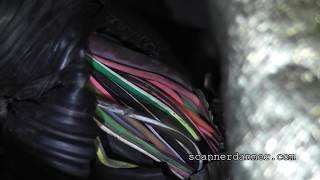
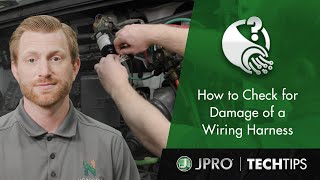
How to confirm: Visually inspect the main wiring harness that runs along the floor and under the front passenger seat. 🎬 Watch: How to visually inspect a harness for shorts Pull back the carpet and check for any signs of chafing, pinching, corrosion, broken wires, or poorly installed tap connectors. A Reddit user with a 2016 Mazda 6 experienced extensive electrical issues that were ultimately traced to a short in the front wiring harness, demonstrating the platform's sensitivity to wiring problems.
Typical fix: Repair the damaged section of the wiring harness. This involves soldering in a new section of wire and protecting it with heat-shrink tubing. Do not use simple tap or crimp connectors for a permanent repair.
Est. part cost: $5-$50 - Failed Downstream Oxygen Sensor 🟡 Medium Probability → Shop Oxygen Sensor Oxygen sensors are wear items and typically have a finite lifespan. Contamination from carbon, oil, or fuel additives can cause them to fail. However, on this platform, it is often replaced unnecessarily before the wiring is checked.
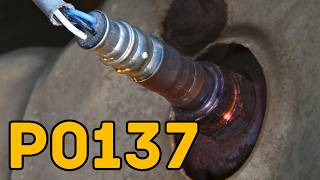
How to confirm: After confirming the wiring is intact, use a scan tool to monitor the live voltage data for Bank 1 Sensor 2. If the voltage is stuck low (e.g., below 0.2V) and does not respond to changes in engine RPM or forced rich/lean conditions, the sensor is likely faulty. You can also test the sensor's heater circuit resistance with a multimeter; a typical reading is between 3 and 25 ohms.
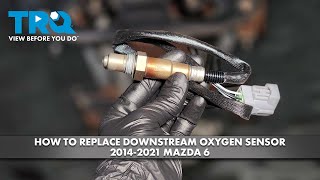
Typical fix: Replace the downstream (rear) oxygen sensor, which is located on the exhaust pipe after the catalytic converter. 🎬 Watch: Step-by-step downstream oxygen sensor replacement guide
Est. part cost: $80-$180 - Exhaust Leak ⚪ Low Probability
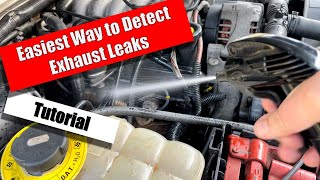
How to confirm: Visually inspect the exhaust system for cracks, holes, or loose flange bolts between the catalytic converter and the downstream O2 sensor. A smoke test can help identify small leaks. 🎬 See this easy trick for finding exhaust leaks A user on mazda-forum.com with a 2014 CX-5 (platform mate) traced their P0137 to a significant leak at the bolted connection just before the downstream sensor.
Typical fix: Repair the leak by replacing the gasket or damaged exhaust component. For the user on the Mazda forum, tightening the bolts at the flange connection solved the issue.
Est. part cost: $20-$200
Rare But Worth Checking
- Faulty Powertrain Control Module (PCM): → Shop Engine Control Module (ECM) This is extremely rare. The PCM should only be considered after all other possibilities, including wiring, sensors, and exhaust leaks, have been definitively ruled out by a professional.
Diagnosis Steps
- Connect an OBD-II scanner to confirm the P0137 code is present. Note any other codes.
- Ask the owner if an aftermarket alarm system is or was ever installed. This is a key indicator due to TSB SA-028/18.
- CRITICAL STEP: Perform a thorough visual inspection of the main wiring harness. Pull up the passenger side floor trim and carpet. Inspect the harness that runs in the channel from the firewall towards the seat. Look for any damage, chafing, or improper splices (especially 'electro-tap' connectors).
- If wiring damage is found, repair it by soldering and using heat-shrink, clear the code, and test drive to confirm the fix.
- If the wiring is confirmed to be in good condition, use the scanner to view live data for 'O2 Sensor B1S2'. At operating temperature and steady cruise, the voltage should be relatively stable, typically between 0.6V and 0.9V. If it is stuck low (under 0.2V), this points to a sensor, exhaust leak, or connection issue.
- Inspect the exhaust system for any leaks between the catalytic converter and the downstream sensor. Pay close attention to flange gaskets.
- If the wiring and exhaust system are good, inspect the O2 sensor connector itself (located under the vehicle, clipped to the underbody above the exhaust pipe) for corrosion or damage.
- If all all other steps check out, the oxygen sensor is the most likely culprit and should be replaced.
Parts You'll Likely Need
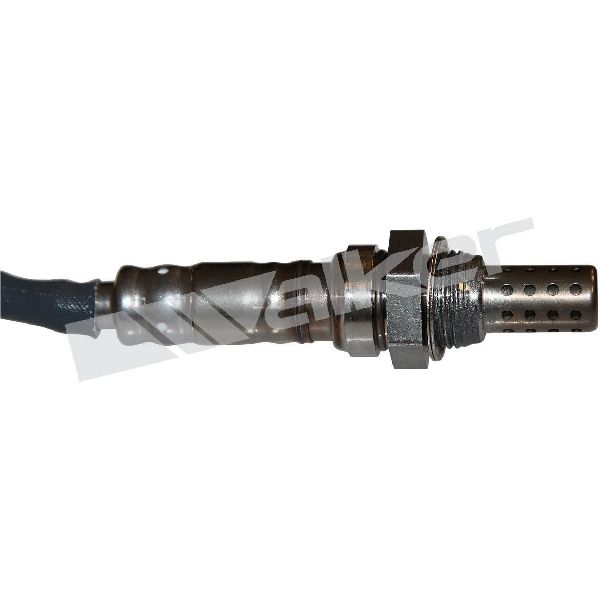
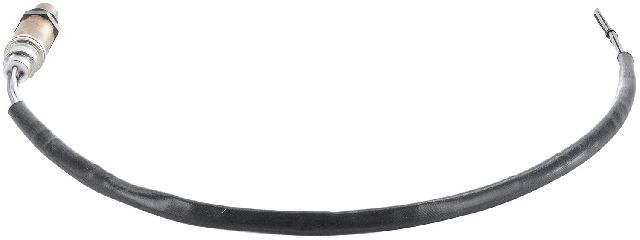
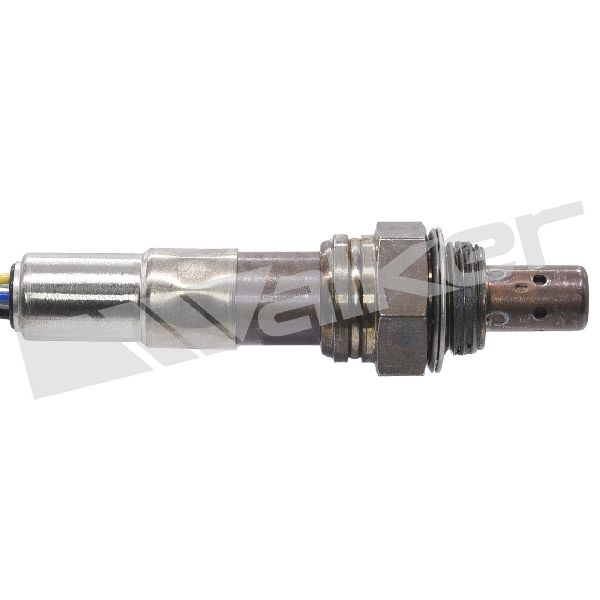
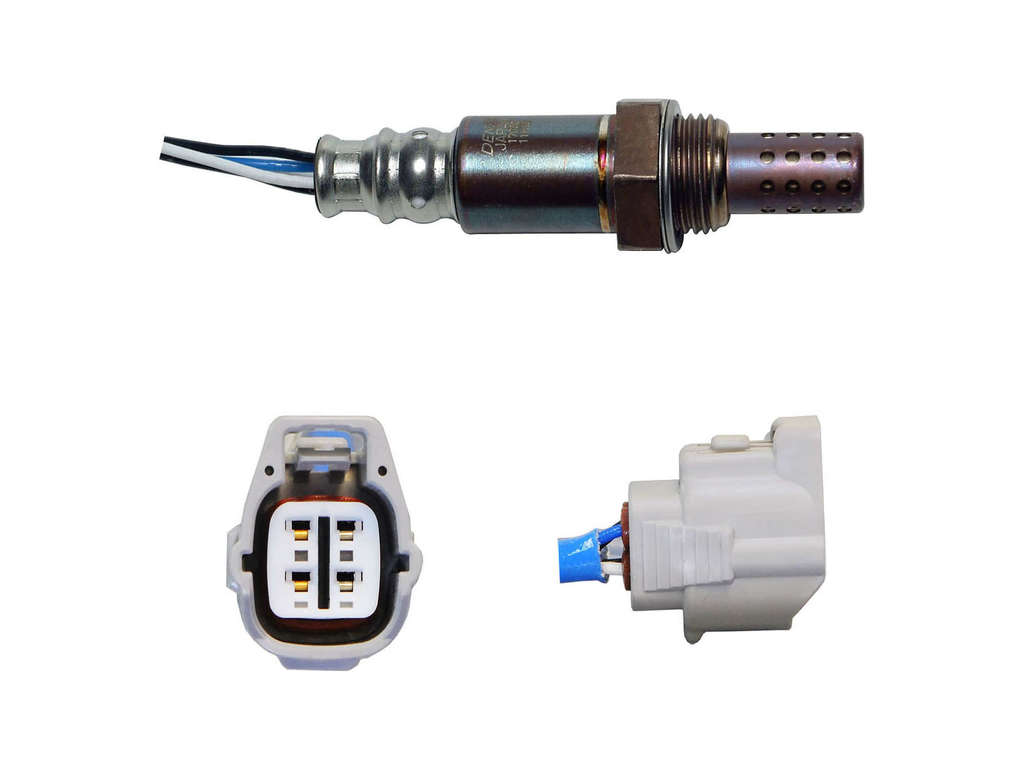
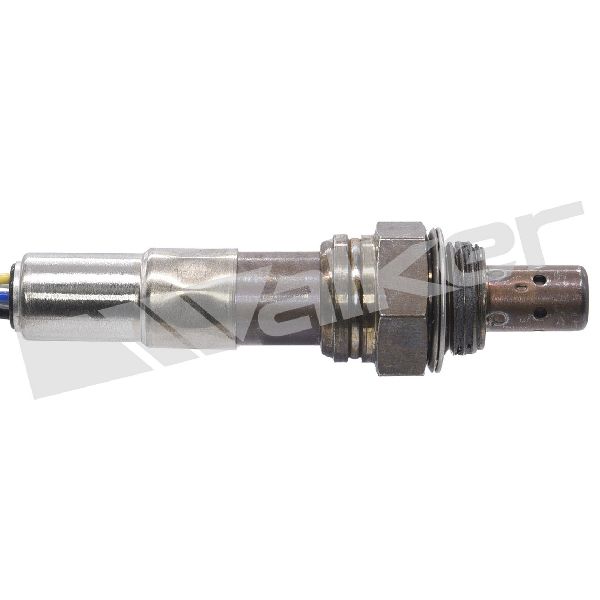
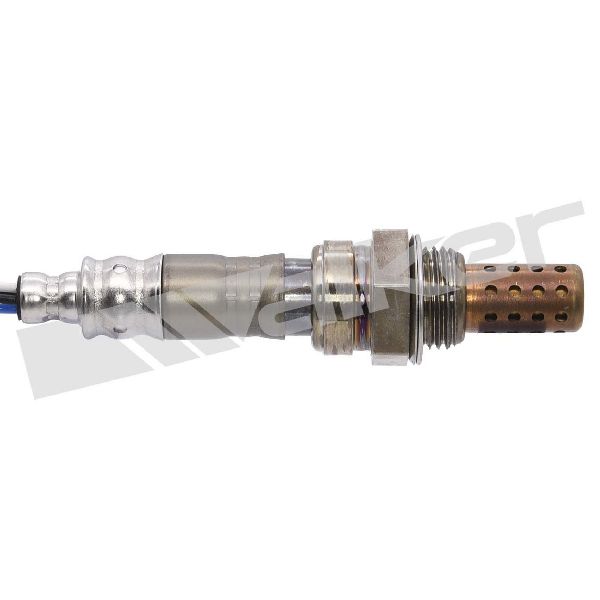
- Downstream Oxygen Sensor (Bank 1, Sensor 2)
(OEM #PE081886ZA)— If the wiring harness is intact, the sensor itself is the next most likely component to fail. It is a standard wear-and-tear part. The part number PE081886ZA is often listed for the 2.0L engine, while PE20-18-86Z or PE21-18-861A are more commonly associated with the 2.5L engine. Always verify with the dealer using your VIN.
Trusted brands: Denso (OEM supplier), NGK/NTK, Bosch
OEM price range: $150-$220
Aftermarket price range: $80-$150
Related Codes That Often Appear With This One
- P0171 — If an exhaust leak before the sensor is the root cause, it can introduce unmetered air and also trigger a system lean code.
- P2096 — This code for 'Post Catalyst Fuel Trim System Too Lean' is closely related and can appear if the low voltage reading from the O2 sensor leads the PCM to believe there's a lean condition after the converter. A Reddit user reported getting P2096 after installing a spacer to try and fix P0137.
Technical Service Bulletins (TSBs) & Recalls
- SA-028/18: DTC P0137 (CIRCUIT LOW INPUT) check for rear harness damage, especially with aftermarket alarm systems. This is the most relevant TSB.
- SA288 / 1011M: Older or alternative numbers for the same issue, now superseded by SA-028/18.
- TSB Bulletin #1011M: Notes that customers may complain about a check engine light with DTC P0137 stored in PCM memory, potentially caused by rear harness damage from an aftermarket alarm system installation.
- TSB Bulletin #SA288: Instructs technicians to check the rear harness in specific areas if an aftermarket alarm system is installed when encountering DTC P0137.
Platform-Specific Known Issues
- TSB SA-028/18 (Supersedes SA-288 and 1011M): Mazda specifically notes that P0137 can be caused by damage to the rear wiring harness from aftermarket alarm installations.
- NHTSA Recall 19V497000: While for a different issue (engine stalling due to PCM software), this recall for 2018-2019 Mazda6 models involved reprogramming that could affect overall system diagnostics. A separate recall on other models (19V075000) for wiring chafing under the passenger seat highlights the general sensitivity of wiring in this area of the vehicle, though it doesn't directly apply to the Mazda 6.
Mechanic-Grade Diagnostic Values
- Downstream O2 Sensor (B1S2) Voltage at Idle (Warm Engine) — expected: Relatively stable voltage between 0.6V and 0.9V.. Failure: Voltage is stuck low, consistently below 0.2V - 0.4V.
- O2 Sensor Heater Circuit Resistance — expected: Between 3 and 25 ohms when tested across the two same-colored wires on the sensor connector.. Failure: No reading (Open Line) or infinite resistance, indicating a burned-out heater element.
- Wiring Harness Continuity (Sensor Connector to PCM) — expected: Less than 1.0 ohm of resistance.. Failure: Resistance above 1.0 Ω suggests a compromised circuit (corrosion, break).
- PCM Low Voltage Trigger Threshold — expected: The PCM will trigger code P0137 when the B1S2 voltage remains below approximately 0.21V to 0.4V for more than 20 seconds.. Failure: Sustained voltage in this low range confirms the fault condition the PCM is detecting.
Scan Tool Commands That Help
- FORScan / Mazda IDS: Live Data Monitoring (PID: O2S12.V) — This is the primary function for diagnosing P0137. It allows real-time observation of the Bank 1 Sensor 2 voltage to see if it is stuck low, confirming the fault condition.
- FORScan / Mazda IDS: KOER (Key On Engine Running) Self-Test — Running the KOER self-test can help confirm if the fault is currently active and may trigger other related codes that were not present at initial scan, providing more diagnostic context.
Wiring & Ground Locations
- Main Engine Ground — Typically a large gauge wire from the negative battery terminal to a bolt on the transmission case or engine block.. A poor main ground can cause floating voltages and erratic sensor readings across the entire system. While not specific to P0137, it's a foundational check for any electrical issue.
- Passenger Side Body Ground — A ground point located on the body near the passenger side, often close to the power steering reservoir area.. The main wiring harness, including sensor circuits, runs along the passenger side. A poor ground in this area can directly impact the O2 sensor's reference voltage.
- O2 Sensor Heater Circuit Wires — On the sensor-side of the connector.. On many O2 sensors, the two wires for the heater circuit are the same color (e.g., both black). This allows a technician to quickly identify and test the heater circuit resistance without a wiring diagram.
- O2 Sensor Connector Pins — Inside the sensor and harness connectors.. A technician trick is to note the pin material. Silver-plated terminals are typically for the heater circuit, while gold-plated terminals are used for the more sensitive signal and ground wires to ensure precision.
Real Owner Repair Stories
- Mazdas247 Forum (Mazda Protege5 (similar O2 sensor system)) — Persistent P0137 code.
❌ Tried (didn't work) Replacing the downstream O2 sensor multiple times., Checking for exhaust leaks.
✅ What actually fixed it The problem was a corroded ground wire. The technician ran a new ground wire from the sensor's ground circuit directly to a clean chassis ground point, which resolved the low voltage issue permanently.
OEM Part Supersession History
PE20-18-86Z→PE21-18-861A— Part revision or supplier change. Functionality is the same.
Heads up: Both parts are generally compatible with the 2014-2016 2.5L engine, but it is always best practice to verify the correct part number for a specific VIN with a Mazda dealer.
Model Year Variations Within This Range
- 2016: The 2016 model year received a significant interior and exterior refresh, including a new dashboard design, center console, and updated front/rear lighting. However, the 2.5L SkyActiv-G powertrain, exhaust system, and associated sensor electronics relevant to code P0137 remained unchanged from the 2014-2015 models.
Diagnostic Flowchart
Real Owner Stories
Aggregated from forums and TSBs cited above. Mileages and costs reflect what owners reported in those sources.
2014 Mazda CX-5 2.5L SkyActiv-G
Symptoms: P0137 code with live data showing voltage stuck at 0.02V.
What fixed it: Replaced the sensor with no change. Discovered and fixed a large exhaust leak at a flange connection right before the sensor by tightening the bolts.
Source hint: Mazda Forum (mazda-forum.com) - 2014 CX5 downstream O2 sensor issue
2016 Mazda 6
Symptoms: Long history of electrical problems, including O2 sensor replacement, culminating in a diagnosis of a bad front wiring harness.
What fixed it: Diagnosed with a bad front wiring harness requiring replacement.
Cost: $5000+
Source hint: Reddit r/MechanicAdvice - Mazda 6 with wiring harness issue. Fix or sell?
Related OBD-II Codes
Frequently Asked Questions
Does TSB SA-028/18 apply to my 2014-2016 Mazda 6 for code P0137?
I have a P0137 code on my Mazda 6. Should I just replace the downstream oxygen sensor?
Where exactly should I look for wiring damage on my 2015 Mazda 6?
Can an exhaust leak cause a P0137 on the 2.5L SkyActiv-G engine?
What is the normal live data voltage for the downstream O2 sensor on this car?
Does NHTSA Recall 19V075000 cover the wiring harness issue for my Mazda 6?
Helpful Videos

We Have This Part in Stock

The information in this article is provided for general reference and educational purposes only. Vehicle specifications, procedures, and part compatibility can vary by production date, trim level, and region. Always consult your vehicle's factory service manual and verify part numbers before purchasing or performing repairs. Safety-critical components such as airbags, seat belts, and braking systems should be installed by a qualified professional.
- Mazda 6:
- 🧭 Diagnostic Flowchart
- 🎬 Helpful Videos
- 🛍️ Shop This Part
- What's Unique About the 2014-2016 Mazda 6
- Symptoms You May Notice
- Most Likely Causes
- Rare But Worth Checking
- Diagnosis Steps
- Parts You'll Likely Need
- Related Codes That Often Appear With This One
- Technical Service Bulletins (TSBs) & Recalls
- Platform-Specific Known Issues
- Mechanic-Grade Diagnostic Values
- Scan Tool Commands That Help
- Wiring & Ground Locations
- Real Owner Repair Stories
- OEM Part Supersession History
- Model Year Variations Within This Range
- Real Owner Stories
- 2014 Mazda CX-5 2.5L SkyActiv-G
- 2016 Mazda 6
- Related OBD-II Codes
- Frequently Asked Questions
- 🎟️ Get 5% Off