

P0137 on 2013-2016 Mazda CX-5: O2 Sensor Low Voltage Causes and Fixes
This code means the downstream oxygen sensor is reading low voltage. Before replacing the sensor, check for a common exhaust leak at the flange just before the sensor. Also, inspect the internal wiring harness for damage, a known issue on these models. If both are fine, the sensor itself has likely failed.
- P0137 on a 2013-2016 CX-5 points to a low voltage signal from the rear oxygen sensor.
- **Actionable First Step:** Before buying any parts, thoroughly inspect the exhaust flange gasket directly in front of the rear O2 sensor for leaks, as this is a very common cause on the CX-5.
- **Actionable Second Step:** If no leak is found, inspect the main wiring harness under the passenger side floor trim for damage, per Mazda TSB SA-028/18, especially if an aftermarket alarm is or was installed.
- Only after confirming no leaks or wiring damage should the sensor itself be replaced.
What's Unique About the 2013-2016 Mazda CX-5
While a failed sensor is always a possibility, the 2013-2016 Mazda CX-5 and its platform mates (Mazda3, Mazda6) are known for two specific issues that can trigger a P0137 code. First, owners and mechanics frequently report exhaust leaks at the gasket flange located just upstream of the rear O2 sensor, which draws in fresh air and causes a false low voltage reading. Second, Mazda issued a service alert (SA-028/18) regarding potential damage to the vehicle's main wiring harness, often caused by the installation of aftermarket accessories, which can lead to this code. These two possibilities should be investigated before replacing the sensor itself.
🎬 Watch: Locate the oxygen sensors on your CX-5Symptoms You May Notice
- Check Engine Light is on
- Possible slight decrease in fuel economy
- Vehicle will not pass an emissions inspection
- No noticeable performance symptoms in most cases
- Rough or unstable idle in some cases
- Replacing the oxygen sensor without first checking for exhaust leaks. A significant leak before the sensor will cause the new sensor to read low voltage as well, making it seem like the new part is also faulty.
Most Likely Causes
- Exhaust leak before the downstream O2 sensor 🔴 High Probability → Shop Oxygen Sensor A common failure point is the gasket at the bolted flange connection right before the downstream sensor. This allows un-metered oxygen into the exhaust, causing the sensor to report a false low voltage (lean) reading. This can be caused by impacts from speed bumps or road debris deforming the gasket.
How to confirm: With the engine running (especially when cold), carefully feel or listen for air leaking from the exhaust flanges before the rear O2 sensor. A smoke test is a more definitive way to find small leaks. A forum owner with a 2014 CX-5 confirmed live data voltage was stuck at 0.02V until the leak was sealed, after which it returned to a normal ~0.8V at idle.
Typical fix: Tighten the flange bolts to the specified torque of 37.6 ft-lbf (51 N-m) or, more likely, replace the exhaust gasket at the leak point. Always use new flange nuts. 🎬 See how to repair an exhaust leak without welding
Est. part cost: $10-$30 - Failed downstream (Bank 1, Sensor 2) oxygen sensor 🟡 Medium Probability → Shop Oxygen Sensor Oxygen sensors are consumable parts that degrade over time and with exposure to exhaust gases. It is a common wear-and-tear item that typically requires replacement after 60,000 miles or more.
How to confirm: If no exhaust leaks or wiring issues are found, the sensor is the most likely culprit. Using a scan tool, observe the Bank 1 Sensor 2 voltage. If it is stuck low (e.g., <0.1V) and does not fluctuate when engine RPM is changed, the sensor has likely failed. You can also test the sensor's internal heater circuit with a multimeter; a typical reading is between 3 and 25 ohms.
Typical fix: Replace the downstream oxygen sensor. Using penetrating oil on the threads is recommended as the sensor is often seized in the exhaust pipe. 🎬 Watch this step-by-step downstream sensor replacement walkthrough
Est. part cost: $75-$180 - Damaged wiring harness or connector 🟡 Medium Probability Mazda issued TSB SA-028/18 for this issue. Aftermarket alarm installations using 'electro-tap' connectors can damage the main harness that runs along the floor under the passenger side trim, which contains the O2 sensor circuit, causing a short or open. The harness under the vehicle is also exposed to road debris and corrosion.
How to confirm: Visually inspect the sensor's pigtail and connector for melting, corrosion, or physical damage. Pull back the carpet and trim along the floor on the front passenger side and inspect the main wiring harness for chafing, pinching, or poor splices from aftermarket accessories.
Typical fix: Repair the damaged section of the wiring harness and ensure it is properly routed and protected. Remove any improper wire taps.
Est. part cost: $5-$50 for repair, significantly more if the harness needs replacement
Rare But Worth Checking
- Faulty Powertrain Control Module (PCM): → Shop Engine Control Module (ECM) This is very rare. Before condemning the PCM, all other possibilities (sensor, wiring, exhaust leaks) must be exhaustively ruled out by a professional, following the official Mazda diagnostic procedure.
Diagnosis Steps
- Scan for any other DTCs. If other codes like P2096 are present, it reinforces the possibility of an exhaust leak or sensor issue. Address other codes first.
- Visually inspect the exhaust system from the catalytic converter back. Pay close attention to the bolted flange just before the rear O2 sensor for signs of black soot, indicating a leak.
- With the engine running, carefully listen and feel for leaks at the flange. A mechanic's stethoscope or a piece of rubber hose can help pinpoint the sound.
- Inspect the O2 sensor's wiring harness and connector for any signs of melting, chafing, or corrosion.
- Per Mazda TSB SA-028/18, pull back the passenger-side floor trim and carpet to inspect the main interior wiring harness for damage, especially if any aftermarket electronics have been installed.
- Use a scan tool to monitor live data for 'O2S12' or 'B1S2'. At idle, a healthy sensor after a sealed exhaust leak should read a steady high voltage, around 0.7-0.9V. If it's stuck low (<0.2V), this confirms the fault condition.
- If an exhaust leak is suspected, perform a smoke test to confirm its exact location.
- If no exhaust leaks or wiring faults are found, the oxygen sensor is the most likely cause and should be replaced.
Parts You'll Likely Need
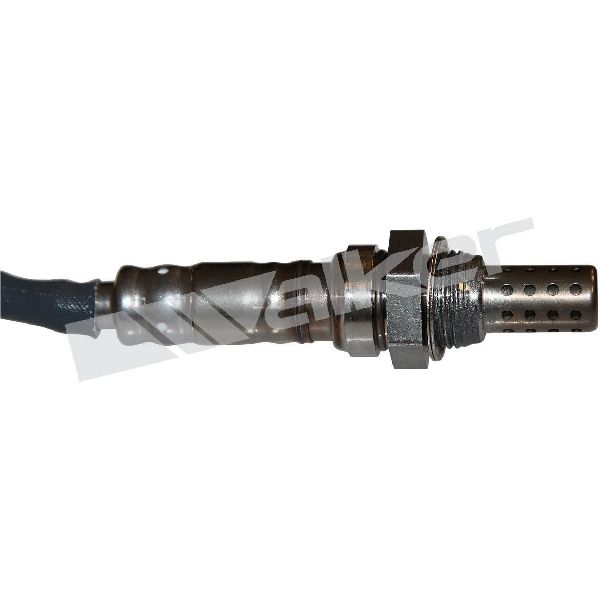
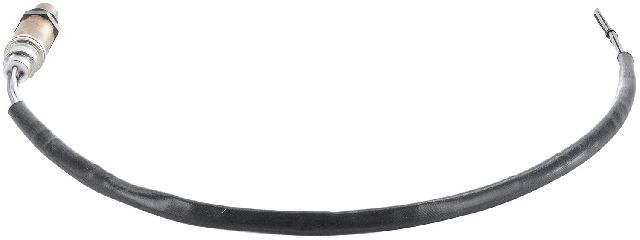
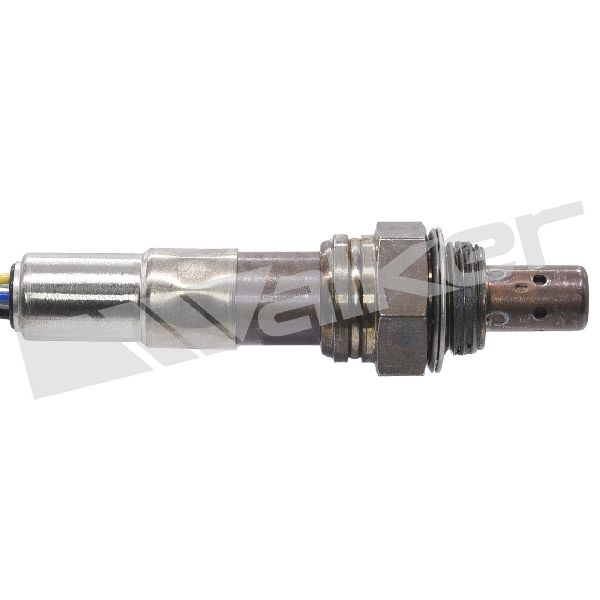
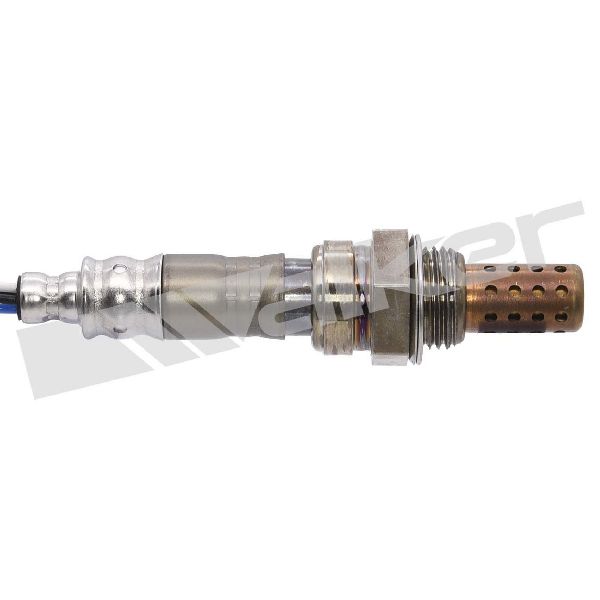
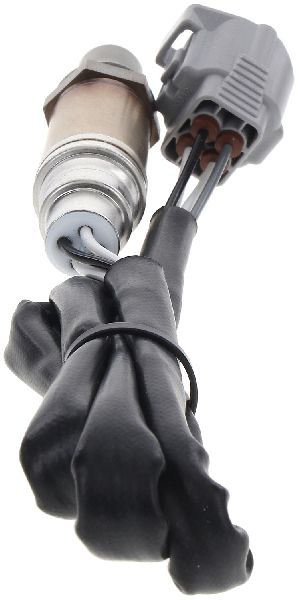
- Downstream Oxygen Sensor (Bank 1, Sensor 2)
(OEM #PE02-18-86ZA (for 2.0L/2.5L))— This sensor is a common wear item and the ultimate cause of the code if no leaks or wiring faults are present.
Trusted brands: Denso (OEM Manufacturer, e.g., 234-4583), NGK/NTK (e.g., 24792), Bosch (e.g., 18188)
OEM price range: $150-$220
Aftermarket price range: $75-$120 - Exhaust Flange Gasket
(OEM #PE23-40-305 (replaces LF45-40-305))— This is often the cause of the exhaust leak that triggers P0137 on this specific vehicle.
Trusted brands: Mazda (OEM), Walker Exhaust, Fel-Pro
OEM price range: $16-$25
Aftermarket price range: $10-$20
Related Codes That Often Appear With This One
- P2096 — P2096 (Post Catalyst Fuel Trim System Too Lean Bank 1) can appear with P0137 because both codes relate to a lean condition detected by the downstream O2 sensor. An exhaust leak is a common cause for both codes appearing together.
- P013A — P013A (O2 Sensor Slow Response) can be caused by the same exhaust gasket leak between the catalytic converters, as noted in Mazda TSB 01-009/15.
- P0141 — P0141 (O2 Sensor Heater Circuit Malfunction Bank 1, Sensor 2) is for the same sensor. A faulty heater can cause incorrect sensor readings, potentially leading to a P0137 code. Heater circuit issues should be addressed first.
Technical Service Bulletins (TSBs) & Recalls
- SA-028/18 - Check Engine Light on with DTC P0137 due to potential damage to the rear harness from aftermarket installations.
- 01-009/15 - Addresses DTC P013A (slow sensor response) caused by a deformed gasket between catalytic converters, which is the same leak location that can cause P0137.
- TSB Bulletin #SA288 - Instructs technicians encountering P0137 (Circuit Low Input) to check the rear harness for damage, specifically noting that if an aftermarket alarm system is installed, the rear harness may be compromised.
Platform-Specific Known Issues
- A known issue is an exhaust leak from the gasket at the flange connection just before the downstream O2 sensor, which can cause a P0137 code even with a perfectly good sensor.
- Mazda Service Alert SA-028/18 notes that damage to the rear wiring harness, often from aftermarket alarm installation, can cause this code.
Mechanic-Grade Diagnostic Values
- Downstream O2 Sensor (B1S2) Voltage at Idle (Warm Engine) — expected: Relatively stable voltage between 0.6V and 0.9V.. Failure: Voltage is stuck low, consistently below 0.2V.
- O2 Sensor Heater Circuit Resistance — expected: Between 3 and 25 ohms when tested across the two same-colored wires on the sensor connector.. Failure: No reading (Open Loop) or infinite resistance, indicating a burned-out heater element.
- Wiring Harness Continuity (Sensor Connector to PCM) — expected: Less than 1.0 ohm of resistance.. Failure: Resistance greater than 1.0 ohm, indicating a compromised wire or high resistance in the circuit.
Scan Tool Commands That Help
- FORScan / Mazda IDS: Live Data PID: O2S12.V — This is the primary function for diagnosing P0137. It allows real-time observation of the Bank 1 Sensor 2 voltage to see if it is stuck low, confirming the fault condition described in the code.
- FORScan / Mazda IDS: KOER (Key On Engine Running) Self-Test — Running the KOER self-test can help confirm if the fault is currently active and may trigger other related codes (like for the heater circuit) that were not present at the initial scan, providing more diagnostic context.
Wiring & Ground Locations
- Downstream O2 Sensor Connector — Under the vehicle, clipped to the chassis roughly in the middle of the car, near the exhaust pipe hangers. You will likely need to remove underbody plastic panels to access it.. This is the primary connection point to check for corrosion, damage, or to perform voltage and resistance tests on the sensor and harness side.
- Ground Point G07 — Located on the left rear of the engine.. While not the direct sensor ground, poor engine grounding can introduce electrical noise and voltage offsets that may affect sensor readings. This is a key ground point to check if multiple sensor codes are present.
Real Owner Repair Stories
- mazda-forum.com user 'xingfan1227' (2014 Mazda CX-5) — P0137 code, live data for downstream O2 sensor stuck at 0.02V.
❌ Tried (didn't work) Replaced the downstream oxygen sensor.
✅ What actually fixed it The user identified a large exhaust leak at the bolted flange connection just before the downstream O2 sensor. After sealing the leak, the sensor's voltage returned to a normal ~0.8V at idle and the code was resolved.
OEM Part Supersession History
pe021886z→PE02-18-86ZA— Standard part revision/update by Mazda.
Model Year Variations Within This Range
- 2016.5: The 2016 model year received a mid-year refresh (often called 2016.5) which included interior and exterior styling updates. However, the powertrain, exhaust system, and relevant sensors for the P0137 code remained the same as the 2013-2016 models.
Diagnostic Flowchart
Other Known Issues on This Vehicle
Issues unrelated to this code that are worth knowing about as an owner of this generation:
- Intake Valve Carbon Buildup 🟠 Medium — A long-term consequence of direct injection (GDI) engines. Buildup can become significant after 80,000-100,000 miles, potentially causing reduced performance. Not considered a widespread problem by Mazda techs but is inherent to the design.
- Cracked/Fragile Windshields 🟡 Low — Owners frequently report that the original equipment windshields are prone to cracking from small impacts or even temperature changes.
- Daytime Running Light (DRL) Failure 🟠 Medium — Primarily affects 2016 models with LED headlights. The LED strip can fail, requiring an expensive headlight assembly replacement. A recall was issued for this. (Ref: Safety Recall 4320A)
- Shifter Assembly Switch Failure 🟡 Low — A faulty switch in the shifter assembly can prevent the vehicle from detecting it is in Park, causing accessories to stay on and drain the battery.
- Broken Rear Coil Springs 🟠 Medium — Can occur in vehicles from salt-belt regions, causing a knocking noise or lower rear ride height. Covered by TSB #02-015-18-3499a. (Ref: TSB #02-015-18-3499a)
Used vs. New Parts: Buying Guide for This Vehicle
When a used part is the smart pick: A used part is generally not recommended for this repair. However, if the wiring harness pigtail connector is damaged, sourcing a used connector from a junkyard vehicle is a viable and cost-effective option instead of replacing a larger harness section.
Donor-vehicle mileage cap: roughly under 100000 miles for the part to have meaningful remaining life.
What to inspect on the donor part:
- For a pigtail connector: Ensure the plastic is not brittle or cracked.
- Check that the locking tab is intact.
- Inspect the internal pins for corrosion or signs of water intrusion.
- Ensure there is at least 6-8 inches of wire attached for easier splicing.
OEM-only on this vehicle (don't cheap out):
- Oxygen Sensor
Aftermarket brands forum-validated for this vehicle:
- Denso (often the OEM supplier)
- NGK/NTK
Brands owners have reported issues with on this vehicle:
- Unnamed or generic 'economy' brands from online marketplaces are strongly discouraged. Forum consensus and mechanic experience show these often fail quickly, do not meet the PCM's required electrical specifications, or are sometimes dead on arrival.
Real Owner Stories
Aggregated from forums and TSBs cited above. Mileages and costs reflect what owners reported in those sources.
2014 Mazda CX-5
Symptoms: Check engine light on with P0137 code; live data showed downstream sensor voltages stuck between 0.01V and 0.035V (mostly 0.02V). Replacing the O2 sensor did not fix the issue.
What fixed it: Sealing a major leak at the flange gasket just before the sensor. After the leak was sealed, voltage returned to a normal ~0.8V at idle.
Source hint: mazda-forum.com: A thread titled '2014 CX5 downstream O2 sensor issue' (posted Nov 2023)
Related OBD-II Codes
Frequently Asked Questions
Does Mazda TSB SA-028/18 apply to my CX-5 if I have an aftermarket alarm?
I replaced my downstream O2 sensor but the P0137 code and 0.02V reading won't go away. What else should I check?
What is the specific torque specification for the exhaust flange bolts on the CX-5?
Can a deformed gasket between the catalytic converters cause other codes besides P0137?
Where is the main wiring harness located that I should inspect for P0137?
Is there a specific mileage when the O2 sensor typically fails on this vehicle?
Helpful Videos


We Have This Part in Stock

The information in this article is provided for general reference and educational purposes only. Vehicle specifications, procedures, and part compatibility can vary by production date, trim level, and region. Always consult your vehicle's factory service manual and verify part numbers before purchasing or performing repairs. Safety-critical components such as airbags, seat belts, and braking systems should be installed by a qualified professional.
- Mazda CX-5:
- 🧭 Diagnostic Flowchart
- 🎬 Helpful Videos
- 🛍️ Shop This Part
- What's Unique About the 2013-2016 Mazda CX-5
- Symptoms You May Notice
- Most Likely Causes
- Rare But Worth Checking
- Diagnosis Steps
- Parts You'll Likely Need
- Related Codes That Often Appear With This One
- Technical Service Bulletins (TSBs) & Recalls
- Platform-Specific Known Issues
- Mechanic-Grade Diagnostic Values
- Scan Tool Commands That Help
- Wiring & Ground Locations
- Real Owner Repair Stories
- OEM Part Supersession History
- Model Year Variations Within This Range
- Other Known Issues on This Vehicle
- Used vs. New Parts: Buying Guide for This Vehicle
- Real Owner Stories
- 2014 Mazda CX-5
- Related OBD-II Codes
- Frequently Asked Questions
- 🎟️ Get 5% Off