

P0137 on 2013-2016 Mazda CX-5 2.5L: O2 Sensor Low Voltage Causes and Fixes
On a 2013-2016 Mazda CX-5, code P0137 is most often caused by either a failed downstream oxygen sensor or an exhaust leak at the flange right before the sensor. Before replacing the sensor, always check for exhaust leaks, as this is a common issue on this platform. Also inspect wiring, especially if an aftermarket alarm was ever installed.
- P0137 on your CX-5 means the downstream O2 sensor is sending a low voltage signal.
- Before buying a new O2 sensor, thoroughly check for exhaust leaks at the flange connection just in front of the sensor; this is a very common failure point that mimics a bad sensor.
- Inspect the wiring harness, especially under the passenger side carpet, for damage from past aftermarket alarm installations, as noted in a Mazda service advisory.
What's Unique About the 2013-2016 Mazda CX-5
While a failed sensor is a common cause for P0137 on any car, the first-generation Mazda CX-5 is particularly known for two other issues that can trigger this code. First, owners frequently report exhaust leaks from the gasket at the bolted flange connection just upstream of the downstream O2 sensor. This leak introduces outside air, causing a false low voltage reading that mimics a bad sensor. Second, Mazda issued a service advisory (SA288) and a similar TSB for the Mazda 6 (SA-028/18) noting that improperly installed aftermarket alarms can damage the main wiring harness, leading to this specific code.
Symptoms You May Notice
- Check Engine Light is on
- Inability to pass an emissions inspection
- Slightly decreased fuel economy (in some cases)
- Rough or unstable idle (less common)
- Replacing the oxygen sensor without first checking for exhaust leaks. A leak at the flange before the sensor is a very common cause on this vehicle and will make a new sensor report the same P0137 code.
Most Likely Causes
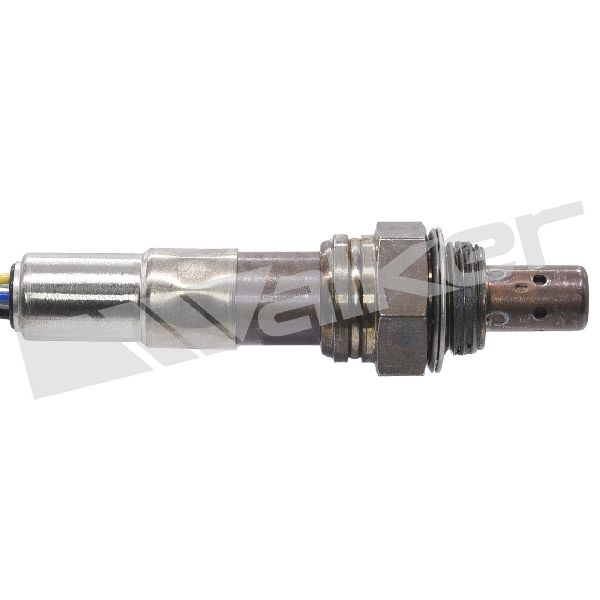
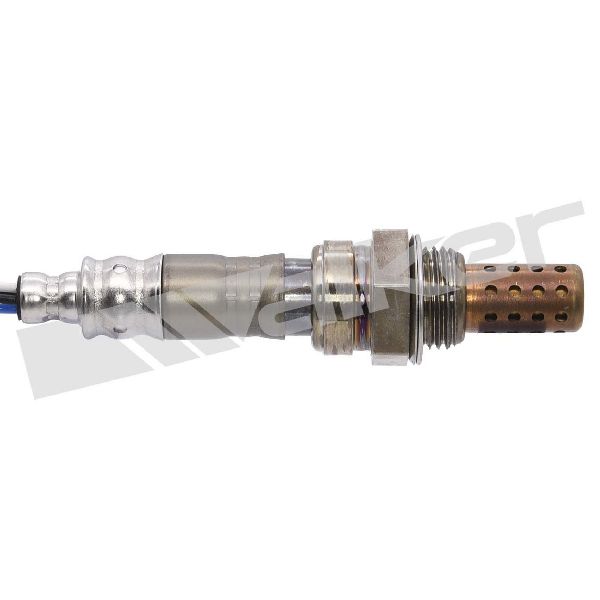
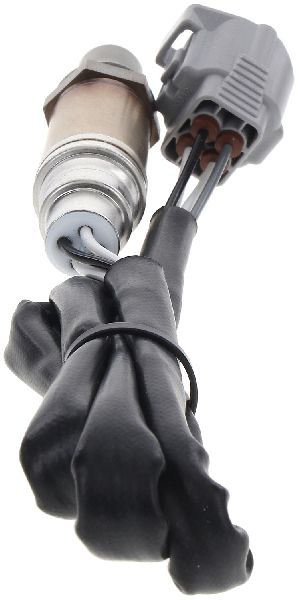
- Failed Downstream Oxygen Sensor (Bank 1, Sensor 2) 🔴 High Probability → Shop Oxygen Sensor Oxygen sensors are a normal wear-and-tear item that degrade over time and with exposure to exhaust gases. They typically have a finite lifespan and are a common failure point for this code after other causes are ruled out.
How to confirm: After ruling out exhaust leaks and wiring issues, a sensor that provides a consistently low voltage reading (e.g., stuck under 0.2V) on a scan tool's live data stream when the engine is warm is defective. A healthy downstream sensor should show a relatively stable voltage, typically above 0.5V, when the engine is at a steady cruise. The sensor's internal heater resistance can be tested and should be between 2 and 50 ohms.
Typical fix: Replace the downstream (post-catalytic converter) oxygen sensor. 🎬 Watch: How to find the oxygen sensor locations on your CX-5 An O2 sensor socket is highly recommended for removal.
Est. part cost: $75-$180 - Exhaust Leak Before the Sensor 🔴 High Probability Multiple owner reports and even a Mazda TSB (01-009/15 for a similar code P013A) indicate the gasket at the two-bolt flange connection just before the downstream O2 sensor is a common failure point, leading to leaks.
How to confirm: With the engine running, feel or listen for air escaping from the exhaust pipe, particularly around the flange upstream of the sensor. A professional smoke test is the most definitive way to find small leaks. A user on mazda-forum.com confirmed this exact issue on a 2014 CX-5, where a new sensor did not fix the P0137 code, but sealing the flange leak did, causing the sensor voltage to rise 🎬 See these 3 DIY methods to fix a P0137 code from ~0.02V to a steady ~0.8V at idle.
Typical fix: Tighten the flange bolts or, more likely, replace the failed exhaust gasket (donut gasket) at the leaking connection.
Est. part cost: $10-$40 - Damaged Wiring or Connector 🟡 Medium Probability Mazda Service Advisory SA288 specifically calls out that wiring harness damage from aftermarket alarm system installations can cause a P0137 code. This damage often occurs in the main harness running along the floor under the passenger seat area. The sensor's location under the vehicle also exposes its wiring to road debris and heat.
How to confirm: Visually inspect the entire wiring harness from the O2 sensor to where it enters the cabin. Pull back carpeting on the passenger side to check for chafed wires, melted insulation, or corrosion in the connector or harness itself. A continuity test should be performed from the O2 sensor connector (terminals A and B) to the PCM connector (terminals 2AI and 2AG).
Typical fix: Repair the damaged section of the wiring harness and secure it away from heat sources or sharp edges. Clean or replace the connector if corroded.
Est. part cost: $5-$50
Rare But Worth Checking
- Faulty Powertrain Control Module (PCM): → Shop Engine Control Module (ECM) This is extremely rare. The PCM should only be considered after all other possibilities (sensor, wiring, exhaust leaks) have been exhaustively ruled out.
Diagnosis Steps
- Read the code with an OBD-II scanner to confirm P0137 is the primary code present.
- Visually inspect the exhaust system from the catalytic converter back. Pay close attention to the two-bolt flange connection just before the downstream O2 sensor, as this is a known leak point. Look for black soot marks indicating a leak.
- Inspect the O2 sensor's electrical connector and wiring harness for any signs of melting, chafing, or physical damage. If an aftermarket alarm is or was installed, check the main harness 🎬 Watch: Professional steps to diagnose and fix P0137 under the passenger-side carpet.
- Use a scan tool to monitor live data for 'O2S B1S2' (Oxygen Sensor Bank 1 Sensor 2). With the engine fully warmed up, the voltage should be stuck low (e.g., 0.0V - 0.2V) to confirm the fault.
- To test sensor response, raise the engine RPM to ~2500 and hold, then snap the throttle. A healthy sensor's voltage should fluctuate. If it remains stuck low, the problem is likely the sensor or a significant leak/wiring short.
- If an exhaust leak is found, repair it first, clear the code, and re-test. This is a very common fix.
- If no leaks or wiring damage are present, and the voltage is stuck low, the oxygen sensor has most likely failed and should be replaced.
Parts You'll Likely Need
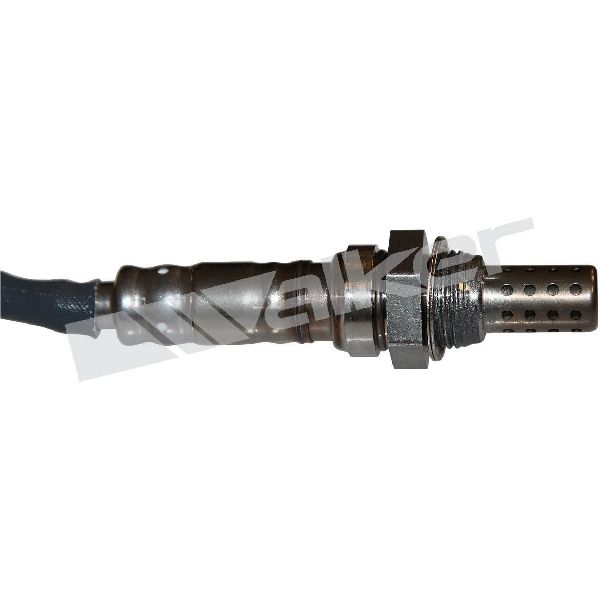
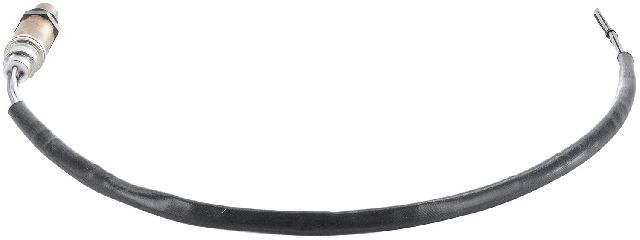
- Downstream Oxygen Sensor (Bank 1, Sensor 2)
(OEM #PE20-18-861A (verify with VIN))— This sensor is the most common part to fail, triggering the P0137 code after ruling out exhaust leaks.
Trusted brands: Denso (e.g., 234-4583), NGK/NTK, Bosch
OEM price range: $150-$250
Aftermarket price range: $75-$120 - Exhaust Flange Gasket (Donut Gasket)
(OEM #PE01-40-581 (verify with VIN))— A leak at the flange just before the downstream sensor is a well-documented cause of P0137 on this platform.
Trusted brands: Walker Exhaust, Fel-Pro, Bosal
OEM price range: $20-$40
Aftermarket price range: $10-$25
Related Codes That Often Appear With This One
- P0421 — Warm Up Catalyst Efficiency Below Threshold. While P0137 indicates a sensor circuit fault, a failing catalyst can sometimes cause erratic readings from the downstream O2 sensor. However, P0137 is more specific to the sensor's electrical behavior.
- P013A — O2 Sensor Slow Response. Mazda TSB 01-009/15 directly links this code to the same exhaust gasket leak that can cause P0137, indicating they share a common root cause.
Technical Service Bulletins (TSBs) & Recalls
- SA288 - Check Engine Light On With DTC P0137 (Points to potential wiring harness damage from aftermarket alarm installations). Manufacturer Bulletin #SA288 specifically instructs technicians to check the rear harness if an aftermarket alarm system is installed.
- 01-009/15 - Addresses code P013A but points to a leaking exhaust gasket right before the rear O2 sensor, a known cause for P0137 as well.
Platform-Specific Known Issues
- A recurring issue noted in owner forums is a failed gasket at the exhaust flange located just upstream of the downstream O2 sensor, which causes a leak and triggers a false P0137 code.
- Mazda Service Advisory SA288 warns that aftermarket alarm installations can cause damage to the rear wiring harness, which can also lead to a P0137 code.
Mechanic-Grade Diagnostic Values
- Downstream O2 Sensor (HO2S) Heater Resistance — expected: 2 - 50 Ohms. Failure: Resistance is infinite (open circuit) or outside the specified range.
- Downstream O2 Sensor (HO2S) Live Data Voltage at Idle/Cruise — expected: Relatively stable voltage, typically >0.5V. Failure: Voltage is stuck low, e.g., between 0.0V and 0.2V.
- Downstream O2 Sensor (HO2S) Voltage During Fuel-Cut Deceleration — expected: Should drop to 0.3V or less. Failure: Voltage does not drop as expected during deceleration from ~3,000 RPM.
Scan Tool Commands That Help
- Mazda M-MDS (Mazda Modular Diagnostic System): PID/Data Monitor for 'O2S12' — To perform a dynamic test of the downstream O2 sensor. A technician can monitor the 'O2S12' (HO2S output voltage) PID while driving and performing a fuel-cut deceleration from over 3,000 RPM. The voltage should drop below 0.3V, confirming the sensor's ability to react.
Wiring & Ground Locations
- HO2S Connector Pins (Sensor Side) — On the downstream O2 sensor electrical connector.. To test the internal heater circuit, measure resistance between terminals C and D.
- PCM Connector Pins 2AI & 2AG — At the main Powertrain Control Module (PCM) connector.. These are the termination points for the downstream O2 sensor signal circuit. A continuity test from the sensor connector (terminals A and B) to these PCM pins is required to rule out an open or shorted wire in the harness.
- Ground Point G07 — Located at the left rear of the engine.. This is a primary engine ground point. A poor connection here can cause erratic voltage readings and floating grounds for various engine sensors, including the oxygen sensor circuit.
- Rear Wiring Harness — Runs along the floor, particularly under the passenger side carpet and trim.. This area is cited in Mazda TSBs as being prone to damage from improper aftermarket alarm installations, which can directly cause a P0137 code by shorting the O2 sensor circuit.
Real Owner Repair Stories
- mazda-forum.com user 'xingfan1227' (2014 Mazda CX-5) — Check Engine Light with code P0137. Live data showed downstream O2 sensor voltage stuck at 0.01V to 0.035V.
❌ Tried (didn't work) Replacing the downstream oxygen sensor.
✅ What actually fixed it The user found an exhaust leak at the flange just before the downstream O2 sensor. After applying exhaust sealer to the flange as a test, the sensor voltage immediately rose to a steady ~0.8V at idle and the code was resolved. The permanent fix is replacing the flange gasket.
Model Year Variations Within This Range
- 2013: The 2013 model year was the debut for the CX-5 and primarily featured the 2.0L SkyActiv-G engine. The 2.5L engine, which this article focuses on, became widely available starting in the 2014 model year.
- 2016: The 2016 model year received a facelift with an updated grille, improved interior materials, and a new Mazda Connect infotainment system, replacing the previous TomTom-based unit. A mid-year '2016.5' update also introduced an electronic parking brake. These changes do not affect the diagnosis of P0137 but are important for identifying the correct vehicle generation.
Diagnostic Flowchart
Other Known Issues on This Vehicle
Issues unrelated to this code that are worth knowing about as an owner of this generation:
- Leaking Drive Belt Tensioner 🟠 Medium — Common across many SkyActiv-G models from 2013-2019. Oil may be seen leaking from the tensioner's hydraulic damper. (Ref: TSB 01-019/19)
- Infotainment 'Ghost Touch' 🟡 Low — A well-documented issue where the infotainment screen registers phantom touches, causing random menu changes. It is often fixed by disconnecting the touchscreen ribbon cable, forcing reliance on the commander knob. (Ref: SSPB6 (for Mazda 3, but issue is widespread))
- Premature Rear Brake Wear 🟠 Medium — Some owners report faster-than-average wear on rear brake pads and rotors, sometimes due to sticking calipers, especially in regions with road salt.
- Daytime Running Light (DRL) Failure 🟡 Low — Primarily affects 2016 models, where the LED DRLs can flicker or fail. Requires replacement of the entire headlamp assembly. (Ref: Safety Recall 4320A)
- Failing Liftgate Support Struts 🟡 Low — The power liftgate struts on 2013-2016 models can weaken or fail, preventing the liftgate from staying open.
Used vs. New Parts: Buying Guide for This Vehicle
When a used part is the smart pick: For this repair, a used part is generally not recommended for the oxygen sensor itself, as it is a wear item. However, sourcing a used section of the exhaust pipe or flange assembly from a low-mileage, rust-free donor vehicle can be a cost-effective solution if the original pipe is cracked or the flange is damaged beyond repair.
Donor-vehicle mileage cap: roughly under 60000 miles for the part to have meaningful remaining life.
What to inspect on the donor part:
- For exhaust components, inspect for heavy rust, corrosion, or previous weld repairs, especially around the flange and sensor bung.
- If considering a used wiring harness section, ensure there are no cuts, melted sections, or brittle connectors.
- Verify the donor vehicle is from a region that does not use heavy road salt to minimize corrosion risk.
Aftermarket brands forum-validated for this vehicle:
- Denso (often the OEM supplier)
- NGK / NTK
- Bosch
Brands owners have reported issues with on this vehicle:
- Avoid unbranded, 'white-box' sensors from online marketplaces. These often have poor quality control, incorrect heater resistance, or slow response times, leading to the code returning quickly.
Real Owner Stories
Aggregated from forums and TSBs cited above. Mileages and costs reflect what owners reported in those sources.
2014 Mazda CX-5 2.5L
Symptoms: Check Engine Light on with code P0137. Live data showed downstream sensor voltages stuck between 0.01V and 0.035V (mostly 0.02V).
What fixed it: Identified big leaks in the bolted flange connection right before the downstream O2 sensor. Sealing the flange leak corrected the sensor voltage to a steady ~0.8V at idle and resolved the code.
Source hint: mazda-forum.com thread titled '2014 CX5 downstream O2 sensor issue'
2014-2016 Mazda 6 (GJ) 2.5L
Symptoms: Check Engine Light with P0137 code present; issue traced to non-obvious electrical interference.
What fixed it: Repaired wiring harness damage caused by an aftermarket alarm installation, as referenced in TSB SA-028/18.
Source hint: mazdas247.com discussions on platform-mate Mazda 6
Related OBD-II Codes
Frequently Asked Questions
I have a 2014 CX-5 with P0137. Could an exhaust leak be causing this instead of a bad sensor?
Does Mazda TSB 01-009/15 apply to my P0137 code?
Can an aftermarket alarm system cause a P0137 code on my Mazda CX-5?
Where should I check for wiring damage if I suspect my P0137 isn't a sensor failure?
What voltage should I see on a scan tool for a healthy downstream O2 sensor on a 2.5L SkyActiv-G?
Is there a specific test for the O2 sensor's internal heater on this vehicle?
Helpful Videos
![How to Fix P0137 Engine Code in 4 Minutes [3 DIY Methods / Only $9.42]](https://img.youtube.com/vi/D7iaXnsbzWQ/mqdefault.jpg)
We Have This Part in Stock

The information in this article is provided for general reference and educational purposes only. Vehicle specifications, procedures, and part compatibility can vary by production date, trim level, and region. Always consult your vehicle's factory service manual and verify part numbers before purchasing or performing repairs. Safety-critical components such as airbags, seat belts, and braking systems should be installed by a qualified professional.
- Mazda CX-5:
- 🧭 Diagnostic Flowchart
- 🎬 Helpful Videos
- 🛍️ Shop This Part
- What's Unique About the 2013-2016 Mazda CX-5
- Symptoms You May Notice
- Most Likely Causes
- Rare But Worth Checking
- Diagnosis Steps
- Parts You'll Likely Need
- Related Codes That Often Appear With This One
- Technical Service Bulletins (TSBs) & Recalls
- Platform-Specific Known Issues
- Mechanic-Grade Diagnostic Values
- Scan Tool Commands That Help
- Wiring & Ground Locations
- Real Owner Repair Stories
- Model Year Variations Within This Range
- Other Known Issues on This Vehicle
- Used vs. New Parts: Buying Guide for This Vehicle
- Real Owner Stories
- 2014 Mazda CX-5 2.5L
- 2014-2016 Mazda 6 (GJ) 2.5L
- Related OBD-II Codes
- Frequently Asked Questions
- 🎟️ Get 5% Off