

P0137 on 2014-2016 Mazda MAZDA6: O2 Sensor and Wiring Guide
On a 2014-2016 Mazda6, P0137 is most often caused by a damaged rear wiring harness, especially if an aftermarket alarm is installed, as noted in Mazda TSBs. The damage is typically found in the main harness where it runs along the floor. If no wiring damage is found, the next most likely cause is a failed rear oxygen sensor. Always inspect the wiring before replacing the sensor.
- For the 2014-2016 Mazda6, **always inspect the O2 sensor wiring harness for damage before replacing any parts**, especially if an aftermarket alarm is or was installed.
- The code P0137 refers specifically to the rear (downstream) oxygen sensor, which monitors catalytic converter performance.
- If the wiring is confirmed to be good, the most likely fix is replacing the sensor.
What's Unique About the 2014-2016 Mazda MAZDA6
For this specific generation of Mazda6, the P0137 code has a well-documented, non-standard cause. Mazda issued Technical Service Bulletins (TSBs) warning technicians that this code is frequently caused by damage to the rear wiring harness, often resulting from the installation of an aftermarket alarm system using electro-tap connectors. This makes a thorough wiring inspection a critical first step, potentially saving you from replacing a perfectly good oxygen sensor. 🎬 Watch: Why you shouldn't replace the sensor without checking this first. Forum users have confirmed this is a common real-world failure point. Additionally, other wiring issues under the front passenger seat are known to cause electrical problems on 2015-2016 models, highlighting a general sensitivity to wiring integrity in that area.
Diagnostic Flowchart
Tap your situation to follow the diagnostic path that matches what you're seeing on this vehicle.
Symptoms You May Notice
- Check Engine Light is on
- Decreased fuel efficiency
- Rough or unstable idle
- Failure to pass an emissions test
- Noticeable exhaust or fume odor
- Replacing the oxygen sensor without first inspecting the wiring harness. Given the specific TSBs for this vehicle, assuming the sensor is bad is a common and potentially costly mistake. Forum users on Mazda-centric sites frequently warn against this.
Most Likely Causes
- Damaged Rear Wiring Harness 🔴 High Probability Mazda TSB #SA288 specifically calls out this issue, noting that aftermarket alarm system installations using 'electro-tap connectors' can damage the rear harness, causing a short or open in the O2 sensor circuit. This is a known issue across multiple SKYACTIV models. A separate recall for 2015-2016 models identified wiring under the front passenger seat rubbing against welding debris, causing shorts, further emphasizing harness vulnerability in this vehicle.
How to confirm: Visually inspect the main wiring harness that runs along the floor of the vehicle, particularly where aftermarket components may have been tapped into the factory wiring. Check for chafed, pinched, corroded, or broken wires. The TSB points to a specific area of the harness to check. Use a multimeter to check for continuity from the sensor connector to the PCM; resistance above 1 Ω suggests a compromised circuit.
Typical fix: Repair the damaged section of the wiring harness. This involves carefully cutting out the damaged wire, soldering in a new section, and protecting it with heat-shrink tubing. Avoid using crimp or tap connectors for the repair.
Est. part cost: $5-$25 - Faulty Rear Oxygen Sensor (Bank 1, Sensor 2) 🟡 Medium Probability → Shop Oxygen Sensor Oxygen sensors are wear-and-tear items that degrade over time from heat and contaminants in the exhaust. They have a finite service life, typically 60,000 to 100,000 miles.
How to confirm: After confirming the wiring is intact, use a scan tool to monitor the live voltage data from Sensor 2. A healthy downstream sensor should show a relatively stable voltage (typically 0.6V-0.9V). If the voltage is stuck low (below 0.2V), the sensor is likely faulty. You can also test the sensor's internal heater circuit resistance, which should typically be between 3-25 ohms.
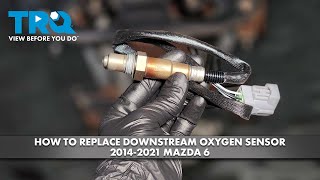
Typical fix: Replace the rear oxygen sensor. A special 22mm O2 sensor socket is recommended for removal. 🎬 See this step-by-step walkthrough for replacing the downstream sensor.
Est. part cost: $60-$150 - Exhaust Leak ⚪ Low Probability
How to confirm: Visually inspect the exhaust system for cracks or holes between the catalytic converter and the rear O2 sensor. Listen for hissing or ticking sounds from the exhaust while the engine is running. A leak allows outside air in, which the sensor reads as excess oxygen (low voltage).
Typical fix: Repair the leak. This may involve replacing a gasket or using exhaust putty/wrap for small holes, or welding for larger cracks.
Est. part cost: $10-$100
Rare But Worth Checking
- Faulty Powertrain Control Module (PCM): → Shop Engine Control Module (ECM) This is extremely rare. The PCM should only be considered after all other possibilities, including wiring and the sensor itself, have been exhaustively ruled out. A failed internal voltage reference or analog-to-digital converter in the ECM can cause this code.
Diagnosis Steps
- Scan the vehicle for the P0137 code and any other stored codes.
- Crucial Step for this vehicle: Ask if an aftermarket alarm system has ever been installed. Per TSB #SA288, this is a primary suspect.
- Thoroughly inspect the main wiring harness leading to the rear of the vehicle for any signs of damage, chafing, or improper splicing, especially in the areas mentioned in the TSBs where tap connectors may have been used. Also inspect wiring under the front passenger seat for chafing as noted in a separate recall.
- If wiring damage is found, repair it, clear the codes, and perform a test drive to see if the code returns.
- If the wiring is in perfect condition, use a scan tool to observe the live data for the Bank 1 Sensor 2 voltage. It should be relatively steady above 0.5V. If it's stuck low (e.g., below 0.2V), this points towards a bad sensor.
- Before replacing the sensor, inspect the exhaust system for any leaks between the catalytic converter and the sensor.
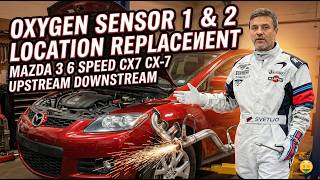
- If the wiring and exhaust are good, and the live data points to a bad sensor, replace the rear (downstream) oxygen sensor. 🎬 Watch: A mechanic's guide to replacing O2 sensors on Mazda models.
- Clear the code and perform a final test drive to confirm the fix.
Parts You'll Likely Need
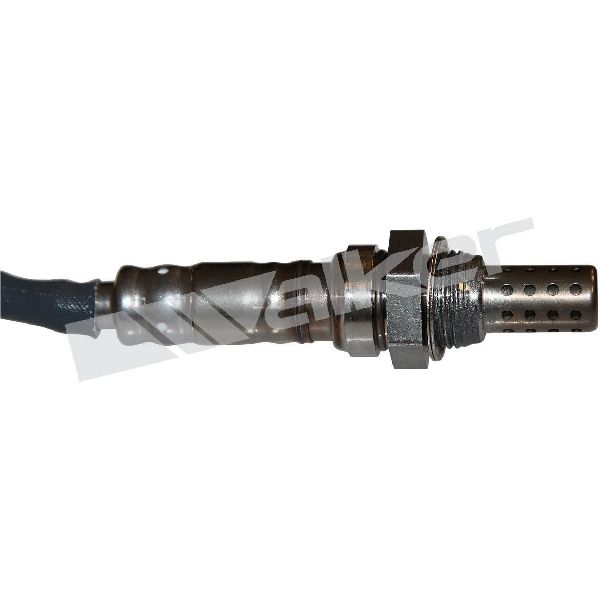
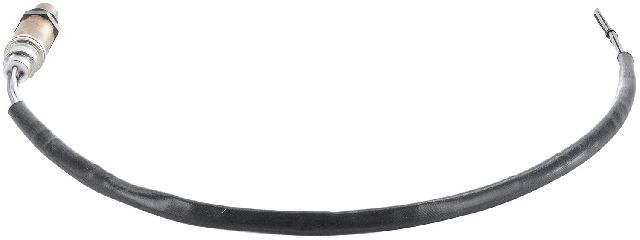
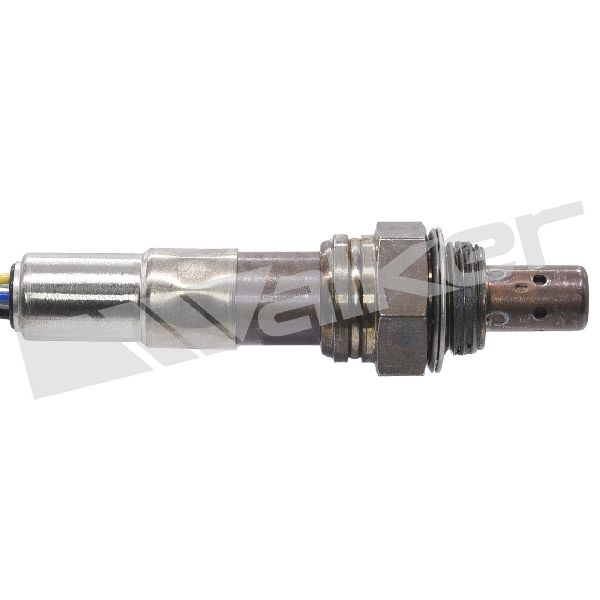
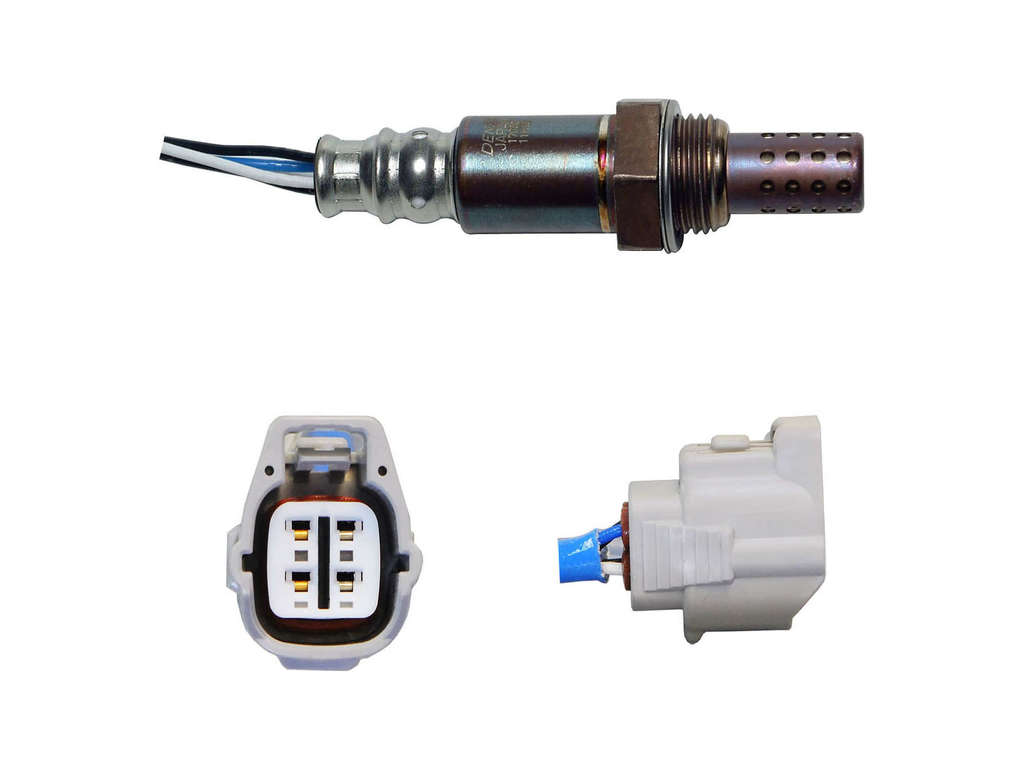
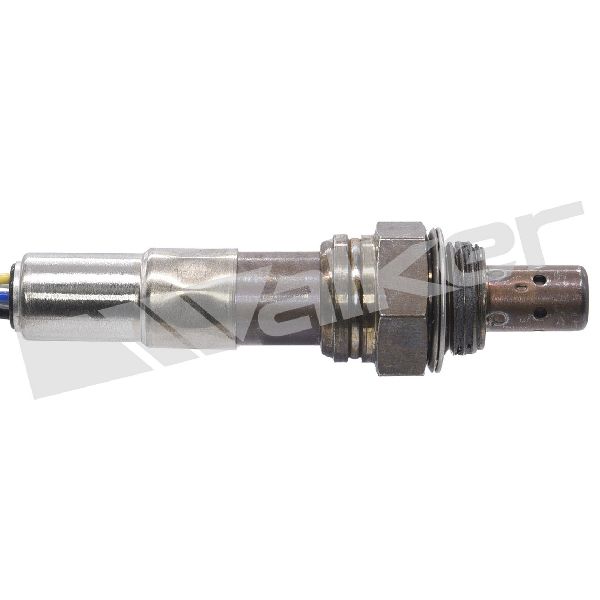
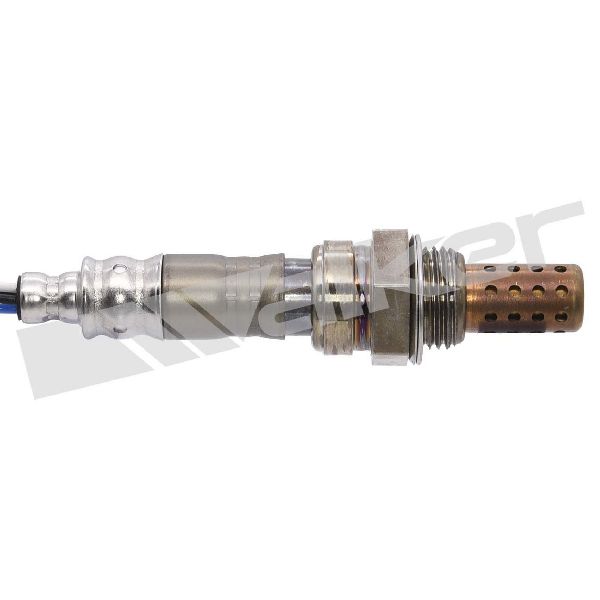
- Rear Oxygen Sensor (Downstream, Bank 1 Sensor 2)
(OEM #PE21-18-861B)— This is the component that generates the voltage signal. If it fails internally, it will need to be replaced (after ruling out wiring issues).
Trusted brands: Denso (OEM supplier), Bosch, NGK/NTK
OEM price range: $120-$180
Aftermarket price range: $60-$150
Technical Service Bulletins (TSBs) & Recalls
- 1011M: HO2S CIRCUIT LOW INPUT (P0137) due to potential rear harness damage from aftermarket alarm installation.
- SA288: DTC P0137 (CIRCUIT LOW INPUT) check for rear harness damage, especially with aftermarket alarm systems.
Platform-Specific Known Issues
- TSB #1011M: Notes that customers may complain of a check engine light with DTC P0137 stored, which may be caused by rear harness damage from an aftermarket alarm system installation.
- TSB #SA288: Instructs technicians to check the rear harness in a specific area if DTC P0137 is present, particularly if an aftermarket alarm system is installed. It specifically calls out damage from 'electro-tap connectors'.
- Recall for 2015-2016 models: A recall was issued for wiring under the front passenger seat that could rub against welding debris and short circuit, affecting power steering and airbags. While not directly for P0137, it establishes a pattern of wiring vulnerability in this specific area of the vehicle.
Mechanic-Grade Diagnostic Values
- Downstream O2 Sensor (B1S2) Voltage at Idle (Warm Engine) — expected: Relatively stable voltage between 0.6V and 0.9V.. Failure: Voltage is stuck low, consistently below 0.2V - 0.4V.
- O2 Sensor Heater Circuit Resistance — expected: Between 3 and 25 ohms when tested across the two same-colored wires on the sensor connector.. Failure: No reading (OL - open circuit) or infinite resistance, indicating a burned-out heater element.
- Wiring Harness Continuity (Sensor Connector to PCM) — expected: Less than 1.0 ohm of resistance.. Failure: Resistance greater than 1.0 ohm, indicating a compromised wire or high resistance in the circuit.
Wiring & Ground Locations
- Downstream O2 Sensor Connector — Underneath the vehicle, above the splash shields near the catalytic converter. The connector is located up above the exhaust pipe, clipped to the underbody.. This is the primary connection point to test the sensor and the harness. Damage or corrosion here can directly cause the P0137 code. Access requires removing underbody shields.
- Main Cabin Harness (related to TSB) — Runs along the floor of the vehicle. The TSBs point to areas where aftermarket alarm installers often tap into the harness, causing damage.. This is the specific area Mazda has identified as a common failure point for the P0137 code due to damage from improper aftermarket installations.
- Wiring Harness Under Front Passenger Seat — Under the front passenger seat frame.. A recall for 2015-2016 models noted that this harness can rub against welding debris and short out. While the recall was for other systems, it proves this is a known chafe point and a plausible, though less common, location for a short in the O2 sensor circuit.
Real Owner Repair Stories
- Mazdas247 Forum user (2014 Mazda CX-5 (platform mate with same engine/sensors)) — Check Engine Light with P0137
❌ Tried (didn't work) Replaced the upstream Air/Fuel sensor.
✅ What actually fixed it The user logged data and noticed the rear O2 sensor voltage would never read below 0.50V, which is the opposite of a low voltage code but indicates a sensor that is not reading correctly. They concluded the rear O2 sensor itself was bad and planned to replace it. This highlights that while wiring is common, sensor failure is still a valid cause.
OEM Part Supersession History
L34B-18-861A→L34B-18-861B— Part revision or manufacturer change.
Heads up: Note: These part numbers appear to be for a different Mazda model (Mazda 3) but show a typical supersession pattern. The correct part for the 2014-2016 Mazda6 is PE21-18-861B. Always verify with VIN.
Model Year Variations Within This Range
- 2015-2016: These model years were subject to a specific recall involving a wiring harness under the front passenger seat that could short-circuit against welding debris. While the P0137 code was not the primary focus of the recall, it highlights a known wiring vulnerability in this specific area for these years that is not officially documented for the 2014 model.
Helpful Videos
We Have This Part in Stock

The information in this article is provided for general reference and educational purposes only. Vehicle specifications, procedures, and part compatibility can vary by production date, trim level, and region. Always consult your vehicle's factory service manual and verify part numbers before purchasing or performing repairs. Safety-critical components such as airbags, seat belts, and braking systems should be installed by a qualified professional.
- Mazda MAZDA6:
- 🧭 Diagnostic Flowchart
- 🎬 Helpful Videos
- 🛍️ Shop This Part
- What's Unique About the 2014-2016 Mazda MAZDA6
- Symptoms You May Notice
- Most Likely Causes
- Rare But Worth Checking
- Diagnosis Steps
- Parts You'll Likely Need
- Technical Service Bulletins (TSBs) & Recalls
- Platform-Specific Known Issues
- Mechanic-Grade Diagnostic Values
- Wiring & Ground Locations
- Real Owner Repair Stories
- OEM Part Supersession History
- Model Year Variations Within This Range
- 🎟️ Get 5% Off