

P0137 on 2014-2020 Nissan Rogue: O2 Sensor Circuit Low Voltage Causes and Fixes
This code almost always points to a faulty downstream oxygen sensor (Bank 1, Sensor 2). Replacing this sensor is the most common fix. An exhaust leak before the sensor is the second most likely cause. Before replacing, check wiring for damage and confirm no exhaust leaks are present.
- P0137 on a 2014-2020 Rogue points to a low voltage signal from the rear (downstream) oxygen sensor.
- The most probable cause is a failed oxygen sensor, which is a standard maintenance item that wears out over time.
- Before replacing the sensor, always check for exhaust leaks between the catalytic converter and the sensor, as this is a common and often overlooked cause.
- Also, inspect the sensor's wiring and connector for any physical damage, as its location under the car makes it vulnerable.
- This is a DIY-friendly repair for those with basic tools, including an O2 sensor socket. The job typically takes less than an hour.
What's Unique About the 2014-2020 Nissan Rogue
For the 2014-2020 Nissan Rogue (T32 generation), the P0137 code is a straightforward emissions-related fault. There are no widespread, unique design flaws that make this model particularly prone to this code compared to other vehicles using the same QR25DE engine. The causes are typical for any modern car: the sensor fails with age, the wiring gets damaged from being exposed under the vehicle, or an exhaust leak develops. Diagnosis is standard and does not require special platform-specific knowledge. The downstream sensor is accessible from underneath the vehicle. One specific nuance for Nissan is that the ECM may not activate the downstream sensor's heater circuit at idle, which can cause a temporarily low voltage reading until the exhaust fully warms the sensor.
Symptoms You May Notice
- Check Engine Light is on
- Decreased fuel efficiency
- Rough or unstable idle
- Failure to pass an emissions test
- A sulfur or "rotten egg" smell from the exhaust, indicating a rich fuel mixture that could damage the catalytic converter.
- Replacing the upstream oxygen sensor (Sensor 1) instead of the downstream one (Sensor 2).
- Replacing the catalytic converter when the actual problem is a cheap-to-fix exhaust leak or a faulty O2 sensor giving a false reading.
- Assuming the sensor is bad without first checking for exhaust leaks, which is a common underlying cause.
Most Likely Causes
- Faulty Downstream Oxygen Sensor (Bank 1, Sensor 2) 🔴 High Probability → Shop Oxygen Sensor Oxygen sensors are wear-and-tear items that have a finite lifespan. Contamination from engine byproducts, carbon buildup, and constant exposure to high heat eventually cause them to fail and report inaccurate voltage.
How to confirm: Using an OBD-II scanner, monitor the live data for the B1S2 voltage. If the voltage is stuck low (e.g., <0.2V) and does not fluctuate, the sensor is likely bad. You can also test the sensor's internal heater circuit with a multimeter; resistance should be between 2 and 30 ohms. A properly functioning downstream sensor should have a relatively stable voltage, typically between 0.6V and 0.8V on a warm engine.
Typical fix: Replace the Bank 1, Sensor 2 oxygen sensor. This requires a 22mm (or 7/8") oxygen sensor socket.
Est. part cost: $50-$150 - Exhaust Leak 🟡 Medium Probability Exhaust components, particularly gaskets and welded seams on pipes, can rust or fail over time, allowing outside air to be drawn into the exhaust stream before the sensor. This extra oxygen tricks the sensor into reading a false low voltage.
How to confirm: Visually inspect the exhaust system from the engine to the rear O2 sensor for any signs of cracks, holes, or black soot indicating a leak. A smoke test is the most effective way to pinpoint small leaks. You can also listen for an audible ticking or hissing sound from the exhaust when the engine is cold. Some owners find leaks by carefully feeling for escaping air with the engine running (use caution, the exhaust is hot).
Typical fix: Repair the leak by replacing the faulty gasket, patching the hole with exhaust putty or wrap for a temporary fix, or replacing the damaged section of the exhaust pipe for a permanent solution.
Est. part cost: $10-$300 - Damaged Wiring or Connector ⚪ Low Probability The sensor and its wiring are located under the vehicle, making them susceptible to damage from road debris, corrosion, or melting from contact with the hot exhaust pipe.
How to confirm: Visually inspect the entire wiring harness from the O2 sensor to the main engine harness. Look for any frayed, melted, or broken wires. Check the connector for corrosion, bent pins, or a loose connection. The connector is located just above the sensor, clipped to the vehicle's underbody.
Typical fix: Repair the damaged section of wire or replace the connector pigtail. The pigtail connector part number is often 7282-8853.
Est. part cost: $15-$50
Rare But Worth Checking
- Faulty Engine Control Module (ECM): → Shop Engine Control Module (ECM) This is extremely rare. The ECM should only be considered after all other possibilities, including the sensor, wiring, and exhaust leaks, have been definitively ruled out.
- Blown Fuse for Heater Circuit: The O2 sensor has a heater circuit to bring it to operating temperature quickly. This circuit is often fused. If the fuse blows, the sensor may not heat up properly, leading to incorrect low voltage readings, especially on a cold engine. Check the fuse box diagram for 'O2 HTR' or a similar label.
Diagnosis Steps
- Connect an OBD-II scanner and confirm that P0137 is the active code. Check for any other codes that may indicate a lean condition or other system faults.
- View the live data stream for the 'O2S B1S2' (Oxygen Sensor, Bank 1, Sensor 2).
- Observe the voltage. A properly functioning downstream sensor on a warm engine should show a relatively stable voltage, typically between 0.6V and 0.8V. If the voltage is stuck consistently below 0.2V, the fault is confirmed.
- Perform a thorough visual inspection of the Bank 1, Sensor 2 and its wiring harness. The sensor is located after the catalytic converter, and the connector is clipped to the underbody nearby. Look for any signs of physical damage, melting on the exhaust, or corrosion in the connector.
- Inspect the exhaust system for leaks between the catalytic converter and the downstream O2 sensor. Pay close attention to gaskets and welds. A smoke test is the most reliable method.
- If no leaks or wiring issues are found, the oxygen sensor itself is the most likely culprit.
- Before replacing the sensor, you can test the circuit. Disconnect the sensor and use a multimeter to check for proper voltage and ground at the vehicle-side connector to rule out a rare ECM or wiring issue. Also, check the fuse for the O2 sensor heater circuit. Test the heater resistance on the sensor side; it should be between 2-30 ohms.
- If all checks lead back to the sensor, replace it using a 22mm O2 sensor socket. Apply anti-seize compound to the threads of the new sensor if not pre-applied. Torque to 37 ft-lbs.
Parts You'll Likely Need
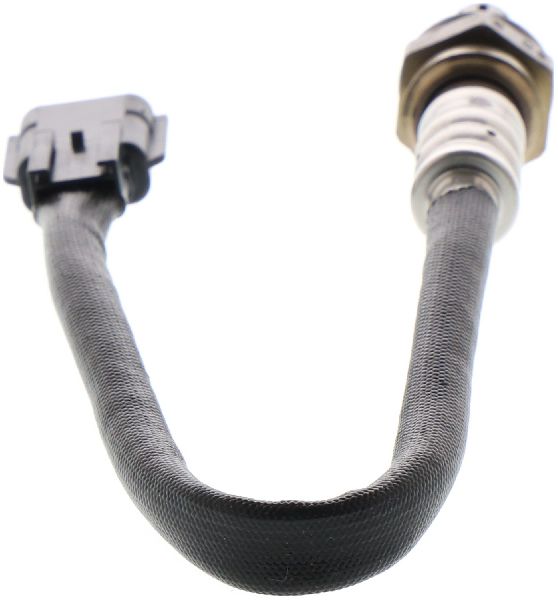
- Downstream Oxygen Sensor (Bank 1, Sensor 2)
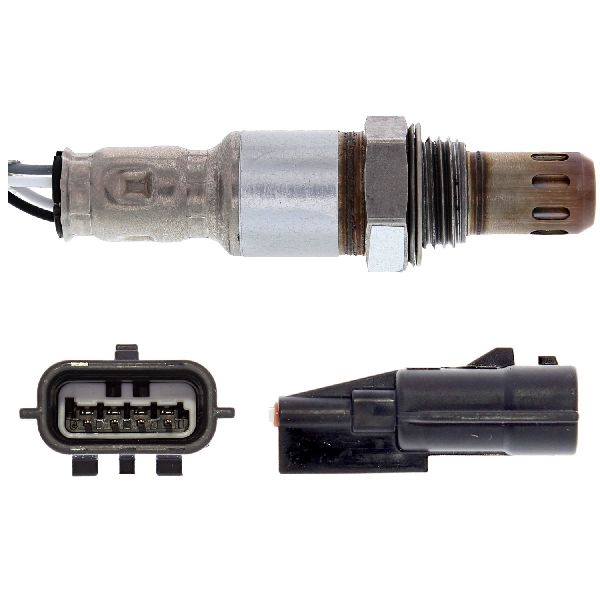
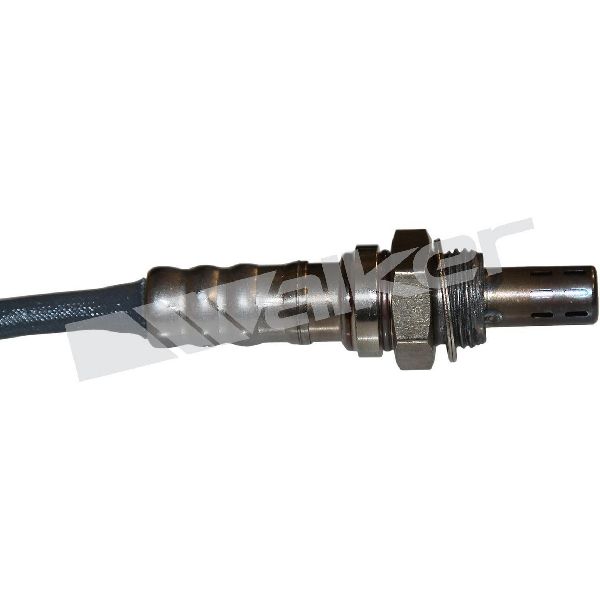
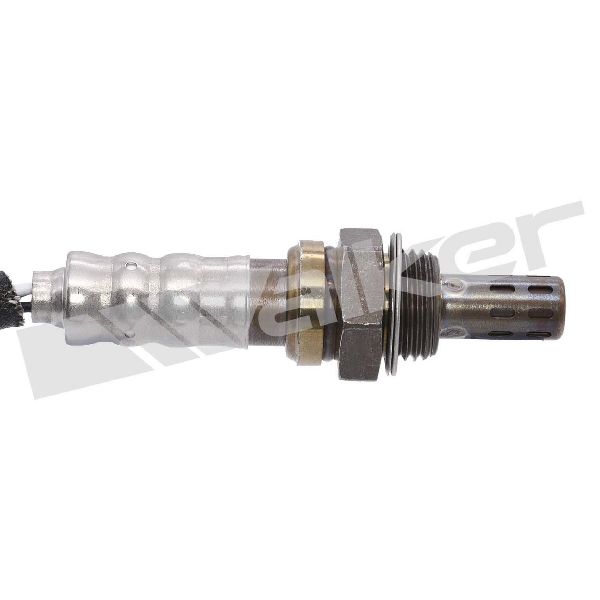
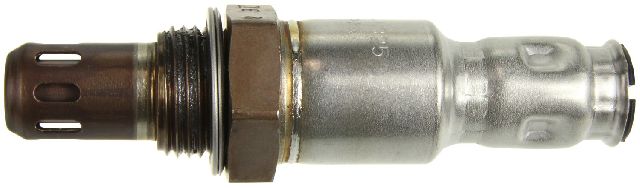
(OEM #226A0-4BA0A)— This is the most common failure point for a P0137 code. The sensor degrades over time and stops sending a correct voltage signal.
Trusted brands: Denso, Bosch, NGK/NTK, Walker
OEM price range: $120-$180
Aftermarket price range: $50-$100
Related Codes That Often Appear With This One
- P0420 — A failing or failed downstream O2 sensor can no longer accurately report on the catalytic converter's efficiency, which can sometimes trigger a P0420 (Catalyst System Efficiency Below Threshold) code. It's common to replace the sensor first when seeing a P0420, especially on higher mileage vehicles.
- P0138 — This code for 'O2 Sensor Circuit High Voltage' is the opposite of P0137. Seeing them intermittently could point to a wiring short or a failing sensor that is fluctuating wildly out of its normal range.
Technical Service Bulletins (TSBs) & Recalls
- NTB20-027a (Campaign PC717): Affects some 2018 models, involves replacing the catalytic converter and both O2 sensors.
- NTB20-025a (Campaign PC716): Affects some 2018 models, involves cylinder head inspection and potential engine replacement.
- NTB20-098: Addresses water intrusion into the HVAC blower motor area, which is unrelated to P0137 but a known issue.
- NTB20-013: Addresses PCV valve freezing in extreme cold, which can cause other engine codes but is not directly related to P0137.
- Bulletin #NTB15051: A manufacturer service bulletin for related Nissan models that includes P0137 in a diagnostic flow chart for stored ECM codes.
- Bulletin #NTB15053A: Notes that P0137 (Heated oxygen sensor 2 circuit low voltage) may be stored alongside heater control circuit codes.
Platform-Specific Known Issues
- A voluntary emissions recall campaign (PC717 / NTB20-027a) was issued for some 2018 Rogue models to replace the exhaust manifold, catalytic converter, and both oxygen sensors due to a potential defect. While not directly for P0137, it involves the related components and indicates a potential area of concern for that model year.
- Another campaign for 2018 models (PC716 / NTB20-025a) involved inspecting the cylinder head and potentially replacing the engine, which could be related to emissions system performance.
Mechanic-Grade Diagnostic Values
- Downstream O2 Sensor (B1S2) Voltage at Idle (Warm Engine) — expected: 0.6V - 0.8V, relatively stable. Failure: Stuck below 0.2V, or fluctuating rapidly like an upstream sensor.
- O2 Sensor Heater Circuit Resistance — expected: 2 - 30 Ohms. Failure: Reading of 0 ohms (short) or infinite/OL (open circuit).
- Forced Lean Condition Test (e.g., by creating a vacuum leak) — expected: Voltage should drop to near 0.2V (200mV).. Failure: Voltage fails to drop and remains high or stuck.
- Forced Rich Condition Test (e.g., by restricting air intake) — expected: Voltage should rise to near 0.8V (800mV).. Failure: Voltage fails to rise and remains low or stuck.
Scan Tool Commands That Help
- Nissan CONSULT-III plus: Active Test / Work Support for O2 Sensor — The dealer-level scan tool can be used to monitor sensor data with high resolution and may offer active tests to command fuel mixture changes, helping to verify sensor response without manually inducing lean/rich conditions.
Wiring & Ground Locations
- Downstream O2 Sensor Connector — Clipped to the vehicle's underbody, directly above the sensor which is located on the exhaust pipe after the catalytic converter.. This connector is a common point for corrosion or damage due to its exposed location. Verifying its integrity is a key diagnostic step.
- Connector Pigtail Part Number — This is the replacement connector with a short length of wires.. If the connector itself is damaged, knowing the specific part number (7282-8853) allows for a precise and reliable repair instead of sourcing a generic connector.
- ECM/Grounds — Detailed pinouts, wire colors, and engine ground point locations (e.g., on the cylinder head or transmission case) are found in the Factory Service Manual (FSM).. A poor ground connection for the engine or ECM can cause floating voltage references and trigger false sensor codes. The FSM is the definitive source for tracing the sensor circuit back to the ECM and verifying ground integrity.
OEM Part Supersession History
226A0-4BA0A→No supersession found.— N/A
Heads up: This part number is shared with other Nissan models like the Rogue Sport and Armada, but no supersession for the Rogue itself was identified in research.
Model Year Variations Within This Range
- 2015-2018: Some aftermarket parts listings specify fitment for 'USA Built Vehicle' and may have production date cutoffs (e.g., 'To 09/2017' for a 2018 model). This implies there could be minor variations in exhaust or sensor components depending on the vehicle's assembly plant (USA, Japan, or Korea). While the primary part number appears the same, it's a detail to be aware of when sourcing parts.
Diagnostic Flowchart
Other Known Issues on This Vehicle
Issues unrelated to this code that are worth knowing about as an owner of this generation:
- CVT Transmission Failure/Shudder 🔴 High — Very common across the entire generation. Symptoms include shuddering, hesitation, jerking, and complete failure, often before 100,000 miles. Regular fluid changes (every 30k miles) are recommended by owners to prolong life. (Ref: Multiple class-action lawsuits and warranty extensions have been issued, but no universal recall.)
- AC Compressor Failure 🟠 Medium — Commonly reported failure, leading to the AC only blowing warm or hot air. The compressor clutch often fails. (Ref: No specific recall, but numerous owner complaints and TSBs for related AC system reprogramming on newer models.)
- Clogged Sunroof Drains / Water Leaks 🟠 Medium — Extremely common. The front sunroof drain tubes get clogged with debris, causing water to overflow and leak into the cabin via the A-pillars or headliner, potentially damaging electronics. (Ref: No recall, but it is a widely documented problem with many DIY fix guides available.)
- Faulty Fuel Level Sensor 🟡 Low — Owners report inaccurate fuel gauge readings, where the gauge does not show a full tank or provides an unreliable reading.
- Poor Interior Heat at Idle 🟡 Low — Some owners experience a lack of hot air from the vents when the car is idling, which improves when driving. This is often caused by air pockets in the cooling system that need to be bled out.
Used vs. New Parts: Buying Guide for This Vehicle
When a used part is the smart pick: For a P0137 repair, using a used part is strongly discouraged. The primary cause is a failed oxygen sensor, which is a wear-and-tear item with a finite lifespan. A used exhaust pipe section could be considered if the cause is a leak from physical damage, but rust is a major concern.
Donor-vehicle mileage cap: roughly under 30000 miles for the part to have meaningful remaining life.
What to inspect on the donor part:
- For an O2 sensor, avoid any with heavy, black soot on the tip.
- Check the connector for any signs of corrosion, melted plastic, or bent pins.
- Ensure the wiring pigtail is not frayed, brittle, or damaged.
OEM-only on this vehicle (don't cheap out):
- While not strictly 'OEM-only', it is highly recommended to use either the genuine Nissan part or a sensor from a known OEM supplier like NTK or Denso. Cheap, unbranded sensors are notorious for poor calibration and premature failure.
Aftermarket brands forum-validated for this vehicle:
- NTK (often the original OEM supplier)
- Denso
- Bosch
Brands owners have reported issues with on this vehicle:
- Unbranded, 'no-name' sensors from online marketplaces should be avoided due to a high likelihood of incorrect readings and short service life.
Real Owner Stories
Aggregated from forums and TSBs cited above. Mileages and costs reflect what owners reported in those sources.
2018 Nissan Rogue
Symptoms: Potential defect involving the catalytic converter and oxygen sensors as part of an emissions concern.
What fixed it: Replacement of the exhaust manifold, catalytic converter, and both oxygen sensors under voluntary emissions recall campaign PC717.
Source hint: NTB20-027a (Campaign PC717)
2014-2020 Nissan Rogue
Symptoms: Check engine light on with a code for the downstream oxygen sensor; visual guide shows the sensor located after the catalytic converter.
What fixed it: Replacement of the Bank 1, Sensor 2 oxygen sensor using a 22mm socket.
Source hint: YouTube video 'How to Replace O2 Oxygen Sensor Downstream Bank 1 2014-2020 Nissan Rogue' by 1A Auto
Nissan Owner Report
Symptoms: A diagnostic package revealed codes P0140, P0505, P0137, and P0460, which indicated a total emissions failure on the catalytic converter and all four O2 sensors.
What fixed it: The vehicle required extensive emissions system repairs as documented in NHTSA ODI #10258630.
Source hint: NHTSA ODI #10258630
Related OBD-II Codes
Frequently Asked Questions
Is there a recall for my 2018 Nissan Rogue that covers the oxygen sensors?
What is the specific part number for the O2 sensor connector if the wiring is damaged?
Where is the Bank 1, Sensor 2 oxygen sensor located on the 2014-2020 Rogue?
My 2018 Rogue is also having engine issues; could this be related to the P0137 code?
What should the voltage reading be for a healthy downstream sensor on this vehicle?
Can I use a standard wrench to replace the sensor on my Rogue?
Helpful Videos

![How to Fix NISSAN P0137 Engine Code in 4 Minutes [3 DIY Methods / Only $9.42]](https://img.youtube.com/vi/tESN7kPzULQ/mqdefault.jpg)
We Have This Part in Stock


The information in this article is provided for general reference and educational purposes only. Vehicle specifications, procedures, and part compatibility can vary by production date, trim level, and region. Always consult your vehicle's factory service manual and verify part numbers before purchasing or performing repairs. Safety-critical components such as airbags, seat belts, and braking systems should be installed by a qualified professional.
- Nissan Rogue:
- 🧭 Diagnostic Flowchart
- 🎬 Helpful Videos
- 🛍️ Shop This Part
- What's Unique About the 2014-2020 Nissan Rogue
- Symptoms You May Notice
- Most Likely Causes
- Rare But Worth Checking
- Diagnosis Steps
- Parts You'll Likely Need
- Related Codes That Often Appear With This One
- Technical Service Bulletins (TSBs) & Recalls
- Platform-Specific Known Issues
- Mechanic-Grade Diagnostic Values
- Scan Tool Commands That Help
- Wiring & Ground Locations
- OEM Part Supersession History
- Model Year Variations Within This Range
- Other Known Issues on This Vehicle
- Used vs. New Parts: Buying Guide for This Vehicle
- Real Owner Stories
- 2018 Nissan Rogue
- 2014-2020 Nissan Rogue
- Nissan Owner Report
- Related OBD-II Codes
- Frequently Asked Questions
- 🎟️ Get 5% Off