

P0138 on 2014 Acura MDX: Rear O2 Sensor High Voltage Causes and Fixes
P0138 on a 2014 Acura MDX almost always means the Rear Secondary (Bank 1, Sensor 2) oxygen sensor has failed. This is a known issue acknowledged by Acura through a TSB requesting failed parts for analysis. Replacing the sensor, which costs about $40-$80 for a recommended Denso or NTK aftermarket part or $100+ for OEM, will typically fix the problem. The most difficult part of the repair is often accessing the electrical connector hidden behind the engine.
- P0138 on your 2014 MDX points directly to the Rear Secondary O2 sensor (Bank 1, Sensor 2) having failed.
- This is a widely acknowledged weak point on the first-year third-generation MDX, confirmed by an Acura TSB.
- The correct fix is to replace the sensor, preferably with an OEM-equivalent brand like Denso or NTK.
- The most challenging part of the DIY repair is accessing the electrical connector, not the sensor itself.
What's Unique About the 2014-2014 Acura MDX
The 2014 model year was the first for the third-generation MDX, and this code was common enough that Acura issued a Technical Service Bulletin (TSB #BER14010C) requesting dealerships to collect the failed sensors. This official investigation confirms a higher-than-normal failure rate for this specific sensor on early third-gen models. The issue is specific to the secondary oxygen sensors (P0138 for Bank 1, P0158 for Bank 2), which monitor the catalytic converters, and is not typically indicative of a more serious engine problem on this platform.
Diagnostic Flowchart
Tap your situation to follow the diagnostic path that matches what you're seeing on this vehicle.
Symptoms You May Notice
- Check Engine Light (Malfunction Indicator Lamp) is on
- Potential for increased fuel consumption
- Vehicle will fail an emissions test
- In rare cases, a rough idle or poor engine performance
- Replacing the wrong oxygen sensor (e.g., the upstream Air/Fuel ratio sensor or the sensor on the other bank, Bank 2).
- Replacing the catalytic converter when the issue is only a faulty downstream sensor.
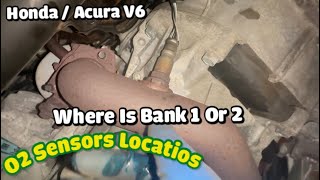
- Assuming the connector is in the same location for Bank 1 and Bank 2; 🎬 Watch: How to identify Bank 1 and Bank 2 sensor locations the Bank 1 connector is significantly harder to reach.
Most Likely Causes
- Failed Rear Secondary (Bank 1, Sensor 2) Oxygen Sensor 🔴 High Probability → Shop Oxygen Sensor Acura issued a TSB to investigate this exact code on 2014 MDX models, indicating a known, widespread issue with the sensor's durability on this specific vehicle.
How to confirm: Use an OBD-II scanner to monitor the live data for the B1S2 O2 sensor. If the voltage is stuck high (e.g., >0.9V) and does not fluctuate with the engine warm, the sensor has likely failed.
Typical fix: Replace the Bank 1, Sensor 2 oxygen sensor. The sensor is located underneath the vehicle on the driver's side of the exhaust, while its electrical connector is accessed from the top of the engine bay, near the firewall on the passenger side.
Est. part cost: $40-$150 - Damaged Wiring or Connector 🟡 Medium Probability The sensor wiring is routed near the hot exhaust and is exposed under the vehicle, making it susceptible to damage from road debris, heat, or corrosion. The connector is in a hard-to-reach area behind the engine, and the harness can be strained during other repairs.
How to confirm: Visually inspect the entire wiring harness from the O2 sensor to its connector in the engine bay. Look for any signs of melting, chafing, corrosion, or broken wires. Check for a secure connection at the plug, which can be difficult to access.
Typical fix: Repair the damaged section of the wire or replace the connector pigtail. If damage is extensive, a new sensor with an integrated harness is the best solution.
Est. part cost: $10-$50 - Engine Running Rich ⚪ Low Probability
How to confirm: Check for other trouble codes related to the fuel system (e.g., fuel injector codes, mass air flow sensor codes). Analyze fuel trim data with a scanner. A rich condition would cause high voltage, but it would likely trigger other codes first, such as upstream A/F sensor codes.
Typical fix: Diagnose and repair the root cause of the rich condition, such as a leaking fuel injector or faulty fuel pressure regulator.
Est. part cost: $50-$400
Rare But Worth Checking
- Exhaust Leak: While more commonly associated with low voltage codes, a significant exhaust leak before the sensor could potentially disrupt readings and cause erratic behavior, though it's an unlikely cause for a steady high voltage signal.
- Powertrain Control Module (PCM) Fault: This is very rare, but a fault in the PCM's internal driver for the O2 sensor circuit can cause a false high voltage reading. This should only be considered after all other possibilities have been exhausted.
Diagnosis Steps
- Connect an OBD-II scanner and confirm that P0138 is the active code. Check for any other codes, especially P0158.
- View the live data stream for 'O2S B1S2' (Oxygen Sensor, Bank 1, Sensor 2).
- Observe the voltage. With the engine warm and running, it should fluctuate slowly. If it is stuck high (above 0.9 volts), the fault is confirmed.
- Turn off the engine and allow the exhaust to cool.
- Locate the electrical connector first. It is in the engine bay, behind the engine near the firewall, on the passenger side. A video guide shows it located just below the heater core hoses. Disconnecting this first makes the process easier.
- Raise and safely support the vehicle on jack stands.
- Locate the Bank 1 Sensor 2 O2 sensor. On the MDX's transverse V6, Bank 1 is the rear bank (near the firewall). The sensor itself is located downstream of the catalytic converter, typically on the driver's side of the vehicle after the J-pipe.
- Thoroughly inspect the sensor's wiring harness for any signs of melting, chafing, corrosion, or breaks from the sensor up to the engine bay.
- If the wiring appears intact, the oxygen sensor itself is the most probable cause of failure and should be replaced. Use a 22mm (or 7/8") O2 sensor socket.
- After replacement, clear the code with the scanner and perform a drive cycle to ensure the code does not return.
Parts You'll Likely Need
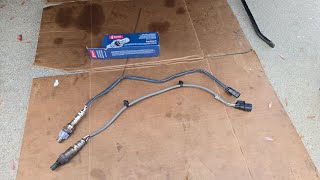
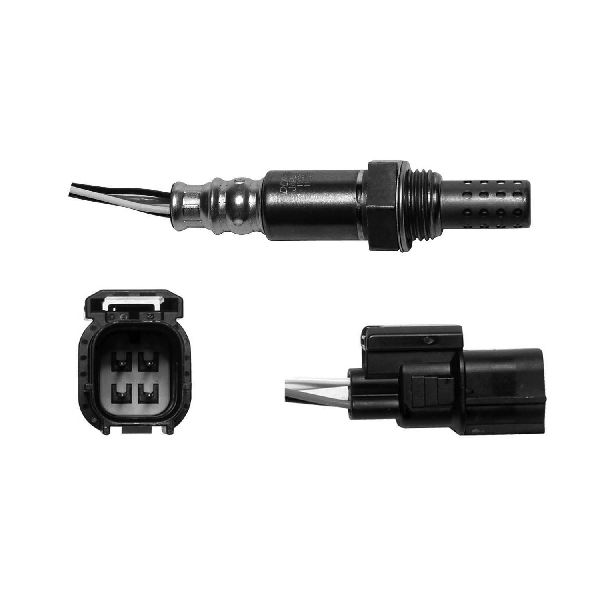
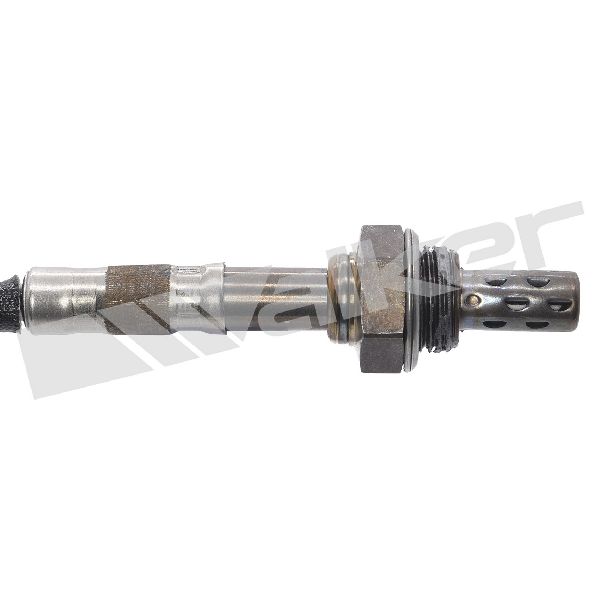
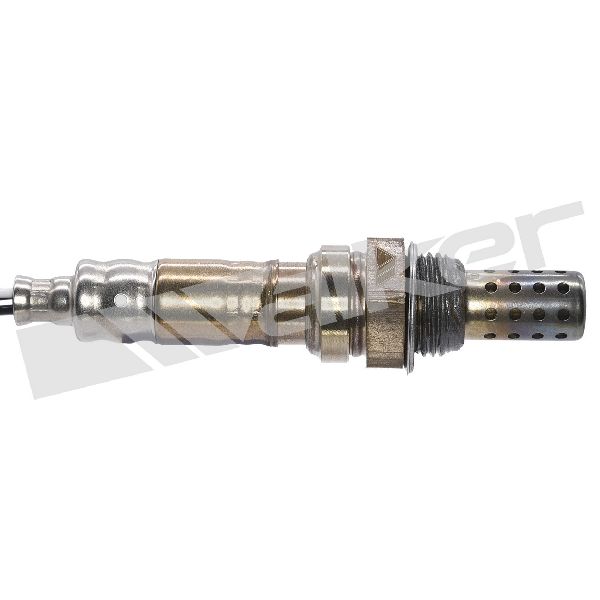
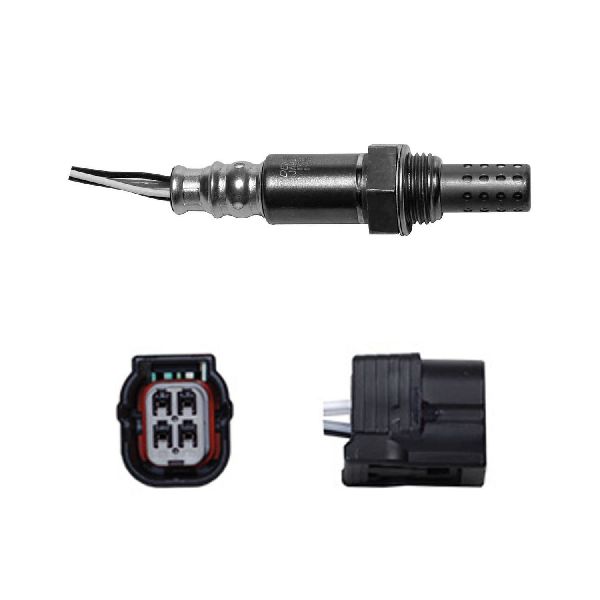
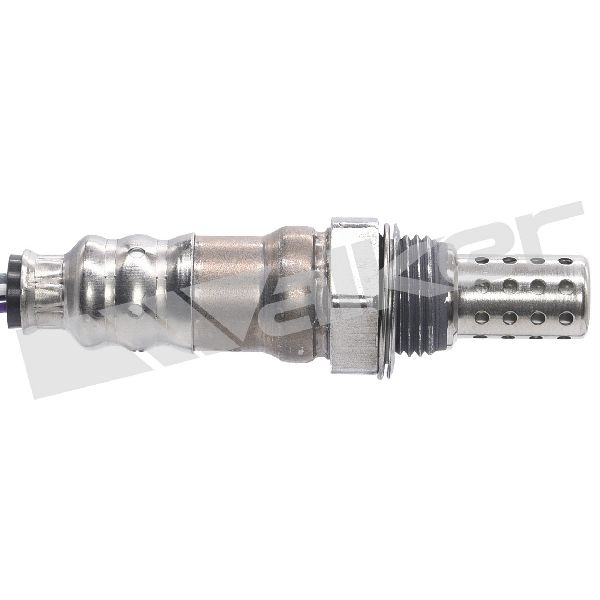
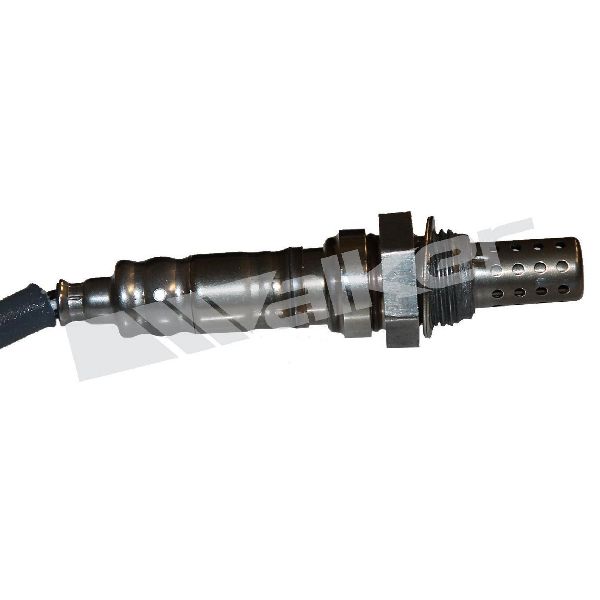
- Rear Secondary Oxygen Sensor (Bank 1, Sensor 2)
(OEM #36542-5G0-A01)— This is the component that directly generates the voltage signal reported by the P0138 code. It is the most common failure point for this issue, as acknowledged by an Acura TSB.
Trusted brands: Denso (OEM Supplier), NGK/NTK (OEM Supplier)
OEM price range: $120-$180
Aftermarket price range: $40-$80
Related Codes That Often Appear With This One
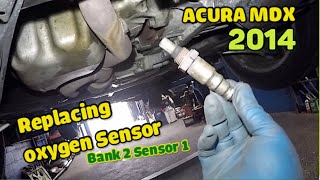
- P0158 — This is the identical code ('Secondary Heated Oxygen Sensor Circuit High Voltage') but for Bank 2 (the front bank). The TSB issued by Acura mentions that these codes can appear together, suggesting a common failure pattern for both downstream sensors. 🎬 Watch: Step-by-step guide for replacing the Bank 2 Sensor 2
Technical Service Bulletins (TSBs) & Recalls
- DLR MSG - RFP (also BER14010C): An investigation request from American Honda regarding 2014 MDXs with DTC P0158 and/or P0138 stored, to collect parts and understand the root cause.
Platform-Specific Known Issues
- Acura issued a Technical Service Bulletin (TSB), #BER14010C, requesting that dealerships collect parts from 2014 MDX vehicles storing codes P0138 or P0158. This official request indicates the manufacturer was actively investigating a higher-than-expected failure rate for this component on this model year.
- Owner forums are filled with reports of this specific code on 2014 and 2015 MDX models, confirming the TSB's premise. Many owners report the check engine light appearing between 60,000 and 100,000 miles.
Mechanic-Grade Diagnostic Values
- O2 Sensor Heater Circuit Resistance — expected: 5.0 - 6.0 Ohms at ambient temperature.. Failure: A reading of infinity (open circuit) or near zero (short circuit) indicates a failed heater element within the sensor.
- Downstream O2 Sensor (B1S2) Live Data Voltage — expected: Slowly fluctuating between 0.1V and 0.9V on a warm, running engine.. Failure: A voltage signal that is stuck consistently above 0.9V (often as high as 1.1V or more) for an extended period triggers the code.
- Mode $06 - O2 Sensor Monitor — expected: Test values should be within the MIN and MAX limits shown on a capable scan tool.. Failure: A test result for the Bank 1 Sensor 2 monitor (TID/CID will vary by scanner) that exceeds the maximum limit indicates the component is failing the PCM's internal self-test, even if the CEL is not yet on.
Wiring & Ground Locations
- G101 — Right rear of the engine compartment.. This is a primary engine ground. A poor connection here can cause a variety of sensor and PCM-related issues, including erratic voltage readings that could potentially contribute to a P0138 code.
- G402 — Located in the left kick panel area, inside the cabin.. This is an interior/chassis ground point. While less likely to be the direct cause, it is part of the vehicle's overall ground distribution which is critical for stable sensor readings.
- PCM Connector E, Pin 35 (SO2S B1 S2) — At the Powertrain Control Module (PCM), which is located in the right front of the engine compartment.. This is the specific pin on the PCM that receives the voltage signal from the Bank 1 Sensor 2. A technician can back-probe this pin to verify if the high voltage is reaching the PCM, helping to isolate the fault between the sensor, wiring, and PCM itself.
- PCM Connector E, Pin 58 (SG2 B1 S2) — At the Powertrain Control Module (PCM).. This is the sensor ground pin for the Bank 1 Sensor 2. Testing for continuity between this pin and the sensor connector is essential to rule out a break in the ground wire, which could cause a floating high voltage reading.
Real Owner Repair Stories
- YouTube - RB The Mechanic (2015 Acura MDX (same generation and engine)) — Check Engine Light with code P0158 (Bank 2 equivalent of P0138).
❌ Tried (didn't work) The owner had another shop perform transmission work, after which the code appeared and the sensor was found hanging and damaged.
✅ What actually fixed it The wiring harness to the oxygen sensor was visibly damaged. Replacing the damaged Bank 2 Sensor 2 with a new NTK sensor and ensuring the connector was securely plugged in resolved the issue. The video notes the Bank 1 sensor is in the back and harder to access.
OEM Part Supersession History
36542-5G0-A01→36542-5G0-A01— No supersession found.
Heads up: The part number appears to be consistent for all 2014-2020 MDX models, indicating no design change or revision was issued to address the failure rate.
Helpful Videos
We Have This Part in Stock

The information in this article is provided for general reference and educational purposes only. Vehicle specifications, procedures, and part compatibility can vary by production date, trim level, and region. Always consult your vehicle's factory service manual and verify part numbers before purchasing or performing repairs. Safety-critical components such as airbags, seat belts, and braking systems should be installed by a qualified professional.
- Acura MDX:
- 🧭 Diagnostic Flowchart
- 🎬 Helpful Videos
- 🛍️ Shop This Part
- What's Unique About the 2014-2014 Acura MDX
- Symptoms You May Notice
- Most Likely Causes
- Rare But Worth Checking
- Diagnosis Steps
- Parts You'll Likely Need
- Related Codes That Often Appear With This One
- Technical Service Bulletins (TSBs) & Recalls
- Platform-Specific Known Issues
- Mechanic-Grade Diagnostic Values
- Wiring & Ground Locations
- Real Owner Repair Stories
- OEM Part Supersession History
- 🎟️ Get 5% Off