

P0138 on 2016-2022 Chevrolet Spark: O2 Sensor High Voltage Causes and Fixes
On a 2016-2022 Chevy Spark, code P0138 is almost always caused by a failed downstream oxygen (O2) sensor. This sensor, which monitors catalytic converter efficiency, gets stuck sending a high voltage signal to the computer. Replacing this sensor is a straightforward DIY job, with an aftermarket part costing around $40-$80 and an OEM ACDelco part costing $90-$120.
- P0138 on your Spark almost always means the downstream (post-catalytic converter) O2 sensor has failed and needs to be replaced.
- Before replacing the sensor, perform a quick visual inspection of the wiring harness underneath the car for any obvious melting or damage.
- This is a manageable DIY repair for most home mechanics with the right O2 sensor socket.
- Ignoring the code will lead to poor gas mileage and can eventually damage your catalytic converter.
What's Unique About the 2016-2022 Chevrolet Spark
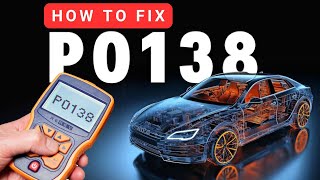
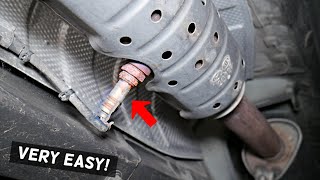
The 2016-2022 Chevrolet Spark (M400 generation) uses a single exhaust path, so 'Bank 1' is the only bank and this code specifically points to the downstream sensor (Sensor 2). 🎬 Watch: How to diagnose and fix a P0138 high voltage code. The P0138 code is a very common and typically straightforward issue on this platform. While the sensor itself is the most frequent culprit, GM has issued technical service bulletins for similar engines that advise technicians to check for hard-to-find exhaust leaks using a smoke machine if a new sensor doesn't resolve the code. The downstream O2 sensor is located on the exhaust pipe after the catalytic converter, underneath the car.
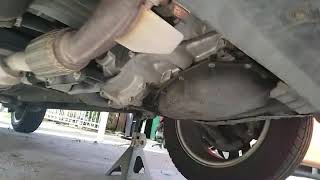
🎬 See exactly where the O2 sensor is located on the Spark.Symptoms You May Notice
- Check Engine Light is on
- Decreased fuel economy
- Rough or unstable idle
- Failure to pass an emissions test
- Strong smell of gasoline or rotten eggs from the exhaust
- Poor engine performance or hesitation
- Replacing the upstream (Bank 1, Sensor 1) oxygen sensor instead of the correct downstream (Bank 1, Sensor 2) sensor.
- Replacing the catalytic converter. P0138 points to a sensor circuit issue, not a failed converter (which typically triggers code P0420). A bad sensor *left unfixed* can damage the converter, but it is not the initial cause.
Most Likely Causes
- Failed Downstream Oxygen (O2) Sensor 🔴 High Probability → Shop Oxygen Sensor Oxygen sensors are wear-and-tear items that degrade over time from constant exposure to high-temperature exhaust gases, carbon buildup, and contaminants. It is the most common reason for P0138 on virtually all vehicles, including the Spark. Failure is common between 60,000 and 100,000 miles.
How to confirm: Use an OBD-II scanner to monitor the live data for the 'O2 Bank 1 Sensor 2' voltage. With the engine warm and running, a healthy sensor should show a relatively stable or slowly fluctuating voltage around 0.5-0.7V. If the voltage is stuck high (e.g., above 0.9V) and doesn't change, the sensor has likely failed internally.
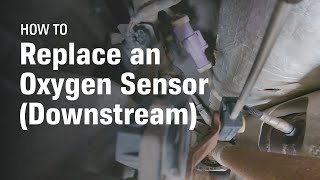
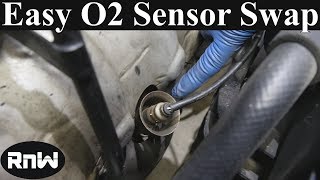
Typical fix: Replace the downstream (post-catalytic converter) oxygen sensor. This requires a 22mm (or 7/8") O2 sensor socket or crow's foot wrench. Soaking the old sensor's threads with penetrating oil beforehand is highly recommended as they are often seized. 🎬 Watch this walkthrough on how to replace a downstream oxygen sensor.
Est. part cost: $40-$120 - Damaged Wiring or Connectors 🟡 Medium Probability The O2 sensor wiring harness is routed under the vehicle near hot exhaust components and is exposed to road debris. This can cause wires to melt, chafe, or break, leading to a short circuit to power, which would cause a constant high voltage signal. A Reddit user noted this exact scenario, where the harness rubbed through and the sensor's heater voltage shorted to the signal line, causing a P0138. Manufacturer Bulletin #PIP5123B also suggests that technicians inspect for bent terminals on the X131 connector when P0138 is present alongside other O2 codes.
How to confirm: Visually inspect the entire wiring harness from the O2 sensor to where it connects to the main loom. Look for any signs of melting, corrosion in the connector, frayed insulation, or broken wires. With the sensor disconnected, use a multimeter to check the signal wire in the harness for any voltage; it should be near zero. If voltage is present, there is a short to power somewhere in the harness.
Typical fix: Repair the damaged section of the wiring harness or replace the connector pigtail. Ensure the repaired harness is secured away from heat sources and moving parts.
Est. part cost: $5-$30 - Engine Running Rich ⚪ Low Probability While the code points to the O2 sensor circuit, it can sometimes be a valid symptom of a different problem causing a true rich fuel condition (too much fuel). Potential causes include a leaking fuel injector or a faulty fuel pressure regulator. This forces the O2 sensor to correctly read high voltage.
How to confirm: This is less likely if P0138 appears alone. If other codes related to fuel trim (like P0172) or fuel system components are present, investigate those first. A mechanic can analyze long-term and short-term fuel trim data and test fuel pressure to confirm a rich condition.
Typical fix: Address the root cause of the rich condition, which could involve cleaning or replacing fuel injectors or replacing the fuel pressure regulator.
Est. part cost: $50-$400+
Rare But Worth Checking
- Exhaust Leak: A small exhaust leak *before* the sensor can, in some cases, draw in outside air and disrupt the sensor's reading, causing an incorrect high voltage signal. A GM TSB mentions this possibility for similar engines. A professional smoke test is the best way to find such a leak.
- Blown Fuses: According to Bulletin #PIT5336, a technician may find that the Emission 1 Fuse is open when diagnosing P0138 and related O2 sensor codes.
- Faulty Engine Control Module (ECM): This is very rare. The ECM itself can fail, but all other possibilities, especially the sensor and wiring, should be exhausted before considering ECM replacement. NHTSA ODI #11505271 describes a case where a mechanic retrieved P0138 and identified the ECM as the fault, though the failure recurred after repairs.
Diagnosis Steps
- Read the code with an OBD-II scanner to confirm P0138 is the primary code present.
- Use the scanner's live data function to observe the voltage of 'O2S B1S2' (Bank 1, Sensor 2). If the voltage is stuck above 0.9V and does not fluctuate when the engine is warm, the sensor is the primary suspect.
- Perform a thorough visual inspection of the downstream O2 sensor's wiring harness and connector. Look for any signs of melting, chafing, or corrosion. Pay close attention to where the harness might rub against the chassis or exhaust.
- If wiring looks good, disconnect the sensor. Test the signal wire on the harness side for voltage. It should be close to 0V. If you read significant voltage (e.g., 5V or 12V), there is a short-to-power in the harness that must be found and repaired.
- If the wiring checks out and the sensor voltage is stuck high, the most likely fix is to replace the downstream O2 sensor. Use a 22mm O2 sensor socket and apply penetrating oil to the threads before removal.
- After replacement, clear the codes and drive the vehicle to see if the code returns. If it does, the next step is to check for exhaust leaks between the engine and the downstream sensor. A professional smoke test is the most effective method.
- If no leaks are found, more advanced diagnostics are needed to check for a rich running condition (leaking injectors, high fuel pressure) or a potential (but rare) ECM fault.
Parts You'll Likely Need
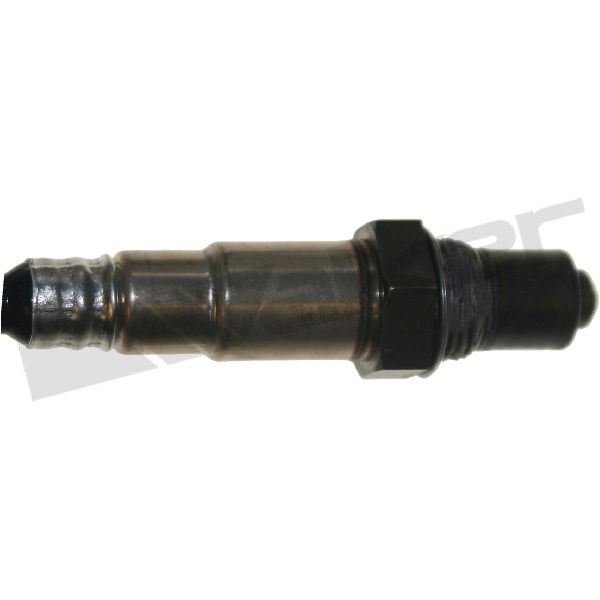
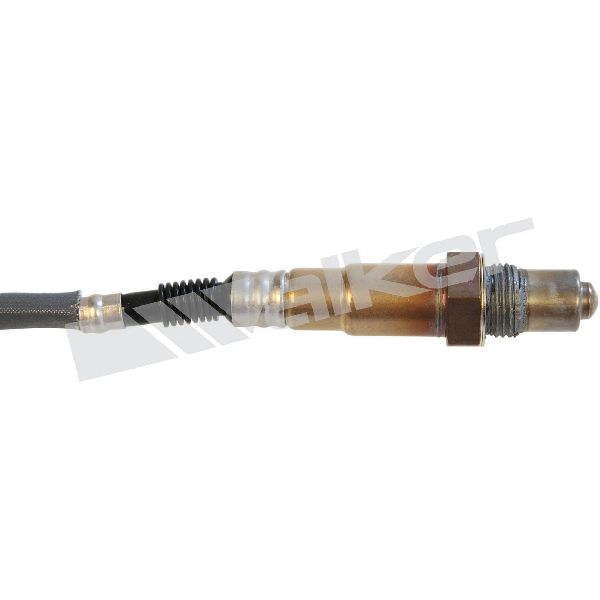
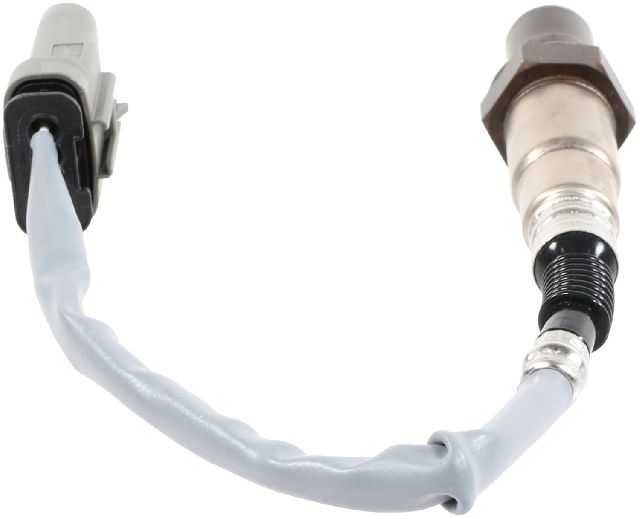
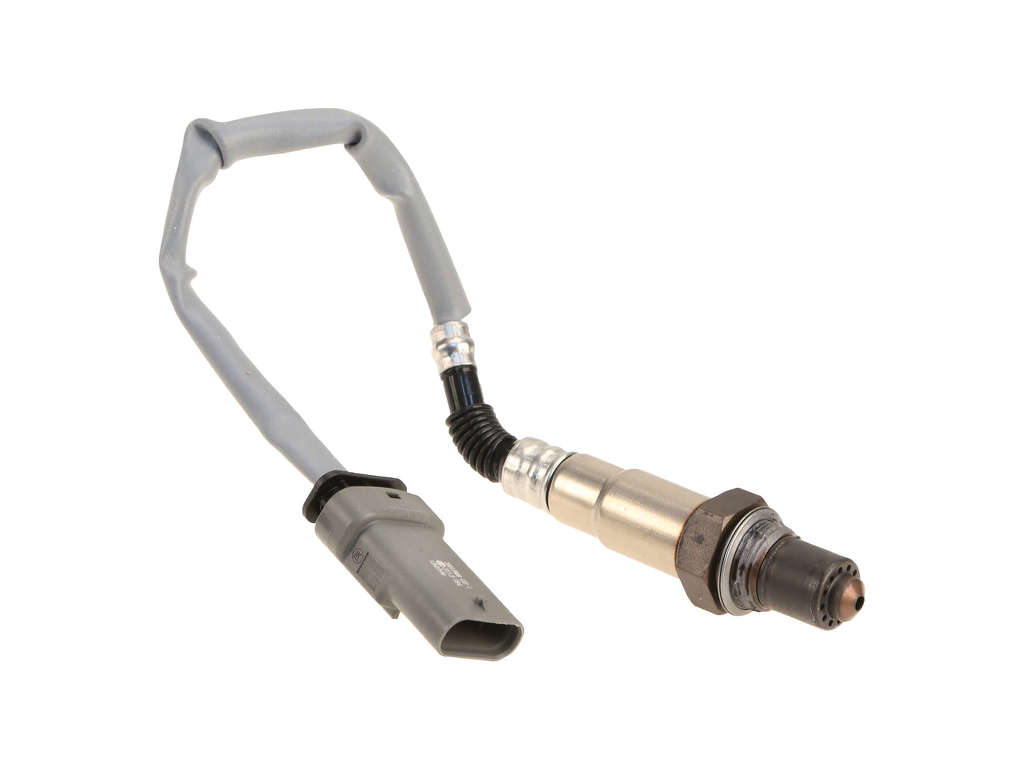
- Downstream Oxygen Sensor (Bank 1, Sensor 2)
(OEM #12701634)— This is the most common failure point for code P0138. It is a standard maintenance part that wears out over time. The sensor is a 4-wire, heated type.
Trusted brands: ACDelco (GM Genuine), Denso, Bosch, NGK/NTK, Walker
OEM price range: $90-$120
Aftermarket price range: $40-$80
Related Codes That Often Appear With This One
- P0137 — O2 Sensor Circuit Low Voltage. If there is an intermittent short or wiring problem, the voltage could fluctuate between being too high (P0138) and too low (P0137).
- P0141 — O2 Sensor Heater Circuit Malfunction. This indicates a problem with the sensor's internal heater, which is a separate circuit within the same component. A sensor failing electrically can trigger both codes as the heater is required for the sensor to function correctly.
- P0172 — System Too Rich (Bank 1). This code indicates the engine is genuinely running rich, which would cause the downstream O2 sensor to correctly report a high voltage, triggering P0138 as a symptom of the larger problem.
- P0132 — O2 Sensor Circuit High Voltage (Sensor 1). Bulletin #19NA077 notes that P0132 and P0138 may set together, potentially causing hesitation from a stop or start/stop performance issues.
- P2271 — O2 Sensor Signal Stuck Rich. NHTSA ODI #11658828 reports an instance where P0138 and P2271 appeared intermittently together, indicating a persistent O2 sensor fault.
Technical Service Bulletins (TSBs) & Recalls
- MC-10219266-0001 / PIC5278H (similar platforms): Notes that difficult-to-find exhaust leaks can cause various O2 sensor and fuel trim codes, including P0138, and recommends a smoke test for diagnosis if the initial fix fails.
- Bulletin #19NA077: Provides information regarding a customer concern of hesitation from a stop and start/stop performance issues when DTC P0138 is set.
- Bulletin #PIT5336: Advises technicians that when P0138 is present, they should also check if the Emission 1 Fuse is open.
- Bulletin #PIP5123B: Recommends inspecting for a bent terminal on the X131 connector if P0138 is found alongside other O2 sensor circuit codes.
Platform-Specific Known Issues
- source — In a thread discussing a persistent P0138 code, a user noted that a bad upstream (Sensor 1) O2 sensor can sometimes cause the downstream sensor to read incorrectly and set a code, even if the downstream sensor itself is good. This highlights the importance of checking the behavior of both sensors on a scanner.
- source — A mechanic on r/AskMechanics advised a user with P0138 to check for a short in the wiring harness where it might have rubbed through and allowed the heater circuit voltage to contact the signal wire, causing a false high reading.
Mechanic-Grade Diagnostic Values
- Downstream O2 Sensor (B1S2) Heater Circuit Resistance — expected: 4.5 - 6.2 Ohms at room temperature.. Failure: An 'OL' or infinite resistance reading indicates a broken internal heater element. A reading outside the expected range suggests a faulty heater.
- PCM Voltage Reference Test at O2 Sensor Connector — expected: Should be near 0.45V with key-on, engine-off.. Failure: A voltage reading significantly higher than 0.45V at the PCM's sensor interface connector can indicate an internal PCM regulator fault, even if the sensor and wiring are good.
Scan Tool Commands That Help
- GDS2 / Professional Scan Tool: PCM Self-Diagnostic Routine — If an internal PCM fault is suspected after ruling out the sensor and wiring, some OEM-level scan tools can initiate a PCM self-test. Failure codes related to the sensor interface board or internal voltage regulator would confirm a module issue.
Wiring & Ground Locations
- G101 — On the lower front of the engine block.. This is a primary ground point for the Engine Control Module (ECM). A corroded or loose G101 can cause numerous erratic sensor readings, including a false P0138.
- G102 / G103 — G102 is located behind the alternator, and G103 is behind the starter motor.. These are additional engine block grounds. While less directly tied to the ECM than G101, ensuring all engine grounds are clean and tight is a critical step in diagnosing any persistent electronic fault.
- Downstream O2 Sensor Connector — On the exhaust pipe after the catalytic converter.. This is a 4-pin connector. Knowing the pin count is essential for ordering the correct replacement sensor or pigtail for wiring repairs. The four wires are typically for the heater power, heater ground, sensor signal, and sensor ground/low reference.
OEM Part Supersession History
12701634 (ACDelco GM Genuine)→N/A— N/A
Heads up: CRITICAL: Multiple sources indicate this OEM part requires programming and/or special setup procedures. This is highly unusual for an oxygen sensor and is a major trap for DIY and professional installers. Failure to perform the required setup procedure with a capable scan tool may result in the new sensor not working correctly and the P0138 code returning.
Model Year Variations Within This Range
- 2016-2022: While the Chevrolet Spark received a cosmetic facelift for the 2019 model year, the 1.4L LV7 engine and its associated emissions components remained unchanged across the entire 2016-2022 North American production run. Therefore, the causes, diagnostic procedures, and parts for a P0138 code are identical for all years in this range.
Diagnostic Flowchart
Other Known Issues on This Vehicle
Issues unrelated to this code that are worth knowing about as an owner of this generation:
- CVT Transmission Failure/Hesitation 🔴 High — Common complaint, particularly on earlier models of the generation. Can manifest as shuddering, hesitation from a stop, or complete failure. Some earlier models had warranty extensions (e.g., N192271110 for 2014-15 models), but the issue is still reported on 2016+ models. (Ref: PIP5521A (related code P2714))
- Throttle Body Failure 🟠 Medium — Can cause stalling at idle, rough idle, poor acceleration, and 'Reduced Engine Power' mode. Often due to carbon buildup or failure of the internal electronics.
- Excessive Oil Consumption 🟡 Low — Some owners report needing to add oil between changes. While less common on the 1.4L LV7 than some other GM engines, it has been noted in owner forums.
- Air Conditioning (A/C) System Failure 🟡 Low — Complaints exist of the A/C system failing at relatively low mileage, often due to refrigerant leaks or faulty compressors.
Used vs. New Parts: Buying Guide for This Vehicle
When a used part is the smart pick: For this specific repair, a used part from a junkyard is NEVER a smart choice. Oxygen sensors are a wear-and-tear item with a finite lifespan. The risk of purchasing a used sensor that is already failing or near the end of its service life is extremely high, making it a waste of time and money.
What to inspect on the donor part:
- Not applicable. Do not buy a used oxygen sensor.
OEM-only on this vehicle (don't cheap out):
- Oxygen Sensor - While not strictly 'OEM-only', the fact that the ACDelco GM Genuine part (12701634) may require a special programming/setup procedure makes it the most reliable choice. Using the OEM part eliminates potential compatibility variables that could arise with aftermarket sensors, especially if the programming step is required.
Aftermarket brands forum-validated for this vehicle:
- Denso
- Bosch
- NTK (NGK)
Real Owner Stories
Aggregated from forums and TSBs cited above. Mileages and costs reflect what owners reported in those sources.
2016-2022 Chevrolet Spark 1.4L
Symptoms: Engine light is on for DTC Oxygen sensor high circuit and stuck rich.
What fixed it: The technician found the HO2S circuit high voltage at sensor 2 and addressed the stuck rich condition.
Source hint: Auto Xperts owner report
2016-2022 Chevrolet Spark 1.4L
Symptoms: Persistent P0138 code where the sensor signal was receiving a false high reading.
What fixed it: Checked for a short in the wiring harness where it had rubbed through, allowing the heater circuit voltage to contact the signal wire.
Source hint: Reddit r/AskMechanics
2016-2022 Chevrolet Spark 1.4L
Symptoms: Downstream sensor reading incorrectly and setting a code despite the sensor itself being functional.
What fixed it: Identified and replaced a bad upstream (Sensor 1) O2 sensor which was causing the downstream sensor to misreport.
Source hint: Beretta.net forum thread
2016-2022 Chevrolet Spark 1.4L
Symptoms: Intermittent check engine light scans continued to indicate a problem with the O2 sensor with codes P0138 and P2271.
What fixed it: Owner reported the light continued to come on intermittently despite returning to the dealer for service.
Source hint: NHTSA ODI #11658828
Related OBD-II Codes
Frequently Asked Questions
Is there a TSB for the 2016-2022 Chevrolet Spark regarding exhaust leaks causing P0138?
What specific downstream oxygen sensor part is used in the Spark and its platform mates?
At what mileage does the O2 sensor typically fail on a Chevrolet Spark?
Can a problem with the upstream sensor cause a P0138 code on my Spark?
Could my Spark's P0138 code be caused by a wiring issue instead of a bad sensor?
Helpful Videos
We Have This Part in Stock


The information in this article is provided for general reference and educational purposes only. Vehicle specifications, procedures, and part compatibility can vary by production date, trim level, and region. Always consult your vehicle's factory service manual and verify part numbers before purchasing or performing repairs. Safety-critical components such as airbags, seat belts, and braking systems should be installed by a qualified professional.
- Chevrolet Spark:
- 🧭 Diagnostic Flowchart
- 🎬 Helpful Videos
- 🛍️ Shop This Part
- What's Unique About the 2016-2022 Chevrolet Spark
- Symptoms You May Notice
- Most Likely Causes
- Rare But Worth Checking
- Diagnosis Steps
- Parts You'll Likely Need
- Related Codes That Often Appear With This One
- Technical Service Bulletins (TSBs) & Recalls
- Platform-Specific Known Issues
- Mechanic-Grade Diagnostic Values
- Scan Tool Commands That Help
- Wiring & Ground Locations
- OEM Part Supersession History
- Model Year Variations Within This Range
- Other Known Issues on This Vehicle
- Used vs. New Parts: Buying Guide for This Vehicle
- Real Owner Stories
- 2016-2022 Chevrolet Spark 1.4L
- 2016-2022 Chevrolet Spark 1.4L
- 2016-2022 Chevrolet Spark 1.4L
- 2016-2022 Chevrolet Spark 1.4L
- Related OBD-II Codes
- Frequently Asked Questions
- 🎟️ Get 5% Off