

P0138 on 2003-2005 Dodge Neon SRT-4: Downstream O2 Sensor High Voltage Causes and Fixes
On a 2003-2005 Neon SRT-4, P0138 almost always means the downstream (post-catalyst) oxygen sensor has failed or its wiring is damaged. If the car has an aftermarket exhaust, the code is likely a side effect of the modification. The most common fix is replacing the sensor, which costs about $40-$80 for an aftermarket part and is a simple DIY job. For modified cars, an O2 sensor spacer is a frequent solution.
- P0138 points to the downstream O2 sensor (after the catalytic converter) or its wiring.
- The most likely fix for a stock SRT-4 is replacing the downstream O2 sensor.
- If your SRT-4 has an aftermarket exhaust, this code is a very common side effect, often addressed with an O2 sensor spacer (non-fouler) rather than a new sensor.
- Before buying parts, check your exhaust to see if it's stock or aftermarket, and inspect the sensor wiring for obvious damage.
- This is a DIY-friendly repair; the sensor is accessible on the exhaust underneath the car.
What's Unique About the 2003-2005 Dodge Neon SRT-4
The Neon SRT-4 is a popular platform for modification, especially exhaust upgrades. Many owners install aftermarket downpipes with a high-flow catalytic converter or no converter at all. These changes alter the exhaust gas composition, often causing the downstream O2 sensor to send a high voltage signal that the stock engine computer interprets as a fault, triggering a P0138 code even with a perfectly good sensor. As a result, a common workaround in the SRT-4 community is to install a spacer, known as a 'non-fouler,' to pull the sensor out of the direct exhaust stream. J-style spacers, like the Vibrant Performance 11619, are particularly popular as they offer more clearance and often include interchangeable jets to fine-tune the amount of exhaust gas the sensor sees.
Symptoms You May Notice
- Check Engine Light is on
- Poor fuel economy
- Rough idle
- Noticeable smell of gasoline from the exhaust (running rich)
- Failed emissions inspection
- Black soot on the tailpipe
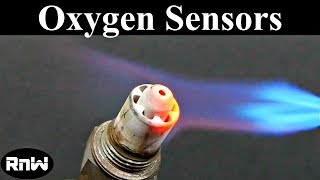
- Replacing the upstream (pre-catalyst) O2 sensor. P0138 specifically refers to Sensor 2 🎬 Watch: This guide explains P0138 causes and how to fix them., the downstream sensor.
- Replacing the catalytic converter. While the sensor monitors the converter, a P0138 code points to a problem with the sensor's circuit, not necessarily the converter itself. A failing converter typically sets a P0420 code.
Most Likely Causes
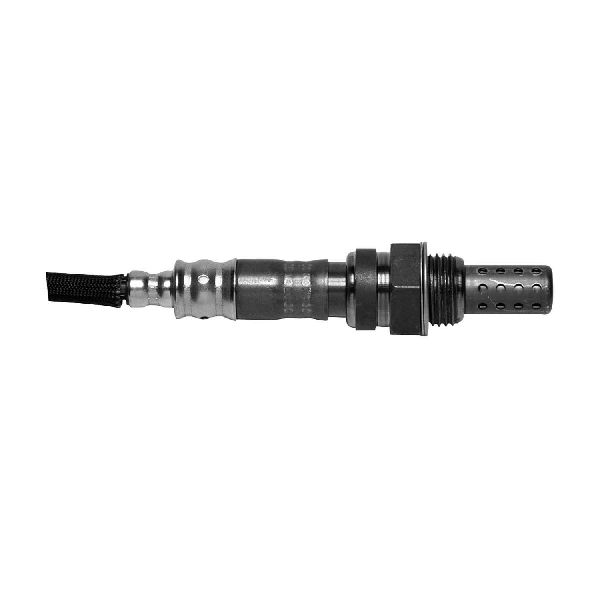
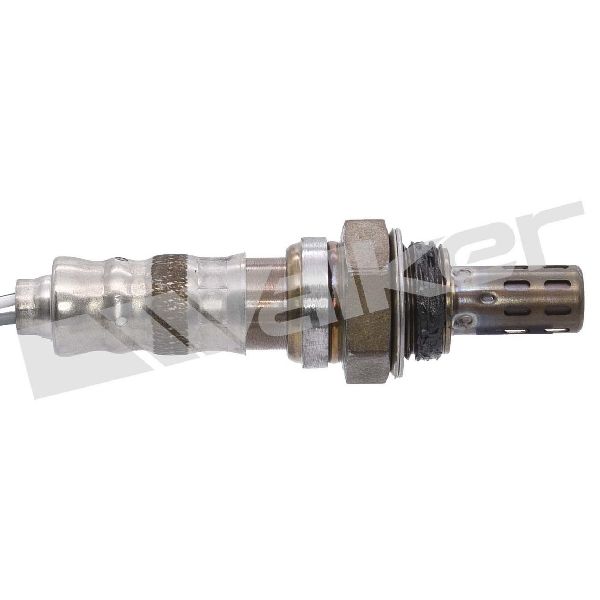
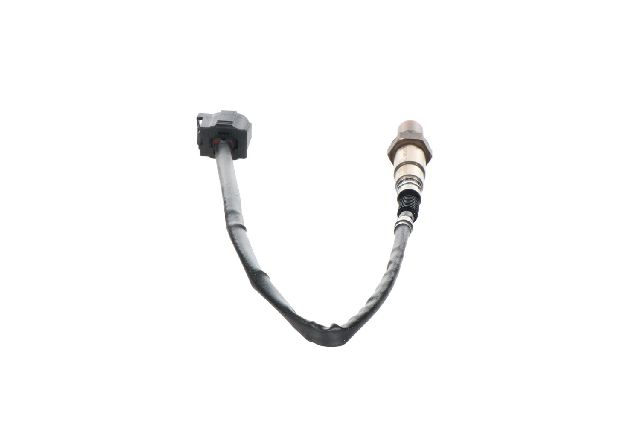
- Faulty Downstream Oxygen Sensor 🔴 High Probability → Shop Oxygen Sensor The sensor is a wear item and fails over time due to constant exposure to high-temperature exhaust gases and contaminants. They are designed to be replaced and are a very common failure point for this code.
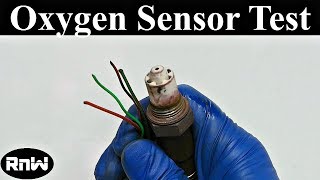
How to confirm: Using an OBD-II scanner with live data, observe the Bank 1 Sensor 2 voltage. If it is stuck high (e.g., >0.9V) and does not fluctuate on a warm engine, the sensor is likely bad. You can also test the sensor's internal heater circuit resistance with a multimeter; an open circuit or a reading outside of the typical 8-10 ohm range 🎬 Learn how to test O2 sensor wires and signals with a multimeter. indicates a failed heater, which can cause incorrect readings.
Typical fix: Replace the downstream (post-catalyst) oxygen sensor. This requires an O2 sensor socket (typically 22mm or 7/8") and penetrating oil is highly recommended as the sensor is often seized in the exhaust pipe.
Est. part cost: $40 - $110 - Aftermarket Exhaust or Downpipe 🔴 High Probability Very common modification for this platform. High-flow or catless downpipes change exhaust readings and frequently trigger this code on a stock ECU tune. This is especially true with Mopar Stage 2/3 kits or 3" aftermarket exhaust systems.
How to confirm: Visually inspect the exhaust system. If it has a different brand name (e.g., Borla, Magnaflow, AGP) or appears to be larger diameter stainless steel, it is likely aftermarket. The presence of a small, high-flow catalytic converter or a straight pipe where the converter should be is a key indicator.
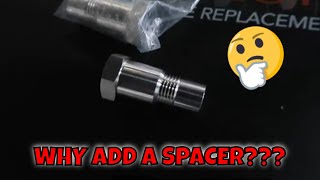
Typical fix: Install a spark plug non-fouler or a dedicated O2 sensor spacer on the downstream sensor to pull it slightly out of the exhaust stream. A J-style spacer (like Vibrant 11619) is preferred for clearance. 🎬 See how to install an O2 sensor spacer on your exhaust. This is intended for off-road use. The alternative is to get a custom ECU tune that accounts for the aftermarket parts or use a code scrubber device if running a Mopar Stage 2/3 tune.
Est. part cost: $10 - $40 - Damaged O2 Sensor Wiring or Connector 🟡 Medium Probability → Shop Oxygen Sensor The wiring harness runs under the car near the hot exhaust and is susceptible to melting, corrosion, or physical damage from road debris. The harness can sometimes rub against the axles or chassis components, causing a short to power which will peg the voltage high.
How to confirm: Visually inspect the entire length of the wiring leading to the downstream O2 sensor. Look for any melted insulation, frayed wires, or corrosion in the connector. Pay close attention to where the harness passes near the exhaust pipe and moving suspension/axle components. Check for a short to power using a multimeter on the signal wire.
Typical fix: Repair the damaged section of the wiring harness or clean/replace the connector. Use high-temperature wire loom to protect the repair.
Est. part cost: $5 - $50
Rare But Worth Checking
- Engine Running Rich: A rich condition (too much fuel) will cause a legitimately high voltage reading from the O2 sensor. This could be due to leaking fuel injectors, a faulty fuel pressure regulator, or a bad MAP sensor. This is less common than a sensor or wiring failure but should be investigated if new sensors don't fix the code on a stock vehicle.
- Exhaust Leak: A significant leak in the exhaust system *before* the downstream O2 sensor can introduce outside air. While this often causes a lean code, in some circumstances, it can disrupt the sensor's proper operation and potentially lead to a high voltage reading or other erratic behavior. Check for soot marks or listen for hissing sounds around exhaust flanges and gaskets.
- Faulty Powertrain Control Module (PCM): In very rare cases, the PCM itself can be the source of the problem, such as a failed driver circuit for the O2 sensor. This should only be considered after all other possibilities, including wiring shorts, have been exhaustively ruled out by a professional. On the SRT-4, wiring issues are far more common than actual PCM failure.
Diagnosis Steps
- Connect an OBD-II scanner and confirm P0138 is the active code. Check for any other codes that might indicate a rich condition (e.g., fuel trim codes). Use the key cycle method (On-Off-On-Off-On) to display codes on the odometer as a quick check.
- Observe the live data stream for the Bank 1 Sensor 2 (B1S2) O2 sensor. On a fully warmed-up engine, a healthy downstream sensor should show a relatively steady, lazy voltage, typically between 0.5V and 0.8V. If it is stuck above 0.9V, a problem is confirmed.
- Visually inspect the exhaust system. Is it stock or aftermarket? If aftermarket, a sensor spacer (non-fouler) may be the most appropriate solution. Look for brands like AGP, Mopar Performance, Borla, etc.
- If the exhaust is stock, perform a thorough visual inspection of the downstream O2 sensor's wiring harness and connector. Follow the harness from the sensor to the chassis and look for any signs of melting, chafing, corrosion, or rubbing against the axle.
- If wiring appears intact, test for a short-to-power on the signal wire. With the key on and engine off, disconnect the sensor and probe the signal wire terminal in the harness-side connector. It should read near 0V. If it reads 5V or 12V, there is a short in the harness that must be found.
- If the wiring tests good, the most likely culprit is the sensor itself. Test the sensor's heater circuit resistance (typically 8-10 ohms when cold) and signal with a multimeter if desired, or proceed with replacement.
- If a new sensor does not resolve the issue on a stock exhaust, investigate potential causes of a rich fuel condition, such as leaking injectors or incorrect fuel pressure.
- After any repair, clear the codes with the scanner and perform a drive cycle, including highway and city driving, to ensure the code does not return.
Parts You'll Likely Need
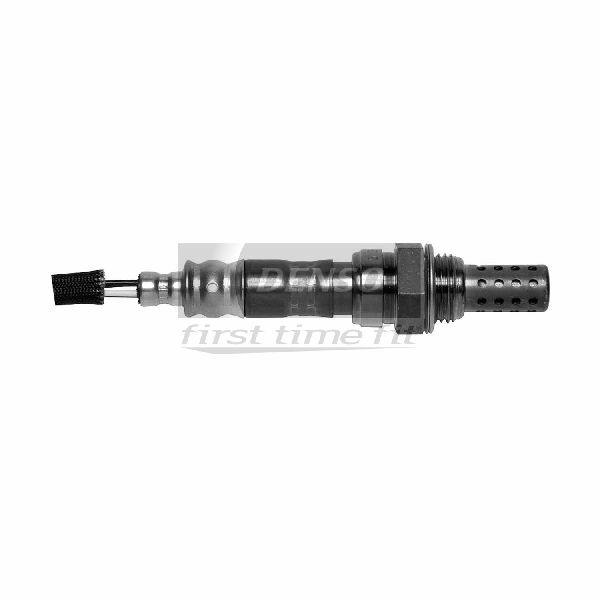
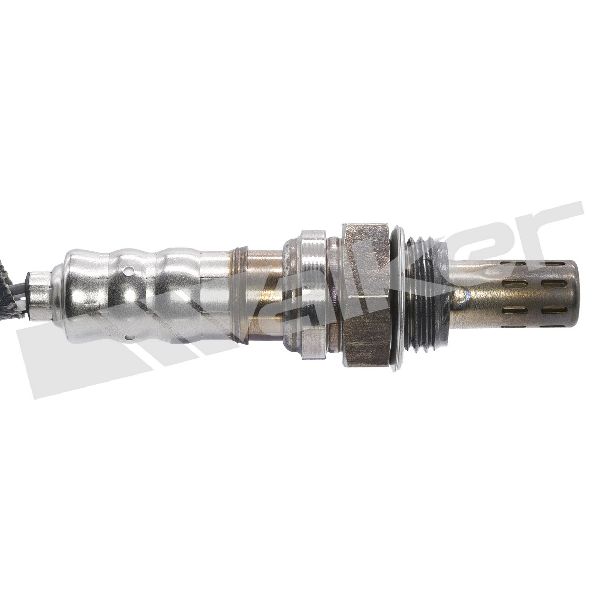
- Downstream Oxygen Sensor
(OEM #56029049AA)— This is the most common failure point for code P0138. It is a standard wear-and-tear component.
Trusted brands: Mopar, NTK, Denso, Bosch
OEM price range: $90-$120
Aftermarket price range: $40-$80 - O2 Sensor Spacer / Non-Fouler — Often required to prevent P0138 when an aftermarket high-flow or catless downpipe is installed.
Trusted brands: Vibrant Performance, Blox Racing, Generic Spark Plug Non-Foulers
Aftermarket price range: $10-$40
Technical Service Bulletins (TSBs) & Recalls
- TSB Bulletin #25-002-14: While issued for other models in the manufacturer's lineup, this bulletin explicitly identifies P0138 as a condition where the 1/2 O2 sensor is shorted to voltage.
- TSB Bulletin #25-003-13: This manufacturer service bulletin notes that P0138 indicates the 1/2 O2 sensor is shorted to voltage, distinguishing it from P0137 which indicates a short to ground.
- TSB Bulletin #25-004-12: Official documentation confirms that P0138 is triggered when the downstream (1/2) O2 sensor circuit experiences a short to voltage.
Platform-Specific Known Issues
- Owner Experience: Aftermarket Downpipe: An owner on srtforums.com installed a 3" catless downpipe and immediately got a P0138 code. After confirming the sensor was new and wiring was good, they installed a two-part spark plug non-fouler spacer on the downstream O2 sensor. This pulled the sensor out of the direct exhaust flow, fooling it into seeing a 'cleaner' reading. The code was cleared and did not return. This is a very common story for modified SRT-4s.
- Owner Experience: Melted Wiring: A user on a Dodge forum reported a persistent P0138 even after replacing the sensor twice. Upon closer inspection, they found the wiring harness for the downstream sensor had sagged and made contact with the hot exhaust pipe, melting the insulation and causing the signal wire to short to the heater circuit's power or ground, resulting in a fixed high voltage reading. Repairing the melted section of the harness and securing it away from the exhaust fixed the issue.
Mechanic-Grade Diagnostic Values
- Downstream O2 Sensor Heater Circuit Resistance — expected: 8-10 Ohms when cold.. Failure: An open circuit (infinite resistance) or a reading significantly outside the 8-10 Ohm range indicates a failed heater element.
- Downstream O2 Sensor Signal Wire Voltage (KOEO) — expected: Near 0V. Failure: If the voltage is stuck at 5V or 12V with the sensor disconnected, it indicates a short to power in the wiring harness between the sensor connector and the PCM.
- Downstream O2 Sensor Signal Voltage (Engine Warm, Idle) — expected: Relatively steady voltage between 0.5V and 0.8V.. Failure: Voltage is stuck consistently above 0.9V.
Wiring & Ground Locations
- Downstream O2 Sensor Connector (C106) — Underneath the vehicle, on the exhaust downpipe after the catalytic converter. The harness runs up the firewall.. This is the primary connection point to test the sensor and the harness. It is exposed to road debris and heat, making it a common point of failure.
- PCM Connector C1 (Black) — In the engine bay on the driver's side, under the stock airbox location.. The downstream O2 sensor signal wire terminates here. A wiring diagram shows the O2 1/2 Signal wire is on Pin 29 of this connector. Testing for continuity or shorts may require accessing this pin.
- Engine/Chassis Grounds — Key grounds include a strap from the strut tower to the cylinder head, another to the top of the engine mount, and a critical ground on the back of the head for the ignition system. Aftermarket grounding kits are common, indicating factory grounds can be insufficient.. A poor ground connection for the PCM or the sensor circuit itself can cause floating voltages and incorrect readings, potentially triggering a P0138 code.
Real Owner Repair Stories
- SRTForums.com user reports (paraphrased common scenario) (2004 Dodge Neon SRT-4) — P0138 code immediately after installing a 3-inch catless downpipe.
❌ Tried (didn't work) Replacing the downstream O2 sensor with a new one., Clearing the code (it returned immediately).
✅ What actually fixed it Installing a 90-degree (J-style) O2 sensor spacer on the downstream sensor bung. This pulled the sensor tip out of the direct exhaust flow, lowering its reading back into the expected range and preventing the CEL from returning. - Dodge-Forum.com user reports (paraphrased common scenario) (2005 Dodge Neon SRT-4) — Persistent P0138 code, rough idle, and smell of fuel. Voltage on scan tool was stuck at 1.2V.
❌ Tried (didn't work) Replacing the downstream O2 sensor twice (once with Bosch, once with NTK)., Checking for exhaust leaks.
✅ What actually fixed it A detailed visual inspection of the wiring harness revealed that the loom had sagged and rested on the axle. The axle's rotation had worn through the loom and the insulation on the O2 sensor wires, causing the signal wire to short against another wire in the bundle. Repairing the damaged wires and securing the harness away from the axle with zip ties permanently resolved the code.
OEM Part Supersession History
56029049AA→56029049AA (no supersession found)— Part number appears to be stable.
Heads up: This part number is used across a wide variety of Chrysler/Dodge/Jeep vehicles, for both upstream and downstream positions. It is critical to ensure you are purchasing the sensor for the correct location (Bank 1, Sensor 2) for your SRT-4, as box labeling can be generic.
Model Year Variations Within This Range
- 2003 vs 2004-2005: The PCM is different between 2003 and 2004/2005 models. A 2004-2005 PCM can be used in a 2003 model, but a 2003 PCM can only be used in a 2003. This is critical if the PCM is condemned, as the wrong year will not work due to security (SKIM) and other programming differences.
Diagnostic Flowchart
Other Known Issues on This Vehicle
Issues unrelated to this code that are worth knowing about as an owner of this generation:
- Weak 3rd Gear Synchronizer 🟠 Medium — Common, especially on cars that are driven hard or have clutch adjustment issues. Can occur at any mileage but more prevalent over 50k miles.
- Clutch Fork & Pivot Ball Wear 🔴 High — Very common wear item. Becomes a significant issue after 50,000-100,000 miles, leading to shifting problems.
- OEM Motor Mount Failure 🔴 High — Extremely common. The rubber in the stock mounts, particularly the upper passenger side mount, tears and fails, causing excessive engine movement.
- Shift Selector Breakage 🟠 Medium — Can happen under hard shifting, especially on modified cars. Not as common as mount or synchro issues but a known failure point.
- Inaccurate Fuel Gauge 🟡 Low — A common annoyance reported by many owners across various model years.
Used vs. New Parts: Buying Guide for This Vehicle
When a used part is the smart pick: For this repair, buying used parts is generally not recommended. The primary failure item, the oxygen sensor, is a wear component with a finite lifespan. A used sensor has unknown life remaining and is a poor value. A used wiring harness or connector pigtail from a junkyard can be a good option if your original is physically damaged or melted, as new harnesses can be expensive or discontinued.
Donor-vehicle mileage cap: roughly under 80000 miles for the part to have meaningful remaining life.
What to inspect on the donor part:
- For a wiring harness: Inspect for any signs of melting, brittleness, or previous repairs.
- Check that connector locking tabs are intact and not broken.
- Ensure the donor car does not show signs of fire or major fluid leaks in the area of the harness.
- Avoid harnesses from rust-belt cars if possible, as corrosion can hide in connectors.
OEM-only on this vehicle (don't cheap out):
- Powertrain Control Module (PCM) - While not an OEM-only part in the strictest sense, replacing a PCM requires VIN programming. Using a used, non-reflashed PCM from another car will result in a no-start condition due to the SKIM security system.
Aftermarket brands forum-validated for this vehicle:
- NTK (for O2 Sensors) - Widely regarded as the best aftermarket option, often considered OEM-equivalent quality for this platform.
- Denso (for O2 Sensors) - Also a well-regarded, high-quality option.
- Vibrant Performance (for O2 Spacers) - The go-to brand for J-style spacers that are known to work well on modified SRT-4s.
Brands owners have reported issues with on this vehicle:
- Bosch (for O2 Sensors) - While a major OEM supplier for many brands, some SRT-4 owners have reported premature failures or compatibility issues with aftermarket Bosch sensors compared to NTK or Denso.
- Unbranded/Generic eBay O2 Sensors - Often have high failure rates and may not provide accurate readings, leading to persistent codes or poor performance.
Real Owner Stories
Aggregated from forums and TSBs cited above. Mileages and costs reflect what owners reported in those sources.
2003-2005 Dodge Neon SRT-4 2.4L Turbo
Symptoms: Installed a 3" catless downpipe and immediately got a P0138 code.
What fixed it: Installed a two-part spark plug non-fouler spacer on the downstream O2 sensor to pull it out of the direct exhaust flow.
Source hint: srtforums.com - Numerous threads
2003-2005 Dodge Neon SRT-4 2.4L Turbo
Symptoms: Persistent P0138 even after replacing the sensor twice; fixed high voltage reading.
What fixed it: Repairing the melted section of the wiring harness that had sagged and made contact with the hot exhaust pipe, then securing it away from the exhaust.
Source hint: dodgeforum.com - Discussions on this forum
Related OBD-II Codes
Frequently Asked Questions
I just installed a 3-inch catless downpipe on my SRT-4 and now I have a P0138 code. Is my sensor broken?
Can I check for this code without an OBD-II scanner on my 2003-2005 Neon SRT-4?
My SRT-4 has a Mopar Stage 2/3 kit and is throwing P0138. What should I do?
I've replaced the downstream O2 sensor twice but the P0138 code keeps coming back. What else could it be?
What is the correct resistance for the downstream O2 sensor heater circuit on this 2.4L Turbo engine?
Does the Chrysler PT Cruiser GT share this same P0138 issue?
Helpful Videos
We Have This Part in Stock


The information in this article is provided for general reference and educational purposes only. Vehicle specifications, procedures, and part compatibility can vary by production date, trim level, and region. Always consult your vehicle's factory service manual and verify part numbers before purchasing or performing repairs. Safety-critical components such as airbags, seat belts, and braking systems should be installed by a qualified professional.
- Dodge Neon SRT-4:
- 🧭 Diagnostic Flowchart
- 🎬 Helpful Videos
- 🛍️ Shop This Part
- What's Unique About the 2003-2005 Dodge Neon SRT-4
- Symptoms You May Notice
- Most Likely Causes
- Rare But Worth Checking
- Diagnosis Steps
- Parts You'll Likely Need
- Technical Service Bulletins (TSBs) & Recalls
- Platform-Specific Known Issues
- Mechanic-Grade Diagnostic Values
- Wiring & Ground Locations
- Real Owner Repair Stories
- OEM Part Supersession History
- Model Year Variations Within This Range
- Other Known Issues on This Vehicle
- Used vs. New Parts: Buying Guide for This Vehicle
- Real Owner Stories
- 2003-2005 Dodge Neon SRT-4 2.4L Turbo
- 2003-2005 Dodge Neon SRT-4 2.4L Turbo
- Related OBD-II Codes
- Frequently Asked Questions
- 🎟️ Get 5% Off