

P0138 on 2013-2017 GMC Terrain 3.6L V6: High Voltage O2 Sensor Causes and Fixes
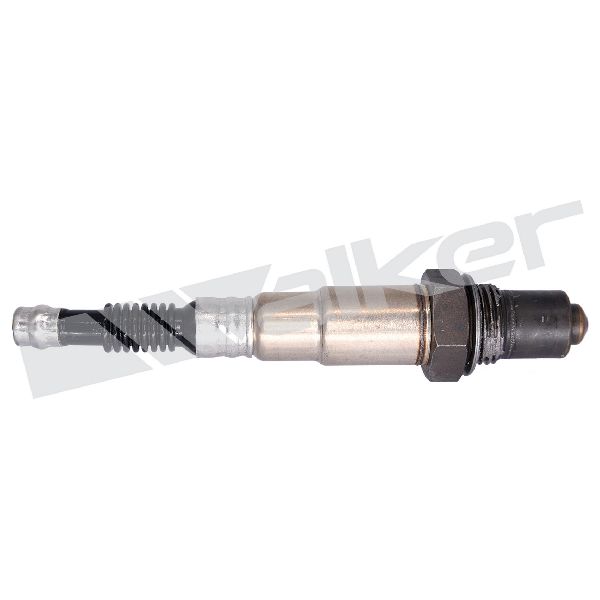
For a 2013-2017 GMC Terrain with the 3.6L V6 engine, code P0138 almost always points to a failed downstream oxygen sensor (Bank 1, Sensor 2). The most common fix is to replace this sensor. An aftermarket sensor costs around $40-$70, while an OEM part is about $90-$120. It's a straightforward DIY replacement for those with some experience.
- P0138 on your GMC Terrain 3.6L means the rear (firewall side) downstream (post-catalytic converter) oxygen sensor is sending a constant high voltage signal.
- The most likely cause, by far, is a failed oxygen sensor. This is a common wear-and-tear item.
- Before buying parts, inspect the sensor's wiring harness for any melting or damage, as it's located near hot exhaust components.
- This is a DIY-friendly repair for those comfortable working under the vehicle; a special O2 sensor socket is highly recommended.
What's Unique About the 2010-2017 GMC Terrain
The 3.6L LFX V6 engine was available in the GMC Terrain from 2013 to 2017, replacing the previous 3.0L V6. This engine uses a four-sensor setup (two upstream for air-fuel ratio and two downstream for catalyst monitoring). While P0138 is a standard code, on this platform it's overwhelmingly caused by the sensor itself failing due to age and exposure to heat cycles. There are no widespread, unique design flaws on the Terrain that cause this code, but like any vehicle, wiring damage from road debris or contact with the hot exhaust crossover pipe is a secondary possibility.
Symptoms You May Notice
- Check Engine Light is illuminated.
- Vehicle will fail an emissions test.
- Potential for slightly decreased fuel economy.
- Rough idling or engine hesitation.
- Strong exhaust odor due to a rich fuel mixture.
- Replacing the catalytic converter. A P0138 code is a sensor circuit fault, not a direct indication of a bad converter. A bad converter would typically set a P0420 code.
- Replacing the wrong oxygen sensor. The 3.6L V6 has four O2 sensors. Ensure you are replacing Bank 1, Sensor 2 (downstream, firewall side).
Most Likely Causes
- Failed Bank 1, Sensor 2 Oxygen Sensor 🔴 High Probability → Shop Oxygen Sensor Oxygen sensors are wear items that degrade over time due to extreme heat and contaminants in the exhaust. After 90,000-120,000 miles, their response can become sluggish or they can fail entirely, often getting stuck in a high-voltage state.
How to confirm: Use a scan tool to monitor the live data for the B1S2 O2 sensor. If the voltage is stuck high (e.g., >0.9V) and does not fluctuate, the sensor has likely failed. A visual inspection may show a white, fouled, or physically damaged sensor tip.
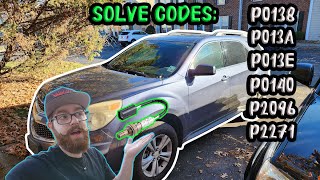
Typical fix: Replace the Bank 1, Sensor 2 oxygen sensor. 🎬 Watch: This walkthrough shows how to replace the downstream sensor. A specialized 22mm (or 7/8") O2 sensor socket is recommended for removal. Apply anti-seize compound to the threads of the new sensor if not pre-applied.
Est. part cost: $40-$120 - Damaged Wiring or Connector 🟡 Medium Probability The sensor wiring is routed under the vehicle and is exposed to road debris, moisture, and extreme heat from the exhaust system, which can cause wires to melt, fray, or break, leading to a short-to-power condition.
How to confirm: Visually inspect the entire wiring harness from the O2 sensor back to the main loom. Check for melted plastic, chafed insulation, or corrosion in the connector pins. Use a multimeter to check for a short to power on the signal wire. A wiring diagram for your specific vehicle is helpful for this.
Typical fix: Repair the damaged section of the wiring harness or replace the connector pigtail. Secure the harness away from the exhaust pipes.
Est. part cost: $10-$30 - Exhaust Leak ⚪ Low Probability While an exhaust leak before the sensor can affect readings, it's less likely to cause a sustained high voltage code and more likely to cause a low voltage or rationality code. However, leaks at manifold gaskets or pipe flanges can disrupt airflow.
How to confirm: Listen for ticking or hissing sounds from the exhaust system, especially when the engine is cold. Visually inspect the exhaust manifold, gaskets, and pipes for black soot trails, which indicate a leak. A smoke test can also pinpoint the source of a leak.
Typical fix: Replace the leaking gasket or repair the cracked pipe. This is less likely to cause a high voltage code but can disrupt sensor readings.
Est. part cost: $20-$200
Rare But Worth Checking
- Engine Running Excessively Rich: If the engine is running very rich (due to a leaking fuel injector, faulty fuel pressure regulator, or bad mass airflow sensor), it can consume all available oxygen, causing the downstream O2 sensor to read high voltage. This is a valid, though less common, cause. This condition would almost always be accompanied by other codes like P0172 (System Too Rich Bank 1) and likely affect both upstream and downstream sensors.
- Faulty Engine Control Module (ECM): This is extremely rare. The ECM's internal sensor circuit could fail, but all other possibilities, especially the sensor and wiring, should be exhausted before considering ECM replacement. A TSB for newer models (2018-2019) suggests a software update can sometimes be needed, but this is after physical causes are ruled out.
Diagnosis Steps
- Connect an OBD-II scanner and confirm the presence of the P0138 code. Note any other codes that may be present.
- View the live data stream for the Bank 1, Sensor 2 (B1S2) oxygen sensor. A normal, warm downstream sensor should show a relatively stable voltage, typically between 0.6V and 0.8V. If it is stuck at or above 0.9V, it confirms the high voltage condition.
- Perform a thorough visual inspection of the B1S2 oxygen sensor and its wiring harness. Look for any signs of melting, chafing, corrosion, or physical damage. The sensor is located on the exhaust pipe after the rear catalytic converter.
- If the wiring appears intact, test the sensor's heater circuit for proper resistance (typically 5-15 ohms for GM sensors).
- With the sensor disconnected, check the vehicle-side harness connector. Check for 12V on the heater power wire and a good ground on the heater ground wire with the key on.
- Check the signal wire for any short to a power source. With the key on and sensor disconnected, the signal wire should read a low reference voltage from the ECM.
- If the wiring and heater circuit test good, the oxygen sensor itself is the most probable cause of the fault.
- Replace the Bank 1, Sensor 2 oxygen sensor. Clear the code and perform a drive cycle to ensure the fault does not return.
Parts You'll Likely Need
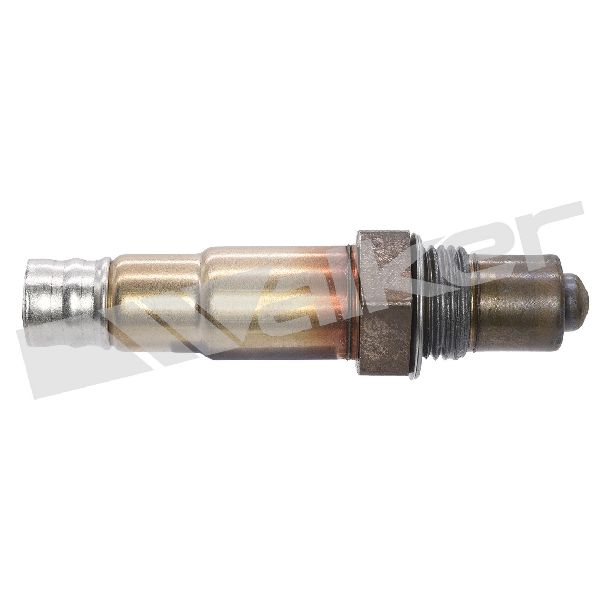
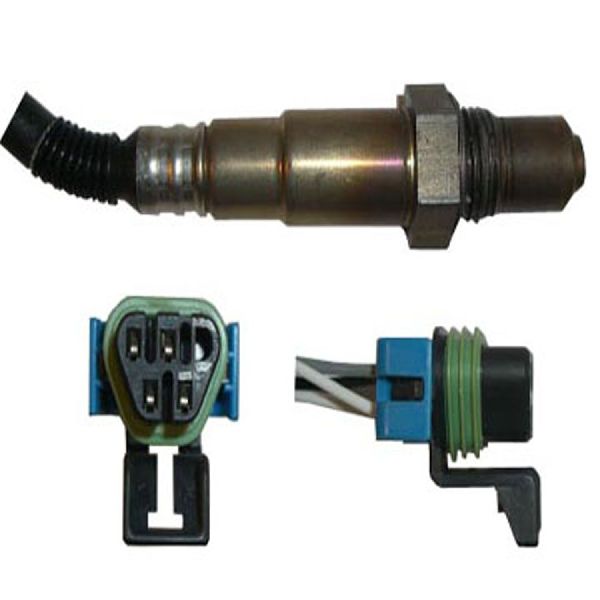
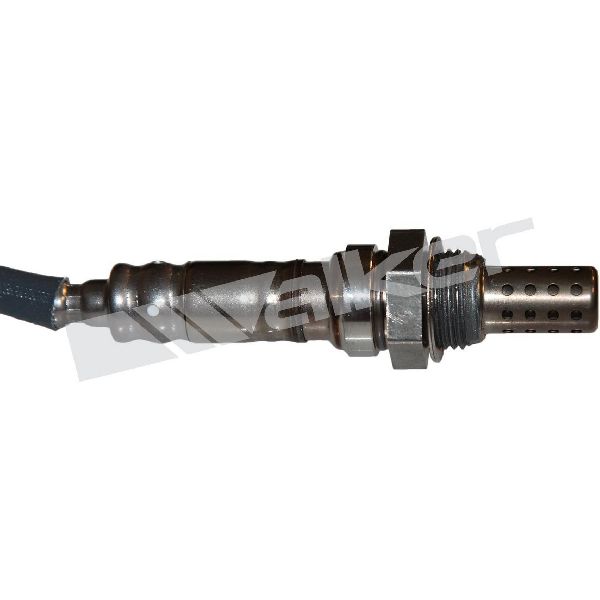
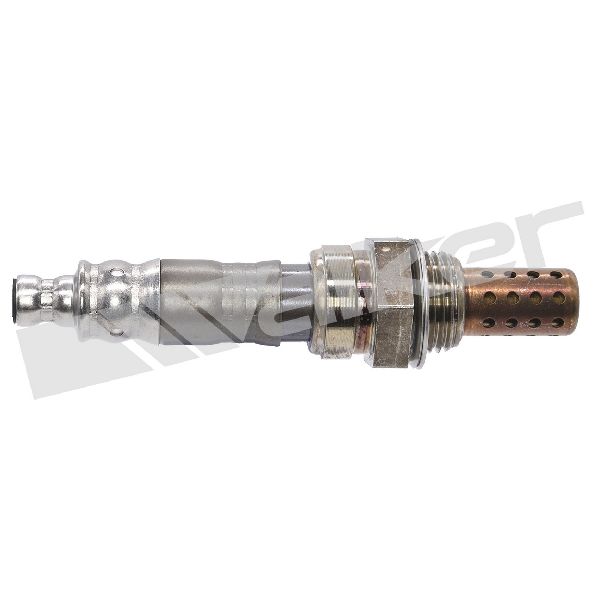
- Downstream Oxygen Sensor (Bank 1, Sensor 2)
(OEM #12639692 (Superseded by ACDelco 213-4533))— This is the most common failure point for a P0138 code. The sensor wears out over time and its ability to read oxygen content degrades, often resulting in a stuck high voltage reading.
Trusted brands: ACDelco (GM Original Equipment), Denso, Bosch, Walker
OEM price range: $90-$120
Aftermarket price range: $40-$70
Technical Service Bulletins (TSBs) & Recalls
- 19-NA-062: A TSB for newer 2018-2019 Equinox/Terrain models with the LYX engine mentions P0138 and suggests an ECM software update *after* diagnosing and repairing any physical causes. While not for this exact year range or engine, it indicates GM is aware of software logic related to this code and prioritizes physical diagnosis first.
- TSB Bulletin #19NA077: This manufacturer bulletin notes that a customer concern of hesitation from a stop or start/stop performance issues may be accompanied by the Malfunction Indicator Lamp (MIL) illuminating with DTC P0132 and/or P0138 set.
Platform-Specific Known Issues
- On the transverse 3.6L LFX, Bank 1 is the rear bank (closer to the firewall), which can make access to the upstream sensor difficult, but the downstream Sensor 2 is more accessible from underneath the vehicle.
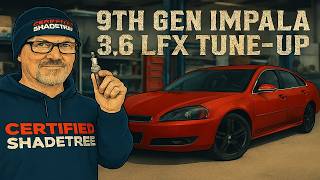
- A YouTube video documenting a full tune-up on a 3.6L LFX Impala shows the location of all four O2 sensors, confirming that Bank 1 Sensor 2 is on the rear exhaust pipe, after the catalytic converter. 🎬 See this video for a full 3.6L LFX sensor location guide.
Mechanic-Grade Diagnostic Values
- Downstream O2 Sensor (B1S2) Voltage - Live Data — expected: A relatively stable, lazy voltage drifting between 0.5V and 0.8V on a warm, running engine.. Failure: The PCM sets P0138 when the voltage is stuck high, typically above 0.9V or 1.1V, for an extended period.
- O2 Sensor Heater Circuit Resistance — expected: Between 5 and 15 Ohms when measured across the two heater wires (often same color) on a disconnected sensor.. Failure: A reading of OL (infinite resistance) or near 0 Ohms indicates a failed internal heater element, requiring sensor replacement.
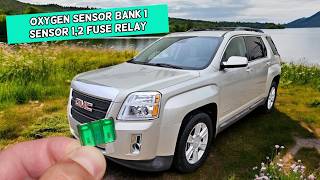
- Heater Circuit Power Supply Voltage (at harness connector) — expected: Approximately 12 Volts (battery voltage) with Key On, Engine Off.. Failure: Zero or low voltage points to a break in the power wire or a blown fuse, possibly labeled EMISSION 1 or 2, or specifically #41 for post-cat sensors 🎬 Watch: How to find the O2 sensor fuse and relay. in some GM fuse boxes.
- O2 Sensor Signal Wire Bias Voltage (KOEO) — expected: Approximately 450mV (0.45V) on the signal wire with the sensor disconnected and key on, engine off.. Failure: A reading of 0V or full battery voltage indicates a wiring issue between the connector and the ECM. A correct bias voltage reading helps confirm the ECM and wiring integrity.
Scan Tool Commands That Help
- GDS2 (GM Techline): HO2S Heater Command — This bidirectional command allows a technician to manually turn the O2 sensor heater on and off to monitor current draw. A healthy heater should draw between 0.3 and 1.5 Amps. Zero amps indicates an open circuit (bad heater, blown fuse, or broken wire).
Wiring & Ground Locations
- B1S2 Connector Pinout (Typical 4-Wire GM) — The connector for the Bank 1 Sensor 2, located on the exhaust pipe after the rear catalytic converter.. Knowing the pin functions is critical for testing. Typically includes: Heater Power (12V), Heater Ground, Signal Wire (variable voltage), and Signal Ground/Reference. Unplugging the sensor and testing for 450mV bias voltage on the signal wire pin (harness side) can quickly validate the circuit to the ECM.
- Underhood Fuse Block - EMISSION Fuse — Located in the engine compartment fuse block, often on the passenger side.. The O2 sensor heater circuits are powered by a dedicated fuse. On some GM platforms, this is fuse #41 for the post-catalytic converter sensors. A blown fuse will set a heater circuit code (like P0036) but can also be related to wiring shorts that may cause P0138.
Real Owner Repair Stories
- CorvetteForum user (2001 Chevrolet Corvette (similar GM O2 sensor diagnostics)) — Smelly, rich exhaust; scan tool showed B1S1 stuck lean (69mV) and B1S2 stuck rich (929mV).
❌ Tried (didn't work) Replaced all 4 O2 sensors with new Delphi sensors, which were also stuck lean., Replaced with Bosch sensors, which also gave incorrect readings.
✅ What actually fixed it Replacing all sensors with Denso brand sensors resolved the issue, with all readings returning to normal. The user concluded the Bosch and Delphi sensors were not compatible or were faulty out of the box.
OEM Part Supersession History
12639692→ACDelco 213-4768, ACDelco 213-4533— Standard part number updates and consolidation by GM/ACDelco.
Heads up: While Pass 2 listed 213-4533 as a supersession, 213-4768 is also a valid and commonly referenced service part number for this application. Both are considered OE replacements. Note that some parts vendors list this sensor for the 2.4L engine, but it is also used on the 3.6L LFX.
Diagnostic Flowchart
Other Known Issues on This Vehicle
Issues unrelated to this code that are worth knowing about as an owner of this generation:
- Stretched Timing Chains 🔴 High — A widely documented problem on the 3.6L V6 family (LLT and LFX), though improved on the LFX from 2013 onward. Often occurs after 100,000 miles, accelerated by extended oil change intervals. Symptoms include a rattling noise on cold startup and codes like P0008, P0016, P0017. (Ref: TSB #12-06-01-009F)
- Excessive Oil Consumption 🟠 Medium — The LFX engine is known to consume oil, with GM considering up to 1 quart per 2,000 miles as 'normal'. This can lead to low oil levels, which in turn can cause VVT system faults and accelerate timing chain wear if not monitored closely.
- Clogged/Frozen PCV Orifice 🟠 Medium — In cold climates, the PCV orifice in the intake manifold can clog with sludge or freeze. This leads to excessive crankcase pressure, which can blow out the rear main seal, causing a major oil leak. (Ref: GM Special Coverage 14882)
- Carbon Buildup on Intake Valves 🟠 Medium — As a direct-injection engine, the LFX is prone to carbon accumulation on the back of the intake valves over time. This is because fuel is injected directly into the cylinder, so it no longer washes the valves clean. This can lead to misfires, especially on cold starts. (Ref: Related TSBs like PIP5029D exist for misfire diagnosis.)
- Water Pump Failure 🟡 Low — Some owners report premature water pump failures, which can lead to overheating.
Used vs. New Parts: Buying Guide for This Vehicle
When a used part is the smart pick: Never. Oxygen sensors are wear items with a finite lifespan, similar to spark plugs or brake pads. A used sensor from a junkyard has an unknown history and remaining life, and could fail shortly after installation, wasting time and money. The cost of a new, reliable aftermarket sensor is low enough that buying used is not a logical choice.
What to inspect on the donor part:
- Not applicable as used sensors are not recommended.
OEM-only on this vehicle (don't cheap out):
- While not strictly 'OEM-only', sticking to the original equipment manufacturer (ACDelco) or the company that often makes the OE part (Denso) is highly recommended for GM oxygen sensors. This avoids compatibility issues.
Aftermarket brands forum-validated for this vehicle:
- ACDelco (GM Genuine)
- Denso
- NTK/NGK
Brands owners have reported issues with on this vehicle:
- Bosch: Multiple GM-centric forum discussions report issues with Bosch sensors on GM vehicles, citing incorrect readings, slow response, and premature failure right out of the box. While Bosch is a major OE supplier for many brands, community consensus suggests they are a risky choice for this specific GM application.
Real Owner Stories
Aggregated from forums and TSBs cited above. Mileages and costs reflect what owners reported in those sources.
2013 Chevy Equinox 3.6L LFX V6
Symptoms: Owner reported slow response O2 sensor performance issues.
What fixed it: Diagnosis of sensor performance related to codes P013a and P013b, which share underlying failure modes with P0138.
Source hint: Reddit r/MechanicAdvice
2012 Cadillac SRX 3.6L LFX V6 — ~100000 miles
Symptoms: Encountered a family of diagnostic trouble codes related to oxygen sensors and timing chain issues.
What fixed it: Replacement of oxygen sensors and monitoring for timing chain wear.
Source hint: Platform mate data for Cadillac SRX 3.6L LFX V6
Related OBD-II Codes
Frequently Asked Questions
Where is the Bank 1 Sensor 2 oxygen sensor located on my 3.6L LFX GMC Terrain?
Does TSB 19-NA-062 apply to my 2010-2017 GMC Terrain?
Can I use a used O2 sensor from a junkyard to fix P0138?
Could my P0138 code be related to the timing chain issues common on the 3.6L LFX?
What tools do I need to replace the B1S2 sensor on my Terrain?
Is there a specific coverage for PCV issues that might affect my engine's performance?
Helpful Videos
![How to Fix P0138 Engine Code in 3 Minutes [2 DIY Methods / Only $8.99]](https://img.youtube.com/vi/xhP3cILng74/mqdefault.jpg)
We Have This Part in Stock


The information in this article is provided for general reference and educational purposes only. Vehicle specifications, procedures, and part compatibility can vary by production date, trim level, and region. Always consult your vehicle's factory service manual and verify part numbers before purchasing or performing repairs. Safety-critical components such as airbags, seat belts, and braking systems should be installed by a qualified professional.
- GMC Terrain:
- 🧭 Diagnostic Flowchart
- 🎬 Helpful Videos
- 🛍️ Shop This Part
- What's Unique About the 2010-2017 GMC Terrain
- Symptoms You May Notice
- Most Likely Causes
- Rare But Worth Checking
- Diagnosis Steps
- Parts You'll Likely Need
- Technical Service Bulletins (TSBs) & Recalls
- Platform-Specific Known Issues
- Mechanic-Grade Diagnostic Values
- Scan Tool Commands That Help
- Wiring & Ground Locations
- Real Owner Repair Stories
- OEM Part Supersession History
- Other Known Issues on This Vehicle
- Used vs. New Parts: Buying Guide for This Vehicle
- Real Owner Stories
- 2013 Chevy Equinox 3.6L LFX V6
- 2012 Cadillac SRX 3.6L LFX V6 — ~100000 miles
- Related OBD-II Codes
- Frequently Asked Questions
- 🎟️ Get 5% Off