

P0138 on 2008-2012 Honda Accord: High Voltage O2 Sensor Causes and Fixes
This code almost always points to a failed downstream oxygen sensor (Bank 1, Sensor 2). Replacing this sensor is the most common fix. Expect to pay $45-$90 for an aftermarket sensor (Denso/NGK) or $120-$180 for an OEM part. It's a DIY-friendly job with the right O2 sensor socket, though the sensor can be seized and difficult to remove.
- P0138 on a 2008-2012 Accord almost always means you need a new downstream (post-catalytic converter) oxygen sensor.
- For the 2.4L engine, the OEM part is 36532-R40-A01 (Denso 234-4462); for the 3.5L V6 (rear bank), it's 36532-R72-A01 (Denso 234-4463).
- Before replacing the sensor, always perform a quick visual check of the wiring and connector for obvious damage and check the related fuse.
- This is a manageable DIY repair, but an O2 sensor socket (or a 22mm wrench) will make the job much easier, especially if the old sensor is rusted in place.
- Do not replace the catalytic converter to fix this code; the fault lies with the sensor or its circuit.
What's Unique About the 2008-2012 Honda Accord
For the 8th generation Honda Accord, this code is a very common and straightforward issue. Whether you have the 2.4L 4-cylinder or the 3.5L V6, the root cause is overwhelmingly a worn-out downstream O2 sensor. Honda has used Denso and NTK as original equipment suppliers for these sensors for years, and their aftermarket replacements are known to be reliable fixes. There are no widespread, tricky platform-specific issues like software glitches or unusual wiring failures that commonly cause this code, making diagnosis relatively simple.
Symptoms You May Notice
- Check Engine Light is on
- Decreased fuel economy
- Rough or unstable idle
- Failing a vehicle emissions test
- Strong exhaust odor due to a rich fuel mixture
- Replacing the wrong oxygen sensor. Many people mistakenly replace the upstream Air/Fuel Ratio sensor (Sensor 1) when P0138 specifically refers to the downstream sensor (Sensor 2).
- Replacing the catalytic converter. While a failing converter can cause other codes like P0420, it is not the direct cause of a P0138 high voltage code. The sensor itself or its circuit is the problem.
Most Likely Causes
- Failed Downstream Oxygen Sensor (Bank 1, Sensor 2) 🔴 High Probability → Shop Oxygen Sensor Oxygen sensors are wear-and-tear items that degrade over time from constant exposure to high-temperature exhaust gases. After 80,000-100,000 miles, failure is common.
How to confirm: After confirming the wiring is intact, the most definitive test is to watch the sensor's voltage on a live data scanner. A healthy downstream O2 sensor should show a relatively stable voltage. If it's stuck high (e.g., >0.9V) or not responding, it has likely failed. Given the high probability of sensor failure, many owners opt to replace it as the primary diagnostic step.
Typical fix: Replace the Bank 1, Sensor 2 oxygen sensor. For the 2.4L engine, this is the sensor located after the catalytic converter. For the 3.5L V6, Bank 1 is the cylinder bank closer to the firewall (rear bank).
Est. part cost: $45 - $180 - Damaged Wiring or Connector 🟡 Medium Probability The sensor wiring runs under the vehicle and is exposed to road debris, moisture, and heat, which can cause corrosion, chafing, or breaks over time. The harness can sometimes rub through on heat shields or the chassis.
How to confirm: Visually inspect the wiring harness leading to the O2 sensor for any signs of melting, cracking, or physical damage. Check the connector for corrosion or bent pins. Use a multimeter to check for continuity, ground, and proper reference voltage at the connector with the key on, engine off.
Typical fix: Repair the damaged section of the wire or replace the connector pigtail. Ensure the wiring is properly secured away from hot exhaust components.
Est. part cost: $10 - $40 - Engine Running Rich ⚪ Low Probability Not a platform-specific issue, but any condition causing excess fuel can trigger this code. This could be due to leaking fuel injectors or a faulty fuel pressure regulator.
How to confirm: Look for other trouble codes related to the fuel system (e.g., leaking fuel injectors, faulty fuel pressure regulator). An overly rich condition will cause the downstream O2 sensor to read high voltage as it detects a lack of oxygen in the exhaust.
Typical fix: Diagnose and repair the root cause of the rich condition, such as replacing a leaking fuel injector or faulty fuel pressure regulator.
Est. part cost: $50 - $500+
Rare But Worth Checking
- Exhaust Leak: An exhaust leak *before* the O2 sensor can sometimes, though less commonly for a high voltage code, skew sensor readings. It's always worth a quick inspection.
- Faulty Powertrain Control Module (PCM): This is extremely rare. Before condemning the PCM, all other possibilities (sensor, wiring, fuel system) must be exhaustively ruled out.
- Blown Fuse: The O2 sensor's heater circuit is protected by a fuse. If this fuse blows, it can sometimes cause erratic voltage readings, including a high voltage code. Check fuse #14 (15A) in the under-hood fuse box.
Diagnosis Steps
- Scan the vehicle's computer to confirm P0138 is the only code present. If other codes exist, address them first.
- Use a scan tool with live data to observe the voltage from 'Bank 1, Sensor 2'. A reading stuck above 0.9V confirms the PCM's reading.
- Perform a thorough visual inspection of the downstream O2 sensor's wiring harness and connector. Look for any signs of melting, corrosion, or physical damage.
- Check the fuse for the O2 sensor heater circuit, typically fuse #14 (a 15A fuse) located in the under-hood fuse box.
- If the wiring and fuse are good, the next step is to replace the sensor. This is the most likely culprit. Be prepared for a difficult removal; applying penetrating oil and warming up the exhaust can help. Some DIYers report that a standard 22mm wrench works better than a slotted O2 sensor socket if the sensor is seized, as the socket can spread open.
- Inspect the exhaust system for any obvious leaks between the engine and the downstream O2 sensor.
- If a new sensor and good wiring do not resolve the issue, investigate potential causes of a rich fuel condition, such as leaking injectors.
- After any repair, clear the code with the scan tool and perform a drive cycle to ensure the fix was successful.
Parts You'll Likely Need
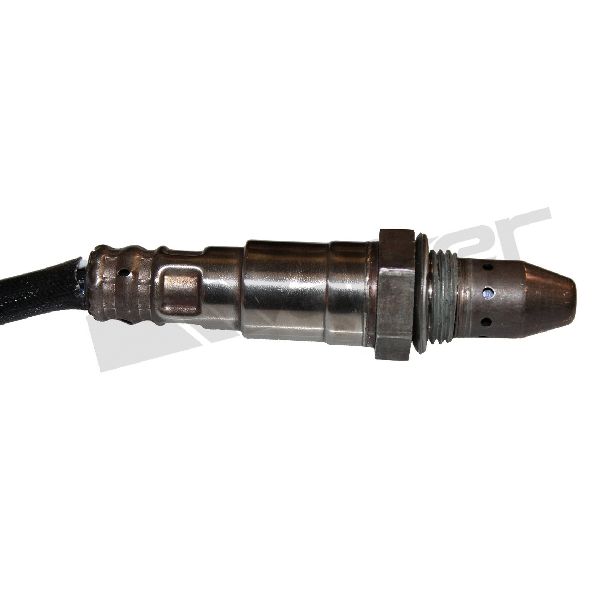
- Downstream Oxygen Sensor (2.4L 4-Cylinder)
(OEM #36532-R40-A01)— This is the Bank 1 Sensor 2 for the 4-cylinder engine and is the most common failure point for code P0138.
Trusted brands: Denso, NTK
OEM price range: $120-$180
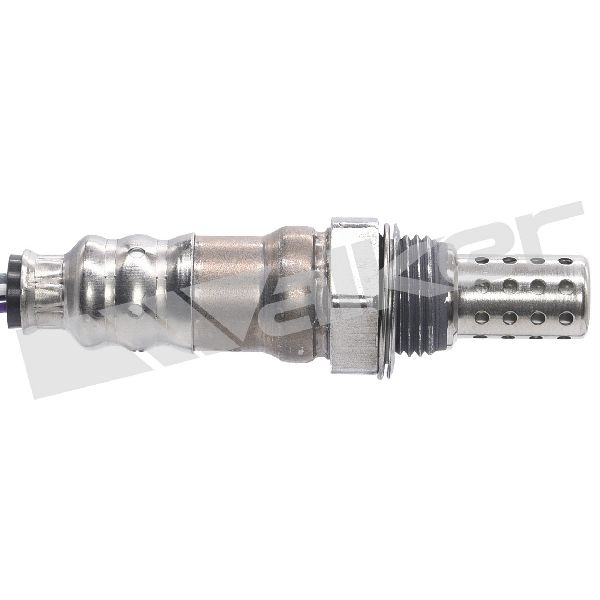
Aftermarket price range: $45-$80 - Downstream Oxygen Sensor (3.5L V6, Bank 1 - Rear)
(OEM #36532-R72-A01)— This is the Bank 1 Sensor 2 for the V6 engine (rear bank, near firewall) and is the most common failure point for this code on V6 models.
Trusted brands: Denso, NTK
OEM price range: $130-$200
Aftermarket price range: $50-$90
Technical Service Bulletins (TSBs) & Recalls
- Honda TSB 09-010: Addresses VTC actuator rattle on 2.4L engines.
- Honda TSB 11-033: Software update for VCM on 3.5L V6 to address issues leading to oil consumption.
- Honda TSB 12-087: Piston ring replacement for excessive oil consumption on V6 engines.
- Honda TSB 17-017 / 17-018: Addresses torque converter judder with software updates and fluid flushes.
Mechanic-Grade Diagnostic Values
- Secondary O2 Sensor (B1S2) Heater Circuit Resistance — expected: 10 - 40 Ω. Failure: A reading outside this range, or an open circuit (OL), indicates a faulty heater element within the sensor.
- PCM Fault Trigger Voltage Threshold — expected: The PCM logs P0138 if the sensor voltage remains above this level for a set time.. Failure: For many Hondas, this threshold is 1.1V or 1.27V.
- Live Data Voltage (B1S2) at Idle (Warm Engine) — expected: A relatively stable or slowly fluctuating voltage, typically between 0.1V and 0.9V.. Failure: A voltage that is stuck high (consistently above 0.9V) confirms the fault condition.
Hidden / Shadow Codes Worth Checking
- Mode $06 Data: Mode $06 provides raw data from the PCM's self-tests before a full-blown DTC is set. A technician can analyze the test values for the downstream O2 sensor (often labeled by a Test ID or TID) to see if it is borderline failing, even if the Check Engine Light isn't on yet. This can be useful for diagnosing intermittent issues or confirming a failing sensor. (see via A professional scan tool with Mode $06 capabilities, such as the Honda HDS, Autel, or Snap-on scanners.)
Scan Tool Commands That Help
- Honda HDS (Honda Diagnostic System): DTCs MENU / DATA LIST — The HDS is the dealer-level tool. A technician would use the DATA LIST to monitor the HO2S S2 (Secondary Heated O2 Sensor) voltage in real-time while holding the engine at 3,000 RPM to confirm the fault condition as per Honda's official troubleshooting procedure.
- Honda HDS (Honda Diagnostic System): ECM RESET / DTC CLEAR — After replacing the sensor or repairing a wire, the HDS is used to clear the P0138 code and reset the ECM's learned values. A drive cycle is then required to confirm the fix.
Wiring & Ground Locations
- Fuse #14 (Under-hood) — In the main fuse box in the engine compartment.. This 15A fuse provides power to the oxygen sensor heater circuit. While a blown fuse more commonly causes a heater circuit code, it can sometimes lead to erratic sensor voltage readings, including a P0138.
- B1S2 Connector (4-pin) — For the 2.4L engine, the connector is on a bracket on the passenger side, accessible from underneath. For the 3.5L V6, the Bank 1 (rear bank) sensor connector is near the firewall.. This is the primary point for electrical testing. The two same-colored wires (often black) are for the heater, while the other two are signal and ground. A short between the heater power wire and the signal wire within the harness is a known, though less common, cause of P0138.
Real Owner Repair Stories
- Reddit r/AskMechanics user (2009 Toyota Hiace 2.7L (Note: Different vehicle, but identical code and principle)) — Persistent P0138 code that a mechanic could not solve.
❌ Tried (didn't work) Unspecified mechanic diagnosis.
✅ What actually fixed it A verified mechanic suggested the root cause was likely a short to voltage in the wiring harness. Specifically, the harness had likely rubbed through, causing the 12V from the sensor's heater circuit to contact the signal wire, forcing the reading to a constant high voltage. The fix is to locate and repair the damaged section of the harness.
Diagnostic Flowchart
Other Known Issues on This Vehicle
Issues unrelated to this code that are worth knowing about as an owner of this generation:
- VTC Actuator Rattle at Cold Startup (2.4L L4) 🟠 Medium — Very common. A loud, brief rattle from the engine for ~2 seconds upon cold start. Can occur at various mileages. (Ref: Honda TSB 09-010.)
- Excessive Oil Consumption (3.5L V6) 🔴 High — Widespread issue affecting V6 models with Variable Cylinder Management (VCM). Piston rings can become fouled, leading to oil burning. Subject of a class-action lawsuit. (Ref: Honda TSB 11-033 (software update to alter VCM behavior) and TSB 12-087 (piston ring replacement).)
- Torque Converter Judder/Shudder (Automatic) 🟠 Medium — Commonly felt as a vibration or shudder when driving between 20-60 mph. Often caused by deteriorated automatic transmission fluid. (Ref: Honda TSB 17-017 and 17-018 describe software updates and a transmission fluid flush procedure to resolve the issue.)
- Premature Rear Brake Pad Wear 🟡 Low — Particularly common on 2008-2009 models, where rear brake pads could wear out in as little as 25,000-35,000 miles.
- Excessive Oil Consumption (2.4L L4) 🟠 Medium — While more famous on the V6, the 4-cylinder can also suffer from oil consumption due to sticking oil control rings. (Ref: Covered under the same class-action lawsuit settlement as the V6 models for some years.)
Used vs. New Parts: Buying Guide for This Vehicle
When a used part is the smart pick: For this specific repair, a used part is NEVER recommended. Oxygen sensors are wear items with a finite lifespan, similar to brake pads. A used sensor from a junkyard has unknown mileage and exposure to contaminants, making it highly likely to fail soon or be defective from the start.
What to inspect on the donor part:
- Not applicable; do not purchase used O2 sensors.
OEM-only on this vehicle (don't cheap out):
- While not strictly 'OEM-only', it is critical to use a high-quality part. Cheap, unbranded sensors from online marketplaces are notorious for failing quickly or being dead-on-arrival.
Aftermarket brands forum-validated for this vehicle:
- Denso
- NTK (NGK)
Brands owners have reported issues with on this vehicle:
- Generic or unbranded 'no-name' parts often sold on Amazon or eBay. While some may work, forum consensus strongly advises against them due to high failure rates and incorrect readings.
Real Owner Stories
Aggregated from forums and TSBs cited above. Mileages and costs reflect what owners reported in those sources.
1999 Honda Accord
Symptoms: The vehicle was throwing P1457 and P0138 codes simultaneously.
What fixed it: Replacing the rear O2 sensor. A helpful tip shared was to tighten the sensor slightly before attempting to loosen it to 'crack' the seal if it is seized.
Source hint: Reddit r/Cartalk: 1999 Honda Accord P1457 and P0138 Codes
2008-2012 Honda Accord
Symptoms: Freeze frame data showed a P0138 code with high voltage readings that the mechanic could not initially resolve.
What fixed it: Checking for a short in the wiring harness where the sensor's heater voltage might be contacting the signal line, causing a constant high voltage reading.
Source hint: Reddit r/AskMechanics: Code P0138. My mechanic cannot figure out the cause.
2008-2012 Honda Accord (8th Generation) — ~90000 miles
Symptoms: Check Engine Light on with code P0138.
What fixed it: Replacing the Bank 1 Sensor 2 O2 sensor using aftermarket parts from Denso or NTK.
Source hint: DriveAccord.net - Honda Accord Forums
Related OBD-II Codes
Frequently Asked Questions
Where is the Bank 1, Sensor 2 oxygen sensor located on my 2.4L Honda Accord?
I have a 3.5L V6 Accord; which side is Bank 1 for the P0138 code?
Is there a specific fuse I should check for the O2 sensor heater circuit on this model?
Does Honda TSB 11-033 or 12-087 relate to my P0138 code?
Can I use a standard wrench to remove the sensor if it's stuck?
Should I buy a used oxygen sensor from a salvage yard to save money?
Helpful Videos
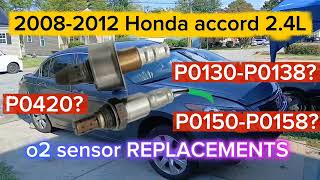
We Have This Part in Stock
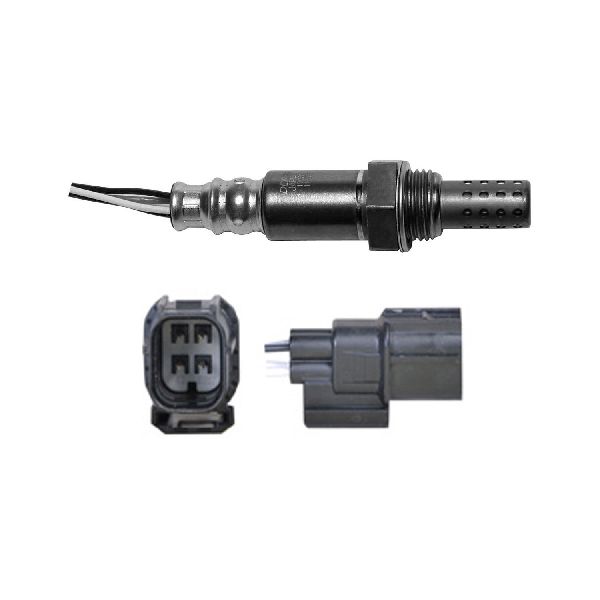
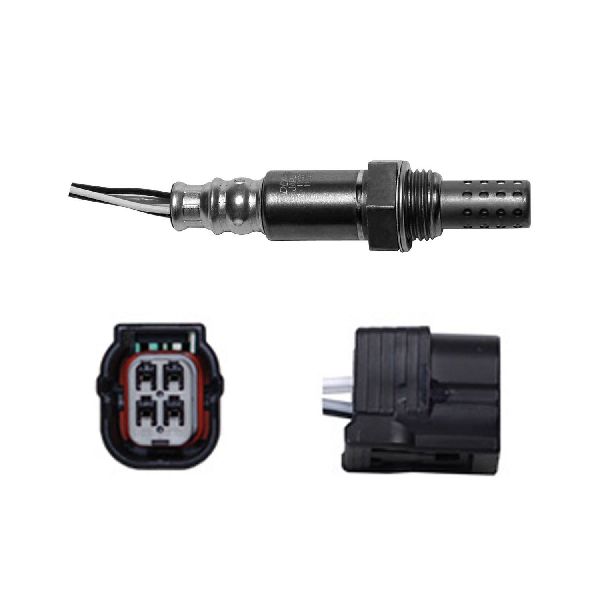

The information in this article is provided for general reference and educational purposes only. Vehicle specifications, procedures, and part compatibility can vary by production date, trim level, and region. Always consult your vehicle's factory service manual and verify part numbers before purchasing or performing repairs. Safety-critical components such as airbags, seat belts, and braking systems should be installed by a qualified professional.
- Honda Accord:
- 🧭 Diagnostic Flowchart
- 🎬 Helpful Videos
- 🛍️ Shop This Part
- What's Unique About the 2008-2012 Honda Accord
- Symptoms You May Notice
- Most Likely Causes
- Rare But Worth Checking
- Diagnosis Steps
- Parts You'll Likely Need
- Technical Service Bulletins (TSBs) & Recalls
- Mechanic-Grade Diagnostic Values
- Hidden / Shadow Codes Worth Checking
- Scan Tool Commands That Help
- Wiring & Ground Locations
- Real Owner Repair Stories
- Other Known Issues on This Vehicle
- Used vs. New Parts: Buying Guide for This Vehicle
- Real Owner Stories
- 1999 Honda Accord
- 2008-2012 Honda Accord
- 2008-2012 Honda Accord (8th Generation) — ~90000 miles
- Related OBD-II Codes
- Frequently Asked Questions
- 🎟️ Get 5% Off