

P0138 on 2011-2016 Honda CR-V: Downstream O2 Sensor High Voltage Causes and Fixes
This code almost always means the downstream oxygen sensor (Bank 1, Sensor 2) has failed. On a 2011-2016 CR-V, this is a common failure due to age. Replacing the sensor is a straightforward DIY job, with parts costing between $45 for aftermarket and $80 for an OEM-brand like Denso or Bosch. Ensure you buy the correct part number for your specific model year, as 2011 and 2012-2016 use different sensors.
- P0138 on a 2011-2016 CR-V points directly to a problem with the downstream oxygen sensor (Sensor 2).
- The most probable cause is a failed oxygen sensor, which is a common maintenance item.
- This is a DIY-friendly repair; the sensor is accessible on the exhaust underneath the vehicle, and an O2 sensor socket is recommended.
- Be aware that 2011 and 2012-2016 models are different generations. Always verify the correct part number for your specific year and engine before purchasing, with Honda P/N 36532-REZ-A01 for 2011 and 36532-R5A-305 for 2012-2013.
What's Unique About the 2011-2016 Honda CR-V
The Honda CR-V's 2.4L K-series engine is known for its reliability, but oxygen sensors are a common wear-and-tear item. For this vehicle range, the most important factor is the generational split. The 2011 model is the last of the 3rd generation, while 2012-2016 models are the 4th generation, which received engine updates. This means you must verify the correct O2 sensor part number for your specific year and engine code (K24Z6, K24Z7, or K24W9) to ensure compatibility. Using a generic or incorrect part can lead to the code returning.
Generation note: This range covers two CR-V generations. The 2011 model is the final year of the third generation (RE), while 2012-2016 models belong to the fourth generation (RM). They use different evolutions of the 2.4L K-series engine, so the downstream O2 sensor part number is different. Always verify the part with your vehicle's VIN or specific engine code. For example, the OEM part for a 2011 CR-V is 36532-REZ-A01, while the 2012-2014 model uses 36532-R5A-A01, and the 2015-2016 model uses 36532-5LA-A01.
Symptoms You May Notice
- Check Engine Light is on
- Failure to pass an emissions inspection
- Slightly decreased fuel economy
- Rough idling or engine hesitation in some cases
- Strong exhaust odor due to a potential rich fuel mixture
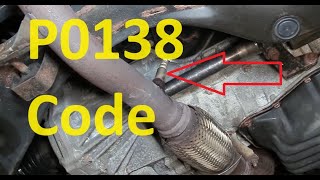
- Replacing the upstream Air/Fuel Ratio Sensor (Sensor 1) instead of the downstream Oxygen Sensor (Sensor 2). P0138 specifically points to Sensor 2 🎬 Watch: A detailed breakdown of P0138 on this Honda CR-V, which is after the catalytic converter.
- Assuming the sensor is bad without checking the wiring. A short in the harness can mimic a failed sensor perfectly.
Most Likely Causes
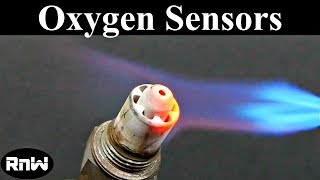
- Failed Downstream Oxygen Sensor (Bank 1, Sensor 2) 🔴 High Probability → Shop Oxygen Sensor Oxygen sensors have a finite lifespan (typically 90,000-120,000 miles) and fail from constant exposure to high-temperature exhaust gases and contaminants. It is the most common cause for this code.
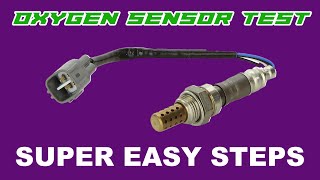
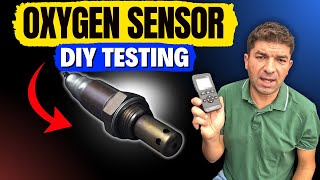
How to confirm: Use a scan tool to monitor the live data for the B1S2 voltage. If it is stuck high (e.g., >0.9V) and does not fluctuate with the engine warm 🎬 Watch: Easy DIY steps to test your oxygen sensor, the sensor is very likely bad. A healthy downstream sensor should show a lazy, slow fluctuation around 0.5V.
Typical fix: Replace the downstream (post-catalytic converter) oxygen sensor. Penetrating oil and a specialized O2 sensor socket are recommended for removal.
Est. part cost: $45-$90 - Damaged Wiring or Connector 🟡 Medium Probability The wiring harness runs under the vehicle and is exposed to road debris, moisture, and heat. Wires can get snagged, melt on the exhaust, or the connector pins can corrode, causing a short to power or an open circuit. 🎬 See this guide on testing sensor wires and identifying circuits
How to confirm: Visually inspect the entire wiring harness from the O2 sensor to where it enters the cabin. Check the connector for corrosion, bent pins, or loose connections. Test for a short to power in the signal wire using a multimeter.
Typical fix: Repair the damaged section of the wiring harness or clean/replace the connector.
Est. part cost: $5-$50
Rare But Worth Checking
- Engine Running Rich: While a rich condition can cause a high voltage reading, it will usually be accompanied by other trouble codes related to the fuel system (e.g., leaky fuel injectors, faulty fuel pressure regulator) or the upstream Air/Fuel ratio sensor.
- Blown Fuse: The oxygen sensor's heater circuit is protected by a fuse. If this fuse blows, it can sometimes lead to erratic voltage readings, including a P0138 code. Check the fuse box diagrams for a fuse labeled 'O2 Heater' or similar.
- Faulty Powertrain Control Module (PCM): This is very rare. The PCM should only be considered after all other possibilities, including the sensor and its entire circuit, have been thoroughly tested and ruled out.
Diagnosis Steps
- Read the trouble codes with an OBD-II scanner to confirm P0138 is present.
- Visually inspect the downstream O2 sensor, its connector, and wiring harness for any signs of physical damage, melting, corrosion, or breaks.
- Check the fuse for the O2 sensor heater circuit in the vehicle's fuse box.
- Use the scanner to view live data for the 'Bank 1 Sensor 2' voltage. With the engine running and warm, a healthy sensor will show a slow, steady voltage. A faulty sensor triggering P0138 will likely be stuck at a high voltage (above 0.9V, and specifically above 1.27V for the code to set on this vehicle).
- If the sensor reading is stuck high, the sensor itself is the most likely failure. Proceed with replacement. An O2 sensor socket will make removal much easier.
- If a new sensor does not fix the issue, perform a circuit test. Check for a short to power on the sensor's signal wire and verify the ground and heater circuits are intact. A Honda-specific test involves checking for voltage between the PCM connector and ground.
- If the sensor and wiring are confirmed to be good, investigate potential causes of a rich running condition, but this is unlikely without other codes being present.
Parts You'll Likely Need
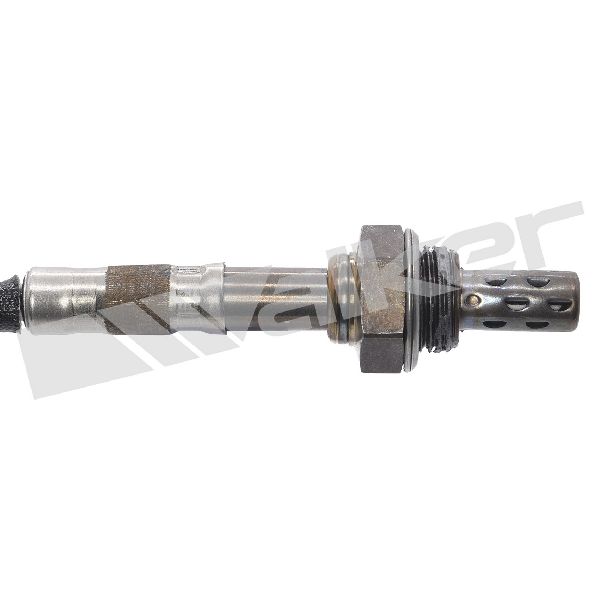
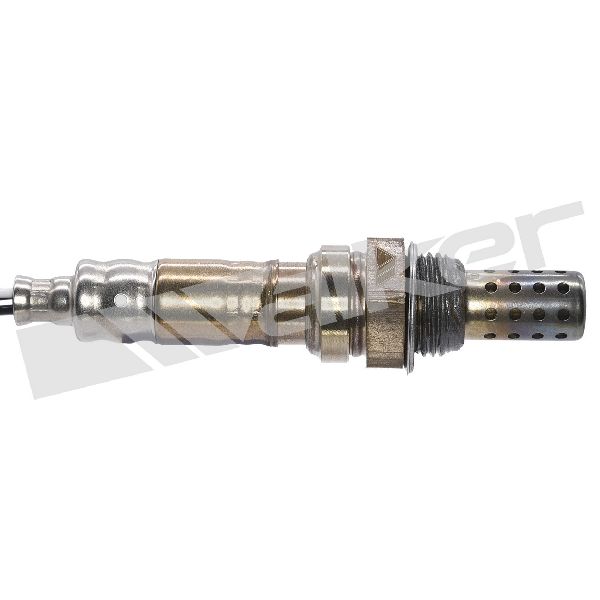
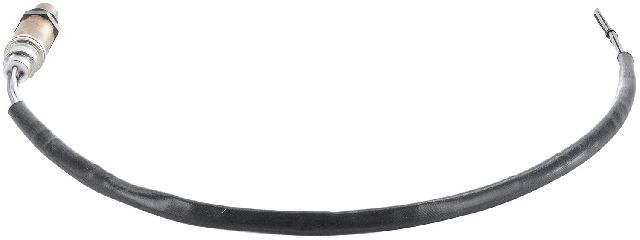
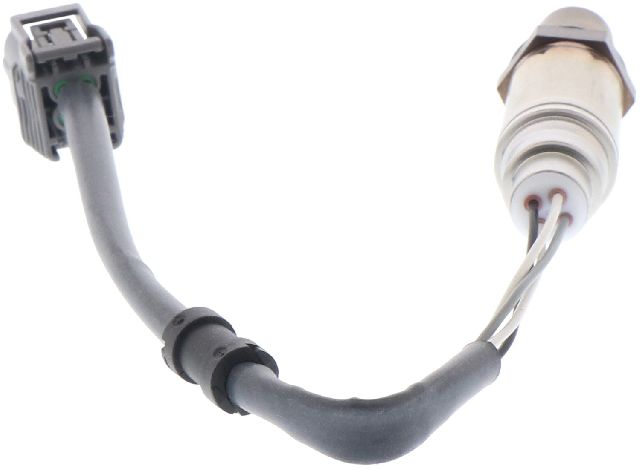
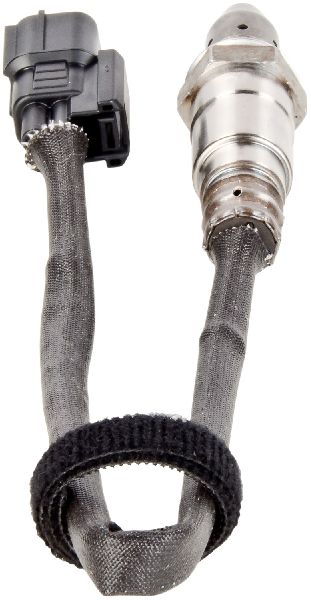
- Downstream Oxygen Sensor (Bank 1, Sensor 2)
(OEM #2011 (3rd Gen): 36532-REZ-A01 | 2012-2014 (4th Gen): 36532-R5A-A01 | 2015-2016 (4th Gen Facelift): 36532-5LA-A01)— This is the component that directly reports the high voltage condition and is the most common point of failure for this code.
Trusted brands: Denso (OEM Supplier), Bosch, NGK/NTK, Walker
OEM price range: $70-$150
Aftermarket price range: $45-$65
Platform-Specific Known Issues
- Generational and Mid-Generation Part Incompatibility: The 2011 (3rd Gen), 2012-2014 (4th Gen), and 2015-2016 (4th Gen Facelift) CR-Vs all use different downstream O2 sensors. The OEM part for 2011 is 36532-REZ-A01, the 2012-2014 model uses 36532-R5A-A01, and the 2015-2016 model uses 36532-5LA-A01 due to the change to the K24W9 engine. Using the wrong part will not work and will cause the code to persist. Always verify with the VIN.
- Aftermarket Sensor Quality: While many aftermarket sensors work well, Honda ECUs can be sensitive. Using a quality brand like Denso (the typical OEM supplier) or NTK is highly recommended to avoid compatibility issues that can cause the P0138 code to return even with a new sensor.
Mechanic-Grade Diagnostic Values
- Secondary HO2S (Sensor 2) Voltage — expected: Slowly fluctuating around 0.45V - 0.7V on a warm, running engine.. Failure: Voltage is stuck high, consistently reading above 0.9V. The PCM will trigger DTC P0138 if the voltage exceeds 1.27V for a set period.
- Secondary HO2S (Sensor 2) Heater Resistance — expected: 10 - 40 Ohms when measured across the two heater wires (often same color) on a disconnected sensor.. Failure: An open circuit (infinite resistance) or a dead short (near zero ohms). A reading far outside the expected range suggests a faulty heater element.
Scan Tool Commands That Help
- Honda HDS (Honda Diagnostic System): Jump SCS line — This function is used during advanced wiring diagnostics. For example, in one test step for P0138, the technician must jump the SCS line before disconnecting PCM connector A to safely test for continuity on the O2 sensor signal wire without setting other codes.
Wiring & Ground Locations
- G101 — Located on the left rear of the engine, typically on the thermostat housing.. This is a primary ground termination point for the ECU (PCM). A poor connection here due to corrosion or looseness can cause erratic sensor readings and numerous, hard-to-diagnose electrical issues, including O2 sensor faults.
- Secondary HO2S 4P Connector — The 4-pin electrical connector attached directly to the downstream oxygen sensor's pigtail.. This is the primary point for visual inspection of corrosion and for performing electrical tests on the sensor side of the circuit, such as checking heater resistance.
- PCM Connector A (50P) / B (49P) — One of the main multi-pin connectors plugged into the Powertrain Control Module (PCM). The specific connector varies by year and engine.. This is where the sensor harness ultimately connects. Advanced diagnostics for an open or shorted wire require disconnecting this connector to test continuity of the signal wire (e.g., pin A47 or B46 depending on model) back to the sensor connector.
OEM Part Supersession History
36532-R5A-004→36532-R5A-305, then 36532-R5A-A01— Standard part revision and supplier changes.
Heads up: These parts are specific to the pre-facelift 4th generation CR-V and are not compatible with 2011 or 2015-2016 models.N/A→36532-5LA-A01— New part for the updated K24W9 'Earth Dreams' engine.
Heads up: This part is only for 2015-2016 CR-V models. It will not work on earlier 2011-2014 models.
Model Year Variations Within This Range
- 2015-2016: These model years received a mid-cycle refresh including the K24W9 'Earth Dreams' direct-injection engine and a CVT. They use a different downstream oxygen sensor (P/N: 36532-5LA-A01) than the 2012-2014 models.
- 2012-2014: These models use the K24Z7 engine and have their own specific downstream oxygen sensor (P/N: 36532-R5A-A01).
- 2011: As the last year of the 3rd generation, this model has a different chassis and uses the K24Z6 engine. It requires a unique downstream O2 sensor (P/N: 36532-REZ-A01).
Diagnostic Flowchart
Real Owner Stories
Aggregated from forums and TSBs cited above. Mileages and costs reflect what owners reported in those sources.
Honda vehicle (from Honda-Tech)
Symptoms: Experienced code P0138 and asked the community for confirmation on what part to replace.
What fixed it: Confirmed the diagnosis with the forum and replaced the rear (downstream) O2 sensor.
Source hint: Honda-Tech Forum: P0138 code ? what to replace
Acura vehicle (from AcuraZine)
Symptoms: Triggered a P0138 code shortly after having a new cat-back exhaust installed.
What fixed it: Identified that the sensor was likely damaged or contaminated during the exhaust installation work.
Source hint: AcuraZine Forum: P0138 help
Vehicle with persistent P0138 (Reddit r/AskMechanics)
Symptoms: Had a persistent P0138 code that the mechanic could not figure out the cause for.
What fixed it: Investigated a skewed upstream sensor that was causing the downstream sensor to report an error.
Source hint: Reddit r/AskAMechanic: Code P0138. My mechanic cannot figure out the cause.
Related OBD-II Codes
Frequently Asked Questions
Which downstream O2 sensor part number do I need for my 2011-2016 CR-V?
Can I use a cheap aftermarket O2 sensor to fix P0138 on my CR-V?
What voltage reading triggers the P0138 code on this specific Honda?
Is it normal for the downstream O2 sensor to fail on my CR-V?
How do I test the wiring if a new sensor doesn't fix the P0138 code?
Helpful Videos

We Have This Part in Stock

The information in this article is provided for general reference and educational purposes only. Vehicle specifications, procedures, and part compatibility can vary by production date, trim level, and region. Always consult your vehicle's factory service manual and verify part numbers before purchasing or performing repairs. Safety-critical components such as airbags, seat belts, and braking systems should be installed by a qualified professional.
- Honda CR-V:
- 🧭 Diagnostic Flowchart
- 🎬 Helpful Videos
- 🛍️ Shop This Part
- What's Unique About the 2011-2016 Honda CR-V
- Symptoms You May Notice
- Most Likely Causes
- Rare But Worth Checking
- Diagnosis Steps
- Parts You'll Likely Need
- Platform-Specific Known Issues
- Mechanic-Grade Diagnostic Values
- Scan Tool Commands That Help
- Wiring & Ground Locations
- OEM Part Supersession History
- Model Year Variations Within This Range
- Real Owner Stories
- Honda vehicle (from Honda-Tech)
- Acura vehicle (from AcuraZine)
- Vehicle with persistent P0138 (Reddit r/AskMechanics)
- Related OBD-II Codes
- Frequently Asked Questions
- 🎟️ Get 5% Off