

P0138 on 2017-2022 Honda CR-V: Downstream O2 Sensor High Voltage Causes and Fixes
On a 2017-2022 Honda CR-V, code P0138 almost always means the downstream oxygen sensor (Bank 1, Sensor 2) has failed. This sensor is located after the catalytic converter. Replacing it is a common DIY repair, with an aftermarket part (like Denso or NTK) costing $50-$100 and an OEM sensor costing $150+. Before replacing, check the wiring for heat damage, a known issue on the related 1.5T engine platform.
- P0138 on a 2017-2022 CR-V almost always points to a faulty downstream oxygen sensor (Bank 1, Sensor 2).
- Before buying parts, use a scanner to check live data. A voltage reading stuck above 0.9V strongly suggests a bad sensor.
- Always visually inspect the sensor's wiring and connector for melting or corrosion, as this is the second most likely cause, especially on 1.5T models near the turbo.
- This is a DIY-friendly repair for most home mechanics. An O2 sensor socket (22mm or 7/8") is highly recommended for removal.
- Do not replace the catalytic converter to fix this code; address the sensor or circuit issue first.
What's Unique About the 2017-2022 Honda CR-V
For the 5th generation Honda CR-V (2017-2022), this code is straightforward. The inline-four cylinder engines (both the 1.5L Turbo and the 2.4L offered in early years) have only one exhaust bank, so you don't need to worry about identifying the correct side of the engine. The most common cause is simply the O2 sensor failing from age and heat exposure. While no specific TSBs exist for this code on the CR-V, Honda TSB 19-082 was issued for the platform-mate Civic with the same 1.5T engine, noting that heat from the turbocharger could damage the O2 sensor wiring harness, causing a P0138 code. This makes a visual inspection of the wiring particularly important on 1.5T models.
Symptoms You May Notice
- Check Engine Light is on
- Increased fuel consumption
- Rough idling or poor engine performance
- Possible strong gasoline or sulfur-like odor from the exhaust
- Vehicle will fail an emissions test
- Replacing the upstream Air/Fuel Ratio sensor (Sensor 1). The code P0138 specifically refers to Sensor 2, which is located after the catalytic converter.
- Replacing the catalytic converter. A high voltage code is almost always a sensor or circuit problem, not a converter efficiency problem (which typically sets a P0420 code). Always fix O2 sensor codes first.
- Using a cheap, universal O2 sensor. Honda ECUs can be sensitive, and owners frequently report that universal sensors requiring wire splicing do not resolve the code or fail prematurely. It is highly recommended to use OEM, Denso, or NTK branded sensors.
Most Likely Causes
- Failed Downstream Oxygen Sensor (Bank 1, Sensor 2) 🔴 High Probability → Shop Oxygen Sensor Oxygen sensors are wear-and-tear items that degrade over time due to constant exposure to high-temperature exhaust gases and contaminants. Their typical lifespan is around 90,000-120,000 miles.
How to confirm: Use an OBD-II scanner to monitor live data for the 'B1S2' O2 sensor. If the voltage is stuck high (consistently above 0.9V) and does not fluctuate on a fully warmed engine, the sensor has likely failed internally.
Typical fix: Replace the downstream oxygen sensor. This involves unplugging the electrical connector, unscrewing the old sensor from the exhaust pipe (often requiring a special 22mm or 7/8" O2 sensor socket), applying anti-seize to the new sensor's threads, and installing it.
Est. part cost: $50-$180 - Damaged Wiring or Connector 🟡 Medium Probability The sensor wiring is routed near the hot exhaust system. On 1.5T models, proximity to the turbocharger increases the risk of the harness melting or becoming brittle and failing. A TSB for the Civic (19-082) highlights this specific failure mode. Some owners have noted exposed wires on various sensors in the engine bay from the factory.
How to confirm: Visually inspect the entire wiring harness from the O2 sensor to its connection point. Look for melted plastic, frayed or broken wires, and corrosion inside the connector pins. A short to power in the signal wire will cause a constant high voltage reading, perfectly mimicking a failed sensor.
Typical fix: Repair the damaged section of the wiring harness or replace the connector pigtail. Ensure the repaired wiring is properly secured away from heat sources, possibly with additional heat shielding.
Est. part cost: $10-$50 - Exhaust Leak ⚪ Low Probability
How to confirm: Visually inspect gaskets and flanges between the catalytic converter and the downstream O2 sensor for black soot trails indicating a leak. A professional smoke test is the most definitive way to find small leaks. An exhaust leak can allow outside air in, confusing the sensor.
Typical fix: Replace the leaking exhaust gasket or repair the cracked pipe section.
Est. part cost: $20-$100
Rare But Worth Checking
- Engine Running Excessively Rich: This is uncommon and would typically be accompanied by other codes like P0172 (System Too Rich). Issues like leaking fuel injectors, a known problem on the 1.5T engine, could cause a rich condition that consumes all oxygen and forces the downstream O2 sensor to read high. Always diagnose rich condition codes first.
- Faulty Powertrain Control Module (PCM): This is extremely rare. The PCM itself can fail or require a software update, but all other possibilities (sensor, wiring, fuel system) must be exhaustively ruled out before considering PCM replacement.
Diagnosis Steps
- Confirm the code P0138 is present using an OBD-II scanner.
- Using the scanner's live data function, observe the voltage for 'O2S B1S2' (Bank 1, Sensor 2). Confirm if the voltage is stuck high (e.g., > 0.9V) on a fully warmed-up engine.
- Perform a thorough visual inspection of the downstream O2 sensor, its connector, and its wiring harness. Pay close attention to the area near the turbocharger on 1.5T models for signs of melting, corrosion, or physical damage.
- Check the fuse for the O2 sensor heater circuit, typically located in the under-hood fuse box. A blown fuse can sometimes cause erratic sensor readings.
- If the voltage was stuck high, disconnect the O2 sensor's electrical connector. Watch the live data on the scanner. If the voltage reading drops to a low, default value, the sensor is internally shorted and must be replaced.
- If the voltage stays high even with the sensor disconnected, there is a short to power in the vehicle's wiring harness that needs to be traced and repaired.
- If no wiring issues are found and the sensor voltage appears to function but the code persists, investigate potential root causes for a rich running condition, such as leaking fuel injectors, especially if a P0172 code is also present.
Parts You'll Likely Need
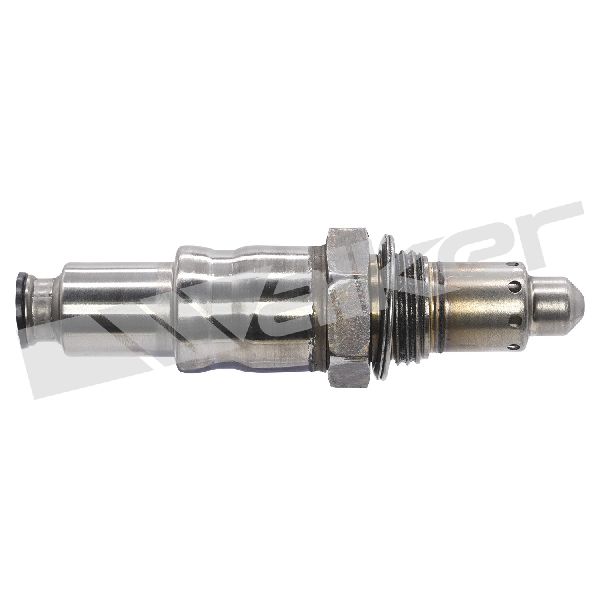
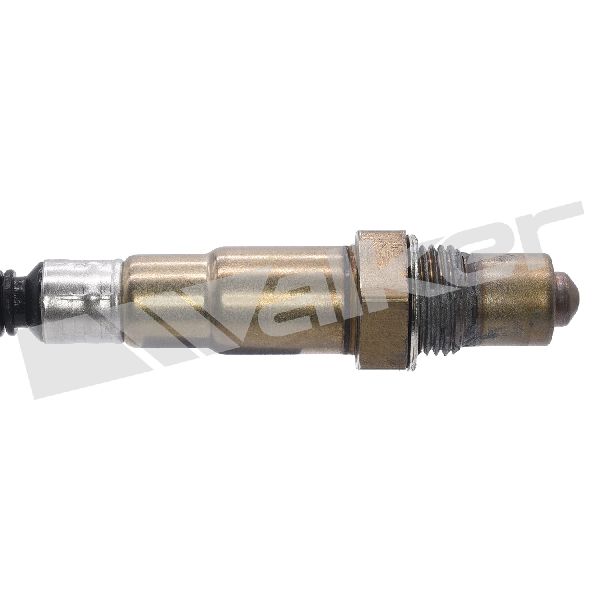
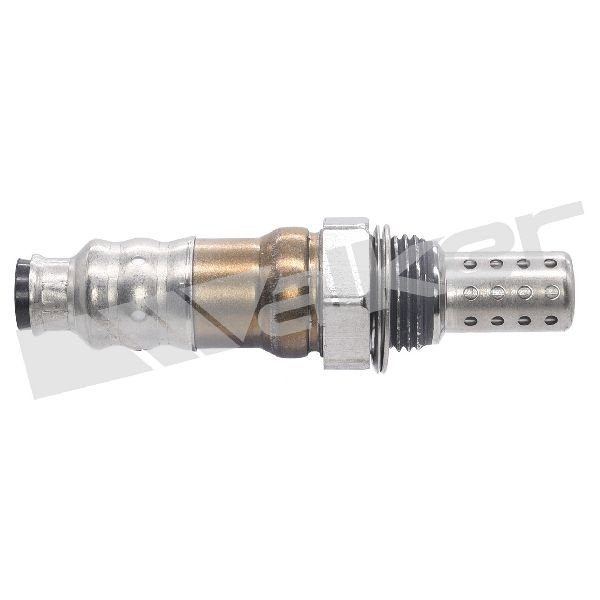
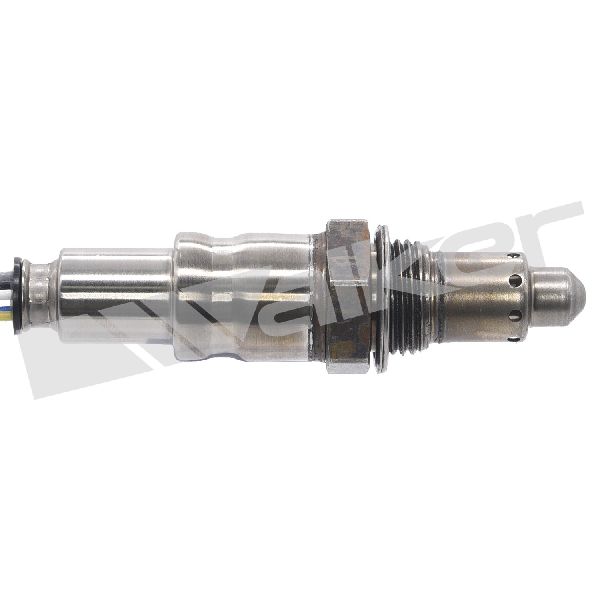
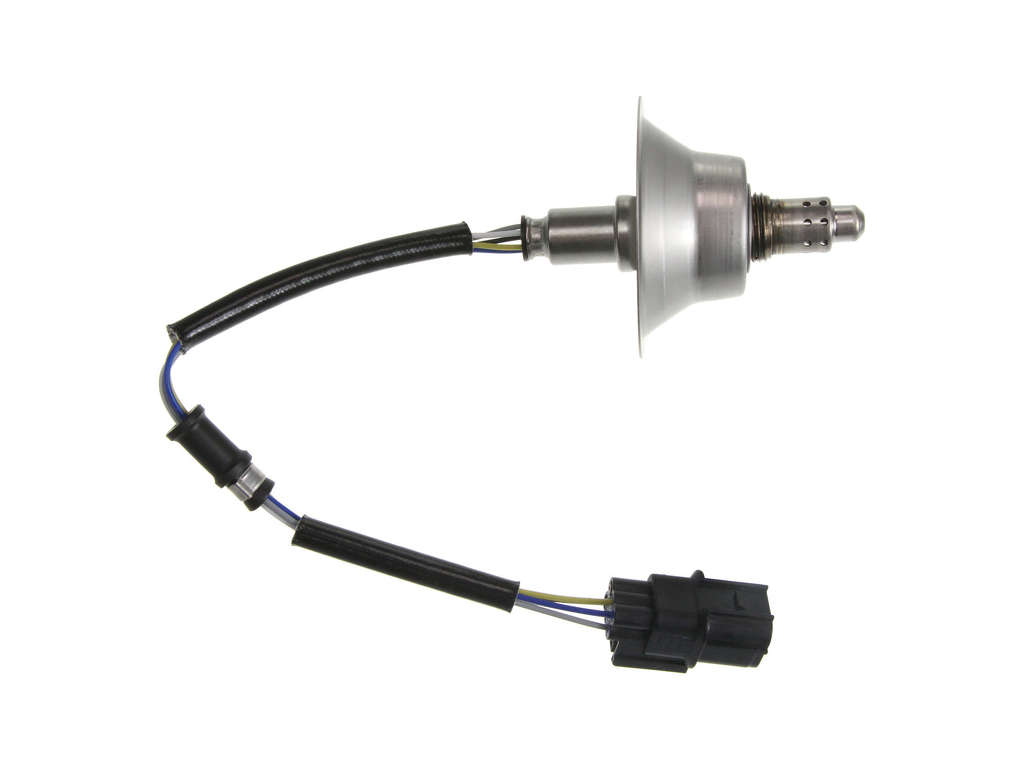
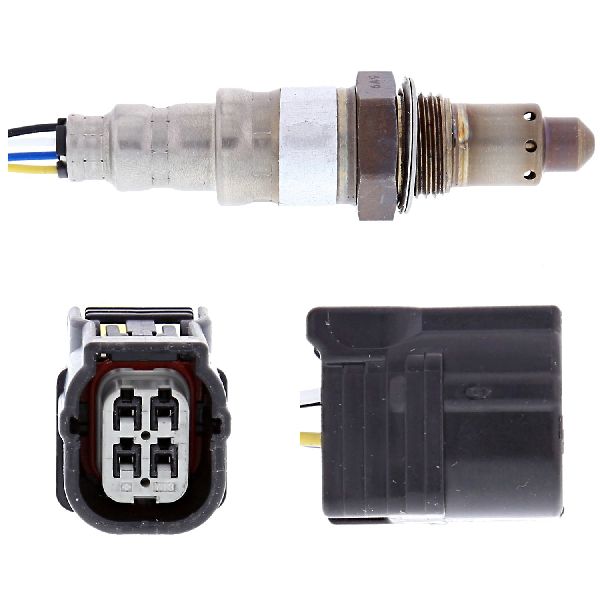
- Downstream Oxygen Sensor (Bank 1, Sensor 2)
(OEM #36532-5AA-A51 (For 1.5L Turbo Engine))— This is the most common failure for code P0138. It is a standard wear item. The 2.4L engine (2017-2019 LX trims) uses a different part number, so VIN verification is crucial.
Trusted brands: Honda (Genuine - made by NGK or Denso), Denso (e.g., 234-4846), NTK (NGK)
OEM price range: $150-$200
Aftermarket price range: $50-$100
Related Codes That Often Appear With This One
- P0141 — This code indicates a failure in the heater circuit of the same downstream O2 sensor. They often appear together if the sensor fails completely.
- P0137 — This code is for 'O2 Sensor Circuit Low Voltage' for the same sensor. Seeing both P0137 and P0138 could point to an intermittent wiring issue or a completely failed sensor with erratic output.
- P0172 — This code means 'System Too Rich'. A severe rich condition from another problem (like leaking fuel injectors) can be the root cause of the P0138 code, as the excess fuel consumes all the oxygen in the exhaust.
Technical Service Bulletins (TSBs) & Recalls
- Honda TSB 19-082 (for platform-mate 2016-2021 Civic 1.5T): Notes that the downstream O2 sensor wiring harness can be damaged by heat from the turbocharger, causing P0138. The fix involves repairing the wiring and installing improved heat shields.
Platform-Specific Known Issues
- Real-World Repair on CRVOwnersClub: A user on the CRV Owners Club forum with a 2018 CR-V EX-L (1.5T) at 60,000 miles experienced a P0138 code. The dealership diagnosed a faulty rear O2 sensor and replaced it under the 5-year/60k mile powertrain warranty. This corroborates the sensor itself being the primary failure point.
- Heat Damage on 1.5T Platform: While not a CR-V specific TSB, Honda TSB 19-082 for the Civic 1.5T addresses P0138 caused by the O2 sensor harness being damaged by heat from the turbo. Given the shared engine and platform architecture, owners of 1.5T CR-Vs should pay special attention to the wiring harness for signs of melting or brittleness as a potential cause.
Mechanic-Grade Diagnostic Values
- Downstream O2 Sensor (B1S2) Voltage - Live Data — expected: Slowly fluctuating around 0.5V - 0.7V on a warm, idling engine.. Failure: Voltage is stuck high, consistently reading above 0.9V. The DTC P0138 may trigger if the voltage exceeds 1.0V or 1.27V for a set period.
- Downstream O2 Sensor Heater Resistance — expected: Approximately 4.2 - 6.6 Ohms (for some Honda models).. Failure: An open circuit (infinite resistance) or a reading significantly outside the specified range indicates a failed heater element, which can cause erratic voltage readings and trigger P0141 alongside P0138.
- Sensor Signal Circuit Test (Sensor Disconnected) — expected: When the sensor is disconnected, the voltage on the scan tool should drop to a default low value.. Failure: If the voltage on the scan tool remains high (e.g., > 0.9V) even with the sensor unplugged, it indicates a short to power in the vehicle's wiring harness.
Scan Tool Commands That Help
- Honda Diagnostic System (HDS): DTC CLEAR / ECM RESET — After a repair is completed, the HDS is used to clear the P0138 code and reset the ECM's learned values. This is a required step to confirm the fix.
- Honda Diagnostic System (HDS): DATA LIST - HO2S S2 — This function is used to monitor the live voltage of the downstream oxygen sensor (Sensor 2) to confirm if it is stuck high, which is the primary symptom of P0138.
Wiring & Ground Locations
- Main Engine/Transmission Ground — The main ground cable from the battery's negative terminal splits, with the primary path connecting directly to the engine/transmission assembly.. A poor engine ground can cause a voltage offset in sensor readings. The PCM uses the engine block as a ground reference for many sensors, including O2 sensors. Corrosion or a loose connection at this point can cause erratic electrical behavior and false high voltage readings.
- Secondary Chassis Ground — A secondary, smaller ground wire from the negative battery terminal typically bolts to the chassis/fender in the engine bay.. While less critical for the O2 sensor circuit itself, a compromised chassis ground can create system-wide electrical issues that may indirectly affect PCM operation and sensor readings. It's a common point of corrosion.
- Downstream O2 Sensor 4P Connector — Located on the vehicle's wiring harness near where the downstream O2 sensor is installed in the exhaust pipe, post-catalytic converter.. This is the primary connection point to test the sensor and the vehicle harness. Honda's diagnostic procedure for P0138 involves disconnecting this connector to isolate the fault between the sensor and the wiring harness. The connector part numbers are often 6189-7039 (male) and 6188-4776 (female).
OEM Part Supersession History
36532-5AA-A01→36532-5AA-A51— This is a common part number update from Honda. The reason for the supersession is not publicly documented but typically involves minor improvements in manufacturing, materials, or design to increase reliability.
Heads up: The newer part number (36532-5AA-A51) is the correct and backward-compatible replacement for the original. When ordering, you will likely receive the -A51 part.
Model Year Variations Within This Range
- 2017-2019 (LX Trim Only): The LX trim for these years was available with a 2.4L naturally aspirated engine, which uses a different downstream oxygen sensor than the 1.5L Turbo engine found in all other trims. Part number verification by VIN is essential.
- 2017-2022 (All trims with 1.5T): These models use the 1.5L Turbo engine and share the same downstream oxygen sensor, OEM part number 36532-5AA-A51.
Diagnostic Flowchart
Other Known Issues on This Vehicle
Issues unrelated to this code that are worth knowing about as an owner of this generation:
- Fuel Dilution of Engine Oil (1.5T Engine) 🔴 High — Common, especially in cold climates or with frequent short trips. More prevalent on 2017-2018 models before software updates. (Ref: Honda TSB 18-114 (for CR-V) and others (e.g., 19-037 for Accord) were issued to update software and, in some cases, replace the A/C control unit to help the engine warm up faster.)
- Parasitic Battery Drain 🟠 Medium — Common on 2017-2019 models. Owners report dead batteries after the vehicle sits for a few days. (Ref: A class-action lawsuit was filed regarding this issue. Honda TSB A19-039 (for 2019 models) addresses a software bug in the PCM/VSA module that causes the drain.)
- Sticky Steering at Highway Speeds 🔴 High — Affects 2023 and newer models within the generation, but the issue stems from parts also used in 2022 models. Can occur at very low mileage. (Ref: Recall issued in October 2024 for 2023-2025 CR-V models (and other Hondas) to replace parts in the electronic power steering gearbox. Honda TSB 23-037 also addresses this.)
- Leaking/Failing Fuel Injectors (1.5T Engine) 🟠 Medium → Shop Fuel Injector — A known failure point, often occurring between 20,000-70,000 miles. Can cause misfires (P030x codes) and contribute to oil dilution. (Ref: No specific recall, but it's a widely documented failure. Updated part numbers (e.g., 16010-59B-315 for Civic) exist.)
- Infotainment System Glitches 🟡 Low — Common on earlier 2017-2019 models. Symptoms include screen blackouts, random beeping, or channels changing on their own. (Ref: No recall, but dealers can often fix the issue with a software update.)
Used vs. New Parts: Buying Guide for This Vehicle
When a used part is the smart pick: It is almost never a smart choice to buy a used oxygen sensor. They are wear-and-tear items with a finite lifespan, and their remaining life is impossible to determine. The labor to install the part is the same, and the risk of premature failure is very high. A used part should only be considered in an emergency to get the vehicle running temporarily.
Donor-vehicle mileage cap: roughly under 30000 miles for the part to have meaningful remaining life.
What to inspect on the donor part:
- If forced to buy used, choose a donor vehicle with the lowest possible mileage.
- Inspect the sensor's tip for heavy carbon deposits or white contamination (from coolant/oil burn), which indicates it may not function correctly.
- Check the wiring and connector for any signs of melting, brittleness, or corrosion.
OEM-only on this vehicle (don't cheap out):
- While not strictly OEM-only, using a known OEM supplier is critical. Honda ECUs are known to be sensitive to the specific characteristics of their sensors.
Aftermarket brands forum-validated for this vehicle:
- Denso (often the original OEM supplier)
- NTK (also known as NGK, another OEM supplier)
Brands owners have reported issues with on this vehicle:
- Cheap, unbranded 'universal' sensors that require splicing wires. Forum and mechanic consensus is that these frequently fail to resolve the code, have a short lifespan, or provide inaccurate readings on Honda vehicles.
Real Owner Stories
Aggregated from forums and TSBs cited above. Mileages and costs reflect what owners reported in those sources.
2018 Honda CR-V EX-L 1.5T — 60000 miles
Symptoms: Check Engine Light on with code P0138.
What fixed it: The dealership diagnosed a faulty rear O2 sensor and replaced it under the powertrain warranty.
Source hint: CRVOwnersClub forum thread titled 'P0138 and P0141 on 2018 CRV EX-L'
Related OBD-II Codes
Frequently Asked Questions
Does Honda TSB 19-082 apply to my 2017-2022 CR-V with the 1.5T engine?
Will my 2018 CR-V's P0138 code be covered under warranty?
Could the fuel dilution issue on my 1.5T engine be causing the P0138 code?
Is there a specific fuse I should check for the O2 sensor on my CR-V?
Why is the wiring harness a concern on the 1.5T models specifically?
Helpful Videos

We Have This Part in Stock

The information in this article is provided for general reference and educational purposes only. Vehicle specifications, procedures, and part compatibility can vary by production date, trim level, and region. Always consult your vehicle's factory service manual and verify part numbers before purchasing or performing repairs. Safety-critical components such as airbags, seat belts, and braking systems should be installed by a qualified professional.
- Honda CR-V:
- 🧭 Diagnostic Flowchart
- 🎬 Helpful Videos
- 🛍️ Shop This Part
- What's Unique About the 2017-2022 Honda CR-V
- Symptoms You May Notice
- Most Likely Causes
- Rare But Worth Checking
- Diagnosis Steps
- Parts You'll Likely Need
- Related Codes That Often Appear With This One
- Technical Service Bulletins (TSBs) & Recalls
- Platform-Specific Known Issues
- Mechanic-Grade Diagnostic Values
- Scan Tool Commands That Help
- Wiring & Ground Locations
- OEM Part Supersession History
- Model Year Variations Within This Range
- Other Known Issues on This Vehicle
- Used vs. New Parts: Buying Guide for This Vehicle
- Real Owner Stories
- 2018 Honda CR-V EX-L 1.5T — 60000 miles
- Related OBD-II Codes
- Frequently Asked Questions
- 🎟️ Get 5% Off