

P0138 on 2011-2016 Hyundai Elantra: O2 Sensor High Voltage Causes and Fixes
For a 2011-2016 Elantra, P0138 almost always means the downstream oxygen sensor (Bank 1, Sensor 2) has failed. This sensor is located after the catalytic converter. The most likely fix is replacing this sensor. A quality aftermarket part from a brand like Denso or NTK costs $60-$110, and the job is DIY-friendly (2/5 difficulty), though the sensor can be seized in the exhaust. A unique quirk is that its electrical connector is inside the cabin, under the passenger's carpet.
- P0138 on a 2011-2016 Elantra points to a high voltage signal from the downstream O2 sensor.
- The most likely cause is a failed sensor, which is a standard maintenance item that degrades over time.
- Before replacing the sensor, perform a quick visual inspection of the wiring for damage and check the related fuse.
- A unique feature of this Elantra is that the sensor's connector is inside the car, under the passenger-side carpet and kick panel.
- Replacing the sensor is a DIY-friendly job, but an O2 sensor socket is recommended, and penetrating oil may be needed to remove the old sensor from the exhaust.
What's Unique About the 2011-2016 Hyundai Elantra
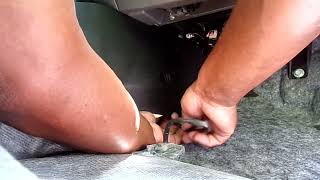
While the P0138 code is common across many cars, the 2011-2016 Elantra (and its platform-mate, the Elantra GT) has a specific quirk: the electrical connector for the downstream O2 sensor is located inside the vehicle's cabin. It is found under the carpet in the front passenger footwell, behind a plastic kick panel. This is unusual and important to know for diagnosis and replacement, as you'll need to remove interior trim to disconnect the old sensor and connect the new one.
Symptoms You May Notice
- Check Engine Light is on
- Increased fuel consumption
- Failure to pass an emissions test
- Rough idling or poor engine performance (uncommon, but possible)
- Strong exhaust odor (if caused by a rich condition)
- Replacing the upstream (Sensor 1) oxygen sensor instead of the downstream (Sensor 2) sensor.
- Replacing the catalytic converter. P0138 indicates a problem with the sensor circuit, not necessarily the converter itself. A faulty sensor can give misleading information about the converter's health.
Most Likely Causes
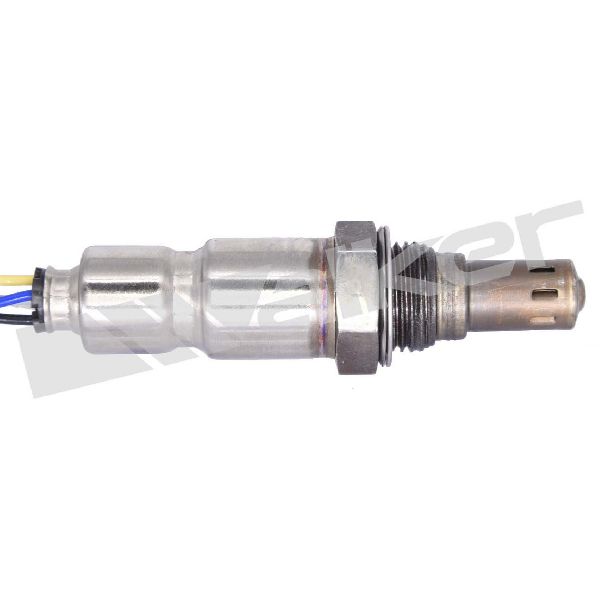
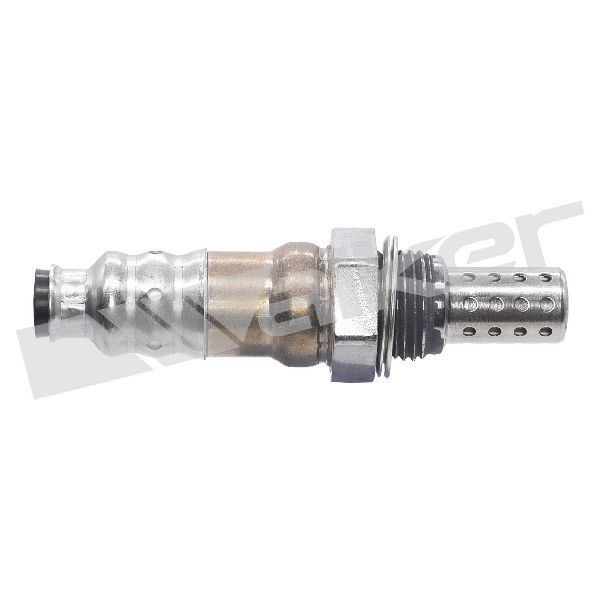
- Faulty Downstream Oxygen (O2) Sensor 🔴 High Probability → Shop Oxygen Sensor Oxygen sensors are wear-and-tear items that degrade over time due to constant exposure to high-temperature exhaust gases and contaminants. Their typical lifespan is 90,000 to 120,000 miles, and failure is the most common reason for a P0138 code.
How to confirm: After confirming the wiring is intact, use a scan tool to monitor live data for 'O2S B1S2'. If the engine is warm and the voltage is stuck above 1.0V and not fluctuating, the sensor is faulty. A healthy downstream sensor should show a slowly fluctuating, relatively stable voltage between 0.2V and 0.8V.
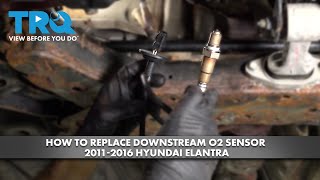
Typical fix: Replace the downstream (Bank 1, Sensor 2) oxygen sensor. Applying anti-seize compound to the threads of the new sensor is recommended. An O2 sensor socket (often a 22mm or 7/8" size) is highly recommended for rem 🎬 Watch: Step-by-step downstream O2 sensor replacement guide.oval.
Est. part cost: $60-$150 - Damaged Wiring or Connector 🟡 Medium Probability The sensor's wiring runs under the vehicle and is exposed to road debris and extreme heat from the exhaust, which can cause it to melt, fray, or break, leading to a short circuit to power.
How to confirm: Visually inspect the entire length of the O2 sensor wiring harness for any signs of melting, chafing, or breaks. Also, inspect the connector in the passenger footwell for corrosion, moisture, or loose pins after removing the kick panel.
Typical fix: Repair the damaged section of the wire or replace the connector pigtail. If the damage is part of the sensor's own harness, the sensor must be replaced.
Est. part cost: $10-$50 - Blown Fuse for O2 Sensor Heater ⚪ Low Probability → Shop Oxygen Sensor
How to confirm: Check the fuse box in the engine compartment for a fuse labeled 'SENSOR' or similar (e.g., 'SENSOR 1'). A blown fuse in the heater circuit can sometimes cause abnormal voltage readings.
Typical fix: Replace the blown fuse. If the new fuse blows immediately, it indicates a short circuit in the heater element of one of the O2 sensors or its wiring that must be diagnosed and repaired. This would typically set a heater circuit code like P0141 as well.
Est. part cost: $1-$5
Rare But Worth Checking
- Engine Running Excessively Rich: A rich condition (too much fuel, not enough air) can foul the O2 sensor and cause high voltage readings. This is usually caused by another problem, such as a leaking fuel injector or a faulty mass airflow sensor, and would likely be accompanied by other trouble codes.
- Faulty Engine Control Module (ECM): This is extremely rare. The ECM itself could be failing and misinterpreting the sensor signal. This should only be considered after all other possibilities have been exhaustively ruled out.
Diagnosis Steps
- Use an OBD-II scanner to confirm that P0138 is the only code present. If other codes exist (e.g., for fuel trim, MAF sensor, or misfires), diagnose them first.
- Visually inspect the downstream O2 sensor and its wiring harness under the car for any obvious damage, such as melting, fraying, or corrosion.
- Access the sensor's electrical connector. On the 2011-2016 Elantra, this requires removing the plastic kick panel and pulling back the carpet in the front passenger footwell. 🎬 See how to access the interior connector on an Elantra GT. Inspect the connector for moisture, corrosion, or damage.
- Check the fuse for the O2 sensor heater circuit in the engine bay fuse box, often labeled 'SENSOR 1'.
- With the engine fully warmed up, use a scan tool with live data capability to observe the voltage for 'O2S B1S2' (Bank 1, Sensor 2).
- A healthy downstream sensor will show a relatively stable voltage that fluctuates slowly, typically between 0.2V and 0.8V. If the voltage is stuck high (e.g., >1.0V), it confirms the issue.
- If the wiring and fuse are good, and the live data shows a persistent high voltage, the downstream O2 sensor is faulty and should be replaced.
Parts You'll Likely Need
- Downstream Oxygen Sensor
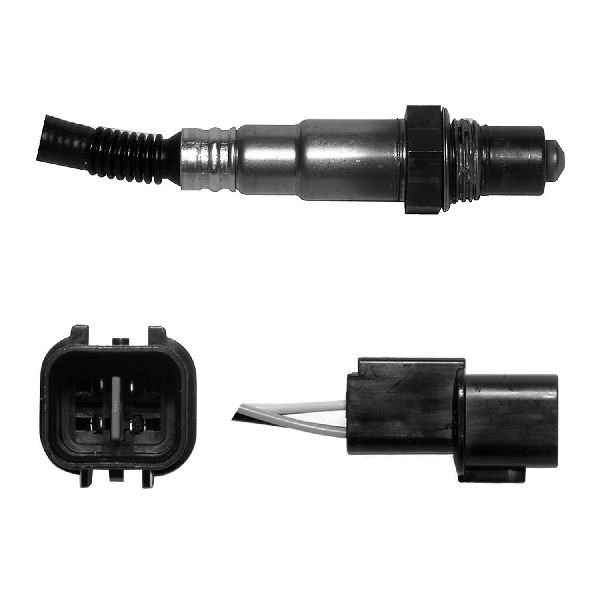
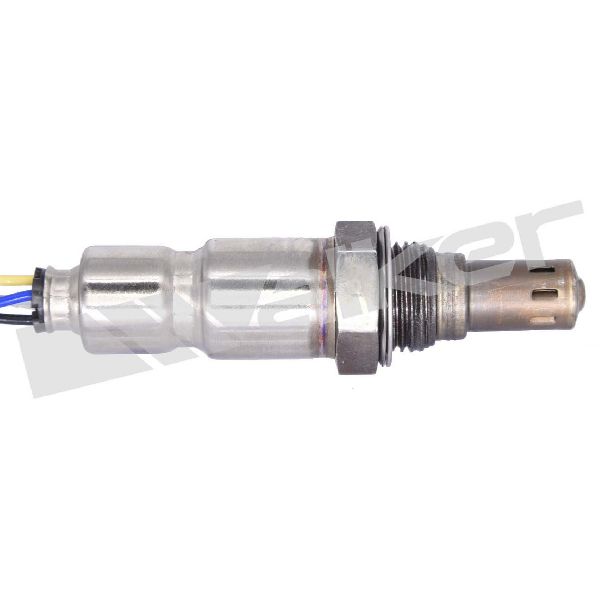
(OEM #39210-2E400)— This is the most common point of failure for the P0138 code, as the sensor degrades over time. Part number 39210-2E401 is also listed as a compatible replacement.
Trusted brands: Denso (e.g., 234-4582), NGK/NTK (e.g., 24460), Bosch, Walker
OEM price range: $140-$190
Aftermarket price range: $60-$110
Technical Service Bulletins (TSBs) & Recalls
- 17-01-052 — An ECM software update was issued for 2011-2016 Elantras with the 1.8L SULEV engine to revise the fuel volume control logic. While not directly for P0138, an outdated ECM logic can contribute to fuel trim and sensor reading issues.
Platform-Specific Known Issues
- The electrical connector for the downstream O2 sensor is located inside the cabin, under the carpet of the front passenger's seat area. This requires removing the plastic kick panel trim to access it for replacement.
Mechanic-Grade Diagnostic Values
- Downstream O2 Sensor (B1S2) Heater Resistance — expected: 2.4 to 4.0 Ω at 20°C (68°F). Failure: A reading of infinite resistance (Open Line) or near-zero ohms (short circuit) indicates a failed heater element within the sensor.
Scan Tool Commands That Help
- Hyundai GDS (Global Diagnostic System): ECM Software Update — If P0138 persists after replacing the sensor and verifying wiring, checking for an available ECM update is a valid next step. TSB 17-01-052 was released to update fuel control logic on 1.8L models, which can be related to sensor readings.
Wiring & Ground Locations
- ECM Connector C600-MA (Harness Side) — Main engine computer connector, located in the engine compartment.. Allows for testing the O2 sensor circuit directly at the ECM. For the downstream sensor: Pin 19 is the signal wire (Blue), Pin 18 is the sensor ground (Orange), and Pin 17 is for the heater circuit (Green).
- Ground Point GC602 — An ECM-related ground point, typically located on the chassis in the engine bay.. A poor or corroded ground connection at this point can cause a floating ground for the ECM, leading to incorrect sensor voltage interpretations and potentially triggering a P0138 code.
Model Year Variations Within This Range
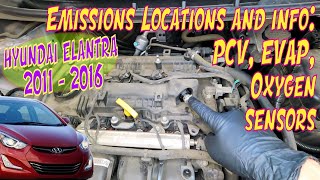
- 2014-2016: A 2.0L Nu GDI engine became available alongside the standard 1.8L MPI engine. 🎬 Watch: Locate all emissions components and sensors on the 1.8L engine. While the P0138 diagnosis is similar, ensure you are purchasing the correct O2 sensor for your specific engine, as part numbers may differ.
- 2011-2016: Vehicles were produced with either Federal or California (SULEV/PZEV) emissions standards. The downstream O2 sensor part number may differ between these two systems. It is critical to verify which emissions system your vehicle has before ordering a replacement part.
Diagnostic Flowchart
Other Known Issues on This Vehicle
Issues unrelated to this code that are worth knowing about as an owner of this generation:
- Engine Ticking / Piston Slap 🔴 High — Widespread issue, particularly in 2011-2013 models with the 1.8L Nu engine. Often starts as a cold-start tick and can progress to oil consumption or, in worst cases, engine seizure. (Ref: A class-action lawsuit resulted in a warranty extension (TXXK) for the engine short block to 10 years/120,000 miles for certain owners. See TSBs 21-EM-001H, 21-EM-002H, and 22-EM-007H.)
- Worn Steering Coupler 🟠 Medium — Extremely common across this generation. Owners report a distinct 'clicking' or 'clunking' noise from the steering column when turning the wheel, especially at low speeds. (Ref: Hyundai issued a warranty extension (TXX7) for the flexible coupler (Part # 56315-2K000-FFF) to 10 years/100,000 miles. The part is inexpensive, but labor can be involved. See TSB 17-ST-002.)
- Timing Chain Guide / Tensioner Wear 🟠 Medium — Less common than engine ticking but a notable potential failure. Can cause a chattering noise on acceleration or a no-start condition if the chain jumps timing. Often presents with codes like P0340 or P0016.
- Cracked Charcoal Canister 🟡 Low — A common source for EVAP leak codes (like P0442) on this platform. The plastic housing is prone to cracking near the mounting bolts.
Used vs. New Parts: Buying Guide for This Vehicle
When a used part is the smart pick: For an oxygen sensor, a used part is almost never a smart choice. It is a wear-and-tear component with a finite service life, and a used sensor may have very little life left or could be faulty from the start.
Donor-vehicle mileage cap: roughly under 40000 miles for the part to have meaningful remaining life.
What to inspect on the donor part:
- If forced to consider used, choose a donor vehicle with the lowest possible mileage.
- Inspect the sensor tip for heavy carbon fouling, oil, or coolant contamination, which indicates it came from a poorly running engine.
- Avoid sensors with any visible damage to the wiring, connector, or ceramic body.
Aftermarket brands forum-validated for this vehicle:
- Denso
- NGK / NTK
Brands owners have reported issues with on this vehicle:
- Unnamed, 'white-box' or exceptionally cheap online brands are frequently reported on forums to have a high failure rate or incorrect voltage signaling, causing the code to return shortly after replacement.
Real Owner Stories
Aggregated from forums and TSBs cited above. Mileages and costs reflect what owners reported in those sources.
2013 Hyundai Elantra 1.8L
Symptoms: Check Engine Light with code P0138.
What fixed it: Replacing the downstream O2 sensor with a Denso aftermarket unit.
Source hint: Hyundai-Forums.com: P0138 on 2013 Elantra
2014 Hyundai Elantra GT 1.8L
Symptoms: P0138 code triggered; owner needed to locate the Bank 1 Sensor 2 connector.
What fixed it: Accessed the connector by removing the passenger side kick panel inside the car to replace the sensor.
Source hint: YouTube: Location of O2 Sensor on 2014 Hyundai Elantra GT Bank 1 Sensor 2 by 'Car & Truck' channel
Related OBD-II Codes
Frequently Asked Questions
Where is the downstream O2 sensor connector located on the 2011-2016 Elantra?
Does TSB 17-01-052 apply to my P0138 code?
Is there a specific aftermarket part recommended for the 2013 Elantra?
Could a blown fuse cause a P0138 on my Elantra?
What is the typical lifespan of the O2 sensor on this vehicle?
Are there any other major engine issues I should watch for while fixing this code?
Helpful Videos
We Have This Part in Stock



The information in this article is provided for general reference and educational purposes only. Vehicle specifications, procedures, and part compatibility can vary by production date, trim level, and region. Always consult your vehicle's factory service manual and verify part numbers before purchasing or performing repairs. Safety-critical components such as airbags, seat belts, and braking systems should be installed by a qualified professional.
- Hyundai Elantra:
- 🧭 Diagnostic Flowchart
- 🎬 Helpful Videos
- 🛍️ Shop This Part
- What's Unique About the 2011-2016 Hyundai Elantra
- Symptoms You May Notice
- Most Likely Causes
- Rare But Worth Checking
- Diagnosis Steps
- Parts You'll Likely Need
- Technical Service Bulletins (TSBs) & Recalls
- Platform-Specific Known Issues
- Mechanic-Grade Diagnostic Values
- Scan Tool Commands That Help
- Wiring & Ground Locations
- Model Year Variations Within This Range
- Other Known Issues on This Vehicle
- Used vs. New Parts: Buying Guide for This Vehicle
- Real Owner Stories
- 2013 Hyundai Elantra 1.8L
- 2014 Hyundai Elantra GT 1.8L
- Related OBD-II Codes
- Frequently Asked Questions
- 🎟️ Get 5% Off