

P0138 on 2017-2020 Hyundai Elantra: O2 Sensor High Voltage Causes and Fixes
This code almost always means the downstream oxygen sensor (Bank 1, Sensor 2) has failed. Replacing the sensor is the most common fix. Expect to pay $45-$80 for an aftermarket sensor or $100-$150 for an OEM part. It is a DIY-friendly repair with basic tools. Before replacing, check for wiring damage near the exhaust.
- P0138 on a 2017-2020 Elantra almost always points to a bad downstream O2 sensor (Sensor 2).
- Before buying parts, use a scanner to check the live voltage from the sensor; if it's stuck high (above 0.9V), the sensor is the likely culprit.
- Always perform a quick visual inspection of the sensor's wiring for obvious damage like melting or fraying before replacing the part.
- The repair is DIY-friendly, requiring basic hand tools and a special O2 sensor socket. The sensor is located under the car in the exhaust pipe.
- If the vehicle uses excessive oil, investigate Hyundai Recall 203, as oil burning can destroy the new sensor over time.
What's Unique About the 2017-2020 Hyundai Elantra
For the 2017-2020 (6th Generation 'AD') Elantra, particularly with the common 2.0L Nu engine, the P0138 code is a straightforward issue, typically pointing to sensor failure from age or contamination. While the problem is not unique, owners should be aware of Hyundai Recall 203 (NHTSA 21V301), which addresses potential excessive oil consumption due to faulty piston rings in some 2.0L engines. Over time, burning oil can foul and destroy oxygen sensors, leading to codes like P0138. If your vehicle consumes a lot of oil, this recall might address the root cause of recurring O2 sensor failures.
Symptoms You May Notice
- Check Engine Light is on
- Increased fuel consumption
- Rough or unstable idle
- Vehicle will fail an emissions test
- Noticeable odor of gasoline from the exhaust due to a rich running condition
- Replacing the catalytic converter. P0138 points to a fault in the sensor circuit that *monitors* the converter, not a fault with the converter itself. Always diagnose the sensor and wiring first.
- Replacing the wrong oxygen sensor. The Elantra has two O2 sensors. P0138 is for Sensor 2 (downstream), which is after the catalytic converter. Sensor 1 (upstream) is located on the exhaust manifold before the converter.
Most Likely Causes
- Failed Downstream Oxygen Sensor (Bank 1, Sensor 2) 🔴 High Probability → Shop Oxygen Sensor Oxygen sensors are wear-and-tear items that fail over time due to constant exposure to high heat and exhaust gases. Contamination from fuel additives, carbon, or burning oil (a known issue on this engine) can also cause failure.
How to confirm: Use an OBD-II scanner to monitor the live data for 'O2 Bank 1 Sensor 2'. If the voltage is stuck high (e.g., 0.9V or higher) and does not fluctuate, the sensor has likely failed. A healthy downstream sensor should show a relatively stable voltage, typically between 0.5V and 0.8V, when the engine is at operating temperature and at a steady RPM.
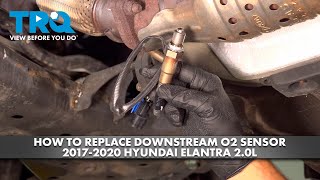
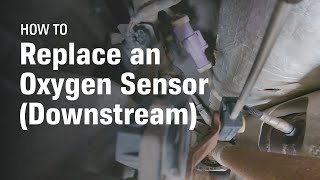
Typical fix: Replace the downstream oxygen sensor. This sensor is located underneath the vehicle, screwed into the exhaust pipe after 🎬 See this video to find the exact sensor location under your car. the catalytic converter.
Est. part cost: $45-$150 - Wiring or Connector Damage 🟡 Medium Probability The sensor wiring runs underneath the car and is exposed to road debris, water, and extreme heat from the exhaust. Wires can become frayed, melted, or corroded, and the connector can become contaminated or loose. In some cases, the harness can rub through on the chassis, causing the signal wire to short to the heater circuit's power wire.
How to confirm: Visually inspect the entire wiring harness from the O2 sensor to its connection point. Look for any signs of melting, chafing, or broken wires. Check that the connector is clean, dry, and securely fastened. Use a multimeter to check for a short to power in the signal wire.
Typical fix: Repair the damaged section of wiring or clean the connector. If the damage is severe, a new connector pigtail may need to be spliced in.
Est. part cost: $5-$30
Rare But Worth Checking
- Exhaust Leak: An exhaust leak upstream of Sensor 2 can introduce oxygen into the exhaust stream, which can sometimes confuse the sensor and cause an incorrect high voltage reading. You would likely hear a ticking or hissing noise from the exhaust when the engine is running.
- Rich Running Condition: If the engine is running excessively rich (too much fuel), it can cause a high voltage reading on the downstream O2 sensor. However, this condition will almost always trigger other codes first, such as P0172 (System Too Rich) or codes related to fuel injectors or the mass airflow sensor.
- Powertrain Control Module (PCM) Fault: In very rare cases, the PCM itself can be the source of the problem. This should only be considered after all other possibilities, including the sensor and wiring, have been definitively ruled out by a professional. Sometimes a PCM software update is required.
Diagnosis Steps
- Read the Code: Use an OBD-II scanner to confirm that P0138 is the only code present. If other codes exist, address them first as they may be the root cause.
- Analyze Live Data: With the engine running and warmed up, view the live data stream for 'O2S B1S2' (Oxygen Sensor Bank 1 Sensor 2). A normal reading should be relatively stable. If the voltage is stuck high (e.g., >0.9V), it confirms the fault condition.
- Inspect Wiring and Connector: Raise the vehicle safely. Locate 🎬 Watch: A pro mechanic shows how to swap a downstream oxygen sensor. the downstream O2 sensor. Follow its wire to the connector. Visually inspect for any melting, corrosion, or physical damage to the wires and connector pins. Pay close attention to areas where the harness might rub against the vehicle body or other components.
- Check for Shorts: Disconnect the sensor. With the key on and engine off, use a multimeter to check the signal wire terminal on the vehicle-side harness. It should have no voltage. If voltage is present, there is a short to power in the harness that must be repaired.
- Test the Sensor (Optional): While a stuck high voltage reading on the scanner is a strong indicator of a bad sensor, you can also test the sensor's internal heater resistance with a multimeter. If it's an open circuit or out of spec, the sensor is bad.
- Replace the Sensor: If the wiring is confirmed to be good, the oxygen sensor is faulty and needs to be replaced.
- Clear Code and Test Drive: After replacement, clear the trouble code with the scanner and perform a test drive to ensure the code does not return.
Parts You'll Likely Need
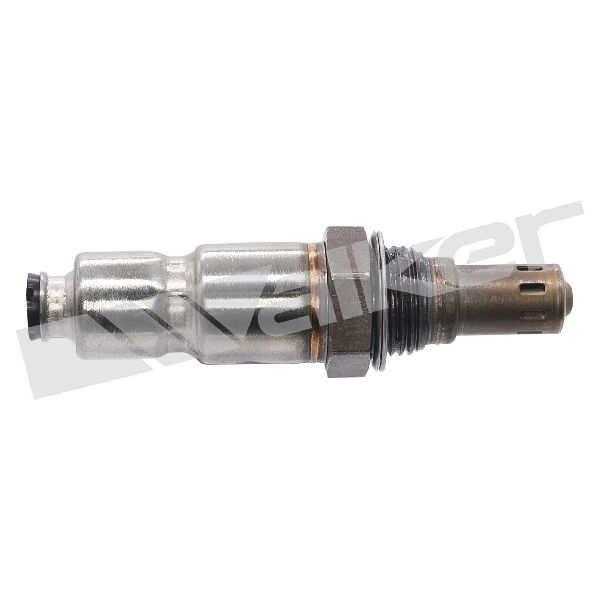
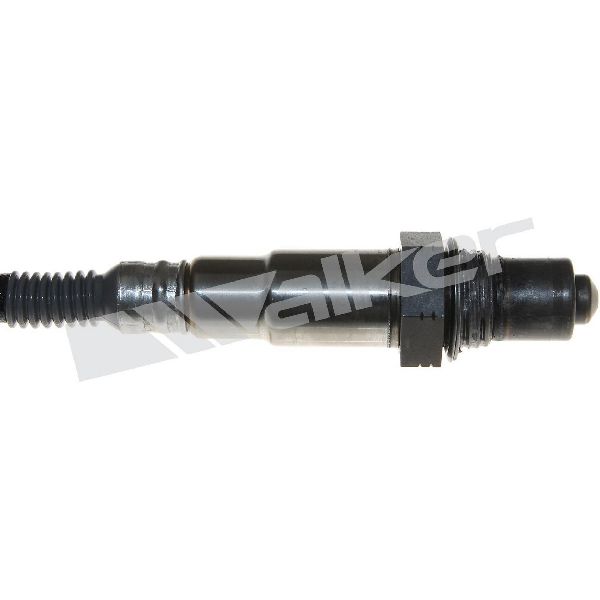
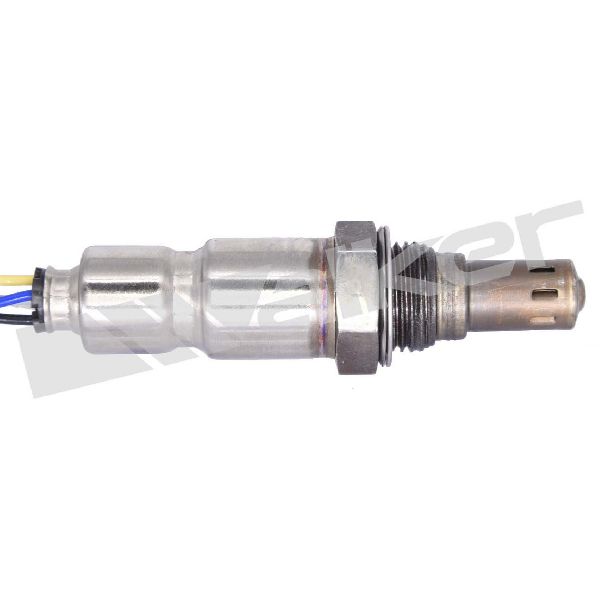
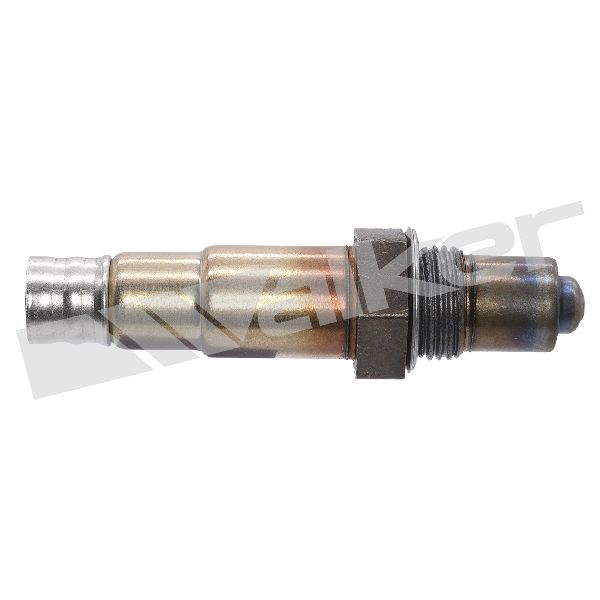
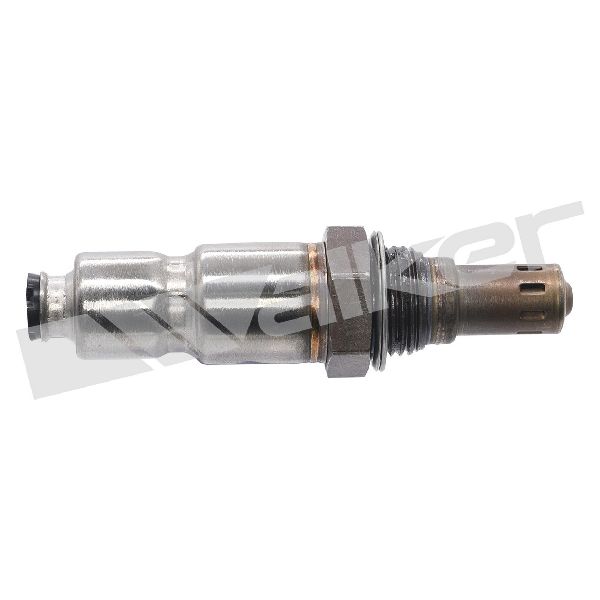
- Downstream Oxygen Sensor (Bank 1, Sensor 2)
(OEM #39210-2E151)— This is the most common failure point for a P0138 code. The sensor wears out over time and is exposed to harsh conditions.
Trusted brands: Hyundai/Kia (OEM), NGK (P/N: 25708), Denso (P/N: 234-5082), Bosch, Walker
OEM price range: $100-$150
Aftermarket price range: $45-$80
Technical Service Bulletins (TSBs) & Recalls
- 22-01-042H - This TSB relates to Recall 203 for Nu 2.0L Atkinson engine inspection and potential replacement due to out-of-spec piston oil rings, which can cause oil consumption and potentially foul O2 sensors.
- 22-01-043H - This TSB details Service Campaign 974, a software update to the knock sensor logic to detect engine noise resulting from the piston ring issue.
Platform-Specific Known Issues
- Some 2017-2020 Elantras with the 2.0L Nu engine are subject to Recall 203 (NHTSA Campaign ID 21V301000) for piston oil ring issues that can cause excessive oil consumption. This can lead to premature failure of oxygen sensors due to oil contamination.
- Another related campaign is Service Campaign 974 (TSB 22-01-043H), which involves a software update for the Knock Sensor Detection System (KSDS) to better detect abnormal engine noise related to the oil consumption issue.
Mechanic-Grade Diagnostic Values
- Downstream O2 Sensor (B1S2) Voltage — expected: Relatively stable around 0.5V to 0.8V at steady RPM when warm.. Failure: Voltage is stuck high, over 1.08V.
- Downstream O2 Sensor (B1S2) Heater Circuit — expected: Check for a blown fuse, typically labeled 'SENSOR 1' or similar in the under-hood fuse box.. Failure: A blown fuse will cause the sensor to not heat up properly, which can sometimes lead to circuit codes, though P0141 (Heater Circuit Malfunction) is more common in this case.
Scan Tool Commands That Help
- Hyundai GDS (Global Diagnostic System) or equivalent advanced scanner: Live Data Graphing (O2S B1S2) — This is the primary diagnostic step. Graphing the sensor's voltage while driving (steady cruise vs. deceleration) is more effective than looking at a static number. On deceleration (fuel cut), a healthy sensor's voltage should drop low (below 0.2V). If it remains high, it confirms a sensor or wiring fault.
Wiring & Ground Locations
- Downstream O2 Sensor Connector — The 4-pin connector for the downstream sensor is typically located above the transmission, clipped to a bracket.. This connector is a common point for corrosion or damage. A high resistance or short in this connector can cause the P0138 code. The connector type is often a PB625-04027 style for this model range.
- Engine Ground Harness — The main engine ground strap connects the engine block to the chassis.. The OEM part number for the main engine ground harness is 91861-F2020. While a poor ground more commonly causes a range of electrical issues or misfire codes, it can contribute to erratic sensor readings, including O2 sensors which are grounded through the engine block.
Real Owner Repair Stories
- YouTube channel 'Fix it Angel' (2017 Hyundai Elantra 2.0L) — Check engine light with P0420 code, rough starts/idle, especially on short trips. The owner had already replaced the O2 sensors twice.
❌ Tried (didn't work) Replaced downstream O2 sensor, Replaced upstream O2 sensor (twice, once with a Bosch part)
✅ What actually fixed it The video documents cleaning an oily Manifold Absolute Pressure (MAP) sensor as the next diagnostic step, suspecting it was causing an incorrect air/fuel mixture that was fouling the O2 sensors. The outcome reported in the video description was that the misfires returned, and the next step was to warranty the Bosch O2 sensor or investigate a failing fuel injector. This story is valuable as it shows a real-world case where the simple O2 sensor replacement was not the final fix and highlights the connection between oil consumption, other engine sensors (MAP), and recurring O2 sensor codes.
Diagnostic Flowchart
Other Known Issues on This Vehicle
Issues unrelated to this code that are worth knowing about as an owner of this generation:
- Door Lock Actuator Failure 🟠 Medium — Very common. Doors may fail to lock/unlock with fob or switch, sometimes intermittently. Often starts with one door (especially rear) and spreads. (Ref: TSB 21-BD-006H (Warranty Extension))
- Engine Oil Consumption 🔴 High — Widespread enough to trigger a recall. Owners report needing to add 1-2 quarts of oil every 1,000-2,000 miles. Can lead to engine damage if oil level is not monitored closely. (Ref: NHTSA Recall 21V301 / TSB 22-01-042H)
- Ignition Coil Failure 🟠 Medium — A common failure item, often occurring around 50,000-90,000 miles. Leads to engine misfires (e.g., P030x codes), rough idle, and poor acceleration.
- Steering Coupler Degradation 🟡 Low — Common across many Hyundai/Kia models. The rubber coupler wears out, causing a distinct clicking or thudding noise in the steering column when turning. It is a cheap part but requires significant labor to access. (Ref: Warranty Extension TSB-17-ST-002-1 (for earlier models, but same issue persists))
- Canister Purge Valve (CPV) Failure 🟡 Low — A common emissions-related failure. The valve sticks open or closed, leading to a Check Engine Light (often with EVAP codes) and sometimes difficulty starting after refueling.
Used vs. New Parts: Buying Guide for This Vehicle
When a used part is the smart pick: For this repair, a used part is NOT recommended. Oxygen sensors are wear-and-tear items with a finite lifespan (typically 90,000-120,000 miles). A used sensor from a junkyard has unknown remaining life and may have been exposed to contaminants (oil, coolant) from the donor vehicle. The low cost of a new aftermarket sensor makes a used part a poor value proposition.
OEM-only on this vehicle (don't cheap out):
- While not strictly OEM-only, using a sensor from a known OEM supplier is highly recommended to avoid compatibility issues.
Aftermarket brands forum-validated for this vehicle:
- Denso
- NGK / NTK
- Bosch
Brands owners have reported issues with on this vehicle:
- Unnamed or generic 'white box' brands from online marketplaces can have poor quality control, leading to incorrect readings, premature failure, or incorrect heater resistance, causing codes to return.
Real Owner Stories
Aggregated from forums and TSBs cited above. Mileages and costs reflect what owners reported in those sources.
2013 Hyundai Santa Fe Sport
Symptoms: The owner reported a P0138 code appearing just one year after the sensor was last replaced, leading to questions about whether it was a repeat sensor failure or a fuse issue.
What fixed it: The discussion suggests checking for a bad sensor or a corroded connector, as repeat failures can occur.
Source hint: Reddit r/Hyundai thread titled 'P0138 Code, Sensor or Fuse Fault?'
2017-2020 Hyundai Elantra 2.0L
Symptoms: Getting both P0136 and P0138 codes simultaneously.
What fixed it: Using a scan tool to monitor live data; a voltage pegged high points to a bad sensor or a corroded connector.
Source hint: Reddit r/MechanicAdvice thread titled 'Getting P0136 and P0138. What should I check before calling the O2 sensor faulty?'
Related OBD-II Codes
Frequently Asked Questions
Could my 2017-2020 Hyundai Elantra's oil consumption issue be causing the P0138 code?
Is there a specific TSB for the engine issues that lead to O2 sensor failure on the Elantra?
What should the voltage reading be for 'O2 Bank 1 Sensor 2' on a healthy Elantra?
Does Service Campaign 974 affect how my car handles emissions-related faults?
Where is the sensor responsible for P0138 located on my Elantra?
Can damaged wiring cause a P0138 code on this model?
Helpful Videos

We Have This Part in Stock


The information in this article is provided for general reference and educational purposes only. Vehicle specifications, procedures, and part compatibility can vary by production date, trim level, and region. Always consult your vehicle's factory service manual and verify part numbers before purchasing or performing repairs. Safety-critical components such as airbags, seat belts, and braking systems should be installed by a qualified professional.
- Hyundai Elantra:
- 🧭 Diagnostic Flowchart
- 🎬 Helpful Videos
- 🛍️ Shop This Part
- What's Unique About the 2017-2020 Hyundai Elantra
- Symptoms You May Notice
- Most Likely Causes
- Rare But Worth Checking
- Diagnosis Steps
- Parts You'll Likely Need
- Technical Service Bulletins (TSBs) & Recalls
- Platform-Specific Known Issues
- Mechanic-Grade Diagnostic Values
- Scan Tool Commands That Help
- Wiring & Ground Locations
- Real Owner Repair Stories
- Other Known Issues on This Vehicle
- Used vs. New Parts: Buying Guide for This Vehicle
- Real Owner Stories
- 2013 Hyundai Santa Fe Sport
- 2017-2020 Hyundai Elantra 2.0L
- Related OBD-II Codes
- Frequently Asked Questions
- 🎟️ Get 5% Off