

P0138 on 2010-2015 Hyundai Sonata: O2 Sensor High Voltage Causes and Fixes
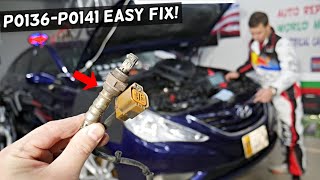
On a 2010-2015 Sonata, code P0138 almost always means the downstream oxygen sensor (Bank 1, Sensor 2) has failed. Replacing this sensor is the most common fix. Expect to pay $60-$120 for an aftermarket part and $150-$250 for an OEM sensor. The job is DIY-friendly with the right socket, though the sensor can be seized in the exhaust.
- P0138 on a 2010-2015 Sonata is a very common code that almost always points to a bad downstream oxygen sensor (Sensor 2).
- Before replacing the sensor, perform a quick visual inspection of the wiring harness to check for obvious melting or damage, as it is routed near the hot exhaust.
- The repair is considered DIY-friendly (2/5 difficulty) but requires a special 22mm (7/8") O2 sensor socket and potentially a breaker bar, as the sensor is often seized.
- Do not mistake this for a catalytic converter failure. The sensor's job is to monitor the converter; a bad sensor will give a false reading.
- This issue is also extremely common on the Kia Optima, which shares the same engine and platform.
What's Unique About the 2010-2015 Hyundai Sonata
For the 2010-2015 Sonata and its platform-mate, the Kia Optima, this code is a very common and straightforward issue, typically pointing directly to the sensor itself. Unlike some vehicles where this code might suggest complex fuel trim or catalytic converter problems, on the Sonata it's most often a simple component failure due to age or contamination. The repair is consistent across both the 2.4L and 2.0L Turbo Theta II engines found in this generation. The Theta II engines in this era are also known for potential oil consumption issues, which can contaminate and shorten the life of oxygen sensors.
Generation note: This range covers the end of the YF generation (2010-2014) and the first year of the LF generation (2015). The causes and repair procedures for code P0138 are consistent across both generations for the specified model years, as they often share the same Theta II engine architecture.
Symptoms You May Notice
- Check Engine Light illuminated
- Poor or reduced fuel economy
- Rough or uneven idle
- Failure to pass an emissions inspection
- Strong odor from exhaust due to a rich fuel mixture
- Replacing the catalytic converter. P0138 indicates a problem with the sensor *monitoring* the converter, not necessarily the converter itself. Always diagnose the sensor and its circuit first.
- Replacing the upstream oxygen sensor (Sensor 1). This code is specific to Sensor 2, which is located after the catalytic converter.
Most Likely Causes
- Failed Downstream Oxygen Sensor (Bank 1, Sensor 2) 🔴 High Probability → Shop Oxygen Sensor Oxygen sensors are wear-and-tear items that fail over time from constant exposure to high heat and exhaust gases. On the Theta II engine, premature failure is common, sometimes exacerbated by oil consumption issues that contaminate the sensor. Internal short circuits are a common failure mode causing the high voltage reading.
How to confirm: After visually inspecting the wiring, the most practical step is to replace the sensor. You can also use a scan tool to observe the live data for the B1S2 sensor; if the voltage is stuck high (e.g., >0.9V) and doesn't fluctuate once the engine is warm, the sensor has failed.
Typical fix: Replace the downstream oxygen sensor. This requires a 22mm (or 7/8") oxygen sensor socket. Penetrating fluid is recommended as the sensor can be seized in the exhaust pipe.
Est. part cost: $60-$250 - Wiring or Connector Damage 🟡 Medium Probability The sensor wiring is routed near the hot exhaust system. Over time, plastic clips can break, allowing the harness to contact the exhaust pipe or a heat shield and melt, causing a short circuit to power. This will mimic the symptoms of a failed sensor.
How to confirm: Visually inspect the entire wiring harness from the O2 sensor to its connection point. Look for melted sections, frayed wires, or corrosion inside the connector. Ensure the harness is properly secured.
Typical fix: Repair or replace the damaged section of the wiring harness. Use heat-resistant tape or new clips to secure the harness away from the exhaust.
Est. part cost: $5-$50 for repair materials - Blown Fuse ⚪ Low Probability A short in the O2 sensor's heater circuit can blow the associated fuse. Some Hyundai models group multiple sensors on one fuse, often labeled 'SENSOR 1' in the engine bay fuse box.
How to confirm: Check the fuse box in the engine compartment for a blown fuse labeled 'SENSOR 1' or similar. A 2014 Sonata owner reported a 15-amp 'SENSOR 1' fuse was related.
Typical fix: Replace the blown fuse. If the fuse blows again immediately, it indicates a short circuit in the heater element of one of the oxygen sensors or its wiring that must be found and fixed.
Est. part cost: $1-$5
Rare But Worth Checking
- Engine Control Module (ECM) Fault: This is very rare. Before condemning the ECM, all other possibilities, especially the sensor and its wiring, must be exhaustively ruled out.
- Excessively Rich Fuel Condition: A severe rich condition (e.g., from a leaking fuel injector) can cause a high voltage reading on the downstream sensor. However, this would almost always be accompanied by other codes, like P0172 (System Too Rich), and noticeable performance issues like black smoke from the exhaust. If P0172 is present, diagnose that code first.
Diagnosis Steps
- Read the code with an OBD-II scanner to confirm P0138 is present and note any other codes.
- Visually inspect the downstream O2 sensor's wiring harness and connector. Follow the wire from the sensor to the main harness, looking for any signs of melting, chafing, or corrosion. Ensure it is securely clipped away from the exhaust pipe.
- Using a scan tool with live data, observe the voltage for 'O2 Bank 1 Sensor 2'. With the engine fully warmed up, the voltage should fluctuate. If it is stuck high (above 0.9V) and does not change, the sensor or its signal wire is the likely problem.
- Check the fuse for the oxygen sensors in the engine bay fuse box (often labeled 'SENSOR 1'). If it's blown, replace it. If it blows again, a short circuit exists that must be located.
- If the wiring and fuse are good, the most probable cause is a failed oxygen sensor. Over 80% of cases for this platform are resolved by replacing the sensor.
- Replace the Bank 1, Sensor 2 oxygen sensor. A special 22mm (7/8") O2 sensor socket is required. Apply penetrating fluid and let it soak if the sensor is difficult to remove.
- After replacement, clear the codes with the scanner and perform a drive cycle to ensure the code does not return.
Parts You'll Likely Need
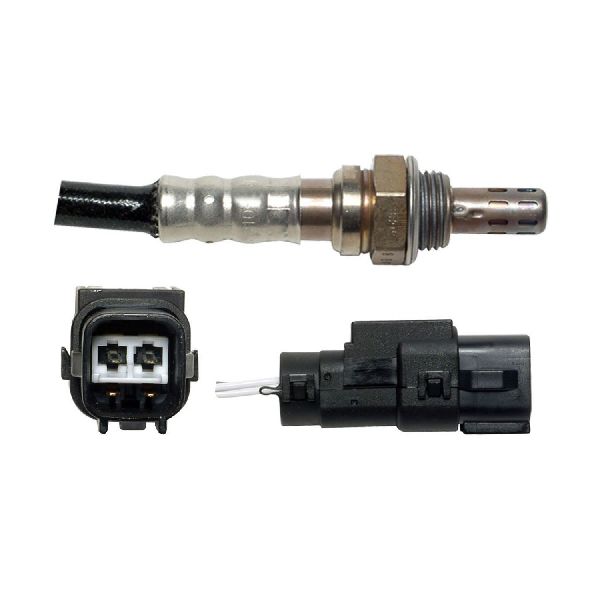
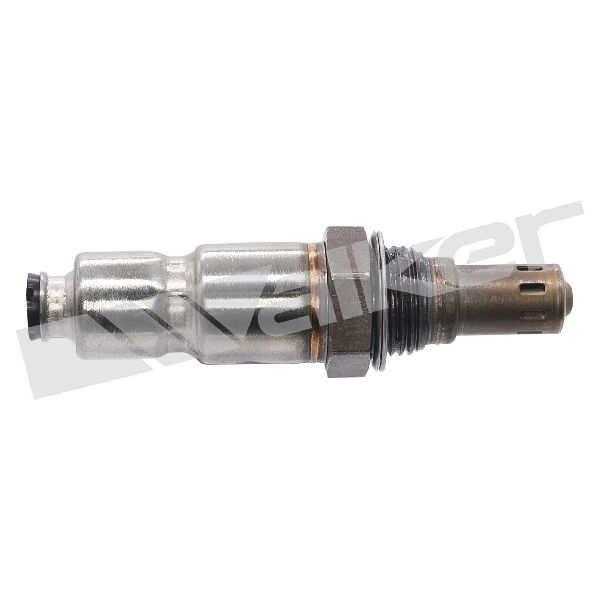
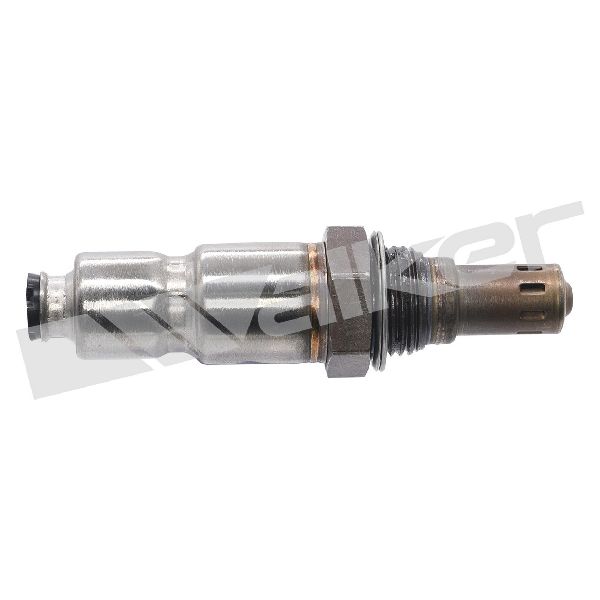
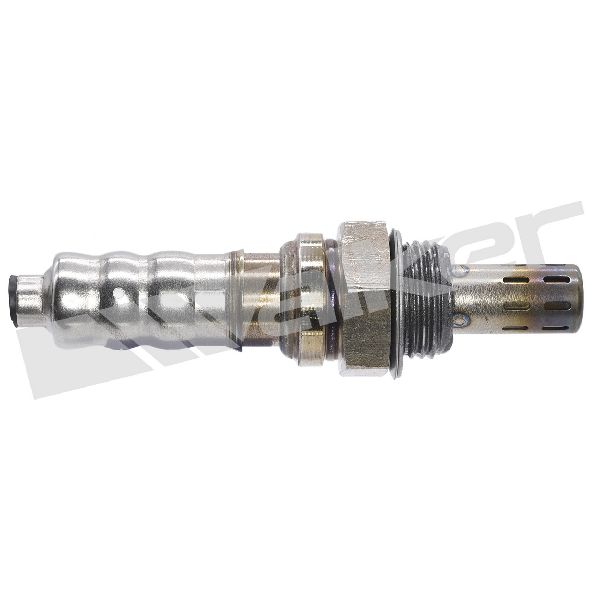
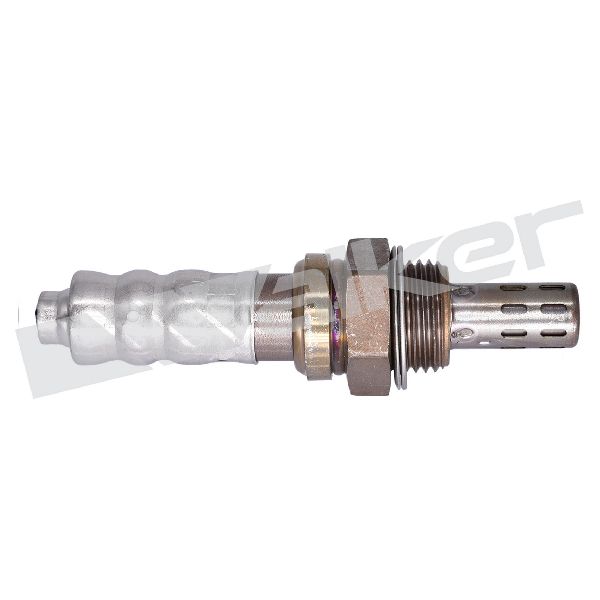
- Downstream Oxygen Sensor (Bank 1, Sensor 2)
(OEM #39210-2G560, 39210-2G400, 39210-2G550)— This is the most common failure point for code P0138. Note: Multiple part numbers exist based on production date and emissions package (Federal vs. California). 39210-2G400 is often cited for earlier models (approx. 2009-2010), while 39210-2G560 is cited for later models (approx. 2011-2015). Always verify the correct part number with the vehicle's VIN.
Trusted brands: Hyundai (OEM), Denso, NGK / NTK, Bosch
OEM price range: $150-$255
Aftermarket price range: $60-$120
Related Codes That Often Appear With This One
- P0140 — P0140 means 'O2 Sensor Circuit No Activity Detected'. It can appear with P0138 if the sensor has failed completely or has a wiring issue causing it to be stuck high and non-responsive.
- P0036 — P0036 refers to a fault in the heater circuit for the same sensor (Bank 1, Sensor 2). A sensor failure can often involve both the sensing element and the internal heater.
- P0137 — P0137 indicates 'O2 Sensor Circuit Low Voltage' for the same sensor. While opposite to P0138, seeing them together or intermittently can point to a failing sensor or erratic wiring connection.
Platform-Specific Known Issues
- Seized Sensor in Exhaust: Owners and mechanics frequently report that the downstream O2 sensor can be extremely difficult to remove due to rust and heat cycling. Using a generous amount of penetrating fluid and allowing it to soak before attempting removal is highly recommended. A breaker bar or homemade leverage tube may be necessary.
Mechanic-Grade Diagnostic Values
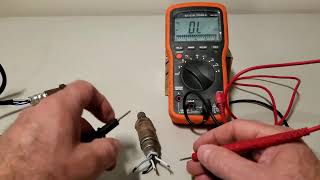
- Downstream O2 Sensor (B1S2) Heater Circuit Resistance — expected: Approximately 2.5 to 6.0 Ohms at room temperature (approx. 20°C / 68°F).. Failure: A reading of 'OL' (Over Limit / infinite resistance) indicates a burned-out heater element. A reading of 0 Ohms indicates a short circuit. A reading significantly outside the expected range also indicates failure.
- Downstream O2 Sensor (B1S2) Signal Voltage (Live Data) — expected: With the engine warm and at a steady cruise, a healthy downstream sensor should show a relatively stable voltage, typically between 0.5V and 0.8V. It should not switch rapidly like the upstream sensor.. Failure: A voltage signal that is stuck high (above 0.9V, often at 1.1V or higher) for a sustained period is the direct trigger for code P0138.
Wiring & Ground Locations
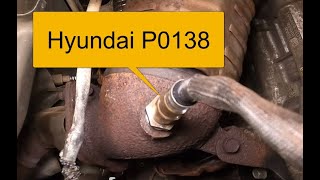
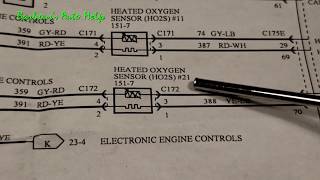
- B1S2 Connector Pins — The 4-pin connector for the downstream O2 sensor, located near the catalytic converter under the vehicle.. For testing, you need to identify the two heater circuit wires (often the same color) and the signal and ground wires. A wiring diagram is essential. A short between the signal wire and the heater power wire can cause a constant high voltage reading.
- Engine/Chassis Grounds — There are several main engine-to-chassis ground points. On a 2009 Sonata, for example, one is near the left-side engine mount, another is on the transmission, and a third is on the right-side inner fender. Locations are similar for the 2010-2015 models.. A poor ground connection for the ECM or the sensor circuit itself can cause floating voltages and incorrect readings, potentially leading to a P0138 code. While less common than a failed sensor, checking that main grounds are clean and tight is a valid diagnostic step if a new sensor doesn't fix the issue.
OEM Part Supersession History
39210-2G400→39210-2G550, and later 39210-2G560— Standard part evolution for improved durability or manufacturing efficiency.
Heads up: While the sensors may be physically interchangeable, using the wrong revision could lead to incorrect readings or premature failure. It is critical to verify the correct part number using the vehicle's VIN.
Model Year Variations Within This Range
- 2010-2014 (YF) vs 2015 (LF): The 2015 model year marked the beginning of the LF generation. While the 2.4L GDI engine was carried over, there can be subtle differences in wiring harness connectors and routing. The downstream O2 sensor part number appears consistent for 2.4L models from 2011 through 2015, but always verify with VIN.
- 2011: There was a mid-year part change for the downstream O2 sensor. Models built up to 11/15/2010 may use a different part number than those built after.
Diagnostic Flowchart
Other Known Issues on This Vehicle
Issues unrelated to this code that are worth knowing about as an owner of this generation:
- Theta II Engine Seizing/Failure 🔴 High — Widespread in 2011-2014 models with 2.0L and 2.4L GDI engines. Caused by manufacturing debris leading to premature connecting rod bearing wear. (Ref: Multiple recalls (e.g., NHTSA Campaign 15V568000, 17V226000) and a major class-action lawsuit settlement led to extended warranties (Lifetime for some owners) and engine replacements.)
- Steering Coupler Wear 🟠 Medium — Very common across 2011-2014 Sonatas. The flexible rubber coupler in the steering column disintegrates over time, causing a prominent clicking or clunking noise when turning the steering wheel. (Ref: Hyundai issued TSB 17-ST-002 and extended the warranty for this specific part to 10 years / 100,000 miles. The part number is 56315-2K000-FFF.)
- Subframe Corrosion 🔴 High — Affects vehicles operated in 'Salt Belt' states. Road salt causes severe corrosion of the front and rear subframes, which can lead to control arm detachment and loss of vehicle control. (Ref: Hyundai issued Recall 113 (NHTSA Campaign 13V354000) to inspect, rust-proof, or replace the affected subframes on 2006-2010 Sonatas, with the issue continuing to be a concern for vehicles in these regions.)
- Excessive Oil Consumption 🟠 Medium — Commonly reported, especially in the 2015 model year and other Theta II engines. Can lead to low oil levels, engine damage, and fouling of spark plugs and O2 sensors. (Ref: Often related to the larger Theta II engine issues and covered under the associated recalls and warranty extensions.)
- Peeling Paint 🟡 Low — Widespread complaints of paint, particularly on white and light-colored vehicles, peeling off in large sheets from the roof, hood, and trunk. (Ref: No universal recall, but numerous owner complaints and some goodwill repairs from dealers have been reported.)
Used vs. New Parts: Buying Guide for This Vehicle
When a used part is the smart pick: Never. An oxygen sensor is a wear-and-tear emissions component with a finite lifespan. It is highly inadvisable to purchase a used one from a junkyard. The labor to install it is not worth the risk of premature failure.
What to inspect on the donor part:
- Not applicable as used sensors are not recommended.
OEM-only on this vehicle (don't cheap out):
- While not strictly 'OEM-only', using reputable OEM suppliers is strongly recommended. Cheap, unbranded sensors from online marketplaces are known to fail quickly or be dead on arrival.
Aftermarket brands forum-validated for this vehicle:
- Denso
- NGK / NTK
Brands owners have reported issues with on this vehicle:
- Generic, no-name brands often sold on Amazon or eBay without a clear manufacturer identity. While some may work, failure rates are reportedly high.
Real Owner Stories
Aggregated from forums and TSBs cited above. Mileages and costs reflect what owners reported in those sources.
2014 Hyundai Sonata
Symptoms: Multiple codes including P0138, P0140, and P0036.
What fixed it: Checking and replacing the 15A 'SENSOR 1' fuse or replacing the sensor resolved the issue.
Source hint: 2CarPros
2013 Hyundai Sonata
Symptoms: Check engine light with P0138; wiring harness fell out of its clips.
What fixed it: Repairing the wiring harness that had melted on the hot exhaust pipe.
Source hint: YouTube - Auto Repair Guys
Hyundai Sonata (Year Unspecified)
Symptoms: Recurring P0138 code appearing one year after the sensor was previously replaced.
What fixed it: Discussion focused on a potential second sensor failure or a fault in the fuse circuit.
Source hint: Reddit r/Hyundai thread titled 'p0138_code_sensor_or_fuse_fault/'
Related OBD-II Codes
Frequently Asked Questions
Is there a specific fuse I should check on my 2014 Sonata for the P0138 code?
Could my Sonata's oil consumption issue be causing this O2 sensor failure?
What tool do I need to remove the Bank 1 Sensor 2 on my 2010-2015 Sonata?
My wiring harness looks melted; is this a common problem for the YF Sonata?
Are there any recalls for the Theta II engine that might be related to my sensor issues?
Does the Kia Optima have the same P0138 issues as my Sonata?
Helpful Videos
We Have This Part in Stock


The information in this article is provided for general reference and educational purposes only. Vehicle specifications, procedures, and part compatibility can vary by production date, trim level, and region. Always consult your vehicle's factory service manual and verify part numbers before purchasing or performing repairs. Safety-critical components such as airbags, seat belts, and braking systems should be installed by a qualified professional.
- Hyundai Sonata:
- 🧭 Diagnostic Flowchart
- 🎬 Helpful Videos
- 🛍️ Shop This Part
- What's Unique About the 2010-2015 Hyundai Sonata
- Symptoms You May Notice
- Most Likely Causes
- Rare But Worth Checking
- Diagnosis Steps
- Parts You'll Likely Need
- Related Codes That Often Appear With This One
- Platform-Specific Known Issues
- Mechanic-Grade Diagnostic Values
- Wiring & Ground Locations
- OEM Part Supersession History
- Model Year Variations Within This Range
- Other Known Issues on This Vehicle
- Used vs. New Parts: Buying Guide for This Vehicle
- Real Owner Stories
- 2014 Hyundai Sonata
- 2013 Hyundai Sonata
- Hyundai Sonata (Year Unspecified)
- Related OBD-II Codes
- Frequently Asked Questions
- 🎟️ Get 5% Off