

P0138 on 2021-2022 Jeep Gladiator: O2 Sensor Circuit High Voltage Fixes
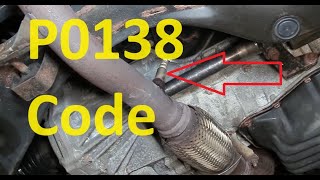
This code indicates a high voltage signal from the downstream oxygen sensor on Bank 1. The most common cause is a faulty O2 sensor, but a software update as per manufacturer TSBs should be checked first. A replacement sensor costs between $40 and $100. Oil leaks from the valve cover gasket onto the sensor connector are also a known issue.
- Before buying parts, check with a Jeep dealer if your Gladiator needs a PCM software update, as this is a known fix per TSBs.
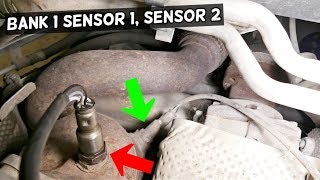
- The most likely physical part to fail is the Bank 1, Sensor 2 (passenger side, post-catalytic converter) oxygen sensor, often due to oil contamination.
- Thoroughly inspect the sensor's wiring harness for heat damage or physical abrasion, and specifically check for oil saturation from a potential valve cover leak above it.
What's Unique About the 2021-2022 Jeep GLADIATOR
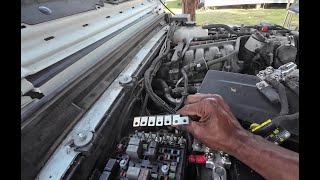
For the 2021-2022 Gladiator and its platform-mate, the Wrangler (JL), code P0138 is frequently cited in Technical Service Bulletins (TSBs) alongside a host of other O2 sensor circuit high codes (P0132, P0152, P0158, etc.). This pattern strongly suggests the root cause is often not an individual sensor failure but a systemic issue. Jeep has issued multiple PCM software updates to correct oversensitive monitoring logic, making a dealer visit to check for the latest software a crucial first step. 🎬 Watch: Common electrical issues to check on your Gladiator. Additionally, the 3.6L Pentastar engine in these vehicles is known for valve cover gasket leaks, which can drip oil directly onto the O2 sensor connectors, contaminating them and causing electrical faults.
Diagnostic Flowchart
Tap your situation to follow the diagnostic path that matches what you're seeing on this vehicle.
Symptoms You May Notice
- Check Engine Light (MIL) is on
- Increased fuel consumption
- Rough or unstable idle
- Failure to pass an emissions test
- Reduced engine power or sluggish acceleration
- Replacing the catalytic converter. The P0138 code relates to the sensor monitoring the converter, not necessarily the converter itself. A bad converter usually sets a P0420 code.
- Replacing the O2 sensor without checking for a software update first. Many owners have replaced sensors only to have the code return, with the final fix being a PCM flash.
- Replacing an oil-fouled O2 sensor without fixing the valve cover gasket leak. The new sensor will likely fail again in a short amount of time.
Most Likely Causes
- Outdated Powertrain Control Module (PCM) Software 🔴 High Probability Jeep has released multiple TSBs (e.g., 18-071-22 REV. C, 18-006-26 REV. A) for 2021-2022 Gladiators with the 3.6L engine that list P0138 among other codes fixed by a PCM software update. This is often the primary fix when multiple O2 sensor codes appear together.
How to confirm: A Jeep dealer or a qualified shop with access to OEM software (like wiTECH) can check your vehicle's VIN against the TSBs and see if a PCM flash is available. This is often the first step recommended by dealers for these symptoms.
Typical fix: Reprogram the PCM with the latest software version. This is often covered under the emissions warranty or as a customer satisfaction campaign.
Est. part cost: $0-$200 - Faulty Downstream Oxygen Sensor (Bank 1, Sensor 2) 🔴 High Probability → Shop Oxygen Sensor O2 sensors are wear items that can fail from contamination or age. On the Gladiator/Wrangler platform, they are also commonly fouled by oil leaking from the valve cover gaskets, a known issue with the 3.6L engine. The sensor's wiring acts as the reference air source, so oil wicking into the connector is enough to cause failure.
How to confirm: Test the sensor's voltage output with a scan tool. A healthy downstream sensor should show a relatively steady voltage. If it's stuck high (above 0.9V), it's likely faulty. Visually inspect the sensor and its connector for oil contamination from a valve cover leak above it.
Typical fix: Replace the Bank 1, Sensor 2 oxygen sensor. If oil contamination is present, the valve cover gasket must also be replaced to prevent repeat failure.
Est. part cost: $40-$100 - Wiring or Connector Issue 🟡 Medium Probability The wiring harness for the downstream O2 sensor runs along the vehicle's undercarriage, making it vulnerable to damage from road debris, off-roading, or heat from the exhaust. Forum users report harnesses getting chafed or melted. Oil contamination from valve cover leaks is also a primary cause of connector failure.
How to confirm: Visually inspect the wiring harness from the sensor to the main loom for any signs of melting, chafing, or breaks. Check the connector for corrosion, loose pins, or oil saturation. Test for a short to power in the signal wire using a multimeter.
Typical fix: Repair the damaged section of the wiring harness or clean/replace the connector. If oil is present, the source of the leak must be fixed.
Est. part cost: $10-$50
Rare But Worth Checking
- Exhaust Leak: An exhaust leak before the O2 sensor can introduce extra oxygen into the exhaust stream, potentially confusing the sensor and causing incorrect readings. This is less likely to cause a 'high voltage' (rich) code than a 'low voltage' (lean) code, but it can disrupt sensor function.
- High Fuel Pressure: Excessive fuel pressure from a failing fuel pump or regulator can create a rich running condition, which the downstream O2 sensor may interpret as a high voltage signal. This is less common and would likely be accompanied by other fuel system codes.
- Faulty Powertrain Control Module (PCM): In rare cases, the PCM itself can be the source of the problem, but this should only be considered after all other possibilities, especially software updates, have been exhausted.
Diagnosis Steps
- Check for Technical Service Bulletins (TSBs): This is the most critical first step. Contact a Jeep dealer with your VIN to see if TSBs like 18-071-22 REV. C apply. A PCM software update is a very common and often free (under warranty) fix.
- Scan for Other Codes: Use an OBD-II scanner to check for any other accompanying codes. Multiple O2 sensor codes (P0132, P0152, P0158) or charging system codes (P0563) reinforce the likelihood of a software issue.
- Inspect for Oil Leaks: Visually inspect the passenger-side valve cover (Bank 1) for any signs of oil leakage. Trace the path down to the O2 sensor connectors located on the exhaust. Oil contamination on the connector is a known cause of failure on the 3.6L engine.
- Inspect Wiring and Connectors: Visually inspect the entire wiring harness for the Bank 1 Sensor 2 O2 sensor. Look for any signs of melting, chafing against the driveshaft or frame, or corrosion in the connector.
- Analyze Live Sensor Data: Use a scan tool to observe the live data from the Bank 1 Sensor 2. The voltage should be relatively stable. If it is stuck high (e.g., >0.9V), this points towards a sensor, wiring, or software interpretation fault.
- Test the Sensor: If the wiring and connector are clean and intact, and software is up to date, the sensor itself is the most likely culprit. You can swap it with the Bank 2 Sensor 2 (if they are the same part number) to see if the code follows the sensor.
- Check for Exhaust Leaks: With the engine running, carefully check for any leaks in the exhaust system between the engine and the catalytic converter.
Parts You'll Likely Need
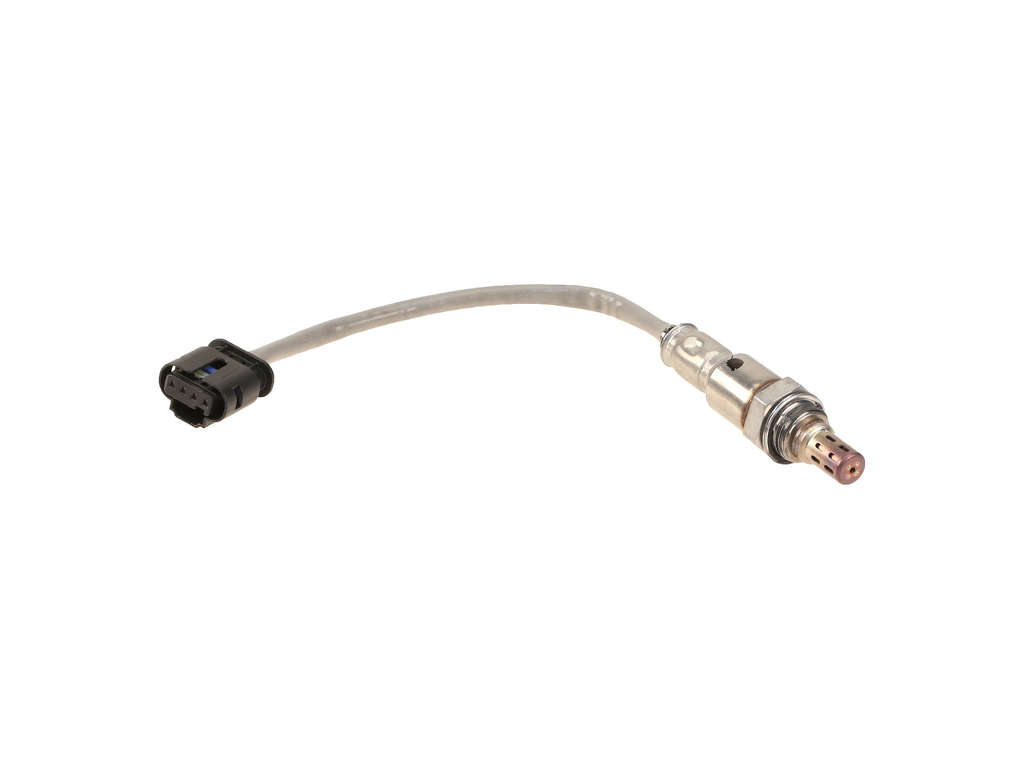
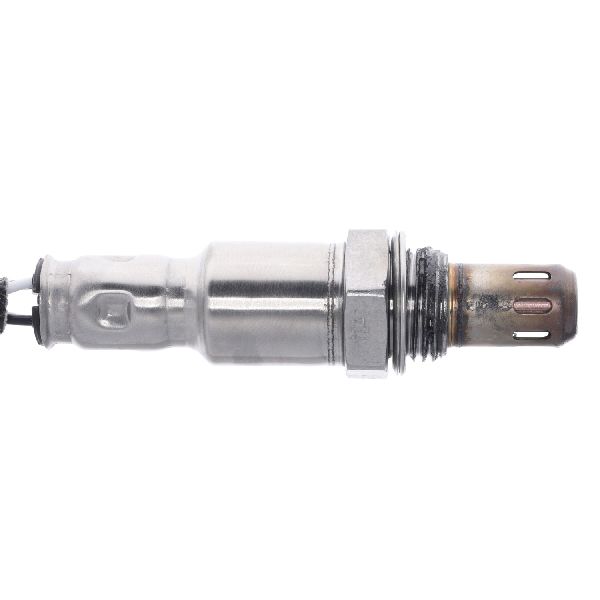
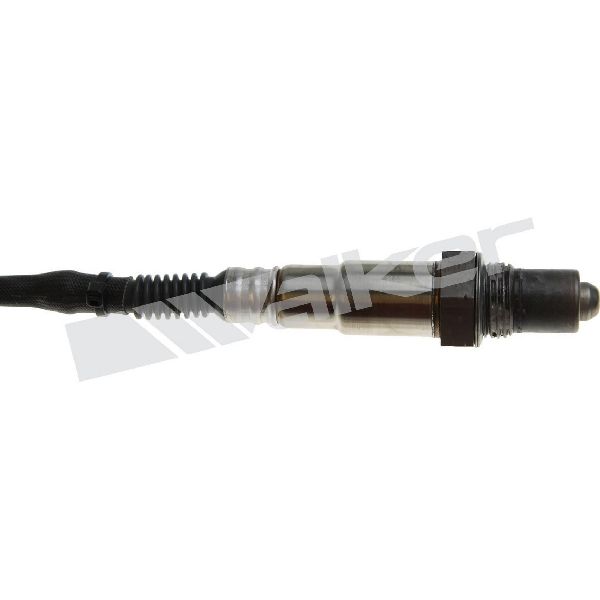
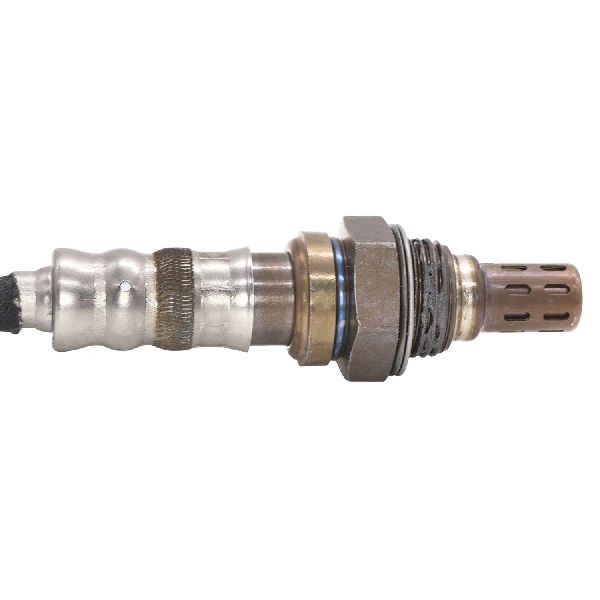
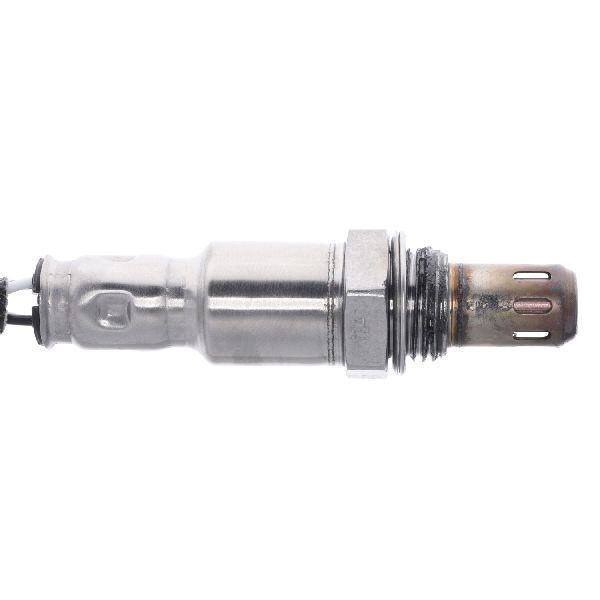
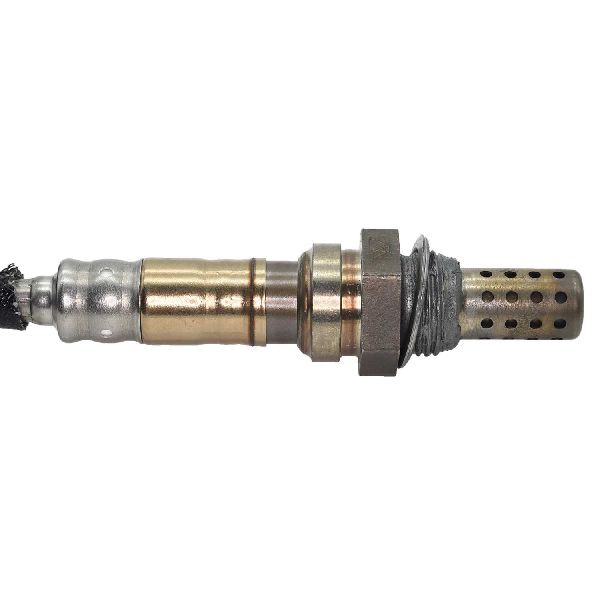
- Downstream Oxygen Sensor (Bank 1, Sensor 2)
(OEM #68291423AB)— This is the most common component to fail when the issue is not software-related. It is often damaged by age, heat, or oil contamination.
Trusted brands: Mopar, NTK, Bosch, Denso
OEM price range: $70-$110
Aftermarket price range: $40-$80
Related Codes That Often Appear With This One
- P0038 — This code is for 'O2 Sensor 1/2 Heater Circuit High'. Both P0138 and P0038 relate to the same physical sensor (Bank 1, Sensor 2), indicating a potential electrical fault within the sensor or its connector affecting both the signal and heater circuits.
- P0132, P0152, P0158 — These are 'Circuit High' codes for the other O2 sensors (B1S1, B2S1, B2S2). When multiple O2 sensor high voltage codes appear together, it strongly points towards a systemic issue like a PCM software glitch or a widespread wiring problem, as noted in Jeep TSBs.
- P0563, P2504 — These codes for 'System Voltage High' and 'Charging System Output High' have been noted in TSBs alongside the O2 sensor codes, suggesting the root cause is a PCM software calibration issue related to voltage monitoring.
Technical Service Bulletins (TSBs) & Recalls
- 18-071-22 REV. C: Flash: Powertrain Control Module (PCM) Updates, addresses P0138 and other O2 sensor circuit high DTCs for 2022 models.
- 18-006-26 REV.A: Also addresses multiple O2 sensor circuit high codes including P0138 for 2021 models.
- 18-042-22 REV. D: Similar to the above, lists
Platform-Specific Known Issues
- Multiple TSBs (18-071-22 REV. C, 18-006-26 REV.A, etc.) have been issued for 2021-2022 Gladiators that address P0138 and other O2 sensor circuit high codes via a PCM software update.
- Owners of Jeep Gladiators and the related Wrangler (JL) platform report various electrical issues, sometimes stemming from loose fuses or issues with the auxiliary battery system, which can cause a wide range of seemingly unrelated fault codes.
- A known issue on the 3.6L Pentastar engine is an oil leak from the valve cover gasket that drips onto the O2 sensor connectors, causing contamination and failure. A forum member on jlwranglerforums.com noted this is a common problem and that the sensor wiring itself is used for the O2 reference, making it highly sensitive to contamination.
Mechanic-Grade Diagnostic Values
- Downstream O2 Sensor (B1S2) Live Voltage — expected: A relatively stable voltage, typically between 0.5V and 0.8V on a warm, running engine.. Failure: Voltage is stuck consistently high, at or above 0.9V. The P0138 code sets when voltage remains high for a sustained period.
- O2 Sensor Heater Element Resistance — expected: Between 2.0 and 30.0 Ohms when measured across the two heater circuit pins (often the two wires of the same color) at room temperature.. Failure: A reading of 0 ohms (short circuit) or infinite/OL (open circuit) indicates a failed heater element, requiring sensor replacement.
- Upstream O2 Sensor (B1S1) Live Voltage (for comparison) — expected: Rapidly fluctuating waveform between approximately 0.1V (lean) and 0.9V (rich) on a warm, closed-loop engine.. Failure: A lazy, slow-to-respond, or flatlined voltage indicates a failing upstream sensor. This is not B1S2, but its health is crucial for overall system diagnosis.
Scan Tool Commands That Help
- wiTECH or equivalent professional scan tool: Live Data Graphing & Analysis — This is the primary diagnostic function. Use it to monitor the B1S2 voltage in real-time to confirm if it is stuck high. Compare its behavior to the B2S2 sensor; if both downstream sensors read high, it may point to a systemic issue like fuel pressure rather than a single sensor fault.
- wiTECH or equivalent professional scan tool: Forcing Rich/Lean Condition — While monitoring live O2 sensor data, a technician can manually create a rich condition (e.g., by introducing propane into the intake) or a lean condition (e.g., by creating a small vacuum leak). A healthy sensor's voltage should respond instantly. If the B1S2 voltage remains stuck high despite a forced lean condition, it strongly suggests a faulty sensor or a short-to-power in the signal wire.
Wiring & Ground Locations
- O2 Sensor Connector (4-wire) — On the sensor pigtail and the corresponding harness connector.. On many Jeep/Mopar sensors, the two wires of the same color (e.g., two blacks or two whites) are for the heater circuit. The other two are for the signal and signal ground. Identifying the signal wire is critical for testing for a short to power, which is a direct cause of a 'Circuit High' code.
- G104 - Main Engine Ground — On similar Jeep engines (like the 4.0L), this is a ground strap from the firewall to a stud on the side of the engine block. The wiring harness for the oxygen sensors often connects to this same stud.. A poor ground at this location can cause erratic voltage readings for all O2 sensors. While not a direct cause of a 'high voltage' code (which is usually a short to power), a compromised ground can create unpredictable electrical behavior and should be inspected for corrosion and tightness if multiple sensor codes are present.
- Passenger Kick Panel Grounds — Inside the cab, in the passenger-side footwell area behind the kick panel.. The PCM and various body control modules have grounds in this area. While not a primary suspect, a loose or corroded ground here can cause a wide range of difficult-to-diagnose electrical issues, including erroneous sensor readings.
Real Owner Repair Stories
- jlwranglerforums.com user report (2021 Jeep Wrangler 3.6L (same platform/powertrain as Gladiator)) — Check Engine Light with multiple O2 sensor codes, including P0138.
❌ Tried (didn't work) Replacing the oxygen sensors.
✅ What actually fixed it The owner took the vehicle to the dealership. The dealer performed a PCM (Powertrain Control Module) software update/flash as specified in a Technical Service Bulletin (TSB). This corrected the oversensitive voltage monitoring logic and resolved all the O2 sensor codes without replacing any further parts.
When the Usual Fixes Don't Work
- While replacing the O2 sensor is a common fix, it's crucial to note that for the 2021-2022 Gladiator, this is often not the root cause. As documented in TSBs and confirmed by owner experiences, a PCM software update is frequently the correct solution, especially when multiple O2 sensor 'circuit high' codes appear together. A real repair story confirmed that replacing the sensor did not fix the issue, but a subsequent dealer software flash did.
OEM Part Supersession History
68291423AA→68291423AB— Standard part revision by the manufacturer.
Heads up: A forum post for the 3.6L engine identifies part 68291423AB as being specifically for the Bank 1, Sensor 2 (Right Downstream) position, noting it has a longer wiring harness than the other three sensors (which use part 68224424AA). However, some Mopar parts catalogs list 68291423AB for both 'After Catalyst Right' and 'Upstream Right', creating potential confusion. A technician should verify the required harness length before ordering.
Helpful Videos
We Have This Part in Stock

The information in this article is provided for general reference and educational purposes only. Vehicle specifications, procedures, and part compatibility can vary by production date, trim level, and region. Always consult your vehicle's factory service manual and verify part numbers before purchasing or performing repairs. Safety-critical components such as airbags, seat belts, and braking systems should be installed by a qualified professional.
- Jeep GLADIATOR:
- 🧭 Diagnostic Flowchart
- 🎬 Helpful Videos
- 🛍️ Shop This Part
- What's Unique About the 2021-2022 Jeep GLADIATOR
- Symptoms You May Notice
- Most Likely Causes
- Rare But Worth Checking
- Diagnosis Steps
- Parts You'll Likely Need
- Related Codes That Often Appear With This One
- Technical Service Bulletins (TSBs) & Recalls
- Platform-Specific Known Issues
- Mechanic-Grade Diagnostic Values
- Scan Tool Commands That Help
- Wiring & Ground Locations
- Real Owner Repair Stories
- When the Usual Fixes Don't Work
- OEM Part Supersession History
- 🎟️ Get 5% Off