

P0138 on 2004-2009 Mazda 3 2.0L: O2 Sensor High Voltage Causes & Fixes
On a 2004-2009 Mazda 3, code P0138 almost always means the downstream (post-catalytic converter) oxygen sensor has failed. This is a common DIY repair, with a quality aftermarket sensor costing between $60 and $120. Before replacement, confirm the failure by checking for a steady high voltage (above 0.9V) from the sensor using a scan tool.
- P0138 on a 2004-2009 Mazda 3 almost always means the downstream O2 sensor (after the catalytic converter) has failed.
- Before buying parts, confirm the failure by checking for a steady, high voltage (above 0.9V) from the sensor using a scan tool's live data feature.
- The most common mistake is replacing the wrong sensor; ensure you are replacing Sensor 2 (downstream), not Sensor 1 (upstream).
- The old sensor is often seized. Be prepared to use a generous amount of penetrating oil (like PB Blaster) and the correct 22mm (7/8") O2 sensor socket for removal.
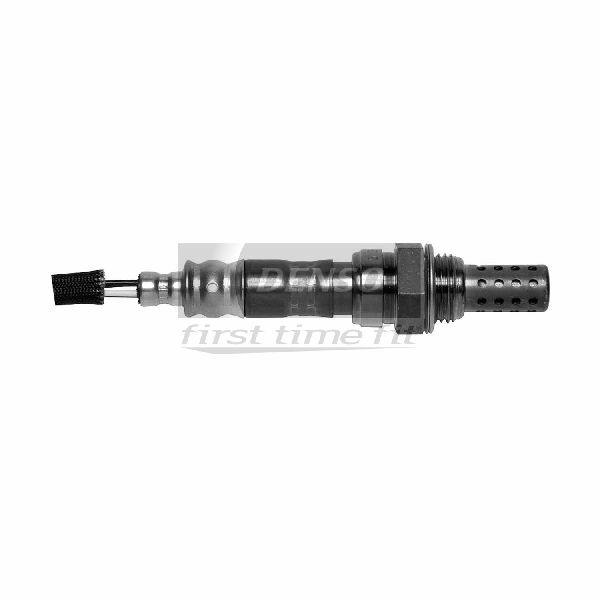
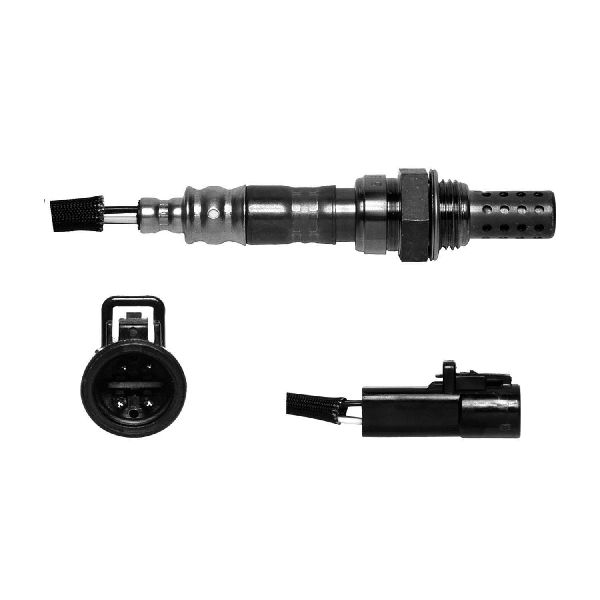
- Choose a quality replacement sensor from brands like Denso (234-4329) or NGK/NTK (24446) for the best reliability and fit.
What's Unique About the 2004-2009 Mazda 3
For the first-generation (BK) Mazda 3, the P0138 code is a very common and straightforward issue. Unlike some vehicles where this code can be a symptom of complex ECU or fuel system problems, on this platform it almost always points directly to a worn-out downstream O2 sensor. The sensor is a known wear item, and its exposed position under the car makes it susceptible to the elements, leading to eventual failure. The repair is considered a common and simple job by the owner community, with the most frequent complication being the sensor seized in the exhaust pipe.
Symptoms You May Notice
- Check Engine Light is on
- Guaranteed failure of an emissions/smog test
- Potential for slightly reduced fuel economy
- Potential for rough idling or hesitation (less common for a downstream sensor fault)
- Replacing the upstream Air/Fuel Ratio Sensor (Sensor 1). P0138 is specific to Sensor 2, which is downstream of the catalytic converter.
- Immediately replacing the catalytic converter. A high voltage code points to a sensor or circuit issue, not typically a converter efficiency issue (which would trigger a code like P0420).
Most Likely Causes
- Failed Downstream Oxygen Sensor (Bank 1, Sensor 2) 🔴 High Probability → Shop Oxygen Sensor The sensor is a standard wear-and-tear part. Its location under the vehicle exposes it to extreme heat, moisture, and road salt, leading to a finite lifespan. Forum users widely report this as a common failure item.
How to confirm: Use an OBD-II scanner with live data monitoring. Observe the 'O2S12' or 'B1S2' voltage on a fully warmed engine. If it is stuck high (consistently above 0.9 volts) and does not fluctuate, the sensor has failed. A healthy downstream sensor should show a relatively stable voltage, not a fixed high value.
Typical fix: Replace the downstream oxygen sensor. This requires a 22mm (or 7/8") O2 sensor socket. The old sensor can be seized; use a quality penetrating oil like PB Blaster liberally on the threads, ideally letting it soak overnight. After replacement, apply anti-seize compound to the new sensor's threads and torque to approximately 35 Nm (26 ft-lbs).
Est. part cost: $60-$180 - Damaged Wiring or Connector 🟡 Medium Probability The wiring harness for the downstream O2 sensor runs underneath the car and can be damaged by road debris, speed bumps, improper jacking, or corrosion from the elements. The plastic connector itself can also become brittle and break.
How to confirm: Visually inspect the entire wiring harness from the O2 sensor to its connection point. Look for melted plastic on the exhaust, frayed or broken wires, and corrosion inside the connector pins. Check for continuity on each wire with a multimeter if visual inspection is inconclusive.
Typical fix: Repair the damaged section of wire with a weatherproof splice or butt connector. If the connector is corroded, clean it with electrical contact cleaner or replace the connector pigtail.
Est. part cost: $5-$30
Rare But Worth Checking
- Exhaust Leak: An exhaust leak before the downstream O2 sensor can allow outside air into the exhaust stream, which can sometimes cause unusual sensor readings. This is worth checking if a new sensor doesn't fix the code. Check for soot marks or listen for hissing sounds around exhaust flanges and flex pipes.
- Faulty Powertrain Control Module (PCM): This is extremely rare. Before condemning the PCM, you must have definitively ruled out a faulty sensor and any wiring issues. This would be a last-resort diagnosis after multiple, quality replacement sensors fail to resolve the code.
Diagnosis Steps
- Connect an OBD-II scanner to confirm P0138 is the active code. Note any other codes present.
- Using the scanner's live data function, monitor the voltage for Bank 1 Sensor 2 (O2S12). A reading that is stuck high (e.g., 0.9V - 1.2V) and does not change with engine RPM points towards a sensor or circuit fault.
- Perform a thorough visual inspection of the downstream O2 sensor's wiring harness and connector. Look for any signs of melting, chafing, corrosion, or physical damage from the sensor all the way to the connector plug.
- If the wiring appears intact, the most likely cause is the O2 sensor itself.
- (Optional advanced step) Disconnect the sensor and check the heater circuit resistance with a multimeter. An open circuit (infinite resistance) or a dead short indicates a failed heater element within the sensor, which can contribute to incorrect readings. A good heater should have a resistance between 2.5 and 4.0 ohms.
- Replace the downstream O2 sensor. Use penetrating oil on the old sensor's threads and let it soak to make removal easier. Mazda has a specific TSB (01-003/15) for removing seized sensors, which suggests a cycle of lubrication and gentle turning.
- After replacement, clear the code with the scanner and perform a drive cycle to ensure the Check Engine Light does not return.
Parts You'll Likely Need
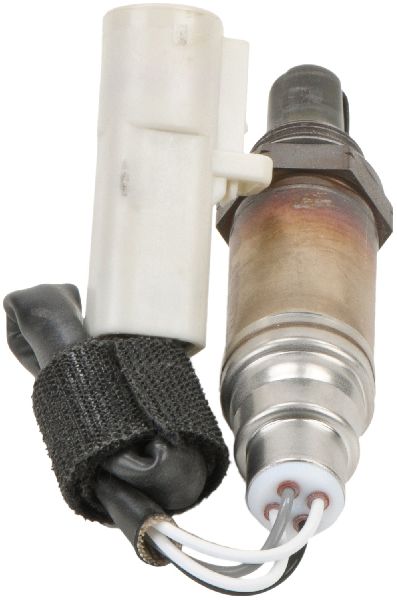
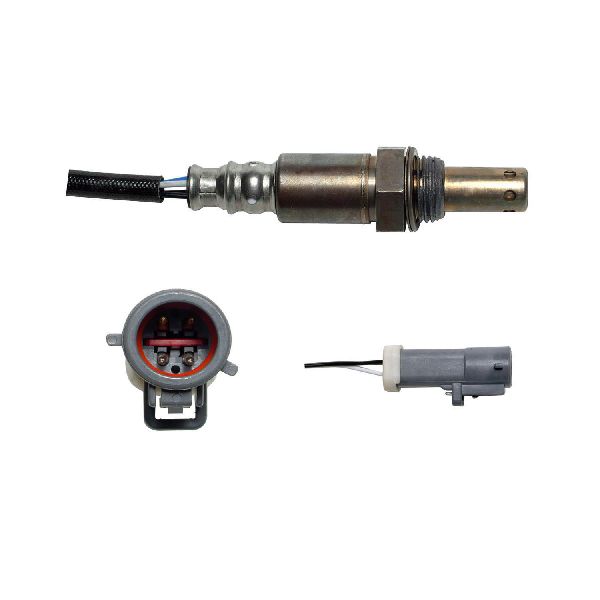
- Downstream Oxygen Sensor (Bank 1, Sensor 2)
(OEM #ZJ39-18-861A)— This is the primary failure point for code P0138. It is a consumable part that wears out over time.
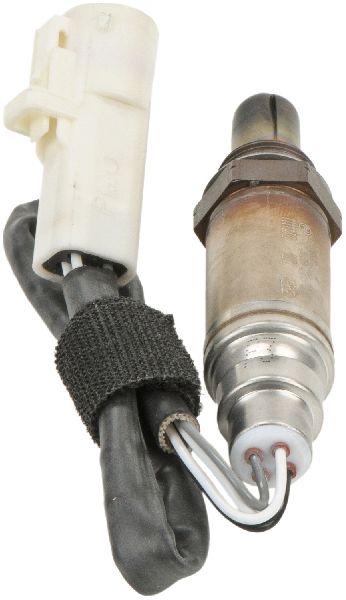
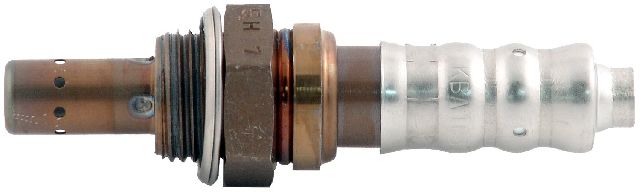
Trusted brands: Denso (e.g., 234-4329), NGK / NTK (e.g., 24446), Bosch (e.g., 15916)
OEM price range: $150-$220
Aftermarket price range: $60-$120
Technical Service Bulletins (TSBs) & Recalls
- TSB 01-003/15: This bulletin provides a detailed procedure for removing seized oxygen or air-fuel ratio sensors. It advises allowing the exhaust to cool, applying penetrating lubricant for at least 1-2 minutes, and using a specific SST (Special Service Tool) or equivalent socket to turn the sensor. If binding occurs, the TSB recommends a back-and-forth (tightening/loosening) motion.
Platform-Specific Known Issues
- O2 sensors on this model are known to become seized in the exhaust pipe, making removal difficult. Mazda issued a Technical Service Bulletin (TSB 01-003/15) with specific instructions on using penetrating lubricant and a sequence of tightening/loosening motions to safely remove stuck sensors without damaging the exhaust components. Forum users echo this, strongly recommending soaking the sensor in PB Blaster for several hours or even overnight before attempting removal with a proper 22mm O2 sensor socket and a breaker bar.
Mechanic-Grade Diagnostic Values
- Downstream O2 Sensor Heater Circuit Resistance — expected: 2.5 - 4.0 Ohms at room temperature, measured between the two same-colored wires on the sensor's connector.. Failure: An open circuit (OL or infinite resistance) or a direct short (0 Ohms) indicates a failed heater element within the sensor.
- O2 Sensor Signal Wire Voltage (KOEO, Sensor Disconnected) — expected: A small 'ghost' or 'bias' voltage, typically below 0.5V, should be present on the signal wire pin in the harness-side connector.. Failure: A reading of 0V could indicate a break in the signal wire to the PCM. A reading of battery voltage (12V) or a solid 5V indicates a short to power.
- O2 Sensor Heater Circuit Power Supply (KOEO) — expected: Approximately 12V (battery voltage) at the power pin on the harness-side connector.. Failure: 0V or very low voltage points to a blown fuse (10A 'ENG BAR 3' or 'ENG BAR 4' in the under-hood fuse box) or a break in the power wire.
Hidden / Shadow Codes Worth Checking
- P0132: O2 Sensor Circuit High Voltage (Bank 1 Sensor 1). While this code is for the upstream sensor, some diagnostic tools may erroneously display it alongside P0138 for a downstream sensor fault, as seen in some diagnostic videos. It's important to confirm the fault is truly with Sensor 2 via live data. (see via May appear during a full system scan with professional-level scan tools.)
Wiring & Ground Locations
- G6 — On the left rear of the engine.. A poor engine ground can cause electrical noise and voltage offsets in sensor circuits, potentially leading the PCM to misinterpret the O2 sensor's signal as high.
- Passenger Motor Mount Ground — A ground strap is typically located at or near the passenger-side motor mount.. This is a primary chassis ground point. Corrosion or looseness here can affect the entire engine management system, including sensor readings.
- Fuse 'ENG BAR 3' or 'ENG BAR 4' — In the main fuse and relay box located in the engine bay, near the battery.. This 10A fuse provides power to the oxygen sensor's internal heater. While a failure here typically sets a heater circuit code (like P0140), a faulty circuit can sometimes contribute to erratic sensor readings.
Real Owner Repair Stories
- Go-Parts Repair Database (Mazda 3 (generation unspecified, but symptoms match)) — Persistent P0138 code.
❌ Tried (didn't work) Multiple oxygen sensor replacements, Wiring harness inspection
✅ What actually fixed it The issue was diagnosed as a rare Powertrain Control Module (PCM) fault, and replacing the PCM resolved the code. - Mazda3Club.com forum user (2005 Mazda 3 2.0L) — Intermittent, then persistent, Check Engine Light with code P0138.
❌ Tried (didn't work) First replacement of the downstream O2 sensor by a local garage., Second replacement of the downstream O2 sensor (supposedly an OEM part) under warranty by the same garage.
✅ What actually fixed it The user did not post a final resolution, but the thread documents a high-value diagnostic journey where two new sensors failed to fix the problem, and the next step recommended by multiple shops was a PCM re-flash or replacement. This story serves as strong counter-evidence to the 'it's always the sensor' assumption.
When the Usual Fixes Don't Work
- While P0138 is fixed by a new downstream O2 sensor in over 90% of cases, there are documented instances where the code persists even after multiple sensor replacements. In one forum case, a 2005 Mazda 3 owner replaced the sensor twice (once with an alleged OEM part) to no avail, leading shops to suspect a PCM fault. In another confirmed repair, a PCM replacement was the ultimate fix after ruling out the sensor and wiring. This highlights that while a sensor replacement is the correct first step, if the code immediately returns, one must not rule out a faulty replacement part or, in very rare cases, a problem with the PCM's input circuit.
OEM Part Supersession History
ZJ39-18-861A→N/A— This part number remains the primary reference for the 2.0L downstream sensor.
Heads up: Be aware that other part numbers like Z602-18-861A and Z602-18-861 are sometimes cross-referenced. Always verify fitment with your vehicle's VIN, as minor variations for different engines (1.6L, 2.3L) or emissions standards (PZEV) exist.
Model Year Variations Within This Range
- 2006-2009: In 2006, the 2.0L engine received variable valve timing (VVT), which slightly increased horsepower. However, this change did not affect the exhaust, emissions control system, or the diagnostic procedure for code P0138. The cause and fix remain consistent across the entire 2004-2009 range.
Diagnostic Flowchart
Other Known Issues on This Vehicle
Issues unrelated to this code that are worth knowing about as an owner of this generation:
- Passenger-Side Hydraulic Engine Mount Failure 🔴 High — Extremely common. Often fails after 60,000-100,000 miles, causing excessive vibration in the cabin at idle, especially when in 'Drive'. (Ref: No official recall for the standard Mazda 3, but it is a widely acknowledged failure point.)
- Cracked Plastic Thermostat Housing 🟠 Medium — Common failure item leading to coolant leaks. The plastic becomes brittle over time from heat cycles.
- Failing Automatic Transmission Control Module (TCM) 🔴 High — A notorious issue for 2006-2009 models with automatic transmissions. The TCM is mounted directly to the hot transmission case, leading to heat-related failure causing harsh shifting, getting stuck in gear, and AT/Check Engine lights.
- Rear Wheel Well and Rocker Panel Rust 🟠 Medium — Very common, especially in regions that use road salt ('Salt Belt'). Poor drainage and paint protection in the rear fender lips lead to significant corrosion.
- Noisy/Ticking Hydraulic Valve Lash Adjusters (HLAs) 🟡 Low — The MZR/LF-DE engines can develop a ticking noise, particularly when cold or if oil levels are low. It is often caused by noisy HLAs and is usually considered more of an annoyance than a critical issue.
- Dirty Throttle Body Causing Low/Rough Idle 🟡 Low — Carbon buildup in the throttle body can cause the idle RPM to drop too low, sometimes causing stalling. Cleaning the throttle body is a common maintenance item to resolve this.
Used vs. New Parts: Buying Guide for This Vehicle
When a used part is the smart pick: For an oxygen sensor, buying used is almost never a smart choice. They are consumable parts with a finite lifespan determined by heat cycles and contamination. A used sensor from a junkyard has an unknown history and may fail shortly after installation, wasting time and money.
Donor-vehicle mileage cap: roughly under 30000 miles for the part to have meaningful remaining life.
What to inspect on the donor part:
- If forced to consider used, source from a very low-mileage wreck.
- Inspect the connector for corrosion or damage.
- Check that the sensor's protection cage is intact and not clogged with carbon.
- Avoid any sensor that shows signs of physical impact or has a damaged wire.
OEM-only on this vehicle (don't cheap out):
- While not strictly 'OEM-only', using a sensor from the Original Equipment Manufacturer (Denso or NTK/NGK) is highly recommended. These parts are engineered to the exact resistance and response specifications required by the Mazda PCM.
Aftermarket brands forum-validated for this vehicle:
- Denso (often the original part without the Mazda logo)
- NGK / NTK (also a known OEM supplier for many Japanese vehicles)
Brands owners have reported issues with on this vehicle:
- Universal Sensors: These require cutting your factory connector and splicing it onto the new sensor. This introduces a point of failure; an imperfect connection can alter the resistance and cause the code to return.
- No-name / Unbranded eBay/Amazon sensors: These often use lower-quality materials, have a high failure rate, and may not perform to the required specifications, leading to persistent codes or poor performance.
Real Owner Stories
Aggregated from forums and TSBs cited above. Mileages and costs reflect what owners reported in those sources.
2008 Mazda 3
Symptoms: Check Engine Light with code P0138.
What fixed it: DIY replacement of the O2 sensor after using PB Blaster penetrating oil the day before to loosen the seized sensor.
Source hint: Reddit r/MechanicAdvice - OBD code P0138 (Mazda 3)
2005 Mazda 3 2.0L
Symptoms: Persistent P0138 code that remained even after two separate sensor replacements, including an alleged OEM part.
What fixed it: The discussion explored advanced diagnostics and the rare possibility of a PCM failure when standard sensor replacement fails.
Source hint: Mazda3Club.com - O2 Sensor (P0138)
2004-2009 Mazda 3
Symptoms: Downstream O2 sensor seized in the exhaust pipe, making removal difficult.
What fixed it: Following TSB 01-003/15 using a sequence of tightening/loosening motions and penetrating lubricant to safely remove the stuck sensor.
Source hint: TSB 01-003/15
Related OBD-II Codes
Frequently Asked Questions
Is there a specific procedure for removing a stuck O2 sensor on my Mazda 3?
What size socket do I need to replace the downstream sensor on a 2.0L LF-DE engine?
Where is 'Bank 1, Sensor 2' located on my 4-cylinder Mazda 3?
Can I use any lubricant to help remove the old sensor?
What should the resistance be for the O2 sensor heater circuit on this model?
What torque should I apply when installing the new downstream sensor?
Helpful Videos
We Have This Part in Stock

The information in this article is provided for general reference and educational purposes only. Vehicle specifications, procedures, and part compatibility can vary by production date, trim level, and region. Always consult your vehicle's factory service manual and verify part numbers before purchasing or performing repairs. Safety-critical components such as airbags, seat belts, and braking systems should be installed by a qualified professional.
- Mazda 3:
- 🧭 Diagnostic Flowchart
- 🎬 Helpful Videos
- 🛍️ Shop This Part
- What's Unique About the 2004-2009 Mazda 3
- Symptoms You May Notice
- Most Likely Causes
- Rare But Worth Checking
- Diagnosis Steps
- Parts You'll Likely Need
- Technical Service Bulletins (TSBs) & Recalls
- Platform-Specific Known Issues
- Mechanic-Grade Diagnostic Values
- Hidden / Shadow Codes Worth Checking
- Wiring & Ground Locations
- Real Owner Repair Stories
- When the Usual Fixes Don't Work
- OEM Part Supersession History
- Model Year Variations Within This Range
- Other Known Issues on This Vehicle
- Used vs. New Parts: Buying Guide for This Vehicle
- Real Owner Stories
- 2008 Mazda 3
- 2005 Mazda 3 2.0L
- 2004-2009 Mazda 3
- Related OBD-II Codes
- Frequently Asked Questions
- 🎟️ Get 5% Off