

P0138 on 2008-2013 Mazda 6 2.5L: Causes and Fixes for O2 Sensor High Voltage
This code almost always indicates a failed downstream oxygen sensor (Bank 1, Sensor 2). On the 2.5L Mazda 6, this is a very common and straightforward fix. The OEM part is Mazda #L510-18-861B, with Denso (#234-4517) being a trusted aftermarket alternative. Expect to pay around $60-$110 for a quality aftermarket sensor and $150+ for an OEM part. It's a DIY-friendly job if the old sensor isn't seized by rust.
- P0138 on a 2008-2013 Mazda 6 almost always means the downstream (post-catalytic converter) oxygen sensor has failed.
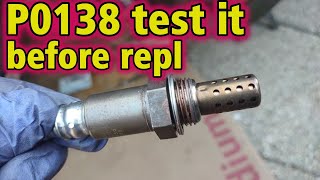
- Before buying parts, confirm the failure by checking the sensor's live voltage with a scan tool. A reading stuck above 0.9V is a clear indicator.
- Replacement is a DIY-friendly job, but the sensor can be very difficult to remove due to rust. Use penetrating oil and a special 22mm (7/8") O2 sensor socket.
- Always choose a quality replacement sensor from brands like Denso (Part #234-4517) or NGK/NTK, as they are often the original equipment suppliers for Mazda.
- Do not replace the more expensive upstream sensor or the catalytic converter; they are not the cause of this specific code.
What's Unique About the 2008-2013 Mazda 6
The 2008-2013 Mazda 6 (Generation GH) with the 2.5L L5-VE engine uses a very conventional exhaust and emissions setup. The L5-VE engine itself is considered one of the most reliable in its series, with no specific design flaws that make it uniquely prone to P0138. The issue is almost always caused by normal component aging. The downstream O2 sensor is located under the car and is exposed to heat, moisture, and road salt, which leads to eventual failure and can make the old sensor difficult to remove due to rust.
Symptoms You May Notice
- Check Engine Light is on.
- Decreased fuel economy.
- Rough idling or engine hesitation (less common).
- Strong exhaust odor or smell of gasoline (in some cases).
- Replacing the upstream oxygen sensor (Air/Fuel Ratio Sensor). P0138 specifically refers to Sensor 2, which is the downstream sensor after the catalytic converter.
- Replacing the catalytic converter. A high voltage code points to a sensor or circuit issue, not typically a failing converter. 🎬 See a breakdown of common causes for high voltage codes. Other codes, like P0420 or P0421, are more indicative of converter problems.
Most Likely Causes
- Failed Downstream Oxygen Sensor (Bank 1, Sensor 2) 🔴 High Probability → Shop Oxygen Sensor The sensor is a wear-and-tear item with a finite lifespan, typically 60,000 to 100,000 miles. Its location under the vehicle exposes it to harsh conditions, leading to eventual failure.
How to confirm: Use an OBD-II scanner to view live data for 'O2S B1S2'. If the voltage is stuck high (e.g., above 0.9V and approaching 1.2V) and doesn't fluctuate, the sensor has failed. 🎬 Watch this step-by-step P0138 diagnosis and sensor replacement guide. You can also test the sensor's internal heater resistance with a multimeter between the two same-colored wires (often black); an open loop (no reading) or a reading far outside the 5-15 ohm range indicates a bad sensor.
Typical fix: Replace the downstream oxygen sensor. Applying penetrating oil before removal is highly recommended, as the sensor is often seized by rust. Use a specialized 22mm (7/8") O2 sensor socket for removal and installation. Apply anti-seize compound to the threads of the new sensor before installation.
Est. part cost: $60-$180 - Damaged Wiring or Connector 🟡 Medium Probability The wiring harness runs underneath the car and is susceptible to damage from road debris, heat from the exhaust, and corrosion from moisture and road salt. A short to power on the signal wire can cause a constant high voltage reading.
How to confirm: Visually inspect the wiring leading to the downstream O2 sensor. Look for any frayed wires, melted insulation, or corrosion in the connector pins. Check for a short to power in the harness by unplugging the sensor; if the scan tool voltage does not drop to 0V, the wiring is likely shorted.
Typical fix: Repair the damaged section of the wiring harness or clean/replace the connector.
Est. part cost: $5-$50
Rare But Worth Checking
- Exhaust Leak: An exhaust leak upstream of the sensor can sometimes cause erratic readings, though it's less likely to cause a persistent high voltage code compared to a failed sensor.
- Rich Running Condition: A leaking fuel injector or excessive fuel pressure could create a rich condition that the sensor accurately reports as high voltage. This is less common and would usually be accompanied by other symptoms or codes.
- Powertrain Control Module (PCM) Fault: This is extremely rare. The PCM should only be considered a potential cause after all other possibilities, including the sensor, wiring, and fuel system, have been definitively ruled out.
Diagnosis Steps
- Connect an OBD-II scanner and confirm that P0138 is the active code. Note any other codes present.
- View the live data stream for the Bank 1, Sensor 2 (B1S2) oxygen sensor. With the engine warm and running, the voltage should be relatively stable. If it is stuck high (e.g., >0.9V), the sensor or its circuit is faulty.
- Perform a thorough visual inspection of the downstream O2 sensor's wiring harness and connector. Look for any signs of melting, chafing, corrosion, or loose connections.
- If the wiring appears intact, test the old sensor. Disconnect it and measure the resistance of the heater circuit (between the two wires of the same color). A reading of 'OL' or infinite resistance means the heater is broken and the sensor must be replaced. A good sensor should read between 5-15 Ohms.
- To rule out a wiring short, unplug the sensor and watch the live data on the scan tool with the key on, engine off. The voltage for B1S2 should drop to near 0V. If it stays high, there is a short to power in the harness that needs to be found and repaired.
- If the sensor fails the resistance test or the wiring tests good, replace the downstream oxygen sensor. This is the fix in the vast majority of cases.
- After replacement, clear the trouble codes and perform a drive cycle to ensure the Check Engine Light does not return.
Parts You'll Likely Need
- Downstream Oxygen Sensor (Bank 1, Sensor 2)
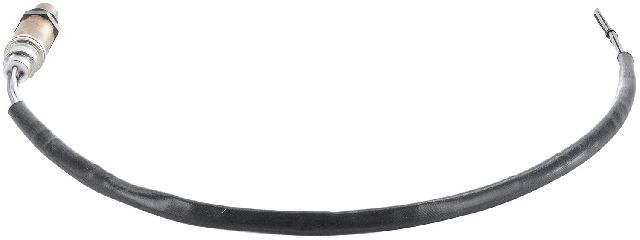
(OEM #L510-18-861B (supercedes L510-18-861A, L510-18-861))— This sensor is a common wear item and is responsible for the voltage reading that triggers the P0138 code. Its failure is the most frequent cause.
Trusted brands: Denso (OEM Supplier, Part #234-4517), NGK/NTK, Bosch
OEM price range: $150-$280
Aftermarket price range: $60-$110
Technical Service Bulletins (TSBs) & Recalls
- Mazda Special Service Program (SSP) A0: While not for P0138, this is a widely known warranty extension for the 2009-2013 Mazda 6 that addresses the common issue of the dashboard surface becoming sticky and melting in high heat and humidity.
Mechanic-Grade Diagnostic Values
- Downstream O2 Sensor (B1S2) Heater Circuit Resistance — expected: 5-15 Ohms at room temperature. A Denso OEM-style sensor may read around 5.6 Ω +/- 0.8 Ω.. Failure: An open loop ('OL' or infinite resistance) on a multimeter indicates a failed heater element.
- Downstream O2 Sensor (B1S2) Voltage (Live Data) — expected: On a healthy, warm engine, the downstream sensor voltage should be relatively stable, typically between 0.5V and 0.8V. It should not fluctuate rapidly like the upstream sensor.. Failure: A voltage signal that is stuck high (consistently >0.9V) or has exceeded the PCM's limit of 1.2V.
- PCM Trigger Condition for P0138 — expected: The PCM expects a fluctuating voltage signal within a specific range.. Failure: The code is set if the PCM detects an input voltage from the rear HO2S greater than 1.2 V for 0.8 seconds.
Scan Tool Commands That Help
- FORScan / Generic OBD-II Scanner: Live Data Graphing (Oscilloscope Mode) — Use this to visually confirm if the B1S2 sensor voltage is flat-lined high, which is a definitive sign of failure. A healthy downstream sensor shows a lazy, stable voltage, while a failed one will often be a flat line near its upper limit.
Wiring & Ground Locations
- Corroded Ground Block — Under the airbox assembly in the engine bay. It is located in the direct path of water and debris splashed up by the front driver's side tire.. This ground point serves multiple components. Corrosion here can create high resistance or a poor ground reference for sensor circuits, potentially causing erratic or high voltage readings that the PCM misinterprets as a sensor fault. It's a known issue on this platform generation.
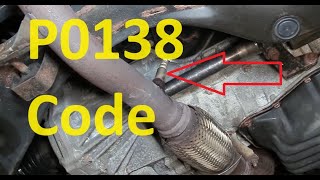
- Downstream O2 Sensor Connector — The 4-wire connector for the downstream sensor (often with a green wire loom) is located in the engine bay, near the top driver's side, often clipped to a bracket near the battery.. 🎬 Watch this quick video to locate the downstream sensor. This is the primary access point for testing the sensor's heater circuit and signal wire continuity back to the PCM without having to access the PCM itself. All diagnostic electrical tests should start here.
- Main Engine/Transmission Grounds — Key ground points are located on the passenger side motor mount, on top of the transmission housing, and from the driver's side fender area to the negative battery terminal.. While less specific than the airbox ground, a compromised main engine ground can cause a voltage differential between the engine block (where the sensor gets its ground reference) and the chassis, leading to a variety of electrical faults, including O2 sensor codes.
Real Owner Repair Stories
- YouTube channel 'JM Auto Repair' (2009 Mazda 6 2.5L) — Check Engine Light with code P0138.
❌ Tried (didn't work) The technician went directly to diagnosis rather than replacing parts randomly.
✅ What actually fixed it The technician confirmed the failure by testing the heater circuit resistance of the original sensor, which showed an open loop. Replacing the downstream oxygen sensor with a new Denso unit and clearing the code resolved the issue. - Reddit user in r/mazda (2007 Mazda 3 (similar engine family and issue)) — Intermittent P0138 Check Engine Light that appeared during warmer summer months and disappeared in cooler weather.
❌ Tried (didn't work) Ignoring the light, as it would turn off on its own.
✅ What actually fixed it The user was advised that this temperature-dependent behavior is characteristic of a failing sensor or a wiring connection that is sensitive to heat expansion. The final fix is replacing the O2 sensor.
When the Usual Fixes Don't Work
- While replacing the downstream O2 sensor is the fix in over 90% of cases, there are documented instances where the P0138 code persists. The most common reason for this is the installation of a new, but faulty, aftermarket sensor. Before suspecting a complex wiring or PCM issue, it is wise to test the new sensor or try a different, reputable brand like Denso or NGK/NTK. In rarer cases, a short-to-power in the wiring harness between the sensor connector and the PCM can mimic a failed sensor perfectly. This requires unplugging the sensor and checking if the signal wire voltage at the connector still reads high with the key on; if it does, the fault is in the harness, not the sensor.
OEM Part Supersession History
L510-18-861→L510-18-861A, then L510-18-861B— Standard part revision and improvement by the manufacturer.
Diagnostic Flowchart
Other Known Issues on This Vehicle
Issues unrelated to this code that are worth knowing about as an owner of this generation:
- Melting/Sticky Dashboard 🟠 Medium — Very common, especially in vehicles exposed to high heat and humidity. Can begin to deteriorate at any mileage. (Ref: Mazda Special Service Program (SSP) A0 extended the warranty for this specific issue to 10 years/unlimited miles.)
- Harsh Shifting or Slippage (Automatic Transmission) 🟠 Medium — A well-documented issue, often appearing between 60,000-100,000 miles. Can be caused by software glitches or internal mechanical wear.
- Variable Valve Timing (VVT) Actuator/Solenoid Failure 🟡 Low — Can occur, often triggered by poor oil quality or low oil levels. Typically presents as other codes like P0011. (Ref: TSB 01-007/15 for later models indicates VVT actuator failure is a known issue.)
- Faulty Hood Latch Sensor 🟡 Low — Common failure causing the factory alarm to go off randomly. Many owners disconnect the sensor as a simple fix.
Used vs. New Parts: Buying Guide for This Vehicle
When a used part is the smart pick: For this specific repair, a used part is NEVER recommended. The oxygen sensor is a wear-and-tear component with a finite service life, similar to a spark plug or filter. Installing a used sensor is likely to result in the same code returning in a short amount of time.
What to inspect on the donor part:
- Not applicable as used sensors should not be considered.
OEM-only on this vehicle (don't cheap out):
- While not strictly 'OEM-only', using a sensor from an OEM supplier is critical. The PCM is calibrated for the specific response curve and heater characteristics of the original sensor.
Aftermarket brands forum-validated for this vehicle:
- Denso (Part #234-4517) - Confirmed OEM supplier.
- NGK / NTK - Confirmed OEM supplier.
- Bosch (Direct-Fit models only) - A reputable alternative, but ensure it is a direct-fit connector, not a universal one that requires splicing.
Brands owners have reported issues with on this vehicle:
- Anonymous or unbranded 'value' sensors from online marketplaces (e.g., Amazon, eBay, AliExpress). While tempting due to low cost, forum and mechanic consensus indicates a high rate of out-of-box failures and short service life for these parts.
Real Owner Stories
Aggregated from forums and TSBs cited above. Mileages and costs reflect what owners reported in those sources.
2009 Mazda 6 2.5L
Symptoms: Check Engine Light with code P0138 (O2 Sensor bank one sensor 2).
What fixed it: Replaced the downstream (Bank 1, Sensor 2) oxygen sensor with a Denso unit after a multimeter test confirmed the old sensor had an open circuit (no resistance).
Source hint: JM Auto Repair YouTube comment: 'Mazda 6 2.5 P0138 Fix! O2 Sensor High Voltage Diagnose & Repair Check Engine Light Solved'
2006 Mazda 6
Symptoms: Widespread electrical issues and sensor circuit faults.
What fixed it: Cleaning/repairing the common ground block located under the airbox which was corroded by tire splash.
Source hint: Mazda Forum thread 'Help Please'
2009-2013 Mazda 5 2.5L
Symptoms: CEL P0138 rear O2 sensor; sensor seized by rust.
What fixed it: Replacement of the rear O2 sensor; used a 6-point box-end wrench after cutting wires to get a better grip on the seized part.
Source hint: Mazdas247 Forum thread 'CEL P0138 rear O2 sensor'
Related OBD-II Codes
Frequently Asked Questions
Does the Mazda Special Service Program (SSP) A0 cover my P0138 oxygen sensor issue?
Which specific oxygen sensor brand should I use for my 2.5L Mazda 6 to ensure the code stays away?
I'm having trouble removing the rear O2 sensor on my Mazda 6 due to rust. Is there a trick to it?
Could a ground issue cause a P0138 on my Mazda 6?
Is it okay to install a used downstream O2 sensor from a donor Mazda 3 or CX-7?
Helpful Videos
We Have This Part in Stock

The information in this article is provided for general reference and educational purposes only. Vehicle specifications, procedures, and part compatibility can vary by production date, trim level, and region. Always consult your vehicle's factory service manual and verify part numbers before purchasing or performing repairs. Safety-critical components such as airbags, seat belts, and braking systems should be installed by a qualified professional.
- Mazda 6:
- 🧭 Diagnostic Flowchart
- 🎬 Helpful Videos
- 🛍️ Shop This Part
- What's Unique About the 2008-2013 Mazda 6
- Symptoms You May Notice
- Most Likely Causes
- Rare But Worth Checking
- Diagnosis Steps
- Parts You'll Likely Need
- Technical Service Bulletins (TSBs) & Recalls
- Mechanic-Grade Diagnostic Values
- Scan Tool Commands That Help
- Wiring & Ground Locations
- Real Owner Repair Stories
- When the Usual Fixes Don't Work
- OEM Part Supersession History
- Other Known Issues on This Vehicle
- Used vs. New Parts: Buying Guide for This Vehicle
- Real Owner Stories
- 2009 Mazda 6 2.5L
- 2006 Mazda 6
- 2009-2013 Mazda 5 2.5L
- Related OBD-II Codes
- Frequently Asked Questions
- 🎟️ Get 5% Off