

P0138 on 2011-2012 Ram 2500 5.7L HEMI: O2 Sensor High Voltage Causes and Fixes
For a 2011-2012 Ram 2500 with the 5.7L HEMI, code P0138 is almost always caused by a failed downstream oxygen sensor on the driver's side. The most reliable fix is replacing it with a Mopar or NTK sensor. Expect to pay $50-$100 for a quality aftermarket part or $100-$180 for an OEM part.
- P0138 on your Ram 2500 points to the downstream O2 sensor on the driver's side.
- The most likely fix is to replace the sensor. Inspect the wiring harness for any melting or damage before replacing parts.
- To avoid having the code return, use an OEM Mopar or high-quality OE-equivalent (NTK, Denso) sensor.
What's Unique About the 2011-2012 Ram 2500
While P0138 is a generic code, on Ram trucks of this era, the solution is often very specific. Owners and technicians widely report that these trucks are sensitive to the brand of O2 sensor used. Using generic, low-cost aftermarket sensors, with some owners specifically calling out issues with Bosch sensors on this platform, frequently leads to the code returning shortly after the repair. For a lasting fix, using an OEM Mopar sensor or a high-quality OE-equivalent from brands like NTK or Denso is strongly recommended.
Symptoms You May Notice
- Check Engine Light is on
- Vehicle will fail an emissions test
- Potential for slightly reduced fuel economy
- In some cases, rough idling or stalling has been reported
- Lack of acceleration
- Replacing the catalytic converter. A P0138 code points to the sensor circuit, not the converter's efficiency (which would typically trigger a P0420 code).
- Replacing the wrong O2 sensor. This code is specific to Bank 1 (driver's side) and Sensor 2 (downstream). Replacing any of the other three sensors will not fix the issue.
- Using a cheap, universal aftermarket O2 sensor. Many owners report the code returns almost immediately. It is critical to use an OEM or high-quality OE-equivalent sensor.
Most Likely Causes
- Faulty Bank 1, Sensor 2 Oxygen Sensor 🔴 High Probability → Shop Oxygen Sensor Oxygen sensors are wear-and-tear items exposed to extreme heat and exhaust gases, and they have a finite lifespan. Contamination or internal shorts are common failure modes. This is the most frequent cause of P0138.
How to confirm: Use a scan tool to observe the live data for the B1S2 O2 sensor. If the voltage is stuck high (e.g., 0.9V or higher, with one owner seeing it fluctuate between 1.0V and 1.27V) and does not fluctuate like a healthy sensor, the sensor has likely failed.
Typical fix: Replace the Bank 1, Sensor 2 oxygen sensor. It is located on the driver's side exhaust pipe, after the catalytic converter. 🎬 Watch: Step-by-step guide to replacing downstream O2 sensors. Be aware that sensors in rust-belt trucks can be extremely difficult to remove, often requiring heat and a special socket.
Est. part cost: $50-$180 - Damaged Wiring or Connector 🟡 Medium Probability The O2 sensor wiring harness runs under the truck, close to the hot exhaust and exposed to road debris. Wires can melt, chafe, or corrode, causing a short to voltage. The harness runs from the sensor up along the transmission and frame rail, presenting multiple opportunities for damage.
How to confirm: Visually inspect the entire wiring harness from the O2 sensor connector up towards the engine. Look for any signs of melting, chafing against the frame or transmission, or corrosion in the connector. A multimeter can be used to check for a short to power on the signal wire.
Typical fix: Repair the damaged section of the wiring harness or replace the connector pigtail. Ensure the repair is sealed against moisture and routed away from heat sources.
Est. part cost: $20-$50
Rare But Worth Checking
- Rich Running Condition: An issue like a leaking fuel injector could cause a genuinely rich condition, making the O2 sensor read high voltage. This is rare without other accompanying codes (like fuel trim codes P1128/P1129) and should be considered only after ruling out the sensor and wiring.
- Powertrain Control Module (PCM) Fault: In very rare cases, the PCM itself can fail and cause incorrect readings. This should be the absolute last resort after all other possibilities have been exhaustively tested by a professional. One owner with a P0138 code found that replacing the PCM resolved the issue after other fixes failed.
- Blown O2 Sensor Fuse: → Shop Oxygen Sensor A shorted sensor or wiring can sometimes blow the fuse for the O2 sensor heater circuit. This can cause erratic readings and multiple O2 sensor codes. Always check the fuse in the under-hood fuse box before replacing parts.
Diagnosis Steps
- Read the code with an OBD-II scanner and check for any other stored codes. Note freeze frame data.
- Visually inspect the entire wiring harness for the Bank 1, Sensor 2 O2 sensor. Follow it from the sensor on the driver's side exhaust pipe, up over the transmission, to the main harness. Look for any signs of melting, chafing, or corrosion. The connector itself is a common failure point.
- Use a scan tool to monitor live data for the 'O2 Sensor B1S2' voltage. With the engine running, the voltage should be relatively stable. If it is stuck at a high value (e.g., 0.9V - 1.2V), this confirms the fault condition.
- Check the O2 sensor heater fuse in the under-hood fuse box (Power Distribution Center). A shorted sensor can sometimes blow the fuse, which can cause this code.
- If the wiring and fuse are good, the O2 sensor itself is the most likely culprit. Disconnect the sensor; if the voltage on the scanner drops to a default value, it further confirms the sensor is the issue.
- Replace the Bank 1, Sensor 2 oxygen sensor, applying anti-seize to the threads if not pre-applied. 🎬 See this walkthrough for replacing sensors on 2009-2018 Rams.
- After replacement, clear the codes with the scanner and perform a test drive to ensure the code does not return.
Parts You'll Likely Need
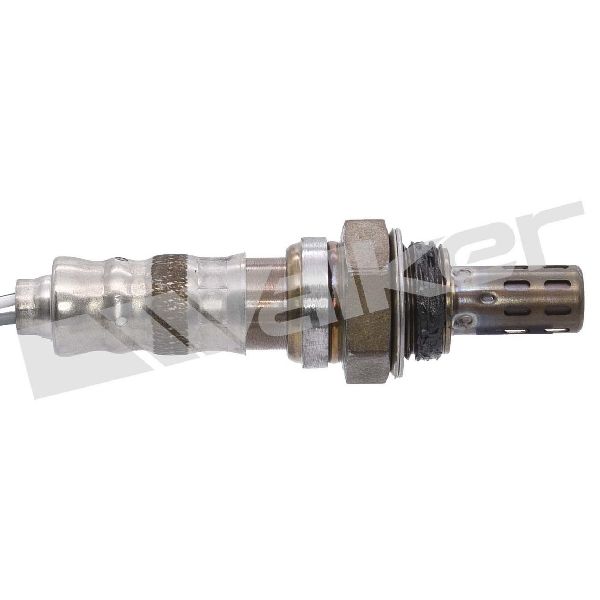
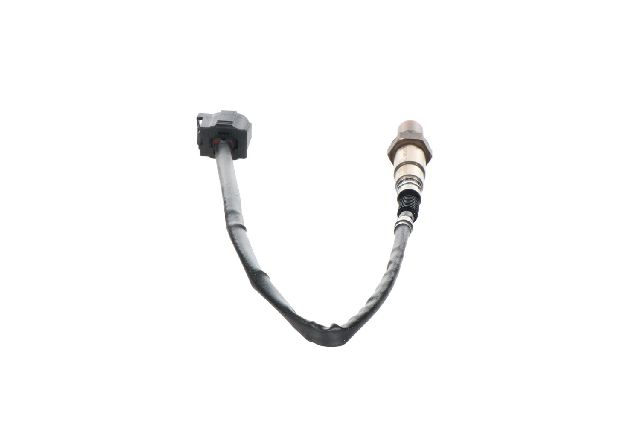
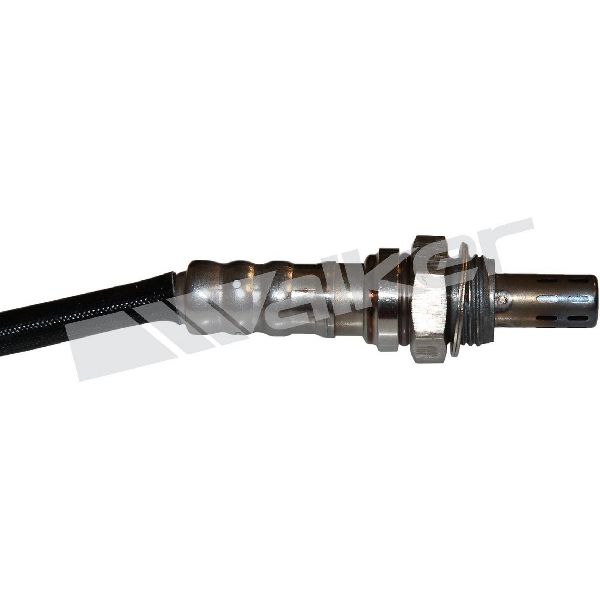
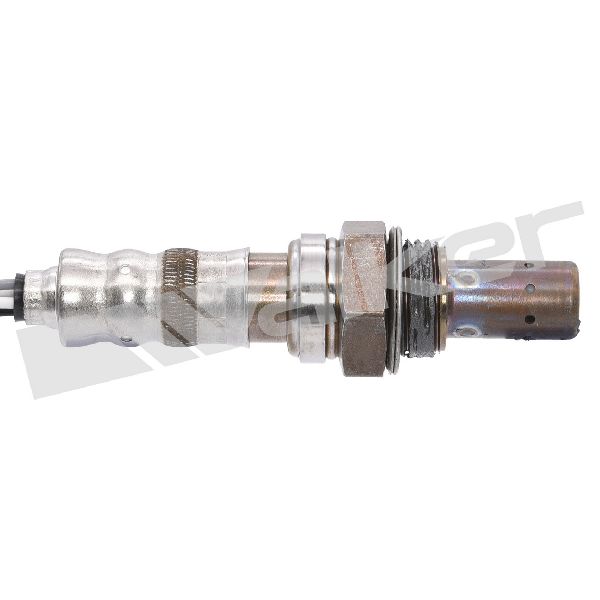
- Oxygen Sensor (Bank 1, Sensor 2)
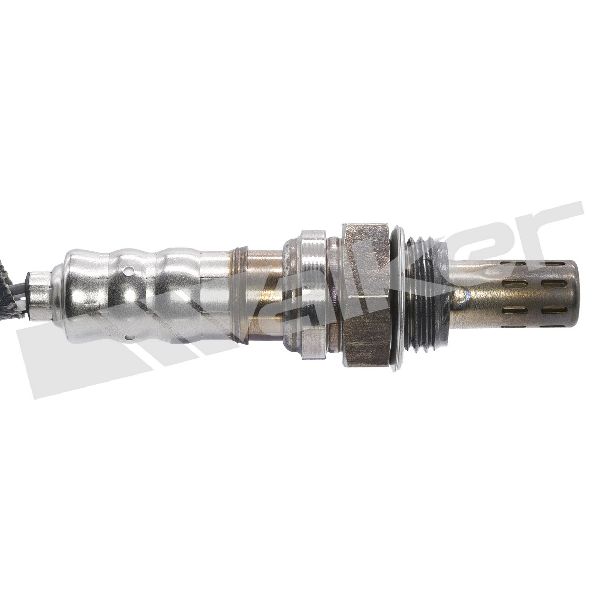
(OEM #56029049AA)— This is the downstream, driver's side oxygen sensor. It is the most common cause of the P0138 code due to being a standard wear item.
Trusted brands: Mopar, NTK, Denso
OEM price range: $105-$180
Aftermarket price range: $50-$100
Related Codes That Often Appear With This One
- P0038 — This code indicates a high voltage in the heater circuit for the same sensor (Bank 1, Sensor 2). If the sensor's internal heater shorts out or there is a wiring issue, it can trigger both codes simultaneously, strongly pointing to a comprehensive sensor failure or a wiring short.
- P0137 — This code is for low voltage on the same sensor. Seeing both P0137 and P0138 can indicate an erratic sensor or a significant wiring problem causing the voltage to swing wildly out of its expected range.
Platform-Specific Known Issues
- While the 6.7L Cummins engine has specific Technical Service Bulletins (TSBs) for O2 sensor wiring problems (TSB 25-004-12 and 25-002-14), no such TSB exists for the 5.7L HEMI. However, the prevalence of wiring as a cause on the diesel platform highlights the general susceptibility of these trucks' underbody harnesses to damage from heat and debris. TSB Bulletin #25-004-12 specifically identifies P0138 as an indicator of the "1/2 O2 Sensor Shorted To Voltage," while TSB Bulletin #25-002-14 also notes that this code can be triggered by a "1/2 O2 Sensor Shorted To Voltage" condition.
Mechanic-Grade Diagnostic Values
- Downstream O2 Sensor (B1S2) Signal Voltage — expected: Relatively stable voltage, typically between 0.1V and 0.9V, with slower fluctuations than an upstream sensor.. Failure: Voltage is stuck high, consistently reading above 0.9V and up to 1.2V.
- O2 Sensor Heater Element Resistance — expected: Between 5 and 25 ohms, depending on the specific sensor.. Failure: A reading of Open Loop (OL) indicates a broken heater circuit. A reading significantly outside the expected range indicates a faulty heater.
- O2 Sensor Heater Circuit Voltage Supply (at connector) — expected: Approximately 12V (battery voltage) with the key on, engine off.. Failure: No voltage indicates a blown fuse or a break in the power supply wire.
- O2 Sensor Signal Circuit Voltage (at harness, sensor disconnected) — expected: A specific reference voltage from the PCM, typically between 2.3V and 2.7V when jumpered to the return circuit per a specific diagnostic procedure.. Failure: Voltage present without being jumpered indicates a short to voltage in the harness. No voltage when expected points to an open circuit or PCM fault.
Scan Tool Commands That Help
- wiTECH (Chrysler/Dodge/Ram Factory Tool): O2 Sensor Heater Test — This bidirectional command allows the technician to actively turn the O2 sensor heater on and off to verify the circuit's integrity. It can confirm if the heater element is responding to PCM commands, helping to differentiate between a failed heater, a wiring issue, or a PCM driver problem.
Wiring & Ground Locations
- O2 1/2 Sensor Connector (C119) — On the driver's side exhaust pipe, after the catalytic converter.. This is the 4-pin connector for the specific sensor (Bank 1, Sensor 2). All electrical tests on the sensor side and harness side begin here.
- PCM Connector C2 — At the Powertrain Control Module (PCM).. The signal wire (K141) and return wire (K904) for the B1S2 sensor terminate here. Testing for continuity and shorts between this connector and C119 is the definitive way to verify harness integrity.
- G108 — Located on the right rear of the engine compartment.. This is a chassis ground point for the O2 sensor's signal ground wire. While less likely to cause a specific high-voltage code, a poor connection here can lead to erratic sensor readings and is worth checking if multiple sensor codes are present.
Real Owner Repair Stories
- RamForum.com user (2005 Ram 1500 5.7L Hemi) — Failed smog check due to P0138.
❌ Tried (didn't work) Extensive troubleshooting pointed away from the sensor and wiring.
✅ What actually fixed it The P0138 code was resolved by replacing the Powertrain Control Module (PCM). The user confirmed this by swapping the old PCM back in, which made the P0138 code return. - RamForum.com user 'Jgc1986' (2002 Dodge Ram 4.7L V8) — Check engine light with codes P0138 and P0037.
❌ Tried (didn't work) Initial diagnosis focused on replacing the sensor.
✅ What actually fixed it Upon inspection, the user found the O2 sensor wiring harness completely ripped apart, with the wires severed. Repairing the harness was the necessary fix.
OEM Part Supersession History
56029049AA→This part number has multiple older numbers it supersedes, including 05149171AA, 56029084AA, 56041698AA, and 68144248AA.— Standard part consolidation and design updates by Mopar over time.
Heads up: While 56029049AA is the correct part, it is used across a wide variety of Chrysler/Dodge/Jeep vehicles in different positions. It is critical to confirm fitment for the specific Bank 1, Sensor 2 location on the 2011-2012 Ram 2500 5.7L, as wire length is key.
Diagnostic Flowchart
Used vs. New Parts: Buying Guide for This Vehicle
When a used part is the smart pick: A used part is almost never a smart choice for an oxygen sensor, as it is a wear-and-tear item with a finite lifespan. However, if the issue is a damaged connector pigtail, sourcing a used connector from a junkyard harness is a viable and cost-effective repair.
Donor-vehicle mileage cap: roughly under 100000 miles for the part to have meaningful remaining life.
What to inspect on the donor part:
- For a connector pigtail, inspect for brittle plastic, corrosion on pins, or melted/frayed wires.
- Ensure the locking tab on the connector is intact and functional.
- Verify it's from a vehicle that did not have an underbody fire or significant corrosion.
OEM-only on this vehicle (don't cheap out):
- Oxygen Sensor - While high-quality aftermarket is acceptable, OEM Mopar is the most reliable choice to prevent the code from returning on this specific platform.
Aftermarket brands forum-validated for this vehicle:
- NTK (often the OE supplier)
- Denso
Brands owners have reported issues with on this vehicle:
- Generic 'universal' sensors that require splicing
- Some owners have reported issues with Bosch sensors on this specific Ram platform.
Real Owner Stories
Aggregated from forums and TSBs cited above. Mileages and costs reflect what owners reported in those sources.
2003 Ram 1500 5.7L Hemi
Symptoms: The check engine light was on with code P0138. After replacing the downstream sensor, the light returned with P0138 and P0038. The engine also idled roughly ('loped badly') and would occasionally stall.
What fixed it: The owner did not report a final fix after replacing both upstream and downstream sensors failed to solve the issue. Another user suggested the problem was likely in the wiring or the PCM, not the sensors themselves.
Source hint: DodgeForum.com - O2 Sensor Codes, but not the sensors ???
2007 Ram 5.7 Hemi
Symptoms: Check engine light was on with code P0138. Live data from a scan tool showed the Bank 1 Sensor 2 voltage was stuck high, starting at 1.27V and then fluctuating rapidly between 1.0V and 1.27V.
What fixed it: The original poster did not confirm the fix, but another forum member diagnosed the issue as a definitive internal sensor failure based on the erratic high voltage readings.
Source hint: RamForum.com
2009 Ram 1500 5.7L
Symptoms: A cascade of O2 sensor codes appeared, including P0138, P1128, P1129, P0152, and P0132.
What fixed it: Replacing the downstream sensors and MAP sensor with OEM parts did not resolve the issue. The underlying cause was suspected to be a bad ground or a faulty PCM/TIPM, as multiple sensors failing at once was unlikely.
Source hint: DodgeForum.com forum thread 'need-help-check-engine-light'
Related OBD-II Codes
Frequently Asked Questions
Where is the Bank 1, Sensor 2 oxygen sensor located on my 2011-2012 Ram 2500?
My scan tool shows the B1S2 voltage is stuck high, around 1.0V to 1.2V. What does this mean?
Are there any official recalls or TSBs for P0138 on the 5.7L HEMI?
What brand of replacement O2 sensor is recommended for the 5.7L HEMI?
I'm getting P0138 and a heater circuit code (P0038) at the same time. Is it just the sensor?
I replaced the sensor but the code came back. What should I check next?
My truck is showing multiple O2 sensor codes at once (P0138, P0132, P0152). Did all my sensors fail?
Helpful Videos
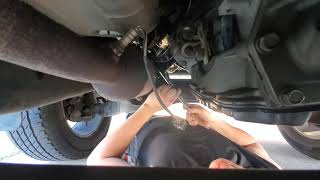
![How to Fix P0138 Engine Code in 3 Minutes [2 DIY Methods / Only $8.99]](https://img.youtube.com/vi/xhP3cILng74/mqdefault.jpg)
We Have This Part in Stock


The information in this article is provided for general reference and educational purposes only. Vehicle specifications, procedures, and part compatibility can vary by production date, trim level, and region. Always consult your vehicle's factory service manual and verify part numbers before purchasing or performing repairs. Safety-critical components such as airbags, seat belts, and braking systems should be installed by a qualified professional.
- Ram 2500:
- 🧭 Diagnostic Flowchart
- 🎬 Helpful Videos
- 🛍️ Shop This Part
- What's Unique About the 2011-2012 Ram 2500
- Symptoms You May Notice
- Most Likely Causes
- Rare But Worth Checking
- Diagnosis Steps
- Parts You'll Likely Need
- Related Codes That Often Appear With This One
- Platform-Specific Known Issues
- Mechanic-Grade Diagnostic Values
- Scan Tool Commands That Help
- Wiring & Ground Locations
- Real Owner Repair Stories
- OEM Part Supersession History
- Used vs. New Parts: Buying Guide for This Vehicle
- Real Owner Stories
- 2003 Ram 1500 5.7L Hemi
- 2007 Ram 5.7 Hemi
- 2009 Ram 1500 5.7L
- Related OBD-II Codes
- Frequently Asked Questions
- 🎟️ Get 5% Off