

P0138 on 2011-2016 Scion tC: O2 Sensor High Voltage Causes and Fixes
On a 2011-2016 Scion tC, code P0138 is most often caused by a failed downstream (post-catalytic converter) oxygen sensor. Replacing this sensor is a common DIY fix. Expect to pay around $70-$110 for a quality aftermarket sensor (like Denso 234-4624) or $120-$170 for an OEM part. Before replacing, always inspect the wiring harness for damage, as it's a common failure point.
- P0138 on your Scion tC almost always points to the downstream O2 sensor (Bank 1, Sensor 2) or its wiring.
- Before buying parts, inspect the sensor's wiring harness underneath the car for any obvious damage, as this is a common point of failure.
- Use a quality OEM-equivalent replacement sensor from a brand like Denso (part # 234-4624) to avoid compatibility issues that are common with cheaper universal sensors.
- If a new downstream sensor doesn't fix the code, be aware of a known issue on the 2AR-FE engine that may require an ECM software update, as detailed in a TSB for other Toyota models with the same engine.
What's Unique About the 2011-2016 Scion tC
While a faulty downstream O2 sensor is the most common fix, the 2AR-FE engine in other Toyota models like the 2010-2011 Camry and 2009-2012 RAV4 has a known issue that can trigger a P0138 code due to incorrect logic in the engine's computer. A Technical Service Bulletin (T-SB-0151-18) was issued for those vehicles, where the fix is an ECM software update and sometimes a replacement of the *upstream* Air/Fuel ratio sensor. While this TSB doesn't officially list the Scion tC, the engine is identical. Therefore, this is a critical point to consider if a new, quality downstream sensor and verified wiring do not solve the code, especially if the code returns intermittently.
Symptoms You May Notice
- Check Engine Light is on
- Failed emissions test
- Reduced fuel economy
- Rough idling or engine performance issues (less common)
- Strong exhaust odor (in cases of a rich running condition)
- No noticeable symptoms other than the Check Engine Light is very common.
- Replacing the upstream Air/Fuel Ratio sensor (Sensor 1) instead of the downstream Oxygen Sensor (Sensor 2).
- Immediately replacing the O2 sensor without first inspecting the wiring harness for damage, which is a very common issue.
- Using a cheap, universal oxygen sensor that is not fully compatible, which can cause the code to return. Owners and mechanics strongly recommend using OEM or a direct-fit from an OEM supplier like Denso.
Most Likely Causes
- Failed Downstream Oxygen Sensor (Bank 1, Sensor 2) 🔴 High Probability → Shop Oxygen Sensor The sensor is exposed to extreme exhaust heat, moisture, and road debris under the car, leading to contamination and wear over its 90,000-120,000 mile typical lifespan.
How to confirm: With the engine warm, use an OBD-II scanner to watch the live data for the B1S2 O2 sensor. If the voltage is stuck high (e.g., >0.9V) and doesn't fluctuate, the sensor is likely bad. A healthy downstream sensor should have a relatively stable voltage, not a rapidly switching one like the upstream sensor.
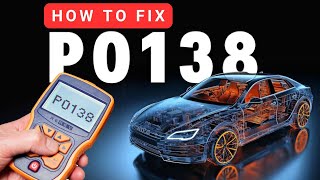
Typical fix: Replace the downstream oxygen sensor. 🎬 Watch: How to fix P0138 and replace the downstream sensor. This requires a special 22mm (or 7/8") slotted socket to fit over the wire. Soaking the old sensor in penetrating oil beforehand is highly recommended. The new sensor should come with anti-seize on the threads.
Est. part cost: $70-$170 - Damaged Wiring or Connector 🟡 Medium Probability The sensor's wiring harness runs under the vehicle and is susceptible to damage from road debris, heat from the exhaust, or corrosion in the connector plug. Wires can become frayed, melted, or break internally, causing a short to voltage and triggering the code.
How to confirm: Visually inspect the entire wiring harness from the O2 sensor to where it enters the cabin. Look for any signs of fraying, melting, corrosion, or breaks. Unplug the connector and check for bent or corroded pins. Use a multimeter to check for 12V at the heater circuit pins with the key on, engine off.
Typical fix: Repair the damaged section of the wire or replace the connector pigtail. Ensure repairs are sealed against moisture.
Est. part cost: $15-$40 - Exhaust Leak ⚪ Low Probability
How to confirm: With the engine running, carefully listen and feel for any air leaks in the exhaust system, particularly between the catalytic converter and the downstream O2 sensor. A common leak point is the flange gasket. A shop can perform a smoke test to find small, hard-to-see leaks.
Typical fix: Repair the leak, which may involve replacing a gasket or welding a crack.
Est. part cost: $20-$200
Rare But Worth Checking
- Engine Control Module (ECM) Logic or Failure: As noted in TSB T-SB-0151-18 for the same 2AR-FE engine, the ECM software may need an update to correct the logic that triggers P0138. This is a rare but important possibility if other fixes fail. An actual ECM hardware failure is very rare but can occur, sometimes accompanied by a P0606 or P0607 code.
- Rich Running Condition: A leaking fuel injector or faulty fuel pressure regulator can cause too much fuel to enter the engine. This unburnt fuel can overwhelm the catalytic converter and cause the downstream O2 sensor to read a constant high voltage. This would usually be accompanied by other codes related to fuel trim (e.g., P0172) or misfires.
Diagnosis Steps
- Read the code with an OBD-II scanner to confirm P0138 is the primary code.
- Use the scanner's live data feature to monitor the voltage of the Bank 1 Sensor 2 (B1S2) O2 sensor. With the engine fully warmed up and idling, a healthy downstream sensor should show a relatively stable voltage, typically between 0.5V and 0.8V. If it's stuck above 0.9V-1.1V, there's a problem.
- Perform a thorough visual inspection of the wiring and connector for the downstream O2 sensor. Look for any signs of melting, chafing, corrosion, or loose pins. This is a critical step.
- Check for exhaust leaks between the catalytic converter and the downstream sensor. Listen for hissing sounds or use a smoke machine for a definitive test.
- If the wiring is good and there are no leaks, the downstream O2 sensor itself is the most likely culprit and should be replaced. Use a quality Denso or OEM sensor.
- After replacement, clear the codes and perform a drive cycle to see if the code returns.
- If a new, quality sensor does not fix the code, investigate the possibility of a rich running condition (check fuel trims, look for other codes).
- As a final step, consider the possibility of an ECM software issue as described in TSB T-SB-0151-18 for the 2AR-FE engine. This may require a visit to a dealer or a specialized shop with Toyota's Techstream software to check for and apply an update.
Parts You'll Likely Need
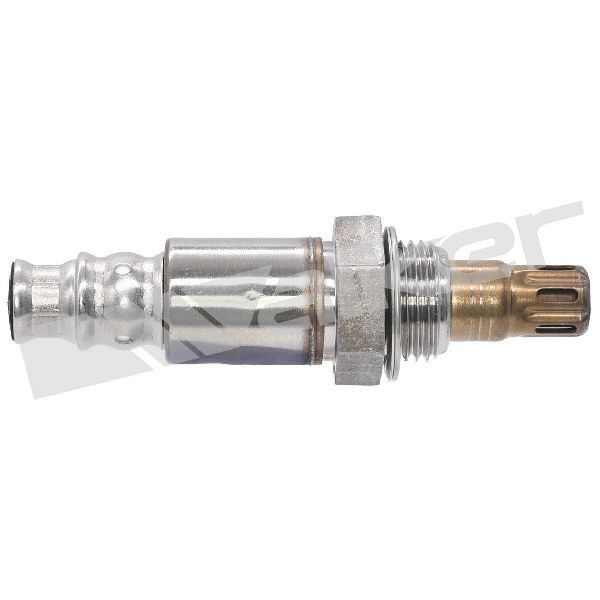
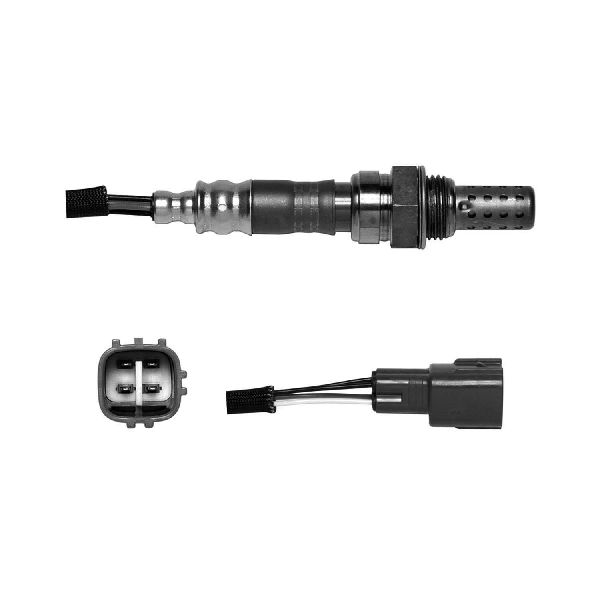
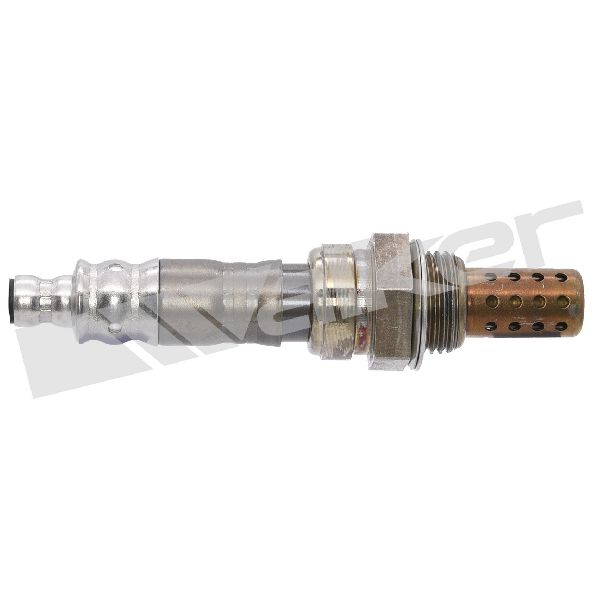
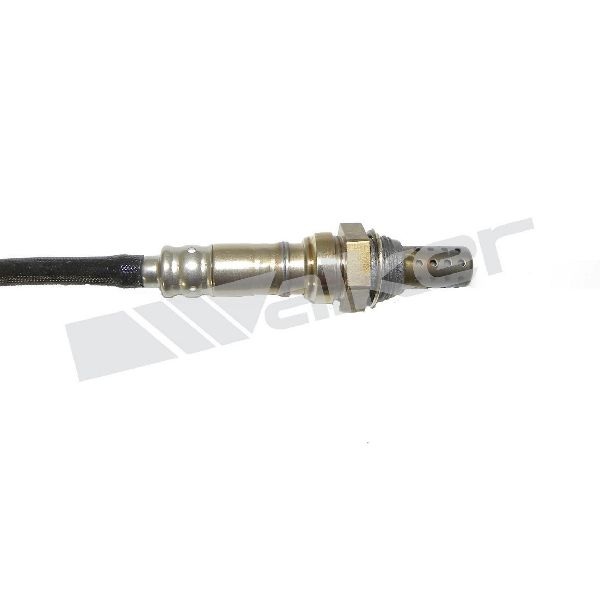
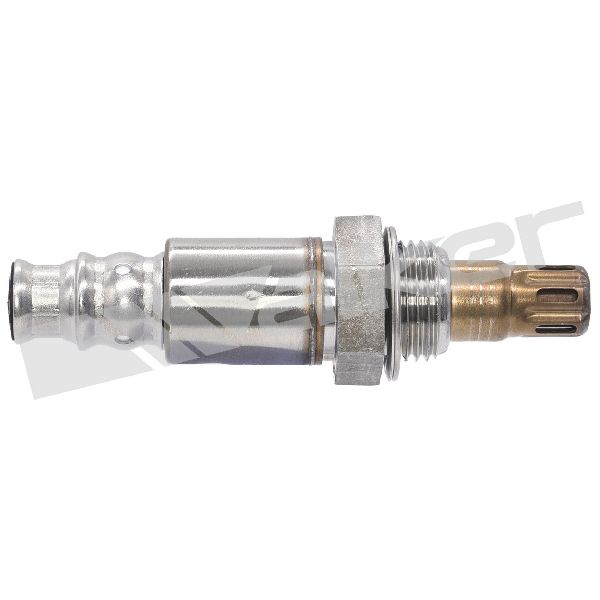
- Downstream Oxygen Sensor (Bank 1, Sensor 2)
(OEM #89465-21070 (for 2013-2016), 89465-21060 (for 2011-2012))— This is the most common part to fail and directly cause the P0138 code.
Trusted brands: Denso (OEM supplier, Part #234-4624), NGK/NTK (Part #24330), Bosch
OEM price range: $120-$170
Aftermarket price range: $70-$110
Related Codes That Often Appear With This One
- P0420 — A P0420 (Catalyst System Efficiency Below Threshold) code often precedes or accompanies a P0138. A failing catalytic converter can cause erratic readings from the downstream sensor. In one forum post, a user reported P0138 appeared immediately after fixing a P0420.
- P0606 / P0607 — In rare cases, a P0138 code can be coupled with a P0606 or P0607 (ECM/PCM Processor Fault). This points towards a more serious issue with the Engine Control Module itself, rather than the sensor or wiring.
Technical Service Bulletins (TSBs) & Recalls
- T-SB-0151-18: While not directly for the Scion tC, this TSB for the 2AR-FE engine addresses a P0138 code caused by ECM logic and the upstream A/F sensor, which is a highly relevant consideration for advanced diagnosis.
Platform-Specific Known Issues
- A Technical Service Bulletin (T-SB-0151-18) exists for the same 2AR-FE engine in 2009-2012 RAV4 and 2010-2011 Camry models for code P0138. It states the cause may be an incorrect air-fuel ratio sensor response, fixed by a software update to the ECM. While the Scion tC is not listed, the underlying engine architecture is the same, making this a valuable diagnostic note if a new sensor doesn't resolve the issue.
- Owners on forums frequently report that using cheaper, non-OEM or non-Denso sensors causes the P0138 code to return quickly, emphasizing the need to use a quality, direct-fit part.
Mechanic-Grade Diagnostic Values
- Downstream O2 Sensor (B1S2) Voltage — expected: Relatively stable between 0.5V and 0.8V on a warm, idling engine.. Failure: Stuck high, above 0.9V. The ECM may set the code if voltage exceeds 1.2V for 10 seconds or more.
- O2 Sensor Heater Circuit Resistance — expected: Approximately 5 to 6 ohms between the two heater pins on the sensor connector (typically the two same-colored wires).. Failure: No continuity (infinite resistance) indicates a broken heater element. The ECM may also set a code if impedance exceeds 15 kOhms.
- Total Fuel Trim (Short Term + Long Term) — expected: Should hover near 0%.. Failure: Consistently high positive values (e.g., +10% or more) suggest the ECM is compensating for a perceived lean condition, which could be caused by a faulty upstream A/F sensor. This can lead to a true rich condition that triggers P0138 downstream.
Hidden / Shadow Codes Worth Checking
- Mode 6 Monitor Status: This is not a trouble code, but a function in advanced scan tools (like Techstream) to verify if the onboard diagnostic monitor for the O2 sensor has completed its self-test successfully after a repair. (see via Using Toyota's Techstream software, navigate to: Powertrain / Engine and ECT / Utility / All Readiness. Check the status for DTCs like P0138 to ensure it reads 'NORMAL' or 'PASS'.)
Scan Tool Commands That Help
- Toyota Techstream: Active Test: 'Control the Injection Volume for A/F sensor' — Use this when a new downstream sensor doesn't fix the code. This test manually forces the engine rich and lean. If the downstream O2 sensor's voltage changes in response, the sensor and its wiring are likely good, pointing towards an issue with the upstream A/F sensor or ECM logic as described in TSB T-SB-0151-18.
Wiring & Ground Locations
- B1S2 ECM Pins — At the Engine Control Module (ECM).. For testing continuity or shorts, these are the destination pins from the sensor. For the 2AR-FE, the key pins are OX1B (Signal, Pin 102), HT1B (Heater Control, Pin 87), +B (Heater Power), and E2 (Sensor Ground). A short to power on the OX1B signal wire is a direct cause of P0138.
- Engine Block Grounds — Bolted to the engine block/cylinder head, often near the intake manifold or on the flywheel side of the engine.. The ECM and its sensors rely on clean ground connections. A corroded or loose engine ground can create a voltage offset, causing false high readings from sensors, including the O2 sensor.
Real Owner Repair Stories
- PriusChat forum user (2006 Toyota Prius (uses similar Toyota O2 sensor logic)) — P0138 code, reduced fuel economy.
❌ Tried (didn't work) Replacing the downstream O2 sensor.
✅ What actually fixed it The user was advised that the likely cause, given the new downstream sensor didn't work and live data showed it stuck rich (0.88V), was a faulty upstream Air/Fuel sensor. The diagnostic path was to check total fuel trims; if they were high (e.g., > +10%), it would confirm the upstream sensor was telling the ECM to add excess fuel. The thread ended before the final confirmation, but this diagnostic path is a pro-level step that directly aligns with Toyota TSBs. - ScionLife forum user (Scion tC (1st Gen, but same principle)) — P0138 code, no other driveability issues.
❌ Tried (didn't work) Cleaning electrical connectors.
✅ What actually fixed it The consensus from senior forum members was that the user likely needed a high-quality OEM or Denso sensor. The advice strongly cautioned against using generic aftermarket sensors, as they are a very common reason for the P0138 code to return even after replacement.
"I Checked Everything" — The Actual Cause
- In cases where there are no exhaust leaks (smoke test is clean), the wiring is confirmed good, and a new OEM downstream sensor has been installed, the root cause is often not the downstream circuit at all. As per TSB T-SB-0151-18 for the 2AR-FE, the issue can be incorrect ECM logic misinterpreting the signal from the *upstream* Air/Fuel sensor. This causes a true rich condition, which the downstream sensor correctly reports as high voltage. The fix is an ECM software update.
OEM Part Supersession History
89465-21060→N/A— Original part for early production models.
Heads up: This part is for 2011-2013 models built up to May 2013. Using it on a later model may cause issues.89465-21070→N/A— Part for later production models.
Heads up: This part is for models built from May 2013 onward. Some parts catalogs incorrectly list it for older vehicles, creating confusion.
Model Year Variations Within This Range
- 2011-2013 vs 2013-2016: The OEM part number for the downstream oxygen sensor (Bank 1, Sensor 2) changed in May 2013. Pre-05/2013 models use part number 89465-21060, while post-05/2013 models use 89465-21070. While functionally similar, using the wrong OEM part could lead to compatibility problems.
Diagnostic Flowchart
Real Owner Stories
Aggregated from forums and TSBs cited above. Mileages and costs reflect what owners reported in those sources.
2013 Scion tC
Symptoms: Check engine light with codes P0138 and P0607.
What fixed it: Checked the wiring on and around the O2 sensor downstream of the catalytic converter to ensure nothing was frayed or broken, then replaced the downstream O2 sensor.
Source hint: Reddit r/SciontC - Check engine light
Scion tC Second Gen
Symptoms: Check engine light came on while driving across the country, 1,500 miles from home.
What fixed it: Diagnosed as needing an Oxygen sensor replacement. Commenters confirmed it is a viable DIY job using a $50-$100 part to avoid high dealer labor costs.
Cost: $530
Source hint: Reddit r/SciontC thread titled 'P0138 Code'
Scion tC 1G
Symptoms: Got a P0138 code after fixing a P0420 code.
What fixed it: Checked the wiring first and used an OEM sensor over an aftermarket one to successfully solve the issue.
Source hint: ScionLife.com thread titled 'P0138 Code..'
Scion xB 2G
Symptoms: Still had P0138 and P0607 codes even after a new sensor and remanufactured ECU were installed.
What fixed it: Investigated underlying wiring and upstream sensor issues, as replacing the downstream sensor and ECU did not resolve the complex case.
Source hint: ScionLife.com thread 'Still have P0138 and P0607 after Sensor and reman ECU installed..'
Related OBD-II Codes
Frequently Asked Questions
Does TSB T-SB-0151-18 apply to my 2011-2016 Scion tC?
Can I use a cheap aftermarket oxygen sensor to fix P0138 on my tC?
Why am I getting both P0138 and P0607 codes on my Scion tC?
How much does it cost to fix a P0138 code on a Scion tC?
Where is the Bank 1 Sensor 2 oxygen sensor located on the 2AR-FE engine?
What voltage should a healthy downstream O2 sensor show on my scanner?
Helpful Videos
We Have This Part in Stock


The information in this article is provided for general reference and educational purposes only. Vehicle specifications, procedures, and part compatibility can vary by production date, trim level, and region. Always consult your vehicle's factory service manual and verify part numbers before purchasing or performing repairs. Safety-critical components such as airbags, seat belts, and braking systems should be installed by a qualified professional.
- Scion tC:
- 🧭 Diagnostic Flowchart
- 🎬 Helpful Videos
- 🛍️ Shop This Part
- What's Unique About the 2011-2016 Scion tC
- Symptoms You May Notice
- Most Likely Causes
- Rare But Worth Checking
- Diagnosis Steps
- Parts You'll Likely Need
- Related Codes That Often Appear With This One
- Technical Service Bulletins (TSBs) & Recalls
- Platform-Specific Known Issues
- Mechanic-Grade Diagnostic Values
- Hidden / Shadow Codes Worth Checking
- Scan Tool Commands That Help
- Wiring & Ground Locations
- Real Owner Repair Stories
- "I Checked Everything" — The Actual Cause
- OEM Part Supersession History
- Model Year Variations Within This Range
- Real Owner Stories
- 2013 Scion tC
- Scion tC Second Gen
- Scion tC 1G
- Scion xB 2G
- Related OBD-II Codes
- Frequently Asked Questions
- 🎟️ Get 5% Off