

P0138 on 2008 Toyota Sienna 3.5L: High Voltage O2 Sensor Causes and Fixes
This code points to the rear, downstream oxygen sensor (Bank 1, Sensor 2) or its circuit. The most common fix is replacing the sensor itself. Expect to pay $50-$75 for an OEM-quality Denso sensor and plan for a 2/5 difficulty DIY job, as the connector is inside the cabin. However, before replacing the sensor, check freeze frame data; a faulty upstream A/F sensor is a common cause of this code per a Toyota TSB.
- P0138 on a 2008 Sienna refers specifically to the downstream (post-catalytic converter) oxygen sensor on the rear cylinder bank (Bank 1).
- Before replacing the sensor, check your scan tool's freeze frame data. If the upstream A/F sensor (B1S1) voltage is stuck high (3.35V-3.70V), that sensor is the likely problem, as per Toyota TSB T-SB-0001-10.
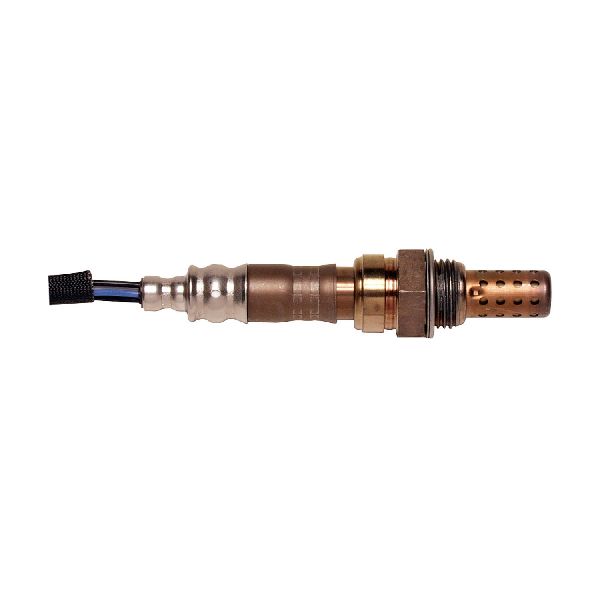
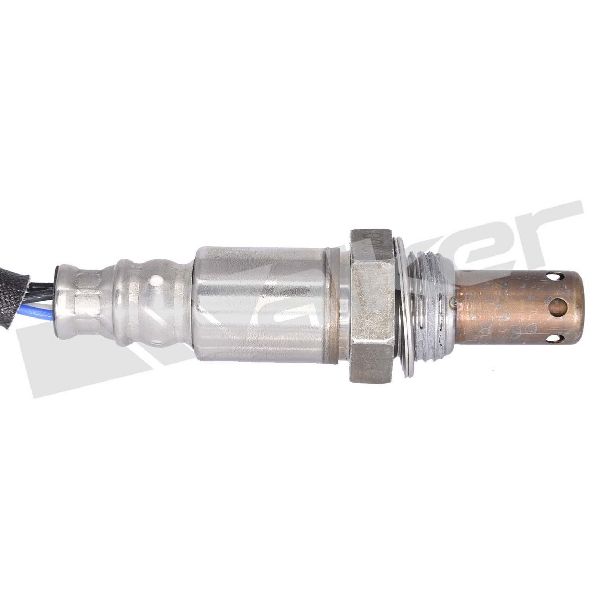
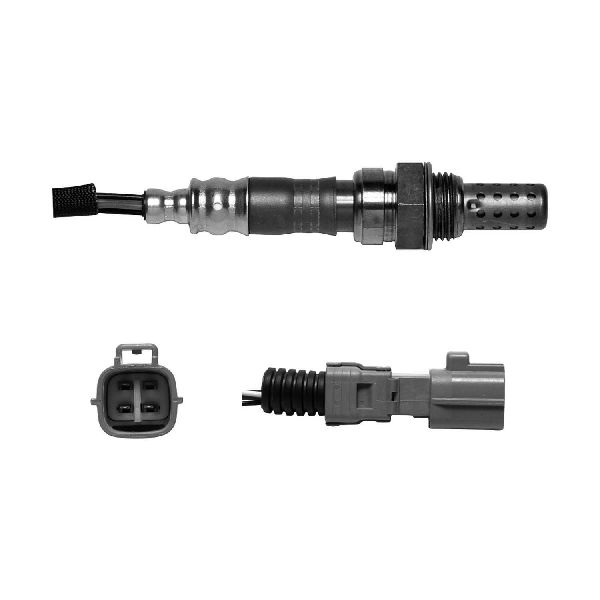
- The most common fix is replacing the B1S2 O2 sensor with an OEM or Denso (234-4149) part; be aware the connector is located inside the cabin under the driver's dash.
- Check for dampness in the driver's footwell, as water intrusion shorting the wiring is a known, if uncommon, cause for this code on similar Toyota/Lexus vehicles.
What's Unique About the 2008-2008 Toyota Sienna
On this Sienna, the main challenge is physical access. The Bank 1 Sensor 2 is located on the rear exhaust pipe, and its electrical connector is routed up through the floor into the cabin, requiring you to remove trim panels under the driver's side dashboard to disconnect it. Furthermore, a Toyota Technical Service Bulletin (TSB) highlights a specific diagnostic trap: a faulty upstream Air/Fuel Ratio sensor can cause this downstream sensor code, leading to misdiagnosis. Additionally, platform mates like the Lexus RX350 are known to trigger P0138 from water leaking into cabin electrical connectors, a possibility to consider on the Sienna.
Symptoms You May Notice
- Check Engine Light is on
- VSC, TRAC, and Cruise Control systems are disabled
- Decreased fuel economy
- Rough or hesitant idling
- Strong smell of gasoline from the exhaust
- Failure to pass an emissions test
- Replacing the O2 sensor without checking for a faulty upstream A/F sensor first, as detailed in TSB T-SB-0001-10.
- Replacing the wrong oxygen sensor. P0138 is for Bank 1 (rear/firewall side), Sensor 2 (downstream/post-cat). Replacing the front bank sensor or the upstream sensor will not fix the code.
- Replacing the catalytic converter. This code indicates a sensor circuit voltage issue, not a catalyst efficiency problem (which would typically set a P0420 or P0430 code).
Most Likely Causes
- Faulty Bank 1, Sensor 2 Oxygen Sensor 🔴 High Probability → Shop Oxygen Sensor Oxygen sensors are wear items and typically fail after 100,000+ miles due to contamination and heat cycles. They can fail internally, causing the signal to short to the internal heater circuit's voltage, resulting in a permanently high reading.
How to confirm: After confirming the wiring is intact and the upstream A/F sensor is healthy, this is the most likely component failure. With a scan tool, observe the B1S2 voltage. If it's stuck high (above 0.8V) and doesn't fluctuate, the sensor has likely failed. The sensor's internal heater circuit can also be tested for resistance.
Typical fix: Replace the Bank 1, Sensor 2 oxygen sensor. The sensor is located underneath the vehicle on the rear exhaust pipe, but the connector is inside the cabin under the driver's side dash. The recommended aftermarket replacement is Denso part #234-4149. 🎬 Watch: Step-by-step guide to removing and installing this specific sensor.
Est. part cost: $50-$160 - Wiring or Connector Damage 🟡 Medium Probability The wiring harness runs from under the vehicle into the cabin, passing near heat sources and potential road debris. A short-to-power in the signal wire will cause a constant high voltage reading. On the related Lexus RX350, water from clogged sunroof drains is known to leak into the driver's kick panel and corrode this specific connector, causing a P0138.
How to confirm: Visually inspect the wiring harness from the O2 sensor to where it enters the vehicle floor for any signs of melting, chafing, or breaks. Disconnect the sensor and check the circuit for shorts to power or ground using a multimeter. Check for dampness or corrosion on the connector inside the cabin.
Typical fix: Repair the damaged section of the wiring harness. If the connector is corroded from water intrusion, it must be cleaned or replaced, and the source of the leak must be addressed.
Est. part cost: $5-$50 - Faulty Bank 1 Air/Fuel Ratio Sensor (Sensor 1) ⚪ Low Probability → Shop Oxygen Sensor A failing upstream A/F sensor can send incorrect data, causing the engine to run rich. The downstream O2 sensor (B1S2) will then correctly report a high voltage, but it is not the root cause of the problem. This is a very common misdiagnosis.
How to confirm: Follow the diagnostic procedure in TSB T-SB-0001-10 Rev1. Check the freeze frame data for the P0138 code. If the A/F Sensor Voltage for Bank 1 (AFS Voltage B1S1) is high, specifically in the 3.35V–3.70V range, the upstream A/F sensor is the likely culprit.
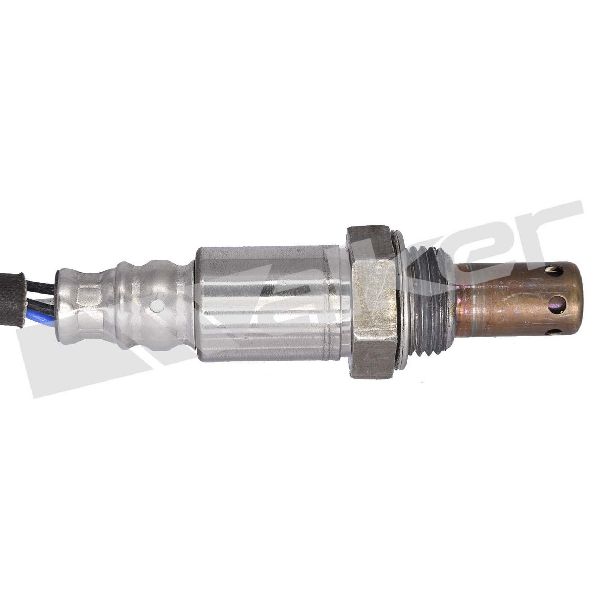
Typical fix: Replace the Bank 1, Sensor 1 Air/Fuel Ratio sensor, not the Sensor 2 oxygen sensor. 🎬 See how to replace the Bank 1 Sensor 1 instead.
Est. part cost: $90-$200
Rare But Worth Checking
- Exhaust Leak: An exhaust leak before the O2 sensor can sometimes draw in oxygen and confuse the sensor, although this more commonly causes lean codes or fluctuating readings rather than a steady high voltage.
- Leaking Fuel Injector(s): → Shop Fuel Injector A leaking injector can create a true rich condition, which the sensor will accurately report as high voltage. This would likely be accompanied by other symptoms like rough running or misfire codes.
- Water Intrusion into Cabin Electronics: As seen on the Lexus RX350 platform mate, water from clogged sunroof drains can leak down the A-pillar and soak the junction block and connectors in the driver's side kick panel, shorting the O2 sensor circuit and causing P0138, often with P0606 or P0607. 🎬 Watch: How to fix water intrusion causing these electrical codes.
- Faulty Engine Control Module (ECM): This is extremely rare. The ECM should only be considered after all other possibilities, including sensors and wiring, have been exhaustively ruled out.
Diagnosis Steps
- Read the code and any other codes present with an OBD-II scanner.
- Review the freeze frame data. Pay close attention to the value for 'AFS Voltage B1S1'.
- TSB Check: If 'AFS Voltage B1S1' is high (approx. 3.35V–3.70V), the upstream Air/Fuel Ratio sensor is the most likely cause. Replace the Bank 1, Sensor 1 A/F sensor.
- If the A/F sensor voltage is normal, proceed with diagnosing the P0138 code.
- Check for water intrusion. Inspect the carpet and under the trim in the driver's side footwell for any signs of dampness, which could point to a wiring short in the kick panel area.
- Visually inspect the oxygen sensor wiring harness from the sensor to the firewall for any damage, melting, or corrosion.
- Locate the sensor connector inside the cabin, under the driver's side dash/console area, and disconnect it. Inspect for corrosion.
- With the key on and engine off, use a multimeter to check the harness-side connector for a short to voltage or ground.
- If the wiring checks out and there is no water damage, the oxygen sensor itself is the most likely culprit.
- Replace the Bank 1, Sensor 2 oxygen sensor. Using an OEM or Denso (#234-4149) part is highly recommended.
- Clear the codes and perform a drive cycle to ensure the code does not return.
Parts You'll Likely Need
- Oxygen Sensor (Bank 1, Sensor 2)
(OEM #89465-08040)— This is the component that sets the code and is the most common failure point. It is a standard wear-and-tear item.
Trusted brands: Denso (OEM Manufacturer, P/N: 234-4149), NGK/NTK, Bosch
OEM price range: $120-$160
Aftermarket price range: $50-$85
Related Codes That Often Appear With This One
- P0158 — This is the identical code (O2 Sensor Circuit High Voltage) but for Bank 2, Sensor 2. Seeing both may indicate a systemic issue like a fuel pressure problem affecting both banks or a widespread wiring issue.
- P0606 — This ECM/PCM Processor fault code is mentioned in TSB T-SB-0001-10 as a potential companion code. Its presence changes the diagnostic path and can also be a symptom of water intrusion into the cabin electronics, as seen on platform mates.
- P2195 — A/F Sensor Signal Stuck Lean (Bank 1, Sensor 1). The TSB notes this code may appear alongside P0138 when the upstream A/F sensor is the true cause of the fault.
Technical Service Bulletins (TSBs) & Recalls
- T-SB-0001-10 Rev1: Provides crucial diagnostic tips, highlighting that a faulty upstream A/F sensor can trigger a P0138 code, preventing a common misdiagnosis. It specifies looking for an A/F sensor voltage between 3.35V-3.70V in the freeze frame data.
Platform-Specific Known Issues
- Potential Water Leak Causing Electrical Shorts: A known issue on the mechanically similar Lexus RX350 is that clogged sunroof drains can cause water to leak down the driver's A-pillar and into the kick panel, corroding electrical connectors. This has been documented to cause P0138 and other electrical codes like P0606. While less commonly reported on the Sienna, it is a valid diagnostic path to check for dampness in the driver's footwell if the cause of the code is not obvious.
Mechanic-Grade Diagnostic Values
- Downstream O2 Sensor (B1S2) Signal Voltage — expected: Should drift lazily around 0.5V-0.7V on a warm, idling engine.. Failure: Stuck high, consistently above 0.9V, and does not fluctuate.
- O2 Sensor Heater Circuit Resistance — expected: Generally between 3 to 14 ohms when tested across the two heater wires (often same color) on the sensor connector.. Failure: An open circuit (OL or infinite resistance) indicates a burned-out heater element.
- Upstream A/F Sensor (B1S1) Voltage in Freeze Frame — expected: Should be around 3.3V under normal conditions.. Failure: A value between 3.35V and 3.70V strongly suggests the upstream A/F sensor is the actual fault, not the downstream O2 sensor.
- Total Fuel Trim (Short Term + Long Term) — expected: Should average near 0%.. Failure: A high positive value (e.g., +10% or more) indicates the ECM is adding fuel to compensate for a perceived lean condition, which could be caused by a faulty upstream A/F sensor.
Scan Tool Commands That Help
- Toyota Techstream: Active Test: Control the Injection Volume for A/F sensor — This function allows a technician to manually command the engine rich or lean. While observing the B1S2 voltage on the live data graph, if the voltage remains stuck high despite commanding a lean mixture, it strongly points to a sensor or circuit fault rather than a true rich condition.
Wiring & Ground Locations
- A/F HEATER Fuse — In the fuse box located in the engine compartment.. The oxygen sensor's internal heater is powered through a dedicated fuse. If this fuse blows, the sensor won't reach operating temperature correctly, which can lead to incorrect voltage readings and trigger various O2 sensor codes.
- Ground Points EB and EC — In the engine compartment, typically bolted to the chassis or engine block.. These are primary ground points for various engine sensors and the ECM. A corroded or loose ground at these locations can introduce voltage offsets and electrical noise, potentially causing a false high voltage reading on the sensitive O2 sensor signal circuit.
- Connector AF2 — In the driver's side kick panel, part of the junction block assembly.. On the platform-mate Lexus RX350, TSB L-SB-0023-10 identifies this connector as the location where water intrusion from clogged sunroof drains can short the O2 sensor circuits, causing P0138 and P0607. This is a critical inspection point if any dampness is found in the driver's footwell.
Real Owner Repair Stories
- Torque News article citing a 2nd Gen Toyota Prius repair (Toyota Prius (year not specified, but 2nd gen is 2004-2009)) — Persistent P0138 code (O2 Sensor High Voltage).
❌ Tried (didn't work) Initially assuming the downstream O2 sensor or its circuit was faulty.
✅ What actually fixed it Replacing the upstream Air/Fuel Ratio sensor. The ECU bases fuel trim on the primary A/F sensor; when it fails and causes a rich condition, the downstream sensor correctly reports high voltage, but it is only the messenger, not the cause. - Toyota Tundra Forum user Klingon4x2 (2006 Toyota Tundra) — P0138 code returned one day after clearing.
❌ Tried (didn't work) Replacing the Bank 1, Sensor 2 O2 sensor with an OEM part., Cleaning the MAF sensor.
✅ What actually fixed it The user was advised by others that the upstream Bank 1, Sensor 1 was likely failing and causing the downstream code, and that sensors should be replaced in pairs (or all at once) as they work together. The final fix was not posted, but the advice strongly points to the upstream sensor being the culprit. - Reddit user u/proulx21 on r/ToyotaSienna (2011 Toyota Sienna, 140,000 miles) — Persistent P0138 code.
❌ Tried (didn't work) Replacing the entire exhaust system (manifolds, cats, pipes)., Replacing the Bank 1, Sensor 2 O2 sensor with a new NGK part., Replacing the NGK sensor a second time under warranty., Confirming wiring continuity from the sensor to the ECM.
✅ What actually fixed it The user did not post a final resolution, but the story serves as a master-level cautionary tale that this code can persist even after replacing the sensor with a quality aftermarket part and verifying basic wiring, reinforcing the need to investigate upstream causes (like the A/F sensor) or complex shorts.
When the Usual Fixes Don't Work
- M
- u
- l
- t
- i
- p
- l
- e
- o
- w
- n
- e
- r
- a
- c
- c
- o
- u
- n
- t
- s
- o
- n
- d
- i
- f
- f
- e
- r
- e
- n
- t
- T
- o
- y
- o
- t
- a
- m
- o
- d
- e
- l
- s
- (
- P
- r
- i
- u
- s
- ,
- T
- u
- n
- d
- r
- a
- )
- c
- o
- n
- f
- i
- r
- m
- t
- h
- a
- t
- r
- e
- p
- l
- a
- c
- i
- n
- g
- t
- h
- e
- B
- a
- n
- k
- 1
- S
- e
- n
- s
- o
- r
- 2
- o
- x
- y
- g
- e
- n
- s
- e
- n
- s
- o
- r
- f
- o
- r
- a
- P
- 0
- 1
- 3
- 8
- c
- o
- d
- e
- o
- f
- t
- e
- n
- d
- o
- e
- s
- n
- o
- t
- f
- i
- x
- t
- h
- e
- i
- s
- s
- u
- e
- .
- T
- h
- e
- a
- c
- t
- u
- a
- l
- r
- o
- o
- t
- c
- a
- u
- s
- e
- i
- s
- f
- r
- e
- q
- u
- e
- n
- t
- l
- y
- a
- f
- a
- i
- l
- i
- n
- g
- u
- p
- s
- t
- r
- e
- a
- m
- B
- a
- n
- k
- 1
- A
- i
- r
- /
- F
- u
- e
- l
- R
- a
- t
- i
- o
- s
- e
- n
- s
- o
- r
- t
- h
- a
- t
- i
- s
- c
- a
- u
- s
- i
- n
- g
- a
- t
- r
- u
- e
- r
- i
- c
- h
- c
- o
- n
- d
- i
- t
- i
- o
- n
- ,
- w
- h
- i
- c
- h
- t
- h
- e
- d
- o
- w
- n
- s
- t
- r
- e
- a
- m
- s
- e
- n
- s
- o
- r
- i
- s
- c
- o
- r
- r
- e
- c
- t
- l
- y
- r
- e
- p
- o
- r
- t
- i
- n
- g
- .
- T
- h
- i
- s
- c
- o
- n
- t
- r
- a
- d
- i
- c
- t
- s
- t
- h
- e
- s
- i
- m
- p
- l
- e
- d
- i
- a
- g
- n
- o
- s
- i
- s
- o
- f
- '
- r
- e
- p
- l
- a
- c
- e
- t
- h
- e
- p
- a
- r
- t
- n
- a
- m
- e
- d
- i
- n
- t
- h
- e
- c
- o
- d
- e
- '
- a
- n
- d
- e
- l
- e
- v
- a
- t
- e
- s
- t
- h
- e
- i
- m
- p
- o
- r
- t
- a
- n
- c
- e
- o
- f
- a
- n
- a
- l
- y
- z
- i
- n
- g
- f
- r
- e
- e
- z
- e
- f
- r
- a
- m
- e
- d
- a
- t
- a
- f
- o
- r
- t
- h
- e
- u
- p
- s
- t
- r
- e
- a
- m
- s
- e
- n
- s
- o
- r
- '
- s
- v
- o
- l
- t
- a
- g
- e
- b
- e
- f
- o
- r
- e
- r
- e
- p
- l
- a
- c
- i
- n
- g
- a
- n
- y
- p
- a
- r
- t
- s
- .
OEM Part Supersession History
89465-08040→89465-48170— Standard part revision by manufacturer.
Heads up: The new part number is the correct service replacement. Using old stock of the original part number is acceptable, but the superseded number should be preferred.
Diagnostic Flowchart
Other Known Issues on This Vehicle
Issues unrelated to this code that are worth knowing about as an owner of this generation:
- VVT-i Oil Line Rupture 🔴 High — A well-known and critical failure point on 2GR-FE engines made before 2010. The original rubber hose section can burst without warning, leading to rapid oil loss and catastrophic engine seizure. (Ref: LSC 90K (Limited Service Campaign) was issued to replace the rubber hose with an all-metal line.)
- Power Steering Rack Leaks 🟠 Medium — Common for the power steering rack to develop fluid leaks from its internal seals, often noticed as fluid weeping from the tie rod boots. Can become an expensive repair.
- Electric Sliding Door Mechanism Failure 🟡 Low — Extremely common issue where the automatic sliding door cables fray or the motor fails, causing the doors to become inoperable.
- Dashboard Cracking or Becoming Sticky 🟡 Low — A common complaint where the dashboard material degrades under sun exposure, leading to cracks or a sticky, melting surface.
Used vs. New Parts: Buying Guide for This Vehicle
When a used part is the smart pick: For this repair, using a used part is not recommended for the sensor itself. However, if the cause is a damaged connector or a section of wiring harness, sourcing these from a junkyard vehicle is a cost-effective and viable option.
Donor-vehicle mileage cap: roughly under 80000 miles for the part to have meaningful remaining life.
What to inspect on the donor part:
- For connectors: Check for zero corrosion (no green or white powder), intact locking tabs, and flexible, uncracked wire insulation near the connector body.
- For wiring harness sections: Ensure the sheathing is not brittle, melted, or chafed. Avoid any harness that appears to have been previously repaired or spliced.
OEM-only on this vehicle (don't cheap out):
- Air/Fuel Ratio Sensor (Upstream)
- Oxygen Sensor (Downstream)
Aftermarket brands forum-validated for this vehicle:
- Denso (OEM supplier, highly recommended)
- NTK
Brands owners have reported issues with on this vehicle:
- Bosch (Forum users across multiple Toyota communities report a high rate of incompatibility, premature failure, or incorrect readings when using Bosch sensors on Toyota platforms, even if they are direct-fit).
- Unbranded 'universal' sensors that require splicing are a common point of failure and should be avoided.
Real Owner Stories
Aggregated from forums and TSBs cited above. Mileages and costs reflect what owners reported in those sources.
2011 Toyota Sienna
Symptoms: P0138 still on after a new oxygen sensor; CEL disables traction control and cruise control.
What fixed it: The owner struggled with a persistent code even after replacing the sensor twice and checking wiring continuity, highlighting that the sensor itself is not always the root cause.
Source hint: r/ToyotaSienna - 'P0138 still on after a new oxygen sensor.'
2007-2009 Lexus RX350 (3.5L 2GR-FE)
Symptoms: Check AWD, CEL and Trac off; discovered a water leak in the driver's side footwell after a rainstorm.
What fixed it: Addressing clogged sunroof drains that were causing water to leak down the A-pillar and short out connectors in the kick panel.
Source hint: ClubLexus - 'P0138, P0607 -- RX350, Check AWD, CEL and Trac off'
Related OBD-II Codes
Frequently Asked Questions
Why are my VSC, TRAC, and Cruise Control lights on along with the P0138 code on my 2008 Sienna?
Does TSB T-SB-0001-10 Rev1 apply to my Sienna's P0138 code?
What is the recommended replacement part for the Bank 1, Sensor 2 oxygen sensor?
Where is the connector for the Bank 1, Sensor 2 oxygen sensor located on this vehicle?
Could a water leak be causing my P0138 code?
Is there a specific engine issue I should check while fixing this code on my 2008 Sienna?
Helpful Videos
![[SOLVED] Sienna Bank 1 Sensor 1 Air-Fuel Oxygen (O2) Sensor replacement](https://img.youtube.com/vi/9nD5BNlMRSc/mqdefault.jpg)
We Have This Part in Stock

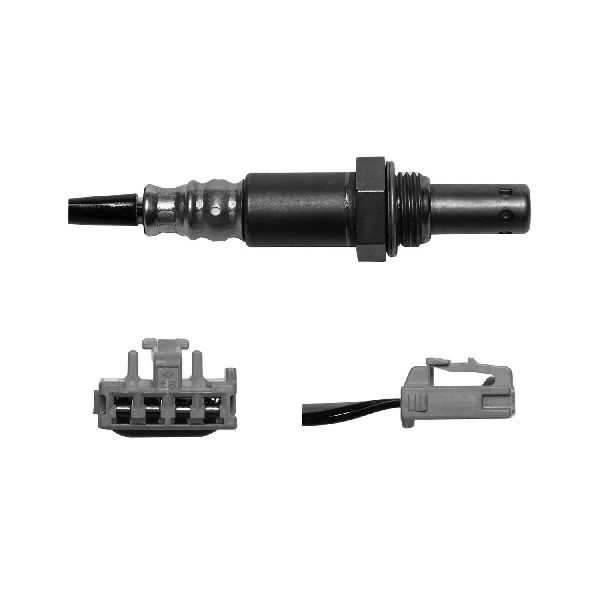

The information in this article is provided for general reference and educational purposes only. Vehicle specifications, procedures, and part compatibility can vary by production date, trim level, and region. Always consult your vehicle's factory service manual and verify part numbers before purchasing or performing repairs. Safety-critical components such as airbags, seat belts, and braking systems should be installed by a qualified professional.
- Toyota Sienna:
- 🧭 Diagnostic Flowchart
- 🎬 Helpful Videos
- 🛍️ Shop This Part
- What's Unique About the 2008-2008 Toyota Sienna
- Symptoms You May Notice
- Most Likely Causes
- Rare But Worth Checking
- Diagnosis Steps
- Parts You'll Likely Need
- Related Codes That Often Appear With This One
- Technical Service Bulletins (TSBs) & Recalls
- Platform-Specific Known Issues
- Mechanic-Grade Diagnostic Values
- Scan Tool Commands That Help
- Wiring & Ground Locations
- Real Owner Repair Stories
- When the Usual Fixes Don't Work
- OEM Part Supersession History
- Other Known Issues on This Vehicle
- Used vs. New Parts: Buying Guide for This Vehicle
- Real Owner Stories
- 2011 Toyota Sienna
- 2007-2009 Lexus RX350 (3.5L 2GR-FE)
- Related OBD-II Codes
- Frequently Asked Questions
- 🎟️ Get 5% Off