

P0139 on 2015-2017 Chrysler 200 2.4L: Slow O2 Sensor Causes and Fixes
On a 2015-2017 Chrysler 200 with the 2.4L engine, code P0139 almost always means the downstream oxygen sensor (Bank 1, Sensor 2) has failed. It's a common wear item, and replacement is straightforward. The OEM Mopar part is #68196243AA. Expect to pay $50-$90 for an aftermarket sensor and $120+ for an OEM part. DIY difficulty is low (2/5) as the sensor is conveniently accessible in the engine bay, right on the catalytic converter.
- P0139 on your Chrysler 200 almost always points to the downstream (Bank 1, Sensor 2) oxygen sensor.
- Before buying a new sensor, always perform a quick visual inspection of the wiring harness for any melting or damage, as this is another common failure point.
- The sensor is located in the engine bay, making it easier to replace than on many other vehicles. A DIY replacement is very feasible with an O2 sensor socket.
- Do not replace the catalytic converter if you only have a P0139 code. A bad sensor can cause a false catalyst code (P0420). Fix the sensor first.
What's Unique About the 2015-2017 Chrysler 200
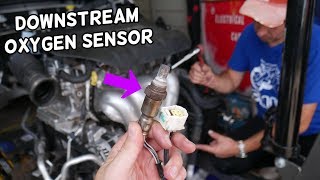
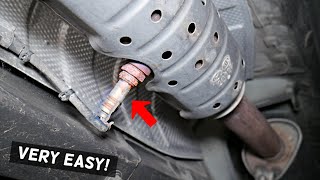
The 2.4L MultiAir 'Tigershark' engine is used across many Chrysler, Dodge, and Jeep models, so its issues are well-documented. For this engine, P0139 is a very common and direct fault. Unlike many cars where the downstream O2 sensor is located far underneath the vehicle, on the Chrysler 200 it is conveniently located in the engine bay on the catalytic converter assembly, making it much easier to access and replace. 🎬 Watch: See exactly where to find and replace this sensor. While exhaust leaks or wiring issues can cause this code, a worn-out sensor is the most frequent culprit on this platform. It's also worth noting that the 2.4L engine has a known oil consumption issue which can foul and prematurely kill oxygen sensors.
Symptoms You May Notice
- Check Engine Light (CEL) is on.
- Vehicle will fail an emissions/smog test.
- Slightly reduced fuel economy.
- Occasional engine hesitation or stumbling after decelerating (rare).
- Replacing the catalytic converter. A slow O2 sensor can sometimes cause a false P0420 (Catalyst Efficiency) code to appear. Always diagnose and fix P0139 first before considering a costly converter replacement. A new, working O2 sensor may, however, unmask a legitimate P0420 code that the old, lazy sensor was hiding.
- Replacing the upstream (Sensor 1) oxygen sensor. P0139 specifically points to the downstream (Sensor 2) sensor. Ensure you are diagnosing and replacing the correct part.
Most Likely Causes
- Failed Downstream Oxygen Sensor (Bank 1, Sensor 2) 🔴 High Probability → Shop Oxygen Sensor Oxygen sensors are wear-and-tear items that degrade from constant exposure to high heat and exhaust gases, typically after 60,000-100,000 miles. On the 2.4L MultiAir engine, this is the most common reason for a P0139 code. The platform's known oil consumption issue can also contaminate the sensor, accelerating its failure.
How to confirm: Using a scan tool, graph the voltage for 'O2 Bank 1 Sensor 2' with the engine warm and held at a steady 2,500 RPM. A healthy sensor will show a relatively stable and steady voltage, typically between 0.6V and 0.8V. If the voltage is stuck or fluctuates rapidly like the upstream sensor, the sensor itself is faulty. 🎬 Watch: A helpful guide on diagnosing slow response sensor codes. The specific trigger for this code is often a failure during deceleration fuel cut-off, where the PCM expects the sensor voltage to drop below 0.2V for at least 7 seconds; a slow sensor fails this test.
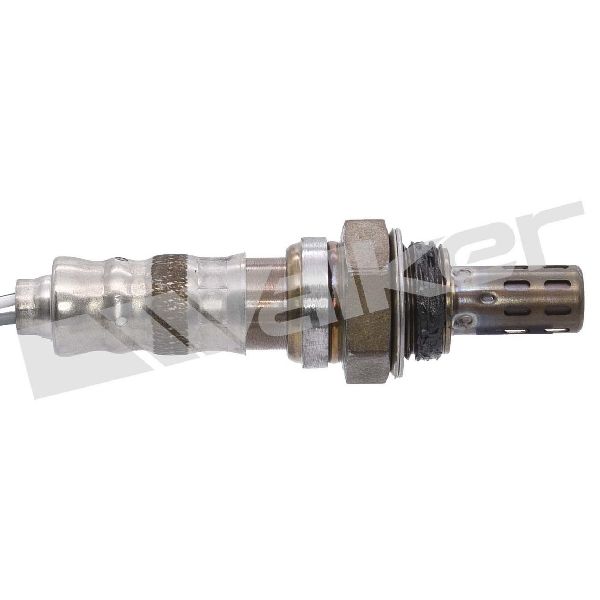
Typical fix: Replace the downstream oxygen sensor. This requires a 22mm or 7/8" slotted oxygen sensor socket. The OEM part number is Mopar 68196243AA. It is highly recommended to use an OEM or OEM-quality (NTK, Denso) sensor, as this platform can be sensitive to aftermarket parts.
Est. part cost: $50-$90 - Damaged O2 Sensor Wiring or Connector 🟡 Medium Probability → Shop Oxygen Sensor The sensor's wiring is routed near the hot exhaust system and can melt, chafe, or become brittle over time, leading to a short or open circuit. This is a known issue on this engine platform due to the high heat in the engine bay.
How to confirm: Visually inspect the wiring harness from the O2 sensor to its connection point. Look for any signs of melting, frayed wires, or corrosion on the connector pins. Pay close attention to where the harness may contact the exhaust manifold or heat shields.
Typical fix: Repair the damaged section of wire or replace the connector pigtail. Ensure the repaired harness is secured away from hot exhaust components using high-temp zip ties or loom.
Est. part cost: $15-$40 - Exhaust System Leak ⚪ Low Probability Gaskets and exhaust components can develop leaks from constant heat cycles. A leak before the O2 sensor allows outside air into the exhaust, skewing the sensor's readings and causing a slow response fault. The manifold-to-converter gasket is a potential point of failure.
How to confirm: Visually inspect the exhaust manifold and pipes for black soot trails, indicating a leak. The most reliable method is to have a shop perform an exhaust smoke test to find small, hard-to-see leaks.
Typical fix: Replace the leaking gasket or repair the cracked exhaust component. This can range from a simple gasket swap to replacing the entire exhaust manifold.
Est. part cost: $20-$400
Rare But Worth Checking
- Powertrain Control Module (PCM) Software Issue: → Shop Engine Control Module (ECM) In some rare cases, a PCM software glitch can cause a false P0139 code. Manufacturers occasionally release updated software that adjusts the response time parameters for O2 sensors. While TSBs for software updates to fix other emissions codes exist for this platform (e.g., TSB 18-023-16), none specifically name P0139. This should only be considered after all other physical causes have been ruled out.
Diagnosis Steps
- Connect an OBD-II scanner to confirm P0139 is the active code and check for any other related codes, especially P0141, P0137, or P0420.
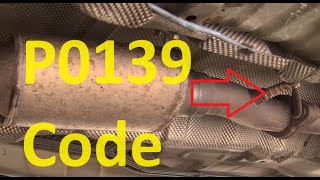
- With the engine off and cool, open the hood and locate the downstream O2 sensor. It is on the catalytic converter assembly at the rear of the engine bay.
- Thoroughly inspect the sensor's wiring harness and connector for any signs of melting, chafing, corrosion, or loose connections.
- Inspect the exhaust manifold and downpipe area for any black soot trails that would indicate an exhaust leak. For a definitive check, perform an exhaust smoke test.
- If no visual faults are found, start the engine and use the scanner's live data function to graph the voltage of 'O2S B1S2'.
- Observe the voltage graph. On a fully warmed engine at a steady 2,500 RPM, it should be relatively stable between 0.6V and 0.8V. If the voltage is stuck or fluctuates rapidly like the upstream sensor, the sensor itself is faulty.
- As a final check, you can measure the resistance of the sensor's internal heater circuit. Disconnect the sensor and measure across the two same-colored wires. A healthy sensor should read between 2 and 30 ohms; an open circuit (OL) confirms failure.
- If the sensor and wiring are confirmed to be good, the issue may be a rare PCM fault or an edge case like a leaking fuel injector, which may require professional diagnosis.
Parts You'll Likely Need
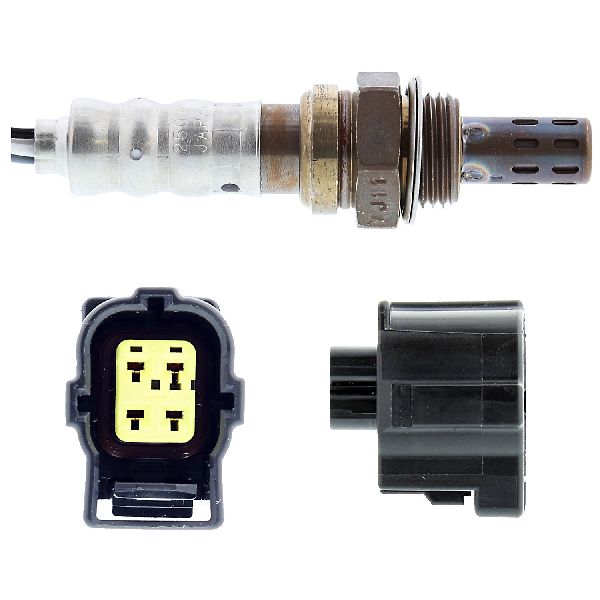
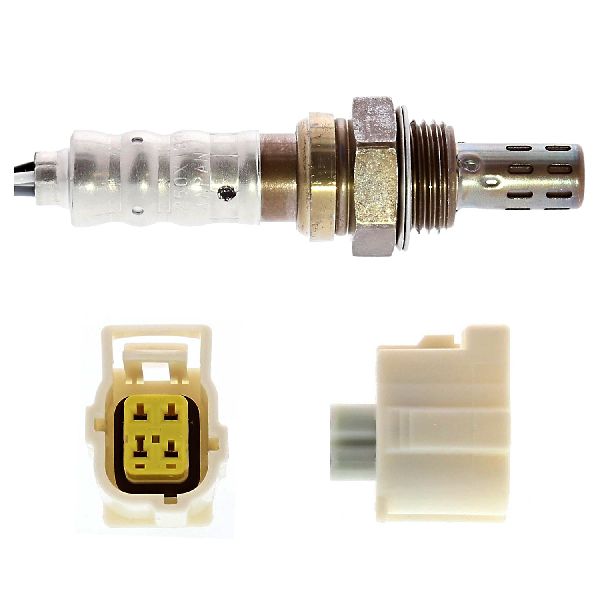
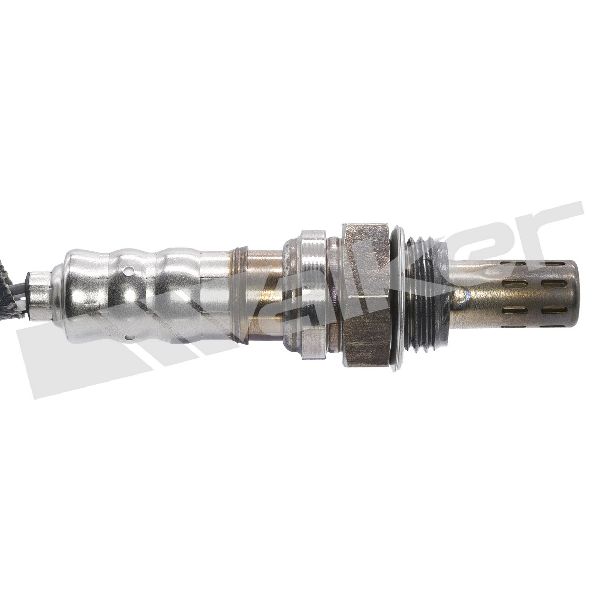
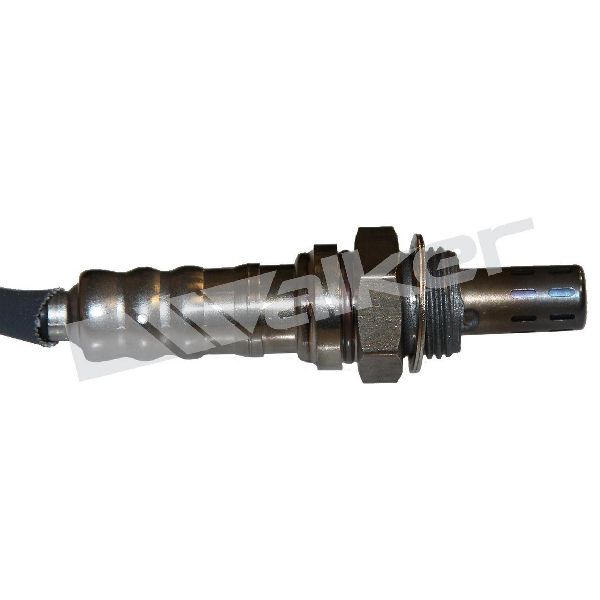
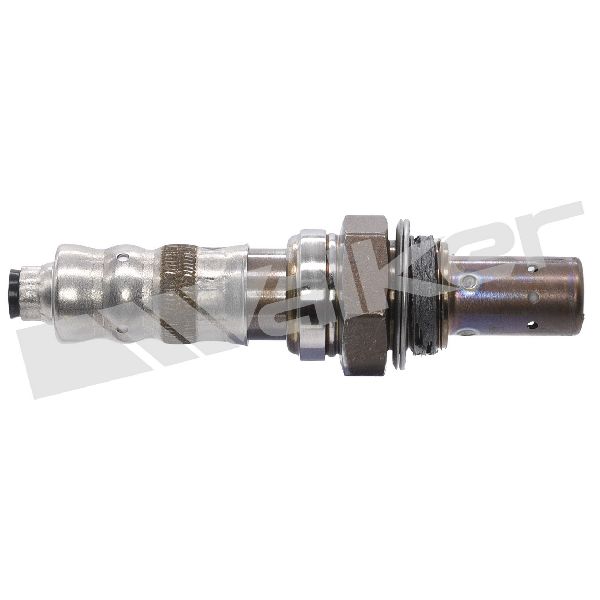
- Downstream Oxygen Sensor (Bank 1, Sensor 2)
(OEM #68196243AA)— This is the most common failure item that causes code P0139 on the 2.4L MultiAir engine due to age and heat degradation. The platform's oil consumption issues can also foul the sensor.
Trusted brands: Mopar, NTK, Denso, Bosch
OEM price range: $120-$160
Aftermarket price range: $50-$90
Related Codes That Often Appear With This One
- P0141 — This code indicates a failure in the heater circuit of the same O2 sensor. A bad heater will prevent the sensor from warming up properly, directly causing a slow response (P0139). If both codes are present, the sensor is definitely bad. 🎬 See how these related codes affect your Chrysler 200.
- P0420 — This code means 'Catalyst System Efficiency Below Threshold.' A lazy P0139 sensor can't accurately report on the catalyst's function, often triggering a false P0420 code. Fixing the P0139 often resolves the P0420 as well. Conversely, replacing a bad sensor that caused P0139 might reveal a true P0420 if the catalyst is also failing.
- P0137 — This code for 'O2 Sensor Circuit Low Voltage' points to an electrical problem with the same sensor. These codes often appear together when the sensor or its wiring fails completely.
Technical Service Bulletins (TSBs) & Recalls
- While no TSB directly addresses P0139 on this vehicle, TSB 18-023-16 REV.C involves a PCM software update for other powertrain diagnostic improvements on the 2.4L engine, and TSB 18-033-16 was issued for other models with this engine to fix different false codes, indicating software can be a factor for emissions faults on this platform.
Platform-Specific Known Issues
- The wiring for the downstream O2 sensor is known to be susceptible to melting or damage due to its proximity to the exhaust on the 2.4L MultiAir engine platform.
- The 2.4L Tigershark engine is known for excessive oil consumption, which can foul the O2 sensor with contaminants, leading to premature failure and codes like P0139 and P0420.
Mechanic-Grade Diagnostic Values
- Downstream O2 Sensor (B1S2) Voltage — expected: Relatively stable between 0.6V and 0.8V on a fully warmed-up engine at a steady RPM (e.g., 2,500 RPM).. Failure: Voltage fluctuates rapidly, mimicking the upstream sensor's pattern, or is stuck at a fixed value.
- Downstream O2 Sensor (B1S2) Deceleration Test — expected: During deceleration with fuel cut-off, the sensor voltage should drop below 0.2 volts.. Failure: The code is set if the sensor voltage fails to drop below 0.2 volts for more than 7 seconds during the test.
- O2 Sensor Heater Circuit Resistance — expected: Between 2 and 30 Ohms when measured across the two same-colored heater wires at the sensor connector (at ambient temperature).. Failure: A reading of infinity / OL (Open Loop) indicates a broken heater element. A reading significantly outside the expected range also indicates failure.
- O2 Sensor Heater Circuit Power Supply — expected: Approximately 12V (battery voltage) at the harness connector with Key On, Engine Off (KOEO).. Failure: Zero or low voltage indicates a problem with the fuse or wiring, not the sensor itself.
Scan Tool Commands That Help
- wiTECH (or advanced aftermarket): O2 Sensor Heater Test — This bidirectional command forces the O2 sensor's internal heater to turn on, allowing a technician to monitor the circuit's response in live data. It helps confirm if the heater element and its control circuit are functioning without needing to physically access the sensor for a resistance test.
Wiring & Ground Locations
- O2 Sensor 1/2 Connector — On the catalytic converter at the rear of the engine bay, connecting the downstream O2 sensor to the engine harness.. This is the primary point for all electrical tests (voltage, resistance, continuity). A wiring diagram is needed to identify the specific pins for the heater (typically same-colored wires) and signal circuits.
- G300 — Under the driver's seat.. This is a major chassis ground point. While not exclusive to the O2 sensor, a poor connection here can cause a variety of difficult-to-diagnose electrical and sensor faults due to an unstable ground reference.
- G905A — In the engine compartment, below the left headlight assembly.. This is a primary engine compartment ground. A loose or corroded connection at this point is known to cause erratic sensor behavior on this platform.
Real Owner Repair Stories
- Reddit user /u/throwaway-lotion (Vehicle year/model not specified, but behavior is platform-relevant.) — Check Engine Light with code P0139.
❌ Tried (didn't work) The previous owner had installed a cheap aftermarket O2 sensor.
✅ What actually fixed it The user replaced the faulty downstream O2 sensor with a more expensive OEM part. This cleared the P0139 code, but immediately after, a P0420 (Catalyst Efficiency) code appeared. This indicates the old, lazy sensor was not responding correctly and was masking an underlying, legitimate catalytic converter problem.
When the Usual Fixes Don't Work
- In one documented case, replacing a faulty downstream O2 sensor that was causing a P0139 code did not fully resolve the Check Engine Light. Instead, it cleared the P0139 but immediately triggered a P0420 (Catalyst Efficiency) code. This demonstrates that a 'lazy' sensor can effectively mask a failing catalytic converter by not providing accurate data to the PCM. The 'fix' for P0139 revealed a more expensive underlying problem.
Diagnostic Flowchart
Other Known Issues on This Vehicle
Issues unrelated to this code that are worth knowing about as an owner of this generation:
- Excessive Engine Oil Consumption 🔴 High — Very common on 2015-2016 models. Owners report consuming a quart of oil every 1,000-2,000 miles. The issue is caused by defective piston rings that allow oil to burn off. (Ref: Multiple lawsuits have been filed regarding this issue. TSBs like 09-003-23 REV. A and 09-006-20 detail the official oil consumption test procedure for dealers.)
- Harsh Shifting / Transmission Failure (ZF 9-Speed) 🔴 High — Extremely common, especially on 2015 models. Symptoms include lurching, hesitation, sudden shifts to neutral, and complete failure. (Ref: Multiple TSBs were released for software updates (e.g., 21-013-16, 21-019-17) and a warranty extension (X80) was offered. A recall (S55 / NHTSA 16V-529) was issued for a wiring harness problem that could cause shifts to neutral.)
- Engine Stalling While Driving 🔴 High — Frequently reported, often linked to the oil consumption issue causing low oil pressure, but also attributed to other electrical or fuel system problems.
- Electrical Problems / PCM Failure 🟠 Medium — Owners report various electrical gremlins. The placement of the PCM in a high-heat area of the engine bay is often blamed for premature failures. (Ref: TSB 18-023-16 REV.C was released to reprogram the PCM for various diagnostic improvements.)
Used vs. New Parts: Buying Guide for This Vehicle
When a used part is the smart pick: It is strongly advised NOT to use a used oxygen sensor. O2 sensors are wear-and-tear items with a finite lifespan, similar to spark plugs or brake pads. A used sensor from a junkyard has unknown remaining life and may have been contaminated or damaged during its service or removal.
What to inspect on the donor part:
- Not applicable, as used O2 sensors are not recommended for this repair.
OEM-only on this vehicle (don't cheap out):
- Oxygen Sensor: While not strictly 'OEM-only', using a Mopar (OEM) or OEM-supplier brand is critical. The PCM on this platform is sensitive to the sensor's specific resistance and response characteristics. Using a generic part often leads to the code returning.
Aftermarket brands forum-validated for this vehicle:
- NTK (often the OEM supplier)
- Denso
- Bosch
Brands owners have reported issues with on this vehicle:
- Unbranded or 'universal' oxygen sensors that require splicing wires. These frequently have incorrect internal resistance or response times that are incompatible with the Chrysler PCM's monitoring strategy.
Real Owner Stories
Aggregated from forums and TSBs cited above. Mileages and costs reflect what owners reported in those sources.
2015 Chrysler 200 2.4L
Symptoms: Check engine light on; confirmed the downstream O2 sensor is located under the hood, not under the car.
What fixed it: Replacement of the downstream O2 sensor.
Source hint: reddit.com/r/MechanicAdvice
2014-2020 Jeep Cherokee (KL) 2.4L — ~80000 miles
Symptoms: Intermittent rough idle and P0139 code; vehicle is very particular about sensor voltage.
What fixed it: Replacement with an OEM-quality (NTK) sensor to avoid compatibility issues.
Source hint: jeepkj.com/threads/p0139-intermittent-rough-idle.75471/
Related OBD-II Codes
Frequently Asked Questions
Does TSB 18-023-16 REV.C apply to my 2015 Chrysler 200 with a P0139 code?
Where is the downstream oxygen sensor located on the 2.4L MultiAir engine?
Can I use an aftermarket oxygen sensor to fix P0139 on my Chrysler 200?
Is the P0139 code related to the oil consumption issues on the 2.4L Tigershark?
What is the specific trigger for P0139 on this vehicle?
Are there any recalls for the transmission issues that might be related to my check engine light?
Helpful Videos
We Have This Part in Stock

The information in this article is provided for general reference and educational purposes only. Vehicle specifications, procedures, and part compatibility can vary by production date, trim level, and region. Always consult your vehicle's factory service manual and verify part numbers before purchasing or performing repairs. Safety-critical components such as airbags, seat belts, and braking systems should be installed by a qualified professional.
- Chrysler 200:
- 🧭 Diagnostic Flowchart
- 🎬 Helpful Videos
- 🛍️ Shop This Part
- What's Unique About the 2015-2017 Chrysler 200
- Symptoms You May Notice
- Most Likely Causes
- Rare But Worth Checking
- Diagnosis Steps
- Parts You'll Likely Need
- Related Codes That Often Appear With This One
- Technical Service Bulletins (TSBs) & Recalls
- Platform-Specific Known Issues
- Mechanic-Grade Diagnostic Values
- Scan Tool Commands That Help
- Wiring & Ground Locations
- Real Owner Repair Stories
- When the Usual Fixes Don't Work
- Other Known Issues on This Vehicle
- Used vs. New Parts: Buying Guide for This Vehicle
- Real Owner Stories
- 2015 Chrysler 200 2.4L
- 2014-2020 Jeep Cherokee (KL) 2.4L — ~80000 miles
- Related OBD-II Codes
- Frequently Asked Questions
- 🎟️ Get 5% Off