

P0139 on 2013-2016 Dodge Dart 1.4L Turbo: Slow O2 Sensor Response Causes & Fixes
This code means the downstream oxygen sensor (Bank 1, Sensor 2) is responding too slowly. On the 1.4L Dart, this is almost always a failing sensor due to age and contamination. Replacing the downstream O2 sensor, located in the exhaust pipe after the catalytic converter, is the most common fix. An aftermarket NTK (P/N: 22534) or Denso sensor costs about $40-$90 and is a simple DIY repair for most owners.
- P0139 means the downstream oxygen sensor (after the catalytic converter) is getting old and slow.
- The most common fix by far is to replace the downstream O2 sensor with a quality brand like NTK or Denso.
- Before replacing the sensor, do a quick visual check for any obvious exhaust leaks (especially the flex pipe) or damaged wires near the sensor.
- This is a DIY-friendly repair for most people with basic tools, but the sensor can sometimes be difficult to remove if it's rusted in place. Use penetrating oil and the correct O2 sensor socket.
What's Unique About the 2013-2016 Dodge Dart
The 1.4L MultiAir Turbo engine, sourced from Fiat, is a unique powerplant in the Dodge lineup and is shared with vehicles like the Fiat 500 Abarth and Jeep Renegade. For this P0139 code, there aren't widespread, unique systemic flaws. However, the downstream O2 sensor is located on the exhaust pipe just after the flex pipe. This position makes its wiring somewhat more vulnerable to damage from road debris or from the vehicle bottoming out compared to other designs. The flex pipe itself is also a common failure point for exhaust leaks, which can trigger this code.
Symptoms You May Notice
- Check Engine Light is on.
- Failed emissions test.
- Slightly reduced fuel economy.
- In some cases, the engine may hesitate or stall when coming to a stop.
- Replacing the upstream O2 sensor (Bank 1, Sensor 1) instead of the downstream (Bank 1, Sensor 2). The code P0139 is specific to Sensor 2.
- Replacing the catalytic converter. A bad converter usually triggers code P0420. A slow O2 sensor can sometimes cause a false P0420 code, so the P0139 should always be diagnosed and fixed first.
Most Likely Causes
- Failing Downstream O2 Sensor (Bank 1, Sensor 2) 🔴 High Probability → Shop Oxygen Sensor Like any O2 sensor, the one on the Dart is a wear item. After 80,000-100,000 miles, exposure to high heat and exhaust gases causes the internal sensing element to degrade and become 'lazy' or slow to respond. This is the most common cause of P0139.
How to confirm: Use a scan tool with live data to graph the B1S2 voltage. It should be relatively stable, typically between 0.6-0.8V on a warm engine. Perform a 'snap throttle' test (quickly revving the engine). A healthy sensor will show a quick voltage change, while a failing one will be very slow to react. During deceleration, the voltage should drop quickly; if it hangs high, the sensor is bad.
Typical fix: Replace the downstream oxygen sensor. On the 1.4L Turbo, it is located under the car in the exhaust pipe, after the flex pipe. A 22mm or 7/8" oxygen sensor socket is required. NTK is the OE manufacturer and a highly recommended replacement.
Est. part cost: $40 - $90 - Exhaust Leak 🟡 Medium Probability Leaks can occur at gaskets or the flex pipe, which is located just before the downstream O2 sensor. A leak in this area can introduce outside air (oxygen) into the exhaust stream, which confuses the sensor and causes slow or erratic readings that the PCM interprets as a fault.
How to confirm: Visually inspect the exhaust system from the engine to the downstream O2 sensor for any signs of black soot, cracks, or holes, paying close attention to the flex pipe. You can also have a helper temporarily block the tailpipe with a rag while the engine is running to make leaks more audible or use a smoke machine to pinpoint the leak.
Typical fix: Repair the leak by replacing the faulty gasket or the entire flex pipe section if it has failed.
Est. part cost: $10 - $250 - Damaged Wiring or Connector ⚪ Low Probability The sensor's wiring harness is located under the car and can be damaged by road debris, speed bumps, or improper servicing. The heat from the exhaust can also make wires brittle over time, leading to breaks or shorts.
How to confirm: Visually inspect the O2 sensor's wiring harness and connector for any signs of melting, chafing, corrosion, or breaks. Check for a secure connection at the sensor and where the harness connects to the main body harness.
Typical fix: Repair the damaged section of the wiring harness or clean/replace the connector. Ensure the harness is properly secured away from heat sources and moving parts.
Est. part cost: $5 - $50
Rare But Worth Checking
- PCM Software Issue: Manufacturers sometimes release software updates that adjust the parameters for sensor monitoring. While no specific TSB for P0139 on the 1.4L is widely reported, it's worth checking with a dealer for any available PCM updates, especially if a new sensor doesn't fix the code.
- Blown Fuse: The oxygen sensor's heater circuit is protected by a fuse. If this fuse blows, the sensor may not heat up properly, leading to a slow response, especially on cold starts. This may be fuse F87 in the engine bay fuse box. A blown fuse will usually be accompanied by code P0141 (Heater Circuit Malfunction).
Diagnosis Steps
- Confirm the code P0139 is present using an OBD-II scanner.
- Check for any other codes. If P0141 is also present, it strongly points to a failed sensor.
- Visually inspect the downstream O2 sensor's wiring and connector for any damage, melting, or corrosion.
- Thoroughly inspect the exhaust system for leaks, especially the flex pipe located just before the sensor. Look for soot marks or listen for hissing sounds.
- Using a scan tool, observe the live data for the Bank 1 Sensor 2 voltage at idle on a fully warmed engine. It should be relatively steady, around 0.6-0.8V.
- Perform a 'snap throttle' test. Rev the engine sharply and watch the B1S2 voltage graph. It should respond quickly. If it takes more than a second to change, the sensor is likely faulty.
- Observe the B1S2 voltage during a coast-down/deceleration. The voltage should drop below 0.2V quickly. If it remains high, the sensor is confirmed to be slow.
- If the wiring and exhaust are intact and the sensor is slow to respond on the scan tool, replace the Bank 1 Sensor 2 oxygen sensor.
Parts You'll Likely Need
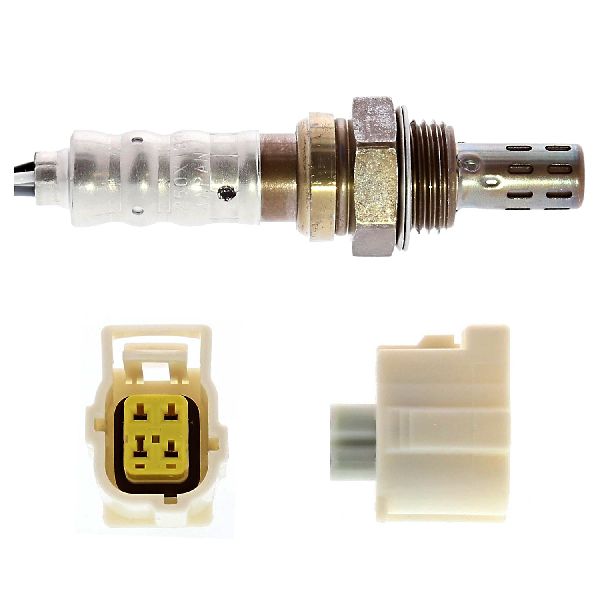
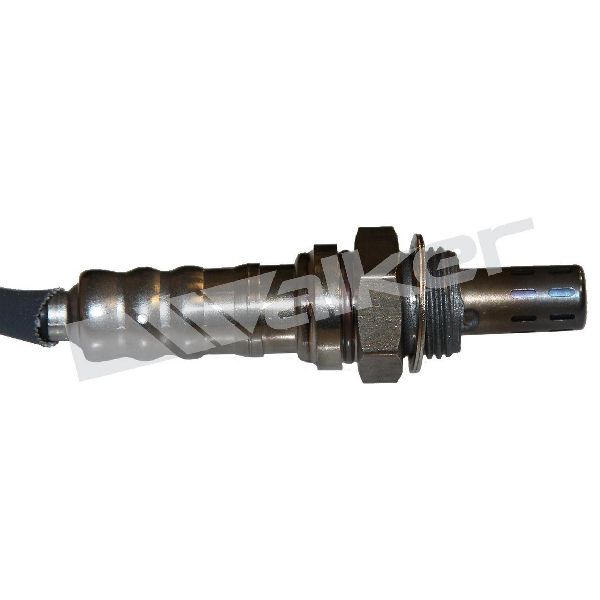
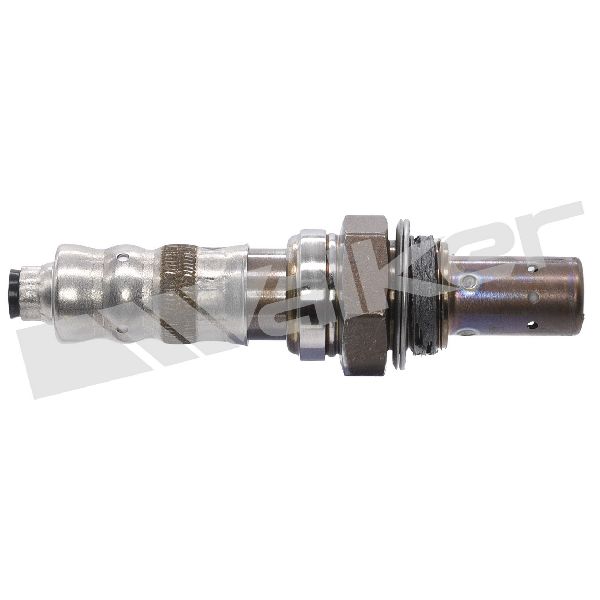
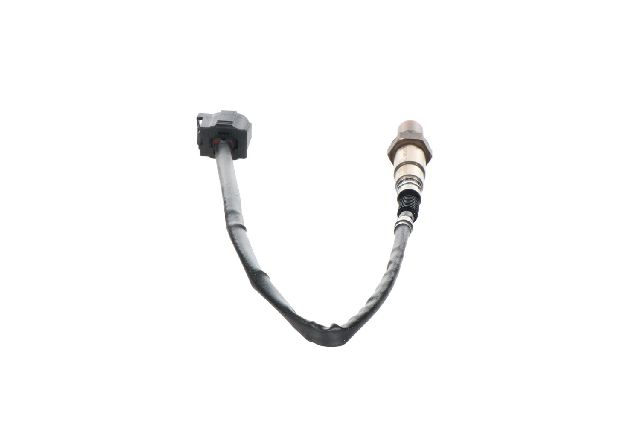
- Downstream Oxygen Sensor (Bank 1, Sensor 2)
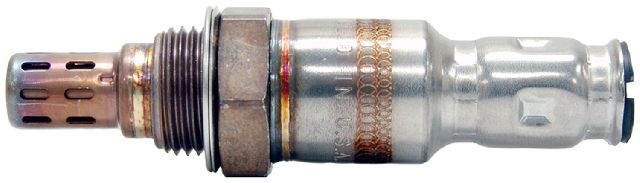
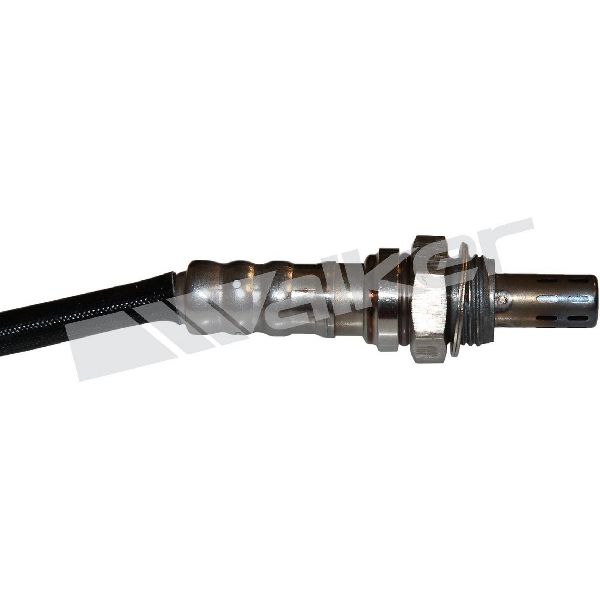
(OEM #68142340AA)— This is the component that the code directly identifies as responding slowly. Due to age and contamination, it is the most common failure point for P0139.
Trusted brands: Mopar (OEM), NTK (P/N: 22534, is the OE supplier), Denso, Bosch
OEM price range: $80-$150
Aftermarket price range: $40-$90
Related Codes That Often Appear With This One
- P0141 — P0141 indicates a failure in the heater circuit for the same sensor (B1S2). A failed heater will prevent the sensor from reaching operating temperature quickly, which can directly cause the slow response issue of P0139. If you have both codes, the sensor itself has an internal failure and needs to be replaced.
- P0420 — A P0420 (Catalyst Efficiency) code can appear alongside P0139. This can happen because a slow sensor is unable to accurately report on the catalyst's function, leading to a false efficiency code. Always fix the P0139 first, clear codes, and drive to see if the P0420 returns.
Platform-Specific Known Issues
- Owner Experience: Standard Failure, Easy Fix: Multiple owners on forums like dodge-dart.org report that P0139 is a common code as the car ages past 80k miles. The consensus is that replacing the downstream O2 sensor with a quality NTK or Denso part resolves the issue. The repair is considered straightforward, with the main challenge being the potential for a rusted/seized sensor in the exhaust pipe.
- Tool Recommendation: A 7/8" (22mm) offset oxygen sensor socket is highly recommended for this job. It allows for proper leverage and provides a cutout for the sensor's wire, making removal and installation much easier than with a standard wrench.
Mechanic-Grade Diagnostic Values
- Downstream O2 Sensor Heater Element Resistance — expected: 4.5 to 14.5 ohms (when cold). Failure: An open circuit (OL/infinite resistance) or a reading significantly outside the expected range indicates a failed heater element.
- O2 Sensor Circuit Resistance (harness side) — expected: Less than 5 Ω. Failure: Resistance values above 5 Ω from the sensor connector to the PCM pin suggest corrosion or a damaged wire.
- Downstream O2 Sensor Voltage (Live Data) — expected: Relatively stable voltage between 0.5V and 0.8V at idle on a warm engine.. Failure: Voltage is stuck, flat, or responds very slowly after revving the engine. Should drop to near 0.1V on deceleration.
- O2 Sensor Signal Circuit Voltage (at harness connector, KOEO) — expected: Between 4.1 and 5.0 Volts. Failure: A reading outside this range points to a short to ground, short to voltage, or an open in the signal wire.
Hidden / Shadow Codes Worth Checking
- Mode $06, Monitor ID $03: Mode $06 provides access to the raw results of the PCM's self-tests before a fault code is set. Monitor ID $03 corresponds to the Bank 1 Oxygen Sensor monitor. A technician can view the specific test values for the downstream sensor's response time to see if it is close to the failing threshold, even if the Check Engine Light is not yet on. (see via A professional scan tool with Mode $06 capability is required. The function may be listed under 'Generic OBD-II', 'On-Board Monitored Systems', or a similar menu.)
Scan Tool Commands That Help
- wiTECH: PCM Reprogram/Flash — While no TSB directly links a flash to P0139, several exist for the 1.4L Dart PCM for other codes. Checking for and applying any available software updates is a valid diagnostic step if a new sensor and verified wiring do not resolve the code, as updates can change the sensitivity of the diagnostic thresholds.
Wiring & Ground Locations
- C105 — The electrical connector for the downstream (Bank 1, Sensor 2) oxygen sensor.. This is the primary connection point to inspect for corrosion, damage, or poor pin contact. All signals and heater power for the sensor pass through this connector.
- G103 — A key ground point located on the left side of the engine compartment.. A poor engine ground can cause a variety of sensor issues and electrical noise, potentially affecting the O2 sensor's reference voltage and leading to incorrect readings.
- G105 — A critical ground located in the left front corner of the engine compartment.. Similar to G103, this ground is essential for the proper function of various engine bay electronics, including the PCM which interprets the O2 sensor signal.
- G108 (1.4L only) — Located at the rear center of the top of the engine.. This is a primary engine ground. A loose or corroded connection here can cause erratic sensor behavior across the system.
OEM Part Supersession History
68142340AA→No supersession found.— The original part number appears to be current and has not been replaced by a newer version.
Diagnostic Flowchart
Other Known Issues on This Vehicle
Issues unrelated to this code that are worth knowing about as an owner of this generation:
- MultiAir Actuator ('Brick') Failure 🔴 High — A well-known and expensive failure. Can occur at various mileages, often heralded by misfire codes (e.g., P030x) or specific MultiAir solenoid codes (P10xx).
- Manual Transmission Clutch Failure 🟠 Medium — Premature failure of the clutch slave cylinder or master cylinder is common, often before 80,000 miles. Some owners report a 'clutch delay valve' contributes to awkward engagement and wear. (Ref: TSB 06-001-16 (Extended warranty on clutch hydraulic system))
- Coolant Leaks 🟠 Medium — Leaks are common from brittle plastic hose fittings (especially the T-junction), the thermostat housing, and the water pump.
- DDCT Automatic Transmission Problems 🔴 High — The Dual Dry Clutch Transmission (DDCT) offered with the 1.4L engine is known for jerky operation, hesitation, and premature failure of clutch packs or control modules. (Ref: Multiple software updates and recalls were issued to address drivability.)
- Electrical Issues / Battery Drain 🟡 Low — Many owners report strange electrical behavior, often traced back to a weak battery or a failing Bluetooth module that doesn't shut down properly, causing parasitic drain.
- High-Pressure Fuel Pump (HPFP) Failure 🟠 Medium — Failure of the HPFP is a known issue on the 1.4L GDI engine, leading to code P0087 (Low Fuel Rail Pressure) and a no-start or stalling condition.
Used vs. New Parts: Buying Guide for This Vehicle
When a used part is the smart pick: For this repair, using a used part is strongly discouraged. Oxygen sensors are wear-and-tear items with a finite lifespan, much like spark plugs or brake pads. A used sensor from a junkyard has unknown mileage and exposure to contaminants, and is likely to fail soon after installation, if it works at all.
What to inspect on the donor part:
- Not applicable. Do not purchase a used oxygen sensor.
OEM-only on this vehicle (don't cheap out):
- While not strictly 'OEM-only', using a sensor from the Original Equipment (OE) supplier is highly recommended. For this vehicle, NTK is the OE supplier. Using a Mopar-branded part from the dealer or an NTK-branded part from an auto parts store will yield the best results.
Aftermarket brands forum-validated for this vehicle:
- NTK (OE Supplier)
- Denso
Brands owners have reported issues with on this vehicle:
- Unbranded or generic 'no-name' sensors from online marketplaces should be avoided. While they may be cheaper, they often have different response characteristics or heater resistances that are not perfectly calibrated for the vehicle's PCM, leading to the code returning or other performance issues.
Real Owner Stories
Aggregated from forums and TSBs cited above. Mileages and costs reflect what owners reported in those sources.
2013 Dodge Dart 1.4L Turbo
Symptoms: The owner initially had a P0420 code. After clearing it, a pending P0139 code appeared with no Check Engine Light (CEL).
What fixed it: The owner installed a $15 O2 spacer, which cleared the pending code and prevented the CEL from returning after 50 miles of driving.
Cost: $10-$15
Source hint: forum_citations: dodge-dart.org owner report from DaRtLeNe OrAnGiNa
2014 Dodge Dart 1.4L Turbo — ~90000 miles
Symptoms: Check Engine Light on as the car aged past 80k miles; the sensor became 'lazy' or slow to respond to exhaust gas changes.
What fixed it: Replacing the downstream O2 sensor with a quality NTK or Denso part.
Source hint: vehicle_specific_issues: Owner Experience: Standard Failure, Easy Fix
Related OBD-II Codes
Frequently Asked Questions
Which specific oxygen sensor is causing the P0139 code on my 1.4L Turbo Dart?
Is there a recommended brand for the replacement O2 sensor?
What special tools do I need to fix P0139 on my Dart?
Could an exhaust leak cause this code instead of a bad sensor?
Does the 1.4L MultiAir engine have any other common issues I should check while fixing this?
My Dart is hesitating when I come to a stop; is that related to P0139?
Helpful Videos

We Have This Part in Stock

The information in this article is provided for general reference and educational purposes only. Vehicle specifications, procedures, and part compatibility can vary by production date, trim level, and region. Always consult your vehicle's factory service manual and verify part numbers before purchasing or performing repairs. Safety-critical components such as airbags, seat belts, and braking systems should be installed by a qualified professional.
- Dodge Dart:
- 🧭 Diagnostic Flowchart
- 🎬 Helpful Videos
- 🛍️ Shop This Part
- What's Unique About the 2013-2016 Dodge Dart
- Symptoms You May Notice
- Most Likely Causes
- Rare But Worth Checking
- Diagnosis Steps
- Parts You'll Likely Need
- Related Codes That Often Appear With This One
- Platform-Specific Known Issues
- Mechanic-Grade Diagnostic Values
- Hidden / Shadow Codes Worth Checking
- Scan Tool Commands That Help
- Wiring & Ground Locations
- OEM Part Supersession History
- Other Known Issues on This Vehicle
- Used vs. New Parts: Buying Guide for This Vehicle
- Real Owner Stories
- 2013 Dodge Dart 1.4L Turbo
- 2014 Dodge Dart 1.4L Turbo — ~90000 miles
- Related OBD-II Codes
- Frequently Asked Questions
- 🎟️ Get 5% Off