

P0139 on 2001-2005 Honda Civic: O2 Sensor Slow Response Causes and Fixes
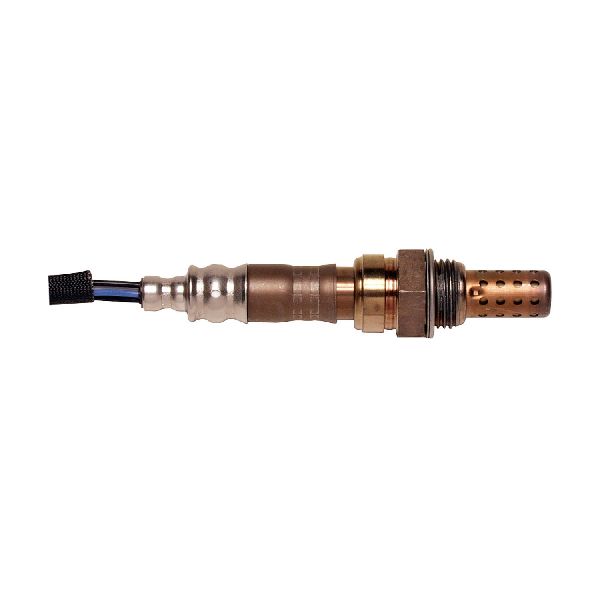
On a 2001-2005 Civic, P0139 usually means the downstream oxygen sensor (Bank 1, Sensor 2) has failed. However, for specific 2004 and all 2005 non-EX models, a known software glitch can trigger this code, requiring a dealer ECU reflash per TSB 07-019. Before replacing, check for the TSB applicability. The correct aftermarket sensor (Denso 234-4732 or NTK 24201) costs about $50-$90, while the OEM part (36532-PLM-A01) is $120-$180.
- P0139 points to the downstream oxygen sensor (Sensor 2), located after the catalytic converter.
- For 2001-2003 models, the most likely cause is a failed oxygen sensor. Use a Denso or NTK replacement.
- **Crucially, for 2004-2005 non-EX models, check for Honda TSB 07-019 first. A simple software update may fix the problem without needing to replace any parts.**
- Before replacing the sensor, always perform a quick visual inspection for exhaust leaks and damaged wiring, as these can mimic a bad sensor.
- Replacing the sensor is a DIY-friendly job with the correct O2 sensor socket, typically taking less than an hour. Remember to apply anti-seize to the new sensor's threads.
What's Unique About the 2001-2005 Honda Civic
For this generation of Civic, especially the 2004-2005 model years, P0139 is not always a bad sensor. Honda released Technical Service Bulletin 07-019 because the original engine computer software was overly sensitive and could misinterpret the signal from a perfectly good sensor, falsely triggering the code. This TSB applies specifically to 2004 LX/DX/DX-VP models within a certain VIN range and ALL 2005 LX/LX-SE/DX/DX-VP models. It does not apply to EX models. This makes it critical to check for the software update before spending money on a new sensor for these later years.
Symptoms You May Notice
- Check Engine Light is on
- Failing a state emissions inspection
- Slight decrease in fuel economy, though often not noticeable by the driver.
- In rare cases, the engine may hesitate or run rough during deceleration.
- Replacing the oxygen sensor on a 2004 or 2005 Civic without first checking if TSB 07-019 (software update) applies. The new sensor will not fix a software-related issue.
- Using a cheap, no-name 'universal' oxygen sensor. Honda ECUs can be sensitive, and many forum users report that only OEM, Denso, or NTK sensors work reliably to keep the code away.
- Replacing the wrong sensor. P0139 is for Sensor 2, the downstream sensor after the catalytic converter. It is easy to confuse with Sensor 1 (the upstream Air/Fuel ratio sensor).
Most Likely Causes
- Faulty Downstream Oxygen Sensor 🔴 High Probability → Shop Oxygen Sensor Oxygen sensors are wear items that degrade over time from heat and contaminants in the exhaust stream. After 100,000+ miles, failure is common. Forum users widely report that replacing the original sensor with a quality aftermarket part like Denso or NTK resolves the code.
How to confirm: After ruling out other causes, use a scan tool to graph the sensor's voltage. A healthy downstream O2 sensor on a fully warmed-up engine should show a relatively stable, steady voltage (typically above 0.6V). A sensor that is lazy will show slow, rolling fluctuations, while a dead sensor may be stuck at a low voltage (e.g., 0.1V) or a fixed high voltage. Forcing the engine rich (e.g., with a propane torch) should cause a healthy sensor's voltage to rise quickly 🎬 Watch: How to test a Honda O2 sensor with a multimeter., while snapping the throttle closed should cause it to drop; a slow sensor will fail this test.
Typical fix: Replace the Bank 1, Sensor 2 oxygen sensor. It is located on the exhaust pipe after the catalytic converter. This often requires a special 22mm O2 sensor socket to accommodate the wire.
Est. part cost: $50-$180 - PGM-FI Software Needs Update (2004-2005 models) 🔴 High Probability Per Honda TSB 07-019, the original powertrain software on some 2004 and all 2005 non-EX models can misinterpret the O2 sensor's signal and set a false P0139 code. The logic was too stringent. This software-driven false code is a known pattern for the manufacturer; for instance, TSB Bulletin #A25-040 for other Honda models notes the MIL comes on with P0139 because the PCM misinterprets the secondary heated oxygen sensor output.
How to confirm: A Honda dealership or a shop with a Honda Diagnostic System (HDS) tool can check the current software version on the vehicle's computer (PCM) against the TSB. The TSB lists specific VIN ranges for 2004 models and covers all 2005 DX, DX-VP, LX, and LX-SE trims.
Typical fix: Update the PGM-FI (powertrain control module) software. This must be done by a dealer or a qualified shop with an HDS tool. Out-of-warranty costs for this service are typically 1-1.5 hours of labor, ranging from $100 to $250.
Est. part cost: $0 (if under warranty/goodwill), $100-$250 (dealer labor) - Exhaust System Leak 🟡 Medium Probability Rust can cause cracks or holes in the exhaust pipes or gaskets, especially in regions that use road salt. A common leak point on this generation is the flexible pipe section or the gaskets before and after the catalytic converter. A leak allows outside oxygen into the exhaust, which can confuse the O2 sensor and cause it to read incorrectly, sometimes mimicking a slow response.
How to confirm: Visually inspect the exhaust system for cracks or black soot marks, particularly around the catalytic converter and O2 sensor bungs. A common method is to use a shop vacuum in reverse to pressurize the exhaust from the tailpipe and spray soapy water on joints and pipes, looking for bubbles. 🎬 See this simple trick to find exhaust leaks using a vacuum.
Typical fix: Repair the leak by welding the pipe or replacing the failed gasket or exhaust component.
Est. part cost: $10-$300 - Damaged Wiring or Connector ⚪ Low Probability
How to confirm: Visually inspect the oxygen sensor's wiring harness and connector for any signs of melting, chafing, corrosion, or loose pins. The harness is routed under the car and can be damaged by road debris or contact with hot exhaust components. Use a multimeter to check for continuity and shorts in the wiring between the sensor connector and the PCM.
Typical fix: Repair the damaged section of the wiring harness or clean/replace the connector.
Est. part cost: $5-$50
Rare But Worth Checking
- Blown O2 Sensor Heater Fuse: → Shop Oxygen Sensor The oxygen sensor has an internal heater to get it to operating temperature quickly. This heater circuit is protected by a fuse (often labeled 'AF HEATER' or similar in the fuse box). While a failure here usually sets a specific heater circuit code (like P0141), it's a quick and easy check.
- Failing Catalytic Converter: While P0420 is the typical code for a bad catalytic converter, a converter that is on the verge of failure can cause erratic readings from the downstream O2 sensor. The PCM might interpret this erratic behavior as a 'slow response' before it fully condemns the converter. If you replace the sensor and the code returns, and no other causes are found, the converter itself may be the root issue.
Diagnosis Steps
- Connect an OBD-II scanner to confirm P0139 is the primary code present. Note any other codes.
- (For 2004-2005 models) Check if Honda Service Bulletin 07-019 applies to your vehicle by VIN and trim (LX, DX, DX-VP). If it does, the recommended first step is a software update at a dealership, not part replacement.
- Visually inspect the entire exhaust system from the engine to the tailpipe for any signs of leaks, such as cracks, holes, or black soot trails. Pay close attention to the gaskets and flex pipe near the catalytic converter.
- Inspect the wiring harness and electrical connector for the downstream (Sensor 2) oxygen sensor. Look for any signs of melting, corrosion, or physical damage. Ensure the connector is securely plugged in.
- Check the fuse panel for a blown fuse related to the O2 sensor heater circuit (often labeled 'AF HEATER' or similar).
- Using a scan tool with live data, bring the engine to full operating temperature. Observe the voltage graph for the downstream O2 sensor (B1S2). A healthy sensor will hold a relatively steady voltage (typically above 0.6V). A bad sensor will often be slow to respond, stuck low (<0.2V), or fluctuate lazily.
- To force a response, briefly snap the throttle. The voltage should change in response. If it's slow or unresponsive, the sensor is likely faulty.
- If the sensor signal is faulty and all wiring/leaks have been ruled out, replace the downstream oxygen sensor with a quality part (OEM, Denso, or NTK).
- After repair, clear the code by disconnecting the battery or removing the #6 (15A) fuse under the hood for a minute.
Parts You'll Likely Need
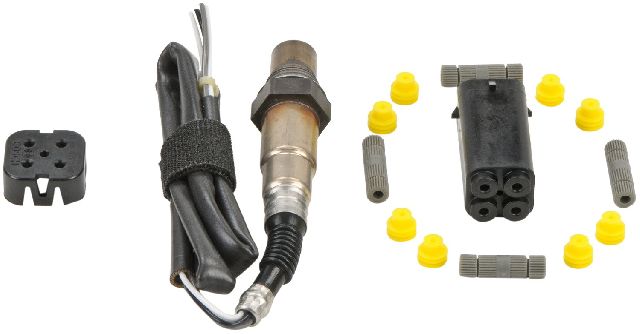
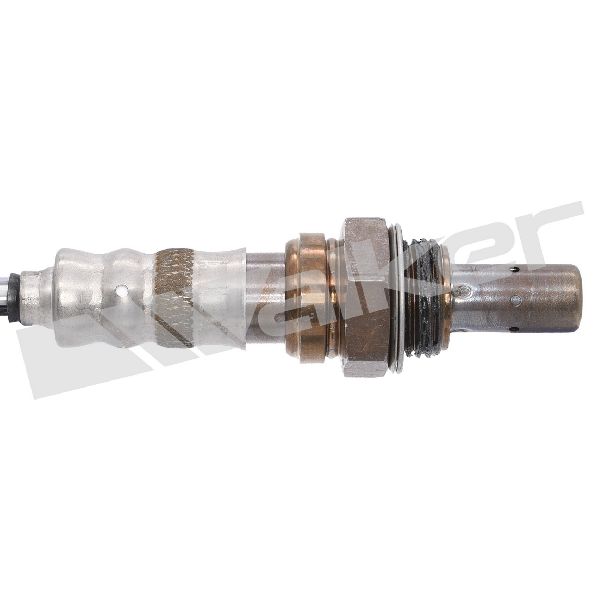
- Downstream Oxygen Sensor (Bank 1, Sensor 2)
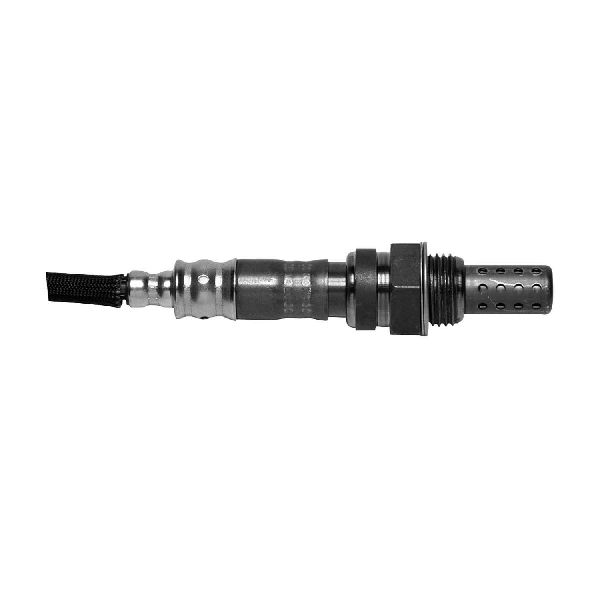
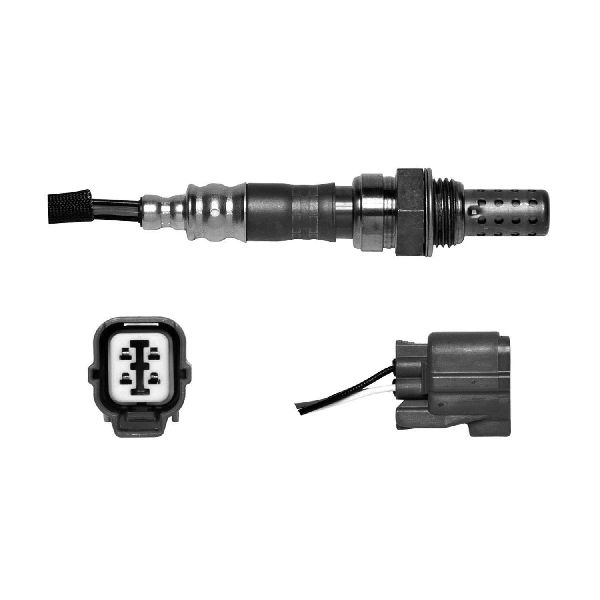
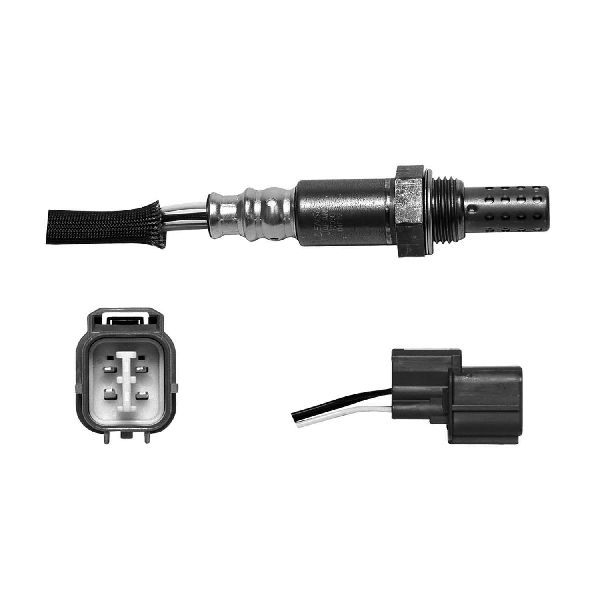
(OEM #36532-PLM-A01)— This is the sensor identified by the code. It is a common wear-and-tear item that fails over time. Denso is the original equipment manufacturer (OEM) for Honda, so buying a Denso-branded part is equivalent to OEM quality.
Trusted brands: Denso (OEM supplier) - Part #234-4732, NTK (NGK) - Part #24201
OEM price range: $120-$180
Aftermarket price range: $50-$90 - Oxygen Sensor Socket — A special slotted socket (usually 22mm or 7/8") is often required to remove and install the oxygen sensor without damaging its wire. Many auto parts stores offer these as part of a loaner tool 🎬 Watch: A step-by-step walkthrough of the O2 sensor replacement process. program.
Trusted brands: Lisle, OEMTools
Aftermarket price range: $10-$25
Related Codes That Often Appear With This One
- P0138 - O2 Sensor Circuit High Voltage (Bank 1, Sensor 2): This code can sometimes appear with P0139, indicating a sensor that is both stuck in a high voltage state and not responding.
Technical Service Bulletins (TSBs) & Recalls
- 07-019: MIL Comes On With DTC P0139. Applies to 2004 Civic 2/4-Door LX, DX, DX-VP in specific VIN ranges, and ALL 2005 Civic 2/4-Door LX, LX-SE, DX
- TSB Bulletin #A25-040: While issued for other models in the Honda lineup, this bulletin confirms that the MIL can illuminate with P0139 because the PCM misinterprets the secondary heated oxygen sensor output.
Platform-Specific Known Issues
- Honda TSB 07-019: For some 2004 (LX, DX, DX-VP in specific VIN range) and all 2005 Civic models (LX, DX, DX-VP, LX-SE), the PCM can misinterpret the secondary O2 sensor signal and set a false P0139 code. The official fix is a software update, not sensor replacement.
Mechanic-Grade Diagnostic Values
- Downstream O2 Sensor (B1S2) Voltage at Idle (Warmed Up) — expected: Relatively stable voltage above 0.6V.. Failure: Slow, rolling fluctuations, or a voltage that is stuck low (e.g., <0.2V) or high.
- Downstream O2 Sensor (B1S2) Voltage during Deceleration Fuel Cut-Off — expected: Voltage should drop below 0.2V.. Failure: Failure to drop below 0.2V for 7 seconds or more will trigger code P0139.
- O2 Sensor Heater Element Resistance — expected: Typically between 5 and 25 ohms, but consult a service manual for the exact specification.. Failure: An extremely low (short circuit) or infinite (open circuit) resistance reading.
Scan Tool Commands That Help
- Honda HDS (or equivalent): DATA LIST -> HO2S S2 — This is not a bidirectional command, but the primary function used on a dealer-level tool to diagnose P0139. It allows the technician to monitor the live voltage of the downstream O2 sensor to check if it is responding as expected during idle, throttle snaps, and deceleration.
Wiring & Ground Locations
- G101 — Bolted to the thermostat housing on the engine block.. This is a primary logic and power ground for the ECU. A corroded or loose G101 ground can cause an unstable reference voltage for the ECU, leading it to misinterpret sensor signals and potentially set false codes like P0139. It is a common failure point that can cause numerous, hard-to-diagnose electrical issues.
- Secondary O2 Sensor Connector — A 4-pin gray connector, typically located on the passenger side of the firewall.. This is the connection point for the sensor. Damage or corrosion here will directly interrupt the signal, heater power, or ground for the sensor, causing a fault code.
- ECU Pins (for OBD2a) — At the Powertrain Control Module (PCM/ECU) connectors.. For advanced wiring diagnostics, these are the termination points to test for continuity from the sensor connector. The pins are: D14 (Sensor Signal), D11 (Sensor Ground), A5 (Heater Control), and A11 (Heater Power Source).
Real Owner Repair Stories
- Honda Civic Forum user (2005 Honda Civic DX) — Check Engine Light with code P0139.
❌ Tried (didn't work) The owner initially replaced the upstream Air/Fuel sensor, misinterpreting which sensor the code was for.
✅ What actually fixed it The problem was resolved by replacing the correct sensor: the downstream (Bank 1, Sensor 2) oxygen sensor. - Honda Civic Forum user (Honda Civic EX (model year not specified, but within generation)) — P0139 code appeared two months after having an aftermarket catalytic converter installed.
❌ Tried (didn't work) Considered applying the TSB for a software update, but forum members confirmed the TSB does not apply to EX models.
✅ What actually fixed it The consensus and likely fix was to replace the downstream O2 sensor, which may have been damaged during the cat replacement or failed coincidentally. The user was also warned that a cheap aftermarket cat might not work efficiently, potentially causing a P0420 code to appear after the P0139 was fixed. - NHTSA ODI #11340802 — An owner of a similar Honda platform reported that P0139 appeared alongside P0420 and P2647, specifically when stopped at a light with the A/C on. The owner was informed that the powertrain control module required reprogramming to resolve the issues.
OEM Part Supersession History
36532-PLM-A01→N/A
Heads up: This OEM part number for the downstream oxygen sensor is primarily listed for the 2001-2003 Honda Civic models. While aftermarket suppliers often list a single part for all 2001-2005 years, the OEM catalog distinction suggests a potential difference. Caution should be used when ordering for a 2004-2005 model, especially if the TSB software update has already been performed.
Model Year Variations Within This Range
- 2004-2005: The upstream sensor (Sensor 1) was changed from a conventional narrow-band O2 sensor (used in 2001-2003) to a more complex and expensive wideband Air/Fuel (A/F) ratio sensor. While P0139 is for the downstream sensor, a technician must be aware of this system change as it affects overall fuel control strategy and diagnostics.
- 2004-2005 (non-EX): As noted in Pass 2, these models are subject to TSB 07-019, which calls for a PCM software update to correct overly sensitive logic that can falsely trigger P0139. This is the most critical model-year variation for this specific code.
Diagnostic Flowchart
Real Owner Stories
Aggregated from forums and TSBs cited above. Mileages and costs reflect what owners reported in those sources.
2001-2005 Honda Civic — ~110000 miles
Symptoms: Check Engine Light came on with a P0139 code due to a degraded downstream oxygen sensor.
What fixed it: Replaced the original sensor with a quality aftermarket Denso or NTK sensor, specifically avoiding cheaper brands like Bosch.
Source hint: Honda-Tech.com
2001-2005 Honda Civic
Symptoms: Triggered a P0139 code for the secondary sensor located after the catalytic converter.
What fixed it: Replaced the downstream oxygen sensor and reset the ECU by pulling the #6 15A fuse under the hood.
Source hint: HondaCivicForum.com (2008 thread)
2001-2005 Honda Civic
Symptoms: Diagnosed the sensor using a scan tool and found the downstream O2 sensor voltage was stuck at 0.1V.
What fixed it: Installed a Denso 234-4732 oxygen sensor, which fixed the issue permanently.
Source hint: 7thgenhonda.com
2004-2005 Acura 1.7EL
Symptoms: Experienced the exact same P0139 false code issue as the Honda Civic platform mates.
What fixed it: Resolved by applying the PCM software reflash described in Honda TSB 07-019.
Source hint: Acurazine.com
Related OBD-II Codes
Frequently Asked Questions
Does Honda TSB 07-019 apply to my 2004 Honda Civic EX?
Which brand of oxygen sensor should I use to replace the downstream sensor on my 7th Gen Civic?
How do I reset the ECU on my 2001-2005 Civic after fixing the P0139 code?
My 2005 Civic DX has a P0139 code. Should I replace the oxygen sensor right away?
Where is the oxygen sensor located that causes the P0139 code on this car?
Can an exhaust leak cause a P0139 code on my Civic?
Helpful Videos
We Have This Part in Stock

The information in this article is provided for general reference and educational purposes only. Vehicle specifications, procedures, and part compatibility can vary by production date, trim level, and region. Always consult your vehicle's factory service manual and verify part numbers before purchasing or performing repairs. Safety-critical components such as airbags, seat belts, and braking systems should be installed by a qualified professional.
- Honda Civic:
- 🧭 Diagnostic Flowchart
- 🎬 Helpful Videos
- 🛍️ Shop This Part
- What's Unique About the 2001-2005 Honda Civic
- Symptoms You May Notice
- Most Likely Causes
- Rare But Worth Checking
- Diagnosis Steps
- Parts You'll Likely Need
- Related Codes That Often Appear With This One
- Technical Service Bulletins (TSBs) & Recalls
- Platform-Specific Known Issues
- Mechanic-Grade Diagnostic Values
- Scan Tool Commands That Help
- Wiring & Ground Locations
- Real Owner Repair Stories
- OEM Part Supersession History
- Model Year Variations Within This Range
- Real Owner Stories
- 2001-2005 Honda Civic — ~110000 miles
- 2001-2005 Honda Civic
- 2001-2005 Honda Civic
- 2004-2005 Acura 1.7EL
- Related OBD-II Codes
- Frequently Asked Questions
- 🎟️ Get 5% Off