

P0139 on 2012-2017 Kia Rio: Slow O2 Sensor Response Causes and Fixes
On a 2012-2017 Kia Rio, code P0139 almost always means the downstream (post-catalytic converter) oxygen sensor has failed due to age. Replacing this sensor is the most common fix. Expect to pay $40-$90 for an aftermarket sensor and $115-$225 for an OEM part. It's a DIY-friendly job for most.
- P0139 on a 2012-2017 Kia Rio almost always points to a bad downstream (post-catalytic converter) O2 sensor.
- Before replacing the sensor, always perform a quick visual check for obvious wiring damage or exhaust leaks.
- The OEM part number for the sensor differs between early (2012-2015) and late (2016-2017) models in this generation.
- This is a very DIY-friendly repair that can be done with basic tools and an O2 sensor socket.
What's Unique About the 2012-2017 Kia Rio
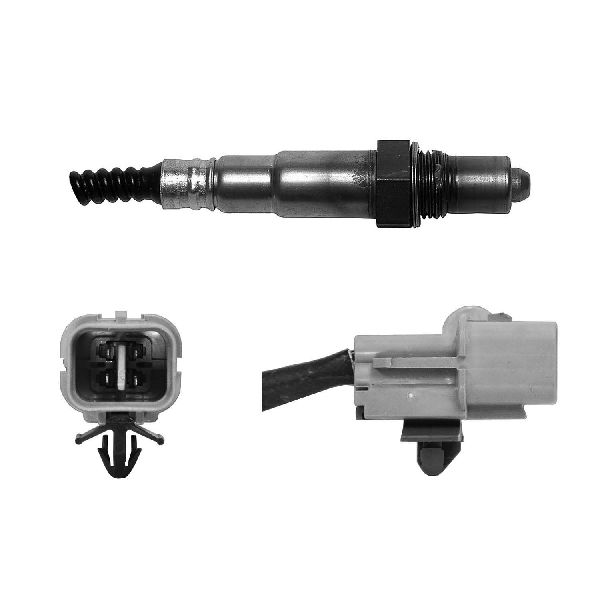
The 2012-2017 Kia Rio uses the 1.6L GDI 'Gamma' engine, which it shares with the Hyundai Accent and Kia Soul of the same era. For this platform, the P0139 code is a very common and straightforward issue. It's typically just a sign of a high-mileage oxygen sensor reaching the end of its service life. There are no widespread design flaws or complex TSBs that point to other root causes; it's almost always the sensor itself. The connector for the downstream sensor is gray, while the upstream sensor's connector is black, helping to prevent mix-ups during replacement.
Symptoms You May Notice
- Check Engine Light is on
- Failed emissions test
- Slightly reduced fuel economy (though may not be noticeable)
- Occasional engine hesitation, particularly on deceleration (rare)
- Replacing the upstream (Bank 1, Sensor 1) oxygen sensor. This code is specific to the downstream (Sensor 2) sensor.
- Replacing the catalytic converter. P0139 indicates a problem with the sensor that *monitors* the converter, not necessarily the converter itself. A failing converter usually triggers a P0420 code. A faulty P0139 sensor can sometimes cause a false P0420 code.
Most Likely Causes
- Failing Downstream Oxygen Sensor (Bank 1, Sensor 2) 🔴 High Probability → Shop Oxygen Sensor Oxygen sensors are wear-and-tear items with a finite lifespan, typically over 100,000 miles. After years of exposure to extreme exhaust heat and contaminants, the sensor's internal chemical components degrade, slowing its ability to react.
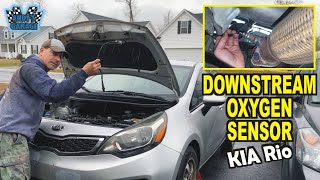
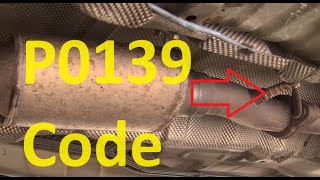
How to confirm: Use a scan tool to graph the voltage of Bank 1 Sensor 2. On a warm engine, the voltage should be relatively stable, typically between 0.5V and 0.8V. The P0139 code is set when the ECM detects the sensor's voltage isn't changing as expected during specific test conditions, like deceleration. A video from Andy's Garage on YouTube shows the location and replacement process on a Kia Rio, confirming the sensor is located just after the catalytic converter flange.
Typical fix: Replace the downstream oxygen sensor. The connector is typically gray to differentiate it from the upstream sensor's black connector. Using penetrating oil on the old sensor's threads is highly recommended as they are often seized in the exhaust pipe.
Est. part cost: $40 - $225 - Exhaust Leak 🟡 Medium Probability Exhaust system components like flex pipes and gaskets can degrade over time from rust and vibration, creating leaks. A leak before the O2 sensor allows outside air to enter the exhaust stream, skewing the sensor's readings and causing a slow response error.
How to confirm: Visually inspect the exhaust system from the catalytic converter back to the downstream O2 sensor for any cracks, holes, or black soot marks indicating a leak. Listen for a ticking or hissing noise that gets louder with acceleration. A professional smoke test is the most definitive way to find small, hard-to-see leaks.
Typical fix: Repair or replace the leaking section of the exhaust. This could involve welding a crack or replacing a gasket or flex pipe.
Est. part cost: $20 - $200 - Damaged O2 Sensor Wiring or Connector ⚪ Low Probability → Shop Oxygen Sensor The wiring harness is routed near the hot exhaust and under the vehicle, making it susceptible to melting, corrosion from road salt, or physical damage from road debris.
How to confirm: Visually inspect the entire wiring harness for the downstream O2 sensor, from the sensor itself to the main connector located in the engine bay. Look for melted plastic, chafed wires, corrosion in the connector pins, or loose connections. The connector is gray and located near the back of the engine.
Typical fix: Repair the damaged section of wire or replace the connector pigtail. Secure the harness away from the hot exhaust pipe using the factory clips.
Est. part cost: $10 - $50
Rare But Worth Checking
- Blown Fuse: The O2 sensor heater circuit is protected by a fuse, often labeled 'SENSOR 1' (10A) or 'F24' (20A) in the engine bay fuse box. While a blown fuse typically sets a heater circuit code (like P0141), it can sometimes cause erratic sensor behavior leading to a P0139. It's a quick check before replacing parts.
- Failing Powertrain Control Module (PCM): → Shop Engine Control Module (ECM) This is extremely rare. The PCM should only be considered after all other possibilities, including the sensor, wiring, and exhaust leaks, have been definitively ruled out. Sometimes a PCM software update is required, but this is less common for a simple slow-response code.
Diagnosis Steps
- Scan for any other OBD-II codes. If other codes are present, address them first, especially heater circuit codes (P0141) or other sensor codes.
- Perform a thorough visual inspection of the downstream O2 sensor's wiring harness and connector. The gray connector is near the firewall. Look for any signs of melting, chafing, corrosion, or loose pins.
- Inspect the exhaust system for leaks. Look for black soot marks or listen for hissing/ticking sounds, especially around the manifold, flex pipe, and catalytic converter gaskets. A smoke test is the most reliable method.
- Using a scan tool with live data, monitor the voltage for 'O2 Bank 1 Sensor 2'. On a fully warmed engine at a steady cruise, the voltage should be relatively stable (e.g., 0.5V-0.8V). The code is triggered when the ECM tests the sensor's response (e.g., during fuel cut on deceleration) and finds it too slow to change voltage.
- If the wiring, fuse, and exhaust are confirmed to be in good condition, and the live data suggests a lazy sensor, the downstream O2 sensor is faulty and should be replaced.
Parts You'll Likely Need
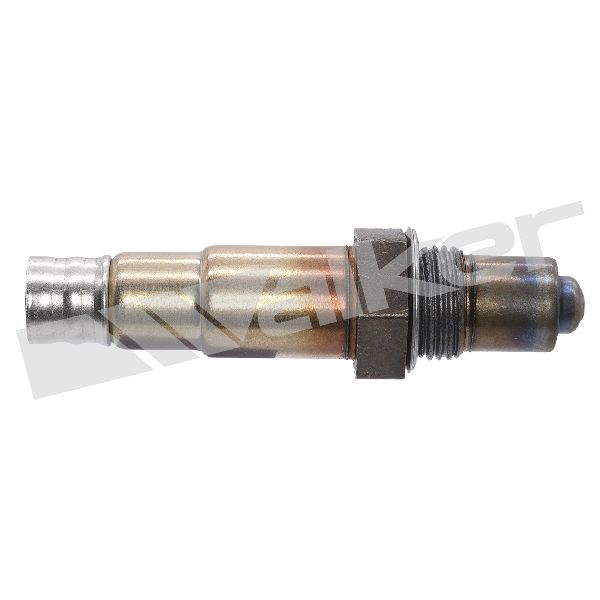
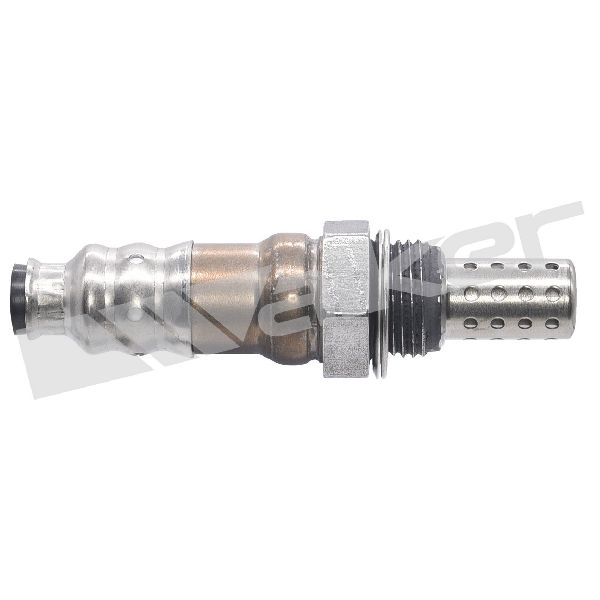
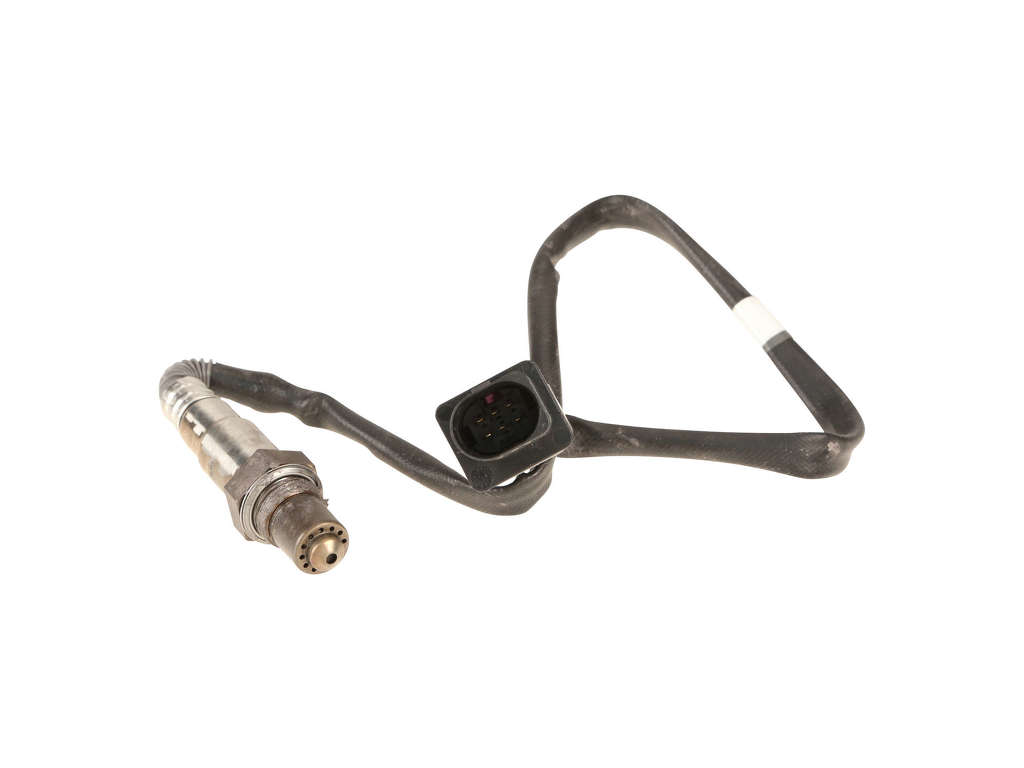
- Downstream Oxygen Sensor (Bank 1, Sensor 2)
(OEM #39210-2B210, 39210-2B220)— This is the most common cause of P0139. The sensor is a wear item that degrades over time, losing its ability to respond quickly to changes in exhaust gas. Part number 39210-2B210 is listed for the 2012-2015 Kia Rio 1.6L. Part number 39210-2B220 is listed for 2016-2017 models.
Trusted brands: Bosch, Denso, NGK/NTK, Walker
OEM price range: $115-$225
Aftermarket price range: $40-$90
Related Codes That Often Appear With This One
- P0420 — If the O2 sensor is faulty for a long time, it can't properly monitor the catalytic converter. This can sometimes lead to a P0420 (Catalyst System Efficiency Below Threshold) code being set, even if the converter is still good. Conversely, a failing converter can contaminate and damage the O2 sensor.
- P2096 — This code indicates a 'Post Catalyst Fuel Trim System Too Lean Bank 1'. A slow or failing downstream O2 sensor can provide the inaccurate data that leads to this code.
- P0141 — This code for 'O2 Sensor Heater Circuit Malfunction (Bank 1, Sensor 2)' can appear with P0139. The internal heater helps the sensor reach operating temperature quickly. A failure in the heater can affect the sensor's response time.
Technical Service Bulletins (TSBs) & Recalls
- TSB ENG222_R4: While not specific to P0139, this TSB addresses potential excessive oil consumption in Gamma engines. High oil consumption can lead to premature fouling and failure of oxygen sensors.
- TSB TSBFUE040: Pertains to the Canister Close Valve (CCV) on 2012-2017 Rio models. While not a direct cause, issues in the EVAP system can sometimes affect air-fuel mixtures and indirectly impact O2 sensor readings.
Platform-Specific Known Issues
- DIY Access and Location: A detailed YouTube video by 'Andy's Garage' shows the replacement on a Kia Rio. The downstream sensor is accessed from underneath the car, just after the catalytic converter. The gray electrical connector is accessible from the top of the engine bay, near the firewall. The wire is routed down along the firewall and held by clips on the heat shield.
Mechanic-Grade Diagnostic Values
- Downstream O2 Sensor Heater Resistance — expected: 2.5 - 10 Ohms at room temperature, measured across the two heater pins on the sensor connector.. Failure: A reading of OL (infinite resistance) or outside the specified range indicates a failed internal heater.
- Circuit Resistance from Sensor Connector to PCM — expected: Less than 5.0 Ohms.. Failure: Resistance above 5.0 Ohms suggests corrosion in the wiring or connector, or a damaged wire, which can slow the signal response time.
Hidden / Shadow Codes Worth Checking
- Mode $06 Data: Mode $06 provides access to the results of the PCM's self-tests for non-continuous monitors, like the oxygen sensor response time test. It can show if a sensor is close to failing before it's bad enough to set a persistent DTC. For example, a technician can view the raw switch time value and compare it to the PCM's programmed minimum and maximum limits. (see via A professional scan tool or an advanced OBD-II app that supports Mode $06 is required. Interpreting the Test IDs (TID) and Component IDs (CID) requires a manufacturer-specific chart to know which test result corresponds to which sensor parameter.)
Scan Tool Commands That Help
- Kia GDS (Global Diagnostic System): Actuation Test / Vehicle S/W Management — The OEM dealer tool for vehicles up to 2018 can run guided diagnostic procedures with built-in specifications. It allows technicians to view live data, check for software updates for the PCM, and perform special functions like resetting adaptive values after a repair, which can be useful if a simple part replacement doesn't resolve the issue.
Wiring & Ground Locations
- ECM Pin 25 — At the Engine Control Module (ECM) connector in the engine bay.. This is the specific pin for the 'Oxygen Sensor (Down) Heater' circuit. A technician can test for voltage and continuity here to isolate a wiring problem between the sensor and the ECM without having to trace the entire harness.
- SENSOR 1 Fuse / F24 Fuse — In the engine compartment fuse and relay box.. The O2 sensor heater circuits are protected by a fuse, often a 10A fuse labeled 'SENSOR 1' or a 20A fuse at position F24. A blown fuse will cause the sensor's heater to fail, which can lead to slow response times and trigger a P0139, often accompanied by a P0141 heater code.
- Engine/Chassis Ground — The main ground strap connects the engine block/transmission to the vehicle's chassis. Additional grounds are located on the cylinder head and near the interior fuse panel.. A poor or corroded main engine ground can introduce electrical noise and voltage offsets into the entire system. This can cause erratic behavior in sensitive components like oxygen sensors, leading to incorrect readings and fault codes that are difficult to trace.
OEM Part Supersession History
39210-2B210→39210-2B220 (for later models)— Model year update for the 2016 facelift.
Heads up: Part number 39210-2B210 is specified for 2012-2015 models. The 2016-2017 models use part number 39210-2B220 for the downstream sensor. While they may be physically similar, using the wrong part could result in incorrect readings or persistent codes.
Model Year Variations Within This Range
- 2012-2015: These pre-facelift models use OEM downstream oxygen sensor part number 39210-2B210.
- 2016-2017: These facelift models use OEM downstream oxygen sensor part number 39210-2B220.
Diagnostic Flowchart
Other Known Issues on This Vehicle
Issues unrelated to this code that are worth knowing about as an owner of this generation:
- Hydraulic Electronic Control Unit (HECU) Fire Risk 🔴 High — Affects a large number of 2012-2017 Rio vehicles, leading to a major recall. (Ref: NHTSA Recall #23V652000 (Kia #SC284). An electrical short in the HECU can cause an engine compartment fire while parked or driving.)
- Engine Oil Consumption 🟠 Medium — Some 1.6L GDI engines, particularly in earlier models, may consume oil. Not checking levels can lead to engine damage. This is a known issue across several Kia/Hyundai engine families. (Ref: TSB ENG222_R4 addresses testing procedures for excessive oil consumption.)
- Carbon Buildup on Intake Valves 🟠 Medium — A common issue for all Gasoline Direct Injection (GDI) engines, including the 1.6L Gamma. Buildup occurs over high mileage (e.g., 100k+ miles) and can cause rough idle, hesitation, and reduced power.
- Radiator Fan Motor Failure 🟡 Low — Reports of premature failure of the radiator fan motor, leading to overheating, especially in traffic or hot weather.
- Premature Suspension Wear 🟡 Low — Owners report clunking noises and poor handling due to worn bushings, tie rods, or struts, often appearing between 50,000 and 100,000 miles.
- Trunk Latch Failure 🟡 Low — The trunk latch base can crack, preventing the trunk from being opened from the inside. (Ref: NHTSA Recall #23V594000 affects 2016-2017 models.)
Used vs. New Parts: Buying Guide for This Vehicle
When a used part is the smart pick: For this repair, buying a used oxygen sensor is strongly discouraged. O2 sensors are wear-and-tear items with a limited service life. The small cost savings of a used part do not outweigh the high risk of premature failure and the labor required to replace it again.
Donor-vehicle mileage cap: roughly under 40000 miles for the part to have meaningful remaining life.
What to inspect on the donor part:
- If buying used is absolutely necessary, source from the lowest mileage donor vehicle possible.
- Inspect the sensor body for physical damage like dents or cracked ceramic.
- Check the electrical connector for any signs of corrosion, melted plastic, or bent pins.
- Avoid sensors covered in heavy, black soot (from a rich-running engine) or a white, chalky deposit (from coolant or oil contamination).
Aftermarket brands forum-validated for this vehicle:
- Denso (often the OEM supplier for Kia/Hyundai)
- NGK/NTK
- Bosch
Brands owners have reported issues with on this vehicle:
- Unnamed, generic, or 'white-box' brands from online marketplaces have a high reported failure rate and may not meet the correct resistance specifications, causing the code to return immediately.
Real Owner Stories
Aggregated from forums and TSBs cited above. Mileages and costs reflect what owners reported in those sources.
2012-2017 Kia Rio 1.6L GDI — ~110000 miles
Symptoms: The sensor's internal chemical components degraded over time due to extreme heat, leading to a slow response detected by the ECM during deceleration.
What fixed it: Replacement of the downstream oxygen sensor (Bank 1, Sensor 2) using penetrating oil to remove the seized sensor from the exhaust pipe.
Cost: $40-$225
Source hint: YouTube: How To Replace Downstream Oxygen Sensor - KIA Rio (Andy's Garage: Episode - 317)
2012-2017 Hyundai Accent (Shared Platform)
Symptoms: Check Engine Light with code P0139 on the 1.6L GDI platform.
What fixed it: Replacement of the downstream O2 sensor with OEM part number 39210-2B210.
Source hint: Go-Parts / Hyundai Accent (Shared Platform)
Related OBD-II Codes
Frequently Asked Questions
Where is the downstream oxygen sensor located on my Kia Rio?
Does TSB ENG222_R4 apply to my P0139 code?
What is the specific OEM part number for the replacement sensor on the 1.6L GDI engine?
Is there a difference between the upstream and downstream sensor connectors on the Rio?
Could my EVAP system issues be related to this code according to Kia technical bulletins?
Are there any major recalls for the 2012-2017 Rio I should be aware of while fixing this?
Helpful Videos

We Have This Part in Stock



The information in this article is provided for general reference and educational purposes only. Vehicle specifications, procedures, and part compatibility can vary by production date, trim level, and region. Always consult your vehicle's factory service manual and verify part numbers before purchasing or performing repairs. Safety-critical components such as airbags, seat belts, and braking systems should be installed by a qualified professional.
- Kia Rio:
- 🧭 Diagnostic Flowchart
- 🎬 Helpful Videos
- 🛍️ Shop This Part
- What's Unique About the 2012-2017 Kia Rio
- Symptoms You May Notice
- Most Likely Causes
- Rare But Worth Checking
- Diagnosis Steps
- Parts You'll Likely Need
- Related Codes That Often Appear With This One
- Technical Service Bulletins (TSBs) & Recalls
- Platform-Specific Known Issues
- Mechanic-Grade Diagnostic Values
- Hidden / Shadow Codes Worth Checking
- Scan Tool Commands That Help
- Wiring & Ground Locations
- OEM Part Supersession History
- Model Year Variations Within This Range
- Other Known Issues on This Vehicle
- Used vs. New Parts: Buying Guide for This Vehicle
- Real Owner Stories
- 2012-2017 Kia Rio 1.6L GDI — ~110000 miles
- 2012-2017 Hyundai Accent (Shared Platform)
- Related OBD-II Codes
- Frequently Asked Questions
- 🎟️ Get 5% Off