

P0139 on 2014-2019 Kia Soul: Slow O2 Sensor Response Causes and Fixes
On a 2014-2019 Kia Soul, code P0139 almost always means the downstream oxygen sensor (Bank 1, Sensor 2) is old and needs to be replaced. It's a common DIY repair with parts costing between $50 and $150. Before replacing, do a quick check for exhaust leaks and wiring damage.
- P0139 on a 2014-2019 Kia Soul almost always points to a faulty downstream oxygen sensor (Bank 1, Sensor 2).
- Before replacing the sensor, perform a quick visual inspection of the exhaust for leaks and check the sensor's wiring for damage.
- Do not confuse this with a catalytic converter failure (P0420). Fix P0139 first to avoid an expensive misdiagnosis.
- This is a DIY-friendly repair for those with basic tools, including a special O2 sensor socket.
- The correct part is the *downstream* or *rear* sensor, located after the catalytic converter. Verify the specific OEM part number with your VIN before ordering.
What's Unique About the 2014-2019 Kia Soul
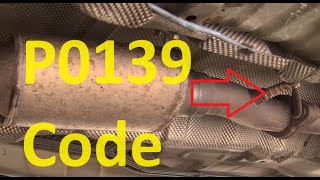
For the second-generation Kia Soul (2014-2019), the P0139 code is a straightforward and common issue, typically pointing directly to the downstream O2 sensor. There are no significant design flaws or widespread TSBs that complicate this diagnosis. The inline 4-cylinder engines (1.6L Gamma GDI and 2.0L Nu MPI) have a simple exhaust layout with only one bank, making "Bank 1" the only bank and simplifying sensor location. The issue is also common on platform-mates like the Hyundai Elantra, further confirming it as a standard wear-and-tear failure. 🎬 Watch: Understanding the causes and fixes for code P0139 A known issue with the 2.0L Nu GDI engine is excessive oil consumption, which can foul and destroy O2 sensors, potentially causing this code to appear more frequently.
Symptoms You May Notice
- Check Engine Light is on
- Failure to pass an emissions test
- Slightly reduced fuel economy (though often not noticeable)
- Rough transition or hesitation when cruising at a steady speed
- Strong exhaust odor due to a potential rich fuel mixture
- Replacing the upstream oxygen sensor (Bank 1, Sensor 1). This code is specific to Sensor 2, which is located *after* the catalytic converter.
- Replacing the catalytic converter immediately. A P0139 code points to the sensor *monitoring* the converter, not necessarily the converter itself. A bad converter is more likely to set a P0420 code. Always fix P0139 first.
Most Likely Causes
- Failing Downstream Oxygen Sensor (Bank 1, Sensor 2) 🔴 High Probability → Shop Oxygen Sensor Oxygen sensors are wear-and-tear items. Over time, they become contaminated with carbon, ash, and other deposits, which insulates the sensing element and slows their reaction time. This is the most common reason for P0139 on any vehicle, including the Kia Soul and its Hyundai relatives.
How to confirm: Use a scan tool to graph the voltage of Bank 1 Sensor 2. A healthy downstream sensor on a fully warmed-up engine should show slow, lazy voltage fluctuations, generally staying between 0.5V and 0.8V. A sensor triggering P0139 will often appear stuck (e.g., stuck at 0.3V) or respond extremely slowly to forced rich/lean conditions, such as a throttle snap test. A very slow reaction to being heated with a propane torch can also confirm a lazy sensor.
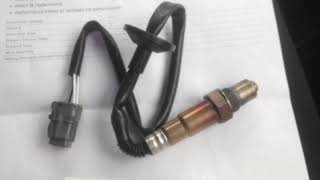
Typical fix: Replace the downstream oxygen sensor. A specialized O2 sensor socket is highly recommended. Apply anti-seize compound to the threads of the new sensor if not pre-applied. A video from 1A Auto shows the replacement process on a 1.6L Soul, which involves disconnecting the battery, accessing the connector from the engine bay, and unscrewing the sensor from underneath the car. 🎬 See this walkthrough for replacing the downstream O2 sensor
Est. part cost: $50-$150 - Exhaust Leak 🟡 Medium Probability Leaks can develop at exhaust manifold gaskets, flex pipes, or flange connections due to rust and vibration. The flexible pipe section before the catalytic converter is a known weak point on similar platforms 🎬 Watch: How to identify and fix common Kia exhaust leaks that can crack and leak. A leak before or near the O2 sensor can introduce outside oxygen, confusing the sensor and causing a slow response reading.
How to confirm: Visually inspect the exhaust system from the engine to the rear O2 sensor for black soot marks, which indicate a leak. Listen for a ticking or hissing noise, especially when the engine is cold. A smoke test is the most definitive way to find small leaks.
Typical fix: Repair the leak by replacing the faulty gasket, flex pipe, or section of exhaust pipe.
Est. part cost: $20-$300 - Damaged Wiring or Connector ⚪ Low Probability The sensor's wiring harness runs underneath the vehicle and is exposed to road debris, moisture, and intense heat from the exhaust. This can lead to melted insulation, frayed wires, or green corrosion inside the connector pins, adding resistance to the circuit and slowing the signal.
How to confirm: Visually inspect the wiring harness leading to the downstream O2 sensor. Look for melted insulation, frayed wires, or corrosion inside the connector pins. Check for continuity with a multimeter and ensure the fuse for the O2 sensor circuit (often labeled 'SNSR 1' or 'SNSR 3' in the under-hood fuse box) is not blown.
Typical fix: Repair the damaged section of wire or clean/replace the connector. If a fuse is blown, investigate the short circuit before replacing it.
Est. part cost: $10-$50
Rare But Worth Checking
- Failing Catalytic Converter: While a failing catalytic converter usually triggers a P0420 code, a partially clogged or inefficient converter can sometimes cause abnormal readings on the downstream O2 sensor, leading to a P0139. If you replace the sensor and the code returns (especially if accompanied by P0420), the converter should be investigated.
- PCM Software Update Needed: Occasionally, manufacturers release software updates for the Powertrain Control Module (PCM) to adjust the sensitivity and parameters for monitoring sensors. An outdated calibration could misinterpret a normal sensor signal as sluggish. It's a rare cause but worth checking with a dealer if other diagnostics are inconclusive.
- Leaking Fuel Injectors: A leaking fuel injector can cause excessive unburnt fuel in the exhaust. This can contaminate the O2 sensor, slowing its response, and may also prevent the exhaust from becoming lean during deceleration fuel cut-off, which is a key condition for the P0139 test. This is an uncommon cause and would likely be accompanied by other symptoms.
Diagnosis Steps
- Confirm the P0139 code is present using an OBD-II scanner.
- Visually inspect the exhaust system for any signs of leaks (soot stains, cracks) between the engine and the downstream O2 sensor. Pay close attention to the flex pipe.
- Inspect the wiring and connector for the Bank 1, Sensor 2 for any visible damage, melting, or corrosion. Check the associated fuse in the engine bay fuse box.
- Using a scan tool with live data, monitor the voltage of Bank 1, Sensor 2 on a fully warmed engine. The voltage should fluctuate slowly, typically between 0.5V and 0.8V. If it is stuck at a specific voltage (e.g., 0.3V) or responds very sluggishly to throttle changes, the sensor is likely bad.
- If the sensor appears to be working, perform a propane enrichment test or introduce a controlled vacuum leak to force a reaction and confirm the sensor's slow response time.
- If the sensor, wiring, and exhaust are all confirmed to be in good condition, the issue may be a rare PCM fault or an outdated software calibration, but this is highly unlikely.
Parts You'll Likely Need
- Downstream Oxygen Sensor (Bank 1, Sensor 2)
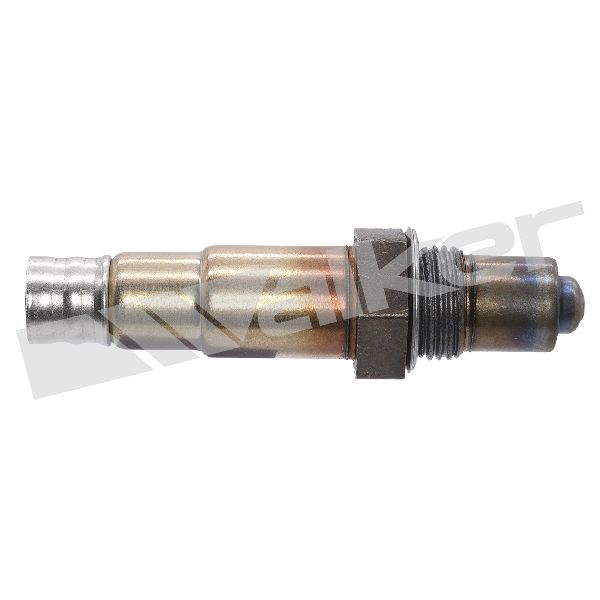
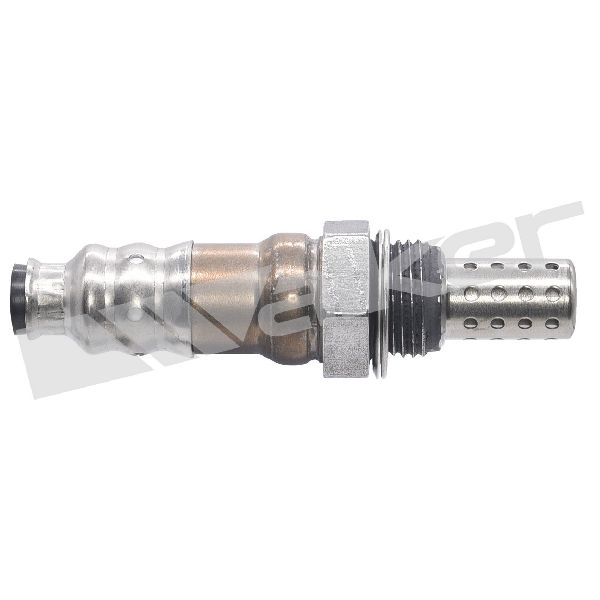
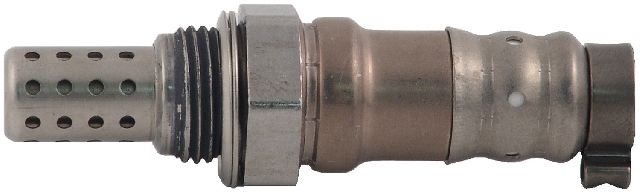
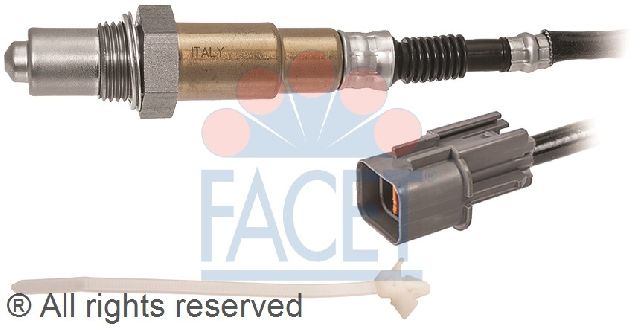
(OEM #39210-2E901 (for 2.0L Nu engine, 2014-2016); 39210-2E900 (also for 2.0L); 39210-2E200 (fits some 1.6L/2.0L); Part number varies by specific year and engine, always verify with VIN.)— This is the component that the P0139 code directly identifies as having a slow response time. It is a wear item and the most frequent cause of the code.
Trusted brands: Denso, NGK/NTK, Bosch, Walker
OEM price range: $120-$180
Aftermarket price range: $50-$90
Related Codes That Often Appear With This One
- P0136 — P0136 indicates a general circuit malfunction for the same sensor (Bank 1, Sensor 2). They can appear together if the sensor is failing electrically.
- P0141 — P0141 points to a failure in the heater circuit of the same O2 sensor. Since the heater is integral to the sensor and essential for quick warm-up and proper response, a P0141 fault will often cause a P0139. Replacing the sensor fixes both.
Platform-Specific Known Issues
- Part Number Confusion: The OEM part number for the downstream O2 sensor can vary. Part number 39210-2E901 is cited for the 2014-2016 2.0L Nu engine. However, 39210-2E900 is also listed for the same application. Other numbers like 39210-2E200 also appear for this generation. It is critical for owners to verify the correct part number using their vehicle's VIN before purchasing.
- DIY Repair Experience: A DIY video for a 2012 Soul (similar procedure) shows the sensor wire routing up through a grommet in the floor pan under the front passenger seat carpet. The connector is located inside the cabin. The repair was completed for the cost of the part (~$120), saving a quoted $480 in labor. Another video for a 2015 1.6L Soul shows the connector being in the engine bay, making access easier. Owners should identify their connector location before starting.
Mechanic-Grade Diagnostic Values
- Downstream O2 Sensor (B1S2) Voltage - Live Data — expected: Relatively stable, slow fluctuations between 0.5V and 0.8V on a warm engine at steady RPM.. Failure: A voltage trace that is stuck, very choppy, or takes several seconds to change after a throttle snap.
- Downstream O2 Sensor Heater Resistance — expected: Approximately 9.0 Ω at 68°F (20°C). A general acceptable range is often cited as 4-10 Ω.. Failure: A reading of infinite resistance (Open Loop), near zero ohms (short circuit), or a value significantly outside the 4-10 Ω range (e.g., 14 Ω).
- Circuit resistance from sensor connector to PCM pin — expected: Less than 5 Ω.. Failure: Values above 5 Ω suggest corrosion or a damaged wire, which can add resistance and slow the signal.
- Deceleration Fuel Cut-Off Voltage — expected: Voltage should drop below 0.2 volts.. Failure: The code P0139 can be set if the sensor voltage fails to drop below 0.2 volts for 7 seconds or more during deceleration fuel cut-off.
Scan Tool Commands That Help
- Kia GDS (Global Diagnostic System): DTC Analysis & Live Data Graphing — Use this to view the live voltage data stream from the B1S2 sensor. Graphing the voltage makes it easy to see if the sensor is stuck or responding too slowly to throttle changes, confirming the 'slow response' condition.
- Kia GDS (Global Diagnostic System): Actuation Test — While not directly for the O2 sensor itself (which is a passive sensor), the actuation test can be used to command changes in other systems (like fuel injectors or fuel pump relay) to see if the O2 sensor responds accordingly, helping to isolate the fault.
Wiring & Ground Locations
- Downstream O2 Sensor Connector (1.6L Engine) — In the engine bay, on a bracket at the back of the engine, below the upstream sensor's connector.. This is the primary connection point to inspect for corrosion or damage. Access from the top of the engine makes diagnosis easier than on the 2.0L models.
- Downstream O2 Sensor Connector (2.0L Engine) — Inside the cabin, under the front passenger's seat carpet. The wire runs through a grommet in the floor pan.. Knowing the connector is inside the cabin is critical for DIY replacement. Technicians need to remove interior trim to access it, which is a common point of confusion.
- ECM Pin for B1S2 Heater Control — Pin 20 on connector C100-MA at the Engine Control Module (ECM).. For advanced diagnostics, this pin can be tested for the control signal from the ECM to the sensor's heater. A related P0141 code often accompanies P0139.
- Engine Block Ground — A braided strap or thick wire from the engine block/cylinder head to the frame or firewall. A common location is on the side of the engine block.. A poor engine ground can cause a variety of electrical issues, including erratic sensor readings. The O2 sensor circuit relies on a solid ground path to the PCM for accurate voltage measurement.
Real Owner Repair Stories
- Reddit user in r/KiaSoulClub (2009 Kia Soul 1.6L CVVT (First Gen, but relevant diagnostic process)) — P0030, P0036, P0420, P0172. Low idle, double fuel consumption.
❌ Tried (didn't work) The previous owner had already replaced the catalytic converter and upstream O2 sensor.
✅ What actually fixed it The user measured the resistance of the downstream (post-cat) sensor and found it to be 14 ohms, which is out of the typical spec (often 4-10 ohms). This high resistance, combined with the heater circuit codes (P0030/P0036), pointed to the downstream sensor being faulty despite the upstream one being new. The final fix was replacing the downstream sensor.
Model Year Variations Within This Range
- 2014-2019: The location of the downstream O2 sensor's electrical connector varies by engine. On the 1.6L engine, the connector is typically located in the engine bay for easier access. On the 2.0L engine, the connector is often found inside the vehicle's cabin, under the passenger-side carpet, requiring interior trim removal.
- 2017-2019: The 2.0L engine was updated to a GDI (Gasoline Direct Injection) version (Nu GDI). These engines are more susceptible to severe oil consumption issues, which can lead to premature and repeated O2 sensor failure due to oil fouling.
Diagnostic Flowchart
Other Known Issues on This Vehicle
Issues unrelated to this code that are worth knowing about as an owner of this generation:
- Engine Failure / Excessive Oil Consumption (1.6L GDI & 2.0L Nu) 🔴 High — Widespread issue, particularly on 2014-2016 models, often appearing around 70,000-100,000 miles. Can lead to catastrophic engine failure. (Ref: Multiple recalls (e.g., SC176/19V120000, SC200) and warranty extensions have been issued to address engine failures, catalytic converter damage, and install knock sensor detection software.)
- Catalytic Converter Failure 🔴 High — Commonly reported, often linked to engine issues where high exhaust gas temperatures damage the converter. (Ref: Recall SC176 involved upgrading ECU logic to protect the catalytic converter and replacing it if damaged.)
- Steering Coupler Failure 🟠 Medium — A common problem where a clunking noise is heard/felt through the steering wheel, especially at low speeds. Caused by the degradation of a small rubber coupler in the steering column.
- Engine Fires 🔴 High — A significant number of fires have been reported, often linked to engine seizure, oil leaks onto hot exhaust components, or other engine defects. (Ref: Linked to various engine-related recalls.)
Used vs. New Parts: Buying Guide for This Vehicle
When a used part is the smart pick: Using a used part is not recommended for this repair. Oxygen sensors are wear-and-tear items with a finite lifespan. A used sensor from a junkyard will have unknown mileage and remaining life, making it a poor value proposition.
What to inspect on the donor part:
- Not applicable as used sensors are not recommended.
OEM-only on this vehicle (don't cheap out):
- While not strictly OEM-only, using a reputable brand is critical. Cheap, unbranded sensors are a common source of repeat failures.
Aftermarket brands forum-validated for this vehicle:
- NTK (also branded as NGK) and Denso are the most highly recommended and often OEM suppliers for Kia.
- Bosch is also a major manufacturer, though some forum users report mixed results with their aftermarket sensors compared to their OEM parts.
Brands owners have reported issues with on this vehicle:
- Avoid generic, no-name, or 'universal' sensors that require splicing wires. These often have incorrect resistance values or fail quickly, leading to the code returning.
Real Owner Stories
Aggregated from forums and TSBs cited above. Mileages and costs reflect what owners reported in those sources.
2017 Kia Soul
Symptoms: The sensor is not responding or is responding very, very slowly.
What fixed it: Replacement of the oxygen sensor.
Source hint: YouTube comment from owner of 2017 Kia Soul regarding P0139
2012 Kia Soul
Symptoms: Check engine light on for downstream O2 sensor.
What fixed it: DIY replacement of the sensor by routing the wire through the floor pan grommet to the connector under the passenger carpet.
Cost: $120-$120
Source hint: DIY repair video for 2012 Soul (referenced in vehicle_specific_issues)
2014-2016 Kia Soul 2.0L Nu — ~85000 miles
Symptoms: Excessive oil consumption and potential catalytic converter damage.
What fixed it: ECU logic upgrade and catalytic converter replacement under recall SC176.
Source hint: Recall SC176/19V120000 and associated known issues
Related OBD-II Codes
Frequently Asked Questions
Is there a recall for the catalytic converter on my 2014-2016 Kia Soul that might be related to P0139?
Where is the downstream O2 sensor connector located on a 2015 Kia Soul 1.6L?
I have a 2012 Kia Soul; is the O2 sensor replacement process the same as the 2014-2019 models?
What is the correct OEM part number for a downstream O2 sensor on a 2014-2016 Kia Soul 2.0L?
Could a ticking noise from my engine bay be causing the P0139 code?
Which fuse should I check if my O2 sensor isn't responding?
Helpful Videos


We Have This Part in Stock


The information in this article is provided for general reference and educational purposes only. Vehicle specifications, procedures, and part compatibility can vary by production date, trim level, and region. Always consult your vehicle's factory service manual and verify part numbers before purchasing or performing repairs. Safety-critical components such as airbags, seat belts, and braking systems should be installed by a qualified professional.
- Kia Soul:
- 🧭 Diagnostic Flowchart
- 🎬 Helpful Videos
- 🛍️ Shop This Part
- What's Unique About the 2014-2019 Kia Soul
- Symptoms You May Notice
- Most Likely Causes
- Rare But Worth Checking
- Diagnosis Steps
- Parts You'll Likely Need
- Related Codes That Often Appear With This One
- Platform-Specific Known Issues
- Mechanic-Grade Diagnostic Values
- Scan Tool Commands That Help
- Wiring & Ground Locations
- Real Owner Repair Stories
- Model Year Variations Within This Range
- Other Known Issues on This Vehicle
- Used vs. New Parts: Buying Guide for This Vehicle
- Real Owner Stories
- 2017 Kia Soul
- 2012 Kia Soul
- 2014-2016 Kia Soul 2.0L Nu — ~85000 miles
- Related OBD-II Codes
- Frequently Asked Questions
- 🎟️ Get 5% Off