

P0139 on 2018-2023 Kia Stinger 3.3T: O2 Sensor Slow Response Causes and Fixes
For the 2018-2023 Kia Stinger 3.3T, code P0139 almost always indicates that the Bank 1, Sensor 2 (passenger side, downstream) oxygen sensor has failed due to age or contamination. Replacing the sensor is the most common and effective fix. Expect to pay around $60-$150 for an aftermarket sensor or $170-$250 for an OEM part. It's a straightforward DIY job for many owners, requiring an O2 sensor socket.
- P0139 on the Stinger 3.3T points to a slow-responding downstream oxygen sensor on the passenger side.
- The most likely fix is replacing the Bank 1, Sensor 2 oxygen sensor, a common wear item.
- Before replacing the sensor, it's wise to perform a quick visual inspection for obvious exhaust leaks or wiring damage.
- This is a common and relatively minor emissions code that does not indicate a serious engine problem and is considered a straightforward DIY repair for many.
What's Unique About the 2018-2023 Kia Stinger
On the Stinger's twin-turbo 3.3L V6, the layout is straightforward with 'Bank 1' referring to the passenger side of the engine. The P0139 code is a standard emissions fault and doesn't point to a unique design flaw on this platform. However, the high-performance nature of the turbocharged engine generates significant heat, which can contribute to the eventual failure of exhaust components like oxygen sensors. While there are recalls for fuel pumps and a turbo oil feed line on this engine, they are not directly linked to causing a P0139 code, though an oil leak from the latter could theoretically contaminate a sensor if severe enough.
Symptoms You May Notice
- Check Engine Light is illuminated.
- Failing a state emissions or smog test.
- A slight decrease in fuel economy may occur, but is often not noticeable.
- In rare cases, a rotten egg or sulfur-like smell from the exhaust if the issue is related to a failing catalytic converter that the bad sensor is failing to report.
- Replacing the wrong oxygen sensor (e.g., replacing the upstream Sensor 1, or replacing the correct sensor on the wrong bank, Bank 2).
- Replacing the catalytic converter when the issue is just a simple exhaust leak or a faulty sensor.
- Assuming an aftermarket tune (like a JB4) isn't causing the issue. Some forum users report O2 sensor codes appearing after installing piggyback tunes, which may be related to installation error or firmware.
Most Likely Causes
- Failing Downstream Oxygen Sensor (Bank 1, Sensor 2) 🔴 High Probability → Shop Oxygen Sensor Oxygen sensors are wear-and-tear items. Over time, exposure to high-temperature exhaust gases and contaminants from fuel or oil causes them to degrade and respond more slowly. This is the most frequent cause of P0139. 🎬 Watch: A breakdown of P0139 causes and common fixes. Owners on forums often report this failure between 60,000 and 100,000 miles.
How to confirm: Use a scan tool to graph the voltage of the Bank 1, Sensor 2. A healthy downstream sensor should show a relatively stable and slowly changing voltage. If the sensor's voltage is stuck or switches very lazily compared to the sensor on Bank 2, it has failed. A healthy sensor typically fluctuates between 0.1 and 0.9 volts.
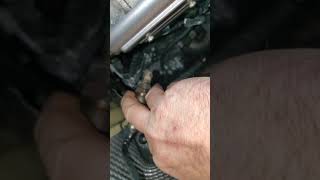
Typical fix: Replace the Bank 1, Sensor 2 oxygen sensor. A 22mm or 7/8" O2 sensor socket is recommended for removal. Applying penetrating oil to the threads beforehand can make removal easier.
Est. part cost: $60-$250 - Exhaust System Leak 🟡 Medium Probability Gaskets and welds in the exhaust system can fail over time, creating leaks. A leak located before the downstream O2 sensor can allow outside air into the exhaust stream, skewing the sensor's readings and making it appear slow to respond.
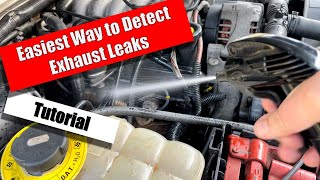
How to confirm: Visually inspect the exhaust pipes and flanges between the catalytic converter and the downstream sensor for soot marks or cracks. A professional smoke test is the most reliable way to find small leaks. 🎬 See this simple trick to find exhaust leaks at home. A ticking noise on a cold start that disappears as the engine warms up can also indicate a leak.
Typical fix: Repair the leak. This may involve replacing a gasket or having a cracked pipe welded.
Est. part cost: $10-$200 - Damaged Wiring or Connector ⚪ Low Probability
How to confirm: Visually inspect the entire wiring harness and connector for the Bank 1, Sensor 2. Look for signs of melting, chafing, corrosion, or broken wires. The harness runs under the car and is exposed to road debris and heat. Check for a blown fuse, often labeled 'Sensor 1' or 'SENSOR 3' in the engine bay fuse box.
Typical fix: Repair the damaged section of the wiring harness or replace the connector.
Est. part cost: $20-$100
Rare But Worth Checking
- Failing Catalytic Converter: While a failing catalytic converter typically triggers a P0420 code, a partially degraded one can sometimes cause erratic readings that the PCM interprets as a slow sensor. This should be considered only after the sensor and exhaust system have been ruled out.
- Powertrain Control Module (PCM) Issue: → Shop Engine Control Module (ECM) In very rare cases, a software glitch or internal failure of the PCM can cause it to misinterpret the sensor's signal. This is highly unlikely and should be the last consideration after all other possibilities are exhausted. Sometimes, an ECM software update is released to address emissions logic.
Diagnosis Steps
- Confirm the code P0139 is present using an OBD-II scanner.
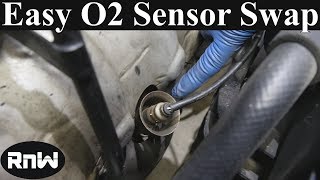
- Identify Bank 1 (passenger side) and locate Sensor 2 (downstream, after the catalytic converter). 🎬 Watch: How to identify sensor locations and replace them.
- Thoroughly inspect the sensor's wiring harness and connector for any signs of damage, melting, or corrosion.
- Check the fuse for the O2 sensor heater circuit in the engine compartment fuse box. For the 3.3T, this may be labeled 'SENSOR 3' and is a 15A fuse.
- Inspect the exhaust system for leaks between the engine and the downstream O2 sensor. Listen for ticking noises on cold starts and look for black soot trails at flanges and welds.
- Use a scan tool with live data graphing capabilities. Observe the voltage signal from Bank 1, Sensor 2. Compare it to the signal from Bank 2, Sensor 2, which can serve as a known-good reference.
- A healthy downstream sensor's voltage should be relatively stable (typically between 0.6V and 0.8V) while cruising at operating temperature. A sensor causing P0139 will respond very slowly to changes in engine conditions or may appear stuck.
- If no exhaust leaks or wiring issues are found, and the sensor's graph confirms a slow response, replace the Bank 1, Sensor 2 oxygen sensor.
- After replacement, clear the code with the scanner and perform a drive cycle to ensure the Check Engine Light does not return.
Parts You'll Likely Need
- Downstream Oxygen Sensor (Bank 1, Sensor 2)
(OEM #39210-3L200)— This sensor is the most common point of failure for a P0139 code. It is a consumable part that wears out over time.
Trusted brands: Genuine Kia/Hyundai, Bosch, NGK/NTK, Walker
OEM price range: $170-$250
Aftermarket price range: $60-$150
Related Codes That Often Appear With This One
- P0141 — This code indicates a malfunction in the heater circuit of the same oxygen sensor (Bank 1, Sensor 2). The heater brings the sensor to operating temperature quickly. If the heater fails, the sensor can be slow to respond, which can also trigger P0139.
Technical Service Bulletins (TSBs) & Recalls
- SC300: Recall for deteriorating left-hand turbocharger oil feed pipe and hose assembly, which can cause an oil leak and risk of fire. While not a direct cause of P0139, it's a significant engine-related issue for this vehicle.
- SC279: Voluntary emissions service campaign for the 2.0L engine, not the 3.3L V6. It involves an ECM software update to improve emissions logic.
Platform-Specific Known Issues
- Owner Experience with P0139: While not a widespread chronic issue, threads on forums like stingerforum.org show that P0139 is a known code that appears on these vehicles. The consensus is that it's almost always the sensor itself that has failed and requires replacement. It is not seen as a sign of a deeper engine problem.
Mechanic-Grade Diagnostic Values
- O2 Sensor Heater Circuit Resistance (B1S2) — expected: 3.3 - 4.1 Ω at 69.8°F (21°C). Failure: Resistance is outside of this range (open circuit or shorted).
- Downstream O2 Sensor (B1S2) Voltage at Idle (Warm Engine) — expected: Relatively stable voltage between 0.6V and 0.8V.. Failure: Voltage is stuck, or responds very slowly to changes in engine RPM. For P0139, the response time is the key failure, not just the voltage level.
- Circuit resistance from sensor connector to PCM pin — expected: Less than 5.0 Ω. Failure: Values above 5.0 Ω suggest corrosion, a damaged wire, or a bad connection that can slow the signal response time.
Scan Tool Commands That Help
- Kia GDS (Dealer Tool): ECU Upgrade — To apply factory software updates to the Engine Control Module. While not a common cause for P0139 on this platform, it's a step to consider if a TSB is ever released to address emissions logic for this code, similar to what has been seen on other vehicles.
Wiring & Ground Locations
- Engine Bay Fuse Box - F38 — In the main fuse box in the engine compartment.. Fuse F38 (15A) is listed as powering 'Oxygen Sensor #1/#2/#3/#4' for the 3.3L T-GDi engine. A blown fuse here would cause a loss of power to the sensor's heater circuit, which can lead to slow response times and trigger P0139.
- Engine Ground Points — Common ground points are on the cylinder head, engine block, and chassis. A specific ground post is often located near the passenger side strut tower for jump-starting, indicating a solid chassis ground point.. A poor ground connection for the O2 sensor circuit can introduce resistance and noise, potentially slowing down the signal and causing a P0139 code. Checking the main engine-to-chassis ground strap for corrosion or looseness is a valid, though less common, diagnostic step.
Real Owner Repair Stories
- Reddit user 'madfrais' (2003 VW Golf 2.0L (Note: Not a Stinger, but a clear P0139 case study)) — Check Engine Light with code P0139. Scan tool showed sensor voltage stuck at 0.3V.
❌ Tried (didn't work) Clearing the code (it returned).
✅ What actually fixed it The user replaced the Bank 1 Sensor 2 with a universal Bosch O2 sensor. After replacement, the scan tool showed a healthy, fluctuating voltage between 0.2V and 0.7V, and the code was resolved. The old sensor, when tested with a torch, showed a very slow reaction time.
Model Year Variations Within This Range
- 2022-2023: The 2022 model year refresh introduced a new, louder variable exhaust system. While the O2 sensor part numbers and locations remain the same, the exhaust note and flow characteristics are different. This change is not known to directly cause P0139 but is a significant variation in the exhaust system within the specified vehicle range.
Diagnostic Flowchart
Other Known Issues on This Vehicle
Issues unrelated to this code that are worth knowing about as an owner of this generation:
- Left Turbocharger Oil Feed Line Deterioration 🔴 High — Common enough to trigger a full safety recall (SC300) across most model years. The hose deteriorates from exhaust heat, causing an oil leak. (Ref: NHTSA Recall 24V169000 / Kia SC300.)
- Intake Valve Carbon Buildup 🟠 Medium — A common issue inherent to all Gasoline Direct Injection (GDI) engines, including the Lambda II. Typically becomes noticeable after 40,000-80,000 miles, causing rough idle or misfires.
- Warping Brake Rotors / Vibration Under Braking 🟡 Low — A frequent complaint among owners, especially on earlier 2018-2021 models. The stock Brembo pads and rotors are known to cause vibration or shuddering.
- Trunk/Tailgate Rattles 🟡 Low — Common owner complaint about rattling noises coming from the rear hatch area. There was an early TSB (SA322) for 2018 models to adjust bumpers. (Ref: SA322)
- Failing Oil Pressure Sensor 🟠 Medium — Some owners on forums report the oil pressure sensor failing after 75,000 miles, which can be a moderately expensive repair due to its location.
Used vs. New Parts: Buying Guide for This Vehicle
When a used part is the smart pick: For an O2 sensor, a used part is almost never a smart choice. It is a wear-and-tear component with a finite lifespan. The labor to install the part is significant enough that saving a small amount on a used sensor with unknown remaining life is a poor value proposition. A used part should only be considered if it's from a very low-mileage wreck and the new part is on backorder.
Donor-vehicle mileage cap: roughly under 15000 miles for the part to have meaningful remaining life.
What to inspect on the donor part:
- Verify the part number matches exactly.
- Inspect the sensor tip for heavy carbon fouling, white ash (from coolant), or oily deposits.
- Check the wiring and connector for any signs of melting, fraying, or corrosion.
OEM-only on this vehicle (don't cheap out):
- While not strictly 'OEM-only', using a reputable OE supplier is critical for O2 sensors. Cheap, unbranded sensors are a common cause of repeat failures.
Aftermarket brands forum-validated for this vehicle:
- NTK (also known as NGK, often the original equipment supplier)
- Denso
- Bosch
Brands owners have reported issues with on this vehicle:
- Unbranded, 'no-name' sensors from online marketplaces. These often use lower-quality heating elements and sensing materials, leading to premature failure or incorrect readings.
Real Owner Stories
Aggregated from forums and TSBs cited above. Mileages and costs reflect what owners reported in those sources.
2018-2023 Kia Stinger 3.3L Twin-Turbo V6 — ~80000 miles
Symptoms: The Check Engine Light appeared, but there was no noticeable change in engine performance. It was described as a known code that appears on these vehicles.
What fixed it: Replacement of the Bank 1, Sensor 2 oxygen sensor.
Source hint: Kia Stinger Forum - OBD-II Error Codes List and vehicle_specific_issues consensus
Related OBD-II Codes
Frequently Asked Questions
Does the SC300 recall for the 3.3L Twin-Turbo V6 cause the P0139 code?
I have a 2.0L Stinger with an emissions light; does the SC279 service campaign apply to my P0139 code?
At what mileage should I expect the downstream O2 sensor to fail on my Stinger?
Where is the fuse for the O2 sensor heater circuit located on the 3.3T engine?
Could my JB4 tuner be related to the P0139 code appearing?
Is P0139 a sign of a major engine failure on the Lambda II 3.3L?
Helpful Videos

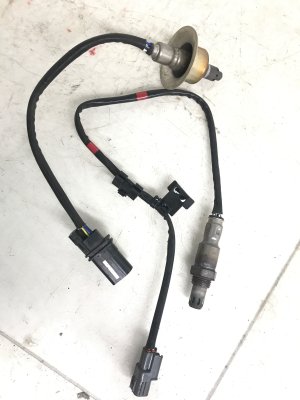
Used OEM Parts in Stock
New Aftermarket Parts Available
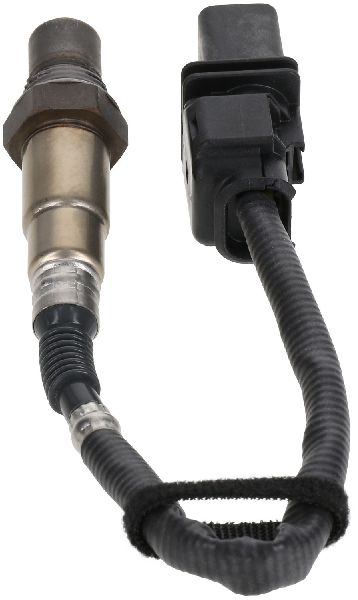

The information in this article is provided for general reference and educational purposes only. Vehicle specifications, procedures, and part compatibility can vary by production date, trim level, and region. Always consult your vehicle's factory service manual and verify part numbers before purchasing or performing repairs. Safety-critical components such as airbags, seat belts, and braking systems should be installed by a qualified professional.
- Kia Stinger:
- 🧭 Diagnostic Flowchart
- 🎬 Helpful Videos
- 🛍️ Shop This Part
- What's Unique About the 2018-2023 Kia Stinger
- Symptoms You May Notice
- Most Likely Causes
- Rare But Worth Checking
- Diagnosis Steps
- Parts You'll Likely Need
- Related Codes That Often Appear With This One
- Technical Service Bulletins (TSBs) & Recalls
- Platform-Specific Known Issues
- Mechanic-Grade Diagnostic Values
- Scan Tool Commands That Help
- Wiring & Ground Locations
- Real Owner Repair Stories
- Model Year Variations Within This Range
- Other Known Issues on This Vehicle
- Used vs. New Parts: Buying Guide for This Vehicle
- Real Owner Stories
- 2018-2023 Kia Stinger 3.3L Twin-Turbo V6 — ~80000 miles
- Related OBD-II Codes
- Frequently Asked Questions
- 🎟️ Get 5% Off