

P0139 on 2010-2013 Mazda 3 2.0L: Slow O2 Sensor Causes and Fixes
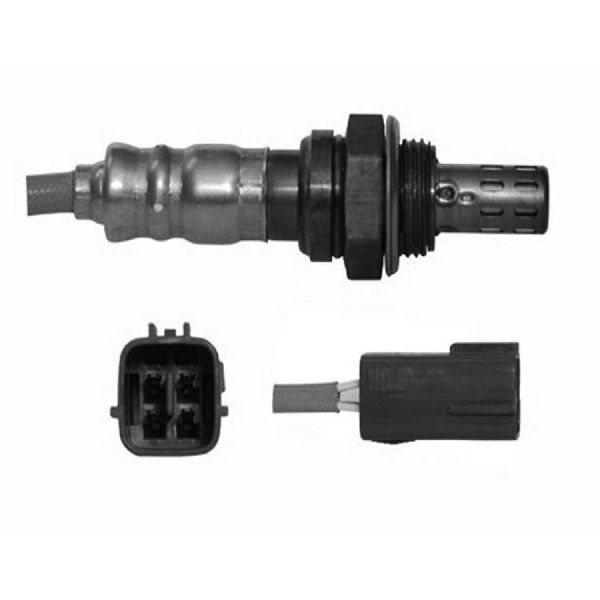
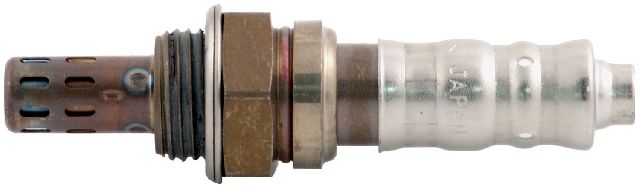
On a 2010-2013 Mazda 3, code P0139 is almost always caused by a failing downstream oxygen sensor (Bank 1, Sensor 2). This sensor's response time degrades after 100,000+ miles. Replacing this sensor, which costs about $50-$120 for a quality aftermarket part (Denso or NTK), typically resolves the issue. The OEM Mazda part number is L541-18-861A.
- P0139 on your Mazda 3 almost always points to the downstream (post-catalytic converter) O2 sensor.
- Before buying parts, perform a quick visual check for obvious exhaust leaks or damaged sensor wiring.
- Driving with this code is generally safe, but you won't pass an emissions test until it is resolved.
- Replacing the downstream O2 sensor is a manageable DIY job for most home mechanics and is the most likely fix.
- Use a quality replacement sensor from a brand like Denso or NGK/NTK for a lasting repair.
What's Unique About the 2010-2013 Mazda 3
For the second-generation Mazda 3 with the 2.0L MZR engine, this code is very common and straightforward. The MZR is an inline-four, so it only has one exhaust bank, making 'Bank 1' the only possibility. The issue is most often a simple case of the original downstream O2 sensor wearing out after 100,000+ miles. While exhaust leaks can also be a cause, the sensor itself is the highest probability culprit on this specific vehicle. A Reddit user with a 2011 Mazda 3 confirmed the code appeared right around 100k miles.
Symptoms You May Notice
- Illuminated Check Engine Light
- Failing a state emissions or smog test.
- Slightly reduced fuel economy (though many drivers report no noticeable change).
- In rare cases, rough idle or stalling during deceleration if the root cause is a separate fuel system issue.
- Hesitation upon acceleration after a deceleration phase.
- Replacing the catalytic converter. P0139 indicates a problem with the sensor's *response time*, not the efficiency of the catalytic converter (which would typically set a P0420 code).
- Replacing the upstream (Bank 1, Sensor 1) oxygen sensor. This code is specific to the downstream sensor (Sensor 2).
Most Likely Causes
- Failing Downstream Oxygen (O2) Sensor 🔴 High Probability → Shop Oxygen Sensor Oxygen sensors are wear items. After 100,000+ miles, the sensor's internal components degrade from heat and contaminants, slowing its reaction time. This is the most frequent cause for P0139 on high-mileage vehicles like the Mazda 3.
How to confirm: Use a scan tool to graph the live data voltage of Bank 1 Sensor 2. At steady RPM, a healthy sensor should show a relatively stable voltage between 0.45V and 0.8V. During a forced fuel cut (revving and then letting off the throttle completely), the voltage should drop below 0.2V quickly. If it hangs high or drops very slowly, the sensor is bad.
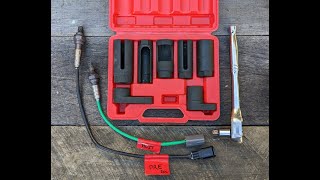
Typical fix: Replace the Bank 1, Sensor 2 oxygen sensor. The OEM part is Mazda #L541-18-861A. 🎬 Watch: Step-by-step guide to replacing your downstream O2 sensor. High-quality aftermarket brands like Denso and NTK are recommended.
Est. part cost: $50-$120 - Exhaust Leak 🟡 Medium Probability Rust and corrosion can cause leaks at exhaust manifold gaskets, flex pipes, or flange connections, especially on cars from regions with road salt. A leak located before the downstream O2 sensor can introduce fresh air, which confuses the sensor and slows its perceived response time.
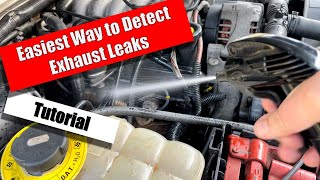
How to confirm: Visually inspect the exhaust system for black soot trails near gaskets and welds. Listen for a 'ticking' or 'hissing' noise, especially when the engine is cold. A smoke test is the most definitive method to locate small leaks. 🎬 See this simple trick to find exhaust leaks quickly.
Typical fix: Repair the leak by replacing the faulty gasket or section of pipe.
Est. part cost: $10-$200 - Damaged Wiring or Connectors ⚪ Low Probability The O2 sensor wiring runs underneath the car and is exposed to road debris, water, and heat, which can cause wires to fray, melt on the exhaust pipe, or develop corrosion in the connector pins. Added resistance in the circuit can delay the signal, triggering the code.
How to confirm: Visually inspect the wiring harness leading to the downstream O2 sensor for any signs of damage, melting on the exhaust pipe, or corrosion in the connector pins. Check for resistance from the sensor connector to the PCM; values above 5 ohms suggest a wiring problem.
Typical fix: Repair the damaged section of the wiring harness or clean/replace the connector.
Est. part cost: $5-$50
Rare But Worth Checking
- Leaking Fuel Injectors: A leaking fuel injector can cause a rich running condition that persists even during deceleration fuel-cut. This excess fuel in the exhaust prevents the O2 sensor voltage from dropping as expected, mimicking a slow sensor. A user on Mazdas247 with a Mazda 5 experiencing P0139 and stalling pointed to injectors as the likely culprit after sensor replacement didn't work.
- Carbon Buildup in Throttle Body: Mazda TSB 01-025/13 for the 2010 Mazda5 explains that carbon buildup can prevent the throttle plate from closing completely during deceleration. This allows unmetered air to enter, which in turn allows unburnt fuel to remain around the O2 sensor, preventing its voltage from dropping and thus causing the P0139 timeout failure. A user on a Mazda forum fixed their recurring P0139 by cleaning the throttle body and MAF sensor.
Diagnosis Steps
- Read the code with an OBD-II scanner to confirm P0139 is the primary code. If other codes exist, especially fuel trim or misfire codes, address them first as they may indicate the root cause.
- Perform a thorough visual inspection of the exhaust system from the engine to the catalytic converter. Look for black soot marks indicating leaks or listen for audible hissing/ticking noises.
- Inspect the wiring harness and connector for the downstream O2 sensor (Bank 1, Sensor 2). Check for any signs of melting, chafing, or corrosion in the pins.
- With a capable scan tool, view the live data graph for the B1S2 voltage. Warm the engine to operating temperature. At a steady 2500 RPM, the voltage should be relatively stable (e.g., 0.6-0.8V). Perform a 'throttle snap' (quickly revving the engine and letting the throttle snap shut). The sensor voltage should drop sharply below 0.2V. If it's very slow to fall or hangs high, the sensor is the primary suspect.
- If the sensor, wiring, and exhaust appear to be in good condition, consider testing for a rich condition caused by other components. A leaking fuel injector is a rare but possible cause.
- As a final step, especially if the code appears during deceleration, inspect and clean the electronic throttle body for carbon buildup per TSB 01-025/13.
Parts You'll Likely Need
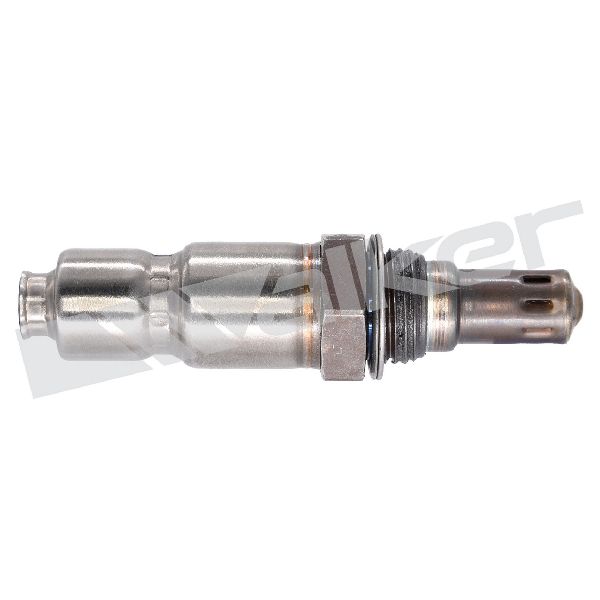
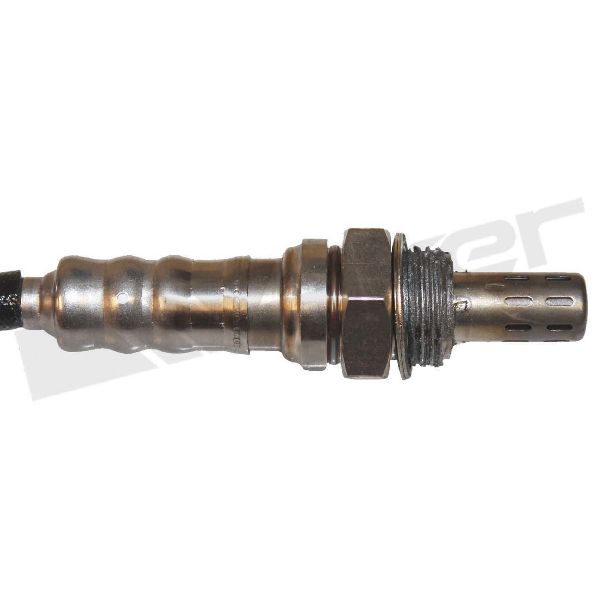
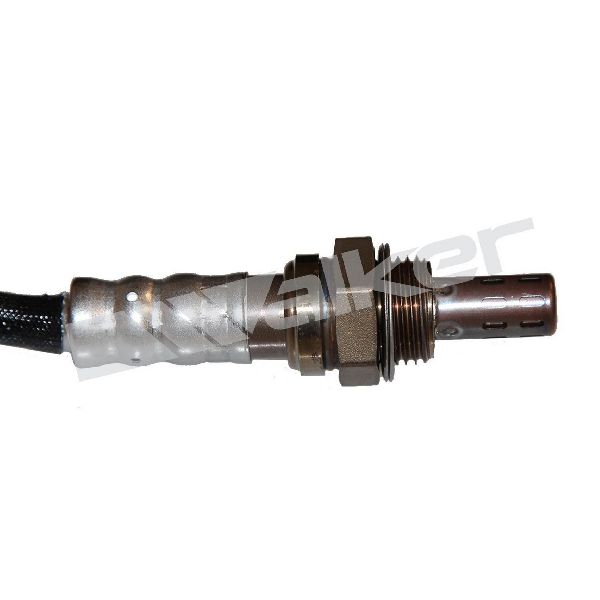
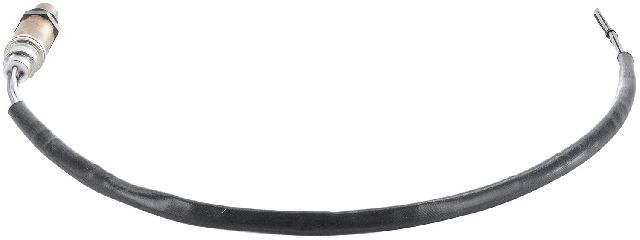
- Downstream Oxygen Sensor (Bank 1, Sensor 2)
(OEM #L541-18-861A)— This is the most common failure point for code P0139 on this vehicle, typically due to age and contamination after 100,000+ miles.
Trusted brands: Denso, NGK/NTK, Bosch
OEM price range: $120-$180
Aftermarket price range: $50-$120
Related Codes That Often Appear With This One
- P0137 — P0137 (O2 Sensor Circuit Low Voltage) can appear with P0139 as both point to a failing or faulty downstream O2 sensor or its circuit.
- P0141 — P0141 (O2 Sensor Heater Circuit Malfunction) relates to the same sensor. A failure in the sensor's internal heater can sometimes accompany the slow response failure.
- P2096 — P2096 (Post Catalyst Fuel Trim System Too Lean) can be triggered by a failing downstream O2 sensor that is providing incorrect data, which can be interpreted as either too lean or simply slow/inactive.
Technical Service Bulletins (TSBs) & Recalls
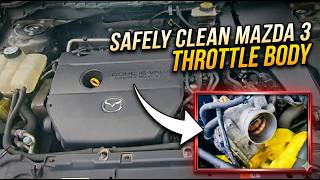
- Mazda TSB 01-025/13: Specifically for the 2010 Mazda5, but relevant to the Mazda 3 with the same engine. It states that carbon buildup inside the Electronic Throttle Body (ETB) can reduce airflow during deceleration, leaving unburnt fuel in the exhaust. This prevents the downstream O2 sensor voltage from dropping below 0.2V within the expected 4-second window, triggering a P0139 'time-out fail'. The fix is to clean the throttle body. 🎬 Watch: How to clean your throttle body to clear this code.
- Manufacturer TSB Bulletin #01-025-13-2822: This bulletin notes that some vehicles may experience the MIL on with DTC P0139 (HO2S Circuit Malfunction) stored in the PCM memory because the PCM monitors for a time-out malfunction when the HO2S remains above 0.2V for longer than a specified window.
Platform-Specific Known Issues
- On Mazdaspeeds.org, a user with a modified car and 60k miles on an aftermarket downpipe started getting a recurring P0139, speculating that the sensor itself had simply failed with age, which is a common conclusion in the thread. URL: https://mazdaspeeds.org/index.php?threads/p0139.2930/
- A user on Reddit with a 2011 Mazda 3 with over 100k miles received a P0139 code. The community confirmed it was a very common issue for the mileage and the likely fix was a new downstream O2 sensor. URL: https://www.reddit.com/r/Cartalk/comments/1q1j39/obdii_code_p0139_2011_mazda_3/
- On a Mazda forum, a 2010 Mazda 5 owner (same engine family) reported a recurring P0139 even after replacing the O2 sensor. Another user suggested the issue could be a dirty MAF sensor or throttle body, which the original poster confirmed fixed the problem.
Mechanic-Grade Diagnostic Values
- Downstream O2 Sensor (B1S2) Voltage at Idle/Steady RPM — expected: Relatively stable voltage between 0.45V and 0.8V when the engine is warm and in closed loop.. Failure: Voltage is stuck low (e.g., 0.3V) or fluctuates wildly.
- Downstream O2 Sensor (B1S2) Voltage during Deceleration Fuel Cut-Off — expected: Voltage should drop sharply below 0.2V.. Failure: Voltage fails to drop below 0.2V for more than 7 seconds, indicating a slow response.
- O2 Sensor Heater Element Resistance — expected: Between 1 and 4 ohms at operating temperature. A 2008 Mazda 3 owner measured a healthy front sensor at 5.9-6.0 ohms (cold).. Failure: A reading far outside this range, like the 19.6 ohms measured by one user on a suspect sensor, indicates a likely failure.
Wiring & Ground Locations
- PCM Connector — The Powertrain Control Module (PCM) is the main engine computer. Its connectors are the termination point for sensor wiring.. A poor connection or corroded pin at the PCM for the O2 sensor signal or ground wire can mimic a failed sensor. While specific pin numbers for the MZR 2.0L are not consistently documented in public sources, wiring diagrams show the O2 sensor signal, heater, and ground wires all terminate here.
Real Owner Repair Stories
- Mazda Forum user (2010 Mazda 5 (shares MZR engine family)) — Recurring P0139 code.
❌ Tried (didn't work) Replacing the downstream O2 sensor.
✅ What actually fixed it Cleaning the Mass Air Flow (MAF) sensor and the throttle body air intake. The user reported the car ran significantly better afterward and the code did not return. - Reddit r/MechanicAdvice user (2003 VW Golf 2.0L (different vehicle, but demonstrates P0139 diagnosis)) — P0139 code, sensor voltage stuck at 0.3V on scanner.
❌ Tried (didn't work) Clearing the code.
✅ What actually fixed it Spliced in a universal Bosch O2 sensor. The new sensor showed proper voltage fluctuation between 0.2V and 0.7V. The user noted the old sensor was very slow to react when tested with a propane torch.
OEM Part Supersession History
L541-18-861→L541-18-861A, L541-18-861A-9U— Standard part revision and update.
Heads up: The newer revisions are direct replacements for the original part on 2010-2013 Mazda 3 models with the 2.0L non-Skyactiv and 2.5L engines.
Model Year Variations Within This Range
- 2012-2013: For the 2012 model year, Mazda introduced a facelift and the new 2.0L Skyactiv-G engine as an option, which is more fuel-efficient and technologically advanced. The primary engine for base models became the Skyactiv, though some very base 2012-2013 models may still have the 2.0L MZR. This article specifically covers the non-Skyactiv 2.0L MZR engine, which was the standard 2.0L from 2010-2011.
Diagnostic Flowchart
Other Known Issues on This Vehicle
Issues unrelated to this code that are worth knowing about as an owner of this generation:
- Passenger-Side Engine Mount Failure 🟠 Medium — Very common, often failing between 30,000 and 90,000 miles. It is a fluid-filled hydraulic mount that leaks, causing excessive engine vibration and noise.
- Melting/Sticky Dashboard 🟡 Low — Widespread on 2010 models, especially in hot, humid climates. The dashboard surface degrades, becomes sticky, and creates a dangerous glare on the windshield. (Ref: Mazda Warranty Extension Program SSP 97 (NHTSA ID: 10097702-2532) extended coverage to 10 years/unlimited miles for this issue.)
- Premature Manual Transmission Clutch Wear 🟠 Medium — Frequently reported on 2010-2013 models, with failures sometimes occurring under 80,000 km. Often attributed to weak original clutch components.
- Transmission Control Module (TCM) Failure (Automatic) 🔴 High — A notable issue for 2010-2011 non-Skyactiv models, causing harsh shifting, getting stuck in gear, or complete drivetrain failure.
- Warping Dashboard Above Information Display 🟡 Low — Common on 2010-2013 models, where heat causes the dash material to shrink and pull away from the central display screen, creating a gap. (Ref: Mazda Special Service Program (SSP) extended warranty to 7 years for this specific warping issue.)
Used vs. New Parts: Buying Guide for This Vehicle
When a used part is the smart pick: A used part is almost never a smart choice for an oxygen sensor. They are wear items with a finite lifespan, and their performance degrades with mileage and exposure to exhaust contaminants. A used sensor could fail shortly after installation or may already be performing poorly, causing the same P0139 code to return.
Donor-vehicle mileage cap: roughly under 50000 miles for the part to have meaningful remaining life.
What to inspect on the donor part:
- If forced to use a used part, source it from a very low-mileage vehicle.
- Visually inspect the sensor tip for heavy carbon fouling, oil, or white (coolant) contamination.
- Ensure the wiring and connector are not brittle, melted, or damaged.
Aftermarket brands forum-validated for this vehicle:
- Denso
- NTK (part of NGK)
Brands owners have reported issues with on this vehicle:
- Unnamed or generic 'universal' sensors that require splicing are often cited as being less reliable than direct-fit models from reputable brands. While they can work, as one repair story showed, the quality is inconsistent.
Real Owner Stories
Aggregated from forums and TSBs cited above. Mileages and costs reflect what owners reported in those sources.
2011 Mazda 3 2.0L — ~105000 miles
Symptoms: Check Engine Light with code P0139.
What fixed it: Replacement of the downstream O2 sensor.
Source hint: Reddit r/Cartalk thread titled 'OBDII Code P0139 2011 Mazda 3'
2010 Mazda 5 2.0L — ~110000 miles
Symptoms: Recurring P0139 code even after the O2 sensor was replaced.
What fixed it: Cleaning the MAF sensor and the electronic throttle body.
Source hint: Mazda forum user report regarding 2010 Mazda 5 recurring P0139
2010 Mazda 5 2.0L
Symptoms: The car was stalling and dying suddenly in addition to the P0139 code.
What fixed it: Investigation into leaking fuel injectors after O2 sensor replacement failed to resolve the issue.
Source hint: Mazdas247.com thread titled 'P0139 - car suddenly dies'
2010 Mazda 3 (Modified) — 60000 miles
Symptoms: Recurring P0139 on a vehicle equipped with an aftermarket downpipe.
What fixed it: Replacement of the oxygen sensor which had failed with age/use.
Source hint: Mazdaspeeds.org thread titled 'p0139'
Related OBD-II Codes
Frequently Asked Questions
Does Mazda TSB 01-025/13 apply to my 2010-2013 Mazda 3?
What is the specific OEM part number for the downstream O2 sensor on my Mazda 3?
Can a dirty throttle body really cause a P0139 oxygen sensor code on this car?
I have over 100,000 miles on my Mazda 3; is it common for the O2 sensor to fail now?
Could an exhaust leak be causing this code instead of a bad sensor?
Are there any other common issues on the 2010-2013 Mazda 3 I should look out for while fixing this?
Helpful Videos

We Have This Part in Stock

The information in this article is provided for general reference and educational purposes only. Vehicle specifications, procedures, and part compatibility can vary by production date, trim level, and region. Always consult your vehicle's factory service manual and verify part numbers before purchasing or performing repairs. Safety-critical components such as airbags, seat belts, and braking systems should be installed by a qualified professional.
- Mazda 3:
- 🧭 Diagnostic Flowchart
- 🎬 Helpful Videos
- 🛍️ Shop This Part
- What's Unique About the 2010-2013 Mazda 3
- Symptoms You May Notice
- Most Likely Causes
- Rare But Worth Checking
- Diagnosis Steps
- Parts You'll Likely Need
- Related Codes That Often Appear With This One
- Technical Service Bulletins (TSBs) & Recalls
- Platform-Specific Known Issues
- Mechanic-Grade Diagnostic Values
- Wiring & Ground Locations
- Real Owner Repair Stories
- OEM Part Supersession History
- Model Year Variations Within This Range
- Other Known Issues on This Vehicle
- Used vs. New Parts: Buying Guide for This Vehicle
- Real Owner Stories
- 2011 Mazda 3 2.0L — ~105000 miles
- 2010 Mazda 5 2.0L — ~110000 miles
- 2010 Mazda 5 2.0L
- 2010 Mazda 3 (Modified) — 60000 miles
- Related OBD-II Codes
- Frequently Asked Questions
- 🎟️ Get 5% Off