

P0139 on 2009-2013 Mazda 6 2.5L: Causes and Fixes for Slow O2 Sensor Response
For a 2009-2013 Mazda 6 2.5L, code P0139 almost always means the downstream oxygen sensor (Bank 1, Sensor 2) is old and needs replacement. This is a common DIY repair with a part cost of about $50-$100 for a quality aftermarket sensor like a Denso or NTK. Before replacing, a quick visual check for exhaust leaks or wiring damage is prudent.
- P0139 on a 2009-2013 Mazda 6 2.5L almost always points to a failing downstream (post-catalytic converter) oxygen sensor.
- This is a common issue due to sensor aging and is generally considered a minor problem that won't stop you from driving the car, but it will cause an emissions test failure.
- Before replacing the sensor, perform a quick visual check of the exhaust for leaks and the sensor's wiring for damage.
- Replacement is a DIY-friendly task for those with basic tools, including a special 22mm (7/8") O2 sensor socket, and can save significant labor costs.
- Use a quality aftermarket brand like Denso or NGK/NTK for a reliable repair without paying for an OEM part. The OEM part number is L519-18-861C.
What's Unique About the 2009-2013 Mazda 6
On the second-generation Mazda 6 with the 2.5L engine, the P0139 code is a very common and straightforward issue. It typically points to the downstream O2 sensor simply wearing out after 80,000-100,000 miles. Unlike some vehicles where this code can be triggered by complex software or engine issues, the diagnosis on this Mazda is usually direct, with the sensor itself being the primary failure point. Rust on the exhaust components can make sensor removal difficult, so applying penetrating oil beforehand is recommended.
Symptoms You May Notice
- Check Engine Light is on.
- Slightly reduced fuel economy.
- Failing an emissions/smog test.
- In rare cases, rough idle or hesitation on deceleration.
- In very rare cases, engine stalling when coming to a stop.
- Replacing the catalytic converter. A P0139 code points to a sensor response time issue, not the efficiency of the converter itself. A bad converter typically triggers a P0420 code.
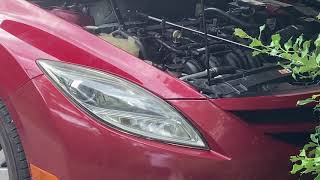
- Replacing the upstream oxygen sensor (Bank 1, Sensor 1). 🎬 Watch: Locate the upstream and downstream sensors on your Mazda 6. The code specifically identifies Sensor 2, which is the downstream sensor.
Most Likely Causes
- Failing Downstream Oxygen (O2) Sensor 🔴 High Probability → Shop Oxygen Sensor Oxygen sensors are wear-and-tear items that degrade over time due to constant exposure to extreme heat and exhaust gases. After 80,000+ miles, their chemical and electrical properties diminish, causing a slow response. This is the most common failure for this code on this vehicle.
How to confirm: Use a scan tool to graph the voltage of Bank 1 Sensor 2. A healthy sensor will show slow, steady fluctuations between approximately 0.1V and 0.9V. A failed sensor will appear 'lazy,' with very slow changes, or may be stuck at a specific voltage. A visual inspection may also show physical damage or contamination.
Typical fix: Replace the downstream oxygen sensor (Bank 1, Sensor 2). This typically requires a 22mm (or 7/8") oxygen sensor socket.
Est. part cost: $50-$120 - Exhaust Leak 🟡 Medium Probability Exhaust gaskets and flex pipes can degrade and crack over time from rust and vibration, allowing outside air to enter the exhaust stream upstream of the sensor. This unmetered oxygen can confuse the sensor, making it appear slow or biased.
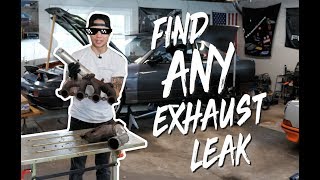
How to confirm: Visually inspect the exhaust system from the engine to the tailpipe for black soot marks, cracks, or holes, especially near flanges and welds. Listen for hissing or ticking sounds, especially when the engine is cold. A professional can perform a smoke test to pinpoint the leak. 🎬 See this quick trick to find any exhaust leak in minutes.
Typical fix: Repair the leak by replacing the faulty gasket, flex pipe, or section of exhaust.
Est. part cost: $20-$250 - Damaged Wiring or Connector ⚪ Low Probability The O2 sensor wiring runs underneath the vehicle, where it is exposed to road debris, water, and heat. Wires can become frayed, melted on the hot exhaust, or the connector pins can corrode. It's important to ensure the new sensor's wiring is properly secured away from the hot exhaust pipe.
How to confirm: Visually inspect the entire length of the O2 sensor harness from the sensor to where it connects to the main vehicle harness. Check for melted plastic, chafed wires, and corrosion inside the connector. Check for continuity with a multimeter.
Typical fix: Repair the damaged section of wiring or replace the connector pigtail.
Est. part cost: $15-$50
Rare But Worth Checking
- Leaking Fuel Injectors: A leaking fuel injector can cause an overly rich exhaust mixture. This can sometimes overwhelm the O2 sensor, making it respond slowly. This is less common but has been noted in forums as a possible cause after the sensor has been replaced without success.
- Powertrain Control Module (PCM) Issue: → Shop Engine Control Module (ECM) In very rare instances, the PCM itself may have a fault in its internal logic or require a software update. This should only be considered after all other possibilities have been exhausted. Some Honda models have had TSBs for software updates to fix P0139, indicating it's a theoretical possibility for other manufacturers as well.
- Dirty Throttle Body / MAF Sensor: A forum user on a similar Mazda platform (Mazda5) reported fixing a persistent P0139 code by cleaning the mass air flow sensor and the throttle body. The theory is that carbon buildup can affect air metering during deceleration, confusing the sensor's expected reading.
Technical Service Bulletins (TSBs) & Recalls
- TSB Bulletin #01-025-13-2822: While issued for the Mazda5, this bulletin addresses the same P0139 (HO2S Circuit Malfunction) logic used by Mazda. It notes that the PCM monitors for a time-out malfunction when the heated oxygen sensor remains above 0.2V for longer than a specified duration, triggering the MIL.
Diagnosis Steps
- Read the code with an OBD-II scanner to confirm P0139 is the primary code. Note any other codes, like P0140.
- Visually inspect the downstream O2 sensor's wiring harness and connector for any signs of melting, chafing, or corrosion. Ensure it is clipped securely away from the exhaust pipe.
- Inspect the exhaust system for any audible leaks or visible signs of soot, particularly around gaskets and the flex pipe, between the engine and the downstream sensor.
- Use a scan tool with live data capabilities to monitor the voltage of Bank 1 Sensor 2 ('O2S12'). At a steady RPM with the engine warm, the voltage should be relatively stable, around 0.45V to 0.6V. If the voltage is flat, stuck, or responds very sluggishly when you snap the throttle, the sensor is likely faulty.
- If the sensor and wiring appear good and there are no exhaust leaks, the O2 sensor itself is the most probable cause of failure.
- Replace the downstream O2 sensor. Apply penetrating oil to the threads before attempting removal to combat rust. Use a 22mm or 7/8" O2 sensor socket.
- After replacement, clear the codes and perform a drive cycle to ensure the code does not return.
Parts You'll Likely Need
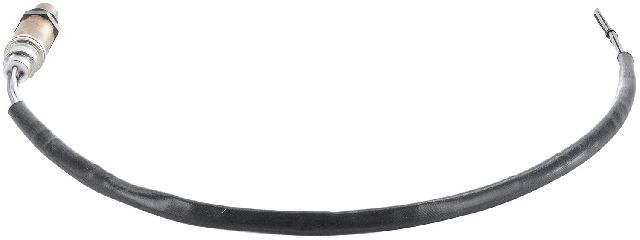
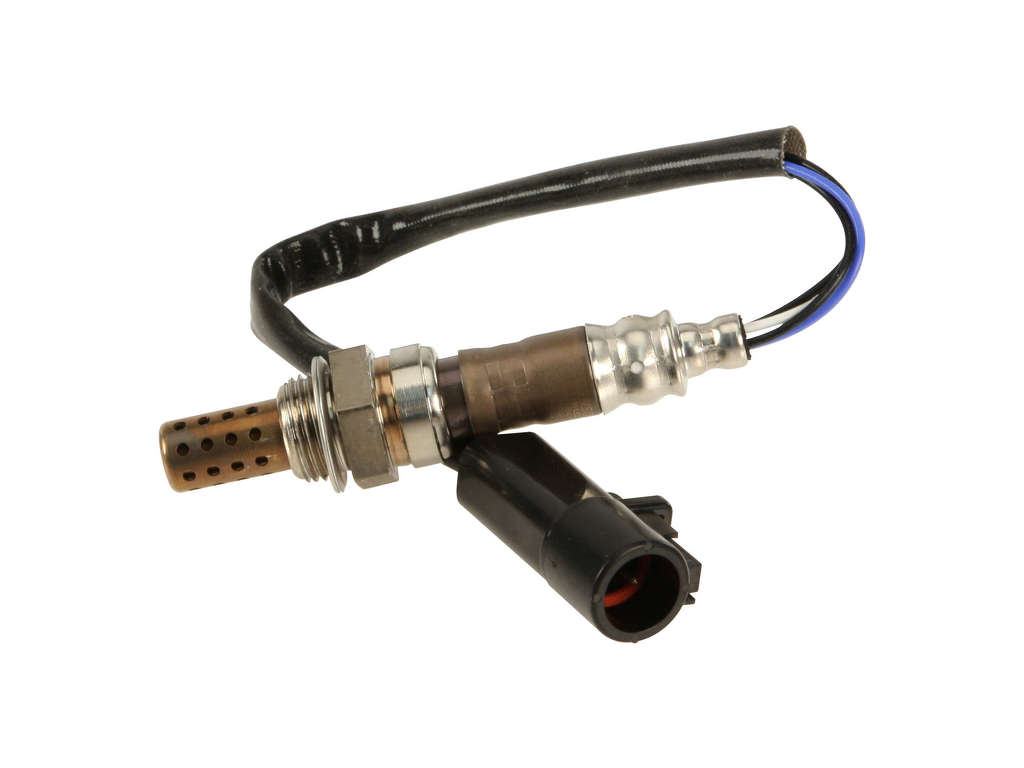
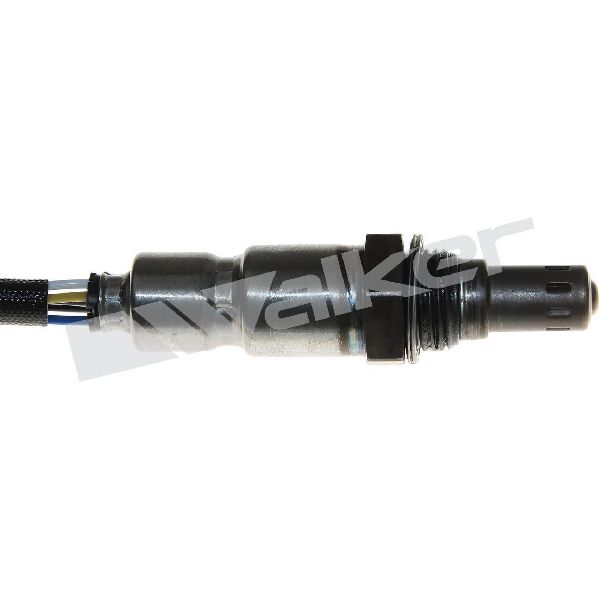
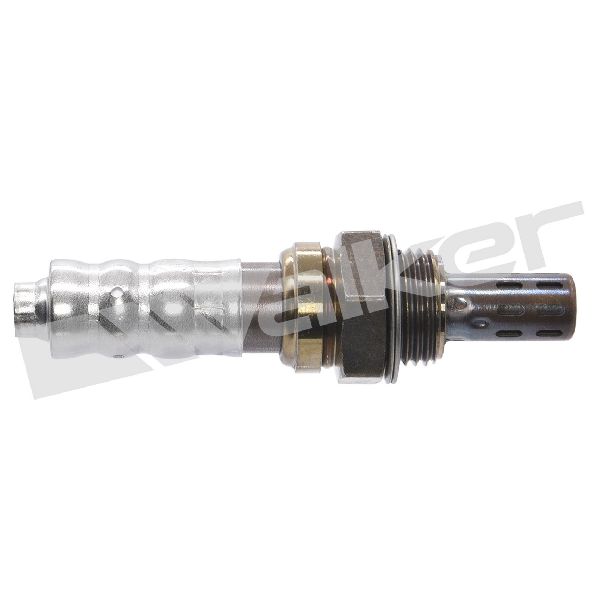
- Downstream Oxygen Sensor (Bank 1, Sensor 2)
(OEM #L519-18-861C)— This is the component that the code directly identifies as having a slow response time. It is a common wear item and the most frequent cause of P0139.
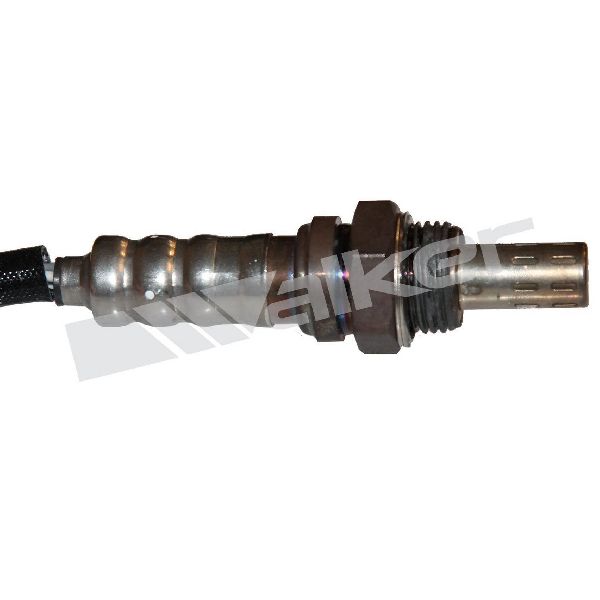
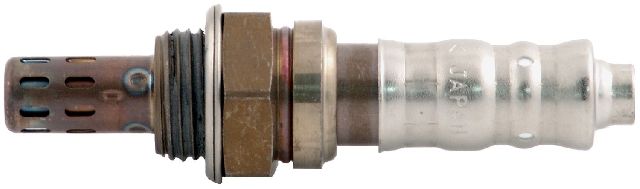
Trusted brands: Denso (e.g., 234-4279), NGK/NTK (e.g., 22129), Bosch, Walker Products (e.g., 250-24859)
OEM price range: $150-$200
Aftermarket price range: $50-$120
Related Codes That Often Appear With This One
- P0140 - O2 Sensor Circuit No Activity Detected (Bank 1 Sensor 2): A user on mazda6club.com reported having both P0139 and P0140, which points strongly to a completely failed sensor.
- P0141 - O2 Sensor Heater Circuit (Bank 1 Sensor 2): A failure of the sensor's internal heating element can cause the sensor to respond slowly, triggering both codes.
Platform-Specific Known Issues
- Real World Repair Story from Reddit: A user on Reddit with a 2012 Mazda 6 posted about getting code P0139. The community response confirmed that it's the downstream O2 sensor and a common DIY job, but emphasized the need for a jack and jack stands for safe access, as the sensor is located underneath the car.
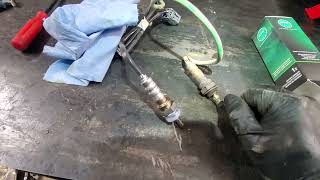
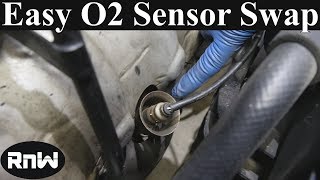
- source — The YouTube channel 'justdoityourself' has a video titled 'Mazda 6 2.5 Oxygen Sensor Replacement. P0139 code.' which provides a detailed visual guide. The creator successfully replaces the sensor to clear the code, recommending an NTK brand sensor and showing the importance of correctly routing the new wire in the factory clips to prevent it from melting on the exhaust. 🎬 Watch this step-by-step P0139 repair guide for the 2.5L engine.
Mechanic-Grade Diagnostic Values
- Downstream O2 Sensor (O2S12) Voltage at Idle (Warm Engine) — expected: Relatively stable voltage between 0.4V and 0.6V.. Failure: A voltage that is flat, stuck, or switches very slowly. During a fuel-cut on deceleration, voltage should drop below 0.2V within a few seconds. A slow response to this drop is what triggers P0139.
- Downstream O2 Sensor Heater Circuit Resistance — expected: Typically between 2 and 4 ohms when measured across the two heater wires of the sensor (often the two wires of the same color).. Failure: An open circuit (infinite resistance) or a short (near zero resistance) indicates a failed heater element within the sensor.
- O2 Sensor Circuit Resistance (from sensor connector to PCM) — expected: Less than 5 Ω.. Failure: Resistance over 5 Ω suggests corrosion in the wiring or connector, or a damaged wire, which can delay the signal and cause a slow response code.
Wiring & Ground Locations
- Downstream O2 Sensor Connector — The connector for the downstream O2 sensor (green wire harness) is located just above the battery, on the driver's side of the engine bay. The harness routes down the back of the engine.. This is the primary connection point to check for corrosion or damage before condemning the sensor itself. The connector's location near the battery makes it susceptible to corrosion from battery fumes.
- Engine/Chassis Grounds — Key ground points for the engine harness include a point on the passenger side motor mount, grounds on the transmission housing, and a primary ground point on the frame underneath the driver's side headlight.. A poor ground connection for the PCM or sensor circuit can introduce noise or voltage offsets, potentially causing the PCM to misinterpret the O2 sensor's signal speed and trigger a P0139 code.
Real Owner Repair Stories
- YouTube channel 'Un Ratito De Mecánica' (2010 Mazda 6) — P0139 code present. Live data showed a very slow response from the downstream O2 sensor.
❌ Tried (didn't work) Initial diagnosis confirmed the slow sensor via scan tool.
✅ What actually fixed it The downstream oxygen sensor was replaced. After replacement and clearing the code, a test drive confirmed the code did not return and the new sensor responded correctly.
Model Year Variations Within This Range
- 2009-2013: The 2.5L L5-VE engine and associated emissions components remained consistent throughout the second generation (GH) of the Mazda 6 in North America. No significant variations affecting the diagnosis of P0139 have been documented.
Diagnostic Flowchart
Other Known Issues on This Vehicle
Issues unrelated to this code that are worth knowing about as an owner of this generation:
- Melting / Sticky Dashboard 🟠 Medium — Very common, especially in climates with high heat and humidity. Can occur at any mileage. (Ref: Mazda Special Service Program (SSP) A0 extended the warranty for this specific issue to 10 years/unlimited miles.)
- Variable Valve Timing (VVT) Actuator Noise / Failure 🟠 Medium — Common on higher-mileage (80k+) 2.5L engines. Often presents as a rattling or diesel-like noise on cold starts that can progress to noise when hot. (Ref: Mazda issued TSBs for similar issues on related MZR engines, though not specifically for this model/year range for P0139. The issue is well-documented in forums.)
- Front Subframe / Cross Member Corrosion 🔴 High — Primarily affects vehicles in 'salt belt' states. Can lead to structural failure and loss of steering control. (Ref: NHTSA Recall 19V-323 was issued for this problem.)
- Spider Webs Blocking EVAP Vent Hose 🟡 Low — A peculiar but officially recognized issue, particularly on 2010 models. (Ref: Mazda issued a recall (4911A) because spiders could build webs in the EVAP canister vent hose, causing negative pressure in the fuel tank.)
- Premature Front Brake Wear 🟡 Low — Frequently reported by owners. Often manifests as warped rotors causing steering wheel shake during braking.
- Automatic Transmission (FS5A-EL) Valve Body Wear 🟠 Medium — Becomes more common over 100,000 miles, especially if transmission fluid has not been changed regularly. Leads to harsh or delayed shifts.
Used vs. New Parts: Buying Guide for This Vehicle
When a used part is the smart pick: For this specific repair, using a used part is not recommended for the oxygen sensor itself, as it is a wear-and-tear item with a finite lifespan. However, if the cause is a cracked exhaust component, a used, rust-free section of exhaust from a low-mileage donor car could be a cost-effective solution.
Donor-vehicle mileage cap: roughly under 70000 miles for the part to have meaningful remaining life.
What to inspect on the donor part:
- For an O2 sensor: Not recommended, but if unavoidable, ensure the sensor body is free of heavy carbon buildup, the wiring is not brittle or melted, and the connector is clean.
- For an exhaust component: Check for thin, flaky rust versus surface rust. Tap it with a hammer to listen for solid metal sounds, not a dull thud indicating internal weakness. Inspect welds for cracks.
OEM-only on this vehicle (don't cheap out):
- While not strictly 'OEM-only', it is highly recommended to use high-quality, reputable brands for the oxygen sensor. Cheap, unbranded sensors are notorious for failing quickly or not meeting the PCM's precise response requirements, leading to the code returning.
Aftermarket brands forum-validated for this vehicle:
- NTK (often the OEM supplier)
- Denso
Brands owners have reported issues with on this vehicle:
- Unbranded or generic 'white-box' sensors from online marketplaces are frequently cited in forums as being problematic.
Real Owner Stories
Aggregated from forums and TSBs cited above. Mileages and costs reflect what owners reported in those sources.
2013 Mazda 6 2.5L
Symptoms: Intermittent check engine light coming on and going off; scan tool revealed oxygen sensor circuit slow response Bank 1 Sensor 2.
What fixed it: Replacement of the downstream oxygen sensor, ensuring the new wire was correctly routed in factory clips to prevent melting.
Source hint: YouTube comment/video from 'JustDoItYourself' titled 'Mazda 6 2.5 Oxygen Sensor Replacement. P0139 code.'
2009 Mazda 6 2.5L
Symptoms: Check engine light with codes P0139 and P0140; the sensor was noted to be difficult to remove due to rust.
What fixed it: Replacing the downstream O2 sensor with a Denso 234-4517 unit.
Source hint: mazda6club.com forum post
2012 Mazda 6 2.5L
Symptoms: Check engine light (P0139).
What fixed it: DIY replacement of the downstream O2 sensor using a jack and jack stands for access.
Source hint: Reddit r/Mazda6 thread
2009-2013 Mazda 6 2.5L
Symptoms: P0139 code and deceleration issues.
What fixed it: In some cases, this was linked to a leaking fuel injector rather than just the sensor.
Source hint: Mazdas247 thread titled 'P0139 Car Suddenly Dies'
Related OBD-II Codes
Frequently Asked Questions
Is there a specific brand of oxygen sensor recommended for the Mazda 6 2.5L to fix P0139?
Could my P0139 code be related to the recall for spiders in the vent hose?
I have a 2012 Mazda 6; do I need special tools to change the Bank 1 Sensor 2 myself?
Can a leak in the exhaust cause this code on my 2.5L engine?
My Mazda 6 is stalling when I come to a stop; could P0139 be the cause?
Is the P0139 code common on the Ford Fusion with the same engine?
Helpful Videos
We Have This Part in Stock

The information in this article is provided for general reference and educational purposes only. Vehicle specifications, procedures, and part compatibility can vary by production date, trim level, and region. Always consult your vehicle's factory service manual and verify part numbers before purchasing or performing repairs. Safety-critical components such as airbags, seat belts, and braking systems should be installed by a qualified professional.
- Mazda 6:
- 🧭 Diagnostic Flowchart
- 🎬 Helpful Videos
- 🛍️ Shop This Part
- What's Unique About the 2009-2013 Mazda 6
- Symptoms You May Notice
- Most Likely Causes
- Rare But Worth Checking
- Technical Service Bulletins (TSBs) & Recalls
- Diagnosis Steps
- Parts You'll Likely Need
- Related Codes That Often Appear With This One
- Platform-Specific Known Issues
- Mechanic-Grade Diagnostic Values
- Wiring & Ground Locations
- Real Owner Repair Stories
- Model Year Variations Within This Range
- Other Known Issues on This Vehicle
- Used vs. New Parts: Buying Guide for This Vehicle
- Real Owner Stories
- 2013 Mazda 6 2.5L
- 2009 Mazda 6 2.5L
- 2012 Mazda 6 2.5L
- 2009-2013 Mazda 6 2.5L
- Related OBD-II Codes
- Frequently Asked Questions
- 🎟️ Get 5% Off