

P0139 on 2007-2013 Mini Cooper: Slow O2 Sensor Response Causes and Fixes
On a 2007-2013 Mini Cooper, code P0139 almost always points to a failing downstream (post-catalytic converter) oxygen sensor. Replacing the sensor is the most common fix. Before replacing, inspect for exhaust leaks, which are also common. Expect to pay ~$70-$150 for an aftermarket sensor (Bosch/NTK) or ~$200+ for OEM. It's a 2/5 DIY difficulty.
- P0139 on your Mini points to the downstream (post-catalytic converter) O2 sensor.
- The most likely cause is simply a worn-out sensor that needs to be replaced.
- Before replacing the sensor, always inspect for exhaust leaks, especially around the flex pipe, as this is a common issue on these cars and can also cause the code.
- Check the sensor's wiring for any physical damage before buying parts.
- This is a DIY-friendly repair for those with basic tools, including a special O2 sensor socket (22mm or 7/8").
What's Unique About the 2007-2013 Mini Cooper
The R56 generation Mini Cooper, particularly with the N14 turbo engine, generates significant heat in the exhaust system. This can lead to premature aging of the downstream O2 sensor. Furthermore, these models are known for developing exhaust leaks at the flexible pipe section or manifold flanges, which can introduce outside air and trigger a P0139 code even if the sensor itself is still functional. It's critical to rule out leaks before replacing the sensor.
Symptoms You May Notice
- Check Engine Light is illuminated
- Failing a state emissions or smog test
- Slightly reduced fuel economy
- Occasional engine hesitation, especially after deceleration (rare)
- Replacing the upstream (pre-catalyst) O2 sensor. P0139 specifically refers to Sensor 2, which is downstream, after the catalytic converter.
- Replacing the catalytic converter. While a failing converter can cause other codes like P0420, it is not the direct cause of P0139. A P0139 code should be resolved first before condemning the converter.
Most Likely Causes
- Failing or Worn-Out Downstream O2 Sensor 🔴 High Probability → Shop Oxygen Sensor Oxygen sensors are wear items with a typical lifespan of 60,000-100,000 miles. High exhaust heat on Mini models can accelerate this aging process, causing the internal sensing element to become contaminated and slow.
How to confirm: Use an OBD-II scanner to monitor the live data for Bank 1 Sensor 2. A healthy sensor will show a relatively steady voltage when cruising. A failing sensor will have a flatline voltage or a very slow, lazy swing when conditions change. Specifically, during a deceleration fuel cut-off, the voltage should drop below 0.2 volts quickly; a slow sensor fails this test.
Typical fix: Replace the downstream (post-catalyst) oxygen sensor. Ensure the new sensor's threads are coated with anti-seize compound before installation and torque to spec (typically 50Nm or 37 ft-lb).
Est. part cost: $70-$150 - Exhaust System Leak 🟡 Medium Probability The flex pipe section of the exhaust is a known common failure point that cracks with age and vibration. Gaskets and flanges, especially around the turbo on N14 engines, can also develop leaks over time.
How to confirm: Perform a visual inspection of the exhaust system from the manifold back. Look for black soot marks around flanges or cracks in the pipe. Listen for a ticking or hissing sound that is loudest on a cold start and may quiet down as the engine warms up. A smoke test is the most definitive way to find small leaks.
Typical fix: Repair or replace the leaking section of the exhaust. This could involve replacing a gasket, welding a crack, or replacing the entire front pipe/downpipe section if the flex pipe has failed.
Est. part cost: $10-$300 - Damaged Wiring or Corroded Connector ⚪ Low Probability The sensor wiring runs underneath the car and is exposed to road debris, water, and salt, which can cause physical damage or corrosion over time. The harness can also be melted if it comes into contact with the hot exhaust pipe.
How to confirm: Visually inspect the entire length of the O2 sensor's wiring harness from the sensor to its connection point. Look for chafed, melted, or broken wires. Unplug the connector and check for green or white corrosion on the pins. Check for increased resistance in the wiring with a multimeter.
Typical fix: Repair the damaged section of wire or clean the connector pins with electrical contact cleaner. If the connector is severely damaged, it may need to be replaced.
Est. part cost: $5-$50
Rare But Worth Checking
- Engine Control Module (DME) Software Issue: → Shop Engine Control Module (ECM) Manufacturers sometimes release software updates to adjust the sensitivity parameters for sensor monitoring. An out-of-date DME calibration might have overly strict thresholds for the sensor's response time, triggering the code prematurely.
- Leaking Fuel Injectors: A rich running condition caused by a leaking injector can contaminate the exhaust and affect the O2 sensor's readings, though this would typically be accompanied by other codes (like P0172 - System Too Rich).
Diagnosis Steps
- Read Codes: Use an OBD-II scanner to confirm P0139 is the only code present. If other codes exist (e.g., misfires, fuel trim), address them first as they can cause a false P0139.
- Inspect for Exhaust Leaks: With the engine cold, start the car and listen for any ticking or hissing noises from the exhaust manifold or downpipe. Visually inspect for soot trails around flanges and the flex pipe. A professional smoke test is the most reliable method.
- Inspect Wiring: Trace the wiring from the downstream O2 sensor (located on the exhaust pipe under the car) to its connector. Check for any signs of melting, chafing, corrosion, or loose connections.
- Analyze Live Data: Use a scanner to view the live voltage data for 'O2S12' (Oxygen Sensor, Bank 1, Sensor 2). At a steady 2500 RPM, the voltage should be relatively stable (e.g., 0.6-0.8V). During hard deceleration (fuel cut), the voltage should drop sharply to near 0V. If the voltage is stuck or responds very slowly, the sensor is likely bad.
- Test the Sensor Heater Circuit: With a multimeter, check the resistance between the two heater wires on the sensor side of the connector. An open circuit (infinite resistance) or a reading outside the manufacturer's specification indicates a failed heater, which requires sensor replacement.
- Replace the Sensor: If no exhaust leaks or wiring issues are found and the live data confirms a slow response, replace the downstream O2 sensor.
Parts You'll Likely Need
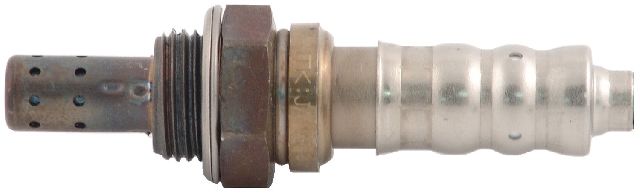
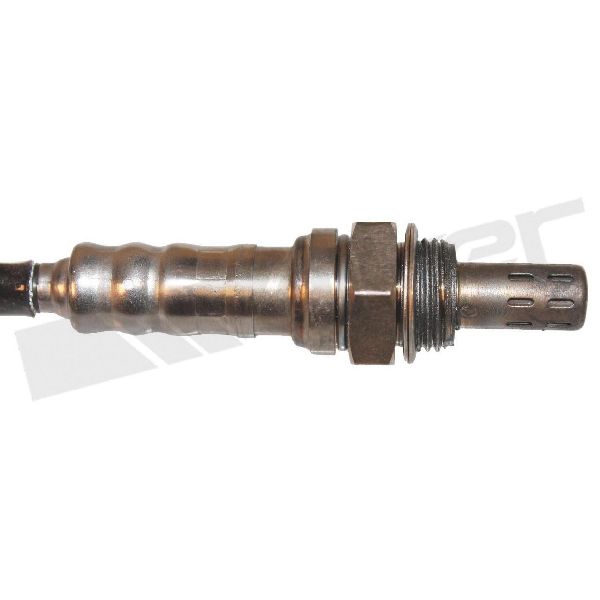
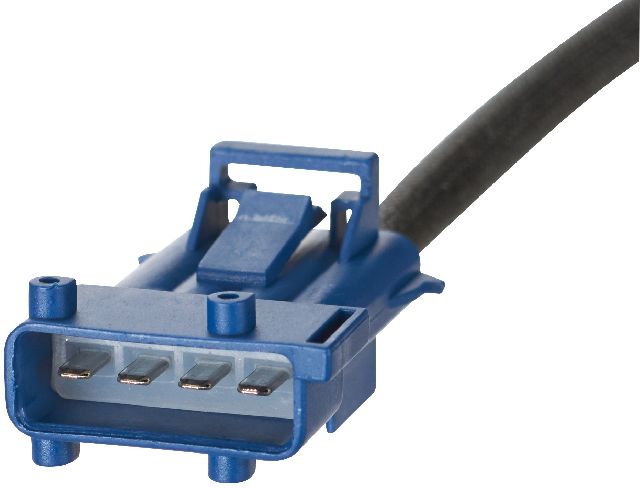
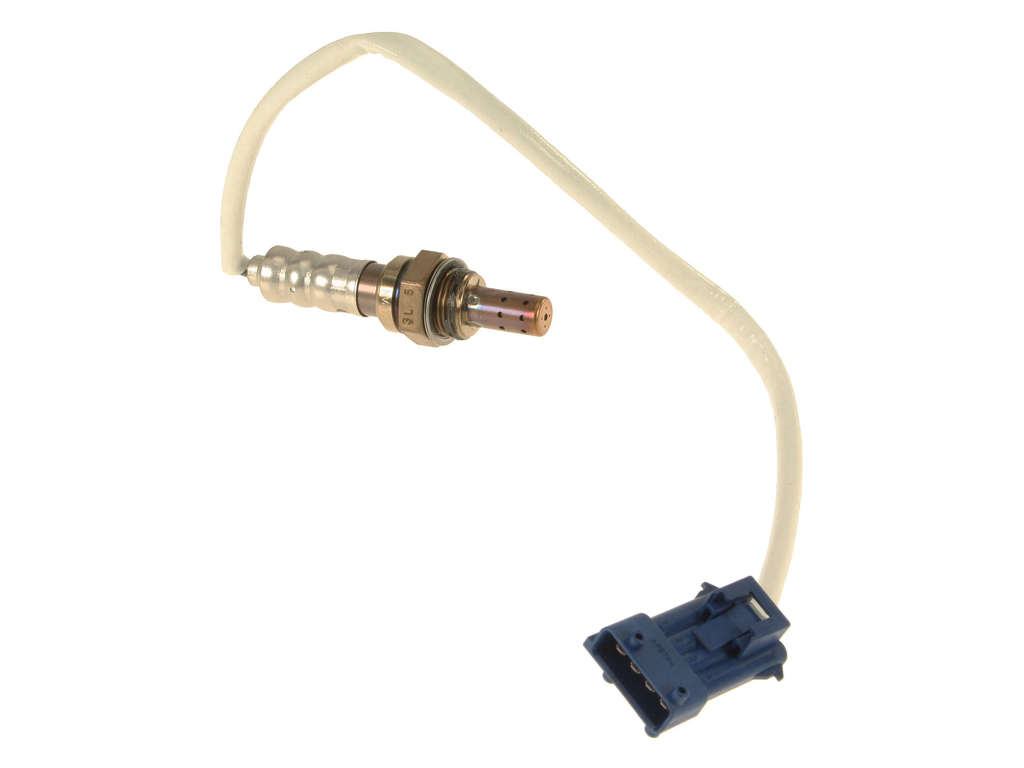
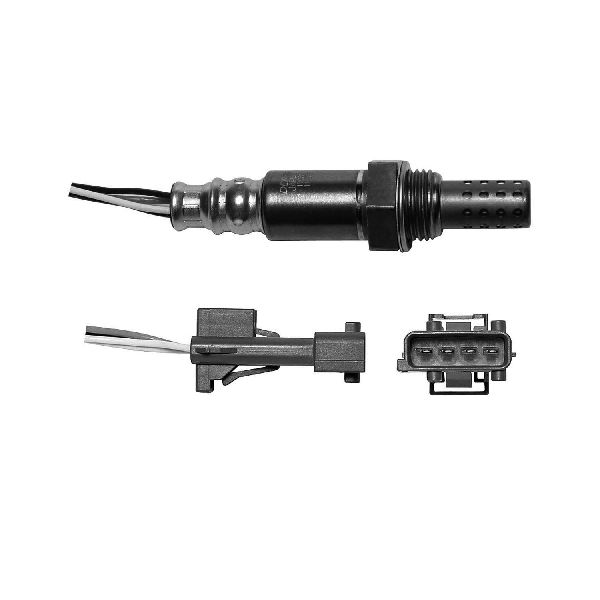
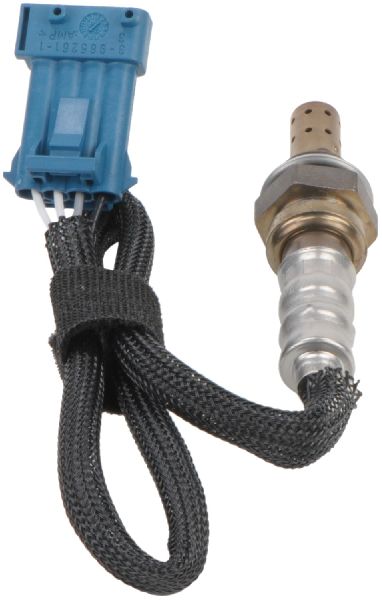
- Downstream Oxygen Sensor (Post-Catalyst)
(OEM #11787548961)— This is the sensor being monitored for the P0139 code. It is a common wear-and-tear item that degrades over time, causing the slow response.
Trusted brands: Bosch (P/N: 17091 is a common direct-fit), NTK, Denso, Genuine Mini
OEM price range: $180-$250
Aftermarket price range: $70-$150
Related Codes That Often Appear With This One
- P0420 — A slow-responding Sensor 2 can sometimes be a precursor to, or be seen with, a P0420 (Catalyst System Efficiency Below Threshold) code, as the sensor's primary job is to provide the data for that catalyst monitor.
- P2187 — In some cases, a lean condition at idle (P2187) might be seen if there's a significant exhaust leak affecting sensor readings, though P2187 is more often related to intake leaks.
Platform-Specific Known Issues
- The exhaust flex pipe on R56 models is a known weak point that can crack and leak, causing O2 sensor-related codes. Always check this area carefully.
- The wiring for the downstream sensor is routed under the car and can be damaged by road debris or improper jacking.
- On N14 turbo models, extreme heat can cause the exhaust manifold gasket to fail, creating a leak right at the source that will affect all O2 sensor readings.
Mechanic-Grade Diagnostic Values
- Downstream O2 Sensor Heater Circuit Resistance — expected: 5.3 to 6.8 ohms (cold). Failure: Open circuit (infinite resistance) or a value significantly outside the expected range. A new Bosch sensor measured 4.8 ohms.
- Downstream O2 Sensor Voltage (Live Data) — expected: Relatively stable voltage between 0.6V and 0.8V when cruising.. Failure: Voltage is stuck (e.g., at 0.3V), flatlined, or swings very slowly during changes in engine load. Should drop sharply to below 0.2V during fuel cut-off on deceleration.
- Circuit resistance from sensor connector to DME — expected: Less than 5 Ω. Failure: Values above 5 Ω suggest corrosion or a damaged wire in the harness.
Hidden / Shadow Codes Worth Checking
- 2A53: Oxygen sensor 2, heating, function. This is the BMW/Mini specific hexadecimal fault code that corresponds to the generic P0036 (Heater Circuit Fault), which often accompanies or precedes a P0139. (see via A BMW/Mini specific scan tool like ISTA, or an advanced scanner capable of reading manufacturer-specific codes (e.g., Foxwell NT510).)
Scan Tool Commands That Help
- ISTA/D or advanced scanner (e.g., Foxwell NT510): Clear adaptations / Reset adaptation values — After replacing an oxygen sensor, it is best practice to reset the engine's learned fuel trim and sensor adaptations. This forces the DME to re-learn values with the new, correctly functioning sensor, preventing potential lingering issues. The process involves navigating to 'Service Functions' or 'Adjustments', selecting 'Motor Electronics', and then 'Clear Adaptations'.
Wiring & Ground Locations
- Engine Ground Strap — On the R56, a primary engine ground strap is bolted to the right-side engine mount (left side when looking at the engine bay) and connects to the chassis.. A corroded or loose main engine ground can cause a host of electrical issues, including erratic sensor readings. While not a direct cause of P0139, an unstable ground can introduce noise into the O2 sensor circuit, potentially affecting its perceived response time. Verifying this ground is clean and tight is a crucial step in diagnosing any electrical fault.
Real Owner Repair Stories
- Reddit r/MechanicAdvice user (2003 VW Golf 2.0L (similar principle)) — Persistent P0139 code, cleared multiple times but always returned. Live data showed sensor voltage stuck at 0.3V.
❌ Tried (didn't work) Clearing the code
✅ What actually fixed it Splicing in a universal Bosch O2 sensor. After replacement, the live data showed a healthy voltage swing between 0.2V and 0.7V. The old sensor was tested with a propane torch and showed a very slow reaction time, confirming it was lazy. - North American Motoring forum user (2010 Mini Clubman S (R55) N14, 110,000 miles) — Check engine light with code 2A53 (P0036 heater circuit), a precursor to P0139.
❌ Tried (didn't work) Replacing the sensor with a cheap aftermarket one (light returned in 50 miles)., Replacing with an NTK 25198 sensor (light returned immediately).
✅ What actually fixed it The user was still diagnosing, but the key takeaway was that even reputable aftermarket brands can sometimes cause issues, and the problem may lie in the wiring or DME if multiple new sensors don't resolve the code. The user confirmed the heater circuit was receiving a signal by testing with a test light.
OEM Part Supersession History
11787548961→11787599942— Standard part evolution and updates by the manufacturer.
Heads up: While many aftermarket brands exist, forum users strongly report that only Genuine MINI, or OEM-supplier brands like NTK, consistently work without issue. Some users report immediate check engine lights with Bosch sensors on this specific application, despite Bosch being an OEM for other brands.
Model Year Variations Within This Range
- 2007-2010 (N12/N14) vs 2011-2013 (N16/N18): The core cause of P0139 (lazy sensor or exhaust leak) is the same, but the engines themselves have differences. The N14 (turbo) is known for higher heat and more issues with timing chains and carbon buildup than the N12 (non-turbo). The later N16/N18 engines were revisions that fixed some of the N12/N14's reliability problems, but the O2 sensor function and diagnosis for P0139 remain fundamentally identical. The same downstream sensor part number is often listed for all four engine variants.
Diagnostic Flowchart
Other Known Issues on This Vehicle
Issues unrelated to this code that are worth knowing about as an owner of this generation:
- Timing Chain Tensioner Failure ('Death Rattle') 🔴 High — Very common, especially on early N14 engines (2007-2010). Can occur as early as 30,000 miles. Characterized by a loud rattling noise on cold starts. (Ref: Mini issued service campaigns and extended warranties for this issue, but many have expired. Check with a dealer for VIN-specific applicability.)
- High-Pressure Fuel Pump (HPFP) Failure 🔴 High — Common failure item, often between 40,000 and 90,000 miles. Symptoms include rough cold starts, stalling, and loss of power. (Ref: An extended warranty (10 years/120,000 miles) was offered for the HPFP, but has likely expired for most vehicles.)
- Intake Valve Carbon Buildup 🟠 Medium — A consequence of the direct-injection N14 engine. Significant buildup can occur every 30,000-50,000 miles, causing misfires and poor performance. Requires manual cleaning (walnut blasting).
- Thermostat Housing Leak 🟠 Medium — The plastic thermostat housing is prone to cracking and leaking coolant, typically after 60,000 miles. Can lead to overheating if not addressed.
- Turbo Oil Line Leaks 🟠 Medium — The oil feed and return lines for the turbocharger on N14 engines can leak oil onto the hot exhaust components, creating a fire risk and oil loss.
- Excessive Oil Consumption 🟠 Medium — Particularly prevalent in the N14 engine due to PCV system design and piston ring issues. Owners should check oil levels frequently, as often as every few fuel fill-ups.
Used vs. New Parts: Buying Guide for This Vehicle
When a used part is the smart pick: For this repair, a used part is almost never a smart choice. The primary failure part, the oxygen sensor, is a wear-and-tear item with a finite lifespan. Installing a used sensor is implanting a part that is already partially through its service life and may fail soon.
Donor-vehicle mileage cap: roughly under 20000 miles for the part to have meaningful remaining life.
What to inspect on the donor part:
- If forced to use a used sensor, source it from the lowest-mileage donor vehicle possible.
- Inspect the wiring and connector for any signs of melting, corrosion, or physical damage.
- Avoid sensors from vehicles that show signs of burning oil or coolant, as contaminants will have fouled the sensor.
OEM-only on this vehicle (don't cheap out):
- Oxygen Sensor
Aftermarket brands forum-validated for this vehicle:
- NTK (OEM supplier for Mini)
- Genuine Mini
Brands owners have reported issues with on this vehicle:
- Bosch (While a quality brand for many applications, multiple Mini owners report compatibility issues and immediate check engine lights with Bosch sensors for this specific vehicle)
- Generic/unbranded 'eBay' or 'Amazon' sensors (These are a gamble and frequently fail to work correctly, leading to wasted time and money)
Real Owner Stories
Aggregated from forums and TSBs cited above. Mileages and costs reflect what owners reported in those sources.
2007-2013 Mini Cooper R56
Symptoms: The owner was quoted $380 for a sensor replacement and was seeking advice on whether it was a DIY task and how many sensors the vehicle had.
What fixed it: Forum members confirmed the feasibility of a DIY replacement of the oxygen sensor and directed the user to DIY guides and parts suppliers.
Cost: $70-$380
Source hint: Mini Cooper Forums - O2 Sensor Replace / DIY?
2007-2013 Mini Cooper (N12/N14)
Symptoms: Discussions regarding P0139 codes where users were identifying the primary culprits for the slow response code.
What fixed it: The consensus among users was that the fix involved either replacing a bad sensor or repairing an exhaust leak.
Source hint: North American Motoring - P0139 codes
2007-2013 Mini Cooper R56
Symptoms: Check engine light with P0139; discussions emphasized that the downstream sensor is the most frequent failure point.
What fixed it: Replacing the downstream O2 sensor, though users noted that checking for exhaust leaks first is a critical diagnostic step.
Source hint: Reddit (r/MechanicAdvice, r/MINI)
Related OBD-II Codes
Frequently Asked Questions
Is the P0139 code related to the 'Death Rattle' timing chain issue common on my 2008 Mini Cooper S?
My mechanic quoted me nearly $400 to fix this. Is it a manageable DIY job for an R56 owner?
Could a leak in my Mini's exhaust flex pipe cause the P0139 code?
Does the N14 turbo engine have specific issues that cause O2 sensor codes?
I have a Peugeot 207 with the same engine; is the P0139 fix the same as the Mini Cooper?
How long should the oxygen sensors last on my 2011 Mini Cooper before I see a P0139?
Helpful Videos
We Have This Part in Stock

The information in this article is provided for general reference and educational purposes only. Vehicle specifications, procedures, and part compatibility can vary by production date, trim level, and region. Always consult your vehicle's factory service manual and verify part numbers before purchasing or performing repairs. Safety-critical components such as airbags, seat belts, and braking systems should be installed by a qualified professional.
- Mini Cooper:
- 🧭 Diagnostic Flowchart
- 🎬 Helpful Videos
- 🛍️ Shop This Part
- What's Unique About the 2007-2013 Mini Cooper
- Symptoms You May Notice
- Most Likely Causes
- Rare But Worth Checking
- Diagnosis Steps
- Parts You'll Likely Need
- Related Codes That Often Appear With This One
- Platform-Specific Known Issues
- Mechanic-Grade Diagnostic Values
- Hidden / Shadow Codes Worth Checking
- Scan Tool Commands That Help
- Wiring & Ground Locations
- Real Owner Repair Stories
- OEM Part Supersession History
- Model Year Variations Within This Range
- Other Known Issues on This Vehicle
- Used vs. New Parts: Buying Guide for This Vehicle
- Real Owner Stories
- 2007-2013 Mini Cooper R56
- 2007-2013 Mini Cooper (N12/N14)
- 2007-2013 Mini Cooper R56
- Related OBD-II Codes
- Frequently Asked Questions
- 🎟️ Get 5% Off