

P0139 on 2003-2006 Mitsubishi Lancer Evolution: Slow Rear O2 Sensor Causes and Fixes
P0139 on an Evo VIII or IX almost always means the rear (downstream) oxygen sensor is failing or there's an exhaust leak. If you have an aftermarket test pipe or high-flow cat, that is likely the cause. A replacement OEM-style sensor costs between $60 and $150 and is a straightforward DIY fix. Disabling the check in the ECU is a common workaround for modified cars.
- P0139 points specifically to the REAR (post-catalytic converter) O2 sensor.
- Before buying parts, always check for exhaust leaks between the engine and the rear sensor.
- If your car has a test pipe or high-flow cat, this is the most likely cause of the code.
- The rear O2 sensor is a common wear item; if the car has over 80,000 miles and the exhaust is stock, the sensor is the primary suspect.
- Verify the correct part number for your specific year (Evo VIII vs. Evo IX) as they can be different.
What's Unique About the 2003-2006 Mitsubishi Lancer Evolution
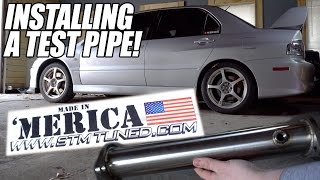
The Lancer Evolution community is heavily focused on performance modification. A very common cause for P0139 on the 4G63 platform is the installation of an aftermarket 'test pipe' (which removes the catalytic converter) or a high-flow catalytic converter. These parts alter the exhaust flow and chemistry, often causing the stock rear O2 sensor to respond in a way the factory ECU interprets as 'slow,' even if the sensor itself is perfectly healthy. As a result, many owners in enthusiast forums discuss disabling this code in the ECU tune rather than chasing a mechanical 'fix'. Some owners attempt to use multiple spark plug non-foulers to space the sensor out of the direct exhaust stream, with mixed results.
Generation note: This guide covers the Lancer Evolution VIII (2003-2005) and Evolution IX (2006). While they share the 4G63 engine, the rear oxygen sensor part number can differ based on the specific model year and production date. The Evo IX also introduced MIVEC variable valve timing, but the diagnostic principles for this code remain the same. The front and rear O2 sensors are physically different and use different part numbers.
Symptoms You May Notice
- Check Engine Light is on
- Failing a state emissions inspection
- Slightly reduced fuel economy (uncommon)
- Rough idle or stalling on deceleration (rare, if the issue is caused by a significant exhaust leak or other related problem)
- Replacing the front (upstream) oxygen sensor. The front sensor (Air/Fuel Ratio sensor) is responsible for fuel trims, while P0139 specifically refers to the rear (downstream) sensor which monitors the catalyst.
- Immediately replacing the rear O2 sensor on a modified car without considering that the aftermarket test pipe or high-flow cat is the true cause.
Most Likely Causes
- Failing or Aged Rear Oxygen Sensor 🔴 High Probability → Shop Oxygen Sensor Oxygen sensors are wear items. After 80,000+ miles, contamination from exhaust byproducts, oil, or coolant can make them 'lazy,' slowing their response time. This is the most common cause on an otherwise stock vehicle.
How to confirm: Using a scan tool, graph the voltage for 'Bank 1 Sensor 2'. On a healthy car, the voltage should be relatively stable. During a forced rich/lean condition or deceleration, a slow sensor will show a very gradual voltage change instead of a quick switch. A healthy sensor should switch rapidly.
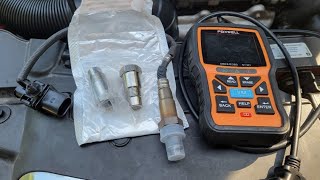
Typical fix: Replace the rear (downstream) oxygen sensor. 🎬 See this step-by-step O2 sensor replacement guide
Est. part cost: $60-$180 - Aftermarket Exhaust (Test Pipe or High-Flow Cat) 🔴 High Probability This is extremely common in the Evo community. Removing the stock catalytic converter or using a less restrictive one changes the sensor's readings, often triggering P0139. The ECU expects a certain level of oxygen storage from the catalyst, and without it, the rear O2 sensor's readings can mimic the front sensor's, which the ECU interprets as a fault.
How to confirm: Visually inspect the exhaust system. If the catalytic converter has been replaced with a straight pipe ('test pipe') or a small, metallic-core 'high-flow' unit, this is the likely cause.
Typical fix: Reinstall the factory catalytic converter. Alternatively, many owners use a software patch in the ECU to disable the rear O2 sensor check, or use a mechanical O2 sensor spacer (a 'non-fouler' or 'J-pipe' style CEL fix), though the latter is less reliable and may still throw the code.
Est. part cost: $20-$50 for a spacer; $0 for an ECU patch if you have tuning software. - Exhaust System Leak 🟡 Medium Probability Exhaust gaskets and flex pipes can degrade over time. Leaks are common, especially on modified, hard-driven vehicles. A leak before the rear O2 sensor allows outside air into the exhaust stream, skewing the sensor's readings and causing a slow response code.
How to confirm: Perform a visual inspection of the exhaust system from the turbo outlet to the rear sensor, looking for black soot trails near flanges and welds. A common method is to have the engine running and carefully feel for escaping exhaust gases or use a smoke machine to pinpoint the leak.
Typical fix: Replace the leaking gasket or repair the cracked exhaust component.
Est. part cost: $10-$50 - Damaged Wiring or Connectors ⚪ Low Probability
How to confirm: Visually inspect the oxygen sensor's wiring harness from the sensor to where it passes through the vehicle floor. Look for any signs of melting, chafing against the driveshaft or exhaust, or corrosion in the connector plug, which is typically located under the center console or rear seat area.
Typical fix: Repair the damaged section of the harness or clean/replace the connector.
Est. part cost: $5-$30
Rare But Worth Checking
- Failing Engine Control Module (ECM): → Shop Engine Control Module (ECM) This is very unlikely. Before condemning the ECM, all other possibilities, especially the sensor, wiring, and exhaust leaks, must be exhaustively ruled out. A potential, though rare, cause could be a delay in the PCM's internal signal processing.
Diagnosis Steps
- Scan for any other trouble codes. If codes for misfires (P030x) or lean/rich conditions (P0171/P0172) are present, address them first as they can affect the O2 sensor readings.
- Perform a thorough visual inspection of the exhaust system. Look for cracks or black soot marks at all flanges and welds between the engine and the rear O2 sensor, which indicate a leak. Pay close attention to the donut gasket between the catalytic converter (or test pipe) and the cat-back exhaust.
- Inspect the rear O2 sensor's wiring harness for any signs of melting, chafing, or physical damage. The harness runs under the car and can be vulnerable.
- If you have a scan tool with live data graphing, monitor the voltage of 'Bank 1 Sensor 2'. A healthy rear O2 sensor on a car with a warm, stock catalytic converter should show a relatively steady voltage. A sensor causing P0139 will often appear 'lazy,' with slow, delayed voltage changes during throttle changes or deceleration.
- Check for aftermarket modifications. If a test pipe or high-flow cat is installed, this is the most probable cause. The fix is either reinstalling the OEM cat or using a tuning solution to disable the code.
- If an exhaust leak is found, repair it, clear the codes, and drive to see if the code returns.
- If no leaks are found, the exhaust is stock, and the wiring is intact, the most likely cause is the sensor itself. Replace the rear oxygen sensor.
Parts You'll Likely Need
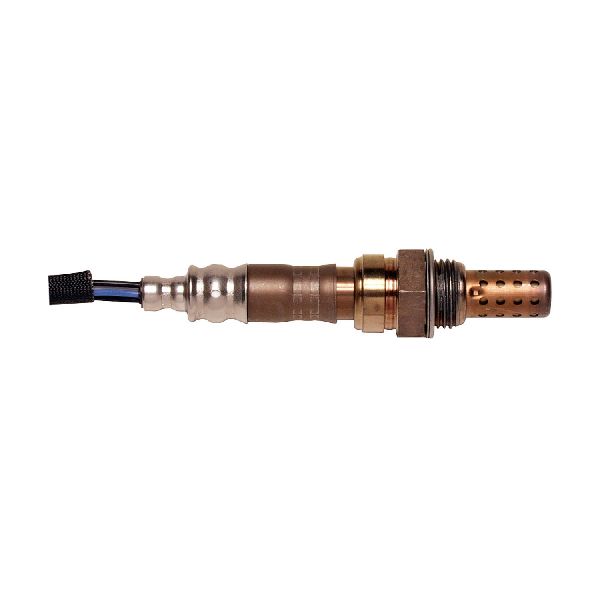
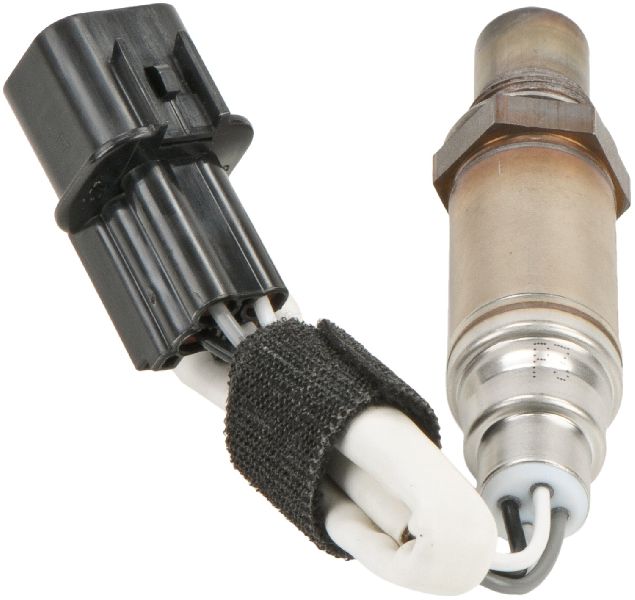
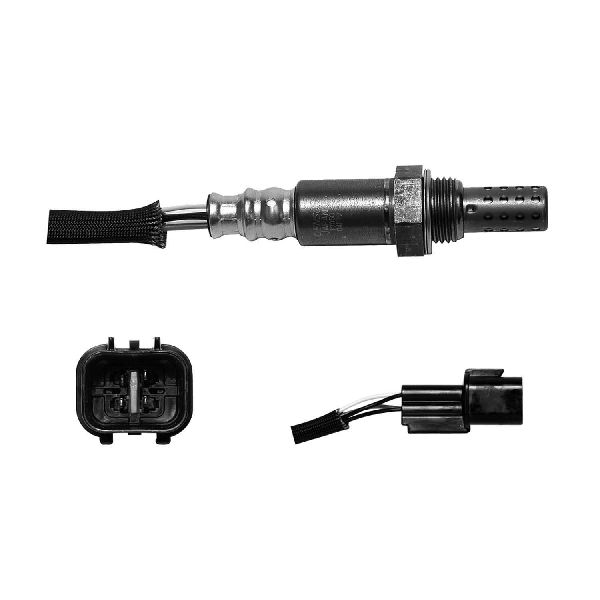
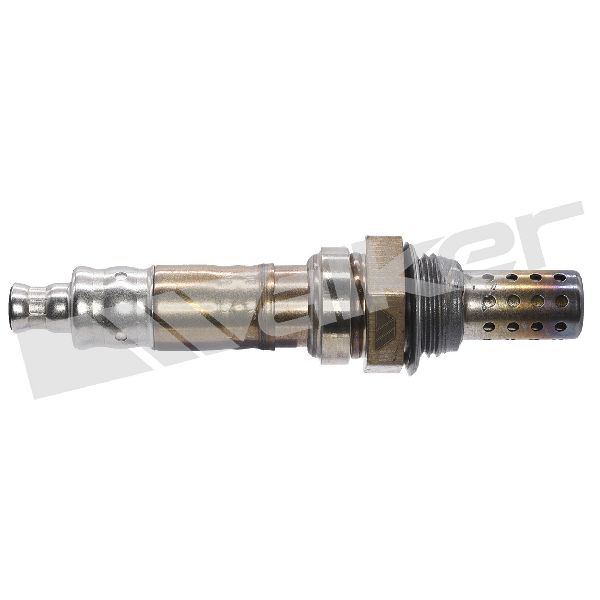
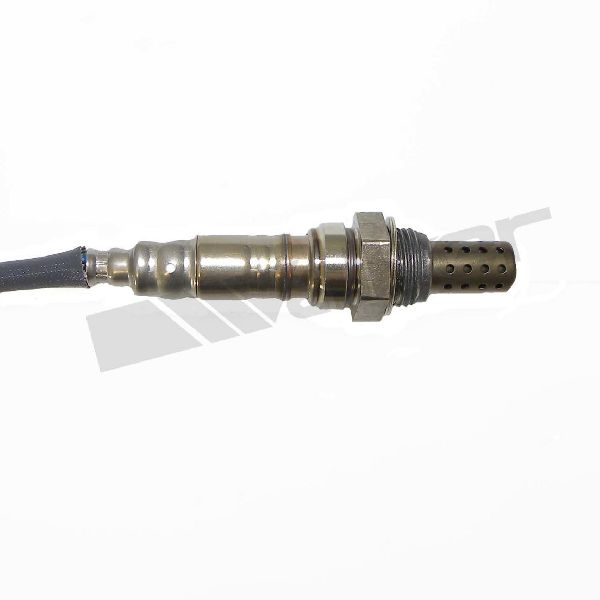
- Rear Oxygen Sensor
(OEM #MN153010 (Common for Evo 8/9, but verify by VIN))— This is the most common part to fail and cause a P0139 code on stock vehicles. The part number MN153010 is widely cited for Evo 7-9. Aftermarket equivalents are a popular cost-saving measure.
Trusted brands: Mitsubishi (OEM), Denso (e.g., 234-4741, which cross-references to multiple Mitsubishi numbers including MN153010), NGK/NTK (e.g., 24688 for 2004-2006 models)
OEM price range: $180-$250
Aftermarket price range: $60-$120 - Exhaust Gasket (Donut or Flat) — If an exhaust leak is the cause of the code, the gasket between the catalytic converter and cat-back exhaust is a common culprit.
Trusted brands: GrimmSpeed, Fel-Pro, Bosal
OEM price range: $20-$40
Aftermarket price range: $10-$25 - O2 Sensor Spacer / CEL Fix — Used to pull the O2 sensor out of the direct exhaust stream on cars with a test pipe or high-flow cat to prevent P0139/P0420. Effectiveness varies. Often called a 'non-fouler' fix.
Trusted brands: Vibrant Performance, Blox Racing, Generic (e.g., Dorman 42002 spark plug non-foulers)
OEM price range: N/A
Aftermarket price range: $10-$50
Related Codes That Often Appear With This One
- P0420 — P0420 (Catalyst System Efficiency Below Threshold) is often seen with P0139 because the ECM uses the rear O2 sensor's readings to determine if the catalytic converter is working. A slow or faulty sensor can provide bad data, leading the ECM to incorrectly flag the catalyst as inefficient.
Technical Service Bulletins (TSBs) & Recalls
- While no TSB was found specifically for the 2003-2006 Lancer Evolution and P0139, Mitsubishi has issued TSBs for other models, like TSB-16-13-002 for the 2014-2016 Outlander. This TSB notes that false P0139 codes can be set during fuel cut operations and provides an ECM software update to optimize the malfunction threshold. This indicates a history of the diagnostic being overly sensitive, a trait likely shared by the Evo's ECU. Specifically, Bulletin #TSB-16-13-002 instructs dealers to reprogram the ECM with new software to address false MIL illumination with DTC P0139.
Platform-Specific Known Issues
- Owner Experience: Chasing P0139 with a High-Flow Cat: An owner on EvolutionM.net reported getting a persistent P0139 code immediately after switching from a catless 'test pipe' to a high-flow catalytic converter. Despite the presence of a catalyst, the flow was still different enough from stock to trigger the 'slow response' logic. This highlights that even with a cat present, if it's not the OEM unit, the code can still appear.
- The 'Non-Fouler' Stacking Method: A common DIY fix discussed on forums involves stacking two spark plug non-foulers (Dorman part #42002 is often cited) to create a spacer for the rear O2 sensor. One user on EvolutionM.net detailed trying one, then two, then three foulers to try and defeat the P0139 code after installing a test pipe, showing the trial-and-error nature of this workaround.
- The Software Solution: Disabling the Check in ECUFlash: For owners with test pipes or high-flow cats who do not need to pass emissions tests, the most common and permanent fix is to use tuning software like EcuFlash with the TephraMod patch to disable the ECU's check for the rear O2 sensor. This involves modifying the ROM file to ignore the P0139 and P0420 codes, preventing the Check Engine Light from illuminating. This is considered the standard procedure in the modified Evo community.
Mechanic-Grade Diagnostic Values
- Rear O2 Sensor (B1S2) Voltage Drop During Fuel Cut — expected: Voltage should drop below 0.2 volts within 6 seconds of initiating fuel cut (e.g., coasting in gear).. Failure: If the voltage remains above 0.2 volts for more than 6 seconds during fuel cut, the ECU will flag the sensor as 'slow' and set P0139.
- Rear O2 Sensor Heater Circuit Resistance — expected: 4.5 - 8.0 Ω at 20°C (68°F). Failure: An open circuit (infinite resistance) or a value outside the specified range indicates a failed heater element. While this typically sets a heater circuit code (like P0037), a malfunctioning heater can prevent the sensor from reaching operating temperature, causing a slow response.
- Rear O2 Sensor Voltage at Idle (Stock Catalytic Converter) — expected: Relatively stable voltage, typically between 0.45V and 0.8V on a fully warm engine and catalytic converter.. Failure: Wild fluctuations similar to the front O2 sensor, or a voltage that is stuck and doesn't respond to changes, can indicate a problem.
Scan Tool Commands That Help
- Mitsubishi M.U.T.-III or equivalent professional scan tool: Live Data Graphing: 'Data List Item AD - Heated Oxygen Sensor (rear)' — This is the primary method for diagnosing P0139. It allows a technician to visually confirm if the sensor's voltage is responding slowly during deceleration (fuel cut) events, directly observing the condition that sets the code.
- EcuFlash (with Tactrix OpenPort 2.0): ROM Patching / Peripheral Bit Modification — This is not a diagnostic command, but a common 'fix' in the Evo community for cars with aftermarket exhausts. Users modify the ECU's software to disable the diagnostic checks for P0139 and P0420, preventing the CEL. Patches like TephraMod streamline this process.
Wiring & Ground Locations
- Rear O2 Sensor Signal Wire at ECU — Pin 75 or Pin 40 on the Engine Control Module (ECM) connector. Pin numbers can vary by model year and transmission type (M/T vs A/T).. This is the pin where the ECM receives the voltage signal from the rear O2 sensor. Probing here can confirm if the signal is reaching the ECM correctly, helping to rule out a wiring break between the sensor and the ECM.
- Rear O2 Sensor Ground Wire at ECU — Pin 92 or Pin 41 on the Engine Control Module (ECM) connector. Pin numbers can vary.. The sensor requires a solid ground to function correctly. This ground is provided and monitored by the ECM. A poor connection at this pin or in the harness can cause erratic or slow readings, triggering P0139.
- Engine-to-Chassis Ground Straps — Multiple locations, including braided cables from the engine block/transmission to the chassis firewall or frame rails. A key ground is often located on the driver's side of the engine bay near the intake manifold.. The entire engine sensor system relies on a stable ground reference. Corroded or broken engine-to-chassis ground straps are a common issue on older vehicles and can cause a host of intermittent electrical problems, including faulty sensor readings that could lead to a P0139 code.
Real Owner Repair Stories
- EvolutionM.net user (2003-2006 Lancer Evolution) — Persistent P0139 and P0420 codes after installing a test pipe (de-cat).
❌ Tried (didn't work) Using a single spark plug non-fouler as a spacer., Stacking two non-foulers.
✅ What actually fixed it The user ultimately resorted to a software fix, using EcuFlash to apply a patch that disables the rear O2 sensor checks within the ECU's programming. This is the most common resolution for modified cars. - EvolutionM.net user (Lancer Evolution with P0134 (No Activity) code, but relevant to sensor replacement.) — Check Engine Light for front O2 sensor, car running poorly.
❌ Tried (didn't work) Replacing the front O2 sensor with a new Denso 234-4741.
✅ What actually fixed it The new Denso sensor caused the car to run significantly worse, with AFRs swinging wildly and entering limp mode. The user suspected the new sensor was faulty out of the box. This story serves as a caution that even correct replacement parts can be defective and that part replacement can sometimes introduce new variables.
OEM Part Supersession History
MN153010, MR578532, MN191125, 1588A119→Discontinued by Mitsubishi— End of life for the vehicle platform.
Heads up: Mitsubishi used several different part numbers for the rear O2 sensor depending on the exact production date of the Evo 8 and for the Evo 9. All are now reportedly discontinued by Mitsubishi. This forces owners to use aftermarket alternatives, where cross-reference errors are possible. For example, Denso 234-4741 is often cross-referenced but is listed by some vendors as a FRONT sensor, creating significant confusion. Always verify fitment by application, not just part number cross-reference.
Model Year Variations Within This Range
- 2003-2005 vs 2006: The specific OEM part number for the rear oxygen sensor changes based on production date and model year. For example, an Evo 8 built between Dec 2002 and Sep 2003 used p/n MR578532, while later Evo 8s used MN191125. The Evo 9 used 1588A119. While functionally similar, using the wrong sensor could lead to fitment or communication issues.
Diagnostic Flowchart
Other Known Issues on This Vehicle
Issues unrelated to this code that are worth knowing about as an owner of this generation:
- Transfer Case (T-Case) Failure 🔴 High — Common, especially on aggressively launched or high-power cars. Often presents as a 'death whine' before total failure. Can also fail from fluid contamination between the t-case and transmission.
- Active Yaw Control (AYC/ACD) Pump Failure 🟠 Medium — Very common on Evo IX and later models (and non-USDM Evo VIIIs) with this system. The pump is located under the car and is prone to corrosion from moisture and road salt, leading to failure. Relocation kits are a popular preventative fix.
- Clutch and Transmission Wear 🟠 Medium — The OEM clutch is a known weak point, especially with increased power. Early Evo VIIIs had issues with transmission bearings, and the 6-speed in the MR models is generally considered weaker than the 5-speed when subjected to abuse.
- Front Crossmember Corrosion 🔴 High — Affects cars in regions with road salt use. The front crossmember can rust to the point of structural failure, causing the lower control arms to detach. (Ref: SR-16-003 / NHTSA Campaign 16V248000)
- HVAC Control Mechanism Failure 🟡 Low — A common annoyance where the cables/gears behind the HVAC control knobs bind or break, making it difficult to change temperature or vent settings.
Used vs. New Parts: Buying Guide for This Vehicle
When a used part is the smart pick: For this code, a used OEM catalytic converter is a smart choice if you are trying to revert a modified car (with a test pipe) back to stock to pass emissions. A used cat-back exhaust section can also be a cost-effective way to fix a leak from a cracked pipe.
Donor-vehicle mileage cap: roughly under 80000 miles for the part to have meaningful remaining life.
What to inspect on the donor part:
- For a catalytic converter, inspect the honeycomb structure to ensure it is intact and not melted or clogged.
- For exhaust components, check for thin, heavily rusted metal, cracks near welds, and damaged flange surfaces.
- Avoid buying used oxygen sensors. They are a wear item and have a finite lifespan; a used one is likely to fail soon.
Aftermarket brands forum-validated for this vehicle:
- Denso (often the OEM supplier)
- NGK / NTK
Brands owners have reported issues with on this vehicle:
- Unnamed, generic 'eBay' or 'Amazon' sensors. While cheap, they have a very high failure rate and can cause diagnostic headaches.
Real Owner Stories
Aggregated from forums and TSBs cited above. Mileages and costs reflect what owners reported in those sources.
2004 Mitsubishi Lancer Evolution 4G63T
Symptoms: Persistent P0139 code immediately after switching from a catless 'test pipe' to a high-flow catalytic converter.
What fixed it: The owner noted that even with a catalyst present, the flow triggered the code, suggesting the need for a software or mechanical fix as the high-flow unit did not satisfy the ECU.
Source hint: EvolutionM.net - Thread 'Cel Code P0139' (2004)
2010 Mitsubishi Lancer Evolution (Context of forum discussion)
Symptoms: P0139 Slow Response o2 sensor! after installing a test pipe.
What fixed it: Attempted to defeat the code by stacking multiple spark plug non-foulers (Dorman part #42002), trying up to three spacers in a trial-and-error approach.
Source hint: EvolutionM.net - Thread 'P0139 Slow Response o2 sensor!' (2010)
2010 Mitsubishi Lancer Evolution (Context of ECU tuning discussion)
Symptoms: Running cat-less and needing to prevent the Check Engine Light from illuminating due to P0139.
What fixed it: Using EcuFlash with the TephraMod patch to modify the ROM file to ignore the P0139 and P0420 codes.
Source hint: EvolutionM.net - Thread 'Disable P0139?' (2010)
Related OBD-II Codes
Frequently Asked Questions
Does Mitsubishi TSB-16-13-002 apply to my 2003-2006 Lancer Evolution?
I just installed a high-flow catalytic converter on my Evo and got a P0139; isn't the cat supposed to prevent this?
What is the standard way to fix P0139 on a modified Evo with a test pipe?
Can I use a spark plug non-fouler to fix this code?
Where is the rear O2 sensor connector located on the 2003-2006 Evolution?
My Evo has over 80,000 miles and is stock; what is the most likely cause of P0139?
Helpful Videos
We Have This Part in Stock


The information in this article is provided for general reference and educational purposes only. Vehicle specifications, procedures, and part compatibility can vary by production date, trim level, and region. Always consult your vehicle's factory service manual and verify part numbers before purchasing or performing repairs. Safety-critical components such as airbags, seat belts, and braking systems should be installed by a qualified professional.
- Mitsubishi Lancer Evolution:
- 🧭 Diagnostic Flowchart
- 🎬 Helpful Videos
- 🛍️ Shop This Part
- What's Unique About the 2003-2006 Mitsubishi Lancer Evolution
- Symptoms You May Notice
- Most Likely Causes
- Rare But Worth Checking
- Diagnosis Steps
- Parts You'll Likely Need
- Related Codes That Often Appear With This One
- Technical Service Bulletins (TSBs) & Recalls
- Platform-Specific Known Issues
- Mechanic-Grade Diagnostic Values
- Scan Tool Commands That Help
- Wiring & Ground Locations
- Real Owner Repair Stories
- OEM Part Supersession History
- Model Year Variations Within This Range
- Other Known Issues on This Vehicle
- Used vs. New Parts: Buying Guide for This Vehicle
- Real Owner Stories
- 2004 Mitsubishi Lancer Evolution 4G63T
- 2010 Mitsubishi Lancer Evolution (Context of forum discussion)
- 2010 Mitsubishi Lancer Evolution (Context of ECU tuning discussion)
- Related OBD-II Codes
- Frequently Asked Questions
- 🎟️ Get 5% Off