

P0139 on 2014-2020 Mitsubishi Outlander: Slow O2 Sensor Causes and Fixes
On 2014-2016 Outlanders with the 2.4L engine, code P0139 is often caused by a software glitch requiring a dealer ECM update (TSB-16-13-002). For all years, the next most likely cause is a failing downstream (rear) oxygen sensor, which costs about $50-$150 for the part. Before replacing parts on affected model years, verify the TSB has been performed.
- For a 2014-2016 Outlander 2.4L, the very first step is to check if TSB-16-13-002 (an ECM software update) has been performed.
- If the TSB doesn't apply or has been done, the most common fix is replacing the rear (downstream) oxygen sensor (Bank 1, Sensor 2).
- Before replacing the sensor, always perform a quick visual check for obvious exhaust leaks or damaged wiring, as these can also trigger the code.
- Driving with a P0139 code is generally safe but will cause you to fail an emissions test and may slightly reduce fuel economy.
What's Unique About the 2014-2020 Mitsubishi Outlander
For 2014-2016 Outlanders with the 2.4L engine, this code is frequently a "false positive." Mitsubishi issued Technical Service Bulletin TSB-16-13-002 because the original ECM software had an overly sensitive malfunction threshold for the rear O2 sensor's response time during normal fuel-cut operations. Before replacing any parts on these specific model years, the first step should be checking if this software update has been performed. For later models in this range, the cause is more likely a standard component failure.
Symptoms You May Notice
- Check Engine Light is illuminated.
- Failing a state emissions or smog test.
- Slight decrease in fuel economy (often not noticeable).
- Rough idle or hesitation on acceleration after decelerating (rare).
- Replacing the oxygen sensor on a 2014-2016 model without first checking for the required ECM software update. Owners on forums report replacing the sensor multiple times only to have the code return because the root cause was software.
Most Likely Causes
- ECM Software Requires Update 🔴 High Probability A specific Technical Service Bulletin (TSB-16-13-002) was issued for 2014-2015 models and 2016 models built before March 24, 2016, with the 2.4L engine due to overly sensitive monitoring thresholds in the original software, causing false P0139 codes.
How to confirm: A Mitsubishi dealer can check the vehicle's service history or connect their MUT-III scan tool to see if the reprogramming has been performed. This is the first step for any 2014-2016 Outlander (check build date) with this code.
Typical fix: Reprogramming the Engine Control Module (ECM) with the updated software provided by Mitsubishi.
Est. part cost: $0 (if under warranty) or ~$150 (dealer labor) - Failing Rear (Downstream) Oxygen Sensor 🔴 High Probability → Shop Oxygen Sensor Oxygen sensors are wear items that degrade over time, typically after 80,000-100,000 miles. Contamination from exhaust byproducts, oil, or coolant slows their chemical reaction. This is the most common hardware failure for P0139 on any vehicle, including Outlanders not covered by the TSB.
How to confirm: Using a scan tool with live data, graph the Bank 1 Sensor 2 voltage. A healthy downstream sensor shows slow, lazy switching, generally staying steady above 0.5V. A bad sensor might be completely flatlined (e.g., stuck at 0.3V) or respond too slowly to forced rich/lean conditions created by snapping the throttle.
Typical fix: Replace the Bank 1, Sensor 2 oxygen sensor. This sensor is located on the exhaust pipe after the catalytic converter and is accessible from underneath the vehicle.
Est. part cost: $50-$150 - Exhaust Leak 🟡 Medium Probability Rust and corrosion can cause cracks or gasket failures in the exhaust system, particularly at the manifold or flex pipe. An exhaust leak before the rear O2 sensor allows outside air to enter the exhaust stream, which the sensor reads as a lean condition, altering its expected response time.
How to confirm: Perform a visual inspection of the exhaust system from the engine to the tailpipe, looking for black soot marks, cracks, or holes. A common method is to have a helper briefly block the tailpipe while the engine is running to make leaks more audible (hissing or puffing sounds). A pro tip is to listen for a ticking noise on a cold start that disappears as the engine warms up and the metal expands.
Typical fix: Repair the leak by replacing the damaged exhaust section, gasket, or flex pipe.
Est. part cost: $20-$300 - Damaged Wiring or Connectors ⚪ Low Probability The O2 sensor wiring runs under the vehicle and is exposed to heat, moisture, and road debris, which can cause corrosion, chafing, or breaks over time.
How to confirm: Visually inspect the wiring harness and connector for the downstream O2 sensor. Look for any signs of melting, corrosion on the pins, frayed wires, or loose connections. Use a multimeter to check for continuity and proper voltage at the connector.
Typical fix: Repair the damaged section of the wiring harness or replace the connector pigtail.
Est. part cost: $15-$50
Rare But Worth Checking
- Failing Powertrain Control Module (PCM): → Shop Engine Control Module (ECM) This is extremely rare. Before condemning the PCM, all other possibilities, especially the TSB, the sensor itself, wiring, and exhaust leaks, must be exhaustively ruled out.
- Low-Quality Aftermarket Sensor: Cheap, universal-fit oxygen sensors may not have the precise response characteristics the Mitsubishi ECM expects, leading to a P0139 code even with a new part. It is highly recommended to use OEM or high-quality direct-fit replacements from brands like Denso or NTK.
Diagnosis Steps
- Check for TSBs: If you have a 2014-2015 Outlander or a 2016 Outlander built before March 24, 2016 (with the 2.4L engine), your first step is to contact a Mitsubishi dealer and inquire about TSB-16-13-002. If the update has not been performed, this is the most likely fix.
- Scan for Codes: Read all codes stored in the ECM. Note any other codes that may be present, especially P0171 or P0420, and address them in the correct order.
- Inspect for Exhaust Leaks: Visually inspect the entire exhaust system for signs of leaks, such as cracks, rust holes, or black soot trails, especially between the catalytic converter and the rear O2 sensor. Listen for hissing or ticking sounds with the engine running, particularly when cold.
- Inspect Wiring: Carefully examine the wiring harness and connector for the rear O2 sensor. Look for any signs of damage, melting on the exhaust, or corrosion in the connector pins.
- Analyze Live Data: Use an OBD-II scanner with live data graphing to observe the voltage of 'Bank 1, Sensor 2'. A healthy sensor should show a relatively steady voltage above 0.5V when cruising. During a deceleration fuel-cut event, the voltage should drop below 0.2V in under 7 seconds. A sensor that is stuck (e.g., at 0.3V) or responds very slowly is faulty.
- Test the Sensor: If the visual inspections and live data are inconclusive, the sensor itself is the most likely culprit. Replace the Bank 1, Sensor 2 oxygen sensor, preferably with an OEM or high-quality aftermarket part.
- Clear Codes and Test Drive: After any repair, clear the trouble codes with a scanner and perform a test drive that includes deceleration to ensure the code does not return.
Parts You'll Likely Need
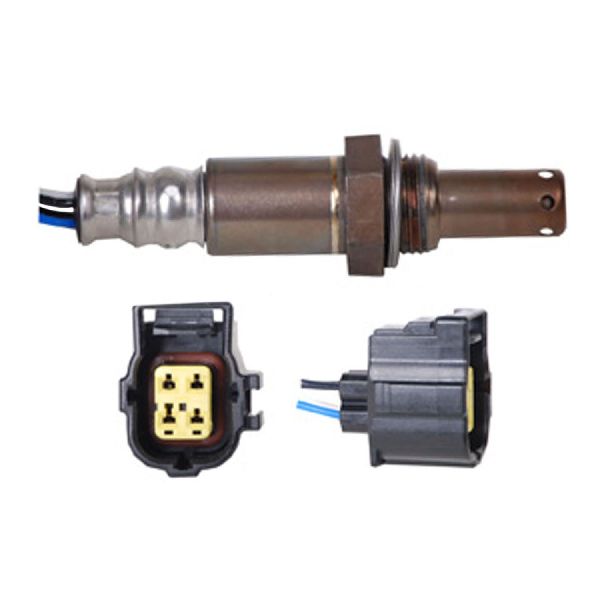
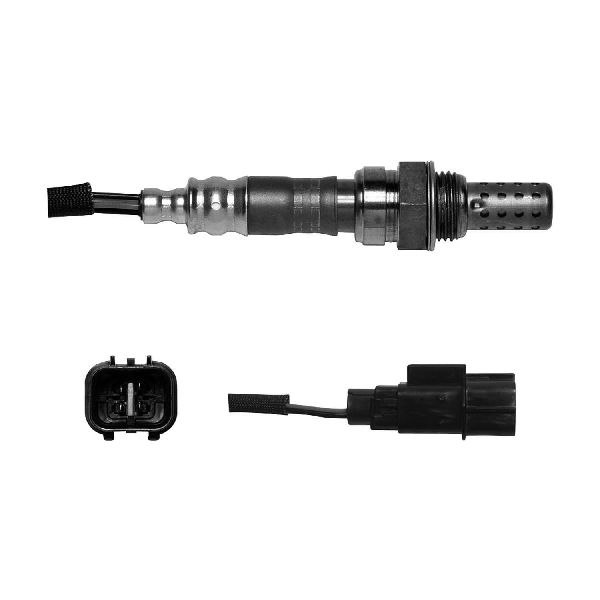
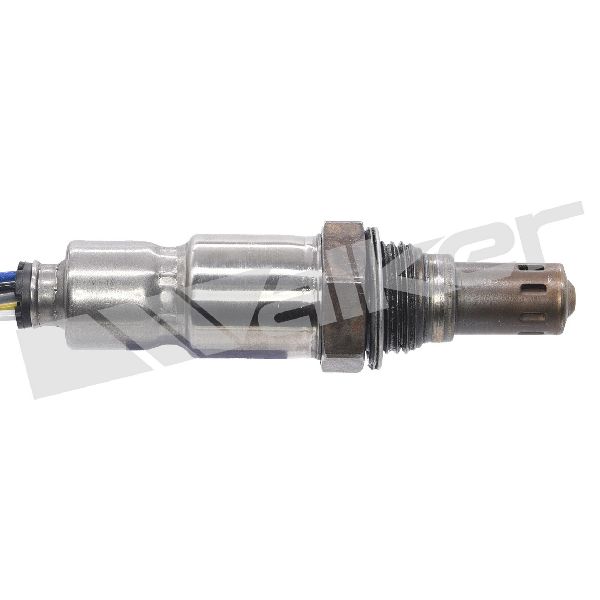
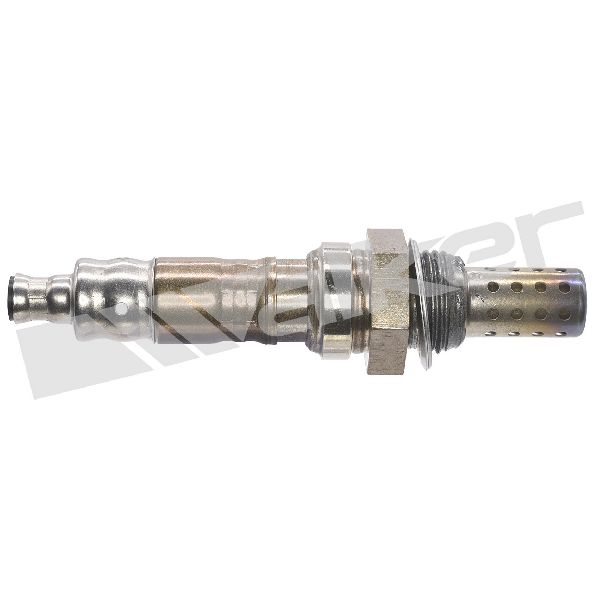
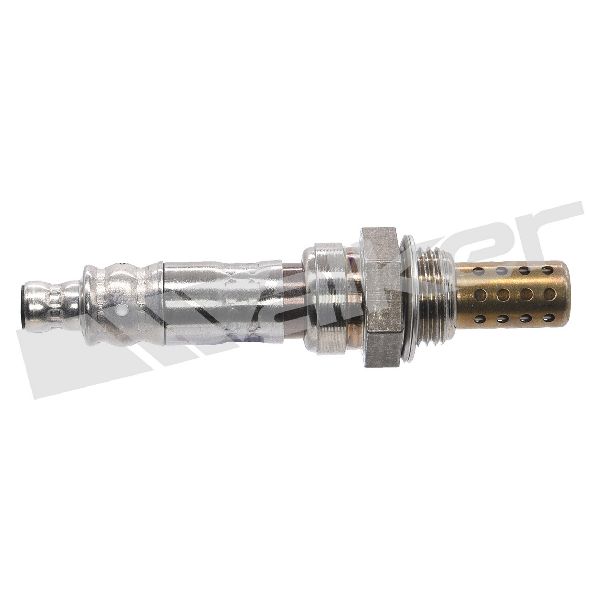
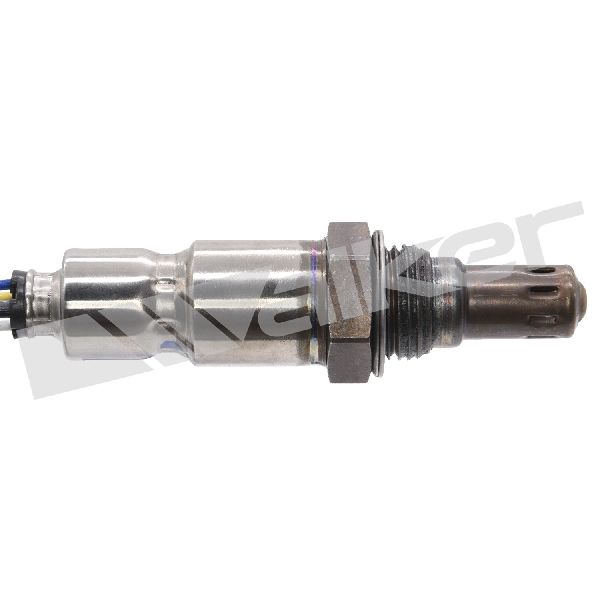
- Rear (Downstream) Oxygen Sensor
(OEM #1588A141)— This sensor is a common wear-and-tear item and the most frequent hardware failure causing a P0139 code after the software TSB is addressed.
Trusted brands: Denso (DOX-0113), NGK/NTK (25693 or 90748), Bosch (F 00H L00 351), Walker Products
OEM price range: $120-$180
Aftermarket price range: $50-$120
Related Codes That Often Appear With This One
- P0171 — The TSB for the ECM update (TSB-16-13-002) also mentions P0171 (System Too Lean). If both codes are present on a 2014-2016 Outlander, it strongly suggests the software update is needed.
- P0420 — A slow-responding Sensor 2 can sometimes fail to correctly monitor the catalytic converter, leading the ECM to incorrectly flag the converter with a P0420 (Catalyst System Efficiency Below Threshold) code. It's often recommended to fix the P0139 code first, as it may resolve the P0420 code as well.
Technical Service Bulletins (TSBs) & Recalls
- TSB-16-13-002: ECM REPROGRAMMING FOR MIL ILLUMINATION WITH DTC P0139 OR P0171.
Platform-Specific Known Issues
- TSB TSB-16-13-002: For 2014-2015 Outlanders and 2016 Outlanders (2.4L) built before approx. March 24, 2016, the ECM may falsely trigger a P0139 code due to overly sensitive software logic during fuel cut. The official fix is a software update performed by a Mitsubishi dealer.
Mechanic-Grade Diagnostic Values
- Rear O2 Sensor Voltage during Deceleration Fuel Cut — expected: Voltage should drop from >0.5V to <0.2V within 6 seconds of initiating fuel cut.. Failure: Voltage fails to drop below 0.2V within 6 seconds, or the total change in voltage is less than 0.313V during a prescribed drive cycle.
- Rear O2 Sensor Heater Resistance — expected: Typically 2-4 Ω, but should be compared to manufacturer's specification for the exact part.. Failure: Resistance is infinite (open circuit) or well outside the specified range.
- Rear O2 Sensor Signal Circuit to ECM — expected: Signal is sent to terminal 73 of the PCM (A/T models). Ground is provided by the PCM at terminal 57.. Failure: High resistance (>5 Ω) on these wires indicates a wiring fault.
Scan Tool Commands That Help
- Mitsubishi M.U.T.-III: Data List - Item AD: Heated Oxygen Sensor (rear) — This specific function is used to monitor the live voltage of the rear O2 sensor to verify its response time during testing, such as revving the engine or during a fuel-cut event on a test drive.
- Mitsubishi M.U.T.-III: Self Diagnostic Result — Used to read and clear DTCs, and to check if a code is 'Active' or 'Stored', which can help differentiate between a current hard fault and an intermittent one.
Wiring & Ground Locations
- Rear O2 Sensor Connector — The electrical connector for the downstream O2 sensor is not under the car. The wire routes up through a grommet in the floor pan, and the connector is located inside the cabin, under the plastic trim near the door frame/floor area.. Technicians may waste time looking for the connector underneath the vehicle. Knowing it is inside the cabin protects it from road debris but requires removing interior trim for testing or replacement.
- PCM Pin 73 (Signal) — At the Powertrain Control Module (PCM) for automatic transmission models.. This is the terminal where the rear O2 sensor's voltage signal is received. It can be used for advanced diagnosis to check for a wiring break between the sensor and the PCM.
- PCM Pin 57 (Ground) — At the Powertrain Control Module (PCM) for automatic transmission models.. This is the sensor ground provided by the PCM. A fault in this circuit could cause incorrect readings, mimicking a bad sensor.
Real Owner Repair Stories
- Reddit user in /r/MitsubishiOutlander (2014 Mitsubishi Outlander) — Persistent P0139 Check Engine Light.
❌ Tried (didn't work) Replaced the rear O2 sensor with a Denso part., Replaced the Denso sensor with a different brand sensor.
✅ What actually fixed it The issue was unresolved in the thread, but the symptoms strongly point to the TSB-16-13-002 software issue, as replacing the sensor (even with a quality brand) did not fix the problem. This serves as a real-world example of misdiagnosing the software fault as a hardware fault.
OEM Part Supersession History
1588A141→1588A141 (current)— This part number appears to be stable and fits a wide range of Mitsubishi vehicles from 2008-2023, including the Outlander.
Heads up: While the part number is consistent, it is listed for 'Upper', 'Lower', and 'Rear' positions across different models. It is critical to verify it is the correct sensor for the Bank 1 Sensor 2 position on a 2014-2020 Outlander before purchasing.
Model Year Variations Within This Range
- 2014-2016 (built before March 24, 2016): These models are subject to TSB-16-13-002, where the primary cause of P0139 is often faulty ECM software logic, not a hardware failure. Diagnosis must start with checking if the software update has been performed.
Diagnostic Flowchart
Used vs. New Parts: Buying Guide for This Vehicle
When a used part is the smart pick: For this repair, a used part is generally not recommended for the sensor itself. However, if the cause is a damaged exhaust component (like a section of pipe or flange), a used, rust-free part from a donor vehicle is a cost-effective option.
Donor-vehicle mileage cap: roughly under 80000 miles for the part to have meaningful remaining life.
What to inspect on the donor part:
- For exhaust parts: check for deep rust, cracks near welds, or thinned-out metal.
- For wiring pigtails: ensure the connector is not cracked, the locking tab is intact, and there are no signs of corrosion on the pins.
OEM-only on this vehicle (don't cheap out):
- Engine Control Module (ECM): While a used ECM can be purchased, it requires dealer-level programming (or a specialist service) to match the vehicle's VIN and immobilizer system. It is not a plug-and-play part.
Aftermarket brands forum-validated for this vehicle:
- Denso
- NGK / NTK
- Bosch
Brands owners have reported issues with on this vehicle:
- Unnamed 'universal' or no-name sensors from online marketplaces are frequently reported to have incorrect response times or heater resistances, causing the code to return.
Real Owner Stories
Aggregated from forums and TSBs cited above. Mileages and costs reflect what owners reported in those sources.
2014 Mitsubishi Outlander
Symptoms: The check engine light came on with a P0139 code. The light would not stay off even after replacing the oxygen sensor with two different brands.
What fixed it: The owner did not report a final fix, but the problem persisted after multiple part replacements, pointing towards the common TSB software issue for this model year.
Source hint: Reddit r/AskMechanics
2014-2016 Outlander vehicles equipped with 4-cylinder 2.4L engines
Symptoms: A false Check Engine Light illumination with DTC P0139, often occurring during fuel cut events like deceleration.
What fixed it: The official fix is an Engine Control Module (ECM) software update performed by a Mitsubishi dealer, as detailed in Technical Service Bulletin TSB-16-13-002.
Cost: $0-$150
Source hint: TSB-16-13-002: ECM REPROGRAMMING FOR MIL ILLUMINATION WITH DTC P0139 OR P0171.
Related OBD-II Codes
Frequently Asked Questions
My 2015 Mitsubishi Outlander has a P0139 code. What is the very first thing I should check?
I replaced the rear O2 sensor on my 2014 Outlander, but the P0139 code came back immediately. Why?
Where is the Bank 1, Sensor 2 oxygen sensor located on a 2014-2020 Outlander?
Can an exhaust leak cause the P0139 code on my Outlander?
What should the rear O2 sensor voltage look like on a scan tool for this vehicle?
Does the P0139 TSB also apply to the Mitsubishi Outlander Sport?
We Have This Part in Stock

The information in this article is provided for general reference and educational purposes only. Vehicle specifications, procedures, and part compatibility can vary by production date, trim level, and region. Always consult your vehicle's factory service manual and verify part numbers before purchasing or performing repairs. Safety-critical components such as airbags, seat belts, and braking systems should be installed by a qualified professional.
- Mitsubishi Outlander:
- 🧭 Diagnostic Flowchart
- 🛍️ Shop This Part
- What's Unique About the 2014-2020 Mitsubishi Outlander
- Symptoms You May Notice
- Most Likely Causes
- Rare But Worth Checking
- Diagnosis Steps
- Parts You'll Likely Need
- Related Codes That Often Appear With This One
- Technical Service Bulletins (TSBs) & Recalls
- Platform-Specific Known Issues
- Mechanic-Grade Diagnostic Values
- Scan Tool Commands That Help
- Wiring & Ground Locations
- Real Owner Repair Stories
- OEM Part Supersession History
- Model Year Variations Within This Range
- Used vs. New Parts: Buying Guide for This Vehicle
- Real Owner Stories
- 2014 Mitsubishi Outlander
- 2014-2016 Outlander vehicles equipped with 4-cylinder 2.4L engines
- Related OBD-II Codes
- Frequently Asked Questions
- 🎟️ Get 5% Off