

P0139 on 2005-2010 Pontiac G6 3.5L V6: Slow O2 Sensor Causes and Fixes
This code means the downstream oxygen sensor on the rear exhaust bank (Bank 1) is responding too slowly. The most common fix is to replace the Bank 1, Sensor 2 oxygen sensor. Before replacing, check for exhaust leaks, a common issue on these cars. Expect to pay $40-$90 for an aftermarket part and it's a DIY-friendly job, though access is tight.
- P0139 points specifically to the downstream (post-catalytic converter) oxygen sensor on the rear bank of the engine.
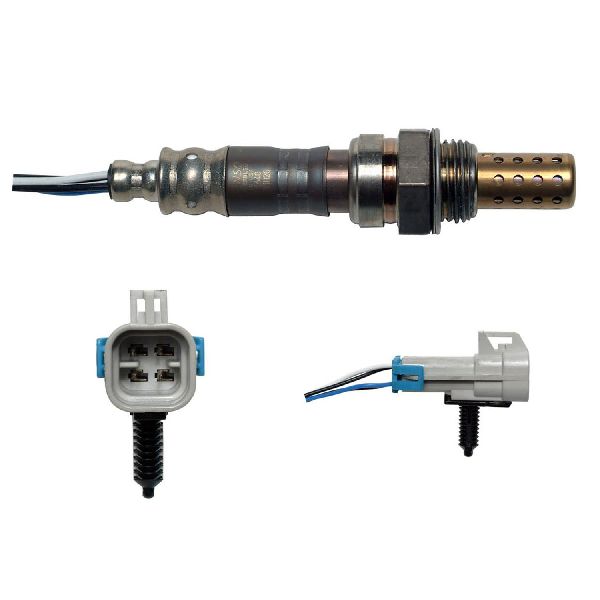
- The most likely fix is replacing the Bank 1, Sensor 2 O2 sensor (ACDelco P/N: 213-4229 / GM P/N: 12609457).
- Before replacing the sensor, always check for exhaust leaks between the engine and the sensor, as a leak can mimic a slow sensor. The flex pipe is a common culprit.
- Do not replace the catalytic converter for this code; a converter issue would typically trigger code P0420.
- This repair is manageable for a DIYer, but access to the rear sensor is tight, so a specialized O2 sensor socket (slotted or crow's foot) is highly recommended.
What's Unique About the 2005-2010 Pontiac G6
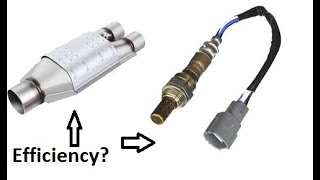
For the Pontiac G6 with the 3.5L V6, this code is a straightforward issue with no unique platform-specific gremlins. The causes and fixes are typical for a GM vehicle of this era. The primary challenge owners face is physically accessing the Bank 1 sensors, which are located on the rear exhaust manifold against the firewall. This makes 🎬 Watch: Locate the catalytic converters and O2 sensors on your G6 the repair slightly more difficult than on an engine with more open access, often requiring a combination of extensions and a specialized crow's foot or slotted O2 sensor socket to reach from the side or from underneath the vehicle.
Symptoms You May Notice
- Check Engine Light is on
- Failing an emissions test
- Slightly reduced fuel economy (may not be noticeable)
- Minor engine hesitation or rough idle (rare)
- Replacing the catalytic converter. P0139 indicates a slow sensor, not a failed converter. A bad converter would typically trigger a P0420 code.
- Replacing the wrong oxygen sensor (e.g., Bank 1 Sensor 1, the upstream sensor). P0139 is specific to the downstream Sensor 2.
Most Likely Causes
- Failing or Aged Bank 1, Sensor 2 Oxygen Sensor 🔴 High Probability → Shop Oxygen Sensor Oxygen sensors are wear-and-tear items with a finite lifespan, typically 60,000 to 100,000 miles. Over time, they become contaminated with carbon, soot, and other deposits from combustion, which insulates the sensing element and slows its reaction time.
How to confirm: Use a scan tool to graph the voltage of Bank 1, Sensor 2. A healthy downstream sensor should show a relatively steady, slow-to-change voltage (typically 0.6V-0.8V) at steady RPM. When you snap the throttle or during fuel cut-off on deceleration, the voltage should change promptly. If the voltage is stuck or responds very lazily, and wiring is confirmed good, the sensor has failed.
Typical fix: Replace the Bank 1, Sensor 2 oxygen sensor.
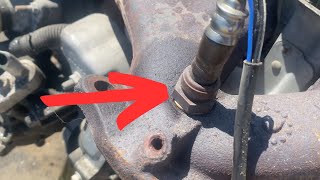
Est. part cost: $40-$90 - Exhaust System Leak 🟡 Medium Probability Exhaust components like manifold gaskets, flex pipes, and flange gaskets can degrade and rust over time, causing leaks. On the G6 platform, the flexible pipe section of the exhaust is a known weak point that can crack 🎬 See this guide on fixing common G6 exhaust leaks and flex pipes and leak. A leak before the sensor allows outside oxygen into the exhaust stream, which fools the sensor and can mimic a slow response.
How to confirm: Visually inspect the exhaust system from the engine to the sensor for black soot trails, which indicate a leak. Listen for an audible 'ticking' or 'hissing' sound, especially when the engine is cold, that may quiet down as the metal expands. A smoke test is the most definitive way to pinpoint the location of a small leak.
Typical fix: Repair the leak by replacing the faulty gasket or exhaust component.
Est. part cost: $20-$200 - Damaged Wiring or Corroded Connector ⚪ Low Probability The sensor wiring runs underneath the vehicle and is exposed to heat, moisture, and road debris, which can lead to corrosion, chafing, or melting over time. The connector itself can also become contaminated.
How to confirm: Visually inspect the wiring harness leading to the O2 sensor for any signs of melting, chafing, or breaks. Unplug the connector and check the terminals for corrosion (green or white powder). Use a multimeter to check for continuity on the signal wire and proper voltage/ground on the heater circuit.
Typical fix: Repair the damaged section of wire or clean/replace the connector.
Est. part cost: $5-$50
Rare But Worth Checking
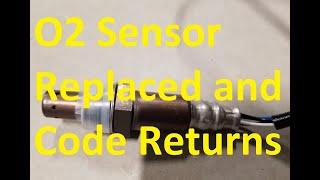
- Powertrain Control Module (PCM) Fault: → Shop Engine Control Module (ECM) This is very rare. Before suspecting the PCM, all other possibilities, especially 🎬 Watch: What to check if your O2 sensor code keeps returning the sensor, wiring, and exhaust leaks, must be definitively ruled out. A PCM issue might also be accompanied by other, unrelated trouble codes or require a software update.
Diagnosis Steps
- Connect an OBD-II scanner to confirm P0139 is the active code and check for any other codes.
- Perform a thorough visual inspection of the Bank 1, Sensor 2 oxygen sensor and its wiring harness. Look for obvious damage, such as melted wires, chafing against the chassis, or a corroded connector.
- Inspect the exhaust system for leaks. With the engine cold, start the vehicle and listen for any 'ticking' noises from the exhaust manifolds or flex pipe. Look for soot trails around flanges and welds. A smoke test is highly recommended.
- Use a scan tool with live data capabilities to monitor the voltage of Bank 1, Sensor 2. At a steady 2500 RPM, the voltage should be relatively stable between 0.6V and 0.8V. When you snap the throttle (creating a rich condition), the voltage should rise. On sharp deceleration (fuel cut-off), the voltage should drop quickly below 0.2V. A 'lazy' or non-responsive sensor points to a failure.
- If the sensor signal is erratic or absent, test the wiring. Disconnect the sensor and check for 12V on the heater circuit and a good ground. Check the signal and signal ground wires for continuity back to the PCM.
- If the wiring and exhaust system are confirmed to be in good condition, the oxygen sensor itself is the most likely cause of the fault and should be replaced.
Parts You'll Likely Need
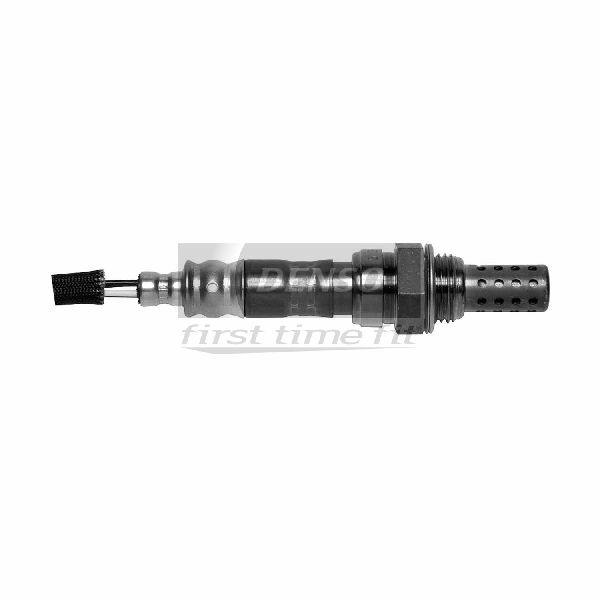
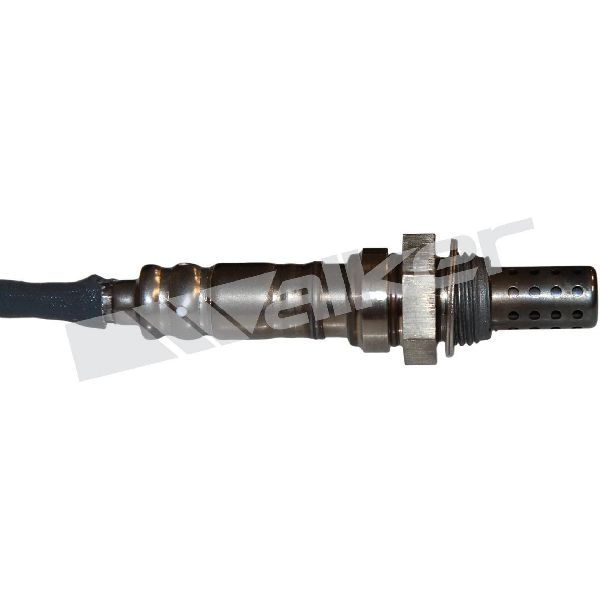
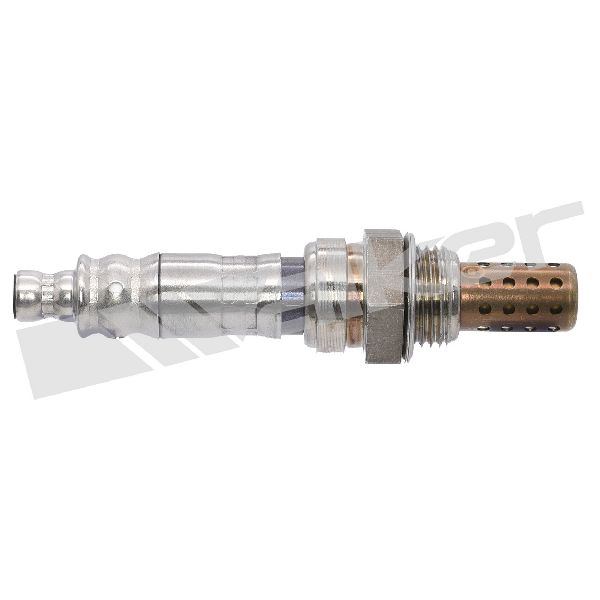
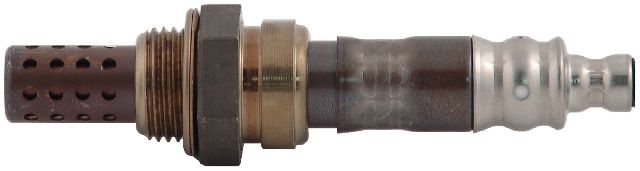
- Oxygen Sensor (Bank 1, Sensor 2)
(OEM #12609457)— This is the downstream sensor on the rear bank. It is the component that the code directly identifies as slow-responding and is the most common failure point for P0139.
Trusted brands: ACDelco (GM OE P/N: 12609457, Service P/N: 213-4229), Denso (P/N: 234-4256), Bosch, NTK (P/N: 21066)
OEM price range: $120-$170
Aftermarket price range: $40-$90
Technical Service Bulletins (TSBs) & Recalls
- TSB #06-02-32-007G: While not for P0139, this TSB addresses a common clunking noise from the steering system, often caused by the intermediate shaft, which is a well-known issue on the G6 platform.
Platform-Specific Known Issues
- Owners on forums like g6ownersclub.com often report that an exhaust leak from the flex pipe is the root cause of P0139, not the sensor itself. It is highly recommended to check for leaks before buying a new sensor.
Mechanic-Grade Diagnostic Values
- O2 Sensor Heater Circuit Resistance — expected: 4-10 Ohms. Failure: A reading of 'OL' (infinite resistance) or significantly outside the 4-10 Ohm range indicates a failed heater element within the sensor.
- Downstream O2 Sensor (B1S2) Voltage at Steady Cruise — expected: Relatively stable voltage at or above 0.45V, typically 0.6V - 0.8V.. Failure: If the voltage fluctuates rapidly, mirroring the upstream sensor, it indicates a failing catalytic converter, not necessarily a slow sensor. If the voltage is stuck or responds very slowly to throttle changes, the sensor is likely faulty.
- ECM Deceleration Fuel-Cut-Off (DFCO) Response Time — expected: During DFCO, the sensor voltage should drop from >0.4V to <0.15V within a specified time (e.g., under 3.3 seconds).. Failure: If the sensor voltage fails to drop to the lean threshold within the time limit set by the ECM, the P0139 code is triggered.
Wiring & Ground Locations
- G105 — On the left rear side of the engine compartment, on an engine-to-transmission stud, below the upper coolant hose.. This is a primary ground for the Engine Control Module (ECM). A poor connection here can cause erratic sensor readings and various engine performance codes, including O2 sensor faults.
- G106 — On the front of the engine, at a transmission stud, near the Park/Neutral Position (PNP) switch for the 3.5L V6.. This is another critical engine ground. Corrosion or a loose connection at this point can affect multiple sensors and modules controlled by the ECM.
- HO2S Bank 1 Sensor 2 Connector — On the wiring harness leading to the oxygen sensor located after the catalytic converter on the firewall (rear) side of the engine.. This is the direct connection point for the sensor. All electrical tests (heater voltage, ground, signal) are performed here. It is exposed to heat and road debris, making it a potential point of failure due to corrosion or damage.
- Post O2 Fuse 45 — In the underhood fuse block.. This 10A fuse provides power to the O2 sensor's heater circuit. If this fuse is blown, it will typically set a heater circuit code (like P0141) but could also contribute to slow response on startup.
OEM Part Supersession History
Unknown→12609457— Standard part evolution and supplier changes.
Heads up: The service part number for 12609457 is often listed as ACDelco 213-4229. While other parts may physically fit, using the specified OE or equivalent (Denso, NTK) is highly recommended as some aftermarket sensors may not function as well, leading to the code returning.
Model Year Variations Within This Range
- 2005-2006 vs 2007-2010: The 3.5L V6 engine changed from the LX9 in 2005-2006 to the LZ4 in 2007-2010. While they are dimensionally similar and share many characteristics, there can be minor differences in wiring harnesses and specific component suppliers. However, for the P0139 code, the diagnosis and primary parts (O2 sensor, exhaust components) remain functionally identical.
Diagnostic Flowchart
Other Known Issues on This Vehicle
Issues unrelated to this code that are worth knowing about as an owner of this generation:
- Steering Column Clunk/Noise 🟠 Medium — Very common. Noise often develops at low speeds when turning. Can start as early as 60,000 miles. (Ref: Multiple TSBs exist, including #06-02-32-007G, which points to the intermediate steering shaft as a primary cause. Aftermarket parts were also recalled (NHTSA #14E-044).)
- Power Steering Failure 🔴 High — Common, particularly in 2005-2007 models, often occurring around 70,000-100,000 miles. Results in a sudden loss of power assist. (Ref: Subject to several recalls, including NHTSA #14V153000 and #15V064000, related to the electric power steering (EPS) system.)
- 4T45-E Automatic Transmission Faults 🟠 Medium — Failures can occur between 130,000-180,000 miles. Common issues include failed shift solenoids or loss of forward gears. (Ref: Common failures include shift solenoid 'A' or 'B' malfunction and TCC PWM solenoid failure. A broken feed pipe can cause a no-forward gear condition.)
- Cracked Exhaust Manifold 🟡 Low — More common on the 2.4L 4-cylinder but has been reported on V6 models as well. Creates a ticking noise when cold. (Ref: No specific TSB, but it's a documented failure mode for this platform.)
- Body Control Module (BCM) Connector Issues 🟡 Low — Can cause strange electrical problems, such as malfunctioning brake lights. (Ref: A recall (NHTSA #14V252000) was issued for voltage fluctuations in the BCM affecting the brake lights.)
Used vs. New Parts: Buying Guide for This Vehicle
When a used part is the smart pick: For this repair, used parts are generally not recommended for the sensor itself. However, a used exhaust component (e.g., a section of pipe or a manifold from a low-mileage, rust-free donor car) can be a cost-effective solution if an exhaust leak is the confirmed cause.
Donor-vehicle mileage cap: roughly under 80000 miles for the part to have meaningful remaining life.
What to inspect on the donor part:
- For exhaust parts, inspect for heavy rust, cracks (especially near welds and flex sections), and stripped threads in the O2 sensor bung.
- Ensure the donor vehicle is from a dry climate to minimize corrosion.
- Verify the part is from the correct engine (3.5L V6) as exhaust routing differs between engines.
OEM-only on this vehicle (don't cheap out):
- While not strictly 'OEM-only', it is highly recommended to use either the GM/ACDelco sensor or a reputable OE-supplier brand like Denso or NTK. Cheaper, no-name aftermarket sensors have a higher rate of failure or incorrect response characteristics, which can cause the P0139 code to return.
Aftermarket brands forum-validated for this vehicle:
- ACDelco (OE)
- Denso
- NTK
Brands owners have reported issues with on this vehicle:
- Unbranded, 'white-box' sensors from online marketplaces are often cited in forums as being problematic or failing prematurely.
Real Owner Stories
Aggregated from forums and TSBs cited above. Mileages and costs reflect what owners reported in those sources.
2006 Pontiac G6 3.5L V6
Symptoms: The Check Engine Light was on for P0139. Multiple users on forums mentioned that replacing the sensor didn't always work.
What fixed it: Repairing an exhaust leak at the flex pipe section of the exhaust system.
Source hint: g6ownersclub.com - Multiple threads discuss P0139, with many users pointing to exhaust leaks at the flex pipe or manifold as the cause
Related OBD-II Codes
Frequently Asked Questions
Does TSB #06-02-32-007G explain why my Pontiac G6 has a P0139 code?
I replaced the Bank 1, Sensor 2 oxygen sensor on my G6 but the P0139 code returned. What else should I check?
Is there a recall for the electrical issues causing sensor problems on my 2005-2007 G6?
Can I use a cheap universal oxygen sensor to fix the P0139 on my 3.5L V6?
How can I tell if my G6 exhaust leak is causing the P0139 code?
Helpful Videos
We Have This Part in Stock


The information in this article is provided for general reference and educational purposes only. Vehicle specifications, procedures, and part compatibility can vary by production date, trim level, and region. Always consult your vehicle's factory service manual and verify part numbers before purchasing or performing repairs. Safety-critical components such as airbags, seat belts, and braking systems should be installed by a qualified professional.
- Pontiac G6:
- 🧭 Diagnostic Flowchart
- 🎬 Helpful Videos
- 🛍️ Shop This Part
- What's Unique About the 2005-2010 Pontiac G6
- Symptoms You May Notice
- Most Likely Causes
- Rare But Worth Checking
- Diagnosis Steps
- Parts You'll Likely Need
- Technical Service Bulletins (TSBs) & Recalls
- Platform-Specific Known Issues
- Mechanic-Grade Diagnostic Values
- Wiring & Ground Locations
- OEM Part Supersession History
- Model Year Variations Within This Range
- Other Known Issues on This Vehicle
- Used vs. New Parts: Buying Guide for This Vehicle
- Real Owner Stories
- 2006 Pontiac G6 3.5L V6
- Related OBD-II Codes
- Frequently Asked Questions
- 🎟️ Get 5% Off