

P0139 on 2005-2010 Scion tC 2.4L: Slow O2 Sensor Response Causes and Fixes
On a 2005-2010 Scion tC, code P0139 almost always points to a failing downstream oxygen sensor (Bank 1, Sensor 2). Replacing this sensor is the most common fix, costing around $70-$120 for a quality aftermarket part like a Denso or NTK, and is a simple DIY job. Before replacing, check for exhaust leaks and wiring damage.
- P0139 on a Scion tC points to the downstream O2 sensor (Bank 1, Sensor 2) responding too slowly.
- The most likely cause is simply an old, worn-out, or oil-fouled oxygen sensor that needs to be replaced. The 2AZ-FE's oil consumption issue is a key factor here.
- Before replacing the sensor, perform a quick visual check for obvious exhaust leaks (especially gaskets) or damaged wiring, as these can also trigger the code.
- This is a DIY-friendly repair that can be done with basic tools and a special O2 sensor socket, typically in under an hour.
- Ignoring the code will lead to a failed emissions test and can negatively impact your fuel mileage over time.
What's Unique About the 2005-2010 Scion tC
The 2005-2010 Scion tC uses the 2AZ-FE engine, a workhorse for Toyota during this era. For this platform, the P0139 code is straightforward and rarely involves complex issues. Unlike some vehicles where this code might hint at PCM software updates or tricky vacuum leaks, on the tC it almost always leads back to the sensor itself becoming lazy with age or an exhaust leak developing near the sensor. A significant factor for the 2AZ-FE engine is its known propensity for excessive oil consumption due to piston ring design. This can lead to oil blow-by, which contaminates the exhaust and fouls the O2 sensor, causing it to respond slowly.
Symptoms You May Notice
- Check Engine Light is on
- Failure to pass an emissions test
- Slightly reduced fuel economy (5-10% drop)
- Occasional engine hesitation or rough idle
- Gas or rotten egg smell from exhaust (if an exhaust leak is the cause)
- Replacing the upstream oxygen sensor (Sensor 1, also called an Air/Fuel Ratio Sensor) instead of the downstream one (Sensor 2).
- Replacing the catalytic converter. A P0139 code indicates a problem with the sensor *monitoring* the converter, not necessarily the converter itself. A failing converter typically sets a P0420 code.
- Ignoring a potential exhaust leak and replacing the sensor, only for the code to return.
Most Likely Causes
- Failing Downstream Oxygen Sensor (Bank 1, Sensor 2) 🔴 High Probability → Shop Oxygen Sensor Oxygen sensors have a finite lifespan, typically 50,000 to 100,000 miles. The 2AZ-FE engine's known oil consumption issue can accelerate this failure by contaminating the sensor element with burnt oil, leading to a sluggish response.
How to confirm: Use a scan tool to graph the voltage for 'B1S2'. A healthy downstream sensor's voltage should be relatively stable (not switching rapidly like the upstream sensor). When you snap the throttle (forcing a rich condition) and then let off completely (fuel cut, lean condition), the voltage should change accordingly. A bad sensor will be very slow to react or may be stuck at a specific voltage (e.g., ~0.3V).
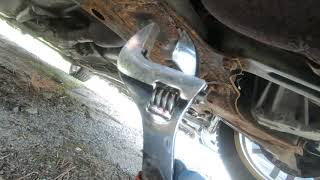
Typical fix: Replace the downstream oxygen sensor. It is highly recommended to use a quality OEM-style brand like Denso or NTK. An O2 sensor socket (a 7/8" or 22mm s 🎬 Watch: Step-by-step guide to replacing the downstream O2 sensor.ocket with a slit for the wire) is required.
Est. part cost: $70-$120 - Exhaust System Leak 🟡 Medium Probability Gaskets (especially at the S-pipe flange) and welds in the exhaust system can degrade over time from heat cycles and corrosion, allowing outside air to be drawn in. This unmetered oxygen fools the sensor, making its readings appear slow or incorrect.
How to confirm: Perform a visual inspection of the exhaust system from the catalytic converter back. Look for black soot marks around flanges or cracks in the pipe. A common method is to use a shop vacuum on 'blow' to pressurize the exhaust from the tailpipe and spray soapy water on joints and welds to look for bubbles. 🎬 See this simple trick to find exhaust leaks at home.
Typical fix: Replace the leaking gasket or repair the cracked section of the exhaust pipe. The gasket between the catalytic converter and the S-pipe is a common culprit.
Est. part cost: $10-$50 - Damaged Wiring or Corroded Connector ⚪ Low Probability The sensor's wiring harness runs under the vehicle and is exposed to heat, moisture, and road debris. Wires can become brittle and break, or the connector pins can corrode, leading to high resistance in the circuit which delays the signal.
How to confirm: Visually inspect the wiring harness leading to the downstream O2 sensor for any signs of melting, chafing, or breaks. Unplug the connector and check for green or white corrosion on the pins. Use a multimeter to check for continuity and resistance in the wiring between the sensor connector and the ECM.
Typical fix: Repair the damaged section of wire or clean the connector terminals with electrical contact cleaner. If the connector is severely damaged, it may need to be replaced with a pigtail connector.
Est. part cost: $5-$30
Rare But Worth Checking
- Engine Burning Oil or Coolant: The 2AZ-FE engine is known for excessive oil consumption due to piston ring design flaws, particularly in 2007-2009 models. Toyota even issued a Technical Service Bulletin (S-SB-0031-14) for this issue. Oil or coolant entering the exhaust will contaminate the O2 sensor, coating the sensing element and causing it to respond slowly. This is a primary suspect if you are frequently adding oil between changes.
- Powertrain Control Module (PCM) Fault: → Shop Engine Control Module (ECM) In very rare cases, the PCM itself can have an internal processing delay or software issue that incorrectly flags a healthy sensor as slow. This should only be considered after all other possibilities (sensor, wiring, exhaust leaks) have been exhaustively ruled out.
Diagnosis Steps
- Connect an OBD-II scanner and confirm that P0139 is the primary code. Note any other codes present, especially P0141 or P0420.
- Check for known oil consumption. Review your service records or monitor oil level. If the car consumes more than 1 quart per 1,200 miles, suspect sensor contamination as a primary contributing factor.
- Perform a visual inspection of the downstream O2 sensor, which is located on the S-pipe after the catalytic converter.
- Carefully inspect the sensor's wiring harness and electrical connector for any signs of melting, corrosion, or physical damage.
- Inspect the exhaust system for leaks, especially the flange gasket between the catalytic converter and the S-pipe. Look for black soot or use a smoke machine for a definitive test. 🎬 Watch: How to use a smoke machine to find leaks.
- Use a scan tool with live data capabilities to monitor the voltage of Bank 1 Sensor 2 (B1S2). At a steady 2500 RPM, the voltage should be relatively stable and high (e.g., >0.6V). When you snap the throttle and then release it completely (deceleration fuel cut), the voltage should drop to near 0.1V. If it's stuck or changes very slowly over several seconds, the sensor is likely bad.
- If the sensor, wiring, and exhaust system are all confirmed to be in good condition, the sensor itself is the most probable cause of failure due to age and/or contamination.
Parts You'll Likely Need
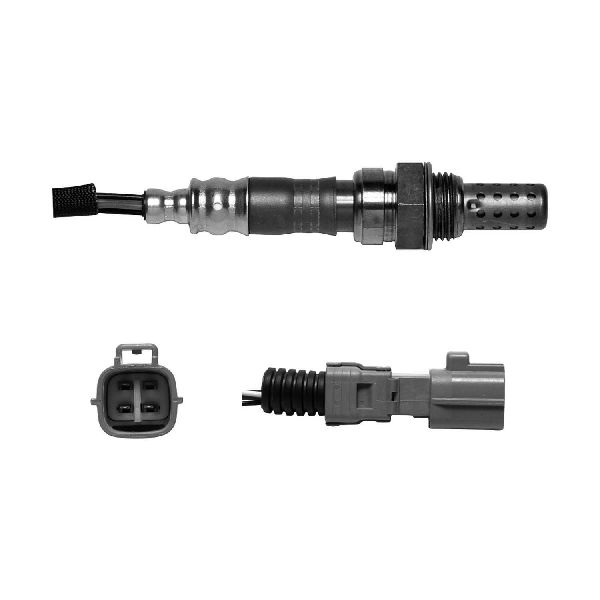
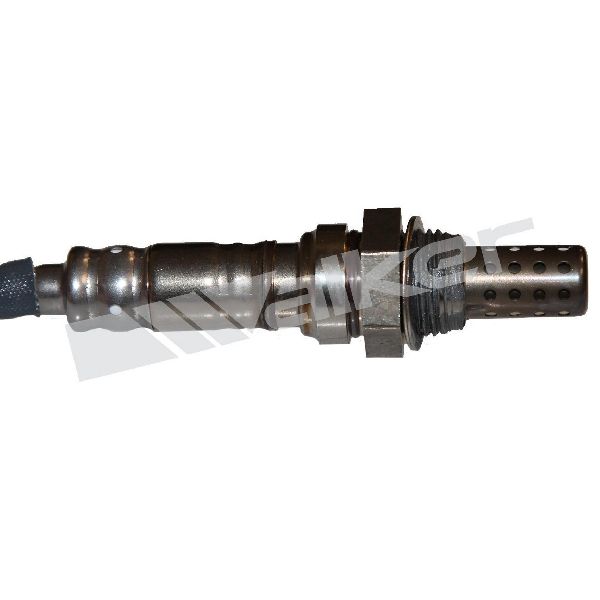
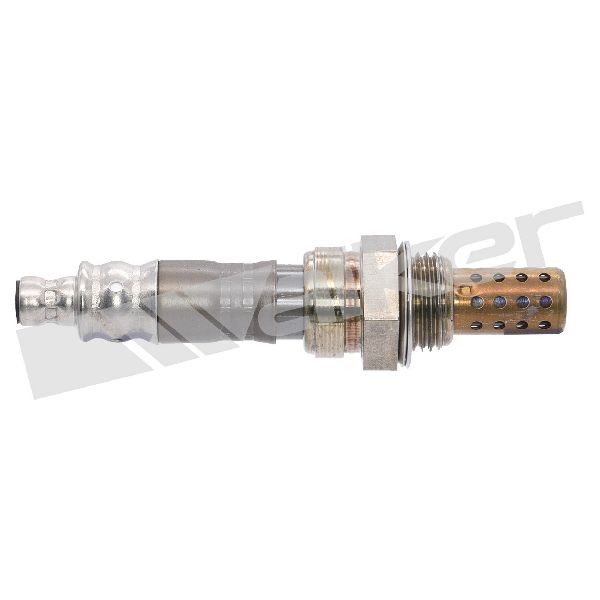
- Downstream Oxygen Sensor
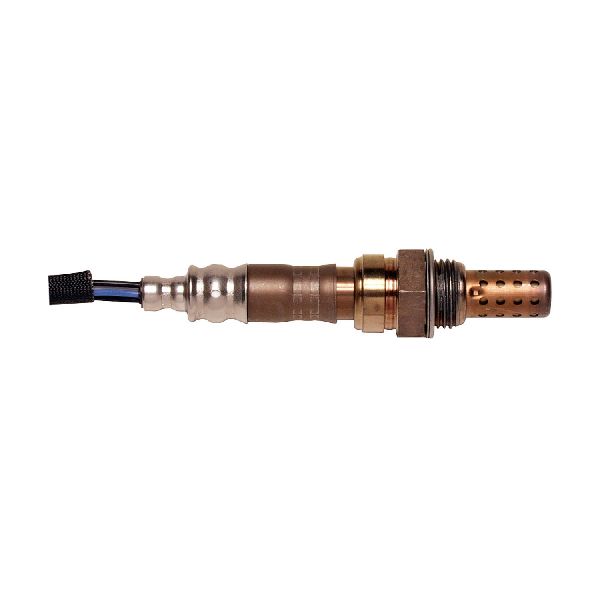
(OEM #89465-21070 (for 2006-2010 models))— This is the component that the code directly identifies as having a slow response. Due to age, heat exposure, and potential oil contamination, it is the most common failure point for P0139.
Trusted brands: Denso (OEM Manufacturer), NTK, Bosch
OEM price range: $110-$150
Aftermarket price range: $60-$120 - O2 Sensor Socket — A special 7/8" (22mm) socket with a cutout for the wire is needed to remove and install the oxygen sensor without damaging the wiring.
Trusted brands: Lisle, OEMTools, GearWrench
Aftermarket price range: $10-$20
Related Codes That Often Appear With This One
- P0141 — This code indicates a fault in the heater circuit of the same O2 sensor (Bank 1, Sensor 2). The heater brings the sensor to operating temperature quickly. If the heater fails, the sensor will be slow to warm up, which can also cause a P0139 slow response code.
- P030x (e.g., P0300, P0301) — Misfire codes can sometimes be noted in conjunction with severe oil consumption on the 2AZ-FE engine, which is a root cause for fouling the O2 sensor.
Technical Service Bulletins (TSBs) & Recalls
- S-SB-0031-14 / T-SB-0094-11 (Rev1): Addresses excessive engine oil consumption on 2007-2009 tC models with the 2AZ-FE engine. While not directly for P0139, it details the root cause (piston assembly design) of oil burning that leads to O2 sensor contamination and failure.
Platform-Specific Known Issues
- The 2AZ-FE engine in 2007-2009 Scion tC models was subject to a warranty enhancement program (Toyota TSB S-SB-0031-14) for excessive oil consumption due to faulty piston/ring design. This issue is a major contributor to P0139 by fouling the O2 sensor. Many owners report burning 1-2 quarts of oil between changes.
Mechanic-Grade Diagnostic Values
- Downstream O2 Sensor (B1S2) Heater Resistance — expected: 11 - 16 Ω at 68°F (20°C) for the 2AZ-FE engine.. Failure: Resistance outside of this range indicates a faulty heater element within the sensor.
- O2 Sensor Heater Circuit Current (Monitored by ECM) — expected: 0.3 A to 2.0 A. Failure: Current below 0.3 A triggers a P0037 (low/open circuit) and current above 2.0 A triggers a P0038 (high/short circuit). These often accompany P0139 as a heater failure leads to slow response.
- P0139 Trigger Condition — expected: During deceleration fuel cut-off, sensor voltage should drop below 0.2 volts.. Failure: The code P0139 is set if the sensor voltage fails to drop below 0.2 volts for 7 seconds or more during deceleration.
- Wiring Harness Resistance (Sensor Connector to ECM) — expected: Below 1.0 Ω. Failure: Resistance above 5 Ω can indicate corrosion or a damaged wire, causing a delay in the signal.
Hidden / Shadow Codes Worth Checking
- Mode $06, TID $07: This is the Test ID for the O2 Sensor Monitor. Viewing this data on an advanced scan tool can show the sensor's performance values before they cross the threshold to set a hard fault code like P0139. (see via Requires a scan tool capable of displaying Mode $06 data. The data is presented in hexadecimal and may need to be translated by the scan tool.)
Scan Tool Commands That Help
- Toyota Techstream: Active Test: 'Control the Injection Volume for A/F Sensor' — This function allows a technician to command a rich (+12.5%) or lean (-12.5%) condition. While primarily for the upstream A/F sensor, observing the downstream O2 sensor's reaction on the live data graph provides a definitive test of its response time. A healthy downstream sensor will show a corresponding, albeit slower, voltage change. A lazy sensor will react very slowly or not at all.
- Toyota Techstream: Data List (Live Data) — Monitor the 'O2S B1S2' voltage. This is the primary method for observing the sensor's behavior in real-time during idle, steady cruise, and throttle snaps to confirm if it is stuck or responding too slowly.
Wiring & Ground Locations
- EB — Left side of the engine compartment, on the cylinder head.. This is a primary engine ground point. A corroded or loose connection here can affect various engine sensors, including the O2 sensor circuits, by creating a poor ground reference.
- EC — Left side of the engine compartment, near the engine mount.. Another critical engine ground point. Poor grounding can introduce electrical noise and resistance, potentially slowing the O2 sensor's signal to the ECM.
- E3 (ECM Connector) — The main Engine Control Module connector, located behind the glove box.. The downstream O2 sensor signal wire (OX1B) and heater control wire (HT1B) terminate here. Probing for voltage and continuity at these pins is the final step in diagnosing a wiring issue between the sensor and the ECM.
Real Owner Repair Stories
- ScionLife.com forum user (Scion tC (1st Gen) with an aftermarket header (catless)) — Check Engine Light with code P0139.
❌ Tried (didn't work) Resetting the code multiple times., Checking the O2 sensor plug for tightness.
✅ What actually fixed it The user had an aftermarket header which removes the primary catalytic converter, causing the downstream O2 sensor to read incorrectly. The common fix in this community is to install an O2 sensor spacer (also called a non-fouler or CEL fix) on the downstream sensor bung. This pulls the sensor out of the direct exhaust stream, tricking it into seeing a cleaner reading similar to what it would see after a working catalytic converter, thus preventing the P0139 code.
OEM Part Supersession History
Denso 234-4168→Denso 234-4261— Part consolidation and potential minor updates. The key difference noted by suppliers is the wire harness length.
Heads up: Both Denso 234-4168 (13.78" wire) and 234-4261 (16.14" wire) are listed for the downstream position on the 2005-2010 Scion tC. While both will function electrically, the 234-4261 has a longer wire, which may be easier to route or necessary depending on the exact vehicle production date and exhaust configuration. It's best to measure the original sensor's wire length before ordering.
Diagnostic Flowchart
Real Owner Stories
Aggregated from forums and TSBs cited above. Mileages and costs reflect what owners reported in those sources.
Scion tC 1G
Symptoms: Check Engine Light with code P0139. Wondered if the code referred to the sensor on the header or the S-pipe.
What fixed it: The thread confirmed Sensor 2 is the heated oxygen sensor on the S-pipe. Another user advised checking for exhaust leaks before buying a new sensor. The owner had an aftermarket header and a 'CEL fix' (anti-fouler) installed and checked that the O2 sensor was plugged in tightly.
Source hint: ScionLife.com thread title: throwing code...P0139....
Scion tC 1G
Symptoms: Got code P0139 for the 2nd O2 sensor reacting slowly. The owner had an aftermarket header installed.
What fixed it: Got underneath the car and made sure the O2 sensor was plugged in tightly and the CEL fix (anti-fouler) was on tight. Reset the code; it came back on, but after driving several miles, it turned off on its own.
Source hint: ScionLife.com - Thread 'Check Engine Light & New o2 sensor *Help'
Related OBD-II Codes
Frequently Asked Questions
Does the oil consumption TSB (S-SB-0031-14) for my 2007-2009 Scion tC relate to code P0139?
Where exactly is the Bank 1 Sensor 2 oxygen sensor located on my 2.4L Scion tC?
I installed an aftermarket header on my tC and now I have a P0139 code. What should I check?
What is the most common exhaust leak location causing P0139 on the 2005-2010 tC?
How can I test if my tC's downstream O2 sensor is actually bad before replacing it?
What brand of oxygen sensor should I buy for my 2AZ-FE engine?
Helpful Videos
We Have This Part in Stock



The information in this article is provided for general reference and educational purposes only. Vehicle specifications, procedures, and part compatibility can vary by production date, trim level, and region. Always consult your vehicle's factory service manual and verify part numbers before purchasing or performing repairs. Safety-critical components such as airbags, seat belts, and braking systems should be installed by a qualified professional.
- Scion tC:
- 🧭 Diagnostic Flowchart
- 🎬 Helpful Videos
- 🛍️ Shop This Part
- What's Unique About the 2005-2010 Scion tC
- Symptoms You May Notice
- Most Likely Causes
- Rare But Worth Checking
- Diagnosis Steps
- Parts You'll Likely Need
- Related Codes That Often Appear With This One
- Technical Service Bulletins (TSBs) & Recalls
- Platform-Specific Known Issues
- Mechanic-Grade Diagnostic Values
- Hidden / Shadow Codes Worth Checking
- Scan Tool Commands That Help
- Wiring & Ground Locations
- Real Owner Repair Stories
- OEM Part Supersession History
- Real Owner Stories
- Scion tC 1G
- Scion tC 1G
- Related OBD-II Codes
- Frequently Asked Questions
- 🎟️ Get 5% Off