

P0140 on 2011-2018 Audi A6 2.0T: Causes and Fixes for O2 Sensor Inactivity
On a 2011-2018 Audi A6 2.0T, code P0140 almost always points to a failed rear oxygen sensor or a problem with its wiring. The sensor is a wear item and failure is common. A quality replacement sensor, typically from Bosch, costs $70-$150, and replacement is a manageable DIY task for most home mechanics with an O2 sensor socket.
- P0140 on your A6 2.0T means the rear oxygen sensor circuit is inactive.
- The most likely cause is a failed oxygen sensor, which is a common wear item.
- Diagnosis involves checking live sensor data with a scan tool and testing the sensor's heater circuit with a multimeter.
- You can safely drive the car, but it will fail emissions and may have slightly worse fuel economy.
- DIY replacement is possible with an O2 sensor socket and costs between $70 and $180 for a quality part.
What's Unique About the 2011-2018 Audi A6
The 2011-2018 Audi A6 belongs to the C7 generation. For the 2.0T engine (part of the EA888 family), troubleshooting P0140 is straightforward as there's only one exhaust bank to worry about. Owners on forums specifically for this platform have noted that when this code appears, a scan tool often reveals a steady, stuck voltage reading from the sensor, typically around 0.45V - 0.53V, which is a classic sign of an inactive sensor circuit, often due to a failed internal heater. The issue is almost always the sensor itself or the wiring leading to it.
Symptoms You May Notice
- Check Engine Light is illuminated on the dashboard.
- Vehicle will fail a state emissions inspection/test.
- A slight decrease in fuel economy may be noticed over time.
- In some cases, a rough idle may be present, though this is less common for a Sensor 2 failure.
- Replacing the catalytic converter. A P0140 code indicates a problem with the sensor circuit, not necessarily the converter itself. A failing converter would typically set a P0420 (Catalyst System Efficiency Below Threshold) code.
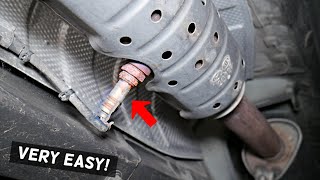
- Replacing the wrong O2 sensor. Always confirm you are working on Bank 1, Sensor 2, 🎬 Watch: How to locate the downstream oxygen sensor which is the sensor located *after* the catalytic converter.
Most Likely Causes
- Failed Rear Oxygen Sensor (Bank 1, Sensor 2) 🔴 High Probability → Shop Oxygen Sensor Oxygen sensors are wear-and-tear items that degrade over time due to constant exposure to high heat and exhaust gases. The internal heating element is a common failure point, which is critical for the sensor to become active quickly. After 80,000-100,000 miles, internal failure is common.
How to confirm: Using a scan tool (like VCDS or OBDeleven for VW/Audi), observe the live voltage data for Bank 1 Sensor 2. If the voltage is stuck (e.g., flat at ~0.45V - 0.53V) and does not fluctuate with the engine running and warm, the sensor has failed. A healthy downstream sensor should show a relatively stable voltage, but not a completely flat, inactive line. You can also test the sensor's internal heater resistance with a multimeter; it should typically be between 2.5 and 15 ohms when cold.
Typical fix: Replace the rear oxygen sensor. This requires an O2 sensor socket (typically 22mm) and accessing the sensor from under the vehicle. Applying anti-seize to the new sensor's threads is recommended.
Est. part cost: $70-$180 - Damaged Wiring or Connector 🟡 Medium Probability The wiring harness for the rear O2 sensor runs under the vehicle and is exposed to road debris, moisture, and extreme exhaust heat, which can cause wires to break, melt, or corrode over time. The connector itself can also become contaminated or damaged.
How to confirm: Visually inspect the entire length of the wiring from the O2 sensor to its connection point. Look for any signs of melting, chafing, breaks, or corrosion on the connector pins. Perform a continuity test on the signal, heater, and ground wires if no visible damage is found. A wiggle test on the harness while monitoring live data can also reveal intermittent connections.
Typical fix: Repair the damaged section of the wire or replace the connector pigtail. In some cases, the entire sensor with its integrated harness must be replaced. Ensure repairs are sealed from moisture.
Est. part cost: $20-$50 for a connector, or the cost of a new sensor. - Blown Fuse or Heater Circuit Malfunction ⚪ Low Probability The O2 sensor has an internal heater to bring it to operating temperature quickly. This heater circuit is protected by a fuse. A short in the wiring or an internal sensor fault can blow the fuse, leading to a 'no activity' code because the sensor never gets hot enough to work.
How to confirm: Check the fuse box for a blown fuse related to emissions components or the O2 sensor heater. Consult the owner's manual or a wiring diagram for the specific fuse location. Use a multimeter to test for 12V power and a good ground at the heater circuit pins on the vehicle-side connector.
Typical fix: Replace the blown fuse. If the fuse blows again immediately, diagnose the short circuit in the wiring or replace the faulty O2 sensor that is causing the short.
Est. part cost: $1-$5 for a fuse.
Rare But Worth Checking
- Exhaust Leak: An exhaust leak upstream of the sensor can allow outside air into the exhaust stream, which can sometimes cause the sensor to give a flat, lean reading that the ECU might interpret as inactivity. This is less common than sensor or wiring failure for this specific code but can happen.
- Faulty Engine Control Module (ECM): → Shop Engine Control Module (ECM) In very rare cases, the internal circuit within the ECM that reads the O2 sensor signal can fail. This should only be considered after all other possibilities (sensor, wiring, fuses) have been definitively ruled out.
Diagnosis Steps
- Read the fault codes with an OBD-II scanner to confirm P0140 is the primary code. Note any other codes present.
- Visually inspect the rear O2 sensor, its connector, and the wiring harness for any obvious signs of physical damage, melting, or corrosion.
- Use a scan tool to monitor live data for 'Bank 1, Sensor 2'. With the engine warm and running, observe the voltage. A reading that is stuck and not fluctuating (e.g., 0.45V - 0.53V) points to an inactive circuit.
- Check the fuse for the O2 sensor heater circuit. Refer to your vehicle's fuse diagram.
- If the fuse is good, disconnect the sensor and use a multimeter to test for 12V power and good ground on the heater circuit pins of the vehicle-side connector.
- If power and ground are present, test the resistance of the heater circuit on the sensor itself. An open circuit (infinite resistance) or a reading outside the 2.5-15 Ohm range confirms a failed heater.
- If the heater circuit is okay, the oxygen sensor's sensing element is likely faulty and the sensor should be replaced.
- If power or ground is missing at the connector, trace the wiring back to find the break 🎬 Watch: Why O2 sensor codes return and how to fix them or short.
- After repair, clear the fault code and perform a drive cycle to ensure the fix was successful and the check engine light does not return.
Parts You'll Likely Need
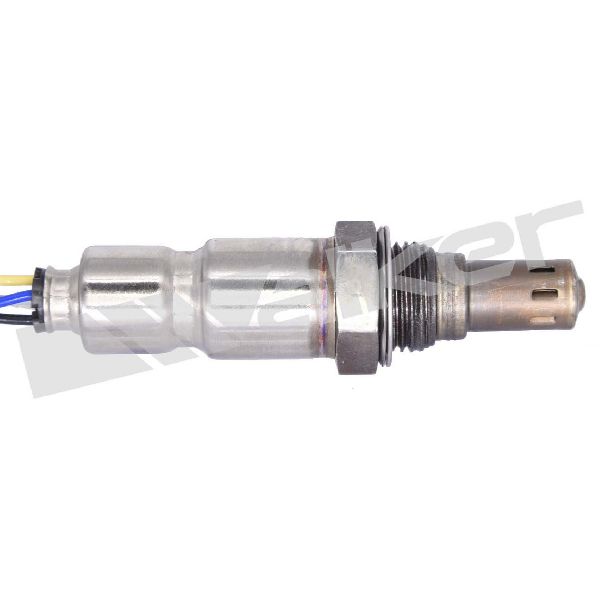
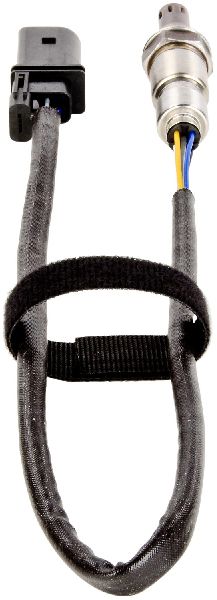
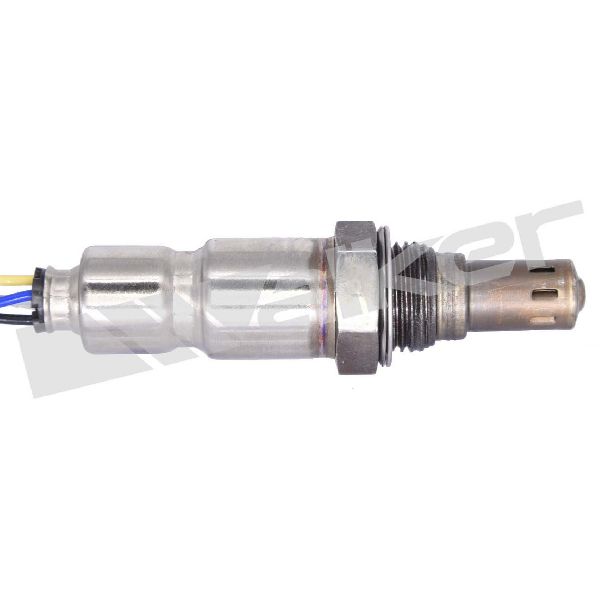
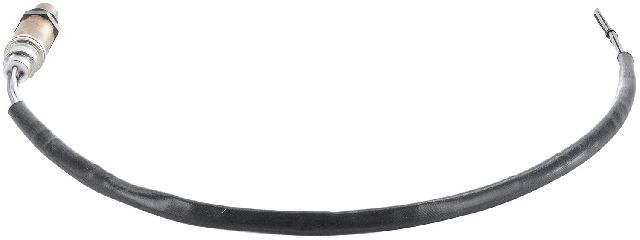
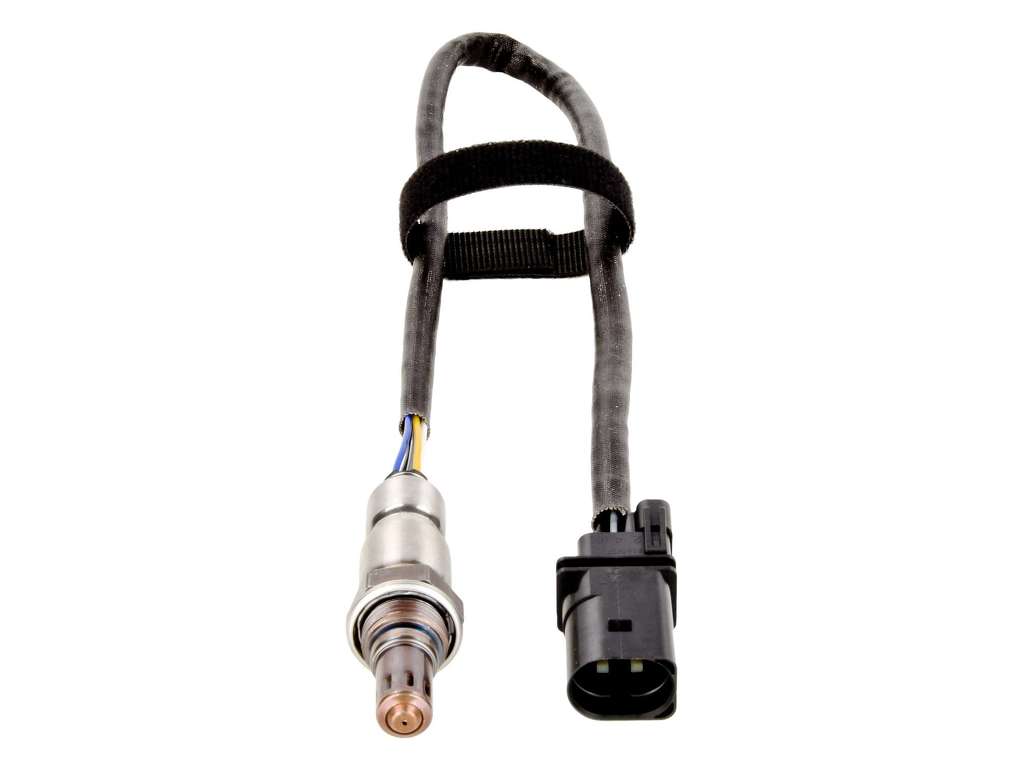
- Rear Oxygen Sensor (Post-Catalyst, Bank 1 Sensor 2)
(OEM #8K0906262G, 8W0906262G (Note: Part numbers can be superseded, always verify with VIN))— This is the most common point of failure for a P0140 code, as the sensor's internal components, especially the heater, wear out over time.
Trusted brands: Bosch (Often the OEM supplier), NTK, Denso
OEM price range: $180-$250
Aftermarket price range: $70-$150
Platform-Specific Known Issues
- Accessing the Sensor: On the C7 A6, the rear O2 sensor is located on the exhaust downpipe, accessible from underneath the car. While not technically difficult to reach, it may require safely jacking up the vehicle and using extensions on your ratchet. The sensor can be very tight due to heat cycles, so using a penetrating oil like PB Blaster 🎬 See this step-by-step downstream sensor replacement walkthrough beforehand is highly recommended.
Mechanic-Grade Diagnostic Values
- O2 Sensor Heater Resistance (Cold) — expected: 2.5 to 15.0 Ohms. Failure: An open circuit (infinite resistance) or a reading outside the specified range indicates a failed heater element.
- VCDS Live Data (Post-Catalyst O2 Sensor Voltage) — expected: Relatively stable voltage, typically fluctuating slowly. Not a flat line.. Failure: A completely flat, unchanging voltage (often stuck around 0.45V - 0.53V) indicates no activity.
- VCDS Measuring Block for Post-Catalyst O2 Sensor — expected: Group 036, Field 1 (Sensor Voltage) and Field 2 (Readiness Result).. Failure: Field 2 will show 'B1-S2 not OK' and Field 1 will show a static voltage.
- New Oxygen Sensor Installation Torque — expected: 37 Nm (approx. 27 ft-lbs). Failure: Overtightening can damage the sensor threads; undertightening can cause exhaust leaks.
Scan Tool Commands That Help
- VCDS (VAG-COM): Basic Settings - Group 036 — After warming up the engine, you can run a basic setting test on the post-cat sensor. The ECU will run a self-test and the results field will display 'Test ON' followed by 'B1-S2 OK' or 'B1-S2 not OK', providing a definitive pass/fail result for the sensor's activity.
- VCDS (VAG-COM): Advanced Measuring Values — For vehicles with UDS protocol ECUs where traditional measuring blocks are unavailable, you can search for and graph sensor voltage and heater resistance directly. Search for terms like 'Lambda sensor bank 1 sensor 2 voltage' and 'Lambda probe heater probe 2 resistance'.
Wiring & Ground Locations
- T10o Connector — Located in the electronics box in the plenum chamber (the area at the base of the windshield under the hood).. This is a major connector point for various engine sensors. A wiring diagram shows that sensor signals and power can pass through this junction, making it a potential point of corrosion or failure to check if you lose power to the O2 sensor heater circuit.
- Engine Harness Ground Connection — There are multiple engine harness ground points. A key one is often located on the engine block or cylinder head near the ignition coils.. The O2 sensor circuit requires a solid ground to function. While the sensor often grounds through its own wiring, a bad engine-to-chassis ground can cause floating voltages and strange sensor behavior. A wiring diagram is essential to trace the specific ground path (e.g., 'Earth connection -1-, in engine compartment wiring harness').
Real Owner Repair Stories
- Reddit r/Audi user No_Claim_576 (Audi with 2.0T engine (model not specified, but behavior is relevant)) — P0140 code appeared after installing a catless downpipe and a Stage 2 ECU tune.
❌ Tried (didn't work) The user was asking for a solution, implying the code was persistent after the modifications.
✅ What actually fixed it This is a case where the code is intentionally or unintentionally caused by an aftermarket ECU tune. The tune, designed for a catless setup, may disable the rear O2 sensor monitoring to prevent a P0420 (catalyst efficiency) code, but can sometimes improperly set a P0140 instead. The fix is to have the tuner adjust the software to correctly code out the rear O2 sensor.
OEM Part Supersession History
8K0906262G→8W0906262G— Standard part number evolution and supplier changes. Functionality remains the same for the specified application.
Heads up: No known incompatibility for the C7 A6 2.0T. Both part numbers should work, but it is always best practice to confirm the latest revision with a VIN at the dealer.
Model Year Variations Within This Range
- 2011-2015 (Pre-Facelift): Early C7 A6 models primarily used the EA888 Gen2 2.0T engine. While the P0140 diagnosis is identical, these engines have different historical issues (e.g., oil consumption) that are unrelated but good to be aware of.
- 2016-2018 (Post-Facelift): The facelifted C7.5 A6 received the updated EA888 Gen3 2.0T engine, which featured an integrated exhaust manifold in the cylinder head and other revisions for efficiency and power (252 hp vs 211-220 hp). The post-catalyst O2 sensor's physical location and function for P0140 remain the same, but part numbers for surrounding components may differ. The Gen3 engine is also used in a wider variety of VAG products, including the Porsche Macan.
Diagnostic Flowchart
Other Known Issues on This Vehicle
Issues unrelated to this code that are worth knowing about as an owner of this generation:
- Timing Chain Tensioner Failure 🔴 High — Common on earlier EA888 Gen 2 engines (approx. pre-2013). Failure can occur with as little as 30k miles but is more common around 60k-100k miles. A rattling noise on cold starts is a key warning sign. (Ref: No recall, but multiple TSBs and an updated part (06K109467K) were issued.)
- Excessive Oil Consumption 🟠 Medium — Primarily affects EA888 Gen 2 engines (pre-2012/2013) due to piston ring design. Can lead to needing to add oil between changes. (Ref: TSB 17 13 43 (2027731/5) was issued for other models like the A4/A5/Q5, and a class-action lawsuit addressed the issue, leading to extended warranties and repairs for some owners.)
- Water Pump / Thermostat Housing Leaks 🟠 Medium — The plastic water pump and/or thermostat housing can crack and leak coolant, typically after 50,000 miles. A sweet smell of coolant or a low coolant warning light are common symptoms. (Ref: Some water pumps were subject to recalls or warranty extensions on other VW/Audi models, but check by VIN for A6 applicability.)
- PCV Valve Failure 🟡 Low — The PCV (oil separator) diaphragm can tear, causing a large vacuum leak. Symptoms include a rough idle, a whistling or honking noise from the engine, and sometimes codes for a lean fuel mixture.
- Carbon Buildup on Intake Valves 🟠 Medium — A universal issue for all direct-injection engines, including the 2.0T. Over 60,000-80,000 miles, carbon can accumulate on the back of intake valves, causing misfires, rough idle, and reduced performance.
Used vs. New Parts: Buying Guide for This Vehicle
When a used part is the smart pick: Never. Oxygen sensors are wear items with a finite lifespan, similar to spark plugs or brake pads. Installing a used sensor is not recommended as its remaining life is unknown, and it may fail shortly after installation, forcing you to do the labor twice.
What to inspect on the donor part:
- Not applicable as used purchase is not recommended.
OEM-only on this vehicle (don't cheap out):
- While not strictly 'OEM-only', using a sensor from the original equipment manufacturer (OEM), which is typically Bosch for this vehicle, is highly recommended. Cheap, unbranded sensors are notorious for failing prematurely or having incorrect voltage ranges, causing persistent codes.
Aftermarket brands forum-validated for this vehicle:
- Bosch (OEM supplier)
- NTK
- Denso
Brands owners have reported issues with on this vehicle:
- Generic, no-name brands from online marketplaces. Forum discussions frequently mention issues with these parts failing within months or not working correctly out of the box.
Real Owner Stories
Aggregated from forums and TSBs cited above. Mileages and costs reflect what owners reported in those sources.
2014 Audi A6 2.0T
Symptoms: The owner experienced a persistent P0140 code and observed a stuck voltage reading of approximately 0.53V on their diagnostic tool.
What fixed it: The diagnostic process involved checking the sensor and the connector to resolve the inactive circuit.
Source hint: AudiWorld Forums
2011-2018 Audi A6 2.0T — ~90000 miles
Symptoms: Internal failure of the oxygen sensor, specifically the heating element, after the vehicle exceeded the typical 80,000-100,000 mile wear-and-tear threshold.
What fixed it: Replacement of the rear oxygen sensor using a 22mm socket and applying anti-seize to the new sensor's threads.
Source hint: Article Context - Common Causes
Related OBD-II Codes
Frequently Asked Questions
What is the recommended replacement brand for the rear O2 sensor on my Audi A6 2.0T?
Where is the Bank 1, Sensor 2 oxygen sensor located on the C7 A6?
My 2014 A6 2.0T shows a flat voltage of 0.53V for the rear sensor; is this normal?
Could a blown fuse cause the P0140 code on my Audi?
What is the correct resistance for the O2 sensor heater on this vehicle?
Are there any specific tips for removing a stuck O2 sensor on an older A6?
Helpful Videos

We Have This Part in Stock

The information in this article is provided for general reference and educational purposes only. Vehicle specifications, procedures, and part compatibility can vary by production date, trim level, and region. Always consult your vehicle's factory service manual and verify part numbers before purchasing or performing repairs. Safety-critical components such as airbags, seat belts, and braking systems should be installed by a qualified professional.
- Audi A6:
- 🧭 Diagnostic Flowchart
- 🎬 Helpful Videos
- 🛍️ Shop This Part
- What's Unique About the 2011-2018 Audi A6
- Symptoms You May Notice
- Most Likely Causes
- Rare But Worth Checking
- Diagnosis Steps
- Parts You'll Likely Need
- Platform-Specific Known Issues
- Mechanic-Grade Diagnostic Values
- Scan Tool Commands That Help
- Wiring & Ground Locations
- Real Owner Repair Stories
- OEM Part Supersession History
- Model Year Variations Within This Range
- Other Known Issues on This Vehicle
- Used vs. New Parts: Buying Guide for This Vehicle
- Real Owner Stories
- 2014 Audi A6 2.0T
- 2011-2018 Audi A6 2.0T — ~90000 miles
- Related OBD-II Codes
- Frequently Asked Questions
- 🎟️ Get 5% Off