

P0140 on 2010-2017 BMW 5-Series N20: O2 Sensor Circuit No Activity Fixes
This code means the post-catalyst oxygen sensor (Bank 1, Sensor 2) is not sending a signal. The most common fix is replacing the sensor itself, which costs around $100-$180 for a quality aftermarket part like Bosch. Other causes include wiring damage, exhaust leaks, or a blown fuse for the sensor's heater circuit.
- P0140 means the downstream O2 sensor (Bank 1, Sensor 2) has stopped sending a signal.
- The most likely cause is a failed O2 sensor, which is a standard wear-and-tear item.
- The car is safe to drive, but you will fail an emissions test and may have slightly worse fuel economy.
- Before replacing the sensor, check its wiring and connector for damage and verify the heater circuit fuse is intact.
- Ensure you are replacing the correct sensor – Sensor 2 is located after the catalytic converter.
What's Unique About the 2010-2017 BMW 5-Series
The BMW 5-Series of the F10 generation with the N20 engine uses a single exhaust bank, so 'Bank 1' is the only bank. Sensor 2 is located downstream of the catalytic converter. While the code itself is generic, the primary cause on these vehicles is overwhelmingly a failed sensor due to age or contamination. Unlike some other platforms where wiring is a frequent culprit, on the N20, the sensor itself is the most common point of failure. Owners should be aware that using cheap, unbranded aftermarket sensors can sometimes lead to persistent issues, and reputable brands like Bosch are recommended. The correct OEM part number is 11787589122, which is manufactured by Bosch.
Generation note: The 2010-2017 year range covers the F10/F11/F07 generation of the BMW 5-Series. The N20 engine specified was primarily used in the 528i and 528i xDrive models from the 2012 to 2016 model years. Earlier 2010-2011 528i models used a different, naturally aspirated 6-cylinder engine (N52/N53) which would have a different exhaust and sensor layout. This guide is specific to the N20-equipped models.
Symptoms You May Notice
- Check Engine Light is on.
- Inability to pass a state emissions inspection.
- Slightly reduced fuel economy.
- Potentially rough idle, though this is less common.
- Increased harmful tailpipe emissions.
- Replacing the wrong O2 sensor. The N20 engine has two sensors: an upstream (pre-catalyst, wideband A/F sensor) and a downstream (post-catalyst, traditional O2 sensor). P0140 specifically refers to the downstream sensor (Sensor 2). The upstream sensor is P/N 11787589121. Always confirm the location before replacing.
Most Likely Causes
- Failed Post-Catalytic O2 Sensor (Bank 1, Sensor 2) 🔴 High Probability → Shop Oxygen Sensor Oxygen sensors are wear items that degrade over time from heat and contaminants in the exhaust. After 80,000-100,000 miles, internal failure of the sensor's heating element or sensing element is common. The heater circuit is particularly susceptible to failure, which will prevent the sensor from reaching operating temperature and sending a signal.
How to confirm: Use an OBD-II scanner to monitor live data for the 'B1S2' O2 sensor. A healthy sensor will show a relatively steady voltage, typically between 0.7V and 0.9V. A failed sensor will show no activity, often stuck at a fixed voltage (e.g., 0.45V) or 0V. You can also test the sensor's internal heater circuit resistance with a multimeter; it should be within a specific range (typically 2-10 ohms). An open circuit (infinite resistance) indicates a failed heater.
Typical fix: Replace the Bank 1, Sensor 2 oxygen sensor. This sensor is located in the exhaust pipe after the catalytic converter. The recommended OEM part is BMW P/N 11787589122, made by Bosch. 🎬 Watch: Step-by-step N20 downstream oxygen sensor replacement walkthrough.
Est. part cost: $100-$180 - Damaged Wiring or Connector 🟡 Medium Probability The sensor wiring runs underneath the vehicle and is exposed to road debris, heat, and moisture, which can cause wires to break, chafe, or corrode. The connector itself can also become contaminated or damaged. Forum users on Bimmerpost have reported chasing P0140 codes that were ultimately traced to a wiring issue rather than the sensor itself.
How to confirm: Visually inspect the entire wiring harness from the O2 sensor to where it connects to the main vehicle harness. Check for breaks, melted sections, or corrosion in the connector pins. Use a multimeter to check for continuity on the signal and heater circuit wires and verify power and ground are present at the connector with the ignition on.
Typical fix: Repair the broken wire(s) or replace the damaged connector pigtail.
Est. part cost: $10-$50 - Exhaust Leak ⚪ Low Probability Rust or failed gaskets can cause leaks in the exhaust system upstream of the sensor. This is more common in regions with heavy road salt usage. An exhaust leak can introduce outside oxygen into the exhaust stream, skewing the sensor's readings and potentially causing the DME to interpret it as 'no activity'.
How to confirm: Listen for ticking or hissing sounds from the exhaust, especially when the engine is cold. You can also use a smoke machine to feed smoke into the exhaust system and look for leaks before the sensor. A leak allows outside oxygen to enter, which can prevent the sensor from reading correctly.
Typical fix: Repair the exhaust leak by replacing the faulty gasket or welding the cracked pipe.
Est. part cost: $50-$300
Rare But Worth Checking
- Blown Fuse for O2 Sensor Heater Circuit: → Shop Oxygen Sensor The oxygen sensor has a heater to bring it to operating temperature quickly. This heater is powered by a fuse. If the fuse blows, the sensor won't heat up and may not produce a signal, triggering P0140. Check your vehicle's fuse diagram for the O2 sensor or emissions-related fuses, typically located in the front or rear fuse box. 🎬 See this guide to find your O2 sensor fuse location.
- Faulty DME (Engine Computer): In very rare cases, the driver circuit for the oxygen sensor within the DME can fail. This should only be considered after all other possibilities (sensor, wiring, fuses) have been exhaustively ruled out.
Diagnosis Steps
- Read the code with an OBD-II scanner to confirm P0140 is the primary code present.
- Use the scanner's live data function to observe the voltage for 'O2 Sensor Bank 1 Sensor 2'. If it is flat and unresponsive (e.g., stuck at 0V or 0.45V) while the engine is running and warm, the sensor or its circuit is inactive. A healthy sensor should read a steady 0.7V - 0.9V.
- Perform a visual inspection of the Bank 1 Sensor 2 (post-catalyst) and its wiring harness. Look for any obvious signs of damage, such as burnt wires touching the exhaust, corrosion on the connector, or physical damage to the sensor body.
- Check the fuse for the O2 sensor heater circuit. Consult the vehicle's fuse diagram for the specific location.
- If the wiring and fuse are good, test the sensor's heater circuit. Disconnect the sensor and measure the resistance between the two heater pins on the sensor side. It should be low, typically 2-10 ohms. No continuity (infinite resistance) means the heater is broken and the sensor must be replaced.
- With the sensor disconnected and the ignition on (engine off), check for battery voltage at the heater power pin on the vehicle's harness connector. This confirms the circuit from the fuse box is intact.
- Inspect the exhaust system for any leaks between the engine and the post-catalyst O2 sensor. Listen for unusual noises or use a smoke tester for confirmation.
- If all wiring, fuses, and the exhaust system are confirmed to be good, the O2 sensor itself is the most likely culprit and should be replaced with a quality part.
Parts You'll Likely Need
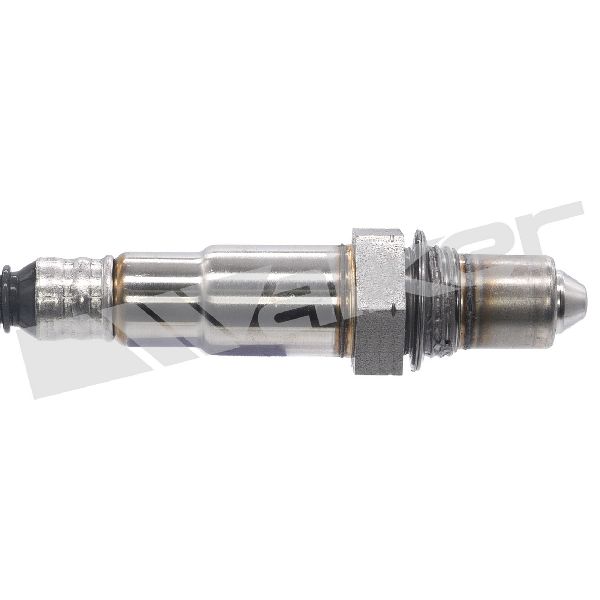
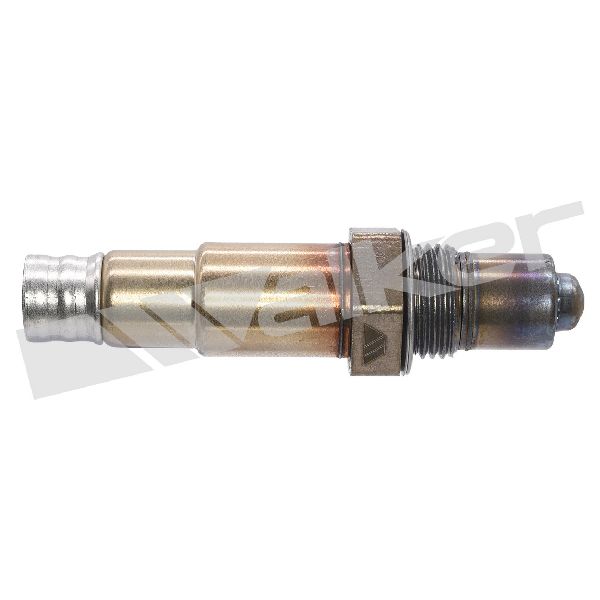
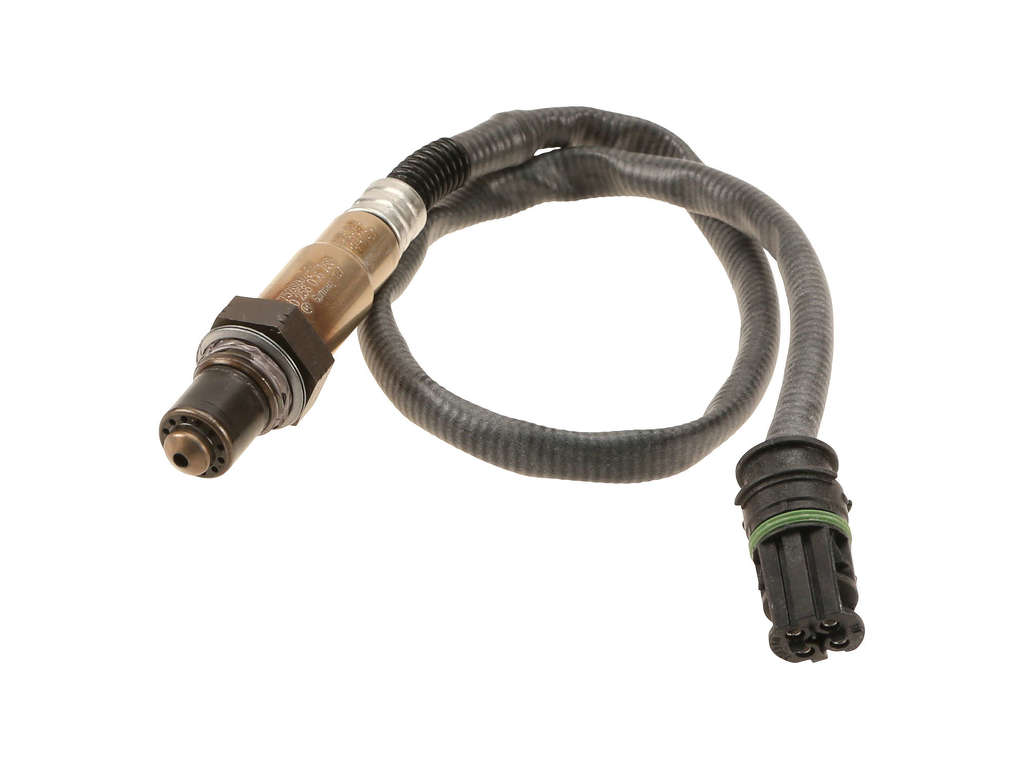
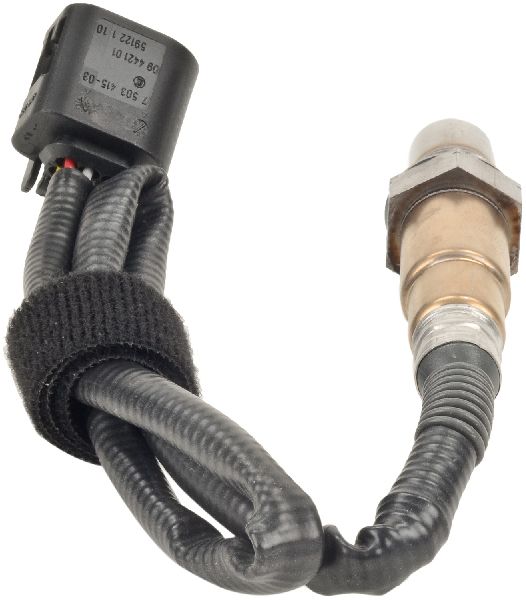
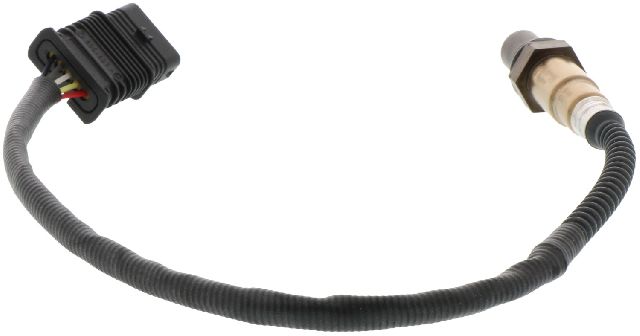
- Downstream Oxygen Sensor (Bank 1, Sensor 2)
(OEM #11787589122)— This is the most common failure point for a P0140 code, as the sensor's internal components, especially the heater, wear out over time.
Trusted brands: Bosch (OEM), Denso, NTK
OEM price range: $150-$220
Aftermarket price range: $100-$180
Mechanic-Grade Diagnostic Values
- Post-Catalyst (B1S2) O2 Sensor Voltage — expected: Steady 0.7V - 0.9V with engine warm and at idle, indicating a properly functioning catalytic converter.. Failure: Stuck at 0V, a fixed value like 0.45V, or an abnormally high voltage (e.g., > 2.4V) which can indicate a compromised reference ground wire.
- O2 Sensor Heater Circuit Resistance — expected: A low resistance value, typically between 2 and 10 Ohms when measured across the two heater pins on the sensor itself. A forum user reported a healthy reading of ~3 Ohms.. Failure: Infinite resistance (Open Loop), indicating a broken internal heater element.
Hidden / Shadow Codes Worth Checking
- 12B701: Oxygen sensor heating after catalytic converter, function: Internal resistance too high. This is a BMW-specific code that points directly to a failure of the sensor's internal heater, a common cause of P0140. (see via BMW-specific diagnostic software like ISTA or a high-end scanner capable of reading manufacturer codes.)
- 2C6B: Oxygen sensor after catalytic converter - System check. This fault is often triggered alongside other O2 sensor codes and suggests the DME is running a plausibility check on the sensor signal and finding it unresponsive. (see via BMW-specific diagnostic software like ISTA or a high-end scanner.)
Scan Tool Commands That Help
- ISTA: Clear adaptations (Exhaust emission system) — After replacing the oxygen sensor, it is best practice to reset the engine's learned fuel and emissions values. This forces the DME to re-learn using the data from the new sensor. The path is typically: Vehicle management -> Service function -> Power train -> Digital Motor Electronics -> Clear adaptations -> Exhaust emission system.
- ISTA: Post-Adaptation Reset Driving Procedure — Immediately after clearing adaptations to ensure the DME properly relearns. The procedure involves specific steps like idling for 5 minutes, driving at steady speeds (60-90 km/h), and performing engine braking cycles. Failure to do this can result in temporary rough running or other fault codes.
Wiring & Ground Locations
- Main Powertrain Ground Strap — On the F10 chassis, this strap is located at the rear of the transmission, connecting the transmission case to the transmission tunnel/floor pan.. This braided copper strap is prone to corrosion and breakage over time. A high-resistance ground path can cause numerous, difficult-to-diagnose electrical issues, including erratic sensor readings that could be misdiagnosed as a failed sensor. If you have other strange electrical gremlins, this ground should be inspected.
OEM Part Supersession History
11787589122→11787589122— No supersession found. This part number remains current.
Heads up: The OEM manufacturer is Bosch. While other brands like NTK and Denso are reputable, using unbranded, low-cost sensors is a frequent cause of repeat failures or incorrect readings on this platform.
Diagnostic Flowchart
Other Known Issues on This Vehicle
Issues unrelated to this code that are worth knowing about as an owner of this generation:
- Timing Chain Guide Failure 🔴 High — Common on N20 engines produced before March 2015. Can occur as early as 70,000 miles. A distinct engine whine is a key symptom. (Ref: BMW issued a warranty extension for the timing chain and oil pump drive to 7 years/70,000 miles. TSB SI B11 13 14 addresses this.)
- Oil Leaks (Valve Cover & Oil Filter Housing Gaskets) 🟠 Medium — Very common as the vehicle ages past 60,000-80,000 miles. The gaskets become brittle and crack, leading to oil leaks onto the engine and exhaust.
- VANOS Solenoid Failure 🟠 Medium — Can occur at various mileages, often due to oil sludge or contamination. Symptoms include rough idle, hesitation, and loss of power.
- Electric Water Pump Failure 🔴 High — A common failure point on many BMWs of this era, including the N20. Failure can occur without warning, typically between 60,000 and 100,000 miles, and will cause rapid overheating.
- Excessive Oil Consumption 🟡 Low — Some N20 engines can consume oil between changes. BMW considers consumption up to 1 quart per 750 miles to be within specification, though this is debated by owners. Can be caused by a faulty PCV valve diaphragm in the valve cover. (Ref: SI B11 03 13 discusses oil consumption on BMW engines.)
Used vs. New Parts: Buying Guide for This Vehicle
When a used part is the smart pick: A used part is generally not recommended for the oxygen sensor itself as it is a critical wear item. However, sourcing a used wiring harness connector pigtail from a salvage yard is a smart and cost-effective repair if only the connector is damaged.
Donor-vehicle mileage cap: roughly under 80000 miles for the part to have meaningful remaining life.
What to inspect on the donor part:
- For a connector: Ensure the plastic is not brittle or cracked.
- Check for any signs of green or white corrosion on the metal pins.
- Verify the locking tab is intact and functional.
- Ensure there is at least 6 inches of wiring attached to the pigtail for easier splicing.
OEM-only on this vehicle (don't cheap out):
- Oxygen Sensor: Due to the sensitivity of the BMW DME, it is strongly recommended to use the OEM Bosch sensor or a top-tier OE-equivalent like NTK or Denso. Unbranded sensors frequently fail to communicate properly with the DME, leading to persistent codes.
Aftermarket brands forum-validated for this vehicle:
- Bosch (OEM Manufacturer)
- NTK
- Denso
Brands owners have reported issues with on this vehicle:
- Unbranded sensors from online marketplaces (e.g., 'eBay special', generic Amazon parts).
Real Owner Stories
Aggregated from forums and TSBs cited above. Mileages and costs reflect what owners reported in those sources.
BMW F10 528i N20
Symptoms: Multiple misfire codes and a perceived drop in fuel economy.
What fixed it: The owner noted these symptoms can accompany O2 sensor issues, though the specific thread also discussed broader maintenance.
Source hint: F30Post thread titled 'multiple misfire codes on an F10 528i with the N20 engine'
BMW 5 Series (F10) N20
Symptoms: Significant oil leak.
What fixed it: Traced the issue to a loose timing chain tensioner bolt.
Source hint: F10 5 Series forum thread https://f10.5post.com/forums/showthread.php?t=1793510
Related OBD-II Codes
Frequently Asked Questions
Does the timing chain warranty extension mentioned in TSB SI B11 13 14 apply to my 5-Series with the N20 engine?
What is the recommended replacement part for the Bank 1 Sensor 2 O2 sensor on my BMW 528i?
I'm seeing P0140 on my 5-Series; could this be related to the common oil leaks on the N20 engine?
Could a wiring issue be causing my P0140 code instead of a bad sensor?
How can I confirm if the O2 sensor heater circuit has failed on my N20 2.0L Turbo?
Helpful Videos
We Have This Part in Stock


The information in this article is provided for general reference and educational purposes only. Vehicle specifications, procedures, and part compatibility can vary by production date, trim level, and region. Always consult your vehicle's factory service manual and verify part numbers before purchasing or performing repairs. Safety-critical components such as airbags, seat belts, and braking systems should be installed by a qualified professional.
- BMW 5-Series:
- 🧭 Diagnostic Flowchart
- 🎬 Helpful Videos
- 🛍️ Shop This Part
- What's Unique About the 2010-2017 BMW 5-Series
- Symptoms You May Notice
- Most Likely Causes
- Rare But Worth Checking
- Diagnosis Steps
- Parts You'll Likely Need
- Mechanic-Grade Diagnostic Values
- Hidden / Shadow Codes Worth Checking
- Scan Tool Commands That Help
- Wiring & Ground Locations
- OEM Part Supersession History
- Other Known Issues on This Vehicle
- Used vs. New Parts: Buying Guide for This Vehicle
- Real Owner Stories
- BMW F10 528i N20
- BMW 5 Series (F10) N20
- Related OBD-II Codes
- Frequently Asked Questions
- 🎟️ Get 5% Off