

P0140 on 1997-2003 Chevrolet Malibu 3.1L V6: Causes and Fixes for O2 Sensor Inactivity
On a 1997-2003 Malibu, code P0140 almost always means the rear (post-catalyst) oxygen sensor has failed. It's a straightforward DIY replacement with the part costing between $40 and $90. Before replacing, check the wiring for damage and the associated fuse.
- P0140 points to a problem with the rear oxygen sensor (Bank 1, Sensor 2) circuit, not the catalytic converter.
- The most likely cause is simply a failed O2 sensor, which is a common part to replace due to age and heat.
- Before replacing the sensor, always perform a quick visual inspection of the wiring for obvious damage and check the O2 sensor fuse.
- This is a DIY-friendly repair; you will need a special 22mm (or 7/8") O2 sensor socket to complete the job.
- Driving with this code is not harmful to the engine, but it will prevent you from passing an emissions test.
What's Unique About the 1997-2003 Chevrolet Malibu
For this generation of Chevrolet Malibu and its platform mates (Oldsmobile Alero, Pontiac Grand Am) with the 3.1L V6, the P0140 code is a very common and straightforward issue. There are no major design flaws or generational quirks that make this code difficult to diagnose. The problem is almost always isolated to the sensor itself or its immediate wiring, which is exposed under the vehicle. The OEM parts supplier, ACDelco, often uses sensors manufactured by Denso, making high-quality aftermarket replacements like Denso (p/n 234-4617) and NTK (p/n 21537) readily available and reliable.
Symptoms You May Notice
- Check Engine Light is on
- Failing a state emissions inspection
- Slight decrease in fuel economy (5-10%) in some cases, as the system may operate in a default mode.
- Replacing the catalytic converter. P0140 is an electrical circuit code, not a catalyst efficiency code (like P0420). While a bad sensor can sometimes hide a bad converter, you should never replace the converter for a P0140 alone.
- Replacing the wrong O2 sensor. This code is for Bank 1, Sensor 2, which is the downstream sensor on the firewall side of the engine. Ensure you are replacing the correct one.
Most Likely Causes
- Failed Bank 1, Sensor 2 Oxygen Sensor 🔴 High Probability → Shop Oxygen Sensor Oxygen sensors are wear items with a finite lifespan, typically around 100,000 miles. Age, heat cycles, and exposure to exhaust contaminants eventually cause the internal heating element or the chemical sensing element to fail, resulting in no signal.
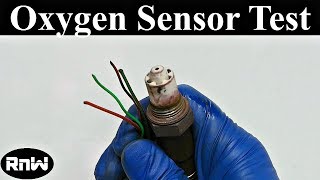
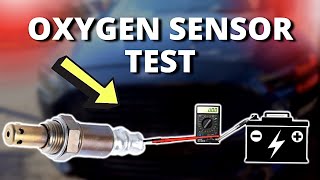
How to confirm: Using a scan tool, observe the live data for 'O2S B1S2'. If the voltage is flat, unchanging, or stuck near 0.165V - 0.45V while driving, the sensor is not responsive. 🎬 See this guide on testing O2 sensor operation and voltage. You can also test the resistance of the sensor's internal heater circuit with a multimeter; an open circuit (infinite resistance) indicates failure.
Typical fix: Replace the Bank 1, Sensor 2 oxygen sensor. This sensor is located after the catalytic converter.
Est. part cost: $40-$90 - Damaged Wiring or Connector 🟡 Medium Probability The wiring harness for the downstream O2 sensor runs underneath the vehicle, where it is exposed to road debris, moisture, and extreme heat from the exhaust pipe. This can cause wires to break, melt, or corrode inside the connector pins. Manufacturer service bulletin TSB Bulletin #PIP5123B notes that technicians should specifically inspect for a bent terminal on the X131 connector when P0140 is present alongside other O2 sensor codes.
How to confirm: Visually inspect the entire wiring harness from the O2 sensor to where it connects to the main vehicle harness. Check for melted plastic, chafed or broken wires, and corrosion inside the connector pins. A multimeter can be used to check for continuity from the sensor connector to the PCM and for shorts to ground or power.
Typical fix: Repair the damaged section of the wiring harness or replace the connector pigtail.
Est. part cost: $15-$30 - Blown O2 Sensor Heater Fuse ⚪ Low Probability → Shop Oxygen Sensor A short circuit in the sensor's heater element or its wiring can cause the corresponding fuse to blow, preventing the sensor from reaching its required operating temperature. Manufacturer service bulletin TSB Bulletin #PIT5336 notes that when P0140 is set, a technician may find the Emission 1 Fuse is open and will need to inspect the circuit.
How to confirm: Locate the fuse panel (check owner's manual for 'O2 HTR' or similar, sometimes labeled 'SENSOR 1' on GM vehicles) and visually inspect the fuse. Use a multimeter or test light to confirm the fuse has continuity. On some GM vehicles, this fuse may also power transmission components, so a blown fuse might present other symptoms.
Typical fix: Replace the blown fuse. If the new fuse blows immediately, it indicates a short circuit in the wiring or sensor that must be found and fixed.
Est. part cost: $1-$5
Rare But Worth Checking
- Minor Exhaust Leak: A small, hard-to-find exhaust leak near the O2 sensor mounting boss can introduce fresh oxygen, causing the sensor reading to flatline at a low voltage, which the PCM interprets as inactivity. A GM technical bulletin suggests using a smoke machine to find such leaks if the sensor and wiring test good.
- Faulty Powertrain Control Module (PCM): → Shop Engine Control Module (ECM) This is extremely rare. The PCM's internal driver for the O2 sensor circuit can fail, but this should only be considered after all other possibilities, including a faulty replacement sensor, have been definitively ruled out. Sometimes a code will persist after sensor replacement due to a bad wiring connection, not a bad PCM.
Diagnosis Steps
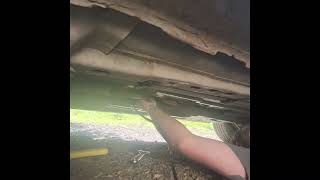
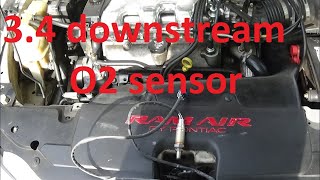
- Read the code with an OBD-II scanner to confirm P0140 is the only code present. 🎬 Watch: A quick walkthrough of O2 sensor location and replacement.
- Visually inspect the Bank 1 Sensor 2 (downstream) O2 sensor and its wiring harness. Look for any obvious signs of damage, such as melted wires, corrosion in the connector, or physical damage to the sensor.
- Check the fuse for the oxygen sensor heater circuit in the vehicle's fuse box. This may be labeled 'O2 HTR' or simply 'SENSOR'.
- With a scan tool, monitor the live data stream for the Bank 1 Sensor 2 voltage. When the engine is warm, the voltage should be relatively stable or slow to change. If it is flatlined or shows no activity (e.g., stuck at 0.165V), the fault is confirmed.
- If you have a multimeter, disconnect the sensor and test the heater circuit. Check for 12V power on the pink wire and good ground on another with the key on. Then, check the resistance between the two heater pins on the sensor itself. 🎬 Watch: How to identify sensor wires and test for failure. An open circuit (infinite resistance) means the heater is bad and the sensor needs replacement.
- If the wiring, fuse, and sensor heater all test good, the sensor's signal circuit or the sensor itself is the likely problem. Given the high failure rate of the sensor, replacement is the most probable fix.
- If a new sensor does not resolve the issue, perform a detailed check of the signal and ground wires between the sensor connector and the PCM for breaks or shorts. Be aware that new sensors can sometimes be defective out of the box.
Parts You'll Likely Need
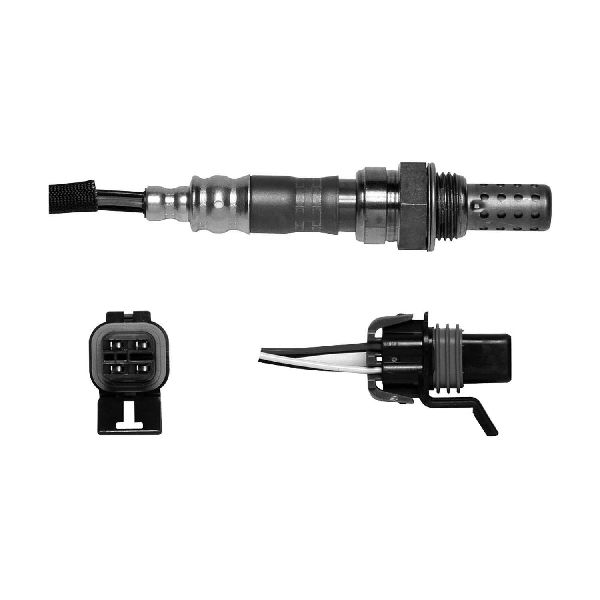
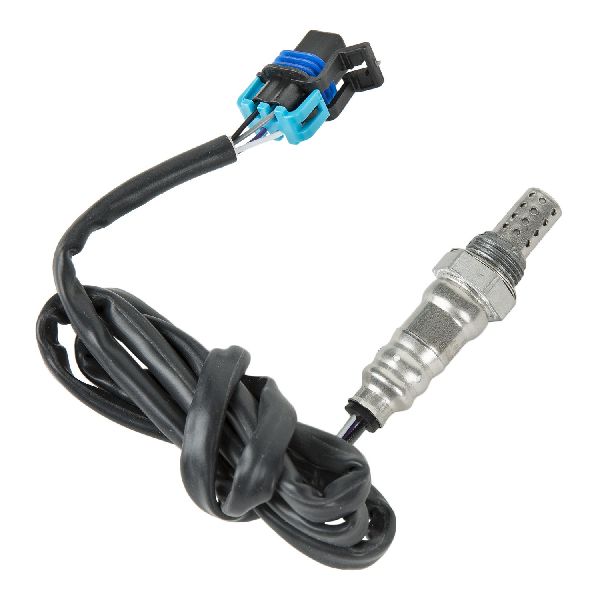
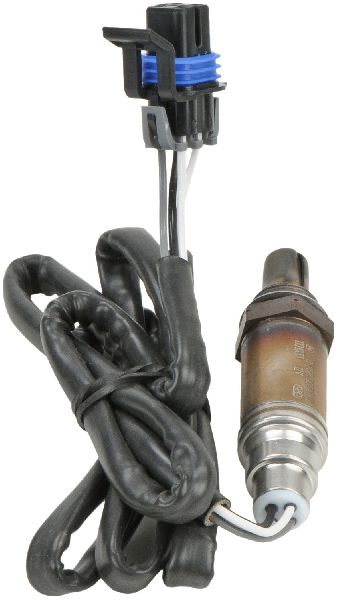
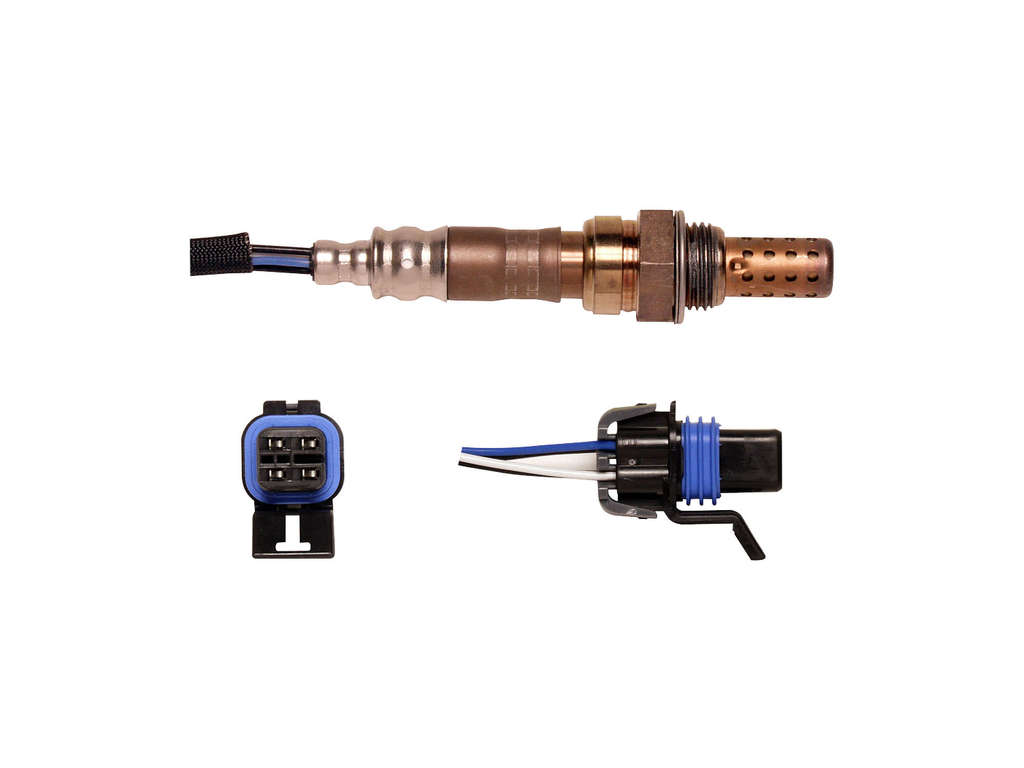
- Oxygen Sensor (Bank 1, Sensor 2)
(OEM #ACDelco 213-810)— This is the downstream, post-catalyst sensor. It is a common wear-and-tear item and the most frequent cause of a P0140 code.
Trusted brands: ACDelco, Denso (p/n 234-4617), Bosch, NTK/NGK (p/n 21537)
OEM price range: $70-$100
Aftermarket price range: $40-$75
Technical Service Bulletins (TSBs) & Recalls
- MC-10219266-0001: Recommends using a smoke machine to diagnose hard-to-find intake or exhaust leaks that could trigger various O2 sensor codes, including P0140.
- GM Bulletin 02-06-04-011: Mentions a revision to the diagnostic criteria for DTC P0140 on various 1998-2001 GM cars and light trucks, indicating that GM was aware of and refining the sensitivity of this code's trigger conditions.
- TSB Bulletin #PIT5336: Notes that for various GM models, a P0140 code may be accompanied by an open Emission 1 Fuse, requiring a circuit inspection.
- TSB Bulletin #PIP5123B: Advises technicians to inspect for a bent terminal on the X131 connector when P0140 is found in conjunction with other O2 sensor circuit codes.
Platform-Specific Known Issues
- Persistent Code After Replacement: In some forum discussions, owners have reported the P0140 code returning shortly after replacing the sensor. This is often traced back to a faulty new sensor, a missed wiring issue, or using an incompatible aftermarket catalytic converter that the sensor cannot properly read. In one case on a 2000 Impala 3.8L, the issue was finally resolved by using a different brand of sensor after the first replacement failed.
Mechanic-Grade Diagnostic Values
- O2 Sensor Heater Element Resistance — expected: 3 to 10 Ohms when cold. Failure: An open circuit (OL on multimeter) or very high resistance (thousands of Ohms).
- B1S2 Signal Voltage (Scan Tool) — expected: Relatively stable or slow-moving voltage, typically above 0.5V on a healthy, warm system.. Failure: Voltage is stuck, flatlined, or does not respond for over a minute. The PCM sets the code when it detects no activity for a specified period (e.g., over 74 seconds).
- B1S2 Heater Power Supply (at connector) — expected: 10-12 Volts DC with key on, engine off.. Failure: No voltage indicates a blown fuse or a break in the power wire from the fuse block.
Wiring & Ground Locations
- G103 — Located at the left rear of the engine compartment on the cowl, above the brake booster.. This ground point serves the Body Control Module (BCM), Instrument Panel Cluster (IPC), and Data Link Connector (DLC). While not a direct engine ground, a poor connection here can cause a variety of bizarre electrical issues, potentially affecting how the PCM communicates or receives power, indirectly contributing to sensor circuit faults.
- B1S2 O2 Sensor Connector (PCM side) — At the main Powertrain Control Module (PCM) connector.. To perform a definitive wiring check, you must test for continuity from the sensor connector to the PCM. For the B1S2 sensor, the signal wire is typically Tan, and the low reference wire is Purple. These wires must have continuity to their respective pins at the PCM with no shorts to power or ground.
Real Owner Repair Stories
- Car Talk Community Forum User (1996 Chevrolet Beretta 3.1L V6) — Failed emissions test with codes P0140 and P0401 (EGR).
❌ Tried (didn't work) Replacing parts based on codes without diagnosis., Disconnecting the battery to clear codes, which only worked temporarily.
✅ What actually fixed it The user was advised that P0140 is an electrical fault and the solution was to trace and test the wiring from the downstream O2 sensor back to the PCM for breaks or shorts, rather than just replacing the sensor again. - NHTSA ODI #10110369 — An owner reported a P0140 DTC where the secondary air pump was found to be corroded, causing the shaft not to turn and resulting in a blown maxifuse.
Model Year Variations Within This Range
- 1998-2001: GM issued Technical Service Bulletin 02-06-04-011, which revised the diagnostic criteria for DTC P0140. This implies that PCMs in these years may have had overly sensitive triggers for this code, and later software calibrations or diagnostic procedures were updated. This is important for technicians to know, as it suggests a PCM reflash could be a potential, though rare, part of the solution if all hardware checks out.
Diagnostic Flowchart
Used vs. New Parts: Buying Guide for This Vehicle
When a used part is the smart pick: For this repair, a used part is only recommended for the connector pigtail if the original is damaged. A used oxygen sensor is never recommended as it is a wear item with a limited lifespan.
Donor-vehicle mileage cap: roughly under 100000 miles for the part to have meaningful remaining life.
What to inspect on the donor part:
- For a connector pigtail, ensure the plastic is not brittle or cracked.
- Check for corrosion on the pins.
- Ensure there is at least 6 inches of flexible, undamaged wire attached.
OEM-only on this vehicle (don't cheap out):
- While not directly for P0140, if a catalytic converter is ever needed, using an OEM or high-quality, EPA-compliant aftermarket unit is critical. Cheap converters often fail to perform correctly, leading to other codes like P0420 and confusing O2 sensor readings.
Aftermarket brands forum-validated for this vehicle:
- Denso
- NTK / NGK
- ACDelco (OEM supplier)
Brands owners have reported issues with on this vehicle:
- While Bosch is a major manufacturer, some forum users across various GM platforms have reported intermittent issues and premature failures with their universal and some direct-fit O2 sensors on these vehicles. It is not a universal rule, but a point of caution if a replacement sensor seems to fail quickly.
Real Owner Stories
Aggregated from forums and TSBs cited above. Mileages and costs reflect what owners reported in those sources.
2000 Chevrolet Impala 3.8L V6
Symptoms: A frustrating chase where the P0140 code kept returning after replacing the catalytic converter and both O2 sensors.
What fixed it: The issue was finally resolved by using a different brand of sensor after the first replacement part also failed.
Source hint: ChevroletForum.com - 'P0140 Still showing after O2 Sensor Replaced?'
Related OBD-II Codes
Frequently Asked Questions
Where is the Bank 1, Sensor 2 oxygen sensor located on my 3.1L V6 Malibu?
I replaced the O2 sensor for P0140 on my Malibu, but the Check Engine Light came back on. What's wrong?
What does GM Bulletin 02-06-04-011 mean for my P0140 code?
Is it okay to use a used oxygen sensor to fix this code?
The wiring to my downstream O2 sensor is melted. Do I need a whole new harness?
I found the O2 sensor fuse and it was blown. I replaced it, but it blew again immediately. What should I do?
What are the recommended oxygen sensor brands for my 1997-2003 Malibu?
Helpful Videos
We Have This Part in Stock


The information in this article is provided for general reference and educational purposes only. Vehicle specifications, procedures, and part compatibility can vary by production date, trim level, and region. Always consult your vehicle's factory service manual and verify part numbers before purchasing or performing repairs. Safety-critical components such as airbags, seat belts, and braking systems should be installed by a qualified professional.
- Chevrolet Malibu:
- 🧭 Diagnostic Flowchart
- 🎬 Helpful Videos
- 🛍️ Shop This Part
- What's Unique About the 1997-2003 Chevrolet Malibu
- Symptoms You May Notice
- Most Likely Causes
- Rare But Worth Checking
- Diagnosis Steps
- Parts You'll Likely Need
- Technical Service Bulletins (TSBs) & Recalls
- Platform-Specific Known Issues
- Mechanic-Grade Diagnostic Values
- Wiring & Ground Locations
- Real Owner Repair Stories
- Model Year Variations Within This Range
- Used vs. New Parts: Buying Guide for This Vehicle
- Real Owner Stories
- 2000 Chevrolet Impala 3.8L V6
- Related OBD-II Codes
- Frequently Asked Questions
- 🎟️ Get 5% Off