

P0140 on 2007-2013 Chevrolet Silverado 1500 5.3L: O2 Sensor Inactivity Causes and Fixes
On this Silverado, P0140 almost always means the driver's side downstream O2 sensor has failed or its wiring is damaged. Before replacing the sensor, check the 'O2B' fuse in the under-hood fuse box and thoroughly inspect the wiring harness for melting on the exhaust/transmission or chafing against the front driveshaft on 4WD models, which is a very common problem on these trucks.
- P0140 points to the driver's side, downstream O2 sensor or its circuit.
- Before buying any parts, check the O2 sensor fuse (likely 'O2B') in the under-hood fuse box.
- The most critical diagnostic step on this truck is to meticulously inspect the sensor's wiring harness for melting or chafing, as this is a very common failure point, especially near the front driveshaft on 4x4s.
- Driving with this code will not harm the engine, but the Check Engine Light will remain on and you will not pass an emissions inspection.
- Do not replace the catalytic converter for this code; the problem lies with the sensor system that monitors it.
What's Unique About the 2007-2013 Chevrolet Silverado 1500
For the GMT900 generation Silverado, the wiring harness for the Bank 1 Sensor 2 is a known weak point. The harness is routed near the hot exhaust and transmission, and on 4WD models, it's close to the front driveshaft. This makes it highly susceptible to melting, chafing, and physical damage, which can cause a P0140 code even if the sensor itself is perfectly fine. Always inspect the wiring thoroughly before replacing the sensor. GM has issued service bulletins for later model trucks regarding engine wiring harness chafing against various underhood components, highlighting a history of this type of issue. For instance, manufacturer service bulletin #PIP5123B notes that P0140 can be set alongside other O2 sensor codes due to a bent terminal on the X131 connector.
Symptoms You May Notice
- Check Engine Light is illuminated.
- Vehicle will automatically fail an emissions test.
- No noticeable impact on drivability or engine performance.
- In rare cases, a slight decrease in fuel economy or rough idle if the PCM's fueling strategy is affected.
- Replacing the catalytic converter. A P0140 code indicates an issue with the sensor that monitors the converter, not the converter itself. A failing converter would typically trigger a P0420 code.
Most Likely Causes
- Damaged O2 Sensor Wiring or Connector 🔴 High Probability → Shop Oxygen Sensor The wiring harness for the driver-side downstream O2 sensor is routed near the exhaust, transmission, and (on 4WD models) the front driveshaft, making it very vulnerable to melting, chafing, or breaking. This is a widely reported failure point in owner forums. 🎬 Watch: Check this common wiring issue before buying parts.
How to confirm: Visually trace the wiring from the sensor connector up toward the engine bay. Look for melted plastic, frayed wires, or areas where the harness may have been rubbing against the frame or a driveshaft. Wiggle the connector and harness while watching live data on a scan tool to see if the signal appears. A detailed diagnostic process involves checking for continuity from the sensor plug to the ECM pins.
Typical fix: Repair the damaged section of the wiring harness with new wire, solder, and heat shrink tubing. Secure the harness away from heat sources and moving parts using zip ties.
Est. part cost: $5-$20 - Failed Bank 1, Sensor 2 Oxygen Sensor 🔴 High Probability → Shop Oxygen Sensor Oxygen sensors are wear items and fail over time due to constant exposure to extreme heat and exhaust gases. The internal heating element can also fail, which will prevent the sensor from becoming active.
How to confirm: If the fuse and wiring are confirmed to be good, and a scan tool shows a flat-lined voltage from the sensor (e.g., stuck at 450mV), the sensor itself has likely failed. A good downstream sensor should show a relatively steady, but not completely flat, voltage on a warm engine.
Typical fix: Replace the Bank 1, Sensor 2 oxygen sensor. 🎬 Watch: Step-by-step guide to replacing the O2 sensor. This is the downstream sensor on the driver's side.
Est. part cost: $40-$120 - Blown O2 Sensor Fuse 🟡 Medium Probability → Shop Oxygen Sensor A short in the O2 sensor heater circuit or its wiring (often from the damage described above) can cause the fuse to blow. Manufacturer bulletin #PIT5336 notes that technicians may find the Emission 1 Fuse open in conjunction with P0140 and other O2 sensor codes.
How to confirm: Locate the under-hood fuse box and check the fuses for the oxygen sensors, often labeled 'O2A' or 'O2B'. For a 2008 model, this is typically the 10A 'O2-B SNSR' fuse (fuse #8). A visual inspection or a multimeter can confirm if the fuse is blown. 🎬 See this video to quickly locate your O2 sensor fuse. If the fuse is blown, it strongly suggests a short in the wiring harness that needs to be found.
Typical fix: Replace the blown fuse. If the fuse blows again immediately, it indicates a short circuit in the wiring or the sensor's heater element that must be found and repaired.
Est. part cost: $1-$5 - Exhaust Leak ⚪ Low Probability Exhaust manifold bolts on GM V8s are known to break over time, causing leaks.
How to confirm: Listen for ticking or hissing noises from the exhaust manifolds or pipes, especially when the engine is cold. A visual inspection may reveal black soot marks around a leaking gasket or crack. A smoke test can also be used to pinpoint small leaks.
Typical fix: Replace the leaking exhaust gasket or repair the cracked pipe. Replace any broken manifold bolts.
Est. part cost: $20-$100
Rare But Worth Checking
- Faulty Powertrain Control Module (PCM): → Shop Engine Control Module (ECM) This is extremely rare. The PCM should only be considered after all other possibilities, including the sensor, wiring, and fuses, have been exhaustively tested and ruled out. One owner on a forum went as far as testing continuity directly to the PCM pins before suspecting the module itself.
Diagnosis Steps
- Read the code with an OBD-II scanner to confirm P0140 is present and check for any other codes.
- Check the O2 sensor fuses (e.g., 'O2B') in the under-hood fuse box. Replace if blown.
- Perform a thorough visual inspection of the Bank 1, Sensor 2 wiring harness. Trace it from the sensor (driver's side, post-catalytic converter) up to the main harness, paying close attention to areas near the exhaust, transmission, and front driveshaft (on 4WD models) for melting or chafing.
- If wiring looks good, use a scan tool to view live data for the B1S2 O2 sensor with the engine warm. If the voltage is stuck (typically around 0.45V) and does not fluctuate, the 'no activity' condition is confirmed.
- Test the sensor's heater circuit. Check for 12V power at the sensor connector's power wire (often pink) with the key on.
- If the fuse, wiring, and heater power are all intact, the oxygen sensor itself is the most likely failed component.
- Replace the Bank 1, Sensor 2 oxygen sensor.
- Clear the code and perform a drive cycle to ensure the repair was successful.
Parts You'll Likely Need
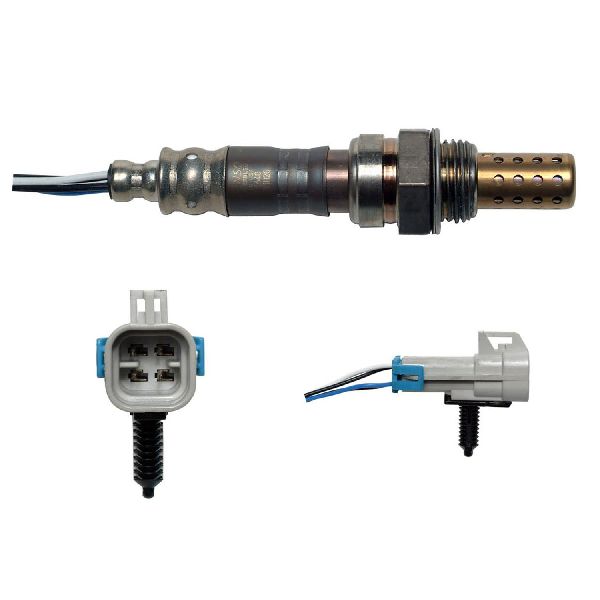
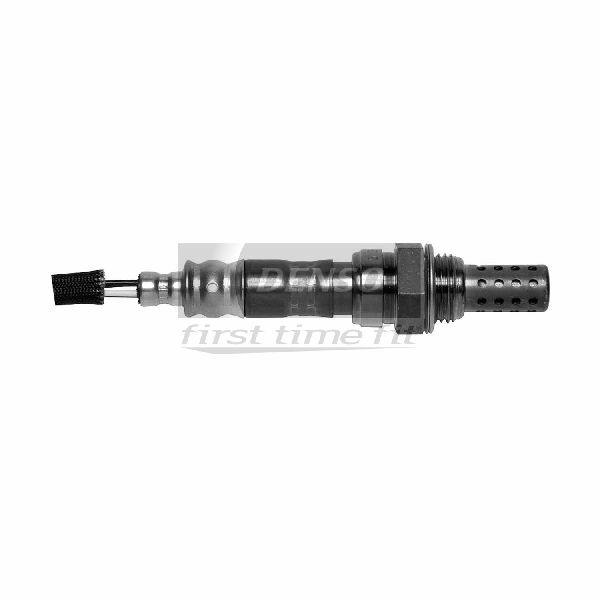
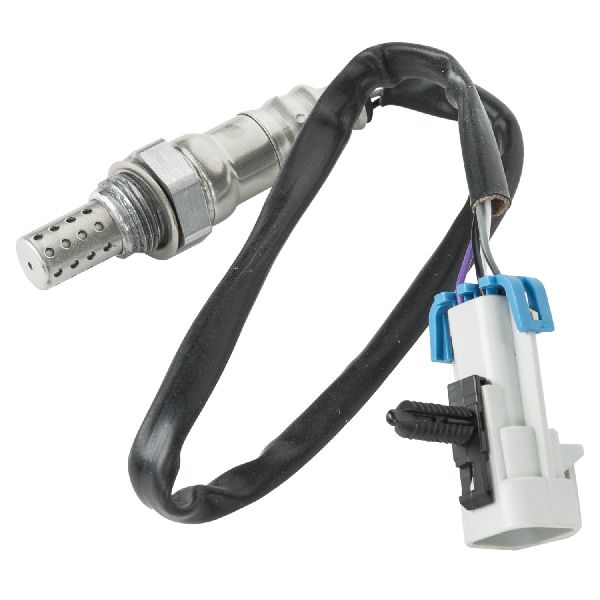
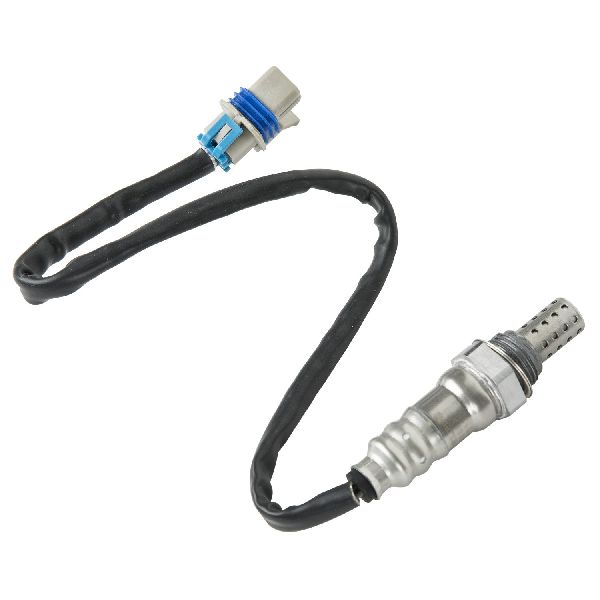
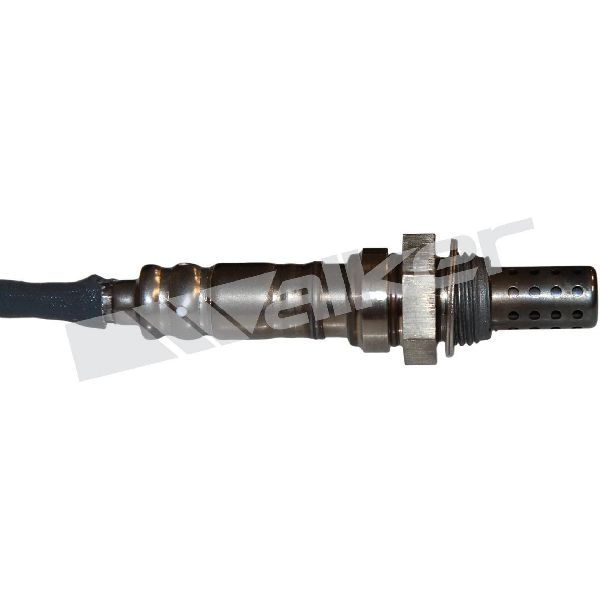
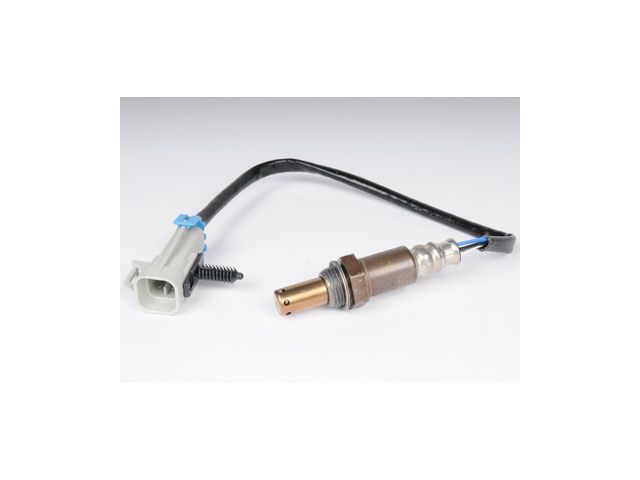
- Oxygen Sensor (Bank 1, Sensor 2)
(OEM #ACDelco 213-4229 (GM 12609457))— This is the most commonly failed component that causes P0140, assuming the wiring and fuse are intact.
Trusted brands: ACDelco, Denso, Bosch, Walker Products
OEM price range: $70-$150
Aftermarket price range: $40-$80
Related Codes That Often Appear With This One
- P0141 — This code indicates a malfunction in the heater circuit for the same sensor (Bank 1, Sensor 2). A failed heater will prevent the sensor from reaching its operating temperature, which directly causes the 'No Activity' condition of P0140.
- P0160 — This is the identical 'No Activity' code but for the opposite bank (Bank 2, Sensor 2). If both appear, it may point to a common issue like a shared fuse or a problem affecting both sensor harnesses.
- P0138 — This code for 'O2 Sensor Circuit High Voltage' on the same sensor can appear if the root cause is a damaged wiring harness where signal and power wires are shorted together.
Technical Service Bulletins (TSBs) & Recalls
- GM Service Bulletin 15-06-04-002A: While not directly for P0140, this TSB addresses numerous O2 sensor and fuel trim codes (including P0140) that can be caused by hard-to-find intake or exhaust leaks, recommending the use of a smoke machine for diagnosis.
- GM Bulletin #PIT5336: This bulletin lists P0140 among several codes where a technician might find the Emission 1 Fuse is open, requiring an inspection of the electrical system.
- GM Bulletin #PIP5123B: This communication informs technicians that P0140 can occur alongside P2270 and other circuit codes, suggesting an inspection for a bent terminal on the X131 connector.
Platform-Specific Known Issues
- The routing of the O2 sensor wiring harness makes it a common point of failure due to heat or physical damage. This should be the first item inspected after checking the fuse.
- On 4WD models, the harness for B1S2 is particularly vulnerable to chafing on the front driveshaft.
Mechanic-Grade Diagnostic Values
- Downstream O2 Sensor (B1S2) Voltage - Live Data — expected: A relatively steady voltage that is not completely flat on a warm engine.. Failure: Voltage is stuck or flat-lined, often around 450mV (0.45V), for an extended period (over 74 seconds).
- O2 Sensor Heater Circuit Resistance — expected: Typically between 4 and 15 ohms when measured across the two heater circuit wires (often two black or two white wires) on the sensor itself.. Failure: A reading of 0 ohms indicates a shorted heater, while an infinite reading (OL) indicates an open/broken heater circuit.
- O2 Sensor Heater Circuit Power Supply — expected: 12V (battery voltage) at the Pink wire on the harness-side connector with the key in the 'ON' position.. Failure: 0V indicates a problem with the power supply, likely a blown fuse or a break in the wire from the fuse box.
Scan Tool Commands That Help
- Tech2 / GDS2 / High-End Scan Tool: O2 Sensor Live Data Monitoring — This is the primary function used to diagnose P0140. By graphing the Bank 1 Sensor 2 voltage, a technician can visually confirm if the sensor is 'flat-lined' and not responding, which is the core of the fault.
- Tech2 / GDS2 / High-End Scan Tool: Fuel Trim Reset — After replacing a faulty O2 sensor or repairing a wiring issue, resetting the fuel trims will force the ECM to relearn the fuel strategy with data from the new, functioning sensor, which can help resolve any lingering rough idle or minor performance issues.
Wiring & Ground Locations
- Bank 1 Sensor 2 Connector (Harness Side) — The 4-pin connector for the driver-side downstream O2 sensor.. Pin A (Pink wire) is the 12V+ power supply from the O2-B fuse. Pin B (Tan wire) is the Low Signal to the ECM. Pin C (Tan/White wire) is the High Signal to the ECM. Pin D (Black wire) is the ground. Testing voltage at Pin A and continuity on Pins B, C, and D back to the ECM is critical for diagnosing a circuit fault.
- G102 — On the lower left front of the engine block. Some sources show it on the rear of the driver's side cylinder head.. This is a primary engine ground. While not directly for the O2 sensor signal circuit, a poor engine ground can cause a host of bizarre electrical issues and sensor reading problems. It should be checked for tightness and corrosion if other electrical tests are inconclusive.
- G103 — On the front of the right (passenger side) cylinder head. This ground serves the ECM.. As a direct ground for the Engine Control Module, a fault at G103 can cause incorrect sensor readings and communication errors, including misinterpreting the O2 sensor signal.
- Common Chafe Point — The wiring harness section that runs over the transmission crossmember and near the front driveshaft on 4WD models.. This is the most common location for the B1S2 harness to melt on the hot transmission/exhaust or get rubbed through by the spinning driveshaft, causing a short or open circuit that triggers P0140.
Real Owner Repair Stories
- GM-Trucks.com forum user (2011 Chevrolet Silverado 5.3L) — Check Engine Light with code P0140.
❌ Tried (didn't work) Replaced the Bank 1 Sensor 2 oxygen sensor twice with different brands.
✅ What actually fixed it The user finally traced the wiring harness from the sensor and found it had melted on top of the transmission. The wires were shorting together. Repairing the melted section of the harness and securing it away from the heat source resolved the code permanently.
Documented NHTSA Reports
NHTSA ODI #10110369 describes a case where a vehicle triggered a P0140 DTC due to a secondary air pump that was corroded, causing the shaft not to turn and resulting in a blown maxifuse. While this report involves a different GM model, it highlights how mechanical failures in related emissions components can lead to electrical shorts and P0140 codes.
OEM Part Supersession History
GM 12609457→ACDelco 213-4229— This is not a supersession, but a branding change. ACDelco 213-4229 is the service part number for the original GM 12609457 part.
Diagnostic Flowchart
Other Known Issues on This Vehicle
Issues unrelated to this code that are worth knowing about as an owner of this generation:
- Active Fuel Management (AFM) Lifter Failure 🔴 High — Very common, especially on 2007-2011 models. Can occur any time after 60,000 miles. The LMG engine is specifically noted as being prone to this. (Ref: Multiple TSBs exist acknowledging lifter issues, though no universal recall was issued.)
- Excessive Oil Consumption 🟠 Medium — Common on 2007-2011 models, often related to the AFM system and PCV valve design. Some owners report adding 1-2 quarts of oil between changes. (Ref: GM issued TSBs (e.g., #10-06-01-008G) with updated valve cover/PCV designs to address the issue.)
- Cracked Dashboard 🟡 Low — Extremely common across the entire GMT900 platform. Cracks typically form near the passenger airbag and instrument cluster surround, regardless of mileage or sun exposure. (Ref: No recall was issued, but the problem led to class-action lawsuits.)
- Oil Pressure Sensor / Filter Screen Failure 🟠 Medium — The oil pressure sensor, located in a difficult spot behind the intake manifold, is prone to failure. A small filter screen underneath it often clogs with sludge, causing erratic gauge readings and codes like P0521.
- Broken Exhaust Manifold Bolts 🟠 Medium — Common as the vehicle ages. The rear-most bolts on both manifolds are most likely to break, causing an exhaust leak tick noise, especially on cold starts.
Used vs. New Parts: Buying Guide for This Vehicle
When a used part is the smart pick: A used part is a smart choice for obtaining an OEM wiring harness connector pigtail. If your connector is melted or the locking tab is broken, cutting a known-good connector from a donor vehicle at a junkyard is often a more reliable and cheaper repair than using generic aftermarket pigtails.
Donor-vehicle mileage cap: roughly under 150000 miles for the part to have meaningful remaining life.
What to inspect on the donor part:
- For a wiring pigtail, ensure there are at least 6-8 inches of wire past the connector.
- Inspect the connector for any signs of melting, cracking, or green corrosion on the pins.
- Flex the wires to ensure the insulation isn't brittle or cracked.
OEM-only on this vehicle (don't cheap out):
- While not strictly 'OEM-only', using the original equipment supplier (ACDelco or Denso) for the O2 sensor is highly recommended. Some aftermarket sensors, particularly budget brands, have a higher failure rate or can cause communication issues with the GM ECM.
Aftermarket brands forum-validated for this vehicle:
- ACDelco (OEM)
- Denso
- NTK
Brands owners have reported issues with on this vehicle:
- Generic 'no-name' sensors from online marketplaces have a high rate of being dead-on-arrival or failing prematurely.
- Some forum users report repeated failures with store-brand or even some Bosch sensors on these specific trucks, recommending sticking to ACDelco or Denso instead.
Real Owner Stories
Aggregated from forums and TSBs cited above. Mileages and costs reflect what owners reported in those sources.
2008 Chevrolet Silverado 1500 5.3L V8
Symptoms: Check engine light on with code P0140; found a blown O2 sensor fuse.
What fixed it: Replaced the 10A 'O2-B SNSR' fuse (fuse #8) in the under-hood fuse box.
Source hint: Go-Parts.com and context reference
2003 Chevrolet Silverado 1500 6.0L V8
Symptoms: The vehicle was throwing both P0138 (high voltage) and P0140 (no activity) error codes simultaneously.
What fixed it: Repaired a short circuit in the oxygen sensor wiring harness.
Source hint: ChevroletForum.com thread titled '2003 6.0L P0138 & P0140 o2 sensor errors'
2007-2013 Chevrolet Silverado 1500 5.3L V8
Symptoms: P0140 code present; live data on scan tool showed a flat-lined voltage at 450mV.
What fixed it: Replaced the Bank 1, Sensor 2 oxygen sensor after confirming wiring and fuses were intact.
Source hint: GM-Trucks.com Forum Thread 'P0140 - Bank 1 Sensor 2 Voltage Low'
Related OBD-II Codes
Frequently Asked Questions
Where is the Bank 1 Sensor 2 oxygen sensor located on my 2007-2013 Silverado 1500?
Which fuse should I check for a P0140 code on my 2008 Silverado?
My Silverado is 4WD; does that change how I should diagnose P0140?
Does GM Service Bulletin 15-06-04-002A apply to my P0140 code?
Could my broken exhaust manifold bolts be causing this 'no activity' code?
Is it common for the wiring to fail before the sensor on these trucks?
Helpful Videos
We Have This Part in Stock

The information in this article is provided for general reference and educational purposes only. Vehicle specifications, procedures, and part compatibility can vary by production date, trim level, and region. Always consult your vehicle's factory service manual and verify part numbers before purchasing or performing repairs. Safety-critical components such as airbags, seat belts, and braking systems should be installed by a qualified professional.
- Chevrolet Silverado 1500:
- 🧭 Diagnostic Flowchart
- 🎬 Helpful Videos
- 🛍️ Shop This Part
- What's Unique About the 2007-2013 Chevrolet Silverado 1500
- Symptoms You May Notice
- Most Likely Causes
- Rare But Worth Checking
- Diagnosis Steps
- Parts You'll Likely Need
- Related Codes That Often Appear With This One
- Technical Service Bulletins (TSBs) & Recalls
- Platform-Specific Known Issues
- Mechanic-Grade Diagnostic Values
- Scan Tool Commands That Help
- Wiring & Ground Locations
- Real Owner Repair Stories
- Documented NHTSA Reports
- OEM Part Supersession History
- Other Known Issues on This Vehicle
- Used vs. New Parts: Buying Guide for This Vehicle
- Real Owner Stories
- 2008 Chevrolet Silverado 1500 5.3L V8
- 2003 Chevrolet Silverado 1500 6.0L V8
- 2007-2013 Chevrolet Silverado 1500 5.3L V8
- Related OBD-II Codes
- Frequently Asked Questions
- 🎟️ Get 5% Off