

P0140 on 2001-2010 Chrysler PT Cruiser 2.4L: Causes and Fixes for O2 Sensor Inactivity
On a 2001-2010 PT Cruiser, code P0140 almost always means the downstream oxygen sensor (Bank 1, Sensor 2) has failed or its wiring is damaged. The most likely fix is replacing the sensor. Before buying a new one, it is critical to check for oil contaminating the wiring harness from a leaky oil pressure switch, a very common Chrysler 2.4L engine issue that can mimic sensor failure.
- P0140 means the downstream (post-catalytic converter) oxygen sensor is not sending a signal.
- This code will not cause driving problems but will cause an automatic failure of an emissions test.
- The most common fix is replacing the downstream O2 sensor.
- **Crucially for a PT Cruiser:** Before replacing the sensor, inspect its electrical connector for oil. A leaking oil pressure switch is a common cause of this code on Chrysler vehicles.
- Also check the O2 sensor's fuse and wiring for damage before buying parts.
What's Unique About the 2001-2010 Chrysler PT Cruiser
While P0140 is a generic code, PT Cruisers and other Chrysler vehicles of this era have a specific, well-documented vulnerability. A leaking oil pressure switch, located on the engine block, can drip oil internally into the main wiring harness. This oil can travel several feet through the harness via capillary action (wicking) and contaminate the oxygen sensor's electrical connector, and in severe cases, the main PCM connectors. This oil contamination causes a short or poor connection, leading to a 'no activity' fault. Always check the O2 sensor connector for oil before replacing the sensor itself.
Symptoms You May Notice
- Check Engine Light is on.
- Vehicle will fail an emissions test.
- Possible slight decrease in fuel economy over the long term.
- Replacing the catalytic converter. A P0140 code points to a problem with the sensor circuit, not the converter itself. A failing converter typically triggers a P0420 code.
- Replacing the upstream O2 sensor. P0140 is specifically for Sensor 2, which is the downstream sensor.
- Replacing the O2 sensor without checking for and fixing an oil leak from the oil pressure switch, leading to a repeat failure.
Most Likely Causes
- Failed Downstream Oxygen (O2) Sensor 🔴 High Probability → Shop Oxygen Sensor Sensors are exposed to extreme heat and exhaust gases, and have a finite lifespan. After many years and miles, internal failure of the sensing element or heater is common.
How to confirm: Using a scan tool with live data, observe the voltage for 'Bank 1 Sensor 2'. If the voltage is flat, stuck (e.g., at 0.45V), or does not change when the engine is warm, and the wiring is confirmed to be good and free of oil, the sensor has failed. A healthy downstream sensor should show a relatively steady voltage, unlike the rapidly switching upstream sensor.
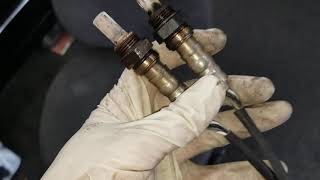
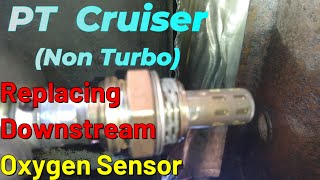
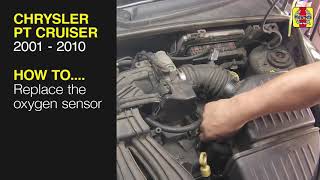
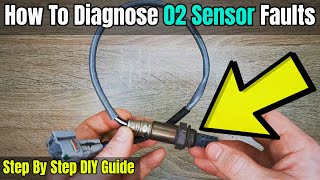
Typical fix: Replace the downstream oxygen sensor. Applying penetrating oil (like PB Blaster) to the threads before removal is highly recommended as they are often seized in the exhaust pipe. A special 22mm (7/8") slotted oxygen sensor socket is the proper tool for removal. 🎬 See this walkthrough for replacing the downstream sensor
Est. part cost: $30-$80 - Oil Contamination from Leaking Oil Pressure Switch 🔴 High Probability This is a well-documented and frequent issue on many Chrysler 2.4L products of this era. The oil pressure switch fails and leaks oil internally into the wiring harness, which then wicks down to other sensor connectors, including the O2 sensor and even the PCM.
How to confirm: Disconnect the downstream O2 sensor and inspect the electrical connector (both the sensor side and the harness side) for any signs of engine oil. A YouTube video by 'mechanic last call' titled 'Heater circuit o2 sensor fix! Chrysler PT Cruiser Dodge Neon...' clearly demonstrates this oil contamination 🎬 Watch: How oil wicks into the sensor connectors inside the connectors. Also, inspect the oil pressure switch on the engine block for active leaks.
Typical fix: First, replace the leaking oil pressure switch (Mopar P/N 05149062AA or equivalent). Then, thoroughly clean the oil out of the O2 sensor connector and harness using electrical contact cleaner. Allow it to dry completely. If cleaning doesn't resolve the issue, the sensor itself may have been permanently damaged by the oil and will also need replacement.
Est. part cost: $20-$50 - Damaged Wiring or Corroded Connector 🟡 Medium Probability The sensor wiring runs under the vehicle and is exposed to road debris, heat, and moisture. Wires can be chafed, melted on the exhaust, or the connector pins can corrode with a green/white powder.
How to confirm: Visually inspect the entire wiring harness from the O2 sensor to its connection point on the vehicle body. Look for melted sections, frayed wires, or corrosion inside the connector. Perform a wiggle test on the harness while monitoring live data to see if the signal changes.
Typical fix: Repair the damaged section of wire with solder and heat shrink tubing. If the connector is damaged, a new pigtail connector may need to be spliced in.
Est. part cost: $5-$25 - Blown O2 Sensor Heater Fuse ⚪ Low Probability → Shop Oxygen Sensor A short in the sensor's internal heater or its wiring can cause the corresponding fuse to blow. The sensor cannot become active without a functioning heater.
How to confirm: Consult the owner's manual or the fuse box diagram to locate the fuse for the O2 sensor heaters. For 2001-2005 models, this is often fuse #13 (20A) in the under-hood fuse box. For 2006-2010 models with the TIPM, check fuses F18, F23, and F26. Visually inspect the fuse to see if it has blown.
Typical fix: Replace the blown fuse. If the fuse blows again immediately, it indicates a short circuit in the heater element of the O2 sensor or its wiring that must be diagnosed.
Est. part cost: $1-$5
Rare But Worth Checking
- Faulty Powertrain Control Module (PCM): → Shop Engine Control Module (ECM) This is extremely rare. The internal driver circuit for the O2 sensor in the PCM can fail. This should only be considered after all other possibilities (sensor, wiring, fuses, and especially oil contamination) have been exhaustively ruled out.
Diagnosis Steps
- Connect an OBD-II scanner to confirm P0140 is the active code and check for any other codes, like P0141.
- CRITICAL FIRST STEP: Disconnect the downstream O2 sensor's electrical connector. Thoroughly inspect for the presence of engine oil on both sides of the connector. If oil is found, the root cause is a leaking oil pressure switch.
- If no oil is present, perform a visual inspection of the downstream O2 sensor (located on the exhaust pipe after the catalytic converter) and its wiring harness. Look for signs of melting, chafing, or physical damage.
- Inspect the connector pins for corrosion, moisture, or damage.
- Check the fuse for the O2 sensor heater circuit in the vehicle's fuse box/TIPM.
- Using a scan tool, monitor the live data for Bank 1 Sensor 2 voltage with the engine running and warm. A reading that is stuck or shows no activity points towards a bad sensor or wiring issue.
- If using a multimeter, test for 12V power (for the heater) and ground at the harness-side of the connector to ensure the circuit is intact.
- If wiring, the connector, and fuse are all good, and there is no oil contamination, the oxygen sensor itself is the most likely culprit.
- After replacing the part(s), clear the codes with the scanner and perform a drive cycle to ensure the Check Engine Light does not return.
Parts You'll Likely Need
- Downstream Oxygen Sensor
(OEM #Mopar 56029049AA (Verify by VIN))— This sensor is the most common point of failure for a P0140 code due to age, exposure to harsh exhaust conditions, or oil contamination.
Trusted brands: NGK/NTK (e.g., 23124), Denso (e.g., 234-4008), Bosch (e.g., 15510)
OEM price range: $90-$150
Aftermarket price range: $30-$80 - Oil Pressure Switch/Sensor
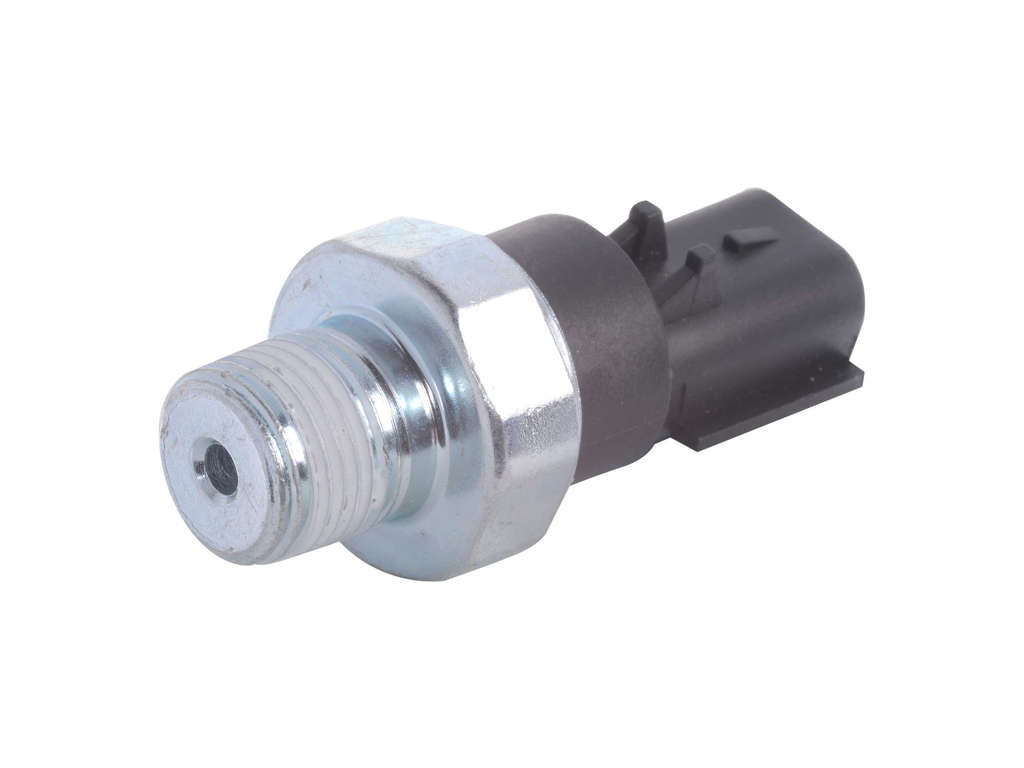
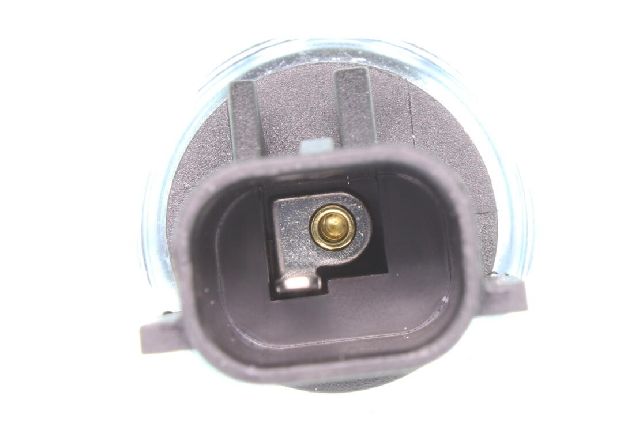
(OEM #Mopar 05149062AA)— If oil is found in the O2 sensor connector, the oil pressure switch is the likely source of the leak and must be replaced to prevent repeat failure 🎬 Watch: How to replace the leaking oil pressure switch of the O2 sensor.
Trusted brands: Mopar, Standard Motor Products (SMP), NTK
OEM price range: $30-$50
Aftermarket price range: $15-$30
Related Codes That Often Appear With This One
- P0141 — P0141 indicates a malfunction in the heater circuit of the same sensor (Bank 1, Sensor 2). Since the heater is required for the sensor to become active, a heater failure will often lead to a 'no activity' fault, causing both codes to appear together. Oil contamination is a common cause for both codes appearing.
Platform-Specific Known Issues
- A leaking oil pressure switch can feed oil into the wiring harness, contaminating the O2 sensor connector and causing a P0140 fault. This should be inspected before replacing any parts.
- The oil contamination from the pressure switch can wick all the way to the Powertrain Control Module (PCM) connectors, causing multiple, difficult-to-diagnose electrical issues.
Technical Service Bulletins (TSBs) & Recalls
- TSB Bulletin #9003790 — While specifically referencing other Chrysler models with the 3.6L engine, this bulletin highlights a similar cross-platform issue where oil leaking from a valve cover can contaminate the O2 sensor, triggering fault codes including P0140. It emphasizes the need to verify the leak source, such as a pinched or out-of-position gasket, before replacing sensors.
Mechanic-Grade Diagnostic Values
- Downstream O2 Sensor Heater Circuit Resistance — expected: 4 to 25 Ohms. Failure: An open circuit (infinite resistance) or a dead short (near zero resistance) indicates a failed heater element within the sensor.
- Downstream O2 Sensor Voltage (Warm Engine, Idle) — expected: Relatively steady voltage, averaging between 500-700 mV (0.5V - 0.7V).. Failure: Voltage is stuck flat, often at a bias voltage around 450 mV, or near 0V. This indicates no activity.
- O2 Sensor Heater Power Supply (Harness Side) — expected: Battery voltage (approx. 12V) with key on, engine off.. Failure: No voltage indicates a problem upstream in the circuit, likely a blown fuse or a bad relay in the TIPM/fuse box.
Wiring & Ground Locations
- G102 — On the left front strut tower or on the cylinder head.. This is a primary engine and PCM ground. A poor connection here can cause a host of erratic sensor readings and module behavior, potentially including incorrect O2 sensor data or driver circuit faults.
- G104 / G105 — G104 is at the front of the right front fender; G105 is on the left front inner fender.. These are chassis grounds for various engine bay components. While less direct than G102, poor connections can introduce electrical noise that may interfere with the low-voltage O2 sensor signal.
- Downstream O2 Sensor Connector — On the exhaust pipe, after the catalytic converter.. This is the primary point of inspection for physical damage (melting, corrosion) and, critically on this vehicle, for oil contamination wicked from the oil pressure switch.
- PCM Connector C1/C2/C3/C4 — On the firewall, behind the fuse box (PDC) or Totally Integrated Power Module (TIPM).. The O2 sensor signal and heater control wires terminate here. In severe cases of oil wicking, oil can contaminate these connectors, requiring cleaning. For 2003+ models with the NGC controller, the C4 connector is dedicated to the automatic transmission.
Real Owner Repair Stories
- Reddit user on r/AskMechanics (2002 PT Cruiser) — Vehicle would not complete the 'Oxygen sensor heater monitoring' readiness test for emissions, despite live data showing good O2 readings from both sensors.
❌ Tried (didn't work) Performing the specific drive cycle for the O2 heater monitor., Testing the upstream O2 sensor heater resistance (which was good at 8 Ohms).
✅ What actually fixed it Upon jacking the car up to inspect the downstream sensor, it was discovered that a rodent had chewed through the wiring harness to the sensor. One of the heater wires was completely severed, preventing the heater from working and setting the monitor, even though the signal wires were intact.
OEM Part Supersession History
Not specified in search→56029049AA— This is the current Mopar part number fitting a wide range of Chrysler vehicles from this era, including the PT Cruiser.
Model Year Variations Within This Range
- 2001-2002: These early models use a separate Powertrain Control Module (PCM) and a separate Transmission Control Module (TCM), located in the driver's side wheel well.
- 2003-2010: Chrysler switched to a Next Generation Controller (NGC), which integrates the PCM and TCM functions into a single module with four main connectors. On automatic transmission models, all four connectors are used. On manual transmission models, only three are used, as the fourth is dedicated to transmission functions.
- 2006-2010: These models use a Totally Integrated Power Module (TIPM) instead of the earlier Power Distribution Center (fuse box). This changes the location and numbering for fuses and relays. For the O2 sensor heater circuit, a fault may be related to an internal relay within the TIPM, which is more complex to service than a simple fuse. A TIPM replacement may require programming.
Diagnostic Flowchart
Other Known Issues on This Vehicle
Issues unrelated to this code that are worth knowing about as an owner of this generation:
- Timing Belt Failure 🔴 High — The 2.4L is an interference engine. The belt requires replacement at the manufacturer's recommended interval, typically around 90,000-105,000 miles. Failure will cause catastrophic engine damage.
- Front Lower Control Arm Bushing Failure 🟠 Medium — Extremely common. The bushings wear out prematurely, often before 60,000 miles, causing a distinct knocking or clunking sound from the front suspension when going over bumps.
- Cooling Fan Assembly Failure 🔴 High — The radiator cooling fan motor or its control relay frequently fails, leading to the engine overheating, especially at idle or in stop-and-go traffic. This can also cause the A/C to blow warm air at idle.
- Automatic Transmission Shift Solenoid Pack Failure 🟠 Medium — Common issue where the transmission solenoid pack fails, often causing the vehicle to enter 'limp mode' (stuck in second gear) or exhibit harsh/failed shifts. Often triggers a P0700 code.
- Engine Stalling due to Camshaft Position Sensor Failure 🟠 Medium → Shop Engine Camshaft — A failing camshaft position sensor is a common cause of intermittent stalling, rough idling, or a no-start condition. The engine may shut off while driving or when coming to a stop.
- Totally Integrated Power Module (TIPM) Malfunctions 🔴 High → Shop Fuse Box — On later models (2006-2010), the TIPM (smart fuse box) is prone to internal failures, causing a wide range of bizarre and difficult-to-diagnose electrical problems affecting fuel pump, lights, horn, and other systems.
Used vs. New Parts: Buying Guide for This Vehicle
When a used part is the smart pick: A used part is generally not recommended for the oxygen sensor itself, as it is a wear-and-tear item with a finite lifespan. However, sourcing a used wiring harness pigtail from a junkyard is a very cost-effective solution if only the connector is damaged or corroded.
Donor-vehicle mileage cap: roughly under 80000 miles for the part to have meaningful remaining life.
What to inspect on the donor part:
- For a wiring pigtail: check for flexible, non-brittle insulation.
- Ensure there is no melting or physical damage to the connector body.
- Look inside the connector for clean, corrosion-free pins (no green or white powder).
- CRITICAL: Check the connector and the first few inches of wiring for any signs of oil residue, which indicates the donor vehicle had the same oil pressure switch leak.
OEM-only on this vehicle (don't cheap out):
- Powertrain Control Module (PCM) - While used units can work if part numbers match exactly, aftermarket remanufactured units with proper programming are a safer bet to avoid compatibility issues.
Aftermarket brands forum-validated for this vehicle:
- NTK/NGK and Denso are highly regarded as OEM suppliers and are the top choices for aftermarket O2 sensors on this vehicle.
- Bosch is also a viable option, though some forum users express a preference for NTK or Denso for aftermarket applications.
Brands owners have reported issues with on this vehicle:
- Avoid unbranded, 'no-name' sensors from online marketplaces. While cheap, they have a high failure rate and can provide inaccurate readings, leading to wasted time and money.
Real Owner Stories
Aggregated from forums and TSBs cited above. Mileages and costs reflect what owners reported in those sources.
2002 Chrysler PT Cruiser 2.4L
Symptoms: The owner experienced a heater circuit and activity code issue where oil was found contaminating the connectors.
What fixed it: Replacing the downstream oxygen sensor.
Source hint: YouTube: 'PT Cruiser Replacing Downstream Oxygen Sensor' by user 'Shimmer 101'
2001-2010 Chrysler PT Cruiser 2.4L
Symptoms: Heater circuit O2 sensor fix required due to oil wicking through the wiring harness from a leaking sensor.
What fixed it: Replacing the leaking oil pressure sensor and cleaning the oil out of the O2 sensor and PCM connectors.
Source hint: YouTube: 'Heater circuit o2 sensor fix! Chrysler PT Cruiser Dodge Neon...' by 'mechanic last call'
Related OBD-II Codes
Frequently Asked Questions
I found oil inside my O2 sensor connector; what part is causing this on my PT Cruiser?
Which fuse should I check for the O2 sensor heater on a 2004 PT Cruiser?
Where are the O2 sensor heater fuses located on the 2006-2010 PT Cruiser models?
What tool do I need to remove the downstream O2 sensor from the exhaust pipe?
Can a bad oil pressure switch cause electrical issues at the PCM?
Is the P0140 code related to the timing belt on my 2.4L engine?
Helpful Videos
We Have This Part in Stock


The information in this article is provided for general reference and educational purposes only. Vehicle specifications, procedures, and part compatibility can vary by production date, trim level, and region. Always consult your vehicle's factory service manual and verify part numbers before purchasing or performing repairs. Safety-critical components such as airbags, seat belts, and braking systems should be installed by a qualified professional.
- Chrysler PT Cruiser:
- 🧭 Diagnostic Flowchart
- 🎬 Helpful Videos
- 🛍️ Shop This Part
- What's Unique About the 2001-2010 Chrysler PT Cruiser
- Symptoms You May Notice
- Most Likely Causes
- Rare But Worth Checking
- Diagnosis Steps
- Parts You'll Likely Need
- Related Codes That Often Appear With This One
- Platform-Specific Known Issues
- Technical Service Bulletins (TSBs) & Recalls
- Mechanic-Grade Diagnostic Values
- Wiring & Ground Locations
- Real Owner Repair Stories
- OEM Part Supersession History
- Model Year Variations Within This Range
- Other Known Issues on This Vehicle
- Used vs. New Parts: Buying Guide for This Vehicle
- Real Owner Stories
- 2002 Chrysler PT Cruiser 2.4L
- 2001-2010 Chrysler PT Cruiser 2.4L
- Related OBD-II Codes
- Frequently Asked Questions
- 🎟️ Get 5% Off