

P0140 on 2011-2023 Dodge Charger 3.6L: Causes and Fixes for O2 Sensor Inactivity
P0140 on a 3.6L Charger means the downstream oxygen sensor on the passenger side (Bank 1, Sensor 2) is not sending a signal. The most common fix is replacing the sensor itself. Before replacing, check the wiring harness for melting, as it can rest on the hot exhaust. An aftermarket sensor from a reputable brand like NTK or Denso costs $40-$80, while an OEM Mopar part is $120-$190.
- P0140 means the passenger-side downstream O2 sensor is inactive.
- Before buying any parts, ALWAYS inspect the sensor's wiring harness for melting against the exhaust pipe; this is a very common and cheaper fix.
- If the wiring is good, the O2 sensor itself has likely failed and needs replacement.
- This code will not affect how the car drives but will cause an automatic failure on an emissions test.
- The correct replacement part is for Bank 1 (passenger side), Sensor 2 (downstream/after catalyst), OEM part number 5149171AB.
What's Unique About the 2011-2023 Dodge Charger
For the Dodge Charger with the 3.6L Pentastar V6, the P0140 code is a very common and straightforward fault. The primary issue specific to this platform is the routing of the O2 sensor's wiring harness. Owners frequently report that the harness can detach from its clips and make contact with the hot exhaust pipe, melting the wires and causing a short or open circuit. This often leads to a P0140 code even if the sensor itself is perfectly functional. This issue is also prevalent on its direct platform mate, the Chrysler 300.
Generation note: The 2011-2023 Dodge Charger is part of the LD generation, which received a major facelift in 2015. However, for trouble code P0140 related to the 3.6L Pentastar V6, the causes, diagnosis, and repairs are consistent across this entire year range as the engine and emissions system architecture did not change in a relevant way.
Symptoms You May Notice
- Check Engine Light is on.
- Vehicle will fail an emissions test.
- Slight decrease in fuel economy over a long period, though often not noticeable by the driver.
- Replacing the catalytic converter. P0140 points to a problem with the monitoring sensor, not the converter itself. A bad converter typically sets a P0420 code.
- Replacing the wrong O2 sensor. Always confirm you are working on Bank 1 (passenger side) and Sensor 2 (downstream, after the catalytic converter).
- Using cheap, unbranded oxygen sensors. Owners on forums frequently report that non-OEM or non-reputable aftermarket sensors can be dead on arrival or fail quickly, leading to the code returning.
Most Likely Causes
- Failed O2 Sensor (Bank 1, Sensor 2) 🔴 High Probability → Shop Oxygen Sensor Oxygen sensors are wear-and-tear items that degrade over time from heat and contaminants. It's the most frequent cause of this code once wiring is ruled out. Owners often report the downstream sensors can be very difficult to remove due to rust and may require significant penetrating oil and a special O2 sensor socket.
How to confirm: After confirming the wiring is intact, use a scan tool to view live data for the B1S2 sensor. If the voltage is flatlined (e.g., stuck at 0V or a steady 0.45V) and does not fluctuate with the engine warm, the sensor has failed.
Typical fix: Replace the Bank 1, Sensor 2 oxygen sensor. This is the downstream sensor on the passenger side. It is recommended to use OEM (Mopar) or reputable OEM-supplier brands like NTK or Denso.
Est. part cost: $40 - $190 - Damaged Wiring or Connector 🟡 Medium Probability The wiring harness for the downstream O2 sensor is known to fall out of its retaining clips and rest on the hot exhaust pipe, causing the wires to melt and short out. This is a widely reported issue on forums for both the Charger and Chrysler 300.
How to confirm: Visually inspect the entire wiring harness from the O2 sensor to its connection point on the side of the transmission. Look for melted plastic, frayed wires, or corrosion inside the connector plug. A 'wiggle test' on the harness while monitoring live data can sometimes reveal an intermittent open circuit.
Typical fix: Repair the damaged section of wire using butt connectors and heat shrink tubing. Secure the harness away from the exhaust with high-temperature zip ties or by re-engaging the factory clips.
Est. part cost: $5 - $20 - Blown Fuse for O2 Sensor Heater ⚪ Low Probability → Shop Oxygen Sensor A short circuit in the sensor's internal heater or its wiring can blow the corresponding fuse, preventing the sensor from warming up to operating temperature and thus showing 'no activity'. This can happen concurrently with the wiring melting on the exhaust.
How to confirm: Check the fuses related to O2 sensors in the Power Distribution Center (fuse box) in the engine bay. While fuse numbers can vary slightly by year, check fuses F31 and F34 in the front fuse box for the O2 sensor heaters. Always consult the owner's manual or fuse box lid for the exact location.
Typical fix: Replace the blown fuse. If it blows again immediately, a short circuit exists in the wiring or the sensor itself that must be found and fixed.
Est. part cost: $1 - $5
Rare But Worth Checking
- Exhaust Leak: A significant exhaust leak near the sensor can sometimes cause erratic readings by allowing outside oxygen into the exhaust stream, though it's more likely to cause a performance code (like P0420) than a 'no activity' code.
- Powertrain Control Module (PCM) Failure: → Shop Engine Control Module (ECM) In very rare instances, the internal driver circuit for the O2 sensor within the PCM can fail. This should only be considered after all other possibilities have been exhausted and confirmed with professional diagnostic tools.
Diagnosis Steps
- Read the code with an OBD-II scanner to confirm P0140 is present.
- Perform a thorough visual inspection of the Bank 1, Sensor 2 (passenger side, downstream) wiring harness. Check carefully for any signs of melting where it may have contacted the exhaust pipe. This is the most critical vehicle-specific check.
- Inspect the connector, which is typically clipped to the side of the transmission, for corrosion, damage, or loose pins.
- If wiring appears intact, use a scan tool to monitor the live voltage data for 'O2S B1S2'. The voltage should fluctuate slowly. If it is stuck at 0V or a steady 0.4-0.5V, this confirms the 'no activity' fault.
- Check the O2 sensor heater fuses (e.g., F31, F34) in the engine bay fuse box. If a fuse is blown, replace it. If it blows again, suspect a short in the sensor or wiring.
- If the wiring and fuse are good, the oxygen sensor itself is the most likely cause of the failure.
- Before replacing, spray the old sensor's threads with a generous amount of penetrating oil and let it soak, as they are often seized in the exhaust pipe. A specialized 22mm (7/8") slotted O2 sensor socket is highly recommended for removal.
Parts You'll Likely Need
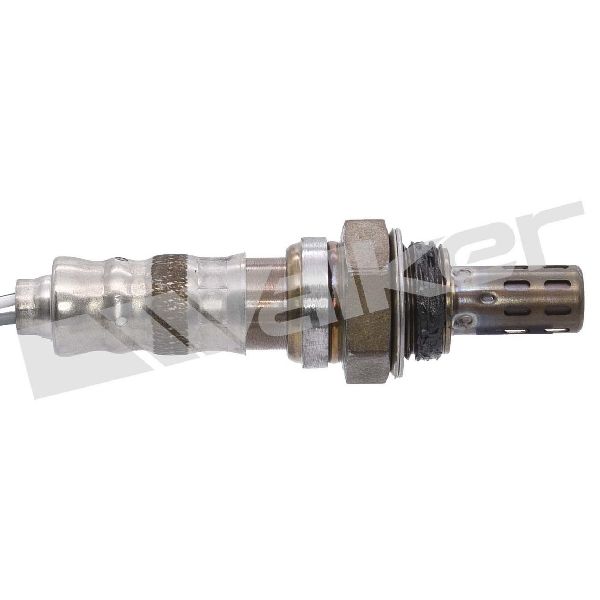
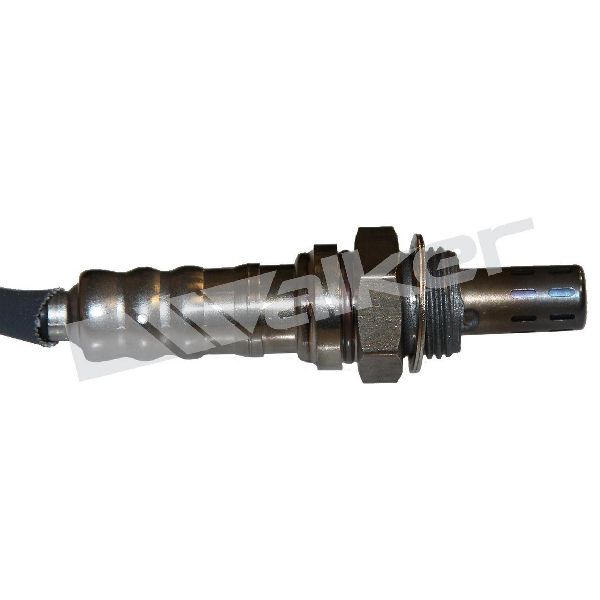
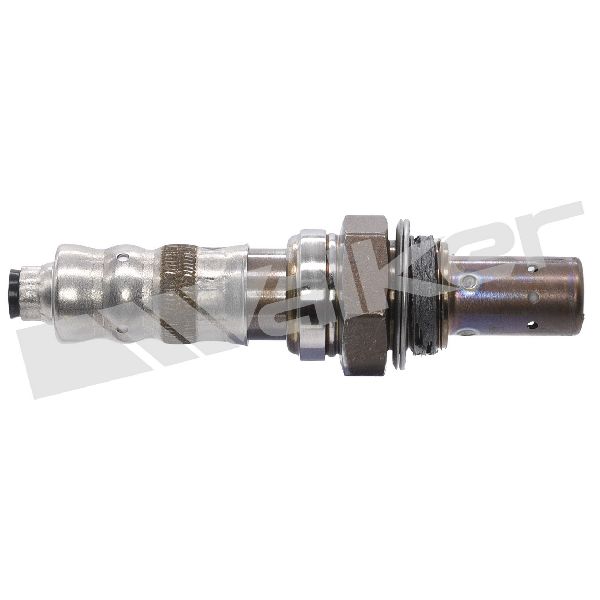
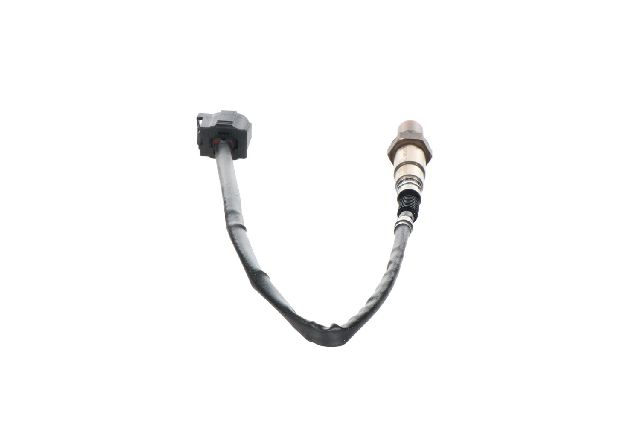
- Oxygen Sensor (Bank 1, Sensor 2)
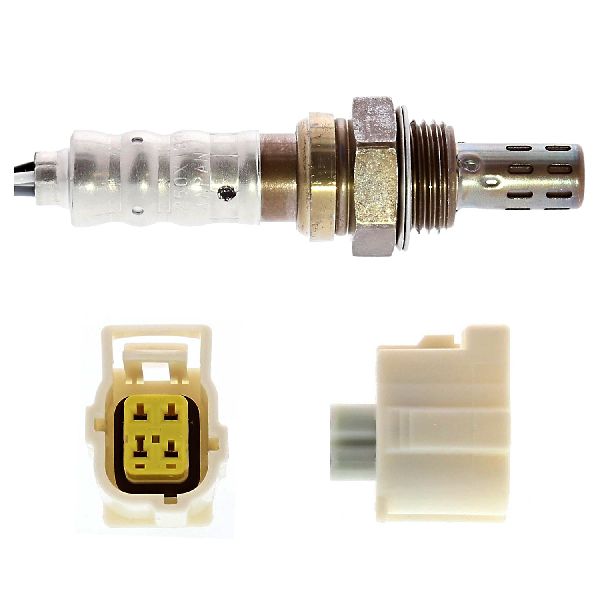
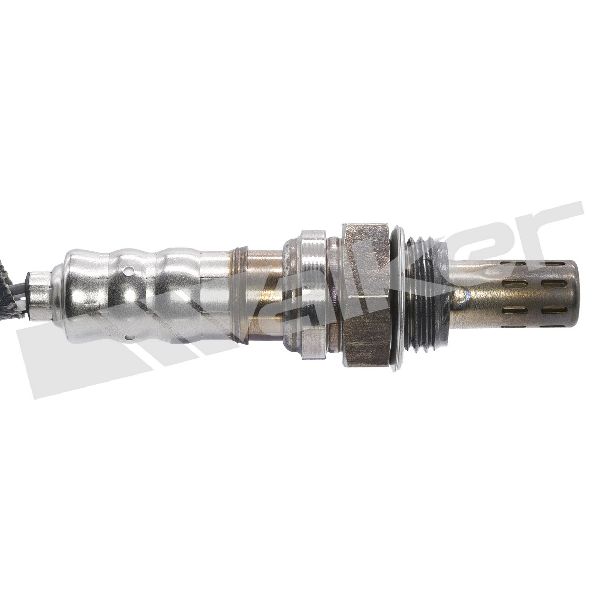
(OEM #5149171AB)— This is the downstream, passenger-side oxygen sensor. It is the most common part to fail and cause a P0140 code after wiring issues are ruled out. The part number 5149171AB supersedes previous numbers like 5149171AA and 68066160AA.
Trusted brands: Mopar, NTK, Denso, Bosch
OEM price range: $120-$190
Aftermarket price range: $40-$80
Related Codes That Often Appear With This One
- P0141 — This code indicates a malfunction in the heater circuit of the same sensor (Bank 1, Sensor 2). Since the heater is part of the sensor assembly, a failure often triggers both P0140 and P0141. A melted wire can also cause both codes.
- P0160 — This is the identical 'No Activity' code but for the driver's side (Bank 2, Sensor 2). Seeing both codes together could suggest a common problem like a shared fuse or a systemic issue.
Technical Service Bulletins (TSBs) & Recalls
- While no TSB is specifically for P0140, general PCM update TSBs like 18-011-15 REV. A have been issued for the platform to address various MIL illuminations. However, a software update is highly unlikely to fix a P0140, which is almost always a hardware (sensor/wiring) failure.
Platform-Specific Known Issues
- A common point of failure is the wiring harness for the downstream O2 sensor falling from its clips and melting on the exhaust pipe, causing a short or open circuit that triggers P0140.
- Owners frequently report that the downstream O2 sensors become heavily rusted into the exhaust bung, making removal very difficult without penetrating oil and proper tools.
Mechanic-Grade Diagnostic Values
- O2 Sensor Heater Element Resistance — expected: 3 to 15 Ohms at ambient temperature.. Failure: A reading of OL (infinite resistance) indicates an open/broken heater element, while near 0 Ohms indicates a short circuit.
- Downstream O2 Sensor (B1S2) Live Data Voltage (Warm Engine) — expected: A relatively stable voltage, fluctuating slowly between 0.5V and 0.8V.. Failure: A flat line reading at or near 0V, 0.45V, or 1.0V indicates no activity.
- O2 Sensor Heater Power Supply Voltage (KOEO) — expected: Battery voltage (approximately 12V) at the harness-side connector.. Failure: Little to no voltage suggests an issue with the fuse, relay, or wiring.
Scan Tool Commands That Help
- Professional Scan Tool (e.g., wiTECH): O2 Sensor Heater Test — After checking fuses, this command can be used to actively test the heater circuit. The tool commands the heater on and monitors the circuit's response, helping to confirm if the fault is in the sensor's heater, the wiring, or the PCM driver.
Wiring & Ground Locations
- B1S2 Connector Pinout (Typical 4-wire) — The connector for the Bank 1 Sensor 2 O2 sensor is typically found clipped to the side of the transmission on the passenger side.. Knowing the wire functions allows for precise testing. Typically, two same-colored wires (e.g., white) are for the 12V heater circuit, one wire (e.g., black) is the sensor signal, and one wire (e.g., gray) is the signal ground/return. This is critical for checking power, ground, and signal continuity back to the PCM.
- Engine Ground Strap — A key ground strap runs from the top of the passenger side motor mount to the chassis/K-member. Another important ground is from the passenger side cylinder head to the firewall.. While not a direct cause of a single sensor code, a poor engine ground can cause a variety of electrical issues and noisy signals for sensors. Ensuring these grounds are clean and tight is a good practice when diagnosing any electrical fault.
Real Owner Repair Stories
- ChargerForums user (Dodge Charger (platform mate) with 3.6L Pentastar) — Persistent P0140 and P0141 codes.
❌ Tried (didn't work) Replacing the Bank 1, Sensor 2 O2 sensor.
✅ What actually fixed it The wiring harness for the O2 sensor had fallen from its clip and was resting on the exhaust pipe, causing it to melt. The user found four melted wires, repaired them with new wire and heat shrink tubing, and secured the harness away from the heat source.
OEM Part Supersession History
68066160AA→5149171AA, then 5149171AB— Standard part revision and consolidation by the manufacturer.
Heads up: The latest part number, 5149171AB, is backward compatible and is the correct service replacement for the earlier parts on this vehicle.
Model Year Variations Within This Range
- 2011-2014 vs 2015-2023: The Dodge Charger received a significant facelift for the 2015 model year, including interior and exterior styling. However, the 3.6L Pentastar engine and its core emissions system, including the location and function of the O2 sensors for P0140, remained fundamentally the same. Diagnostic procedures are consistent across the entire 2011-2023 range.
Diagnostic Flowchart
Other Known Issues on This Vehicle
Issues unrelated to this code that are worth knowing about as an owner of this generation:
- Cracked Oil Filter Housing / Cooler Assembly 🔴 High — Extremely common across all Pentastar applications. The plastic housing becomes brittle from heat cycles and cracks, causing significant oil and/or coolant leaks into the engine valley. (Ref: No recall, but TSB 09-008-22 addresses misdiagnosis and advises against unnecessary replacement, confirming the high failure rate.)
- Rocker Arm / Lifter Failure ('Pentastar Tick') 🔴 High — Very common, typically appearing after 60,000 miles. Needle bearings in the rocker arms fail, causing a distinct ticking noise, misfires, and eventual camshaft damage if not addressed. (Ref: No recall, but the issue is the subject of class-action lawsuits.)
- Left Cylinder Head Defect (Early Models) 🔴 High — Common on models built before mid-2012. A defect in the valve seats on the left-side head (cylinders 2, 4, 6) leads to misfires and requires cylinder head replacement. (Ref: Chrysler extended the warranty on the left cylinder head to 10 years/150,000 miles (X56). TSB 09-002-14 addresses the diagnosis.)
- Cooling System Component Failures 🟠 Medium — Water pumps, thermostats, and radiators are known to fail more frequently than on comparable vehicles, leading to coolant leaks and potential overheating.
Used vs. New Parts: Buying Guide for This Vehicle
When a used part is the smart pick: A used part is generally not recommended for the oxygen sensor itself, as it is a wear-and-tear item with a finite lifespan. However, sourcing a used connector pigtail from a junkyard is a smart choice if only the connector is damaged, or if you need a section of OEM-grade wiring for a harness repair.
Donor-vehicle mileage cap: roughly under 80000 miles for the part to have meaningful remaining life.
What to inspect on the donor part:
- For a wiring pigtail, inspect for any signs of melting, brittleness, or corrosion on the pins.
- Ensure the locking tab on the connector is intact and functional.
- Look for a donor vehicle that does not show signs of major front-end or undercarriage damage near the harness routing.
Aftermarket brands forum-validated for this vehicle:
- NTK
- Denso
- Bosch
Brands owners have reported issues with on this vehicle:
- Unbranded, 'white-box' sensors from online marketplaces are frequently reported on forums as being dead-on-arrival or failing within a few months.
Real Owner Stories
Aggregated from forums and TSBs cited above. Mileages and costs reflect what owners reported in those sources.
2012 Dodge Charger 3.6L V6
Symptoms: Check Engine Light on with code P0140; diagnostic steps required checking heater circuit voltage.
What fixed it: Verified wiring and heater circuit voltage before replacing the oxygen sensor.
Source hint: DodgeForum.com - P0140 Code Thread
2015 Dodge Charger 3.6L V6
Symptoms: The O2 sensor harness fell out of its factory retaining clips and made contact with the exhaust pipe.
What fixed it: Repaired the melted section of the wiring harness and secured it away from the exhaust using high-temperature zip ties.
Source hint: ChargerForums / Chrysler 300 Forums
Related OBD-II Codes
Frequently Asked Questions
Where is the Bank 1, Sensor 2 oxygen sensor located on my 3.6L Pentastar Charger?
Is there a TSB for P0140 that involves a software update for my Charger?
Why does my Charger keep blowing the O2 sensor heater fuse?
What brand of replacement O2 sensor should I use for my 2011-2023 Charger?
I'm having trouble removing the old sensor; is this common on the Charger?
Could my P0140 code be related to the 'Pentastar Tick' or cylinder head issues?
Helpful Videos
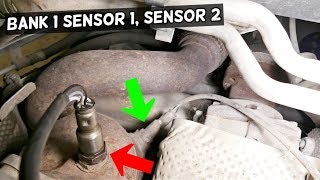

![How to Fix P0140 Engine Code in 3 Minutes [2 DIY Method / Only $9.53]](https://img.youtube.com/vi/3ruvJ5yn2GI/mqdefault.jpg)
We Have This Part in Stock

The information in this article is provided for general reference and educational purposes only. Vehicle specifications, procedures, and part compatibility can vary by production date, trim level, and region. Always consult your vehicle's factory service manual and verify part numbers before purchasing or performing repairs. Safety-critical components such as airbags, seat belts, and braking systems should be installed by a qualified professional.
- Dodge Charger:
- 🧭 Diagnostic Flowchart
- 🎬 Helpful Videos
- 🛍️ Shop This Part
- What's Unique About the 2011-2023 Dodge Charger
- Symptoms You May Notice
- Most Likely Causes
- Rare But Worth Checking
- Diagnosis Steps
- Parts You'll Likely Need
- Related Codes That Often Appear With This One
- Technical Service Bulletins (TSBs) & Recalls
- Platform-Specific Known Issues
- Mechanic-Grade Diagnostic Values
- Scan Tool Commands That Help
- Wiring & Ground Locations
- Real Owner Repair Stories
- OEM Part Supersession History
- Model Year Variations Within This Range
- Other Known Issues on This Vehicle
- Used vs. New Parts: Buying Guide for This Vehicle
- Real Owner Stories
- 2012 Dodge Charger 3.6L V6
- 2015 Dodge Charger 3.6L V6
- Related OBD-II Codes
- Frequently Asked Questions
- 🎟️ Get 5% Off