

P0140 on 2011-2024 Dodge Durango 3.6L: O2 Sensor No Activity Fixes
This code almost always means the passenger-side downstream (post-catalytic converter) oxygen sensor has failed or its wiring is damaged. Expect to pay $40-$80 for an aftermarket sensor and $100-$180 for an OEM one. It's a DIY-friendly fix if the sensor isn't rusted in place. Before replacing, check the O2 sensor heater fuse in the under-hood fuse box.
- P0140 on your Durango points to the passenger side, downstream O2 sensor.
- Before buying a new sensor, always check the fuse for the O2 heater circuit in the under-hood TIPM and visually inspect the wiring for damage.
- You can safely drive with this code, but you will not pass an emissions test until it is fixed.
- Use a quality replacement sensor from brands like Mopar, NTK, or Denso, as Chrysler-family electronics can be sensitive to off-brand parts.
- The biggest challenge for a DIY replacement is often the old sensor being seized in the exhaust pipe; use plenty of penetrating oil and try to loosen it while the exhaust is still warm.
What's Unique About the 2011-2024 Dodge Durango
For the 3.6L Pentastar engine in the Durango, Bank 1 is consistently the passenger side of the vehicle. The issue is not unique to this platform, as O2 sensor failures are common across all vehicles. However, because the entire 2011-2024 range is a single generation (WD), the location of the sensor and the diagnostic process are consistent across all model years covered. This issue is also shared with platform mates like the Jeep Grand Cherokee WK2 and other vehicles using the 3.6L Pentastar.
Symptoms You May Notice
- Check Engine Light is on.
- Vehicle will fail an emissions test.
- Usually no other noticeable symptoms, as this sensor does not control the air-fuel mixture.
- In some rare cases, a related underlying issue could cause a rough or unstable idle.
- Replacing the catalytic converter. P0140 is a sensor circuit code, not a converter efficiency code (like P0420). A bad sensor or wiring is the cause, not the converter itself.
- Replacing the wrong oxygen sensor. The Durango 3.6L has four O2 sensors. Ensure you are replacing Bank 1 (passenger side), Sensor 2 (downstream/after-cat).
- Ignoring a blown fuse. If the heater circuit fuse is blown, a new sensor will also show 'no activity' and the code will return immediately.
Most Likely Causes
- Failed Bank 1, Sensor 2 Oxygen Sensor 🔴 High Probability → Shop Oxygen Sensor Oxygen sensors are wear items with a finite lifespan, typically 55,000 to 90,000 miles. The internal heating element, which is crucial for the sensor to start sending a signal, is a common failure point. Contamination or age can also degrade the sensing probe, leading to a lack of signal.
How to confirm: Using an OBD-II scanner, monitor the live data for the B1S2 voltage. If it is stuck at a fixed value (e.g., 0.45V) and does not fluctuate after the engine warms up, the sensor is likely dead. You can also test the resistance of the internal heater circuit with a multimeter; an open circuit (infinite ohms) or a short (near-zero ohms) indicates a failed heater. The expected resistance is typically between 2 and 30 ohms.
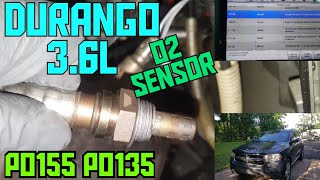
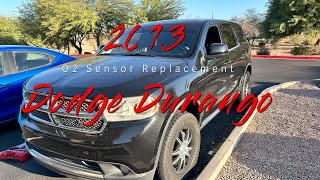
Typical fix: Replace the Bank 1, Sensor 2 oxygen sensor. This is the downstream sensor on the passenger side. 🎬 See this walkthrough for locating and swapping Bank 1 Sensor 2.
Est. part cost: $40 - $180 - Damaged Wiring or Connector 🟡 Medium Probability The sensor and its wiring are located under the vehicle, exposed to road debris, water, and extreme exhaust heat. Wires can become brittle and break, or the connector pins can corrode. The harness can also be damaged by contact with the driveshaft or other moving components if not properly secured.
How to confirm: Visually inspect the entire wiring harness from the O2 sensor to where it connects to the main vehicle harness. Look for melted sections, chafing, breaks, or green/white corrosion inside the connector. Check that the harness is properly routed and secured.
Typical fix: Repair the damaged section of the wire or replace the connector pigtail. Ensure the repair is sealed against moisture.
Est. part cost: $10 - $30 - Blown O2 Sensor Heater Fuse ⚪ Low Probability → Shop Oxygen Sensor The O2 sensor heater circuit is protected by a fuse, typically located in the under-hood fuse box (Totally Integrated Power Module - TIPM). A short in the wiring or in the old sensor's heater element can cause this fuse to blow, preventing the new sensor from working.
How to confirm: Locate the fuse for the O2 sensor heaters in the vehicle's fuse box on the passenger side of the engine bay. Visually inspect the fuse or test it for continuity with a multimeter. The owner's manual or fuse box lid should identify the correct fuse.
Typical fix: Replace the blown fuse. If the new fuse blows immediately, it indicates a persistent short circuit in the wiring or sensor that must be found and repaired.
Est. part cost: $1 - $5
Rare But Worth Checking
- Exhaust Leak: An exhaust leak upstream of the B1S2 sensor can introduce outside oxygen, causing the sensor to read a steady, unchanging lean condition that the PCM might interpret as 'no activity'. This is less common than a sensor or wiring failure.
- Faulty Powertrain Control Module (PCM): → Shop Engine Control Module (ECM) In very rare cases, the internal driver circuit for the O2 sensor inside the PCM can fail. This should be the last item to consider after all other possibilities have been ruled out. This is an expensive repair and requires thorough diagnostics to confirm.
Diagnosis Steps
- Connect an OBD-II scanner and confirm P0140 is the only code present. If other codes exist, address them first.
- View live data on the scanner. Watch the voltage for 'O2S12' (or similar designation for Bank 1, Sensor 2). It should fluctuate slowly after the engine is warm. If it is stuck at a constant voltage (e.g., 0.0V, 0.45V, or 0.9V), there is no activity.
- Turn the vehicle off and allow the exhaust to cool slightly, but it can be helpful to attempt removal while the exhaust is still warm to prevent the sensor from being seized.
- Locate the Bank 1, Sensor 2 O2 sensor on the passenger side exhaust pipe, after the catalytic converter.
- Inspect the sensor's wiring harness and connector for any signs of melting, chafing, corrosion, or loose connections.
- Check the fuse for the O2 sensor heater circuit in the main fuse box (TIPM) under the hood. Replace if blown.
- If the fuse and wiring appear intact, disconnect the sensor. Use a multimeter to test for 12V power and a good ground at the connector (harness side) with the key on. This verifies the integrity of the heater circuit from the PCM/fuse box to the sensor.
- If power and ground are present, the sensor itself is almost certainly faulty. Replace the Bank 1, Sensor 2 oxygen sensor. Using a special O2 sensor socket is highly recommended. 🎬 Watch: Step-by-step guide to replacing the Durango O2 sensor.
- If power or ground is missing, the fault lies in the wiring harness or, rarely, the PCM.
Parts You'll Likely Need
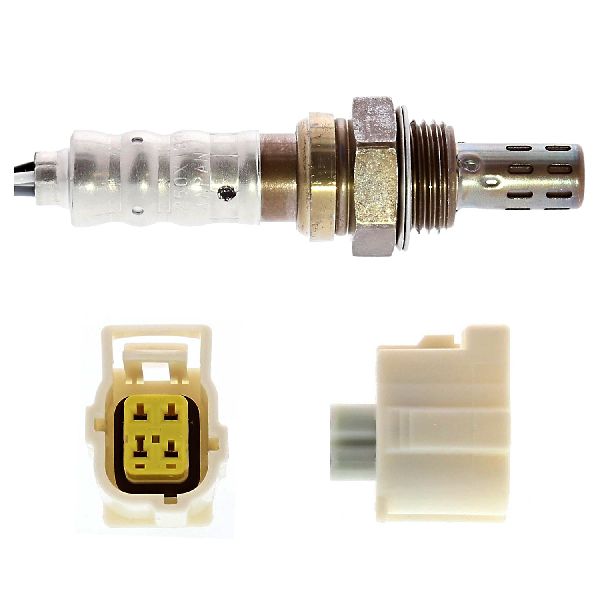
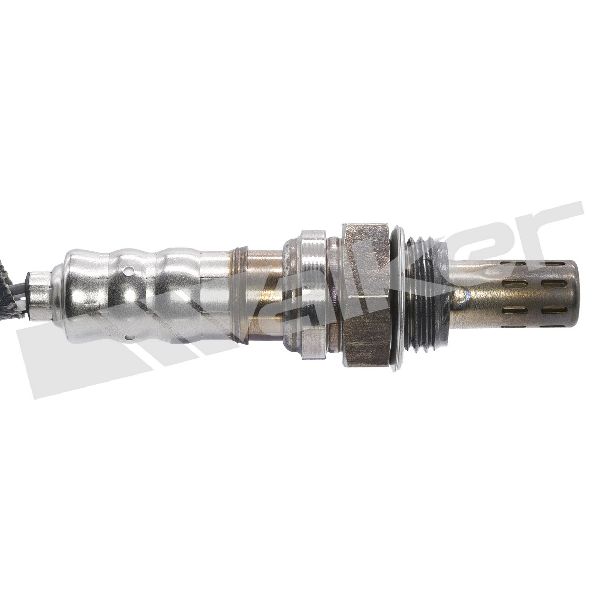
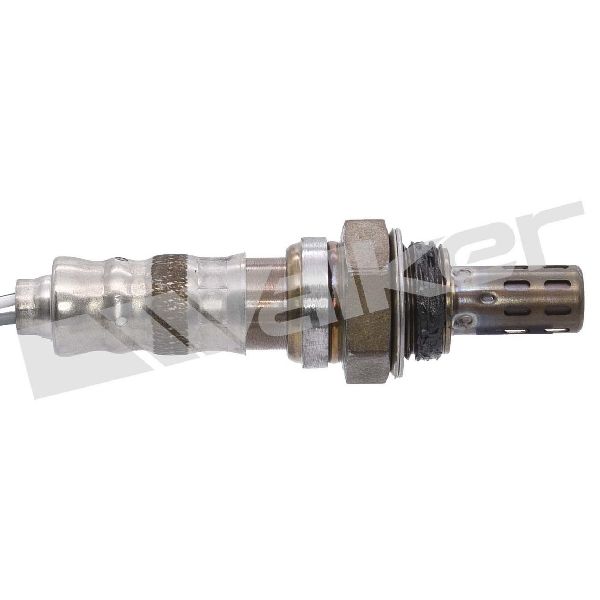
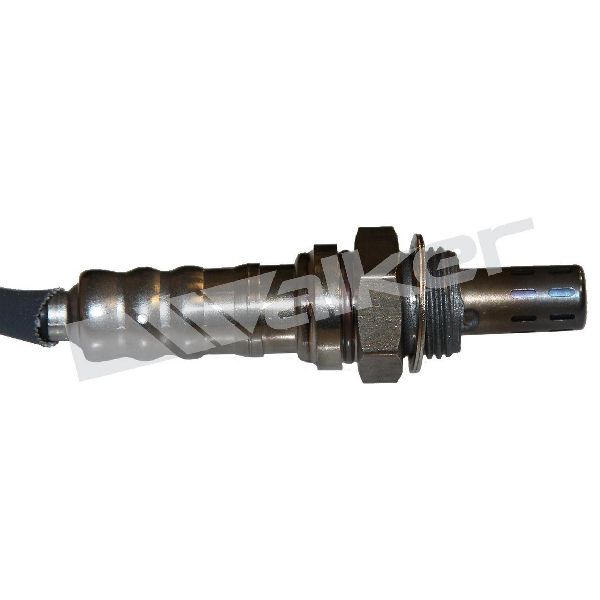
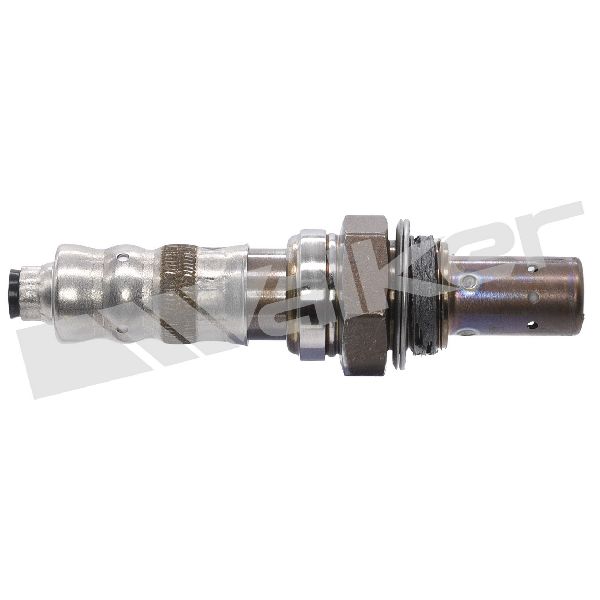
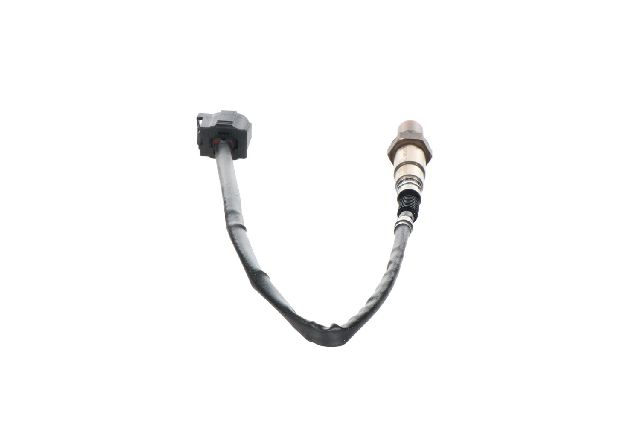
- Oxygen Sensor (Bank 1, Sensor 2)
(OEM #5149180AB)— This is the downstream, passenger-side sensor. It is the most common point of failure for a P0140 code due to age and heat exposure, particularly failure of the internal heater element.
Trusted brands: Mopar (OEM), NTK, Denso
OEM price range: $100-$180
Aftermarket price range: $40-$80
Related Codes That Often Appear With This One
- P0137 (O2 Sensor Circuit Low Voltage Bank 1 Sensor 2)
- P0138 (O2 Sensor Circuit High Voltage Bank 1 Sensor 2)
- P0037 (HO2S Heater Control Circuit Low Bank 1 Sensor 2)
- P0038 (HO2S Heater Control Circuit High Bank 1 Sensor 2)
Technical Service Bulletins (TSBs) & Recalls
- TSB #9003756 (NHTSA ID: #10224681) - Dated August 2, 2017, this bulletin addresses several O2 sensor fault codes, including P0140, on Pentastar V6 applications. It points toward verifying leak sources.
Platform-Specific Known Issues
- Chrysler-family electronics can be sensitive to aftermarket sensors. While many work fine, using an OEM Mopar, NTK, or Denso sensor is often recommended to avoid compatibility issues.
Mechanic-Grade Diagnostic Values
- O2 Sensor Heater Element Resistance — expected: 2.0 to 30.0 Ohms at room temperature.. Failure: A reading of OL (Open Loop/infinite resistance) or near 0 Ohms indicates a failed heater element.
- Downstream O2 Sensor (B1S2) Live Data Voltage — expected: A healthy downstream sensor should show a relatively steady or slowly switching voltage, typically between 0.1V and 0.9V, often hovering around 0.45V-0.7V with a working catalyst.. Failure: Voltage is stuck at a fixed value (e.g., 0.0V, 0.45V) and does not change after the engine is fully warmed up.
- O2 Sensor Heater Power Supply Voltage — expected: Battery voltage (approx. 12.6V) at the power supply pin in the harness-side connector with the key on, engine off.. Failure: Missing voltage indicates a blown fuse or an open in the power supply wire.
Hidden / Shadow Codes Worth Checking
- Mode $06, TID $01, CID $11-$2F: Mode $06 provides access to non-continuously monitored test results. For Chrysler/Dodge vehicles, Test ID (TID) $01 often relates to Oxygen Sensor Monitors. Component IDs (CID) within this test, such as $11, can represent specific sensor ratio or response tests. A 'FAIL' status for a relevant CID can point to a sensor performance issue before a full DTC is set. (see via A professional scan tool capable of displaying Mode $06 data is required. The raw data is in hexadecimal and must be interpreted using manufacturer-specific charts.)
Scan Tool Commands That Help
- wiTECH (or advanced bidirectional scanner): O2 Heater Test — This function allows a technician to command the O2 sensor's internal heater on and off. It's used to verify if the PCM is capable of controlling the heater and if the circuit responds correctly. If the heater is commanded on, voltage on the control circuit should change, and sensor temperature should rise. If it doesn't, it points to a wiring or PCM driver issue rather than the sensor itself.
Wiring & Ground Locations
- O2 Sensor Harness Connector (B1S2) — On the passenger side of the vehicle, following the exhaust pipe downstream from the catalytic converter. The connector is typically clipped to the vehicle's underbody or a frame rail.. This connector is the primary point for testing. It is exposed to road debris and heat, making it a common location for corrosion, melted plastic, or broken wires that cause a 'No Activity' fault.
- O2 Sensor Heater Fuse — Located in the under-hood fuse box, also known as the Totally Integrated Power Module (TIPM), which is typically on the passenger side of the engine bay.. A short in the old sensor's heater can blow this fuse, which will prevent a new sensor from working and immediately trigger the P0140 code again.
- PCM Ground — The PCM has multiple ground points, often located on the engine block, cylinder head, or inner fender. A wiring diagram is needed to identify the specific ground circuit for the O2 sensors.. A poor PCM ground can cause erratic voltage readings and communication issues, potentially mimicking a sensor failure. While a rare cause for this specific code, it's a critical check if multiple sensor codes are present.
Real Owner Repair Stories
- Go-Parts analysis of a YouTube video ('WrenchTheory501') (Dodge Durango with 3.6L Pentastar engine) — Check Engine Light with multiple O2 sensor heater circuit codes, intermittent severe misfire (P0300), and rich/lean running conditions.
❌ Tried (didn't work) Replacing both upstream O2 sensors, Replacing coil packs
✅ What actually fixed it The final cause was a faulty Powertrain Control Module (PCM). The internal O2 heater driver circuits had failed. Replacing the PCM with a remanufactured unit resolved the issue. - Jeep Wrangler JK Forum (platform mate with same engine) (Jeep with 3.6L Pentastar V6) — Persistent misfire and oxygen sensor codes.
❌ Tried (didn't work) Replacing oxygen sensors with aftermarket Bosch brand sensors.
✅ What actually fixed it The problem was resolved by replacing the aftermarket sensors with OEM-spec NTK sensors and ensuring they were installed in their correct upstream/downstream locations.
OEM Part Supersession History
5149180AA→5149180AB— Standard part revision by the manufacturer for improvements or supplier changes.
Heads up: 5149180AB is the direct replacement for 5149180AA and is fully compatible.
Model Year Variations Within This Range
- 2011-2013 vs 2014-2024: The 2014 model year introduced a significant refresh for the Durango, including a new 8-speed automatic transmission and updated electronics. While the physical location of the B1S2 O2 sensor on the 3.6L engine remained the same, wiring harnesses and PCM software may have minor differences. However, the diagnostic approach for P0140 is fundamentally unchanged.
Diagnostic Flowchart
Used vs. New Parts: Buying Guide for This Vehicle
When a used part is the smart pick: For this repair, sourcing a used part is generally not recommended for the sensor itself. However, if diagnosis points to a damaged wiring harness connector (pigtail), a used connector cut from a junkyard harness is a viable and cost-effective option, provided the wires are in good condition.
Donor-vehicle mileage cap: roughly under 80000 miles for the part to have meaningful remaining life.
What to inspect on the donor part:
- For a wiring pigtail: check for flexible, non-brittle wires.
- Ensure the connector's locking tab is intact and not broken.
- Inspect the connector pins for any signs of green or white corrosion.
- Avoid harnesses from vehicles with obvious signs of flood or fire damage.
OEM-only on this vehicle (don't cheap out):
- Powertrain Control Module (PCM) - While remanufactured units are available, a used PCM from a junkyard will not work without being professionally reprogrammed to the vehicle's VIN and security information.
Aftermarket brands forum-validated for this vehicle:
- NTK (also an OEM supplier)
- Denso (also an OEM supplier)
- Walker
Brands owners have reported issues with on this vehicle:
- Some owners on platform-mate forums (Jeep with 3.6L) have reported issues with Bosch sensors causing persistent or new codes, recommending sticking to NTK or Denso.
Real Owner Stories
Aggregated from forums and TSBs cited above. Mileages and costs reflect what owners reported in those sources.
2024 Jeep Wrangler 3.6L — ~500 miles
Symptoms: A cascading failure of multiple O2 sensors on a brand-new vehicle, starting with an upstream sensor and then triggering codes for others.
What fixed it: Faulty O2 sensor(s) identified on a new vehicle, suggesting potential issues with sensor batches.
Source hint: Jeep Wrangler Forums (JL / JLU) - https://www.jlwranglerforums.com/forum/threads/brand-new-3-6-o2-sensor-malfunction-then-another-one.131179/
Related OBD-II Codes
Frequently Asked Questions
Where is the Bank 1, Sensor 2 oxygen sensor located on my 3.6L Pentastar Durango?
What brand of replacement O2 sensor is best for my Dodge Durango?
Is there a Technical Service Bulletin (TSB) for code P0140 on this engine?
Besides the Check Engine Light, will I notice any other symptoms with a P0140 code?
Could a blown fuse cause the P0140 code on my Durango?
My scanner shows the B1S2 voltage is stuck at 0.45V and isn't changing. What does that mean?
Is this O2 sensor problem common on other vehicles with the 3.6L Pentastar engine?
Helpful Videos

We Have This Part in Stock

The information in this article is provided for general reference and educational purposes only. Vehicle specifications, procedures, and part compatibility can vary by production date, trim level, and region. Always consult your vehicle's factory service manual and verify part numbers before purchasing or performing repairs. Safety-critical components such as airbags, seat belts, and braking systems should be installed by a qualified professional.
- Dodge Durango:
- 🧭 Diagnostic Flowchart
- 🎬 Helpful Videos
- 🛍️ Shop This Part
- What's Unique About the 2011-2024 Dodge Durango
- Symptoms You May Notice
- Most Likely Causes
- Rare But Worth Checking
- Diagnosis Steps
- Parts You'll Likely Need
- Related Codes That Often Appear With This One
- Technical Service Bulletins (TSBs) & Recalls
- Platform-Specific Known Issues
- Mechanic-Grade Diagnostic Values
- Hidden / Shadow Codes Worth Checking
- Scan Tool Commands That Help
- Wiring & Ground Locations
- Real Owner Repair Stories
- OEM Part Supersession History
- Model Year Variations Within This Range
- Used vs. New Parts: Buying Guide for This Vehicle
- Real Owner Stories
- 2024 Jeep Wrangler 3.6L — ~500 miles
- Related OBD-II Codes
- Frequently Asked Questions
- 🎟️ Get 5% Off