

P0140 on 2009-2012 Ford Escape 2.5L: Downstream O2 Sensor Causes and Fixes
On a 2009-2012 Ford Escape with the 2.5L engine, code P0140 almost always points to a failed downstream oxygen sensor (Bank 1, Sensor 2). The internal heater circuit often fails, causing the 'no activity' fault. It's a common DIY repair costing about $50-$100 for a quality aftermarket sensor. A critical detail is that the part number differs by year: 2009-2010 models use Motorcraft DY-1119, while 2011-2012 models use DY-1176.
- P0140 on your Escape means the downstream O2 sensor isn't working, which is usually due to the sensor itself (specifically its internal heater) failing.
- This is a safe code to drive with in the short term, but you will fail an emissions test.
- Before buying a new sensor, perform a quick visual inspection of the wiring underneath the car for obvious damage and check the O2 sensor heater fuse in the fuse box.
- The correct part is the 'downstream' or 'Bank 1, Sensor 2' oxygen sensor. The connector can be tricky to reach from below, so try accessing it from the top of the engine bay.
What's Unique About the 2009-2012 Ford Escape
The 2009-2012 Ford Escape with the 2.5L Duratec is a straightforward vehicle for this code. As an inline-four-cylinder engine, it only has one exhaust bank, so you don't have to guess which side 'Bank 1' is on. It uses only two oxygen sensors: one upstream (for fuel control) and one downstream (for catalyst monitoring). This makes diagnosing P0140 simpler than on V6 models, as the code definitively points to the single post-catalyst sensor.
Symptoms You May Notice
- Check Engine Light is on
- Failure to pass an emissions inspection
- Potential for slightly reduced fuel economy
- Replacing the upstream (Bank 1, Sensor 1) oxygen sensor. This sensor affects fuel trim but is not related to code P0140.
- Replacing the catalytic converter. P0140 is an electrical circuit code, not a converter efficiency code (like P0420). While a bad sensor can sometimes hide a bad converter, the converter itself does not cause P0140.
Most Likely Causes
- Failed Downstream Oxygen Sensor (Bank 1, Sensor 2) 🔴 High Probability → Shop Oxygen Sensor Oxygen sensors are wear-and-tear items that degrade over time from heat and contaminants. The internal heater circuit, which is required to bring the sensor to operating temperature quickly, is a common point of failure and will trigger a P0140 code.
How to confirm: Using a scan tool, observe the live data for 'O2S12' (or similar). If the voltage is stuck at a fixed value (e.g., around 0.45V) and does not fluctuate slowly, the sensor has failed. This confirms 'no activity'. You can also test the resistance of the heater circuit within the sensor; an open circuit (infinite resistance) or a value outside the 1-10 Ohm range indicates failure.
Typical fix: Replace the downstream oxygen sensor. It is screwed into the exhaust pipe after the catalytic converter. Penetrating oil is recommended 🎬 Watch: How to replace the downstream sensor on a 4-cylinder Escape before removal. Ensure you use the correct part number for your model year.
Est. part cost: $50-$120 - Damaged Wiring or Connector 🟡 Medium Probability The sensor and its wiring are located under the vehicle, exposed to road debris, water, and exhaust heat. Wires can become frayed, melted on the exhaust, or the connector pins can corrode. On the 2.5L Escape, the green sensor connector is located in a tight spot that can be difficult to reach from below.
How to confirm: Visually inspect the entire wiring harness from the O2 sensor to its connection point (Connector C134). Look for any signs of physical damage, melting, or corrosion inside the connector. Use a multimeter to check for continuity on the signal wires and for 12V power and ground at the connector's heater circuit pins with the key on.
Typical fix: Repair the damaged section of wire or replace the connector pigtail. Secure the harness away from heat sources or moving parts. Some owners find it easier to access the connector from the top of the engine bay rather than from underneath the vehicle.
Est. part cost: $10-$30 - Blown Fuse for O2 Sensor Heater ⚪ Low Probability → Shop Oxygen Sensor The oxygen sensor has an internal heater to bring it to operating temperature quickly. This heater circuit is protected by a fuse. A short in the wiring or the sensor itself can cause this fuse to blow.
How to confirm: Consult the owner's manual or a fuse diagram for the location of the O2 sensor or heater circuit fuse (often labeled 'O2 HTR'). Visually inspect the fuse and test for continuity with a multimeter.
Typical fix: Replace the blown fuse. If the new fuse blows immediately, it indicates a short circuit in the wiring or the sensor that must be diagnosed and repaired before replacing the fuse again.
Est. part cost: $1-$5 - Exhaust Leak ⚪ Low Probability Rust can cause leaks at the exhaust pipe flanges or welds. A leak before or near the downstream O2 sensor can introduce outside air, causing incorrect readings, although this more commonly sets other codes, it can contribute to a P0140 in some cases.
How to confirm: Listen for an audible ticking or hissing sound from the exhaust system when the engine is cold. You can also use a shop towel to briefly block the tailpipe; a leak will become more audible. A visual inspection may reveal soot trails or rust holes.
Typical fix: Repair the exhaust leak by replacing the leaking section of pipe or a gasket.
Est. part cost: $20-$200
Rare But Worth Checking
- Powertrain Control Module (PCM) Failure: → Shop Engine Control Module (ECM) This is extremely rare. The PCM's internal driver for the O2 sensor circuit can fail, but this should only be considered after all other possibilities, especially the sensor, wiring, and fuse, have been exhaustively ruled out by a professional.
Diagnosis Steps
- Read the code with an OBD-II scanner to confirm P0140 is the only code present.
- Check the vehicle's fuse box for a blown fuse related to the O2 sensor heater circuit (O2 HTR).
- Raise the vehicle safely. Visually inspect the downstream O2 sensor, which is located on the exhaust pipe after the catalytic converter. Check for physical damage to the sensor or its wiring harness.
- Inspect the wiring for any signs of melting, chafing, or corrosion. Follow the harness to the green electrical connector (C134) and check for damaged or corroded pins. Note that this connector may be easier to reach from above.
- With a scan tool, monitor the live data for the Bank 1 Sensor 2 voltage. It should fluctuate slowly. If the voltage is stuck (e.g. ~0.45V) and unresponsive, it confirms the 'no activity' fault.
- For advanced diagnosis, disconnect the sensor. With the key on and engine off, use a multimeter to verify battery voltage (12V) and a good ground are present at the sensor's connector pins for the heater circuit.
- If the fuse, wiring, power, and ground are all confirmed to be good, the oxygen sensor itself has failed.
- Replace the Bank 1 Sensor 2 oxygen sensor. Clear the code and perform a drive cycle to ensure the repair was successful. 🎬 Watch: Two quick DIY methods to fix a P0140 engine code
Parts You'll Likely Need
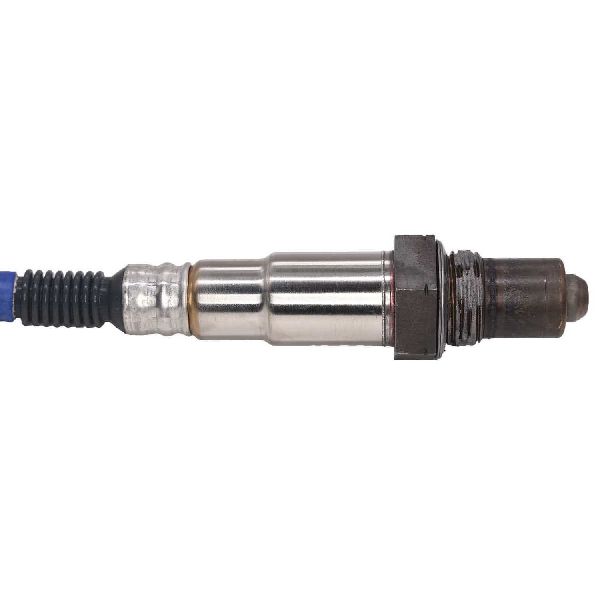
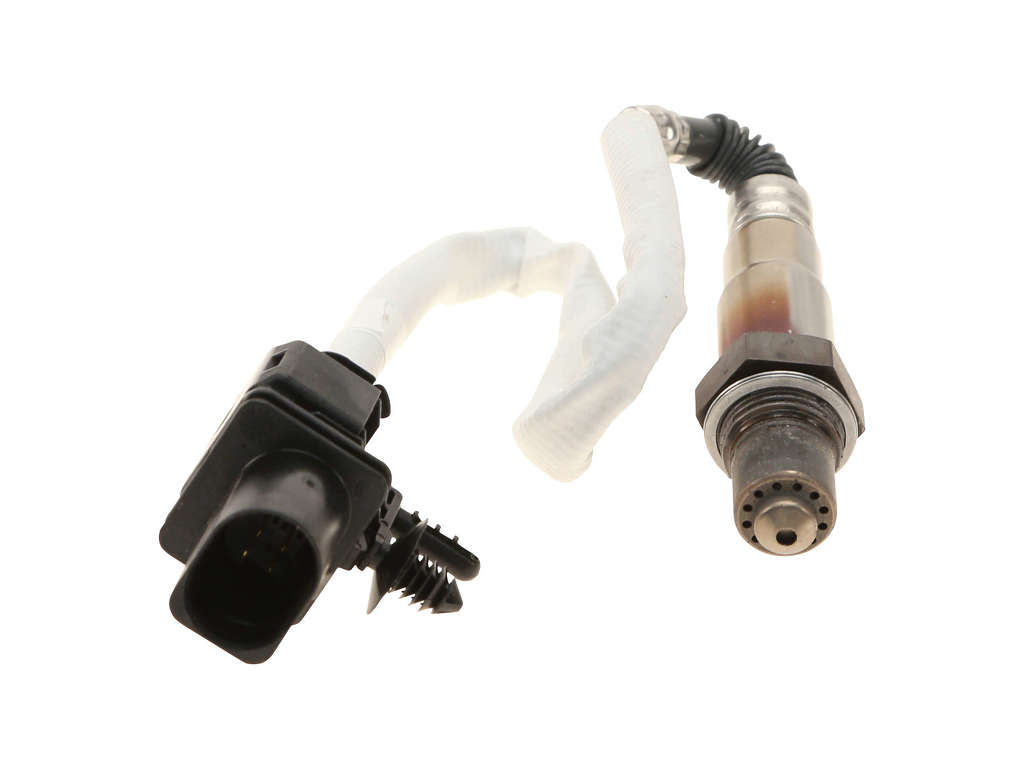
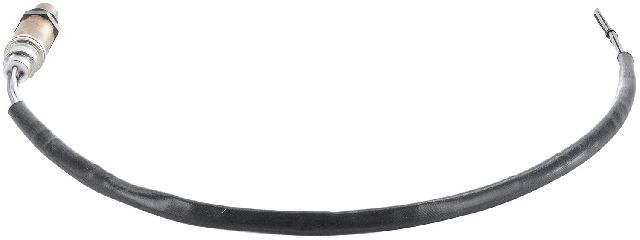
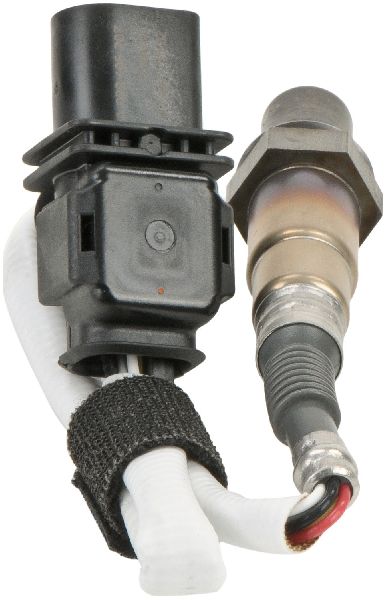
- Downstream Oxygen Sensor (Bank 1 Sensor 2)
(OEM #DY-1176 (2011-2012) or DY-1119 (2009-2010))— This is the component that the code directly identifies as having no activity. It is a common wear item and the most frequent cause of P0140, often due to internal heater circuit failure. There is a part number split within the generation.
Trusted brands: Motorcraft, Denso, NGK/NTK, Bosch
OEM price range: $60-$120
Aftermarket price range: $50-$90
Mechanic-Grade Diagnostic Values
- Downstream O2 Sensor (HO2S12) Heater Circuit Resistance — expected: 1-10 Ohms. Failure: An open circuit (infinite resistance) or a dead short (near zero resistance) indicates a failed heater element inside the sensor.
- Downstream O2 Sensor (HO2S12) Signal Wire Voltage at Harness — expected: Near 0V. Failure: A reading of 5V or 12V indicates the signal wire is shorted to a power source within the harness.
- Downstream O2 Sensor (HO2S12) Live Data Voltage (Stuck) — expected: Slowly fluctuating voltage (healthy catalytic converter) or rapidly fluctuating voltage (failing catalytic converter).. Failure: Voltage is stuck in the 410-490 mV (0.41-0.49V) range for more than 74 seconds, indicating no sensor activity.
Wiring & Ground Locations
- C134 — The electrical connector that joins the downstream oxygen sensor harness to the main engine wiring harness. On the 2.5L Escape, this is a green connector often located in a tight spot, accessible from either below the vehicle or from the top of the engine bay.. This connector is a common point for corrosion, moisture intrusion, or damaged pins that can cause a 'no activity' fault. Inspecting both the male and female sides of C134 is a critical step before replacing the sensor itself.
Model Year Variations Within This Range
- 2009-2010 vs 2011-2012: The Motorcraft OEM part number for the downstream oxygen sensor (Bank 1, Sensor 2) is different. For 2009-2010 Ford Escape 2.5L models, the correct part is DY-1119. For 2011-2012 models, the correct part is DY-1176. Using the wrong sensor may result in immediate or premature failure.
Diagnostic Flowchart
Other Known Issues on This Vehicle
Issues unrelated to this code that are worth knowing about as an owner of this generation:
- Electronic Power Steering (EPS) Failure 🔴 High — Very common. Affects 2008-2011 models. Can result in a sudden loss of power steering assist, making the vehicle difficult to steer at low speeds. (Ref: Ford Recall 14S05 (NHTSA 14V284). Dealers were to update software or replace the steering column/torque sensor if fault codes were present.)
- 6F35 Automatic Transmission Failures 🔴 High — Widespread complaints of harsh shifting, shuddering, slipping, and complete failure, sometimes at relatively low mileage (<100,000 miles). Subject of multiple class-action lawsuits. (Ref: Multiple TSBs exist for shift quality issues, but no single recall covers the range of mechanical failures.)
- Electronic Throttle Body (ETB) Failure 🟠 Medium — Extremely common issue causing the vehicle to suddenly enter a low-power 'limp home' mode, often preceded by a wrench light on the dash. Failures can be intermittent. (Ref: Ford Customer Satisfaction Program 13N03 extended the warranty on the ETB to 10 years/150,000 miles, but this program has expired.)
- Leaking Driver's Side Transaxle Axle Seal 🟡 Low — A frequently reported issue leading to transmission fluid leaks on the driver's side. If left unchecked, low fluid can cause transmission damage.
- Cracked Front ABS Tone Ring 🟡 Low — The tone ring on the front axle can crack due to rust, causing the ABS and Traction Control lights to illuminate and the systems to activate erratically at low speeds.
Used vs. New Parts: Buying Guide for This Vehicle
When a used part is the smart pick: For this repair, a used part only makes sense for a Powertrain Control Module (PCM) replacement, which is a very rare cause of P0140. Never buy a used oxygen sensor, as it is a wear-and-tear component with a limited lifespan.
Donor-vehicle mileage cap: roughly under 100000 miles for the part to have meaningful remaining life.
What to inspect on the donor part:
- For a used PCM, you must match the hardware part number on the sticker exactly.
- Inspect the connector pins on the donor PCM for any signs of green or white corrosion, which indicates water damage.
- Ensure the donor vehicle did not have a history of electrical issues or ignition coil failures, which can damage the PCM.
OEM-only on this vehicle (don't cheap out):
- Powertrain Control Module (PCM) - A used OEM module is often more reliable than a new aftermarket one, but it requires professional programming to the vehicle's anti-theft system (PATS).
Aftermarket brands forum-validated for this vehicle:
- Motorcraft (OEM)
- NTK/NGK
- Denso
Brands owners have reported issues with on this vehicle:
- Off-brand, no-name sensors from online marketplaces are frequently reported to fail quickly or be dead-on-arrival.
Real Owner Stories
Aggregated from forums and TSBs cited above. Mileages and costs reflect what owners reported in those sources.
2009 Ford Escape 2.5L
Symptoms: The owner needed to replace the downstream oxygen sensor and noted the connector was in an awkward location.
What fixed it: Replaced the downstream oxygen sensor by accessing the green electrical connector from the top of the engine bay instead of from below.
Source hint: YouTube: how to replace Ford Escape Downstream Oxygen Sensor on a 4 cylinder. Bank 1, sensor 2
2010 Ford Escape 2.5L
Symptoms: Sudden loss of power and a surging idle, though the owner was discussing throttle body issues rather than the O2 sensor specifically.
What fixed it: The discussion focused on the Electronic Throttle Body (ETB) failure, a separate common issue on this platform.
Source hint: Ford Truck Enthusiasts Forums: 2010 escape throttle body
Related OBD-II Codes
Frequently Asked Questions
I'm having trouble reaching the O2 sensor connector on my 2.5L Escape. Is there an easier way than reaching up from under the car?
Could my P0140 code be related to the Electronic Throttle Body (ETB) issues common on the 2009-2012 Escape?
Is there a specific fuse I should check for the P0140 code on my Ford Escape?
Does the Mercury Mariner or Mazda Tribute have this same O2 sensor issue?
What should the voltage reading for 'O2S12' look like on my scan tool for a healthy 2.5L Escape?
Helpful Videos
![How to Fix P0140 Engine Code in 3 Minutes [2 DIY Method / Only $9.53]](https://img.youtube.com/vi/3ruvJ5yn2GI/mqdefault.jpg)
We Have This Part in Stock


The information in this article is provided for general reference and educational purposes only. Vehicle specifications, procedures, and part compatibility can vary by production date, trim level, and region. Always consult your vehicle's factory service manual and verify part numbers before purchasing or performing repairs. Safety-critical components such as airbags, seat belts, and braking systems should be installed by a qualified professional.
- Ford Escape:
- 🧭 Diagnostic Flowchart
- 🎬 Helpful Videos
- 🛍️ Shop This Part
- What's Unique About the 2009-2012 Ford Escape
- Symptoms You May Notice
- Most Likely Causes
- Rare But Worth Checking
- Diagnosis Steps
- Parts You'll Likely Need
- Mechanic-Grade Diagnostic Values
- Wiring & Ground Locations
- Model Year Variations Within This Range
- Other Known Issues on This Vehicle
- Used vs. New Parts: Buying Guide for This Vehicle
- Real Owner Stories
- 2009 Ford Escape 2.5L
- 2010 Ford Escape 2.5L
- Related OBD-II Codes
- Frequently Asked Questions
- 🎟️ Get 5% Off