

P0140 on 2004-2008 Ford F-150: Causes and Fixes for O2 Sensor No Activity
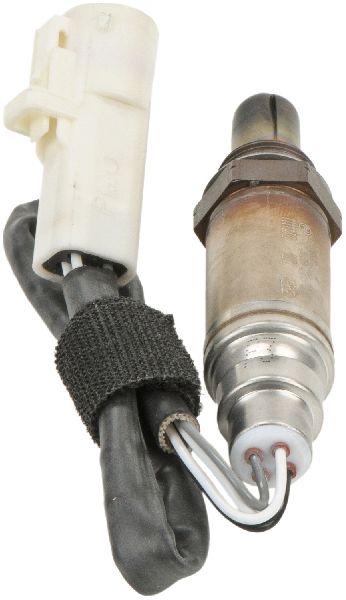
P0140 on a 2004-2008 F-150 almost always means the downstream oxygen sensor on the passenger side has failed or its wiring is damaged. A replacement sensor is the most common fix. Expect to pay $40-$80 for an aftermarket part (like a Bosch 15717) or $90-$150 for an OEM Motorcraft sensor. It's a straightforward DIY job for many owners, but a thorough wiring inspection is crucial before replacing parts.
- P0140 points to the oxygen sensor on the passenger side, after the catalytic converter.
- The most likely fix is replacing the sensor itself, which is a common wear-and-tear item.
- Before buying a new sensor, always perform a thorough visual inspection of the wiring harness for obvious damage, especially for melting near the exhaust and over the transmission.
- You can safely drive with this code, but you will not pass an emissions test until the issue is resolved.
What's Unique About the 2004-2008 Ford F-150
For the 2004-2008 F-150, this code is a very common and straightforward issue. The key piece of information for this platform is that 'Bank 1' is always the passenger side. The wiring for the downstream sensor is routed under the truck, making it susceptible to damage from road debris or heat from the exhaust, which is a frequent cause of this code if the sensor itself isn't the problem. Owners often find that a visual inspection of the wiring harness leading to the sensor, particularly where it runs over the transmission and near the exhaust manifold, reveals the fault.
Symptoms You May Notice
- Check Engine Light is on.
- Failing a vehicle emissions test.
- Slight decrease in fuel economy (uncommon, but possible).
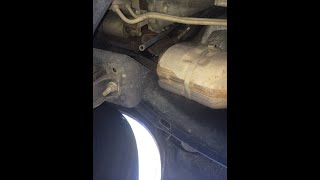
- Replacing the wrong O2 sensor (e.g., replacing the upstream Sensor 1 🎬 Watch: Locate the correct Bank 1 Sensor 2 on your truck or the sensor on the driver's side, Bank 2).
- Replacing the O2 sensor without first checking the fuse and performing a careful visual inspection of the wiring harness for damage, especially for melting near the exhaust.
Most Likely Causes
- Failed Bank 1 Sensor 2 Oxygen Sensor 🔴 High Probability → Shop Oxygen Sensor Oxygen sensors are wear items that typically fail after 60,000-100,000 miles. Given the age of this truck, sensor failure due to internal degradation is the most probable cause.
How to confirm: Use a scan tool to monitor the voltage of the B1S2 sensor. If the voltage is flat and unresponsive (stuck near 0.45V or at 0V) on a fully warmed engine, the sensor has likely failed. A healthy downstream sensor should show a slow, relatively stable voltage, not rapid switching like an upstream sensor.
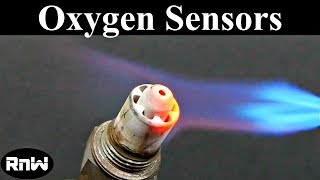
Typical fix: Replace the downstream oxygen sensor on the passenger side. A 22mm or 7/8" oxygen sensor s 🎬 See this DIY walkthrough for replacing the sensor yourselfocket is recommended.
Est. part cost: $40-$150 - Damaged Wiring or Connector 🟡 Medium Probability The wiring harness for the O2 sensors runs along the vehicle's undercarriage and over the transmission, close to hot exhaust components. It is common for the harness to melt or chafe, causing a short or open circuit.
How to confirm: Visually inspect the entire wiring harness from the O2 sensor to where it connects to the main harness. Pay close attention to the section that passes over the transmission and near the passenger-side exhaust manifold. Look for melted sections, chafed wires, or corrosion inside the connector plug. Use a multimeter to check for power (12V on the heater circuit) and ground at the connector with the key on.
Typical fix: Repair the damaged section of wire or replace the connector pigtail. In some cases of extensive heat damage, the entire transmission wiring harness, which includes the O2 sensor circuits, may need to be replaced.
Est. part cost: $10-$175 - Blown Fuse for O2 Heater Circuit ⚪ Low Probability A short in the O2 sensor's internal heater or its wiring can cause the associated fuse to blow. On these trucks, the O2 heaters may not have a dedicated fuse but share power with other components. If this fuse blows, you will likely have other trouble codes and more severe running issues, not just an isolated P0140.
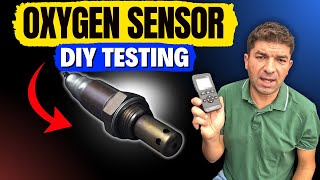
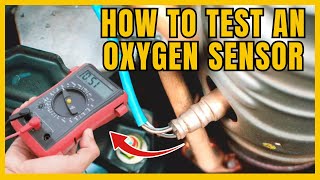
How to confirm: Check the owner's manual for fuses related to the PCM or emissions components. A common location is the under-hood fuse box. Visually inspect the fuse or test it for continuity with a multimeter. 🎬 Watch: A simple guide to testing O2 sensor performance
Typical fix: Replace the blown fuse. If it blows again immediately, there is a short circuit in the wiring or the sensor itself that must be found and repaired.
Est. part cost: $1-$5
Rare But Worth Checking
- Exhaust Leak: An exhaust leak before or near the sensor can introduce outside air, potentially causing the sensor to read incorrectly. While less likely to cause a 'no activity' code compared to a 'lean' code, a significant leak could disrupt readings enough to trigger P0140.
- Faulty Powertrain Control Module (PCM): → Shop Engine Control Module (ECM) In very rare cases, the internal driver circuit for the O2 sensor inside the PCM can fail. This should only be considered after all other possibilities (sensor, wiring, fuses) have been thoroughly tested and eliminated. A PCM failure is the least likely cause.
Diagnosis Steps
- Read the code with an OBD-II scanner to confirm P0140 is present. Note any other codes, especially P0141.
- Visually inspect the Bank 1 Sensor 2 (passenger side, downstream) oxygen sensor and its wiring harness. Trace the harness from the sensor up over the transmission toward the engine bay. Look for any signs of melting, chafing, corrosion, or loose connections.
- Check fuses related to the PCM or emissions systems in the under-hood fuse box.
- Use a scan tool with live data capability to observe the voltage from the B1S2 sensor with the engine fully warmed up. A healthy downstream sensor should show a relatively steady voltage between 0.1V and 0.9V. A reading that is flatlined (e.g., 0V or 0.45V) and does not change indicates a problem.
- If the wiring appears visually okay, disconnect the sensor. Use a multimeter to test for battery voltage on the heater circuit wire and check for a good ground at the vehicle-side connector (with the key on, engine off).
- If power and ground are present at the connector, the oxygen sensor itself is almost certainly faulty and should be replaced.
- If power or ground is missing, the fault lies in the wiring harness. Check for continuity on the signal and ground wires between the sensor connector and the PCM connector. Repair any open or shorted wires found.
- After repair or replacement, clear the codes and perform a drive cycle to ensure the check engine light does not return.
Parts You'll Likely Need
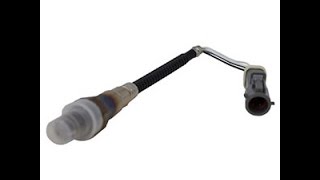
- Downstream Oxygen Sensor (Bank 1, Sensor 2)
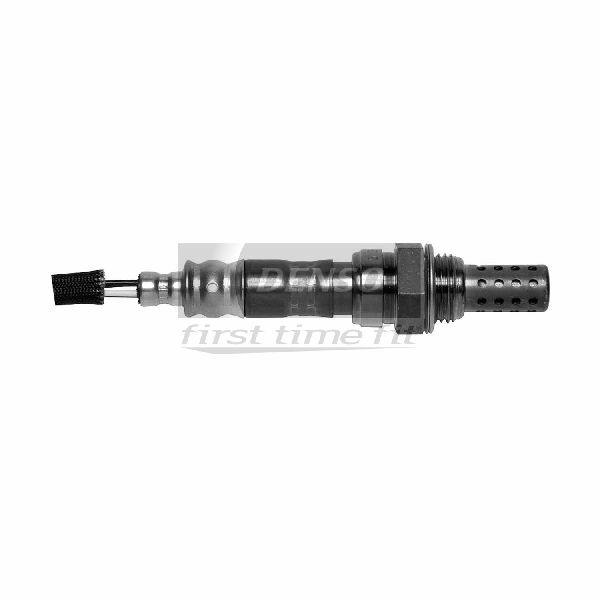
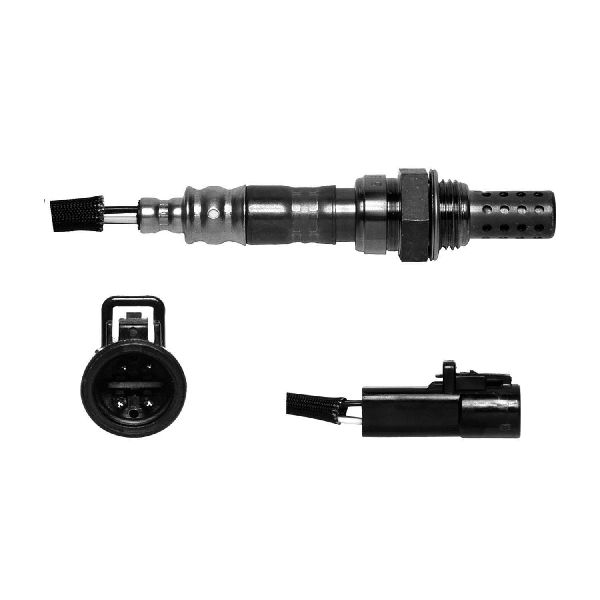
(OEM #DY1401)— This is the sensor located on the passenger side after the catalytic converter. It is the most common point of failure for code P0140.
Trusted brands: Motorcraft, Bosch, Denso, NTK
OEM price range: $90-$150
Aftermarket price range: $40-$80
Related Codes That Often Appear With This One
- P0141 (O2 Sensor Heater Circuit Malfunction Bank 1, Sensor 2): This code is very specific to the heater element within the same sensor. If you see P0140 and P0141 together, it strongly points to a problem with the B1S2 sensor itself or its direct wiring/connector.
Platform-Specific Known Issues
- Melted O2 Sensor Wiring Harness: → Shop Oxygen Sensor A common failure story on F-150 forums involves owners replacing the B1S2 sensor multiple times only to have the P0140 code return. The ultimate culprit is often found to be the wiring harness melting where it passes too close to the exhaust manifold or transmission. In one detailed account, an owner resolved persistent O2 sensor codes by replacing the entire transmission wiring harness, which incorporates the O2 sensor wiring, after finding the original was melted. He noted the replacement harness was on backorder from Ford, suggesting it's a frequent repair.
Mechanic-Grade Diagnostic Values
- O2 Sensor Heater Element Resistance — expected: 3 to 30 Ohms. Failure: A reading of infinity (open circuit) or near zero (short circuit) indicates a failed heater element within the sensor.
- Mode $06, Test ID $81 — expected: A 'Pass' status or a value of 0.. Failure: A 'Fail' status for Component ID $10 (representing B1S2) indicates the monitor has detected no activity, which is the direct trigger for the P0140 DTC.
- B1S2 Signal Wire Voltage at PCM — expected: Relatively stable voltage, typically between 0.5V and 0.8V on a warm, running engine.. Failure: A flatlined voltage (stuck at 0V, 0.45V, or another value) when tested directly at the PCM pin confirms the signal is not being received, pointing to a wiring or PCM issue if the sensor is known-good.
Hidden / Shadow Codes Worth Checking
- Mode $06, TID $81, CID $10: This is not a separate trouble code but the specific onboard diagnostic monitor that checks for 'no activity' on the Bank 1, Sensor 2 oxygen sensor. When this monitor fails its test, the PCM sets the P0140 trouble code. (see via A professional scan tool capable of displaying Mode $06 test results, such as the Ford IDS or high-end aftermarket scanners.)
Scan Tool Commands That Help
- Ford IDS (Integrated Diagnostic System): Datalogger - Graph HO2S12 Voltage — This is the primary diagnostic step to visually confirm the 'no activity' fault. A technician will watch the live data graph for the B1S2 sensor (labeled HO2S12 in Ford terminology) to see if it is a flat line, which confirms the fault condition reported by the PCM.
- Ford IDS (Integrated Diagnostic System): KOER (Key On, Engine Running) Self-Test — Running this self-test can sometimes trigger related codes, such as a heater circuit fault (P0141), which can help pinpoint the issue to the sensor or its immediate wiring more definitively than P0140 alone.
Wiring & Ground Locations
- PCM Connector C175B, Pin 45 (2005-2008) — On the main Powertrain Control Module (PCM) located on the passenger-side firewall.. This is the specific pin for the B1S2 signal wire (typically a Gray/Red wire). Testing for a valid signal here can isolate the problem to the wiring harness/sensor versus a faulty PCM.
- PCM Connector C175E, Pin 16 (2005-2008) — On the main PCM on the passenger-side firewall.. This is the pin for the B1S2 heater control circuit (typically a White/Orange wire). The PCM uses this to ground and activate the sensor's heater. A continuity check from this pin to the sensor connector is vital for diagnosing heater-related issues that can lead to a no-activity code.
- Grounds G103 / G104 — Located on the firewall/fender area in the engine bay, typically on the right side.. These are primary grounds for the PCM. While the O2 sensor has a dedicated signal return to the PCM, a poor main PCM ground can cause a wide range of bizarre sensor reading issues, including a no-activity fault. Ensuring these grounds are clean and tight is a critical step in any electrical diagnosis.
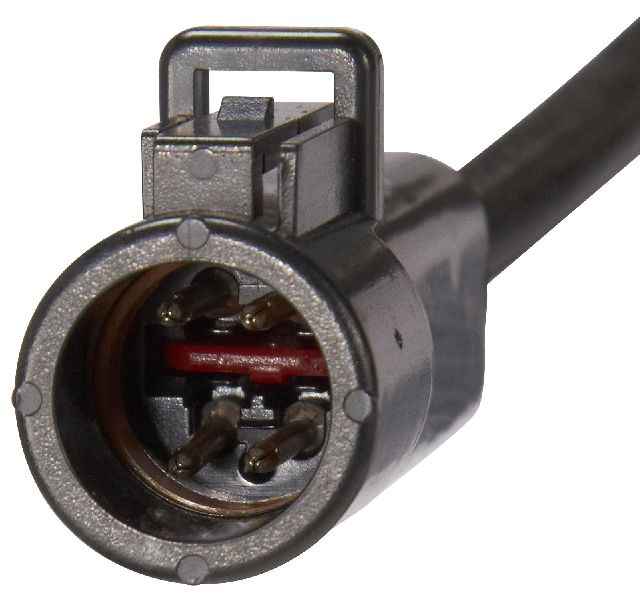
- Transmission Harness Connector — The main electrical connector on the side of the transmission case.. The O2 sensor wiring is integrated into the transmission harness. This connector is a common point for corrosion or pin damage. Furthermore, the harness itself is often the point of failure due to melting or chafing as it routes over the transmission.
Real Owner Repair Stories
- f150forum.com user report (2005 Ford F-150 5.4L V8) — Check Engine Light with codes P0140 and P0141.
❌ Tried (didn't work) Replacing the Bank 1 Sensor 2 oxygen sensor.
✅ What actually fixed it The owner discovered the wiring harness had melted against the exhaust manifold. Repairing the melted wires resolved the codes. This highlights the necessity of inspecting the harness route carefully. - ford-trucks.com user report (2006 Ford F-150 4x4) — Persistent P0140 code after sensor replacement.
❌ Tried (didn't work) Replacing the O2 sensor multiple times., Checking fuses.
✅ What actually fixed it The wiring harness was found to be rubbing against the front driveshaft, which had worn through the insulation and caused an electrical short. Repairing and re-routing the harness away from the driveshaft was the final fix. - f150forum.com user report (2013 F-150 (later model, but same principle)) — Multiple recurring O2 sensor heater circuit codes.
❌ Tried (didn't work) Replacing individual O2 sensors.
✅ What actually fixed it The owner replaced the entire transmission wiring harness after finding the original was extensively melted near the exhaust. The new harness, which incorporates the O2 sensor circuits, permanently solved the problem. The part was noted to be on backorder, suggesting it is a common failure item.
OEM Part Supersession History
Multiple older numbers→Motorcraft DY1401 (Ford P/N GU2Z-9G444-A)— Part consolidation and minor revisions over many model years.
Heads up: The critical factor is ensuring the part is for the downstream (Sensor 2) position. Upstream (Sensor 1) and downstream sensors are not interchangeable, even if they physically fit. Using an upstream sensor in the downstream position will result in incorrect readings and persistent codes.
Model Year Variations Within This Range
- 2004 vs. 2005-2008: The 2004 model year was a transition year for the F-150's electronics. The PCM and some wiring pinouts can differ from the 2005-2008 models. While the function of the B1S2 sensor is identical, a technician performing pin-level diagnostics must use the correct wiring diagram for the specific model year, as PCM connector pins for the O2 sensor signal and heater circuits may not be the same.
Diagnostic Flowchart
Real Owner Stories
Aggregated from forums and TSBs cited above. Mileages and costs reflect what owners reported in those sources.
Ford F-150 (Thread: 2013 6.2L)
Symptoms: Replaced the Bank 1 Sensor 2 oxygen sensor multiple times, but the P0140 code kept returning.
What fixed it: Replaced the entire transmission wiring harness after finding the original was melted where it passed too close to the exhaust manifold. The replacement harness was on backorder from Ford.
Source hint: f150forum.com - "Oxygen Sensor Wiring Diagram" (Thread)
2017 Ford F-150
Symptoms: Multiple O2 sensor heater circuit codes (P0141, P0161, etc.) suddenly appeared at the same time.
What fixed it: Identified a shared power/ground issue and widespread harness damage, rather than all sensors failing at once.
Source hint: f150forum.com - "All my O2 sensors are suddenly bad?"
Related OBD-II Codes
Frequently Asked Questions
Why does the P0140 code keep returning on my 2004-2008 F-150 after I already replaced the Bank 1 Sensor 2 oxygen sensor?
What is the recommended part number for the downstream oxygen sensor on my 5.4L V8?
Where is the Bank 1 Sensor 2 located on my 5.4L Triton V8?
Can a blown fuse cause the P0140 code on my F-150?
Will a P0140 code cause my F-150 to fail an emissions test?
How do I test the B1S2 sensor on my F-150 before buying a replacement?
Helpful Videos
We Have This Part in Stock


The information in this article is provided for general reference and educational purposes only. Vehicle specifications, procedures, and part compatibility can vary by production date, trim level, and region. Always consult your vehicle's factory service manual and verify part numbers before purchasing or performing repairs. Safety-critical components such as airbags, seat belts, and braking systems should be installed by a qualified professional.
- Ford F-150:
- 🧭 Diagnostic Flowchart
- 🎬 Helpful Videos
- 🛍️ Shop This Part
- What's Unique About the 2004-2008 Ford F-150
- Symptoms You May Notice
- Most Likely Causes
- Rare But Worth Checking
- Diagnosis Steps
- Parts You'll Likely Need
- Related Codes That Often Appear With This One
- Platform-Specific Known Issues
- Mechanic-Grade Diagnostic Values
- Hidden / Shadow Codes Worth Checking
- Scan Tool Commands That Help
- Wiring & Ground Locations
- Real Owner Repair Stories
- OEM Part Supersession History
- Model Year Variations Within This Range
- Real Owner Stories
- Ford F-150 (Thread: 2013 6.2L)
- 2017 Ford F-150
- Related OBD-II Codes
- Frequently Asked Questions
- 🎟️ Get 5% Off